Overview & History
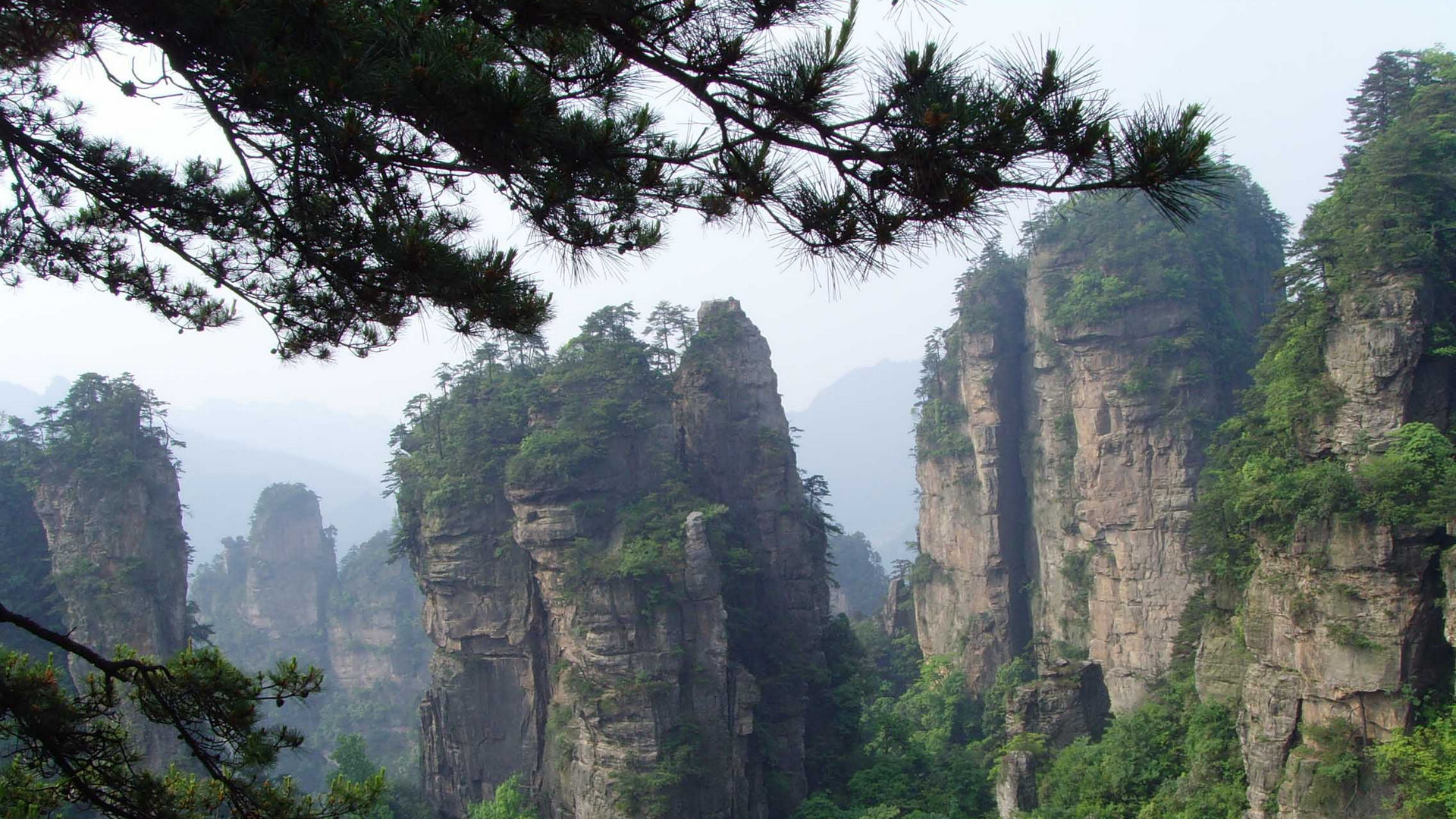
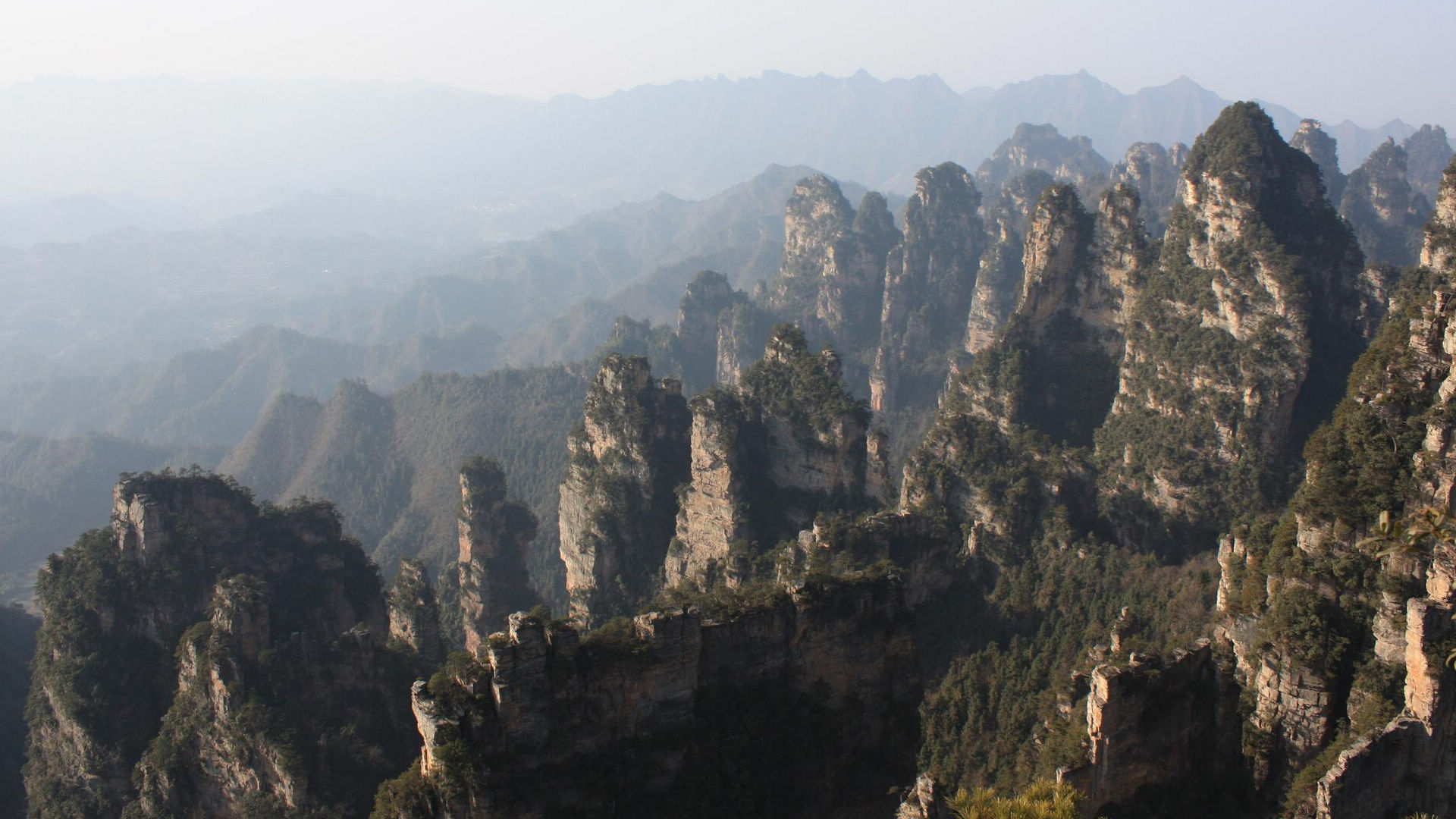
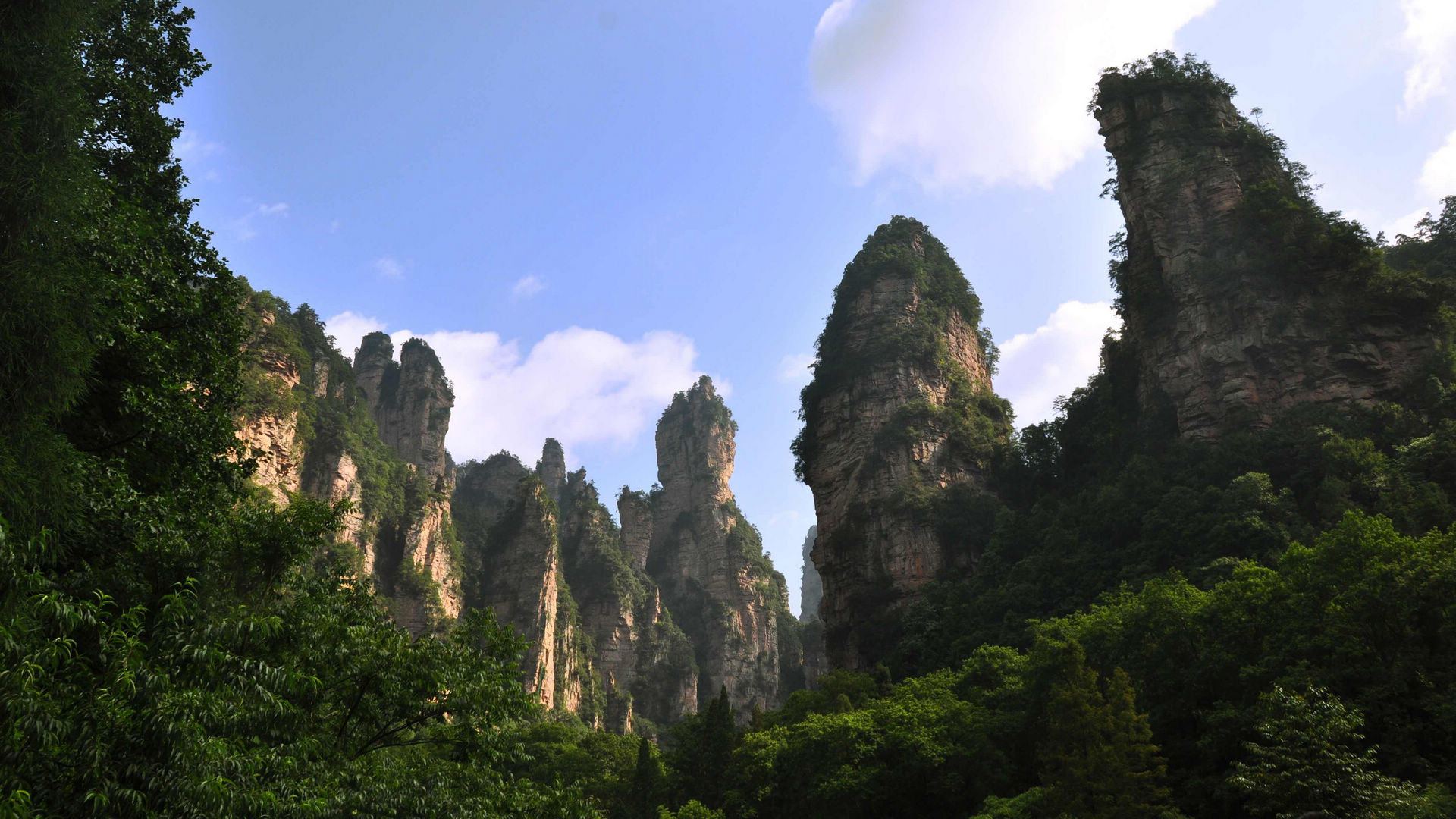
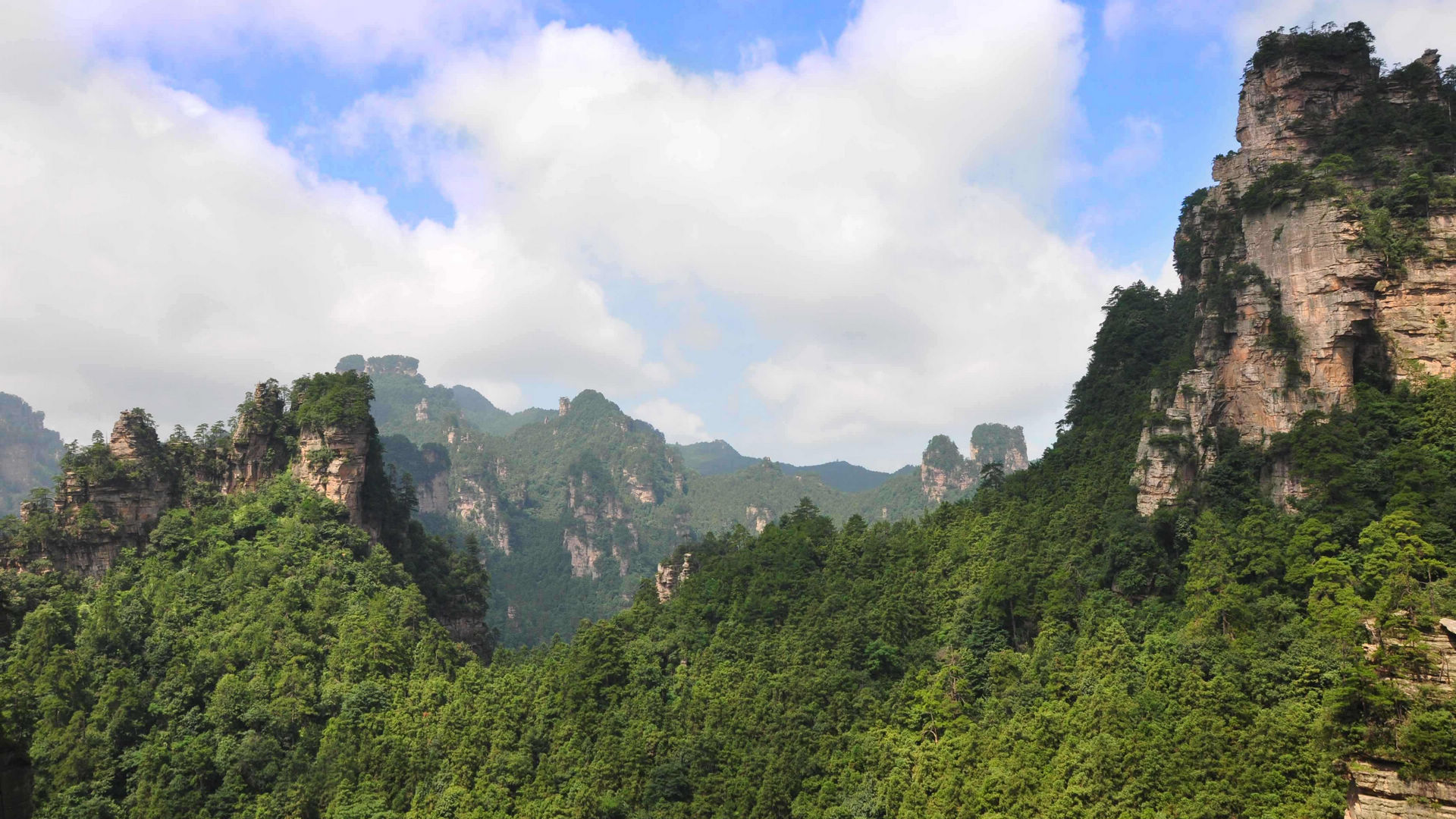
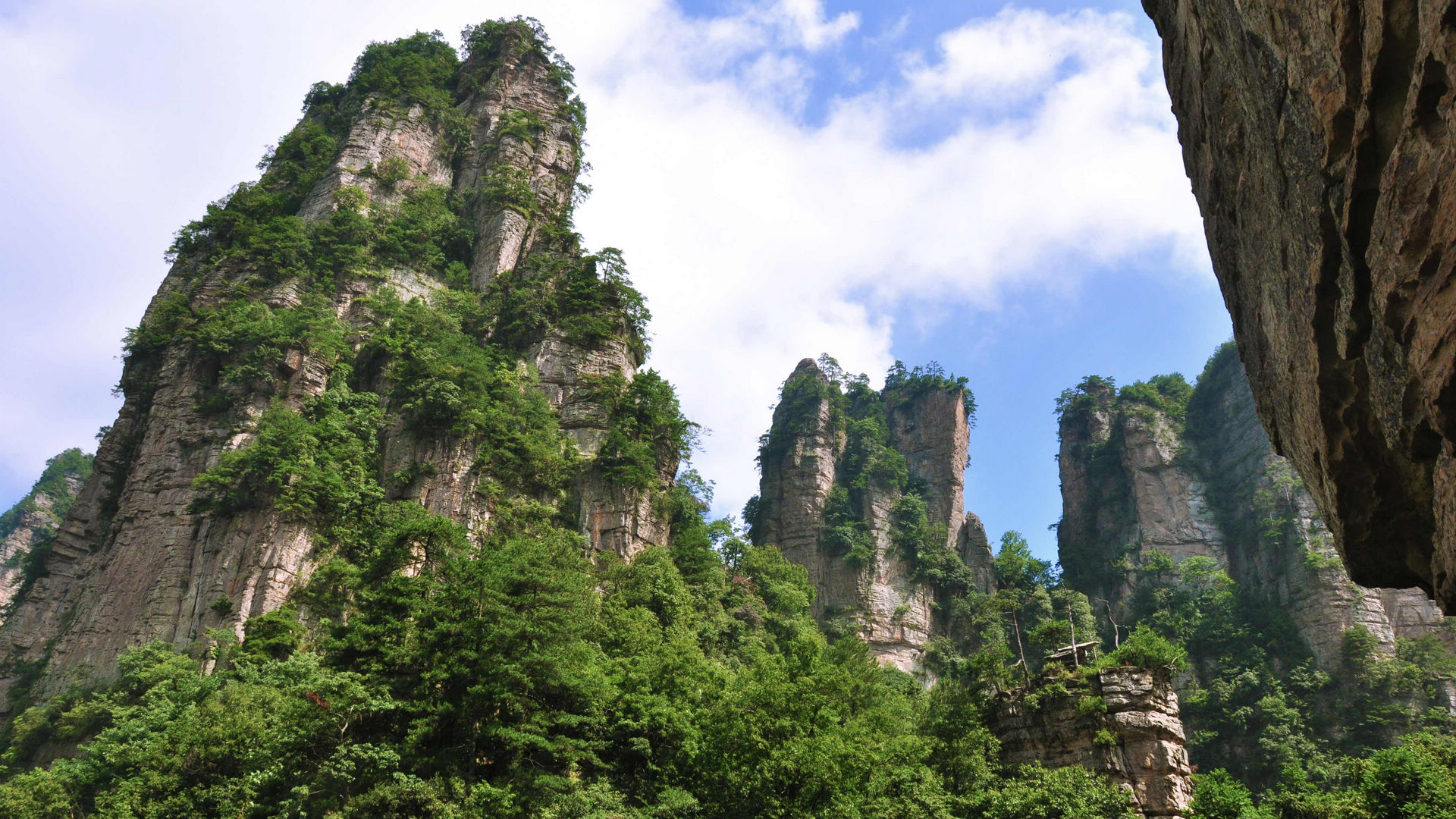
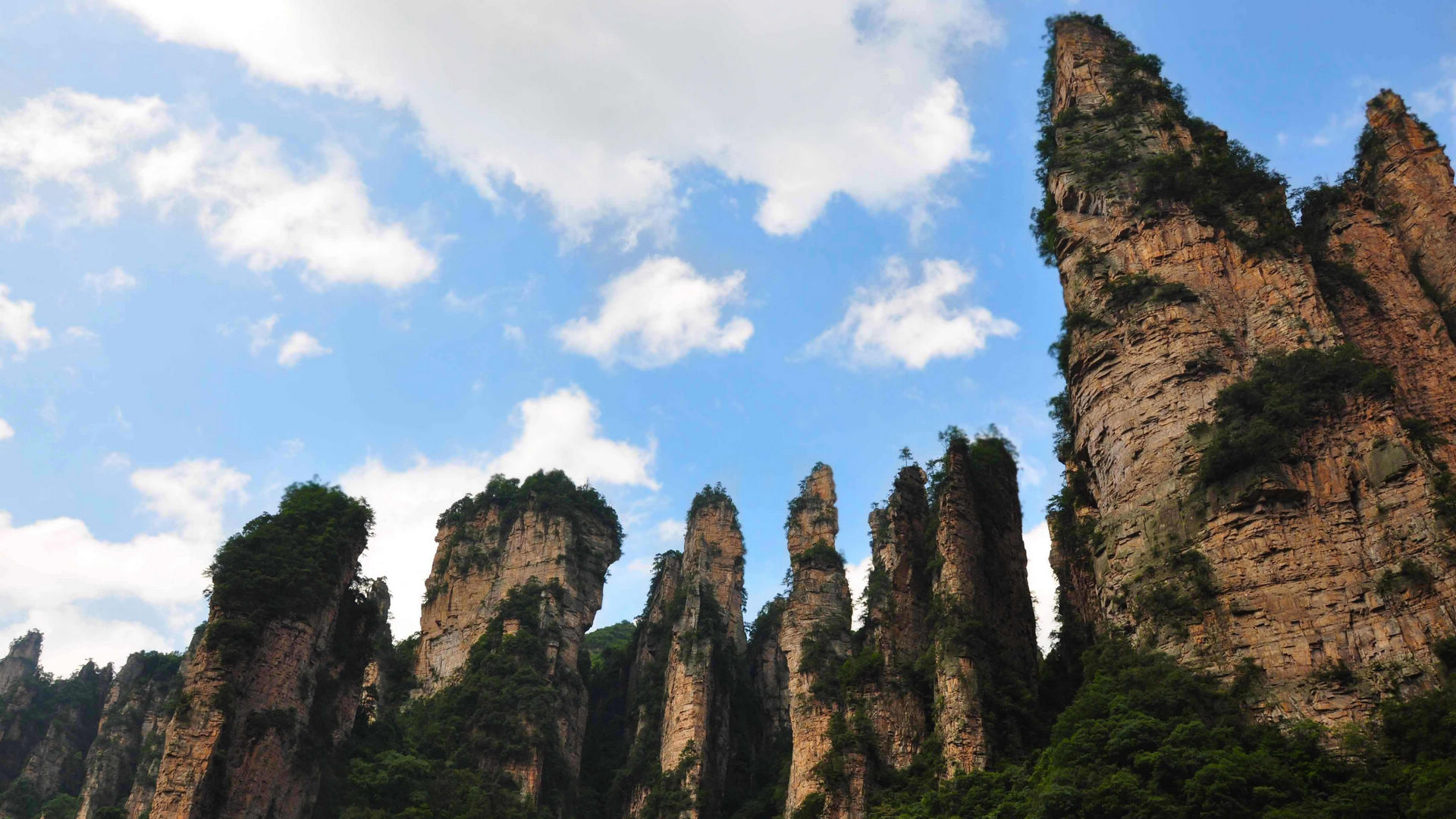
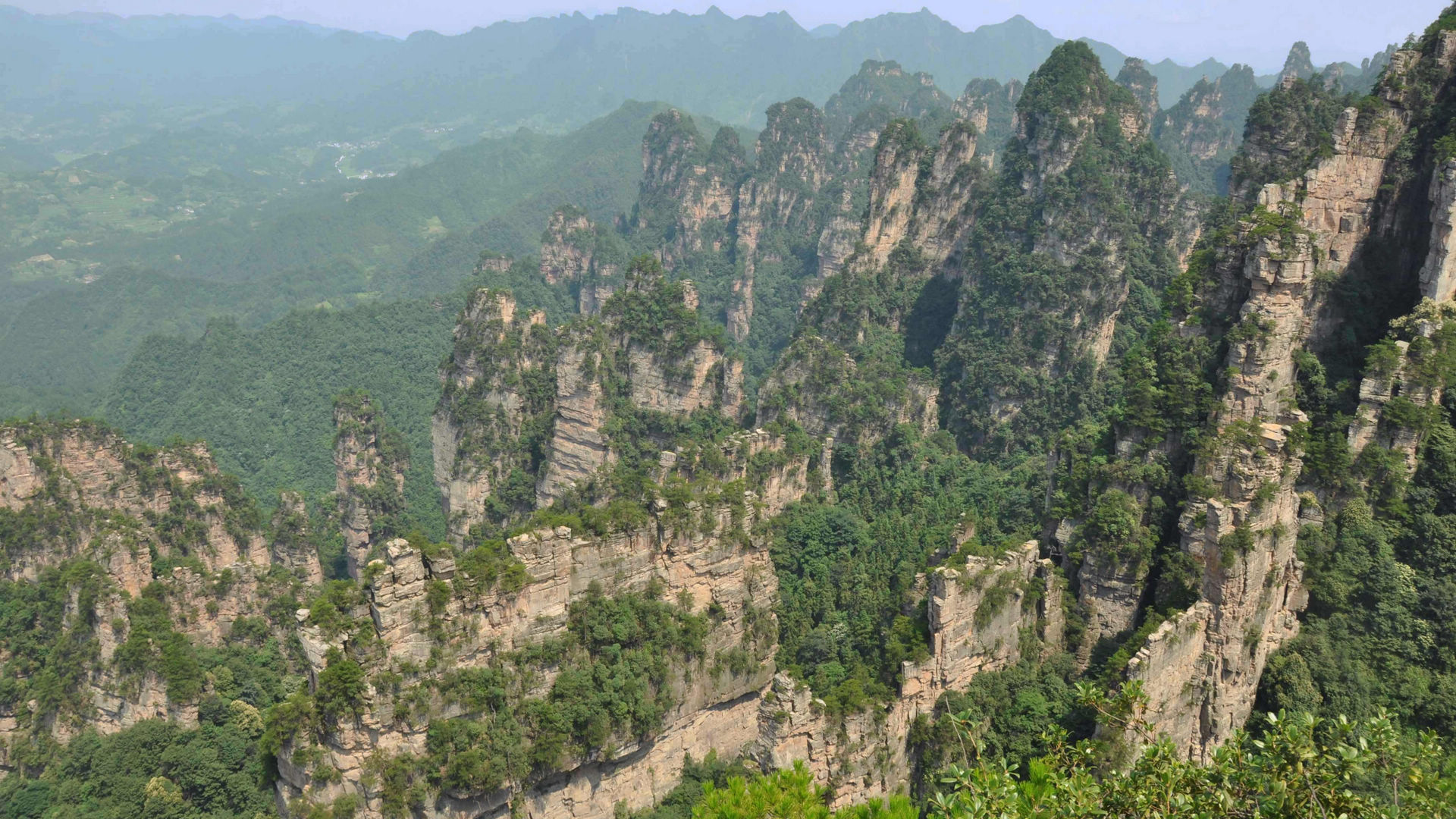
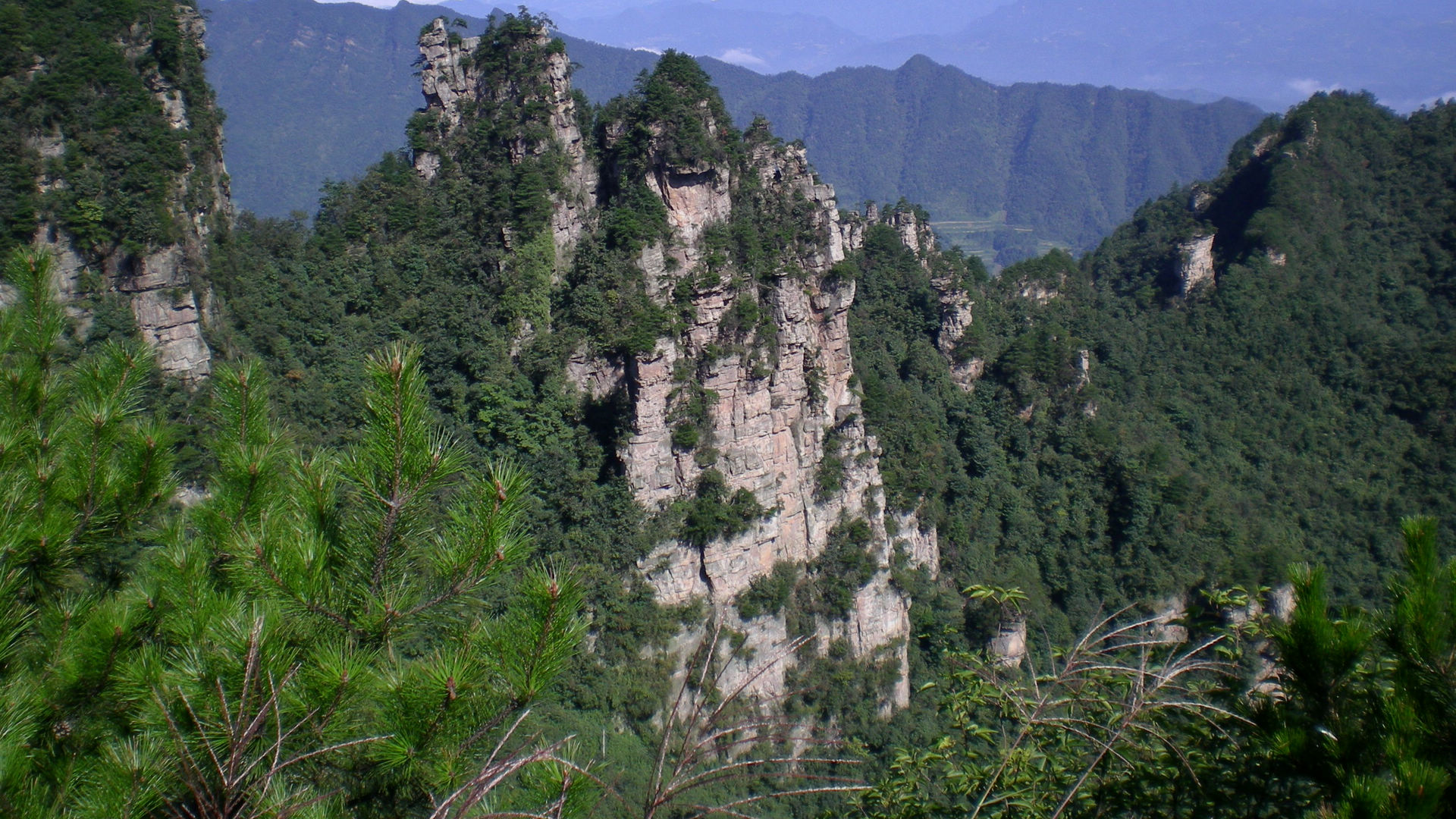
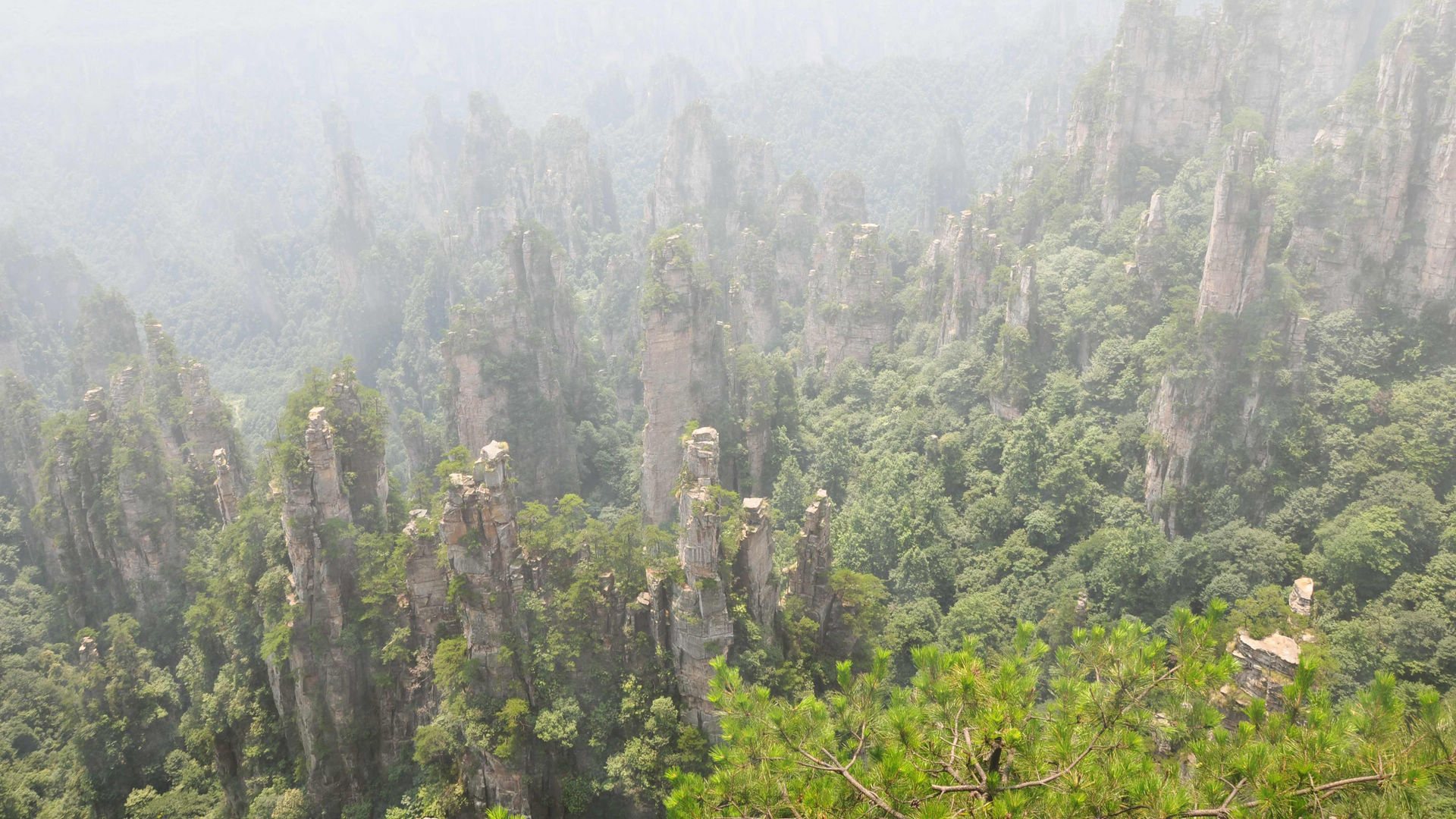
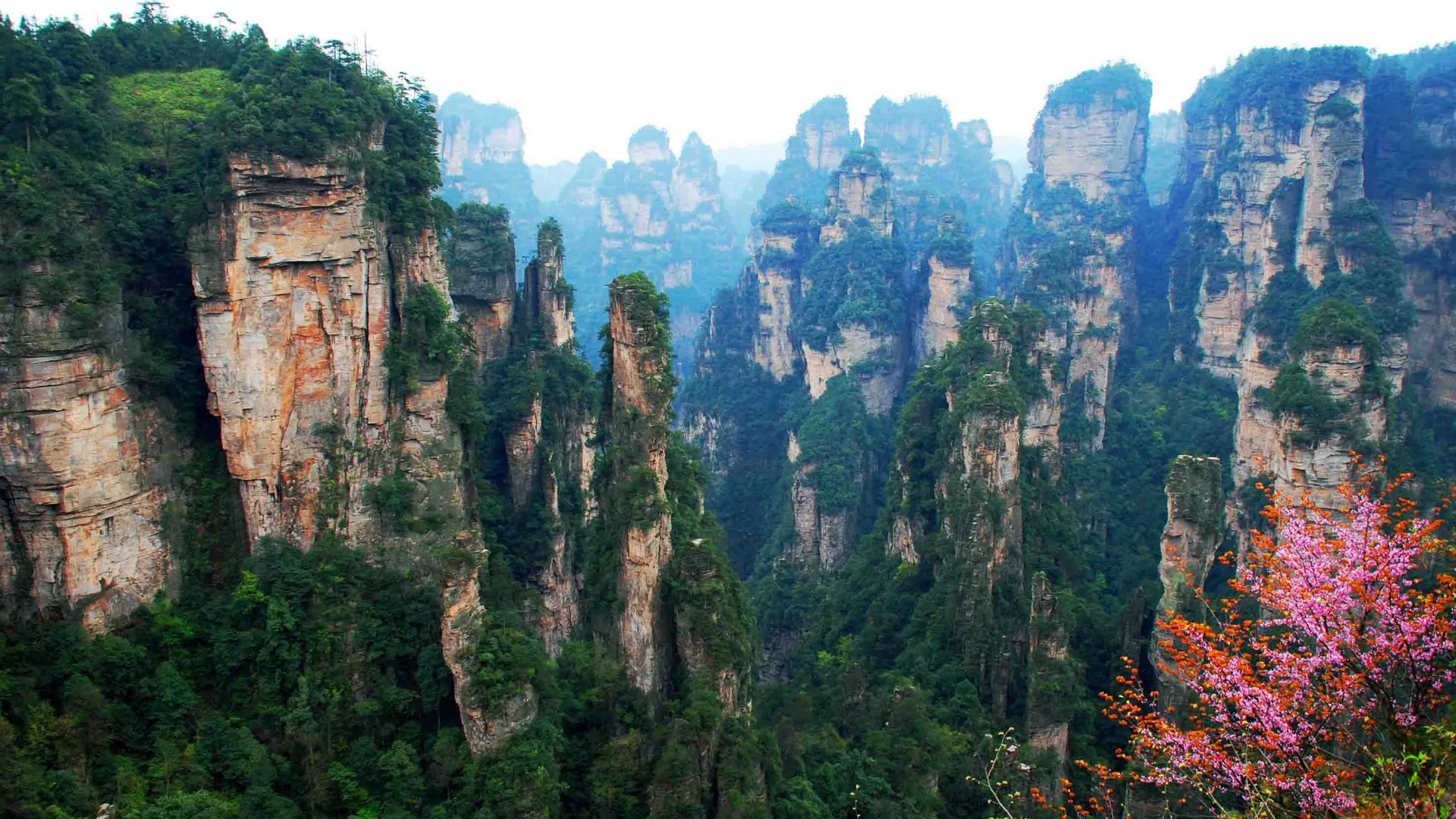
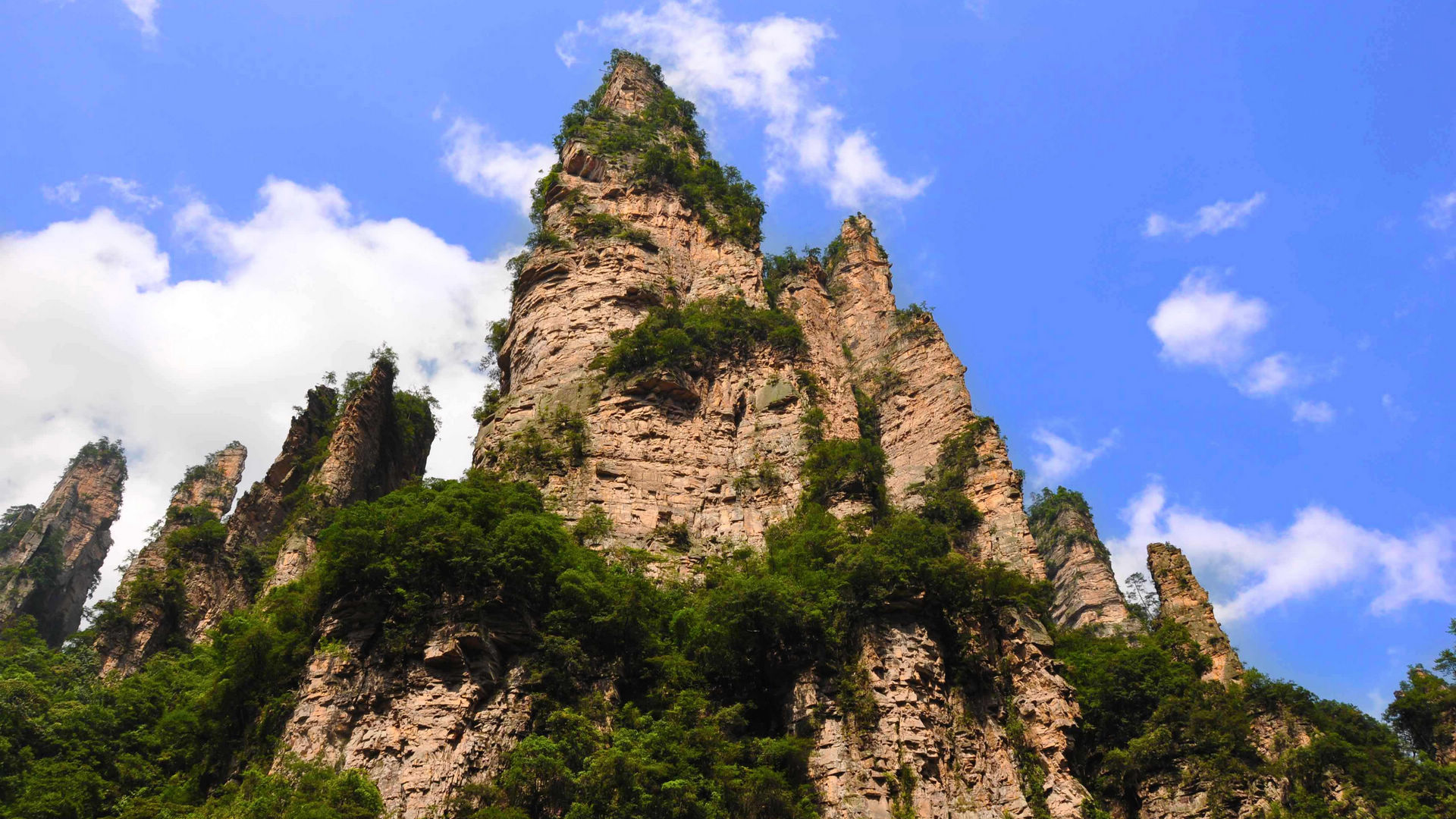
Zhangjiajie National Forest Park, located in the Wulingyuan Scenic Area of Hunan Province, China, is a place where nature defies imagination. As the birthplace of Zhangjiajie’s tourism, this park is world-renowned for its "three thousand peaks and eight hundred waters"—a dramatic landscape of quartz sandstone pillars that rise like ancient giants from the earth. In 1992, UNESCO unanimously inscribed Wulingyuan on the World Heritage List, filling a gap in China’s natural heritage and recognizing the area’s "outstanding universal value" for its rare peak forest landforms and exceptional aesthetic beauty.
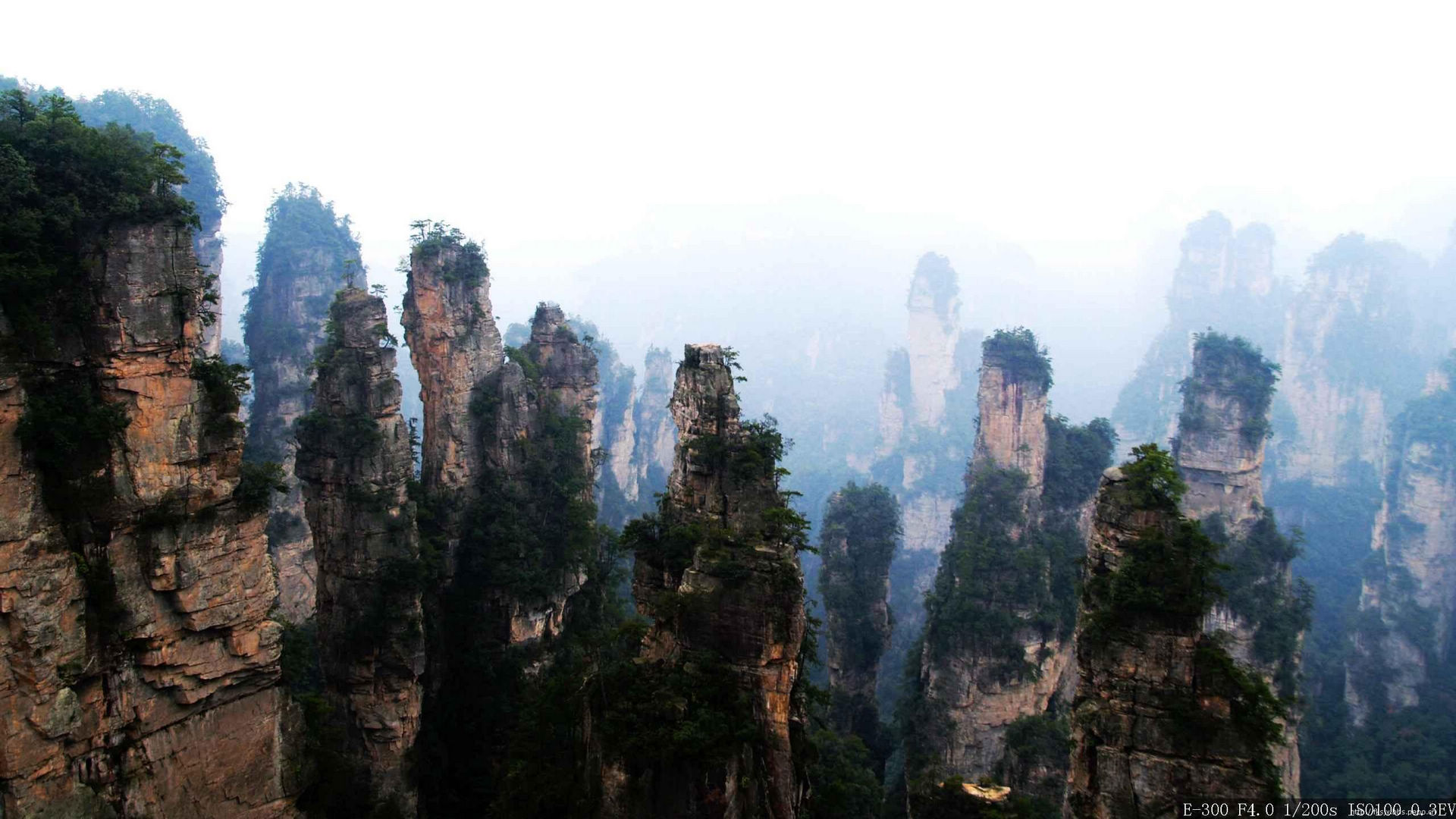
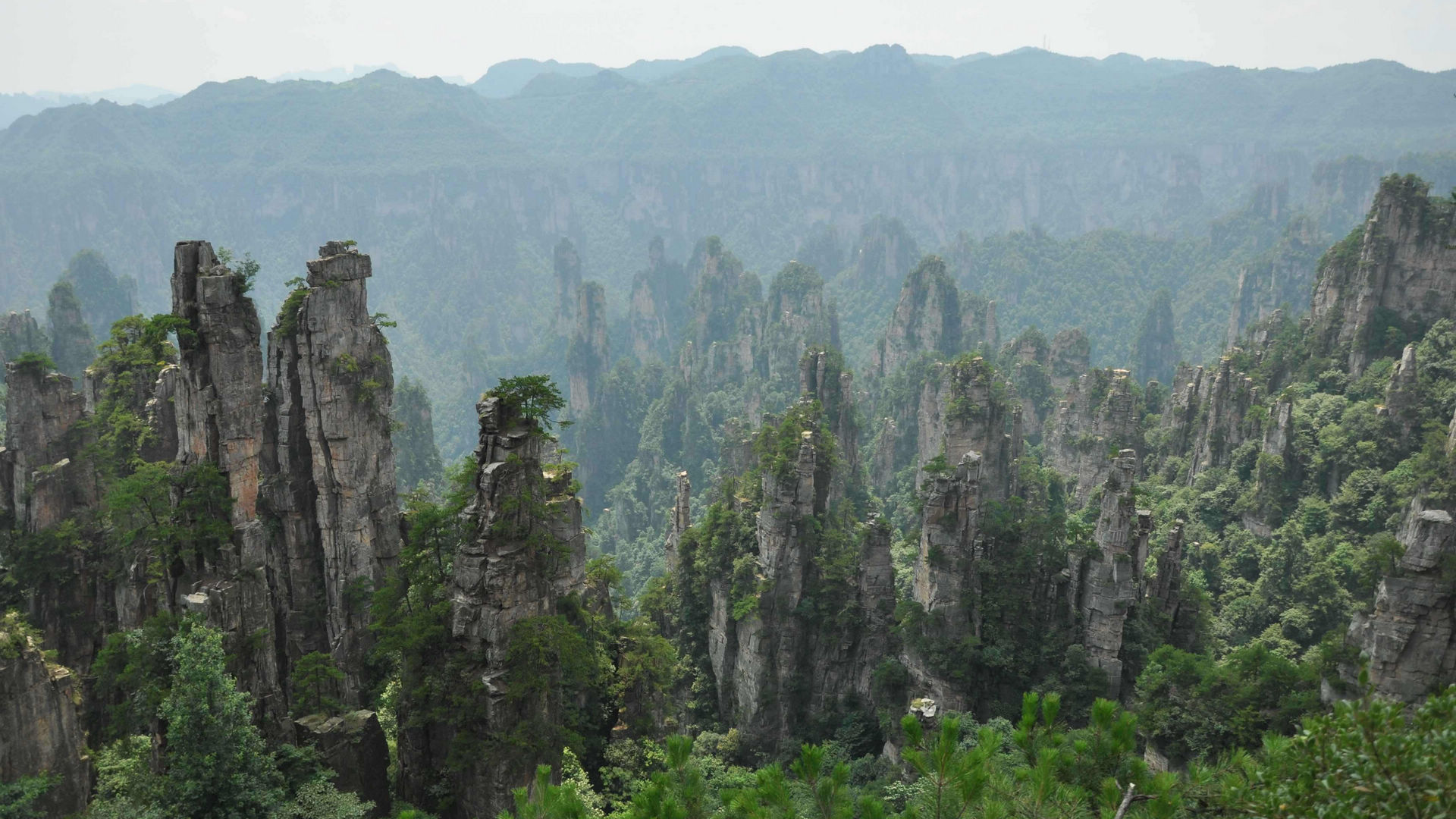
Often confused with the city itself, the park is the core of the larger Wulingyuan Scenic Area, which also includes Tianzi Mountain, Suoxi Valley, and Yangjiajie. Here, mist and clouds frequently shroud the peaks, creating an ethereal, floating-world effect that has inspired legends and blockbuster films like Avatar. With over 243 peaks soaring above 1,000 meters, the park offers a surreal experience that feels like stepping into a living Chinese ink painting.
Highlights & Activities
The park’s main draws are its iconic viewpoints and trails. Start at Yuanjiajie, home to the famous "Southern Sky Column" (also known as the Avatar Hallelujah Mountain), a towering pillar that seems to float in the clouds. The area is easily accessible via the Bailong Elevator, a glass elevator built into a cliff that whisks you 326 meters up in just over a minute—offering jaw-dropping views of the surrounding peaks.
For a more leisurely experience, hike the Golden Whip Stream (Jinbian Xi), a 7.5-kilometer trail that winds through lush forests and past peculiar rock formations. This 15-li walk is relatively flat, making it ideal for families, and you’ll encounter the "Meeting from a Thousand Li" scenic spot. From there, you can take the "Luan Cuo Po" slope to reach Yuanjiajie or continue to "Water Surrounding Four Gates" for a bus to the elevator.
Don’t miss Tianzi Mountain, known for its panoramic views and "sea of clouds" during rainy days. The Yangjiajie area offers rugged trails and the thrilling "Natural Great Wall" rock formation. For a unique experience, ride the cable car at Tianzi Mountain or take the eco-friendly shuttle buses that connect all major sites.
Key Attractions Nearby
Beyond the park, the region is packed with wonders. The Zhangjiajie Grand Canyon, located in Cili County, features waterfalls, cliffs, and the world’s longest and highest glass bridge—a must for adrenaline seekers. The Zhangjiajie Seventy-Two Strange Towers (Qishi’er Qilou) is a cultural landmark in the city, featuring a 109.9-meter stilted building that holds a Guinness World Record. This immersive complex includes a night market, food street, and live performances showcasing Tujia culture.
For a deeper dive into local traditions, visit the Tujia Folk Custom Park in Yongding District. Here, you can explore the Tusi City, watch Maogusi dances, and see artifacts from the Tujia minority. The park also hosts evening performances that bring ancient customs to life.
Where to Dine
Inside the park, dining options are limited but satisfying. Many hotels and guesthouses, like the Milan Inn on Tianzi Mountain top, offer meals for around 25 yuan per person—try local stir-fries and steamed dishes. For a more authentic experience, head to the Seventy-Two Strange Towers in the city, home to Hunan’s No. 1 Food Street. Here, you can sample spicy Tujia specialties like sour fish, smoked pork, and stinky tofu, all while enjoying the vibrant nightlife.
In the nearby town of Wulingyuan, local restaurants serve "Three Pots" (a hearty meat stew) and wild mushroom soups. For budget travelers, street stalls near the park gates offer noodles and dumplings for under 20 yuan.
Weather & Best Time to Visit
Zhangjiajie has a subtropical monsoon climate, with distinct seasons. The best time to visit is spring (April–May) and autumn (September–November), when temperatures are mild (15–25°C) and the skies are clearer. Spring brings blooming flowers and fresh greenery, while autumn offers crisp air and golden foliage.
Summer (June–August) is hot and humid, with frequent rain that often creates the park’s signature misty landscapes—perfect for photographers, but expect crowds. Winter (December–February) is cold and less crowded, with occasional snow dusting the peaks, creating a serene, magical atmosphere. Avoid Chinese public holidays (like National Day in October) to escape the heaviest crowds.
Travel Tips
- Getting There: The park is accessible from Zhangjiajie city via bus or taxi to the Forest Park entrance (about 40 minutes). From the city, take bus routes 5 or 10 to reach the Tujia Folk Custom Park or other sites.
- Fees & Hours: The park is open daily from 07:00 to 17:00 (last entry at 17:00). Tickets cost around 225 yuan for adults, with discounts for students, seniors (65+), and children under 14. The Bailong Elevator and cable cars are extra (about 72 yuan per ride).
- What to Bring: Comfortable hiking shoes are essential—the park involves a lot of walking. Pack rain gear, as weather can change quickly, and bring water and snacks, as food inside can be pricey. A camera is a must for the incredible scenery.
- Accommodation: For a unique stay, book a room at the Zhangjiajie Jinjiang Apartment 168 near Yuanjiajie—a Tujia-style stilted building with rooms from 90 yuan. The Milan Inn on Tianzi Mountain offers 24-hour hot water and meals, with rooms starting at 100 yuan. Book ahead during peak seasons.
- Pro Tip: To save time, use the eco-friendly shuttle buses and plan a 2–3 day itinerary. Many visitors recommend starting early to avoid crowds and catch the morning mist over the peaks.