Overview & History
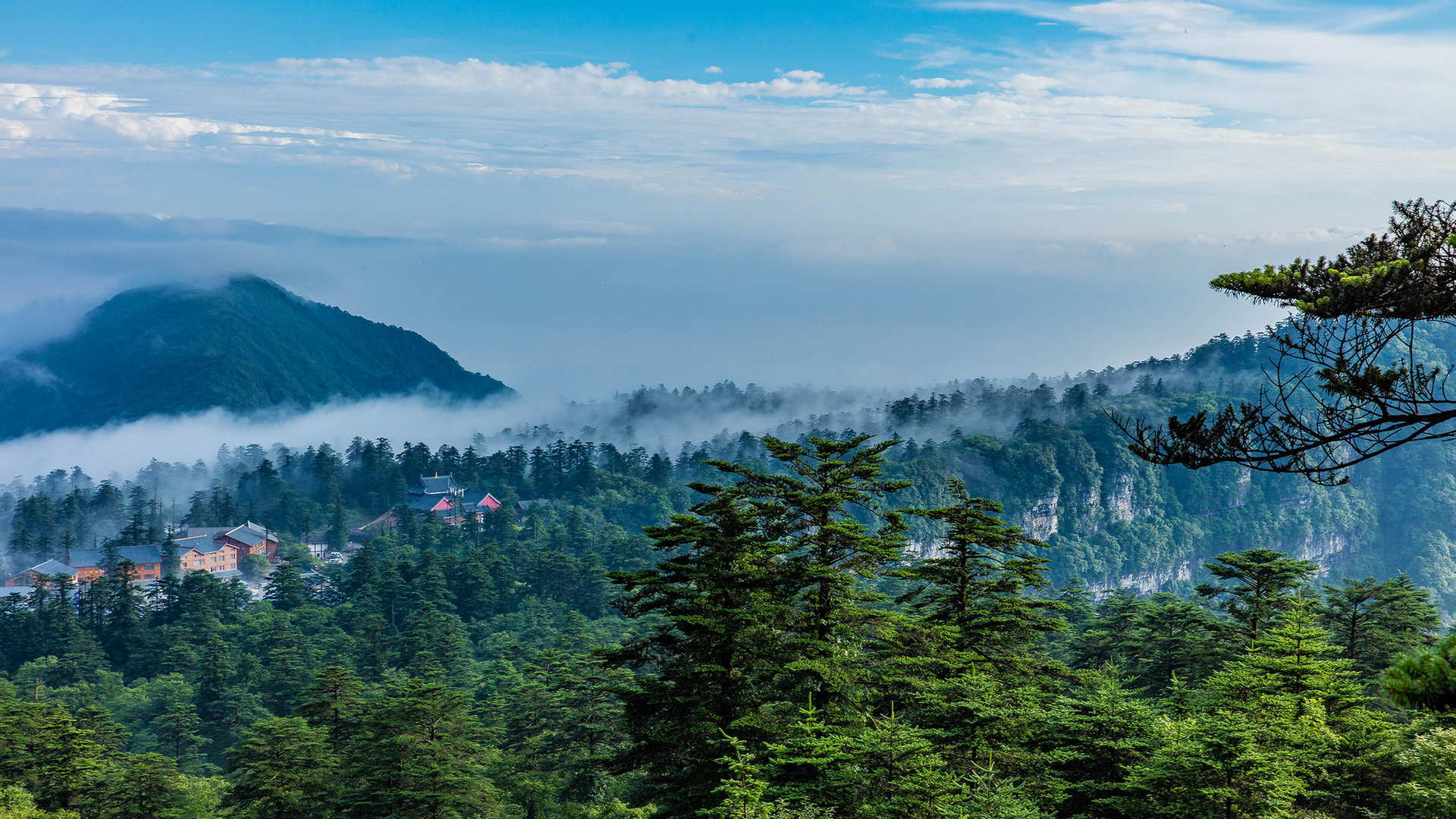
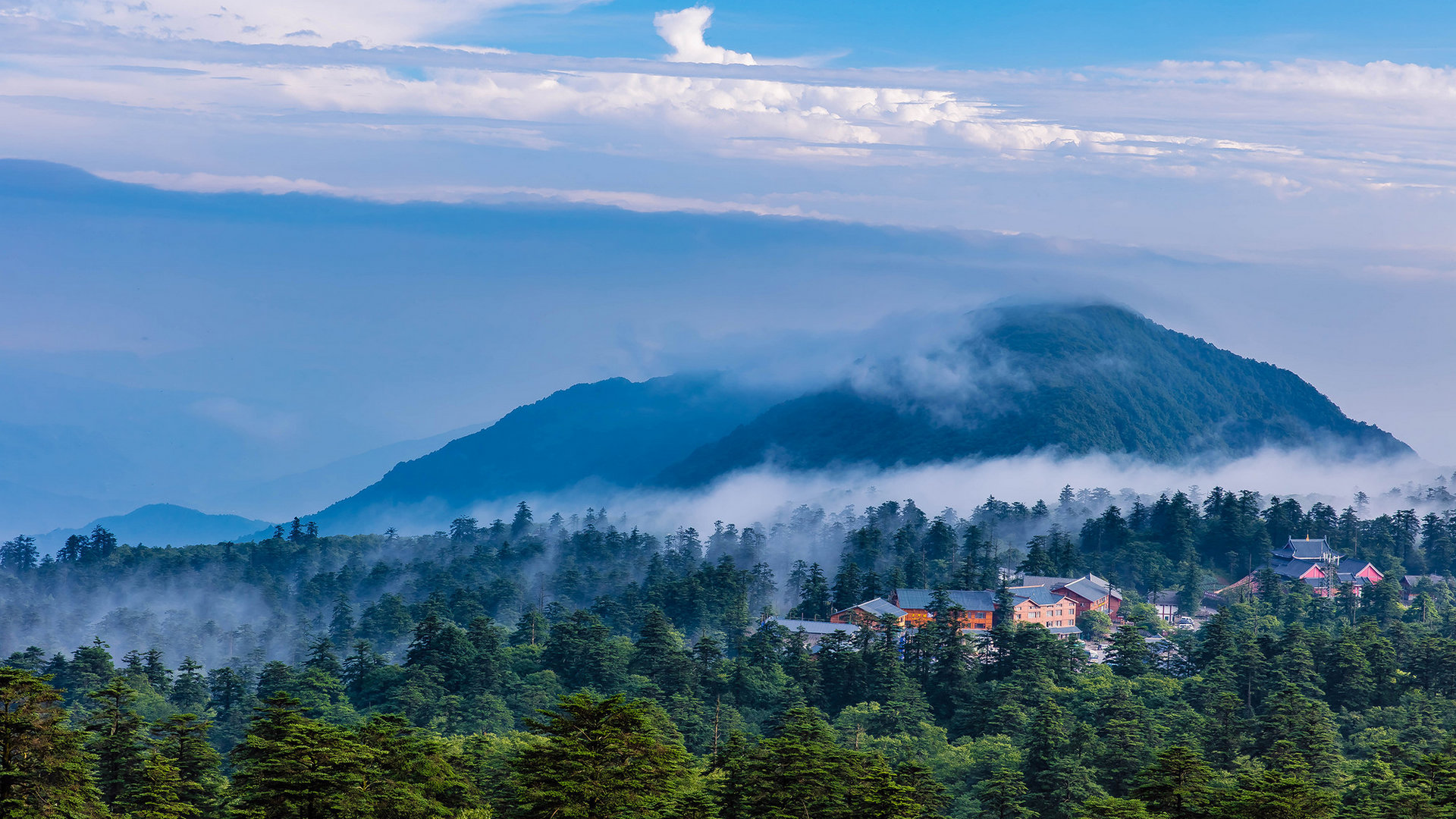
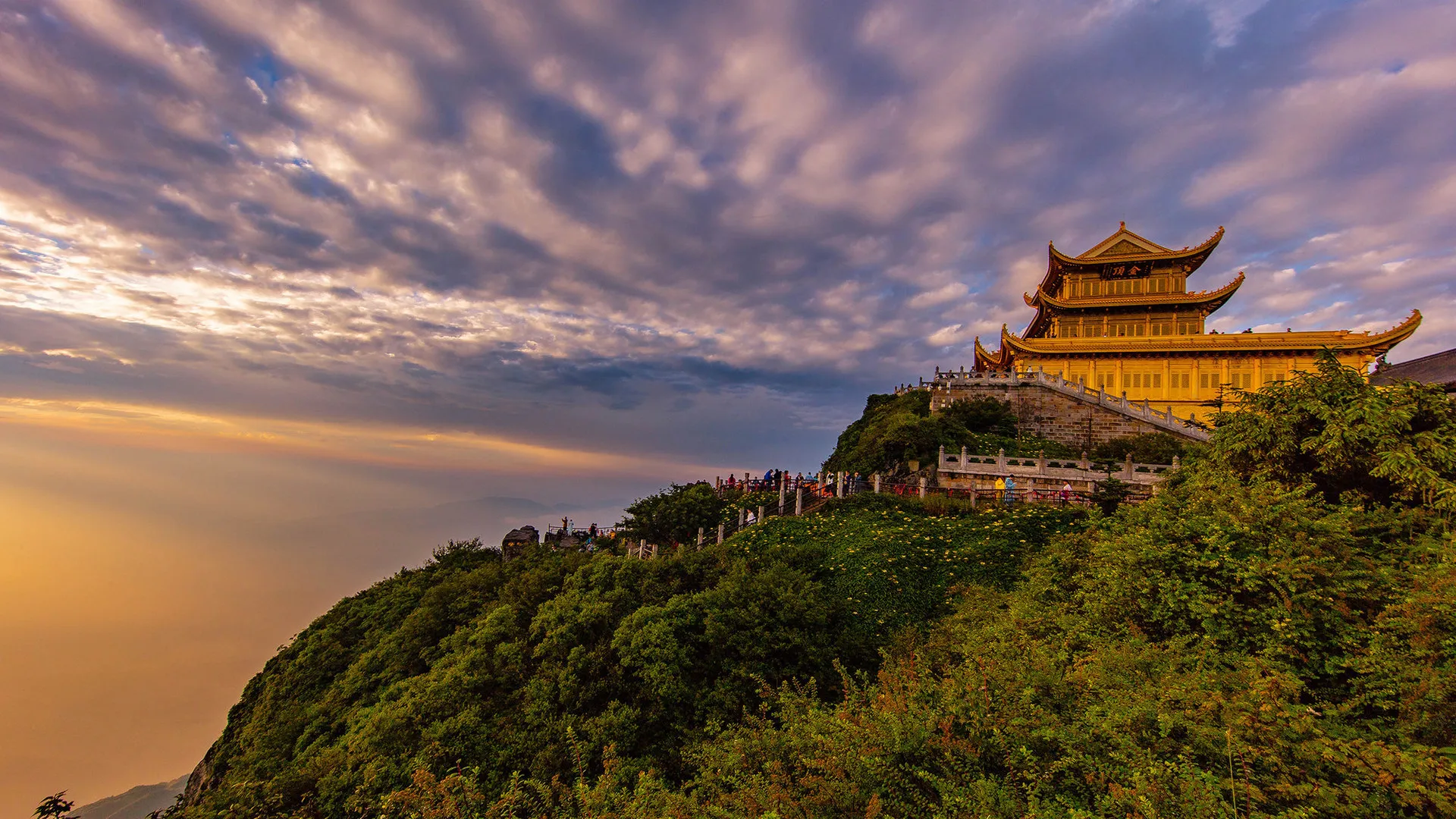
Mount Emei, located at longitude 103.48 and latitude 29.59 in Sichuan Province, China, is a sacred Buddhist mountain and one of the country's most revered natural and cultural landmarks. Its geological foundation was laid by the Yanshan Movement at the end of the Mesozoic Era, and it was ultimately shaped by the Himalayan Movement of the Neotectonic Period. The mountain extends 23 kilometers north-south, encompassing four major peaks: Greater Emei, Second Emei, Third Emei, and Fourth Emei. Greater Emei, the main peak, is what most people refer to as "Mount Emei."
Mount Emei's Buddhist heritage dates back to the 1st century AD, when Buddhism was introduced from India via the Southern Silk Road. The herbalist Pu Gong built the Puguang Hall on Golden Summit, and by the 3rd century, the "Samantabhadra Faith" had spread, with Monk Huichi constructing the Samantabhadra Temple. Today, it is known as the dojo (place of enlightenment) of Samantabhadra Bodhisattva and is celebrated as a "Buddhist Paradise." The Miscellaneous Flowers Sutra · Buddha's Prophecy declares, "In the land of China, Mount Emei is the leader of mountains," and the Tang Dynasty poet Li Bai immortalized it with the verse, "The land of Shu has many immortal mountains, but Mount Emei stands unparalleled." Praised as "Towering above the Five Sacred Mountains," Mount Emei is a treasure trove of human culture and a must-visit destination.
Highlights & Activities
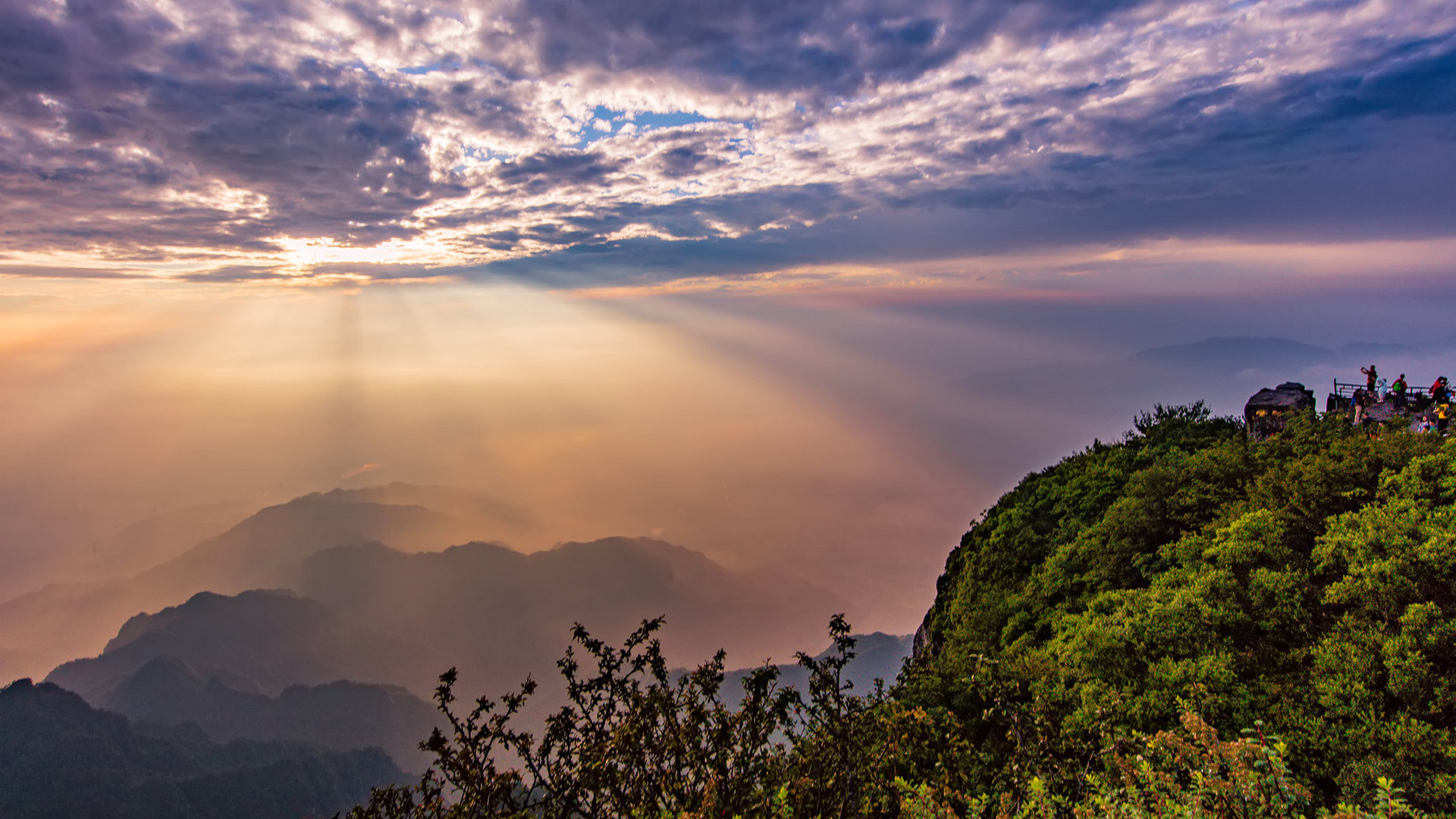
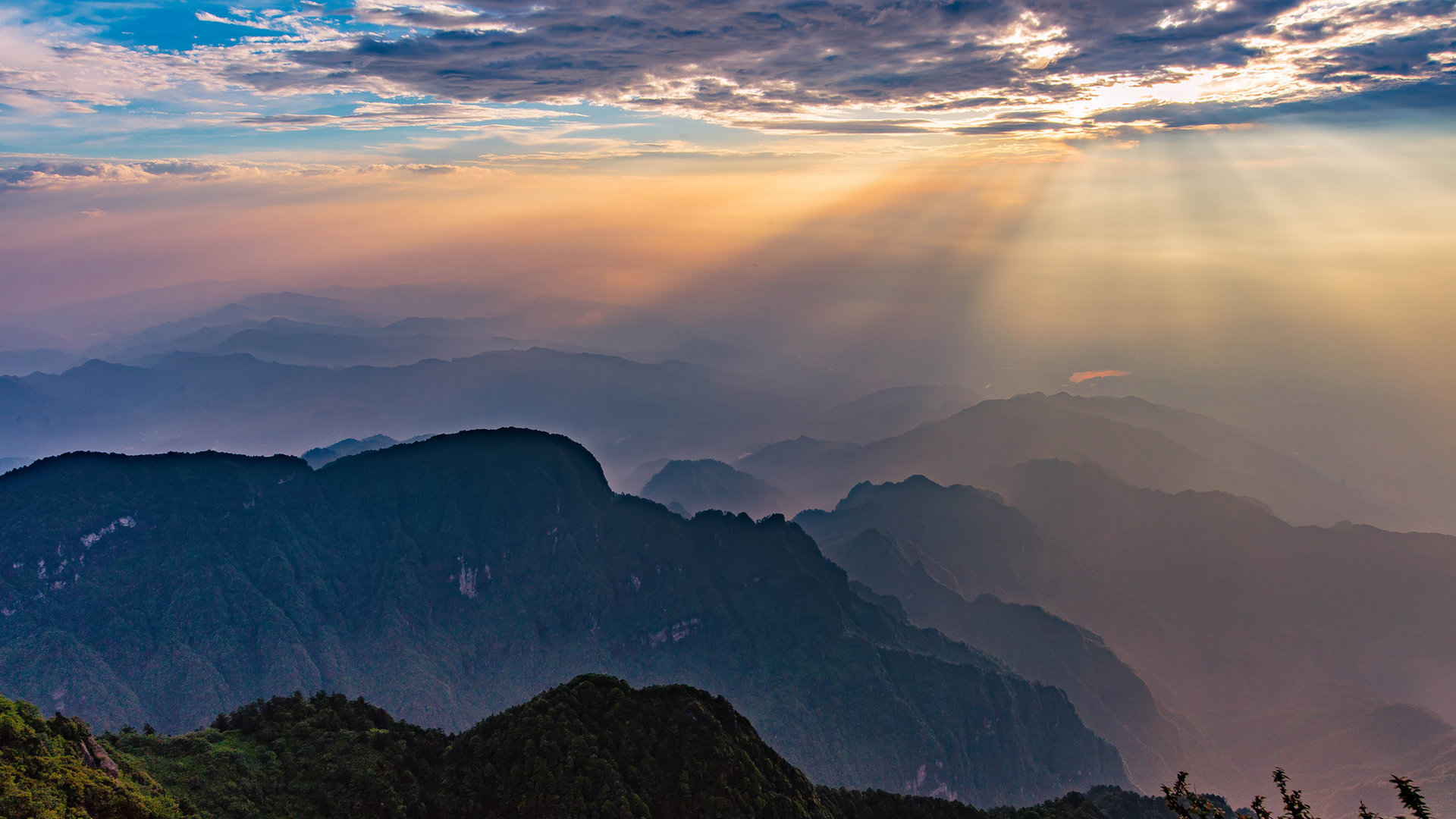
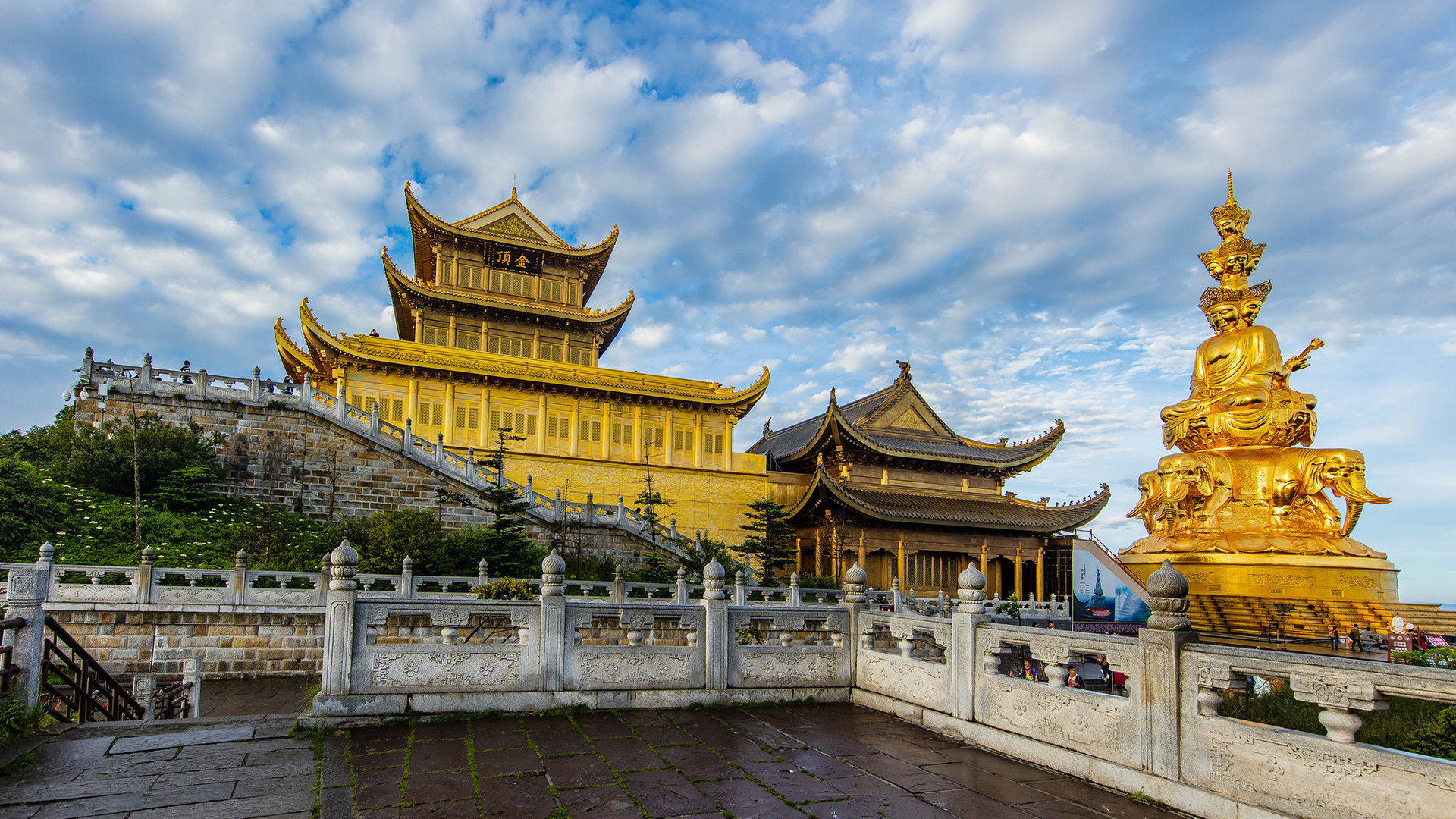
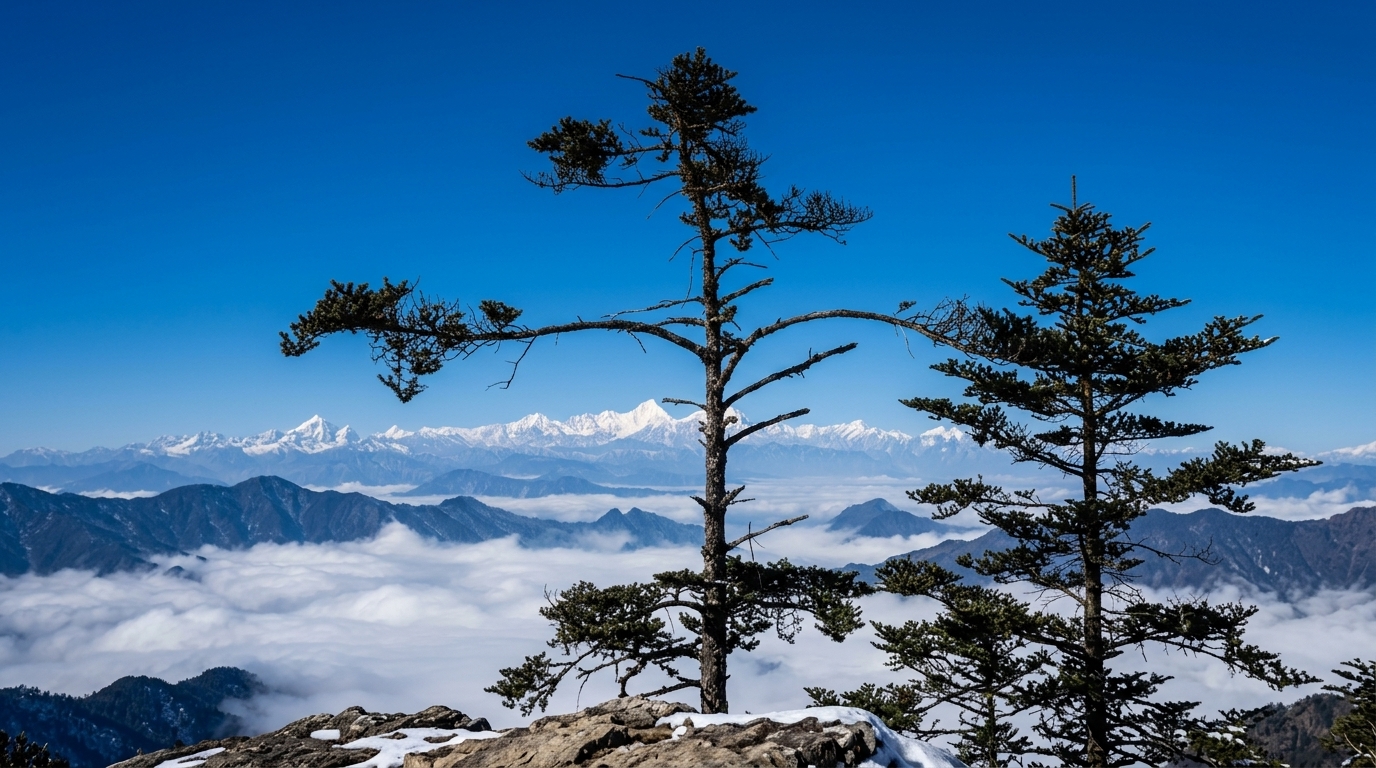
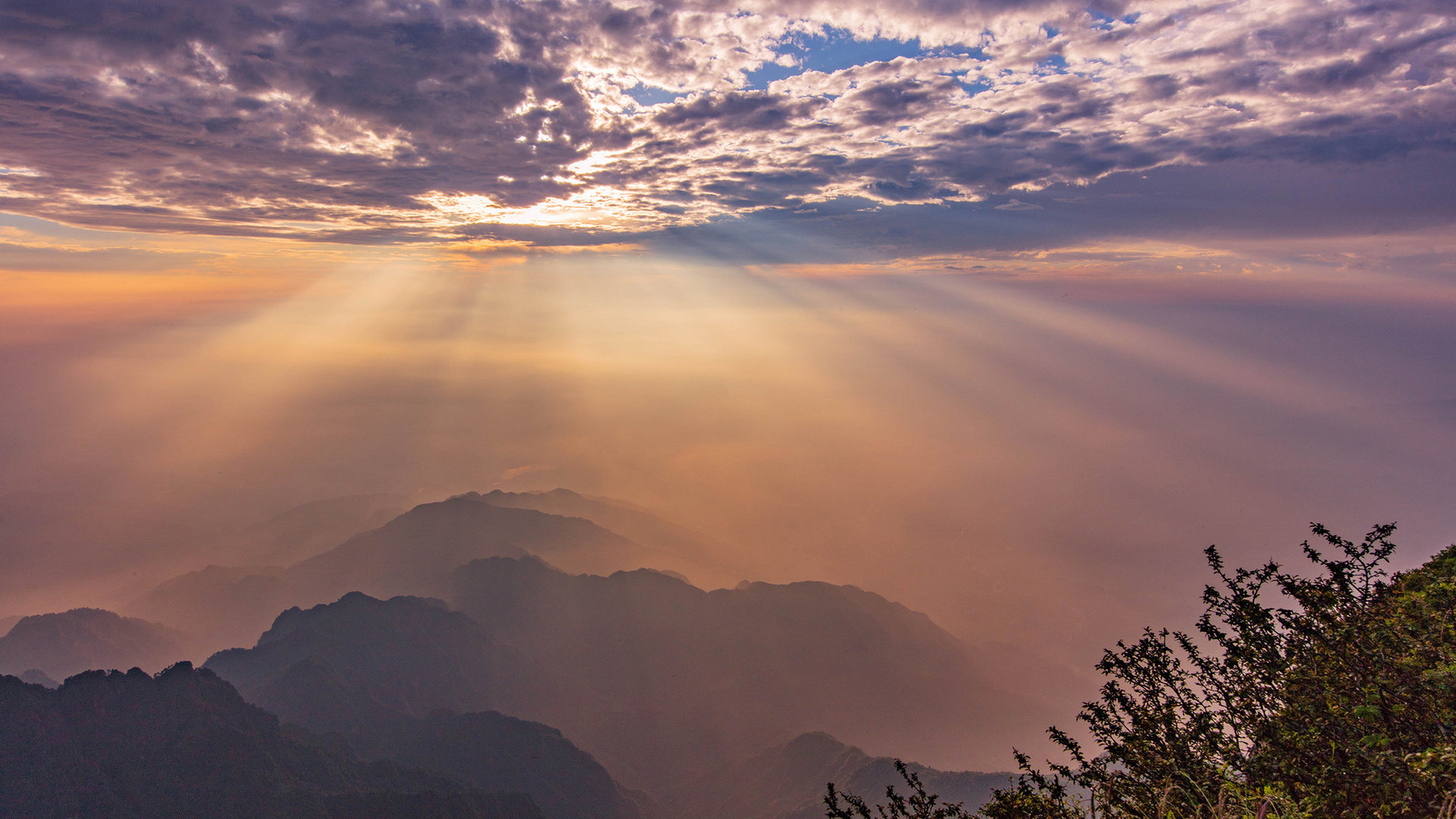
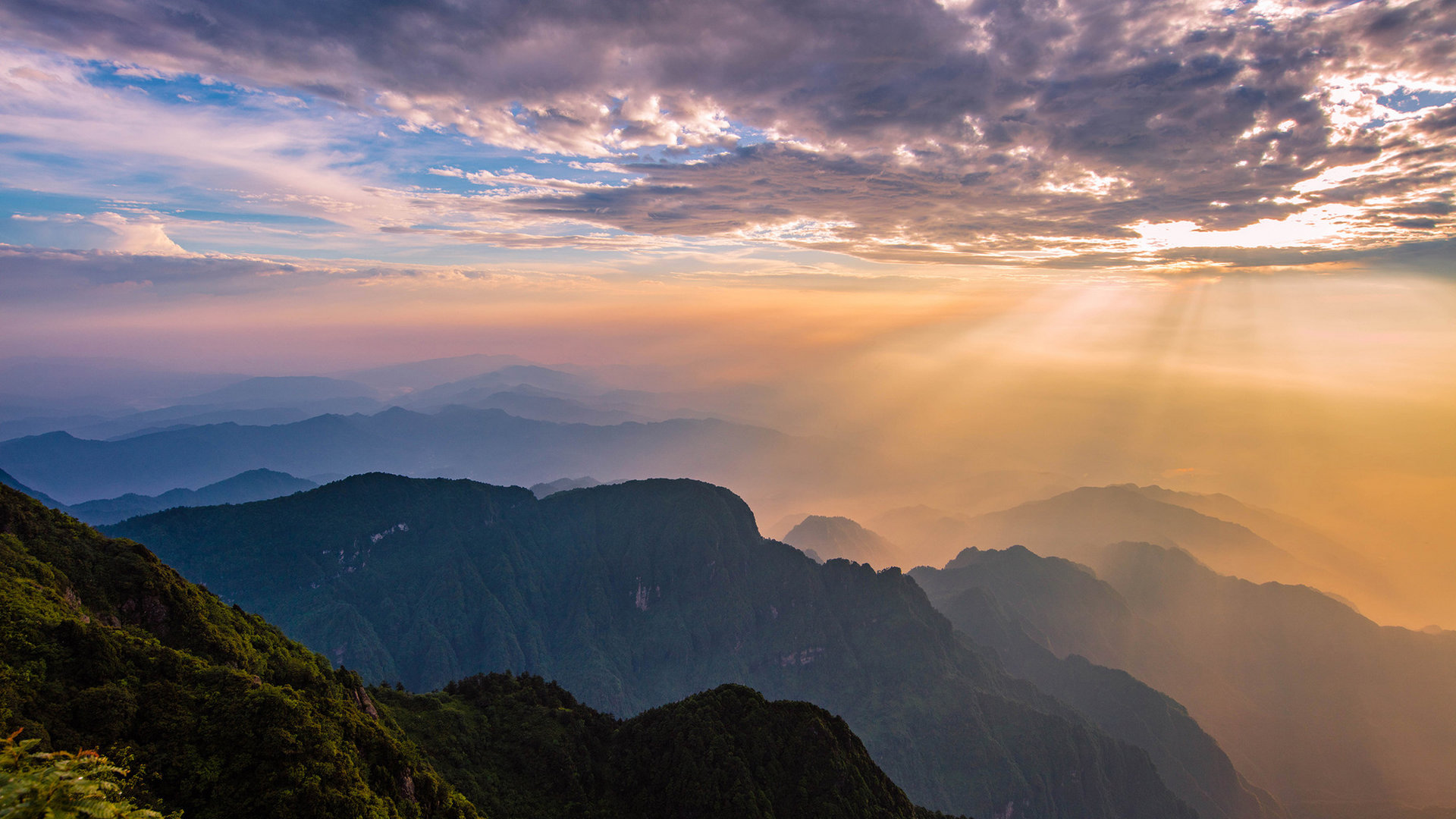
Mount Emei is renowned for its "majesty, elegance, mystery, wonder, and spirituality," featuring four extraordinary spectacles: "Sunrise," "Sea of Clouds," "Buddha's Light," and "Holy Lamps." The Golden Summit, at an elevation of 3,077 meters, offers breathtaking views of these phenomena, along with the Four-Sided Golden Buddha—a towering statue of Samantabhadra that glows in the morning light. For adventure seekers, the Mount Emei Summit Ski Resort, built in 1998 as Sichuan's first ski resort, provides winter fun. Located on the right side of the Leidongping Road parking lot, it features a ski practice area, ice and snow slide area, snowball fight zone, and more. Fees include skiing at 50 yuan/person/hour, flying saucer at 40 yuan/person/hour, and dog sledding at 30 yuan/person/ride. Contact them at 0833-5098025 for details.
Nature lovers can explore the Qingyin Pavilion Scenic Area, home to Qingyin Pinghu—a serene lake with a long suspension bridge spanning its crystal-clear blue waters. Here, you might spot the playful Valley Spirit Monkeys, a highlight for many visitors. The mountain also boasts the "Ten Scenic Spots of Mount Emei," including Golden Summit Auspicious Light, Elephant Pool Moonlit Night, and Double Bridge Clear Sound, as well as the "New Ten Scenic Spots" like Golden Summit Golden Buddha and Xiujia Waterfall.
Key Attractions Nearby
Beyond the mountain itself, the surrounding area offers diverse attractions. The Huasheng Hot Spring at No. 450 Foguang South Road, Emeishan City, is a relaxing retreat open from 17:00 to 23:30, perfect for unwinding after a day of hiking. The Lingxiu Hot Spring, Asia's largest outdoor radon hot spring, is located within the Baoguo Temple Scenic Area's Hot Spring Happy Valley, adjacent to the Mount Emei Hot Spring Hotel. For cultural immersion, the Baoguo Temple area is a hub of activity, with easy access to transportation and a lively snack street. The First Mountain Pavilion and cliff carvings near the entrance provide a glimpse into the mountain's historical significance.
Where to Dine
Mount Emei's culinary scene is a delight. The Mount Emei Specialty Food Village, located at the ancient Fenghuangtai site beside the Yuhe River (outside the Mount Emei Grand Hotel), offers a fusion of Emei and Leshan flavors. It features eight culinary systems, including Emei medicinal cuisine, mountain delicacies, snacks, barbecue, vegetarian dishes, and tea at the Shenshui Xueya Corridor. Contact them at 0833-5595668. For a more rustic experience, the Mount Emei Pinghu Villa, beside Qingyin Pinghu, serves local specialties like wild vegetable omelette and bitter bamboo shoot and pork slice soup, made with fresh local ingredients. Prices are around 200 yuan, and you can call 13628188445. Don't miss the Emei Braised Duck, a 200-year-old delicacy with red color, tender meat, and a smoky aroma, available from numerous street stalls in the city.
Weather & Best Time to Visit
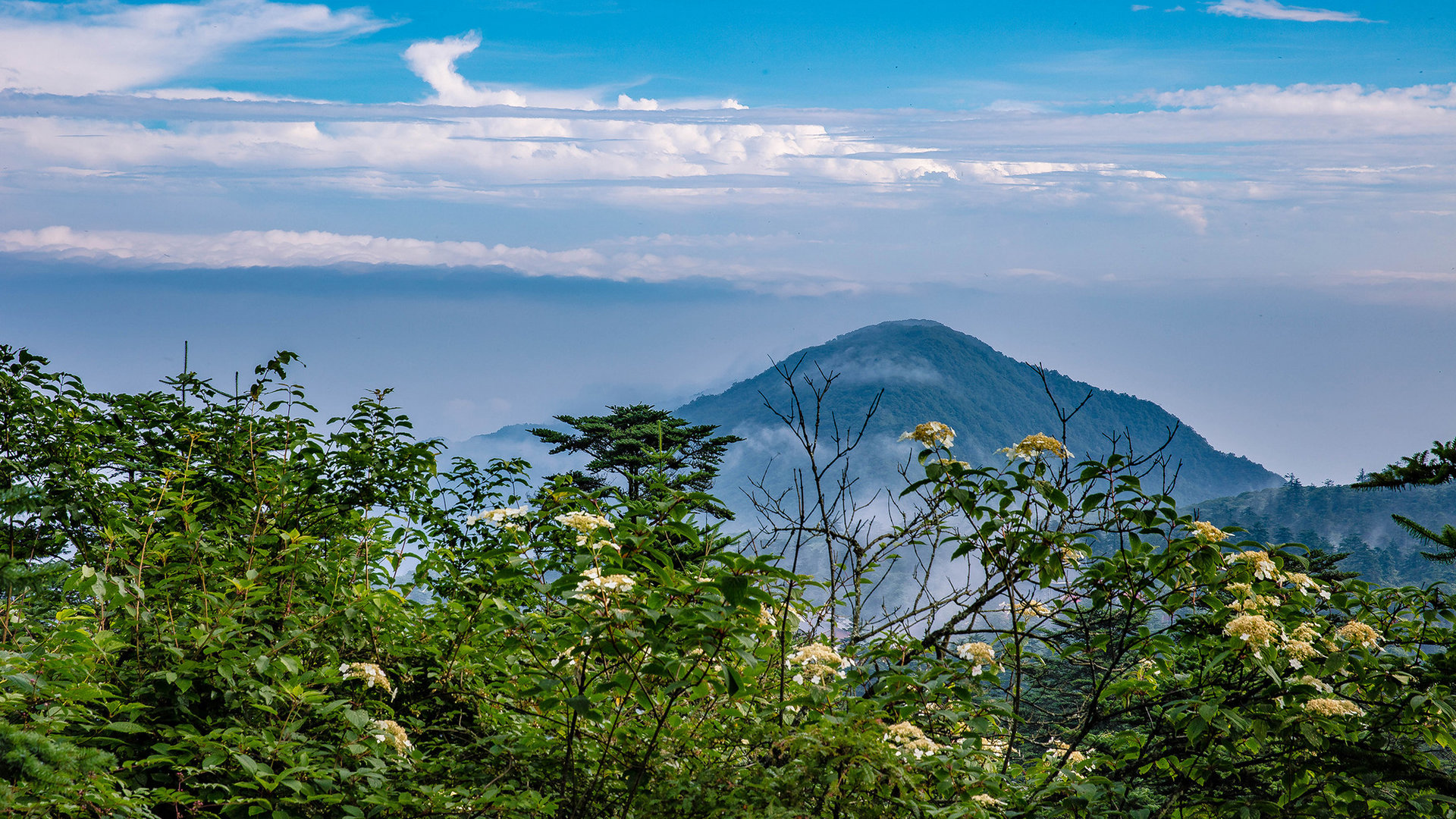
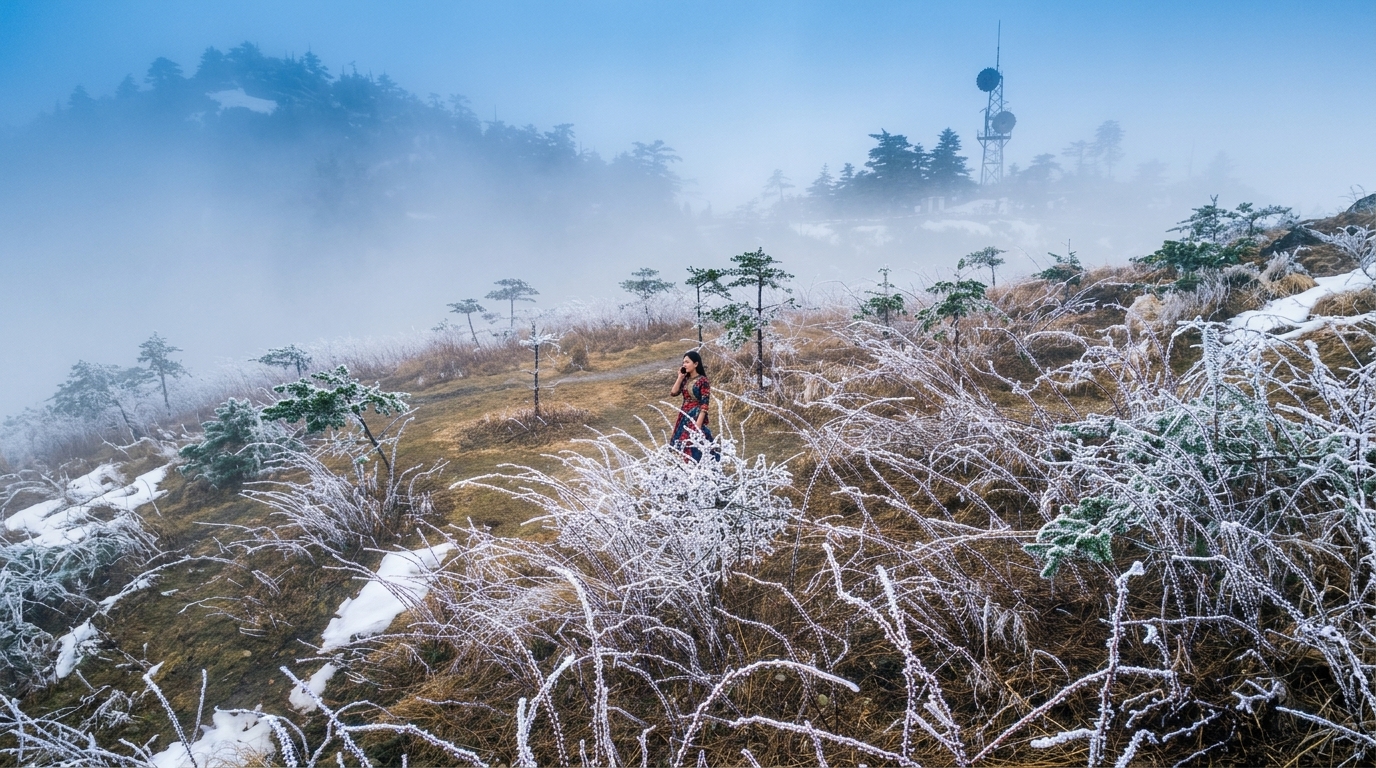
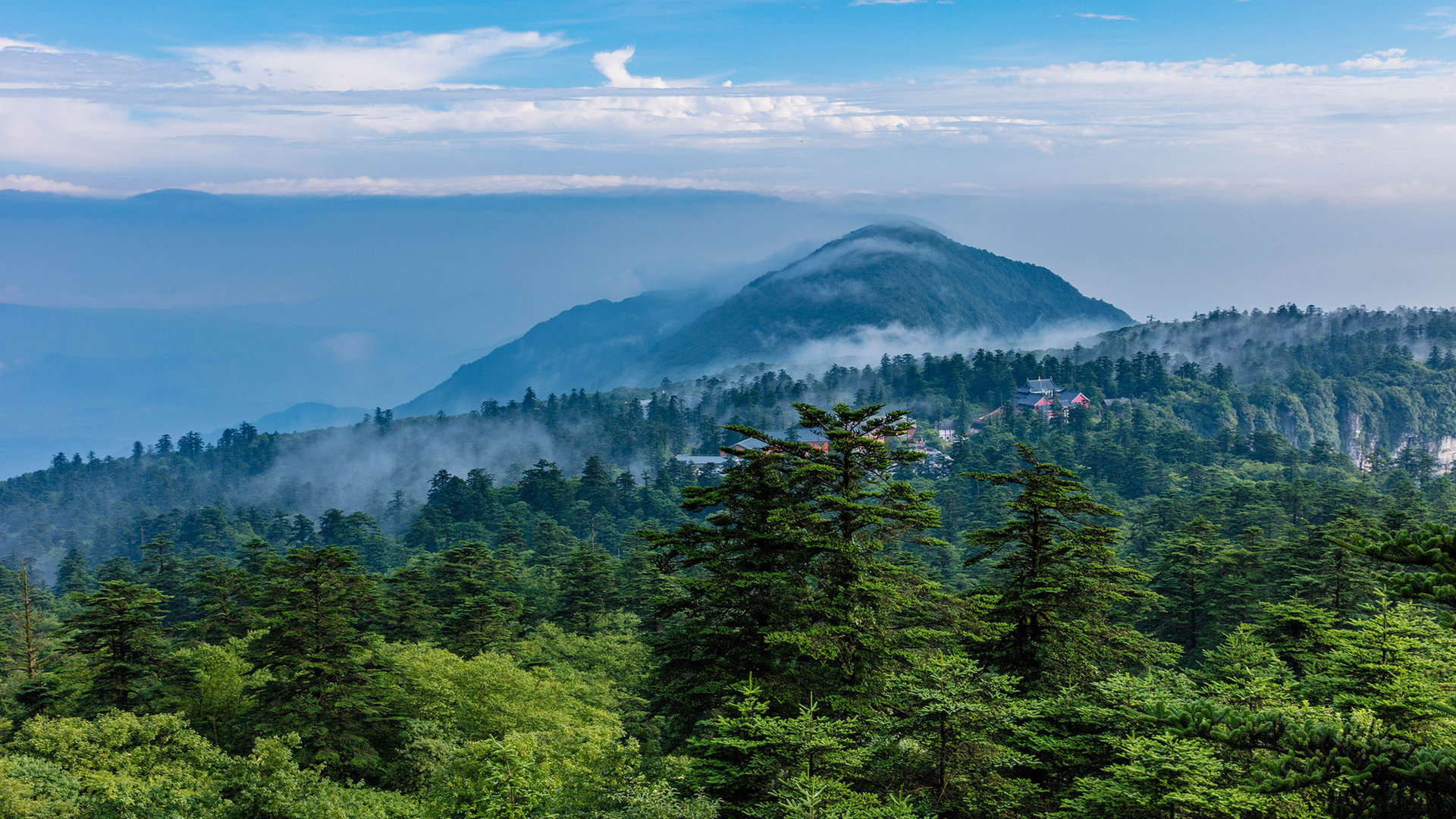
Mount Emei's climate varies significantly with altitude. The lower slopes are mild year-round, while the summit can be cold even in summer, with temperatures dropping below freezing in winter. The best time to visit is from April to October, when the weather is pleasant and the scenery is at its peak—spring brings blooming flowers, summer offers lush greenery, and autumn showcases vibrant foliage. Winter, from December to February, is ideal for skiing and snow viewing, with the Summit Ski Resort in full operation. The off-season (December 15 to January 15) offers reduced ticket prices of 110 yuan per person, compared to the regular 185 yuan. Be prepared for sudden weather changes; bring warm clothing and rain gear, especially if heading to the summit.
Travel Tips
Mount Emei Scenic Area is open daily from 6:00 to 18:30. The entrance fee is 185 yuan per person, with an off-season rate of 110 yuan (December 15 to January 15). Direct buses are available from Chengdu and Leshan. For accommodation, options range from budget to luxury. The Mount Emei Happiness Tree Hotel (140-200 yuan/night) near Baoguo Temple offers free maps and Wi-Fi (0833-5591183). The Mount Emei Hot Spring Hotel (520-1,000 yuan/night) is near Lingxiu Hot Spring (0833-5590518). For summit views, the Mount Emei Golden Summit Villa (from 443 yuan/night) at 3,033 meters is a 3-minute walk from the Golden Buddha (0833-5098777), while the pricier Mount Emei Golden Summit Hotel (700-2,500 yuan/night) at 3,079 meters offers cloud sea views (0833-5098088). For inquiries, call the scenic area at 0833-5523646 or visit www.dlairport.com. Pack sturdy shoes, sunscreen, and a camera to capture the mountain's timeless beauty.