Overview & History
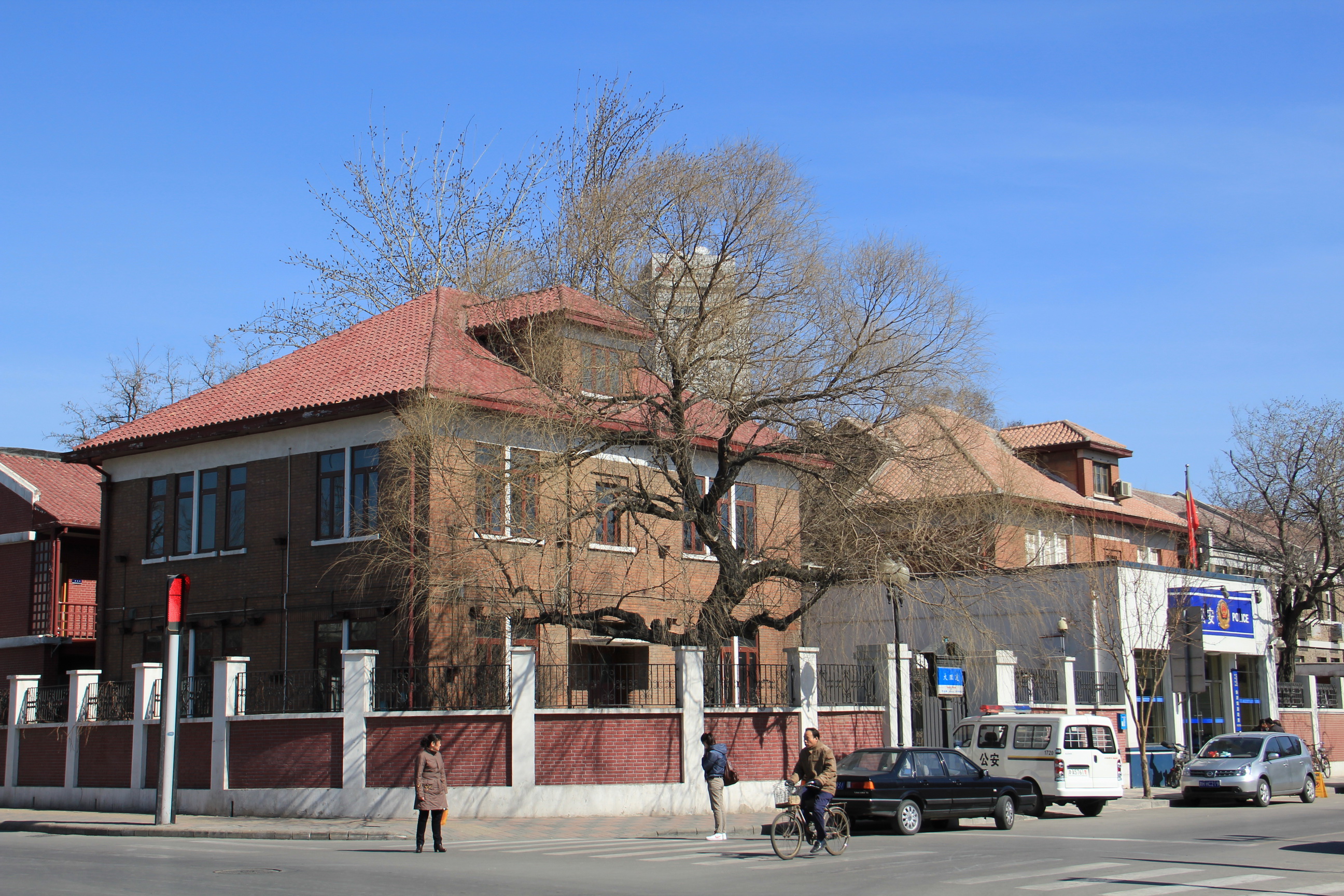
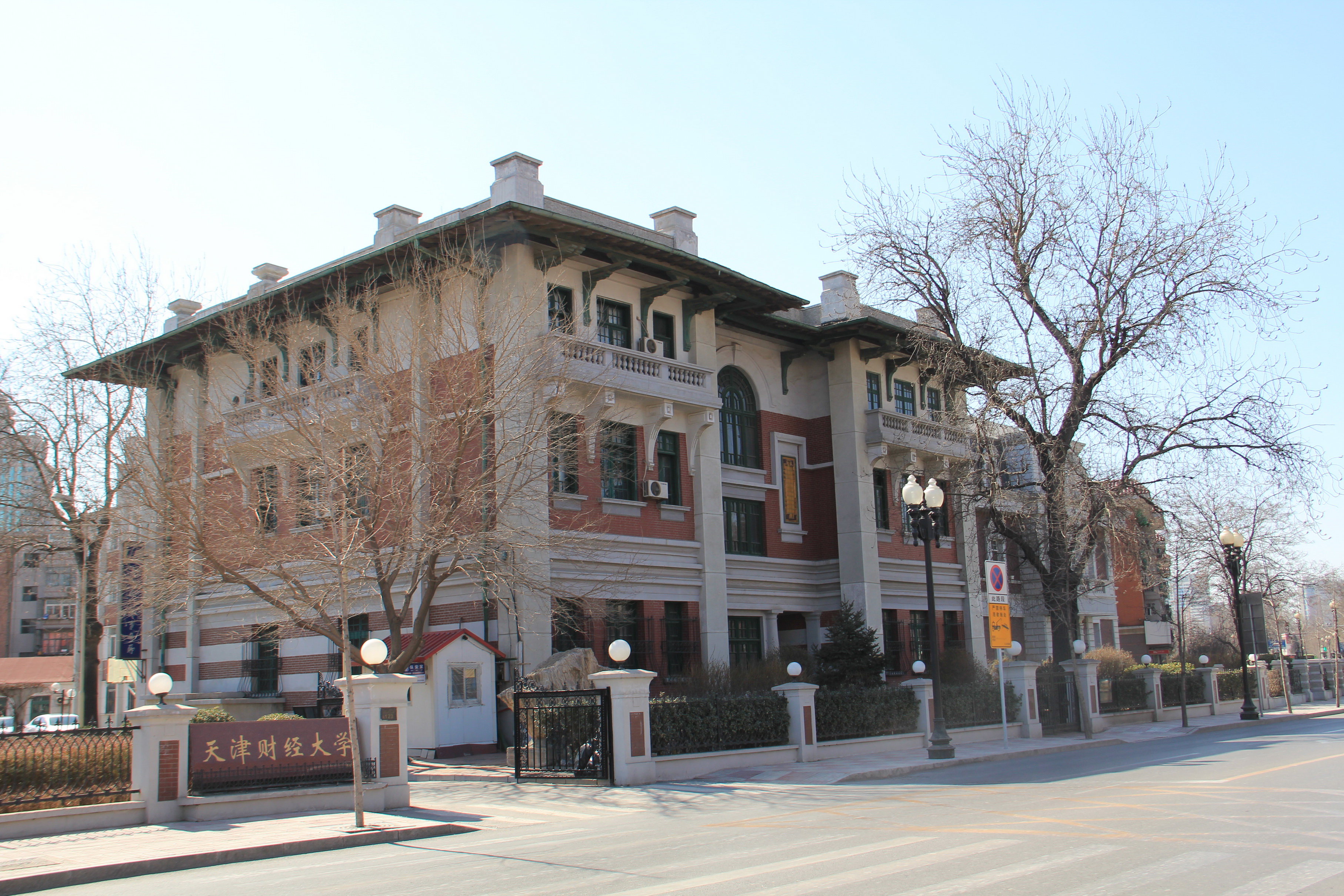
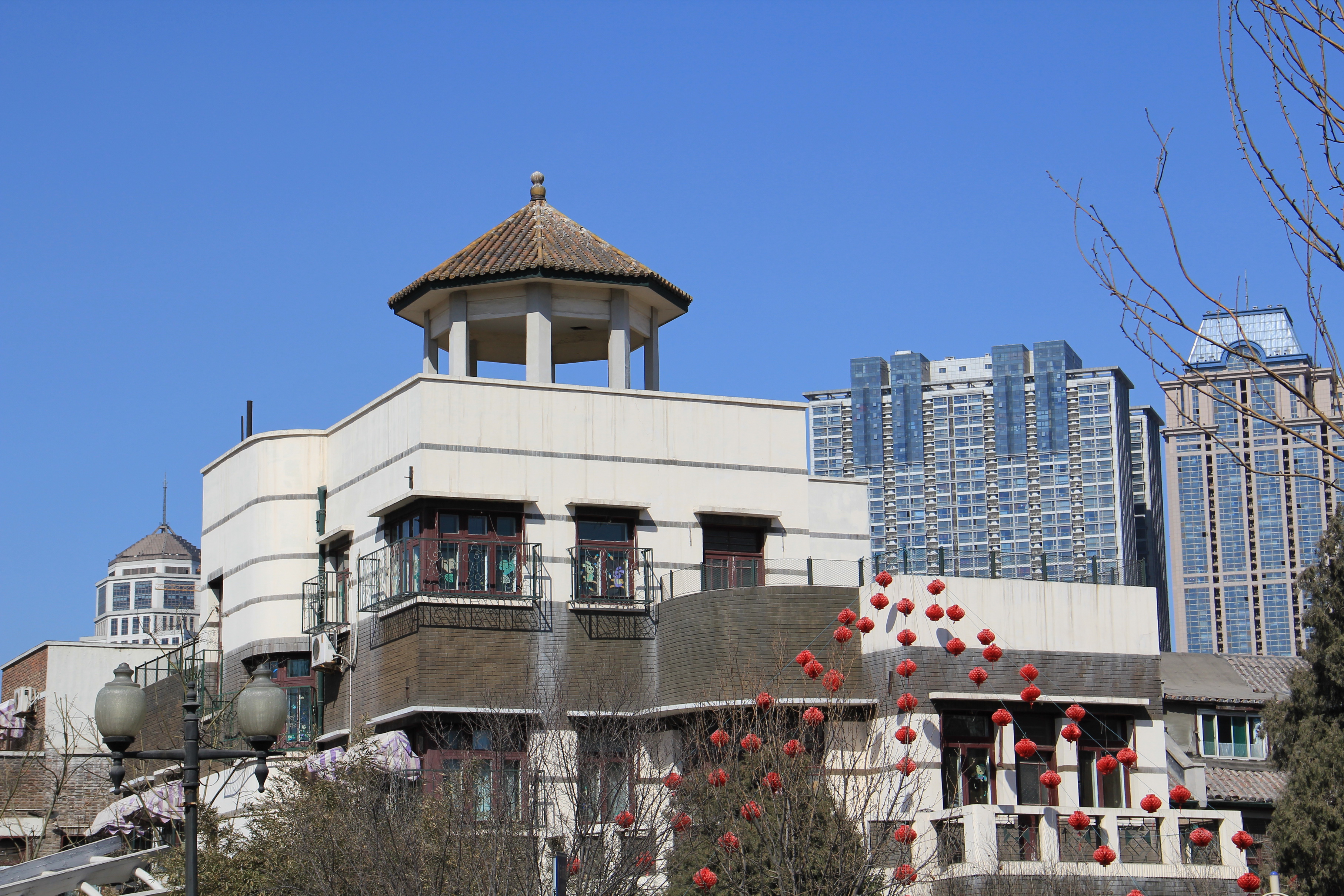
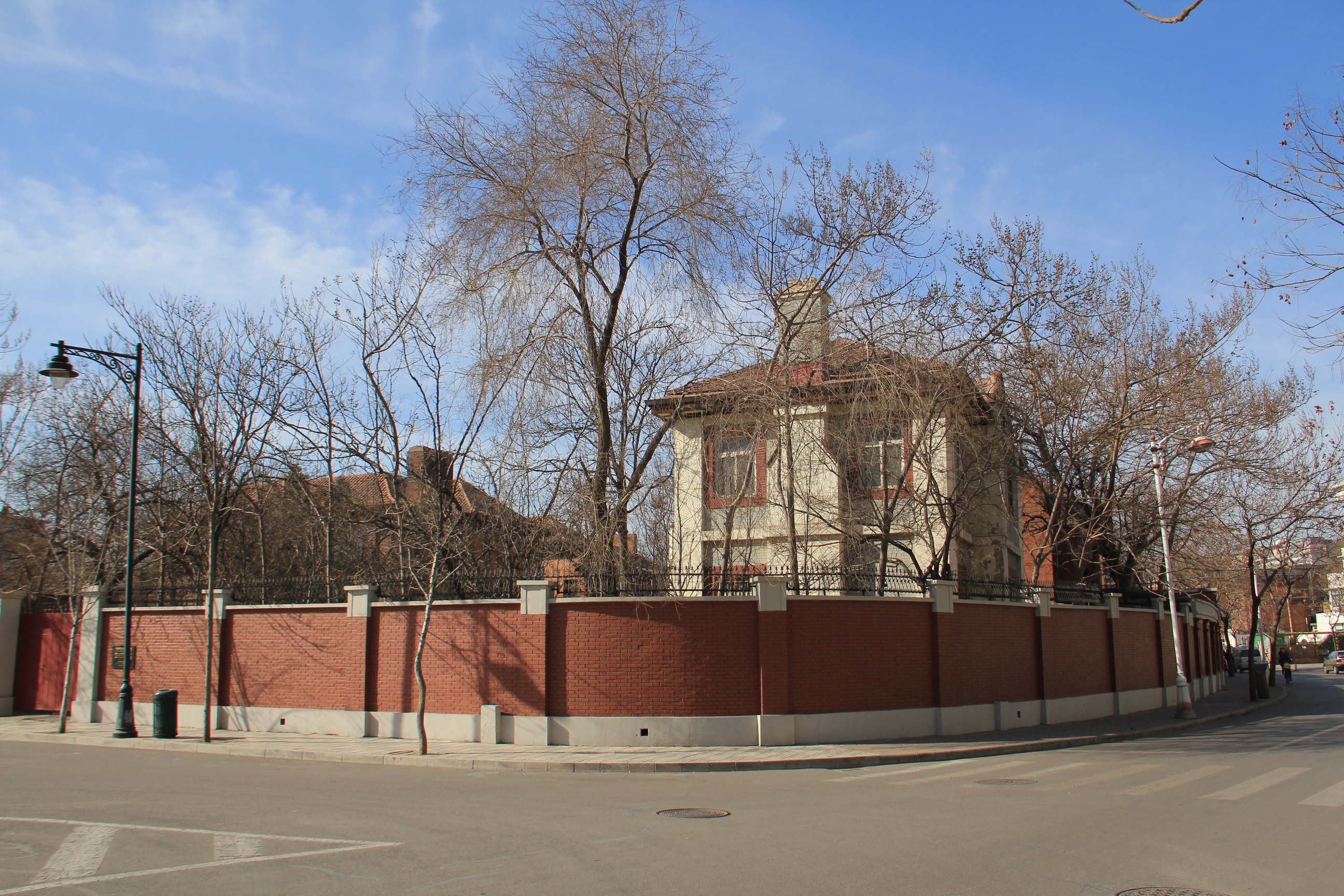
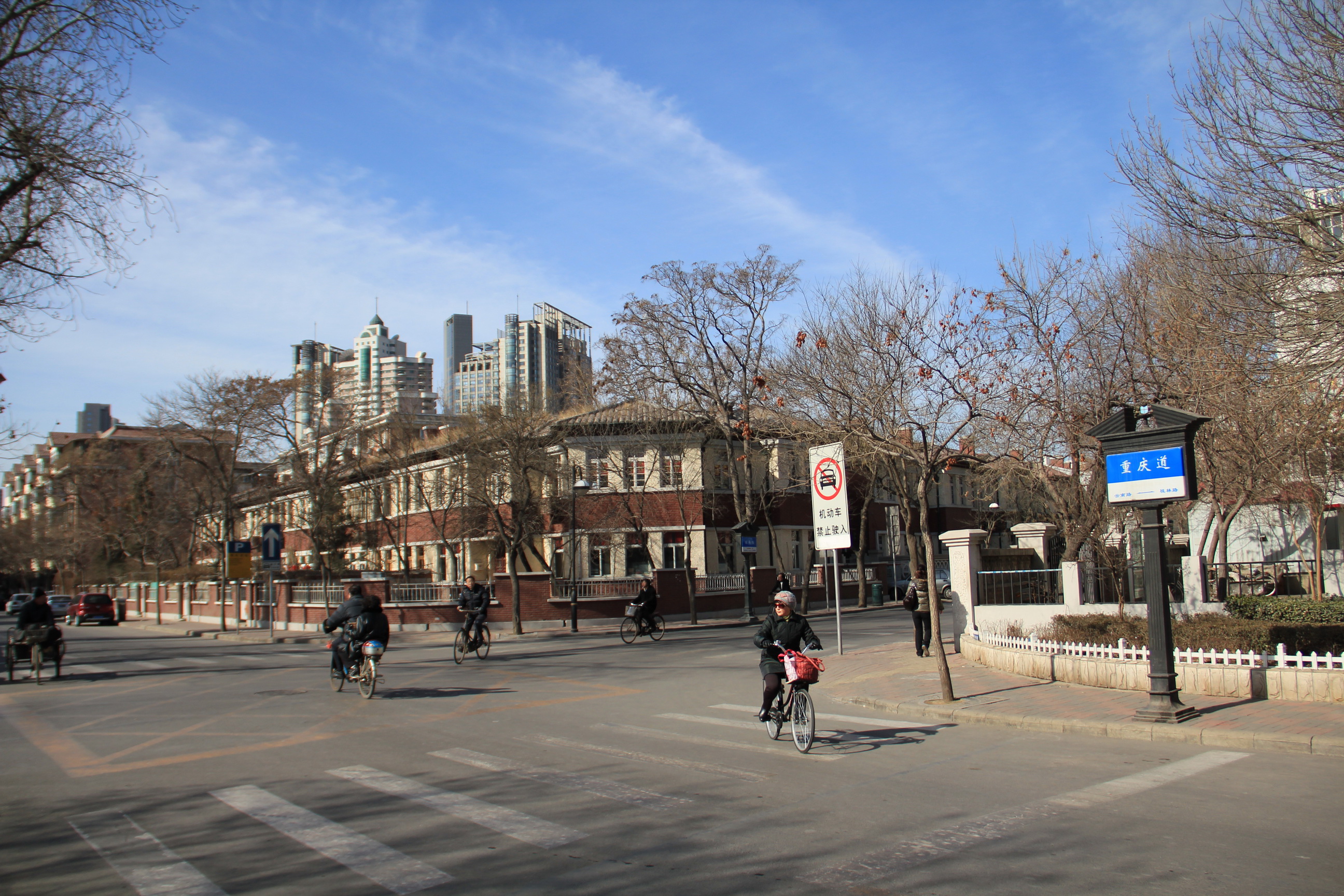
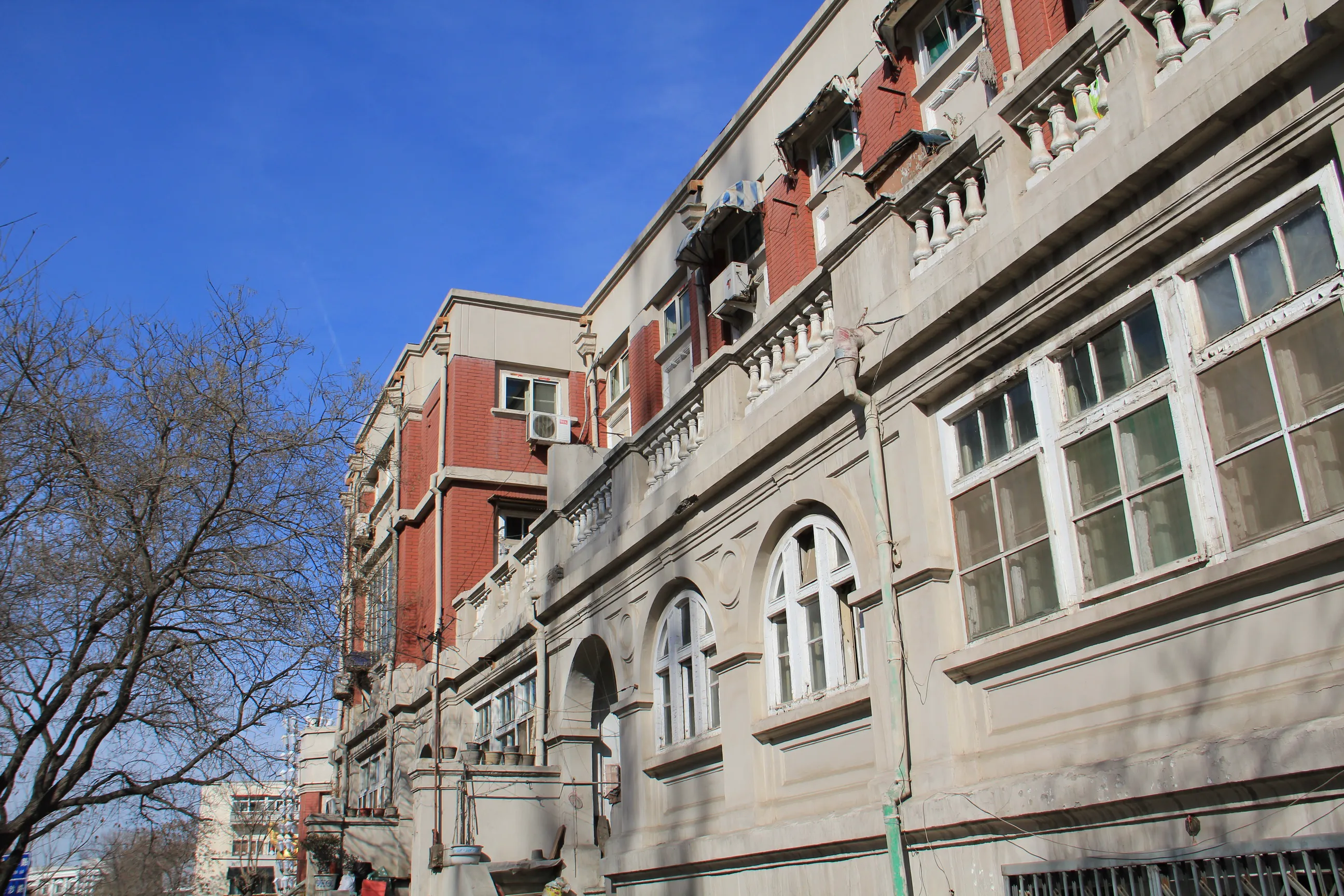
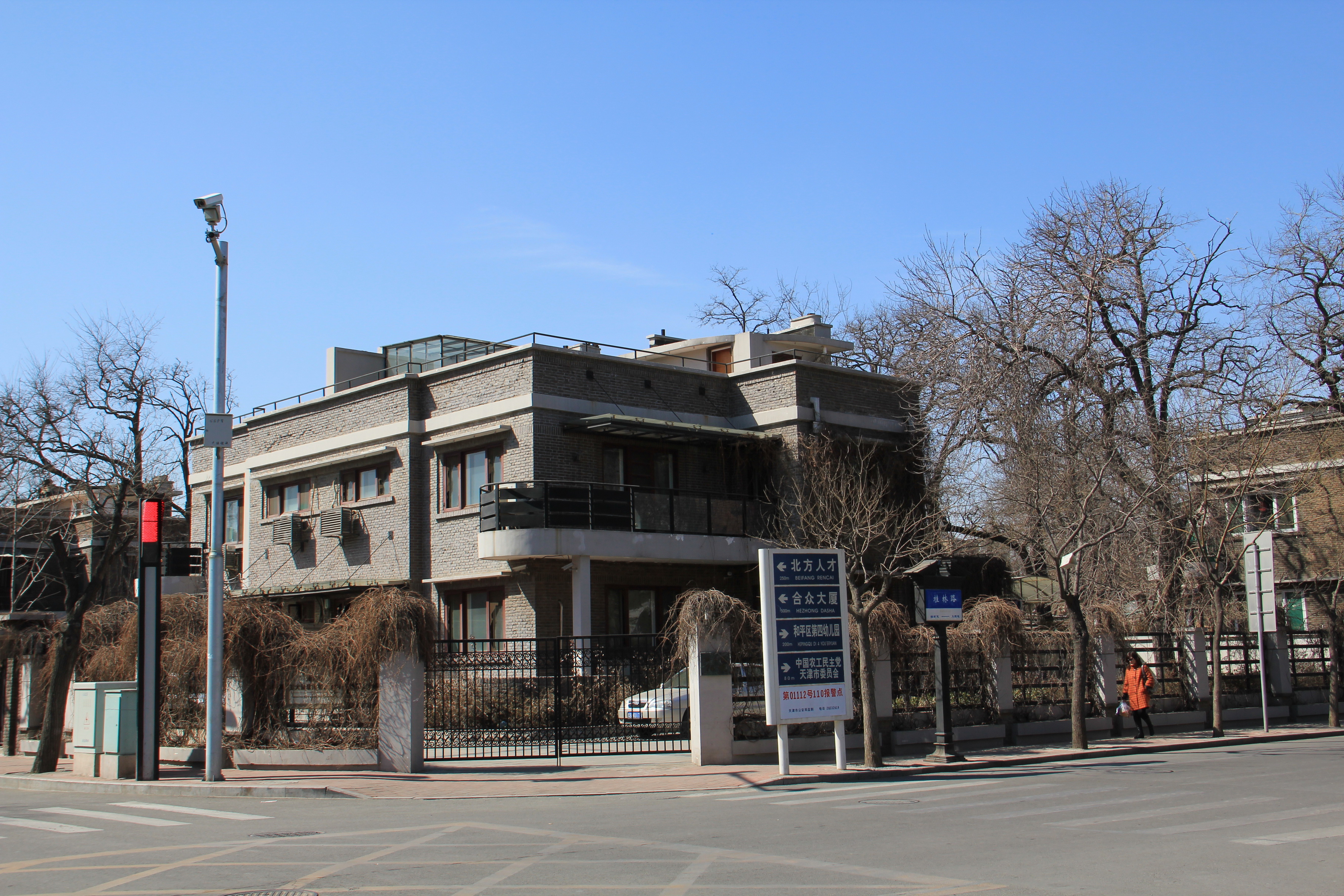
Nestled in the heart of southern Tianjin, Wudadao—literally "Five Big Avenues"—is a captivating district that feels like a living museum of European architecture. Despite its name, the area actually comprises six tree-lined streets: Chengdu Dao, Chongqing Dao, Changde Dao, Dali Dao, Munan Dao, and Machang Dao. Originally part of the British Concession in the late 19th and early 20th centuries, this enclave became a haven for foreign diplomats, wealthy Chinese merchants, and intellectuals. Today, it is celebrated as a "World Architecture Expo," boasting over 230 preserved villas and mansions in styles ranging from Renaissance and Gothic to Greek Revival, Romantic, and eclectic Sino-Western blends. What makes Wudadao truly special is its intimate scale—narrow streets, hidden courtyards, and the absence of flashy signage. Here, history whispers from every brick, offering a serene escape from the bustle of modern Tianjin.
Highlights & Activities
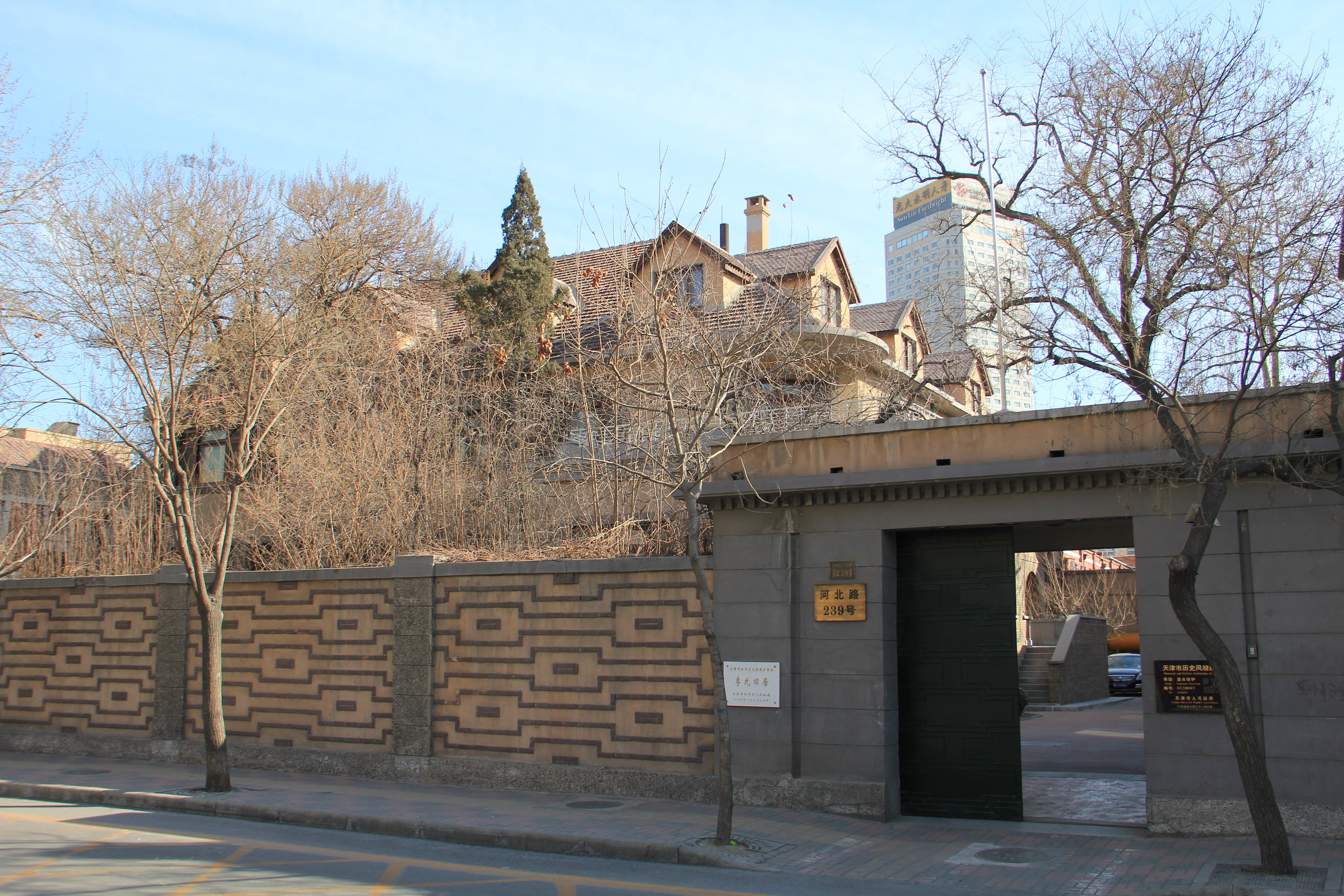
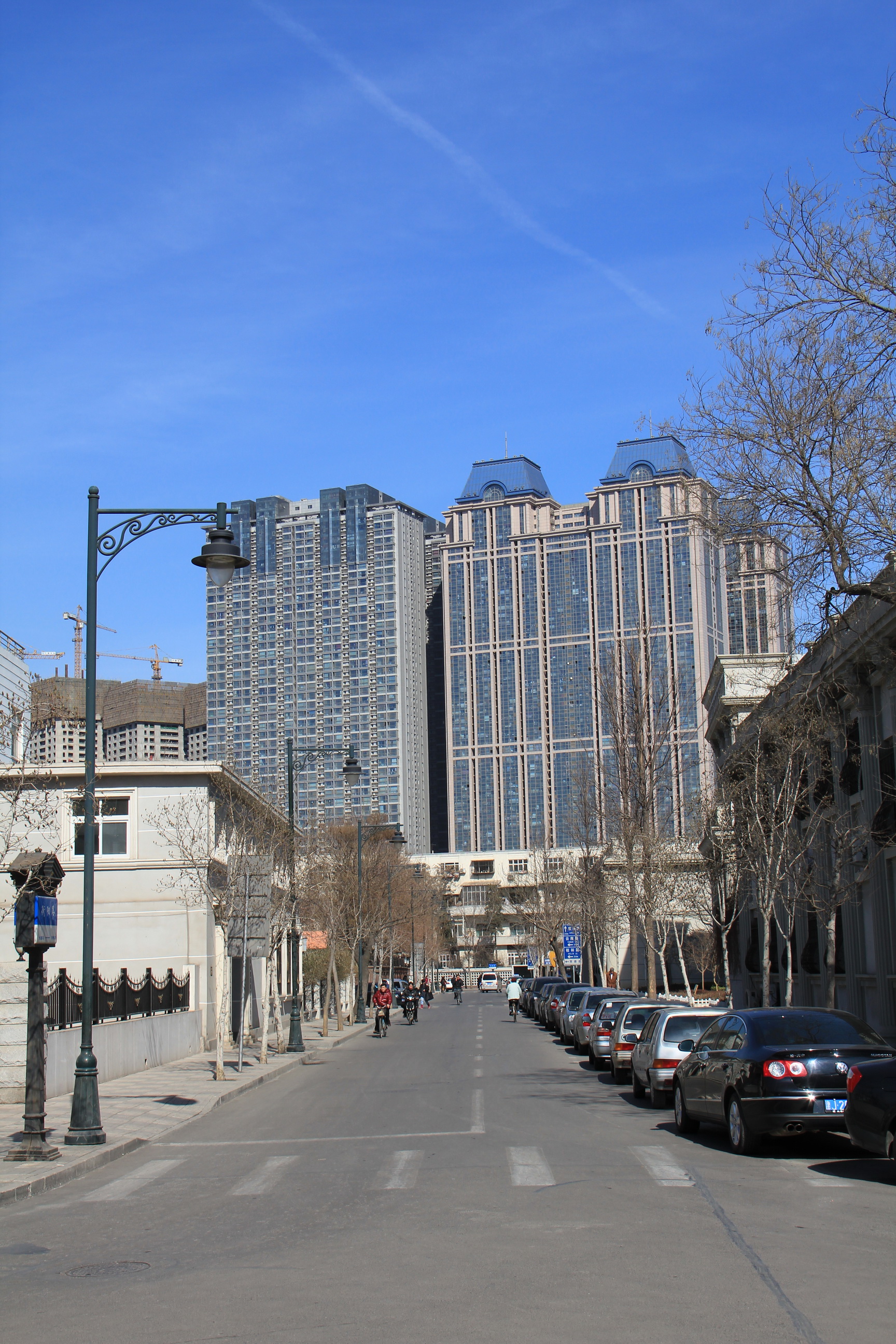
The best way to explore Wudadao is on foot or by bicycle. A popular starting point is the Wudadao Tourist Service Center at 96 Chongqing Dao, where you can rent a bike for just 5 RMB (unlimited time). Pedal along Machang Dao and Munan Dao, the two most concentrated stretches for historic homes. In just 3,000 meters along Munan Dao, you'll find 74 architectural gems and 22 former residences of notable figures. Look for the Hong Kong Building, Cambridge Building, and Machang Villa—each a testament to the area's cosmopolitan past. Unlike typical tourist spots, these homes are identified only by street numbers, not plaques, adding an air of mystery. For a deeper dive, consider a guided rickshaw tour; drivers often share colorful anecdotes about former residents, from warlords to poets. Don't miss the chance to photograph the ornate facades—each villa tells a story of a bygone era.
Key Attractions Nearby
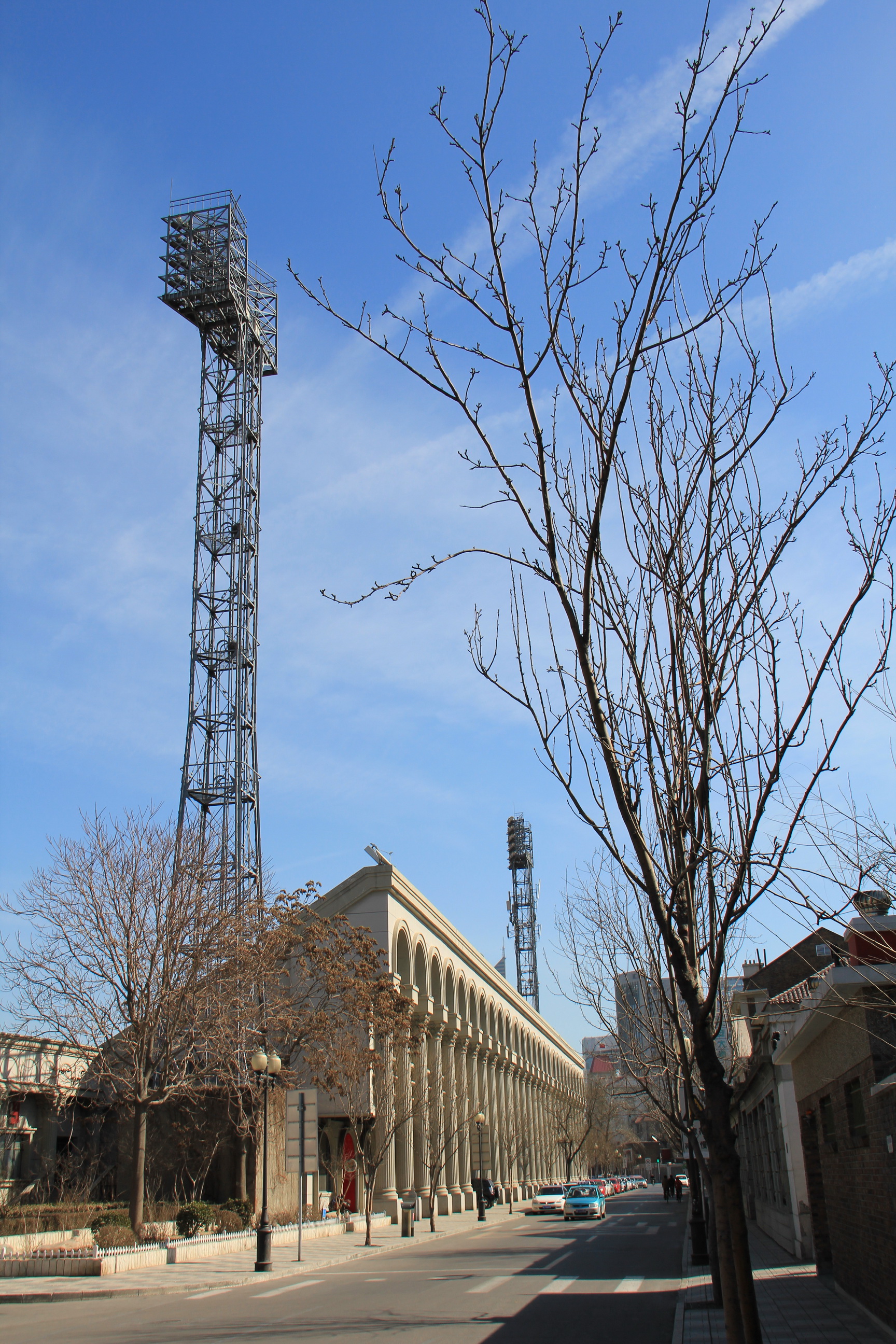
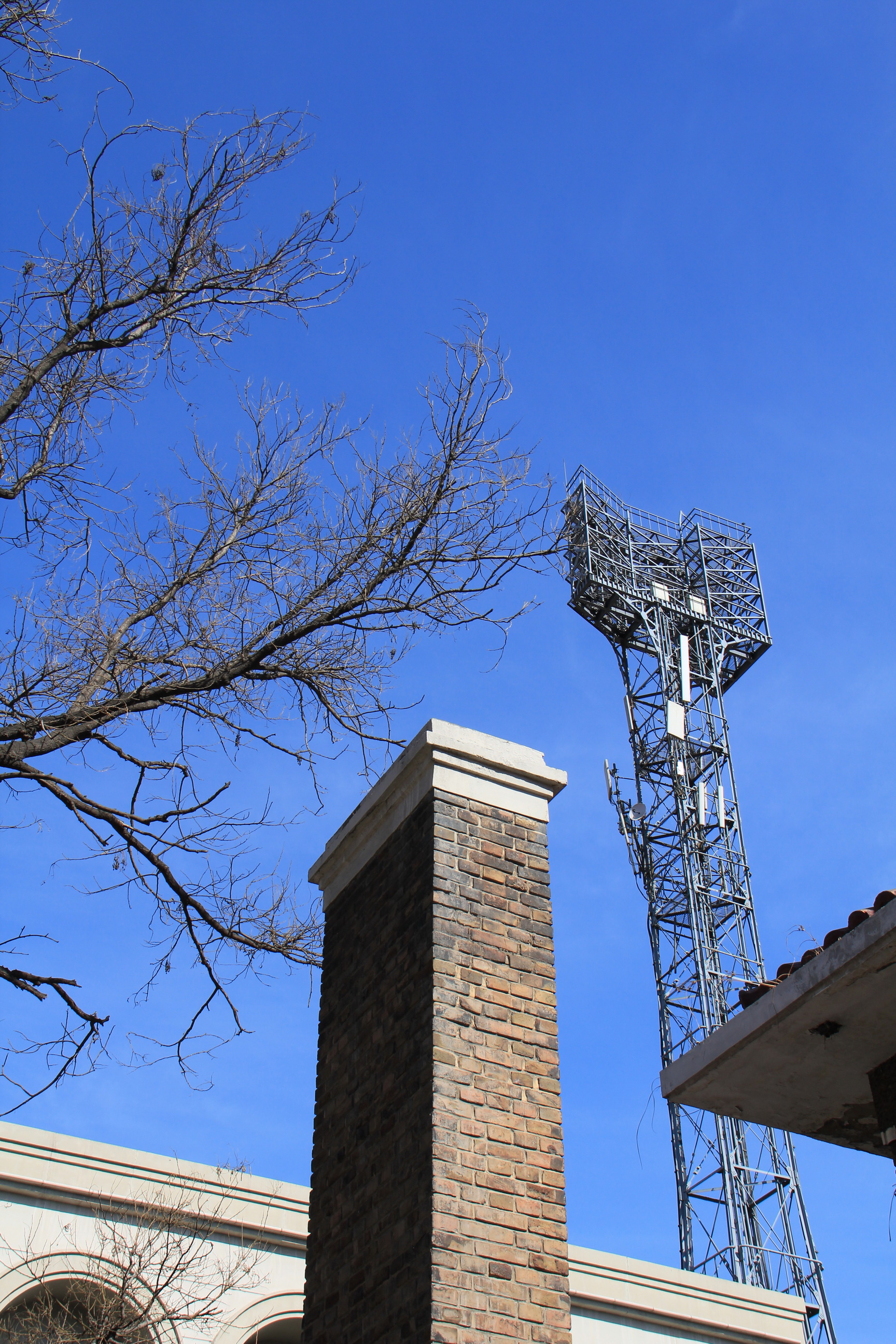
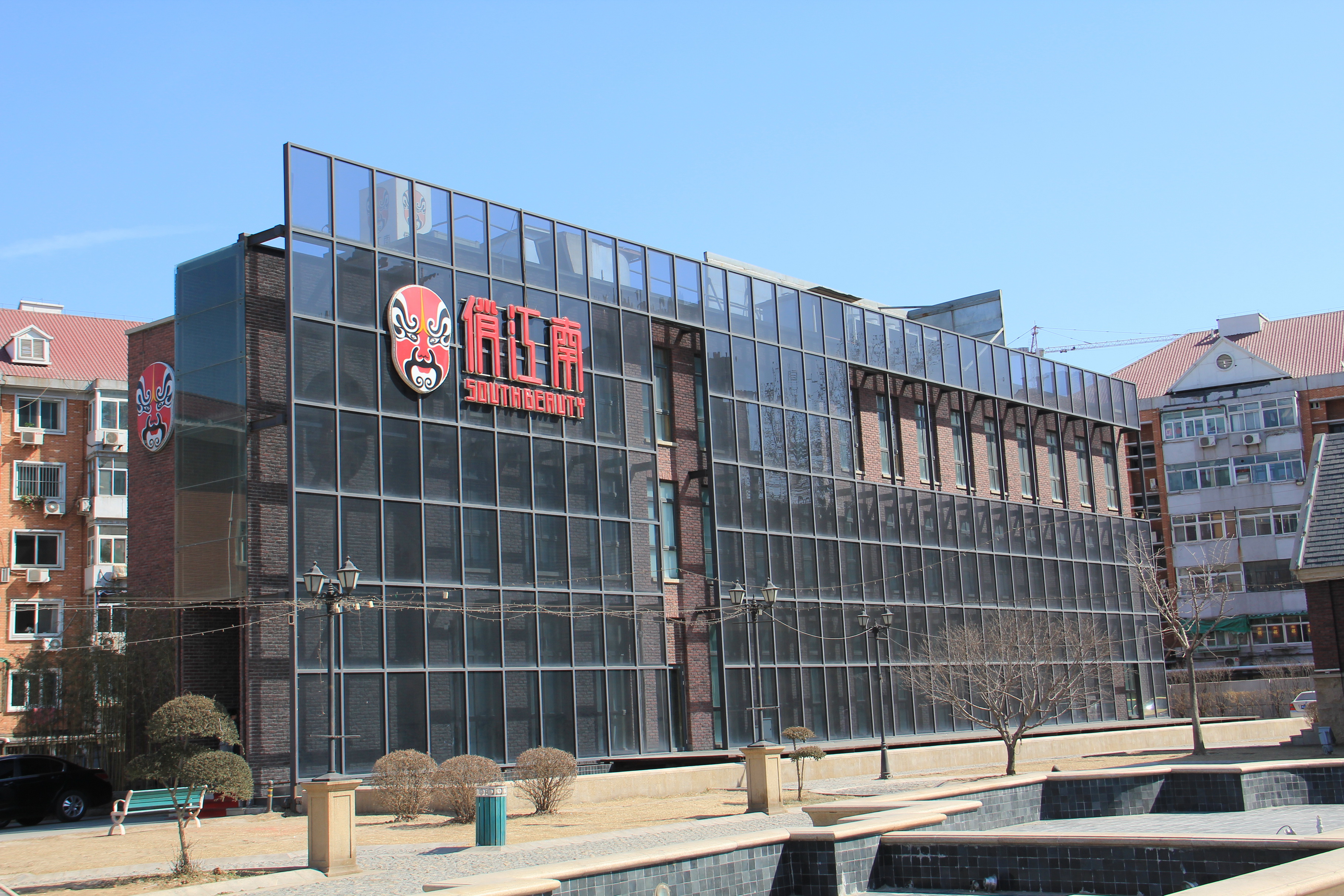
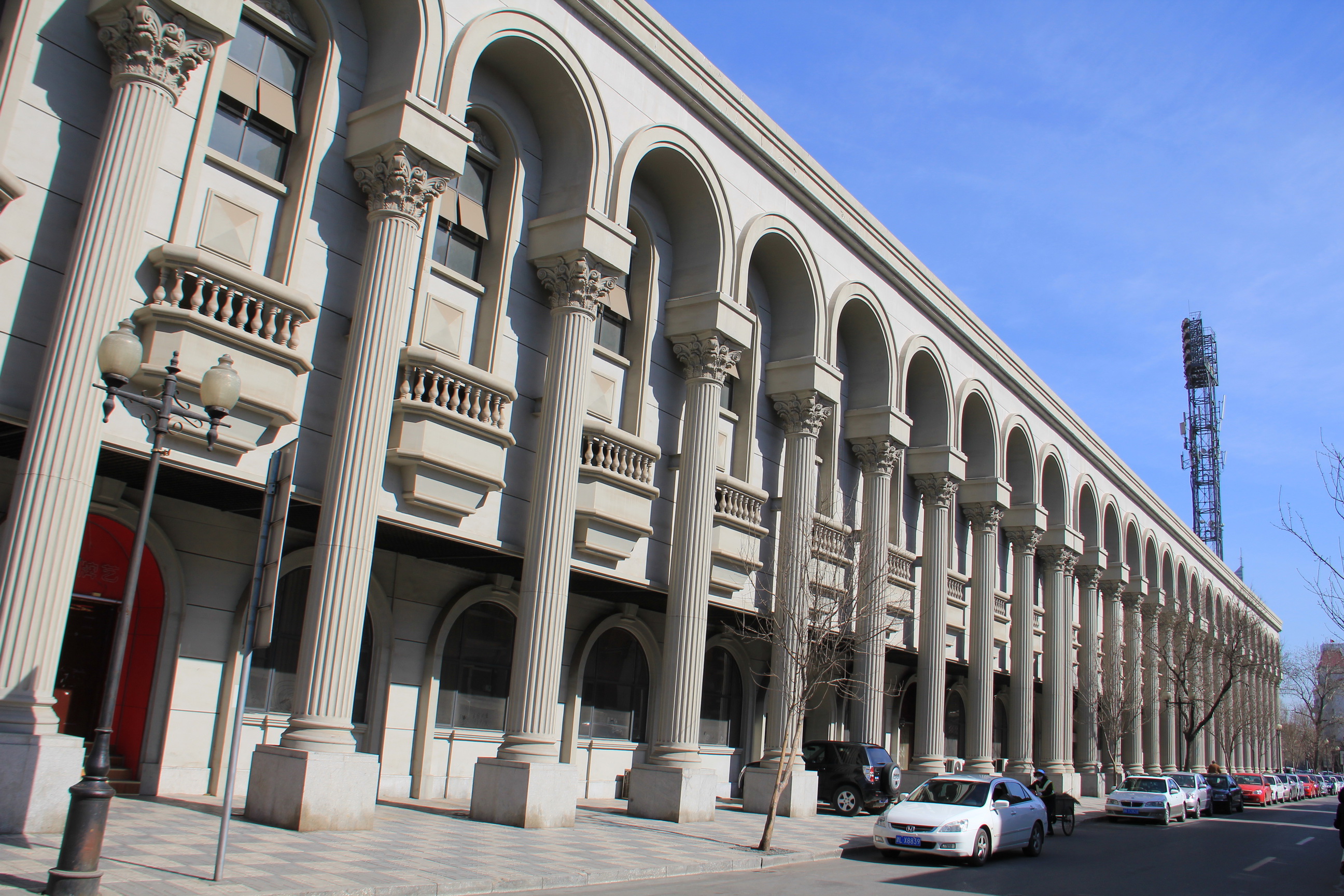
Just a short walk from Wudadao lies Jiefang North Road, once the financial heart of the foreign concessions. This street is lined with imposing bank buildings in Neoclassical and Art Deco styles, now housing branches of China's major banks. The architecture here is more grandiose than the residential villas, offering a striking contrast. For a taste of local life, wander over to the nearby Minyuan Stadium area, a restored sports complex turned cultural hub with cafes and boutiques. If time permits, the Tianjin Museum and the Italian Style Town (a former Italian concession) are also within easy reach, each adding layers to the city's rich tapestry of foreign influences.
Where to Dine
Wudadao is not just about architecture—it's also a culinary destination. Changde Dao, Chongqing Dao, and Chengdu Dao are lined with teahouses, bars, and Western-style restaurants. For a quintessential experience, stop by a traditional tea house for a pot of jasmine tea and local pastries. If you crave Western flavors, try one of the many Italian or French bistros that echo the district's European heritage. For a quick bite, look for street vendors selling jianbing (savory crepes) or steamed buns near the main intersections. Many cafes offer outdoor seating, perfect for people-watching while you savor a coffee under the shade of plane trees.
Weather & Best Time to Visit
Tianjin experiences four distinct seasons. Spring (April to May) and autumn (September to October) are ideal for visiting Wudadao, with mild temperatures (15–25°C) and low humidity. The tree-lined avenues burst into bloom in spring, while autumn paints the leaves in shades of gold and red. Summer (June to August) can be hot and humid, with occasional rain, but early mornings or late afternoons are still pleasant for a stroll. Winter (November to March) is cold and dry, with temperatures often dropping below freezing; however, the bare branches reveal architectural details hidden by foliage. Crowds are manageable year-round, though weekends and holidays see more visitors. For a quieter experience, visit on a weekday morning.
Travel Tips
Getting there: Wudadao is easily accessible by public transit. Take bus routes 4, 13, 14, 619, 800, 838, 858, 862, or 870 to the area. The nearest metro station is on Line 1 (Xiaobailou), about a 10-minute walk away.
Fees & hours: The district is open 24/7 and free to enter. Bike rentals at the tourist center cost 5 RMB for unlimited riding. Guided tours in English or Chinese are available for a fee.
What to bring: Comfortable walking shoes are a must, as the cobblestone streets can be uneven. Bring a camera, water, and a light jacket or umbrella depending on the season. Maps are available at the tourist center, but a GPS-enabled phone is handy for navigating the numbered streets.
Etiquette: Most villas are private residences or offices; respect "no entry" signs and avoid loud noise. Photography is allowed from the street, but always ask permission before entering courtyards.