Overview & History
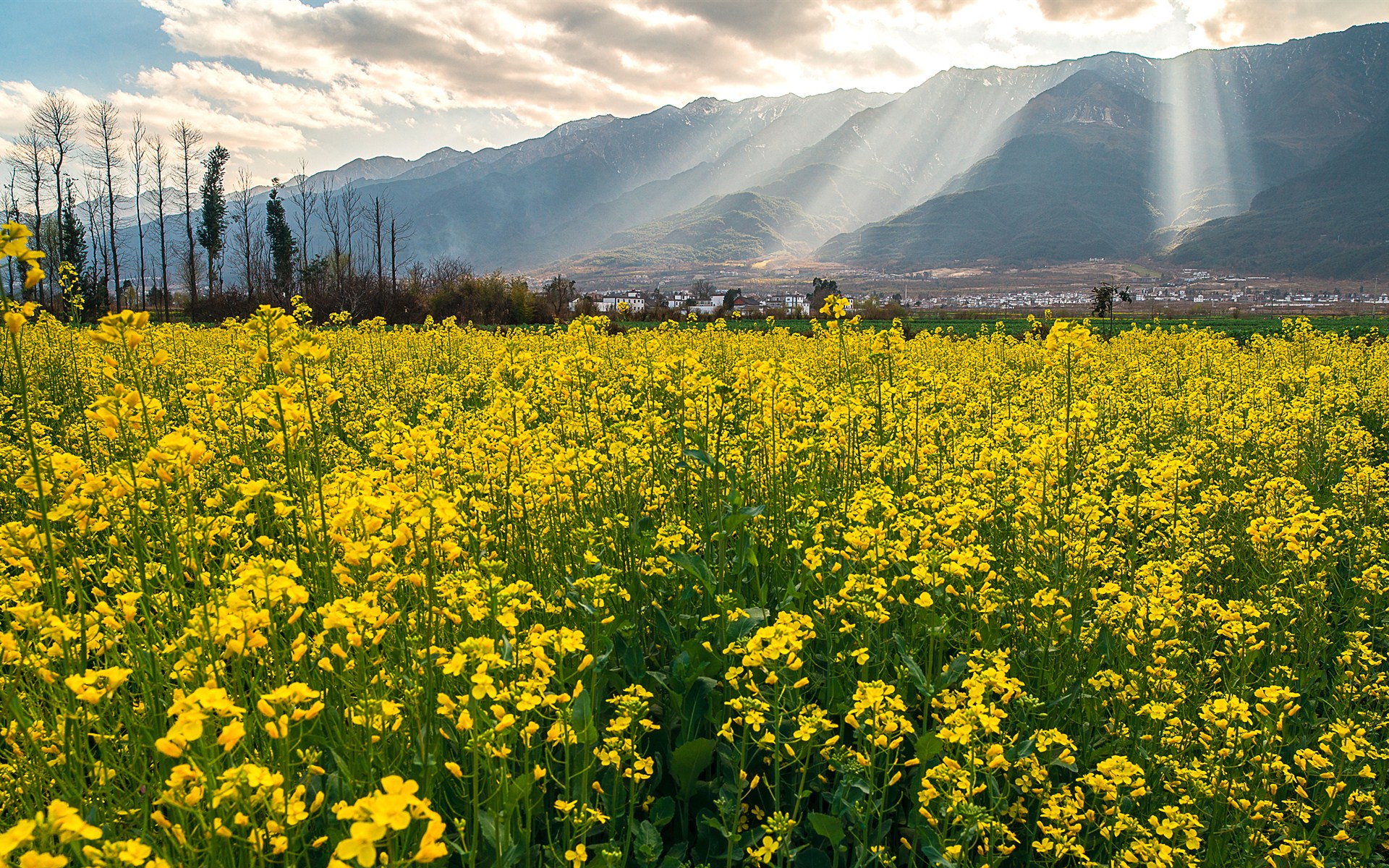
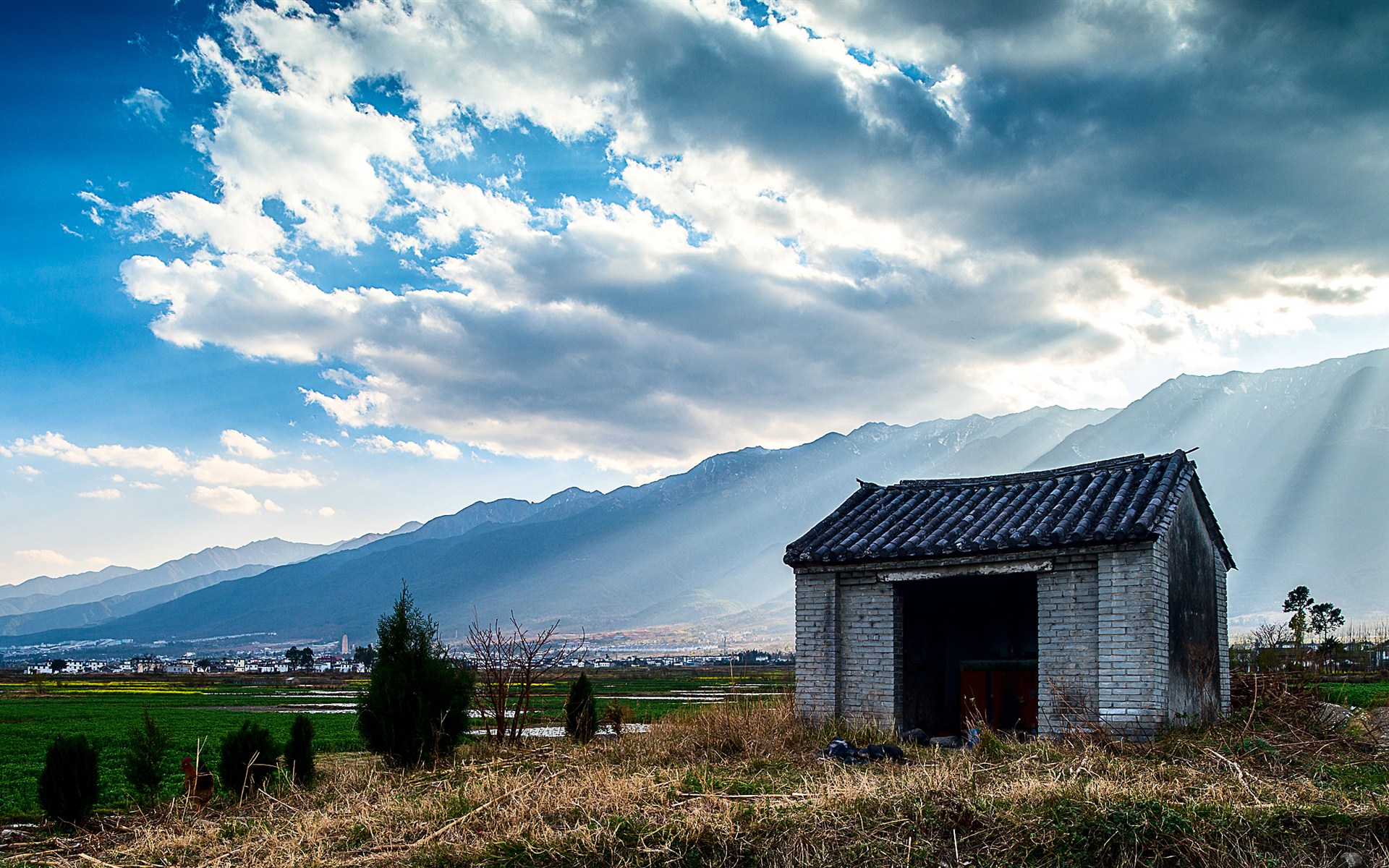
Dali Ancient City, historically known as Yeyu City, is often the first encounter travelers have with the enchanting region of Dali in Yunnan Province. Nestled between the towering Cangshan Mountain range and the shimmering expanse of Erhai Lake, this ancient settlement boasts a history that stretches back to the Tang Dynasty (8th century), when it served as the capital of the Nanzhao Kingdom under the name Yangjumie City. The city you see today, however, was primarily constructed during the Ming Dynasty in 1382, its square layout and four grand gates—East Gate (Erhai Gate), West Gate (Cangshan Gate), South Gate (Cheng'en Gate), and North Gate (Anyuan Gate)—still preserving the original Ming and Qing dynasty foundations. Spanning about 3 square kilometers, it is a living museum of Bai ethnic culture, Buddhist heritage, and centuries of trade along the ancient Tea Horse Road. What makes Dali Ancient City truly special is its harmonious blend of historical gravitas and a vibrant, bohemian spirit—a place where ancient pagodas stand sentinel over bustling streets filled with artists, musicians, and travelers from around the world.

Highlights & Activities
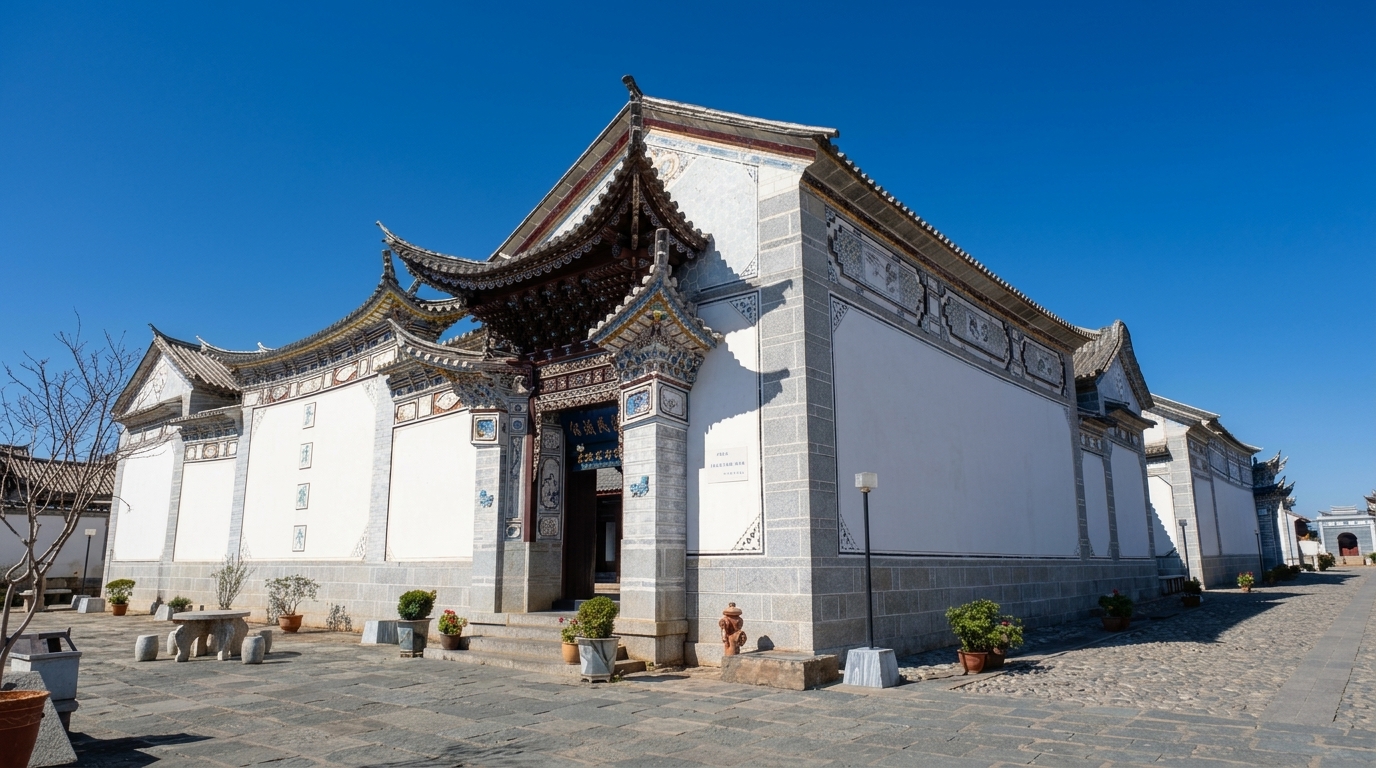
Exploring Dali Ancient City is an immersive experience that rewards curiosity. Start your journey at the iconic South Gate, the main entrance, where you can climb the gate tower for a panoramic view of the city’s chessboard-like streets and the distant Cangshan peaks. From there, wander along Renmin Road, the city’s east-west spine. By day, it’s a lively commercial artery lined with shops selling flower cakes, African drums, and ethnic-style clothing. But the real magic unfolds in the north-south alleys, such as Yeyu Road or Guangwu Road, where you’ll discover tranquil cafes, independent bookstores, and hidden art studios. After nightfall, Renmin Road transforms into a bohemian night market, with young artisans setting up stalls for handmade jewelry, vintage finds, and tarot readings, while street musicians fill the air with melody. Another must-do is a stroll along Fuxing Road, the main north-south thoroughfare, where you can admire traditional Bai architecture and stop for a cup of locally grown Yunnan coffee. For a deeper cultural dive, visit the nearby Three Pagodas of Chongsheng Temple, a UNESCO-recognized landmark that has stood for a millennium against the backdrop of Cangshan’s Yingle Peak—a testament to the region’s Buddhist golden age.
Key Attractions Nearby
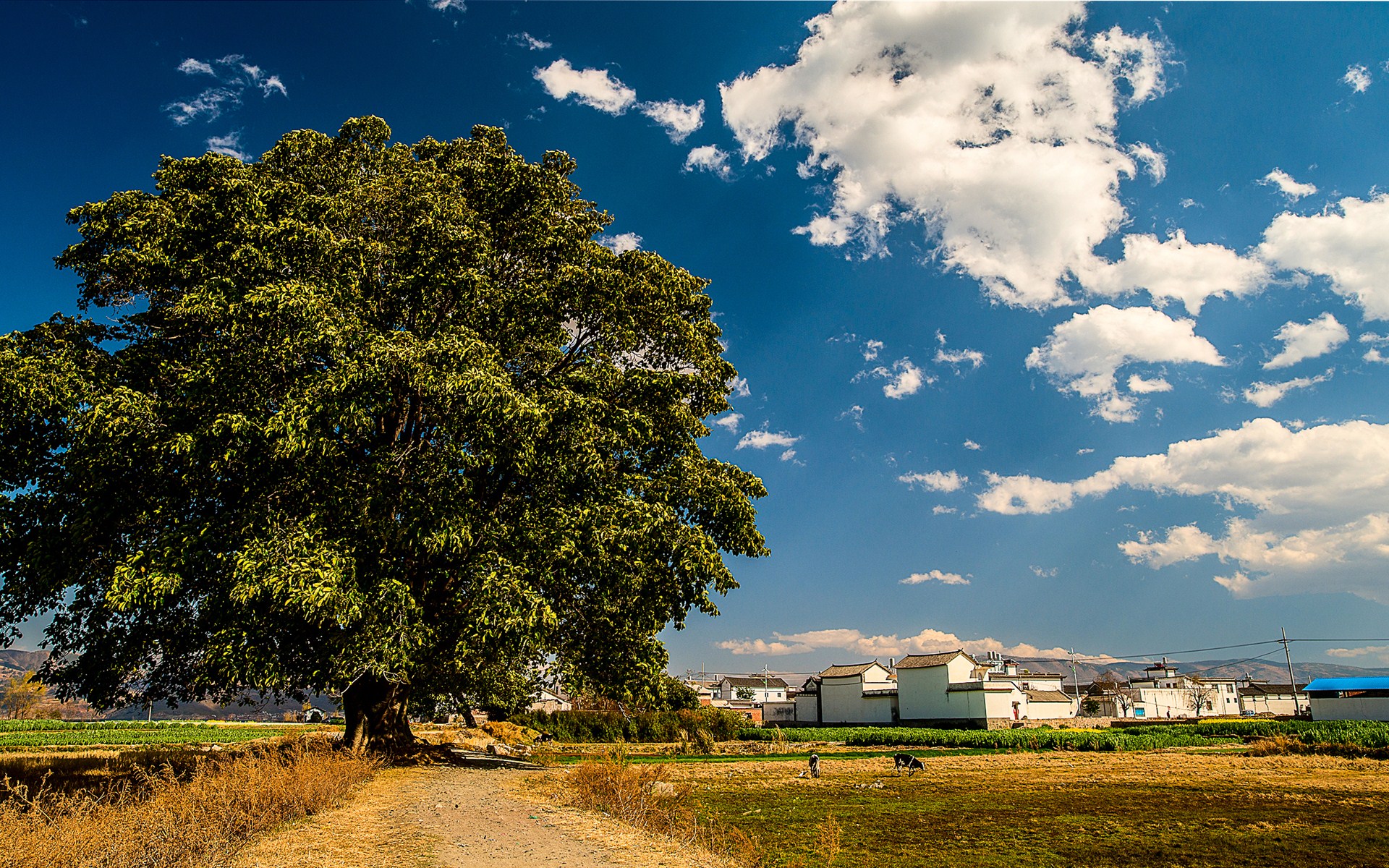
Beyond the city walls, the natural and historical wonders of Dali await. The Cangshan Mountain and Erhai Lake scenic area, covering roughly 1,096 square kilometers, offers breathtaking hiking trails, cable car rides, and the serene beauty of the lake. Just 1.5 kilometers northwest of the ancient city lies the Chongsheng Temple and Three Pagodas complex, the most prominent landmark in Yunnan. These three ancient pagodas, built during the Nanzhao and Dali kingdoms, form a “tripod” layout that symbolizes the symbiosis between landscape and civilization. The site includes a cultural relics exhibition hall and the temple itself, providing a profound insight into Buddhist art and history. For a glimpse of local life, head to the Erhai Gate area, where a bustling market once operated, or take a short bus ride to the countryside to explore traditional Bai villages like Xizhou, known for its well-preserved courtyard houses and tie-dye textiles.
Where to Dine
Dali Ancient City is a food lover’s paradise, offering a rich tapestry of Bai and Yunnanese cuisine. For an authentic local meal, head to Renmin Road or the alleys off Fuxing Road, where you’ll find restaurants serving classics like sour and spicy fish (suanla yu), crossing-the-bridge noodles (guoqiao mixian), and Yunnan ham. Street food is equally enticing: try flower cakes (huabing) made from edible roses, grilled mushrooms, and rice noodles with chili oil. For a unique experience, visit the night market on the western section of Renmin Road, where vendors grill skewers of meat and vegetables under string lights. Don’t miss the chance to sip a cup of locally grown Yunnan coffee at a cafe on Yeyu Road, where the atmosphere is relaxed and the beans are often roasted on-site. For a sweet treat, sample milk fan (rufan), a grilled dairy snack, or sweet rice wine (jiuniang).
Weather & Best Time to Visit
Dali enjoys a subtropical plateau monsoon climate, with mild temperatures year-round thanks to its altitude of 2,090 meters. The city experiences minimal seasonal variation, but distinct dry and wet seasons shape the travel experience. The best time to visit is from March to April, when spring blooms, clear skies, and comfortable temperatures (averaging 15–22°C or 59–72°F) create ideal conditions for outdoor exploration. During this period, the city is less crowded than the peak summer months, and the surrounding countryside is lush and green. The rainy season runs from June to October, with frequent afternoon showers, but the air is fresh and the landscapes are vibrant. Winter (November to February) is dry and cool, with daytime temperatures around 10–18°C (50–64°F), making it a pleasant time for sightseeing without the crowds. Regardless of the season, pack layers, sunscreen, and a light jacket for cooler evenings.
Travel Tips
- Getting There: Dali Ancient City is easily accessible. From the South Gate or Bo'ai Road, you can walk (20–30 minutes) or take a sightseeing shuttle. From Xiaguan (the modern city center), take the Santa Special Line bus. If driving or taking a taxi, navigate to “Chongsheng Temple Three Pagodas Cultural Tourism Area” for parking.
- Admission & Hours: The ancient city itself is free to enter and open 24/7. For the Three Pagodas, adult tickets are 75 yuan, including the temple complex and exhibition hall. Opening hours are 7:30–18:30 (ticket sales stop around 17:30). Students and seniors (60–69) get half price with ID; those over 70, military personnel, and disabled visitors are exempt. Check the official WeChat account “Chongsheng Temple Three Pagodas Cultural Tourism Area” for updates.
- What to Bring: Comfortable walking shoes are essential, as the city’s streets are best explored on foot. Sunscreen, a hat, and sunglasses are recommended due to the high altitude and strong UV rays. In winter, bring a warm jacket; in summer, a rain jacket or umbrella. A reusable water bottle is handy, as the climate can be dry.
- Local Etiquette: When visiting temples or local homes, dress modestly and remove shoes where required. Bargaining is acceptable at markets, but always do so with a smile. Tipping is not customary in China, but a small token of appreciation for exceptional service is welcome.