Overview & History
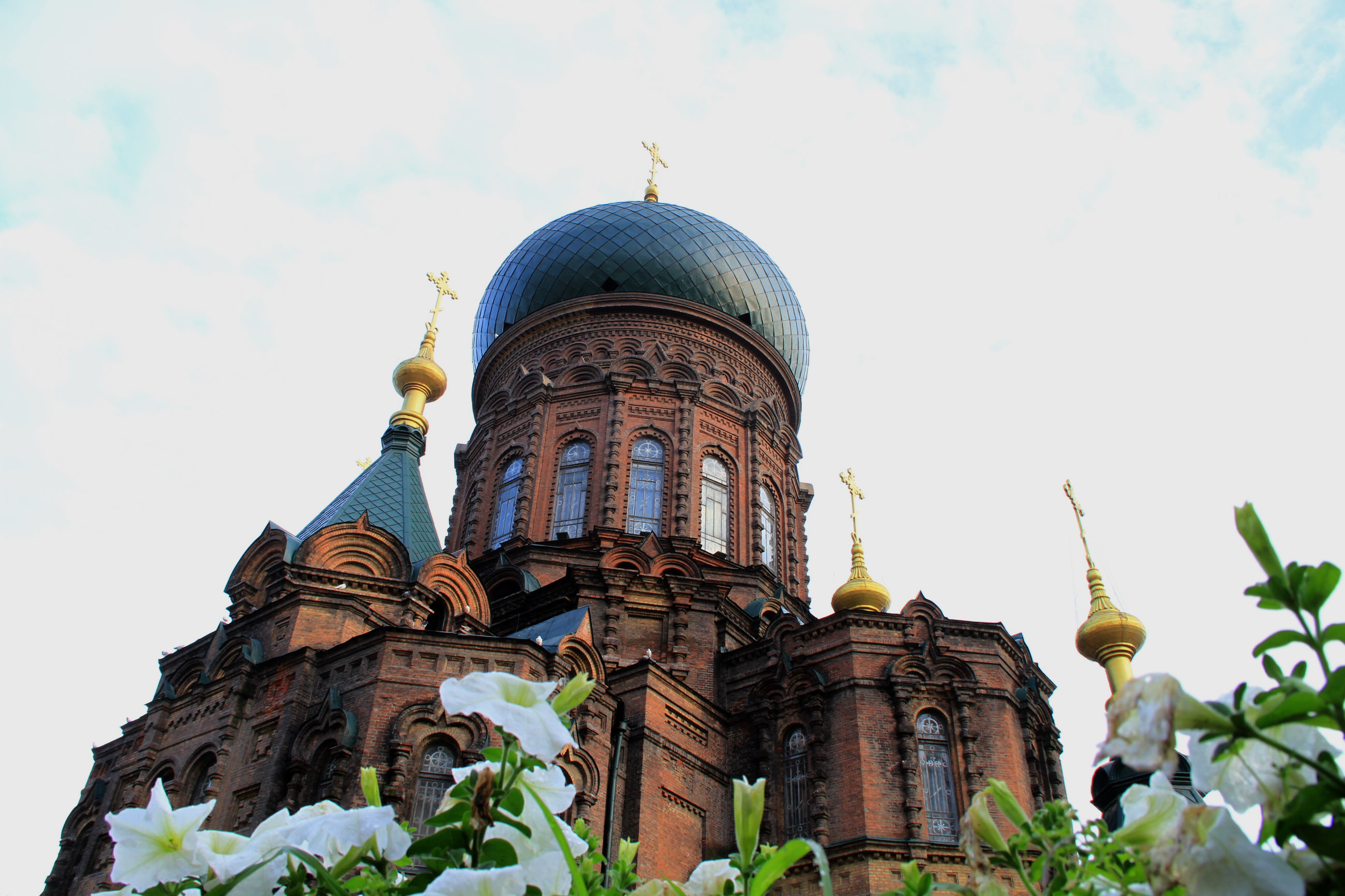
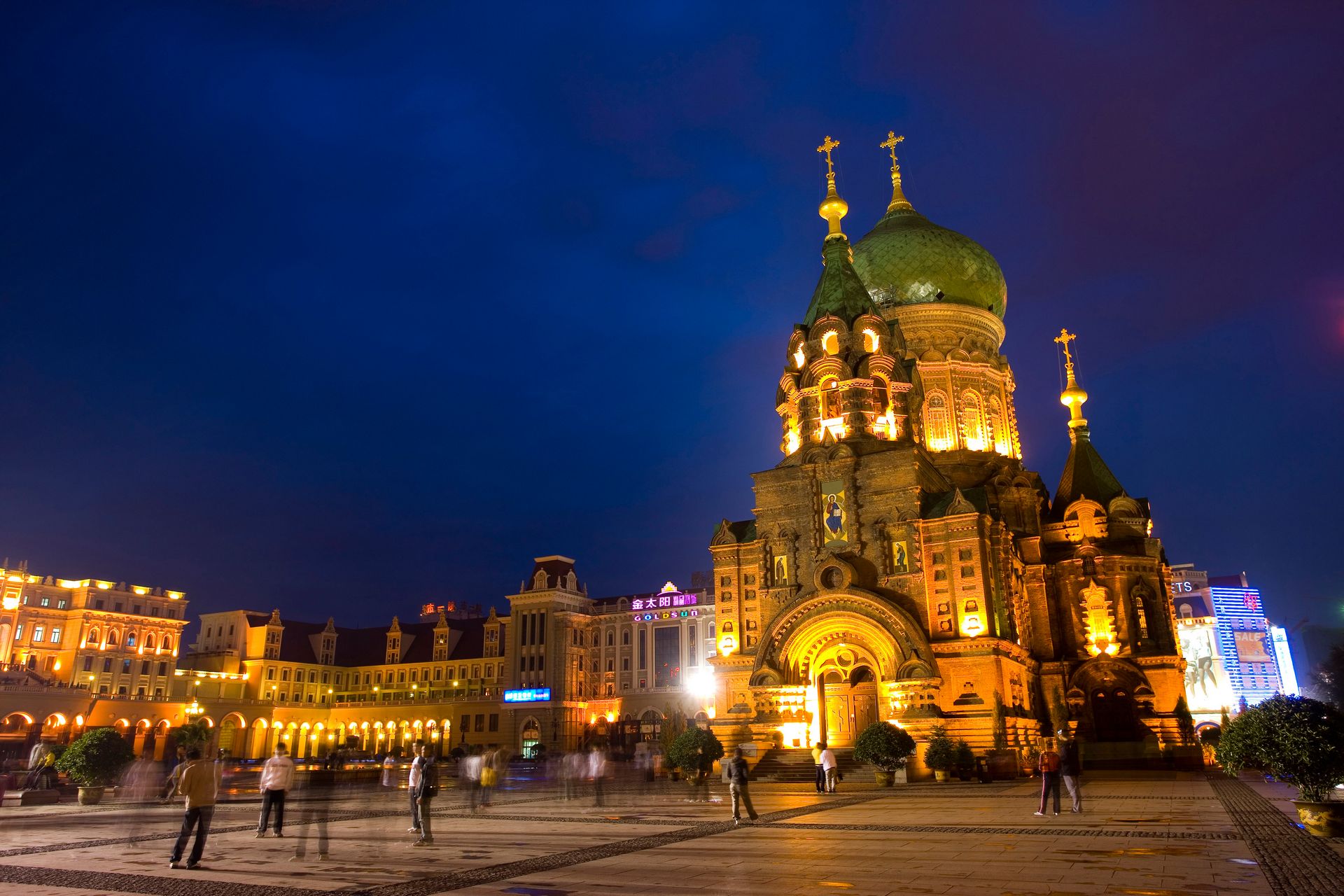
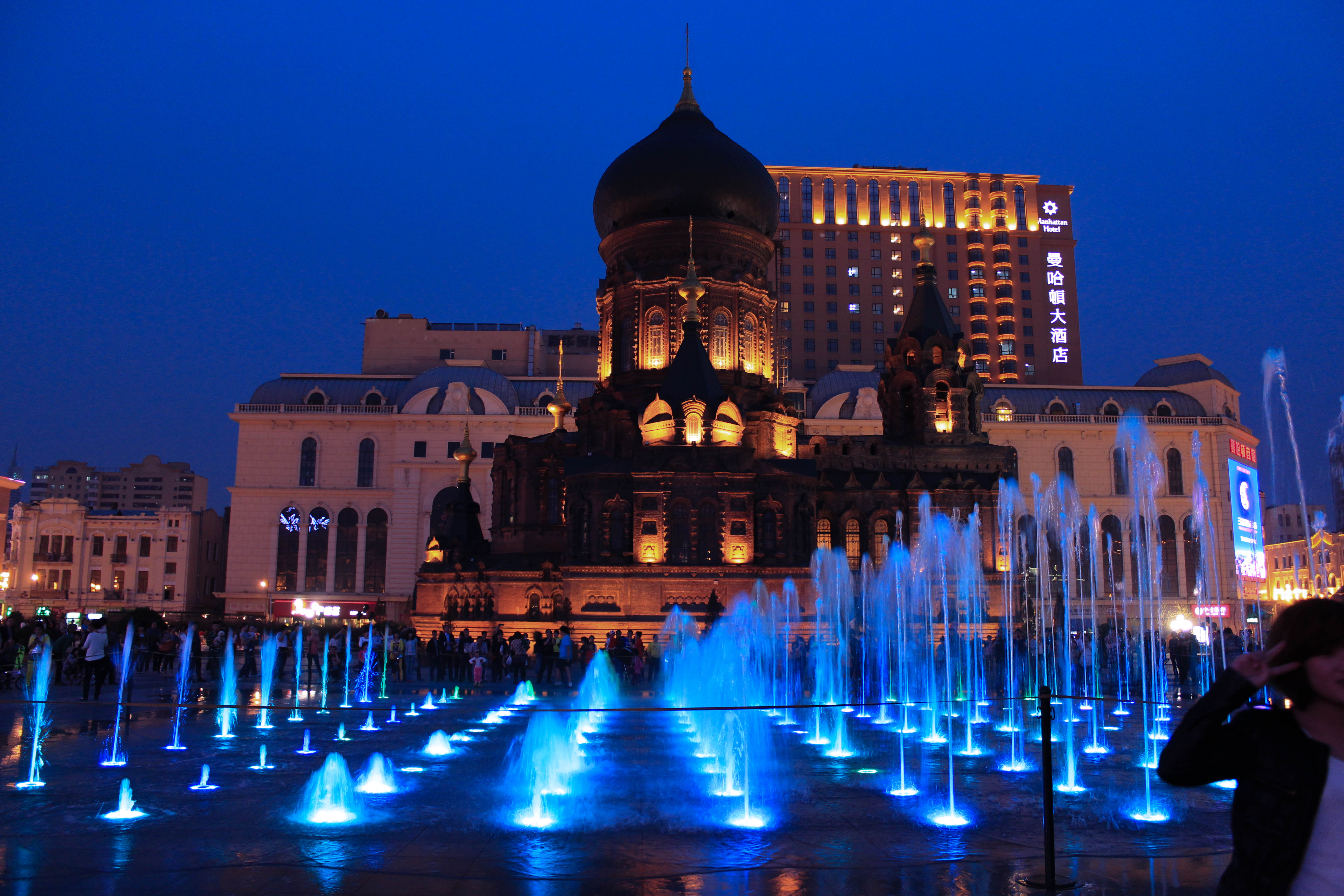
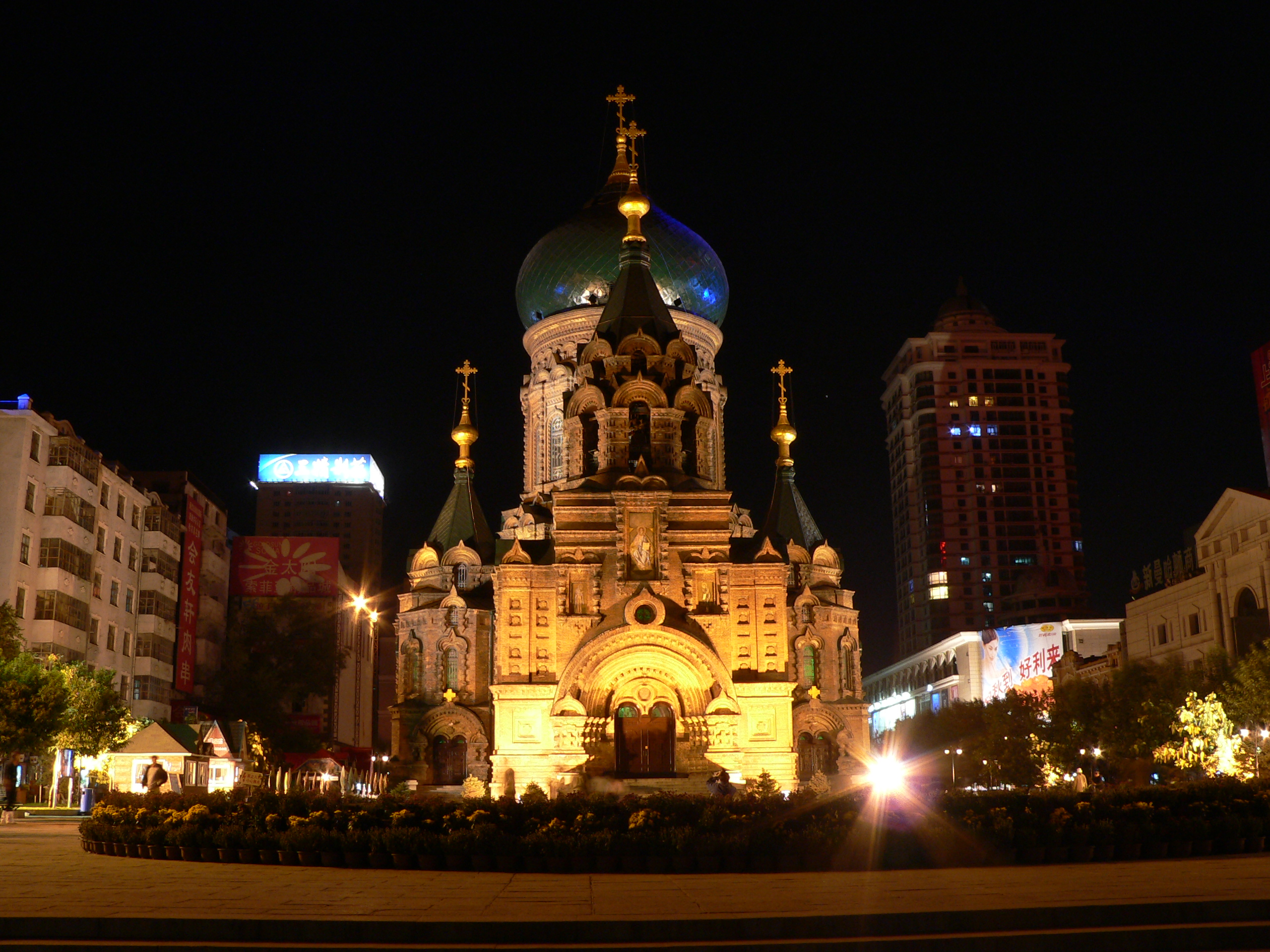
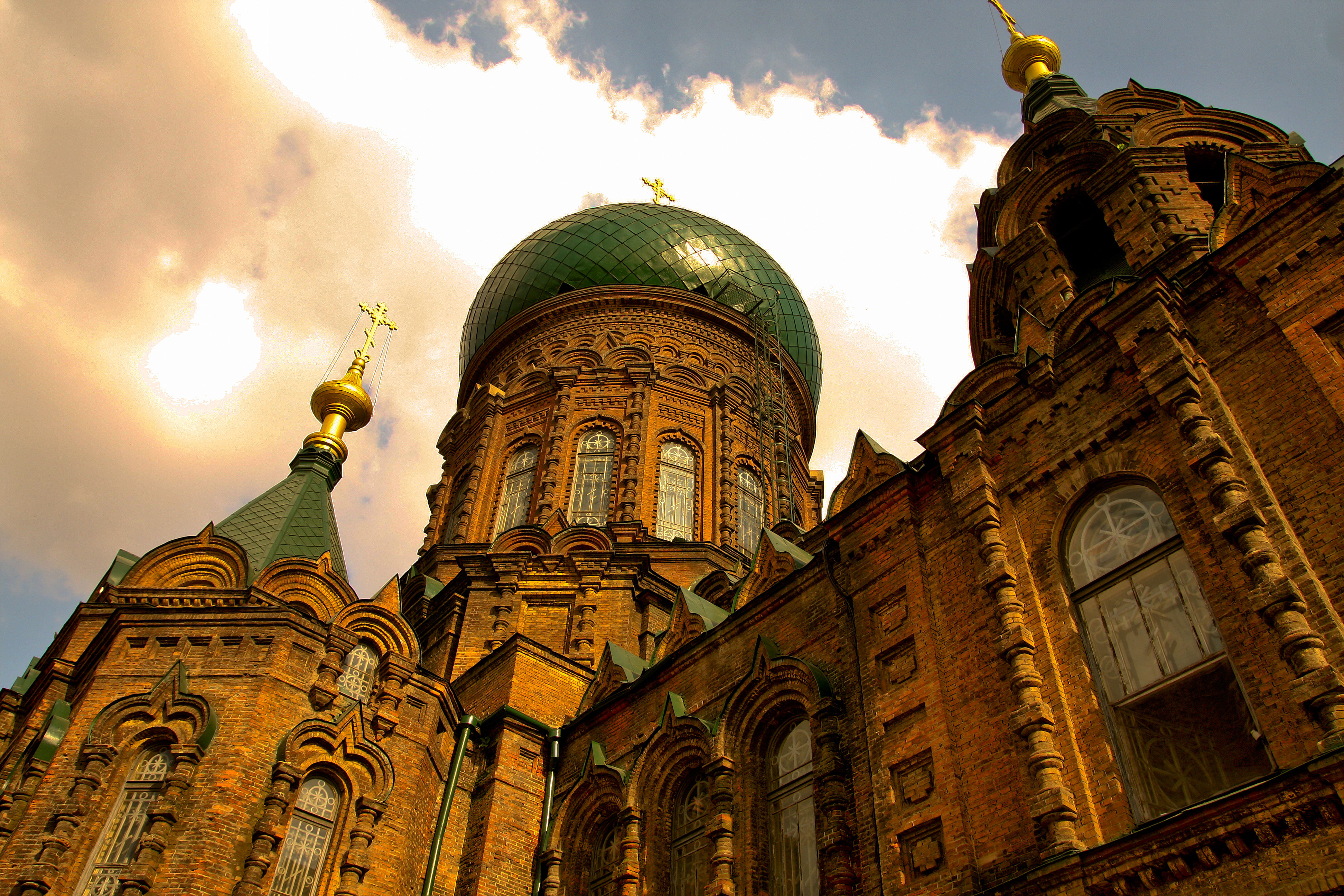
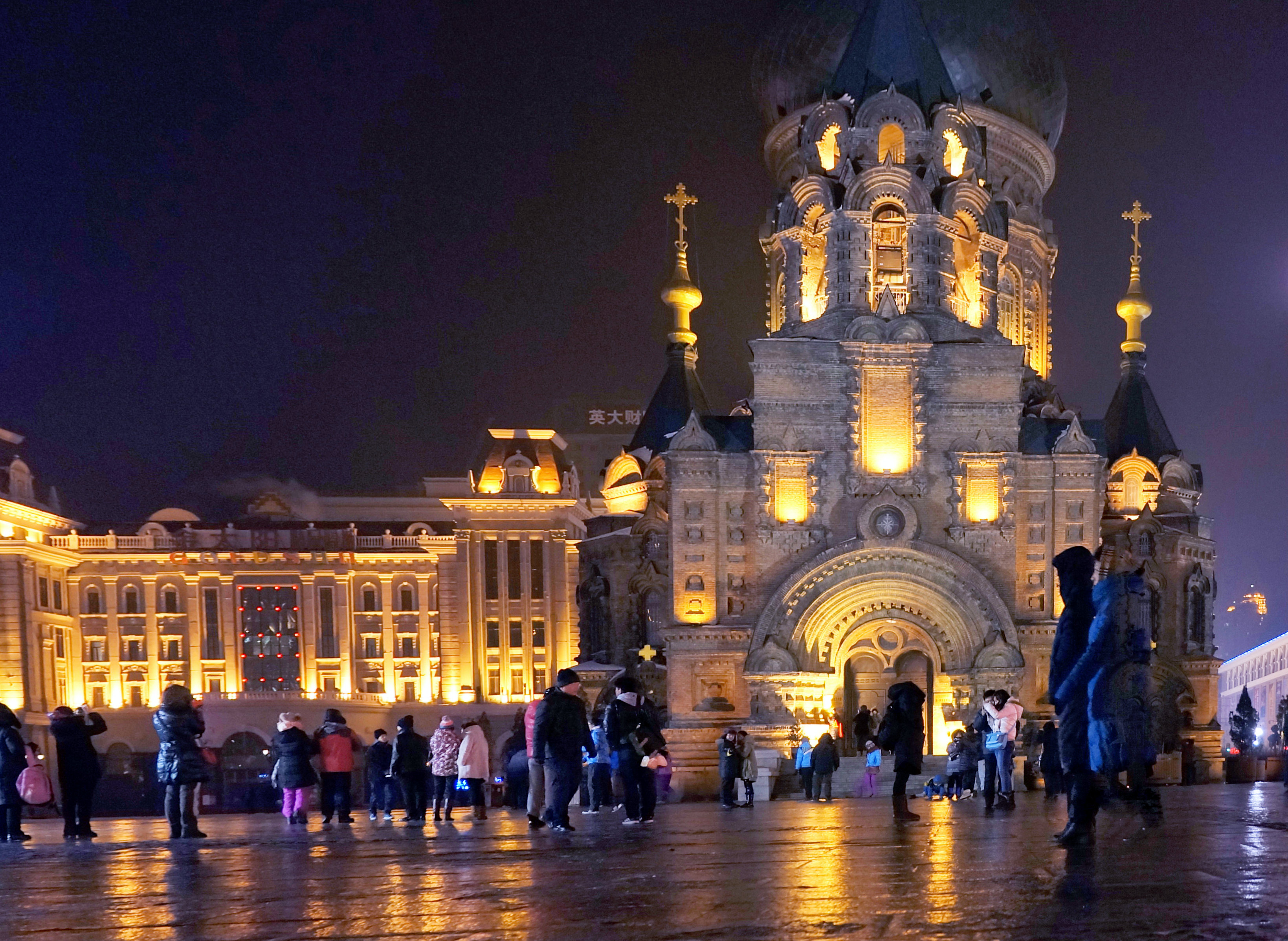
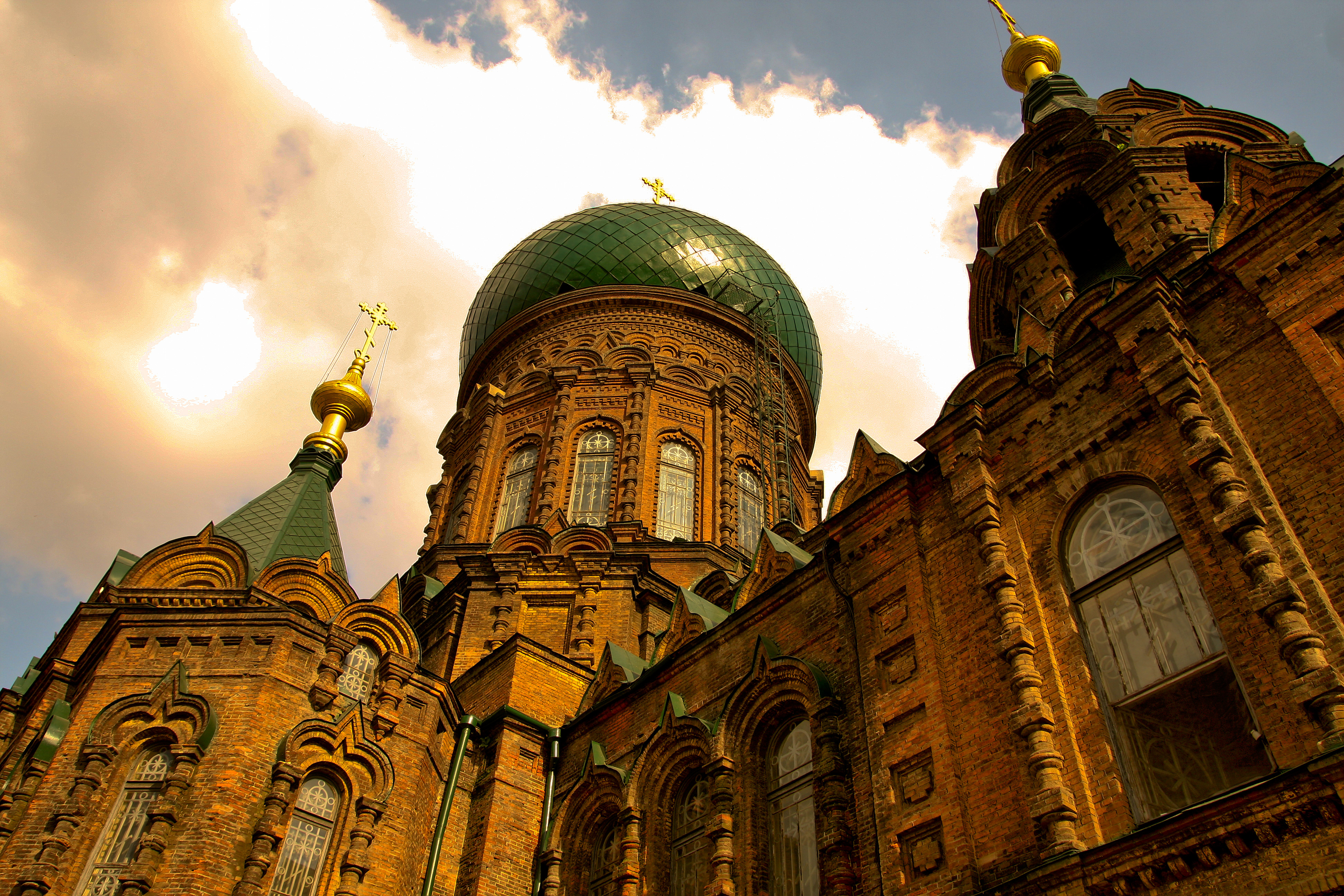
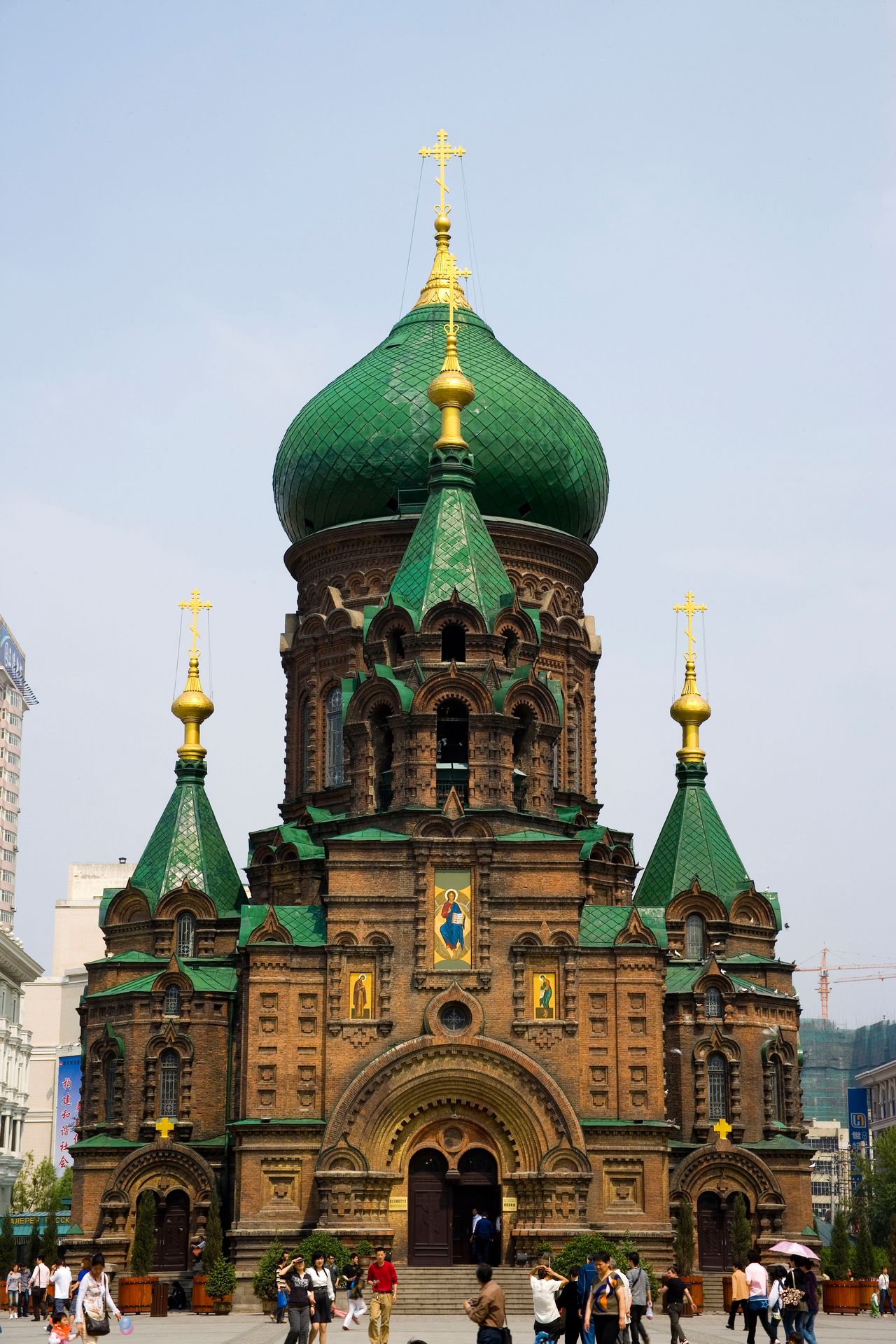
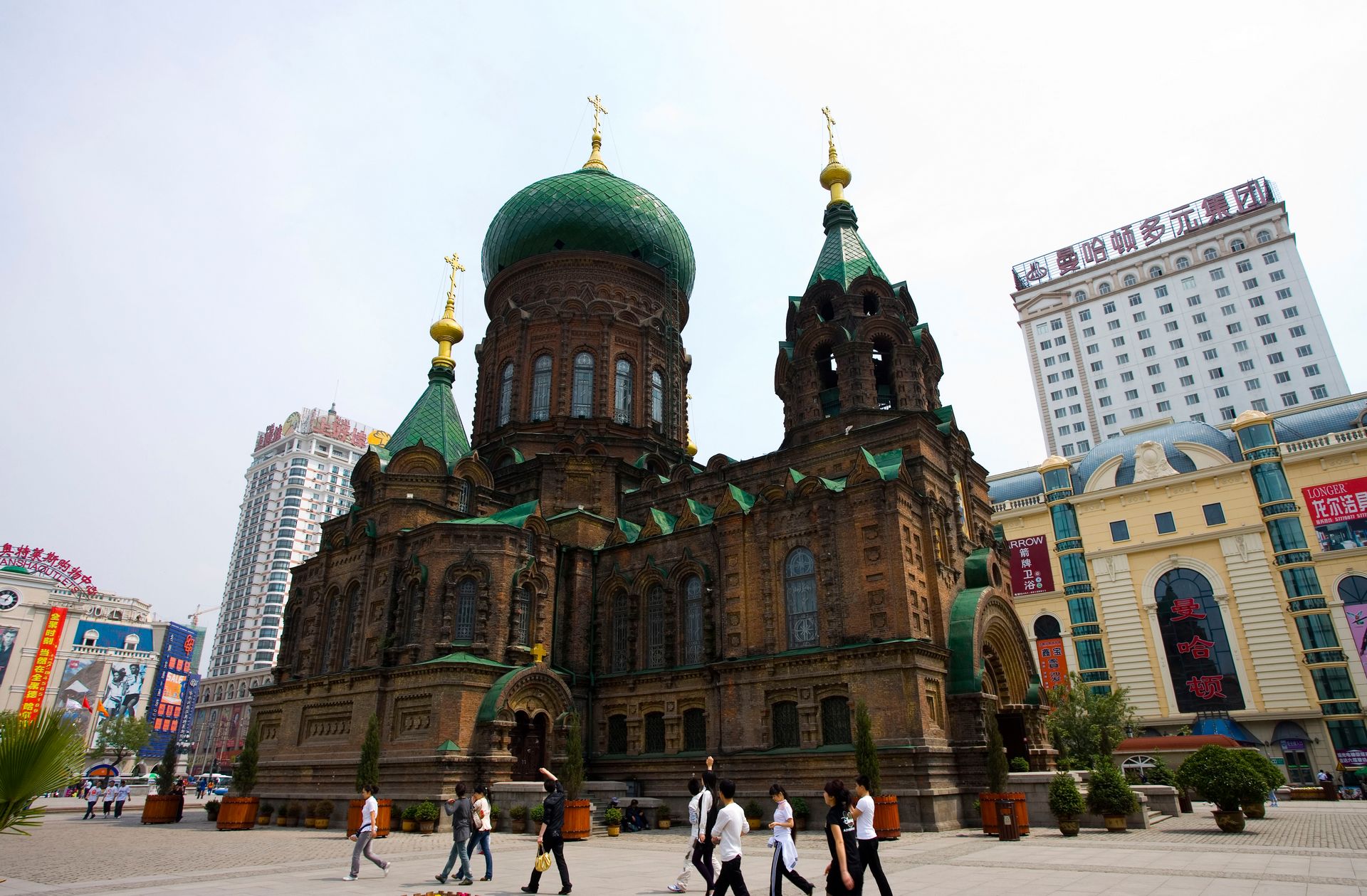
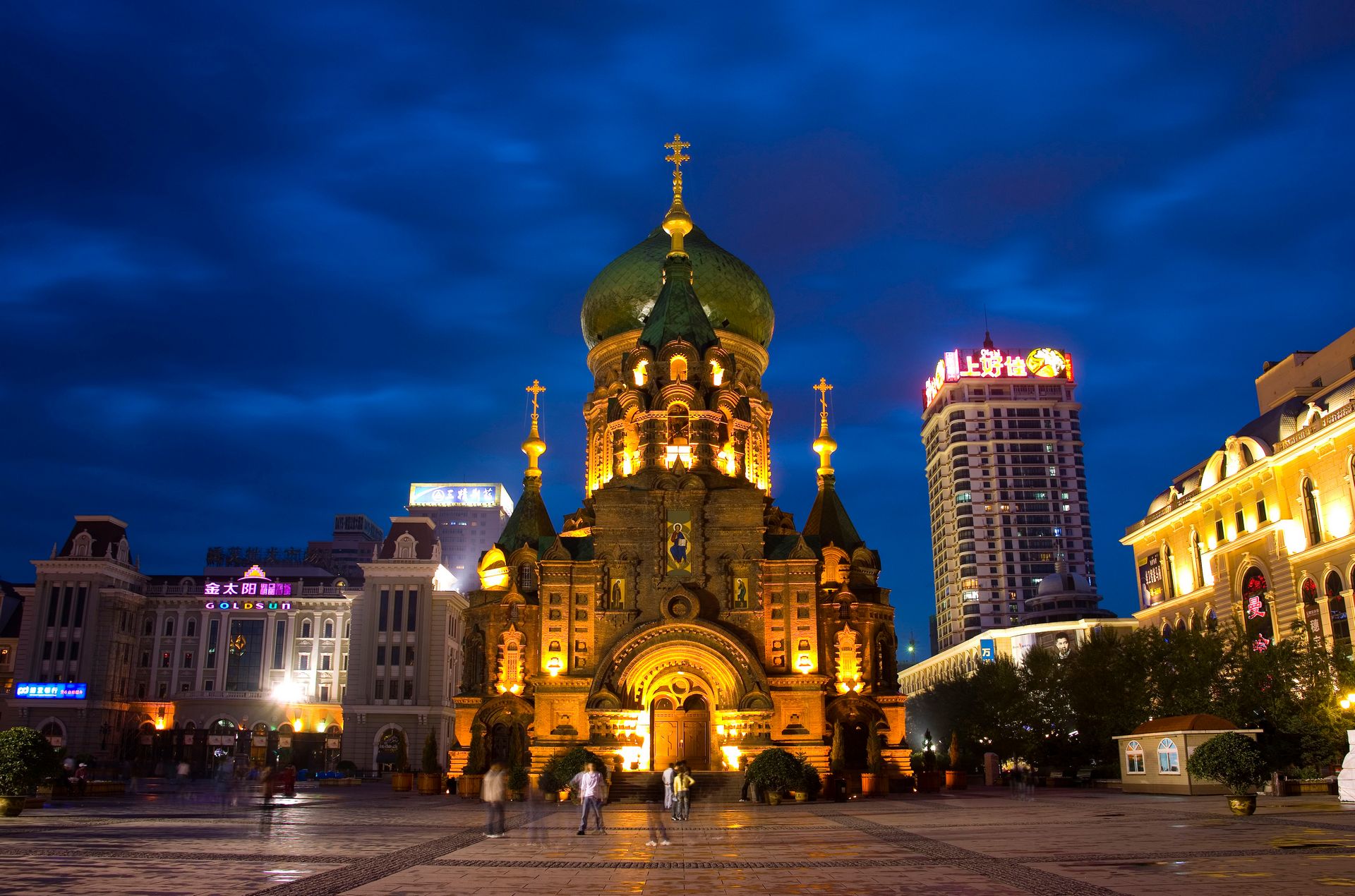
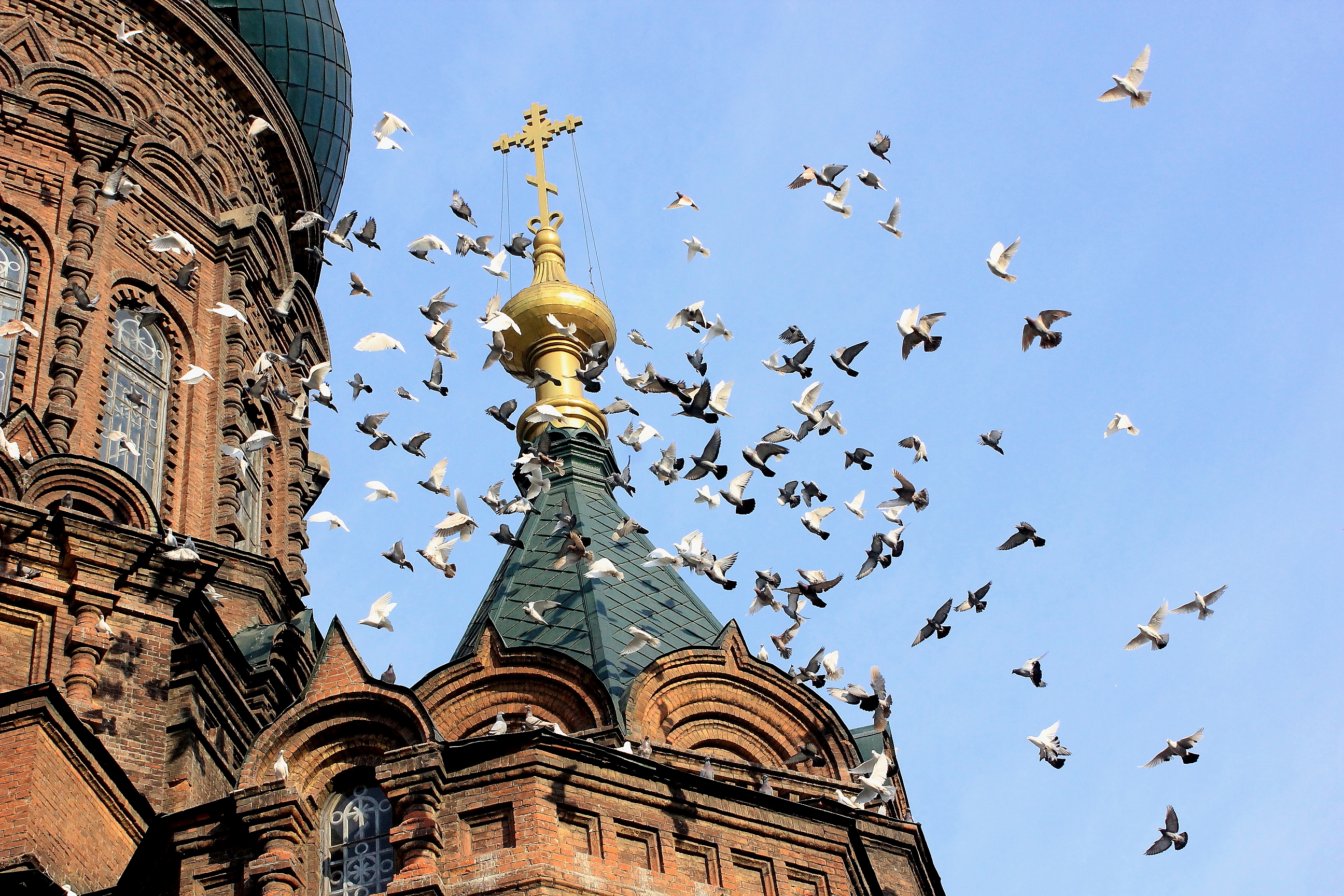
In the heart of Harbin, a city famed for its icy winters and Russian heritage, stands the magnificent Saint Sophia Cathedral. This landmark is not merely a church but a symbol of Harbin’s unique cultural fusion. Built in 1932, it was originally the largest Eastern Orthodox church in the Russian Far East, serving a thriving expatriate community. Its design is a striking example of Byzantine architecture: the floor plan forms a Latin cross oriented east-west, and the walls are constructed entirely of bare red bricks, known as "清水红砖" (qing shui hong zhuan), which give the structure a warm, earthy glow. The cathedral’s most iconic feature is its towering central dome, flanked by a bell tower at the main entrance. Seven cast bronze musical bells reside here, capable of producing a cadenced chime that once echoed across the city. Today, Saint Sophia Cathedral has been repurposed as the Harbin Architectural Art Museum, preserving its legacy as a cultural treasure. Whether you visit during the day or at night, its beauty is undeniable—the square in front hosts a colorful light fountain show in the evening, transforming the area into a magical spectacle.
Highlights & Activities
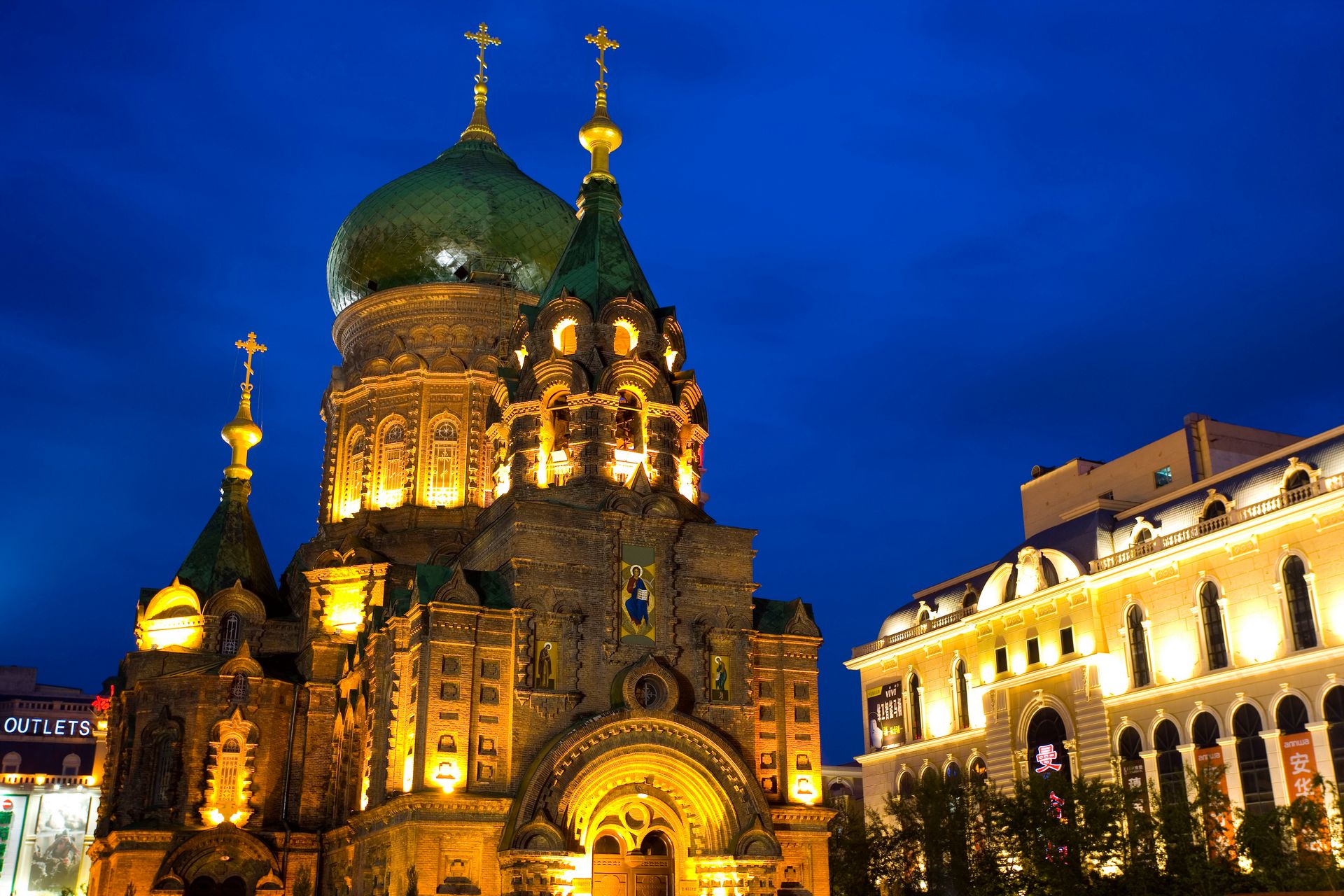
Visiting Saint Sophia Cathedral offers a blend of architectural admiration and cultural exploration. Inside, the Harbin Architectural Art Museum displays exhibits on the city’s urban development and Russian influence, making it a must-see for history buffs. The interior, though stripped of its original religious artifacts, retains a sense of grandeur with high ceilings and arched windows. Don’t miss the chance to climb the bell tower for a closer look at the seven bronze bells, each crafted with intricate details. Outside, the cathedral’s square is a hub of activity. At night, the light fountain show provides a vibrant backdrop for photography, with the illuminated red brick walls reflecting in the water. For a small fee, you can also purchase a combo ticket that grants access to both Saint Sophia Cathedral and the Jewish New Synagogue, offering a deeper dive into Harbin’s multicultural past. Plan to spend about an hour here, though the evening ambiance might tempt you to linger longer.
Key Attractions Nearby
Saint Sophia Cathedral is ideally located in Daoli District, surrounded by other notable sights. Just a 7-minute walk west leads you to Central Street (中央大街), Harbin’s premier pedestrian boulevard. This cobblestone street is lined with European-style buildings, shops, and cafes, perfect for a leisurely stroll. Nearby, the Jewish New Synagogue, included in the combo ticket, offers insights into the city’s Jewish community. For a taste of local life, visit the Harbin Flood Control Monument on the Songhua River bank, about 15 minutes away. If time allows, the bustling Hongbo Square and the historic Stalin Park are also within walking distance. These attractions complement the cathedral visit, making it easy to spend a full day exploring this vibrant district.
Where to Dine
Harbin’s culinary scene is a fusion of Chinese and Russian flavors, and the area around Saint Sophia Cathedral offers excellent options. For a quick bite, try the street food vendors near the square, serving Russian-style breads and Harbin sausage, a local specialty. For a sit-down meal, head to Central Street, where you’ll find restaurants like Huamei Xifang (华梅西餐厅), a historic spot known for its borscht and beef stroganoff. For authentic Chinese cuisine, sample the city’s famous "Guo Bao Rou" (锅包肉), a sweet and sour pork dish, at local eateries such as Laochang (老厨家). Don’t forget to pair your meal with a glass of Harbin beer, one of China’s oldest brews. Prices vary, but a hearty meal can be enjoyed for around 30-60 yuan per person.
Weather & Best Time to Visit
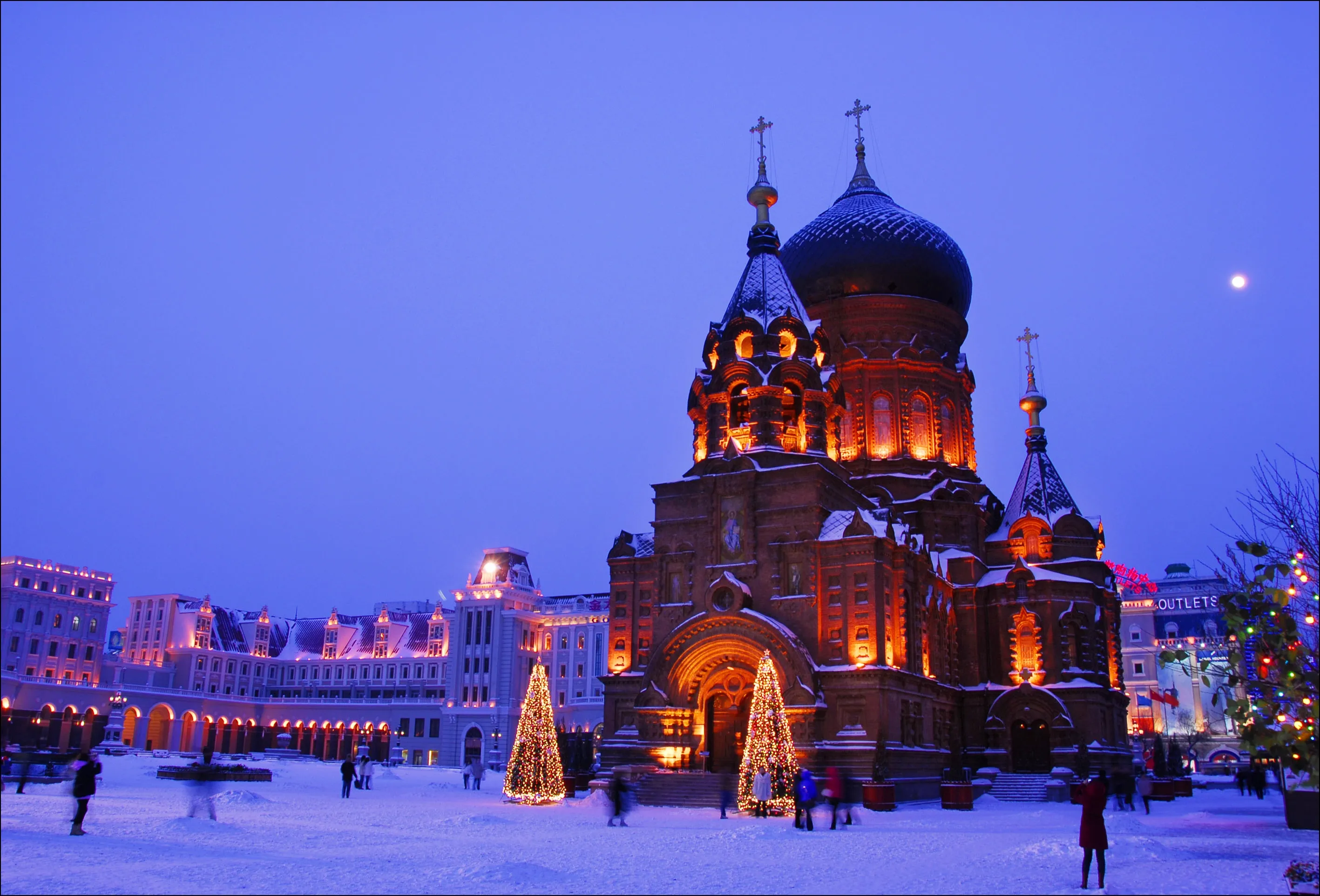
Harbin experiences a continental monsoon climate with distinct seasons. Winters (December to February) are bitterly cold, with temperatures often dropping below -20°C (-4°F), but the cathedral’s snow-covered dome creates a fairy-tale scene. Summer (June to August) is mild and pleasant, with highs around 25°C (77°F), making it ideal for outdoor exploration. Spring and autumn are short but offer comfortable weather, though crowds are thinner. The best time to visit is during the Harbin International Ice and Snow Festival (January to February), when the city is at its most festive. However, for a more relaxed experience, consider late spring or early autumn. The light fountain show runs year-round, but evening visits are especially enchanting in warmer months.
Travel Tips
Getting to Saint Sophia Cathedral is straightforward. Take bus routes 13, 28, or 74 to the Architectural Art Square stop and walk about 150 meters, or hop on routes 16, 64, 94, 101, or 103 to the Ha Yibai stop, followed by a 500-meter walk. The cathedral is open daily, with tickets priced at 20 yuan for general admission or 35 yuan for a combo ticket that includes the Jewish New Synagogue. No advance booking is typically needed, but arrive early to avoid queues. What to bring: in winter, dress in layers with thermal wear, a heavy coat, hat, gloves, and boots; in summer, light clothing and sunscreen suffice. A camera is essential for capturing the architecture and fountain show. Note that the cathedral is a museum, so respectful behavior is expected. Lastly, combine your visit with a walk to Central Street for a full Harbin experience.