Overview & History
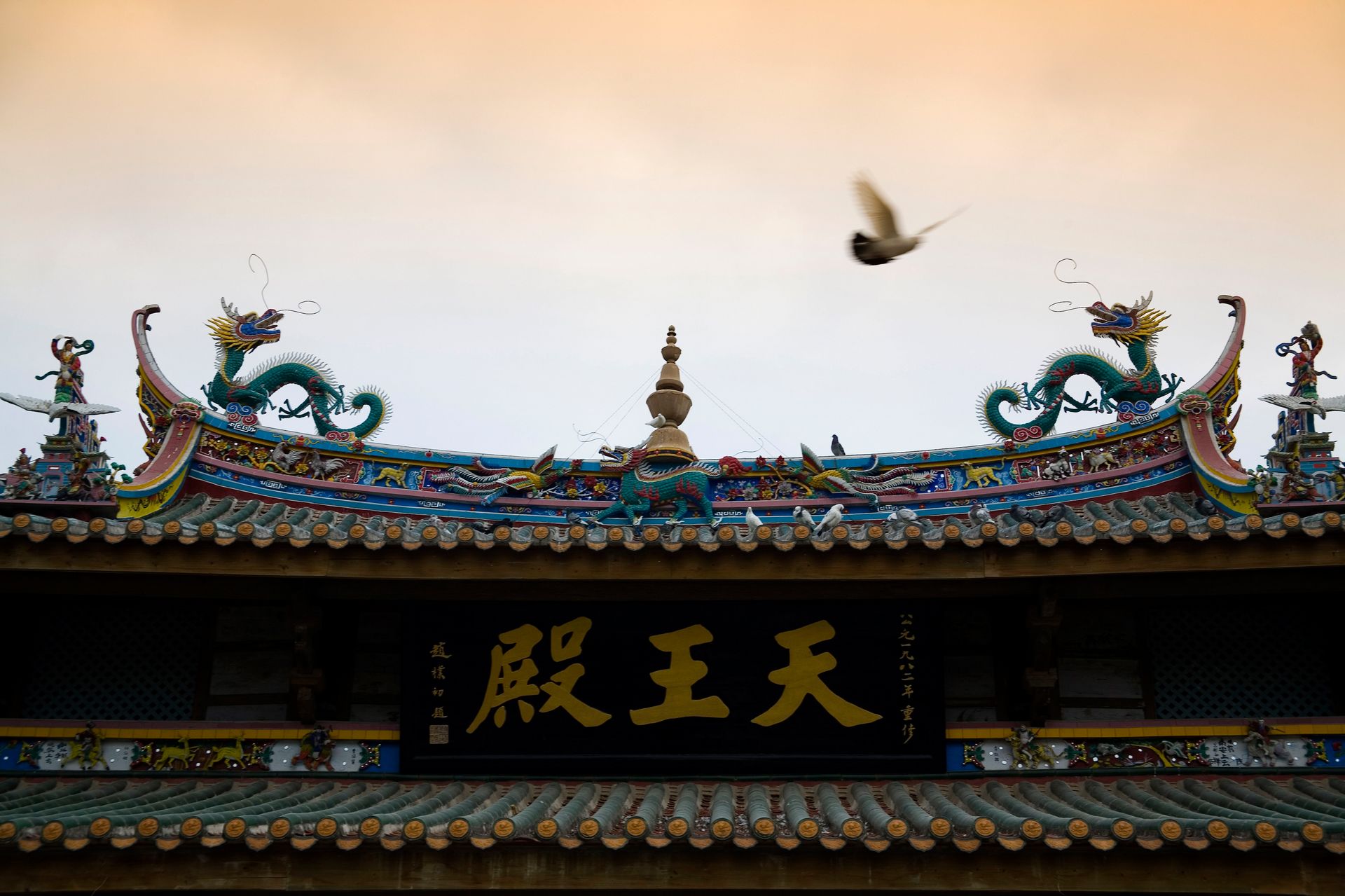
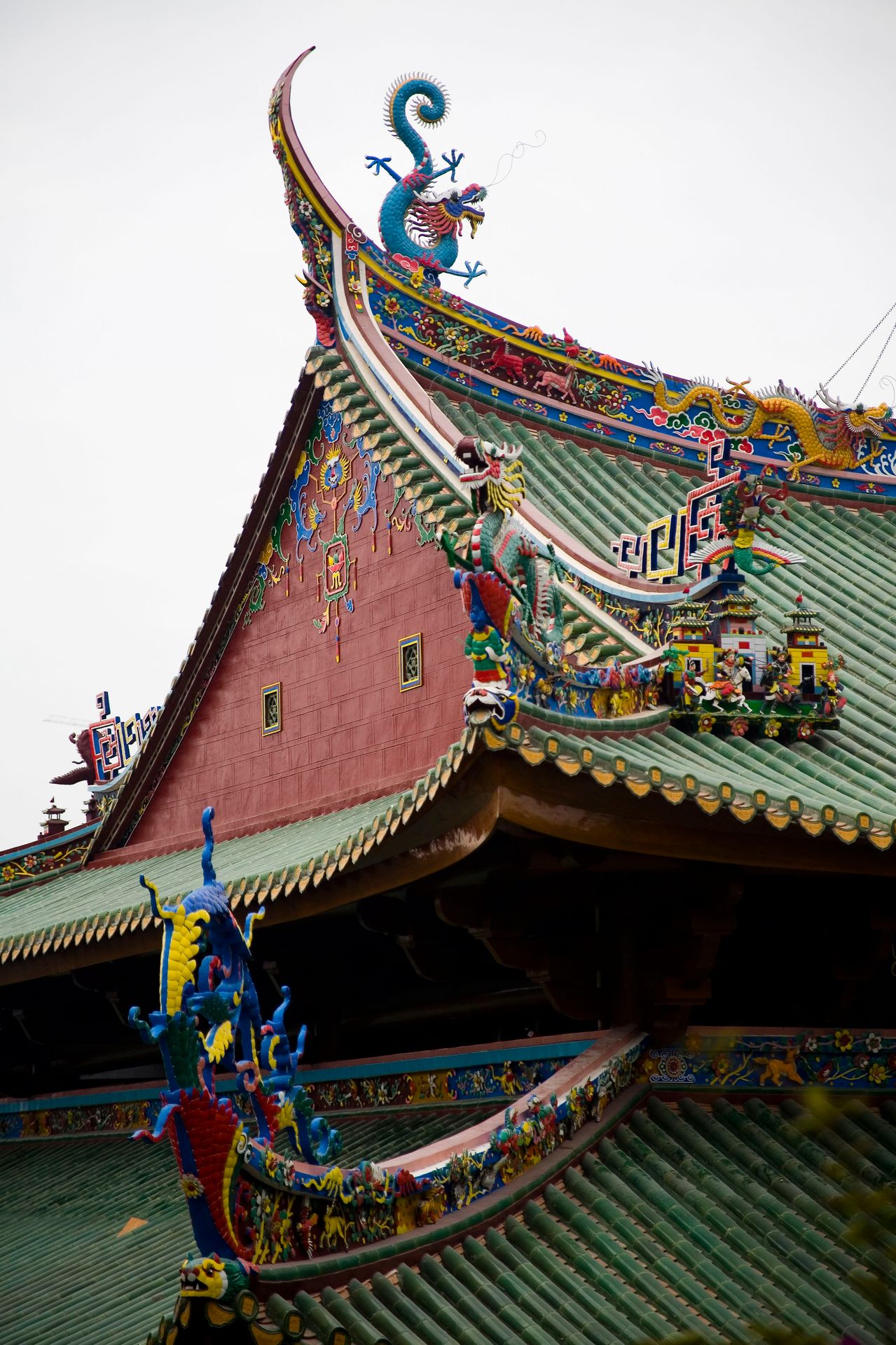
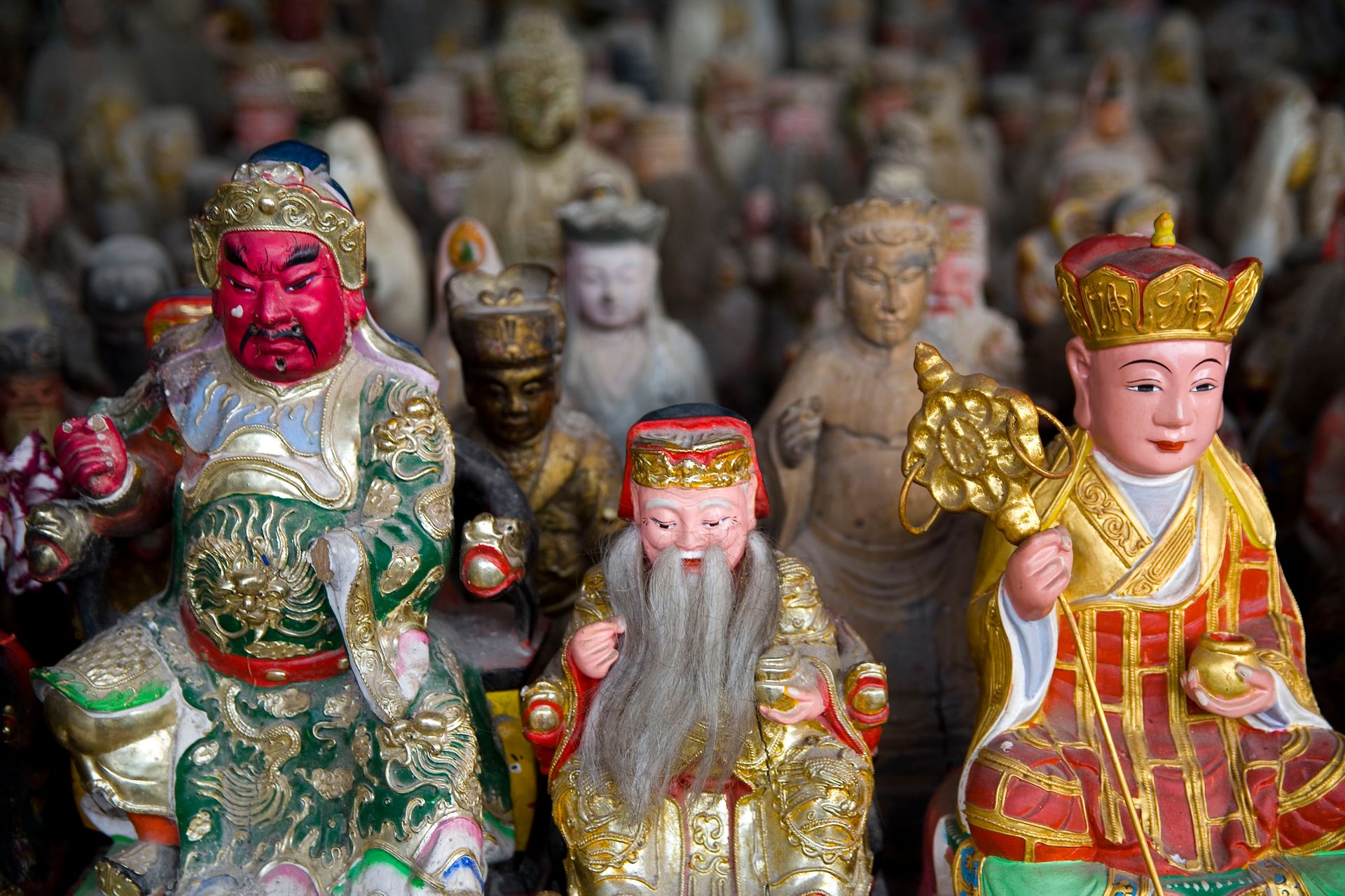
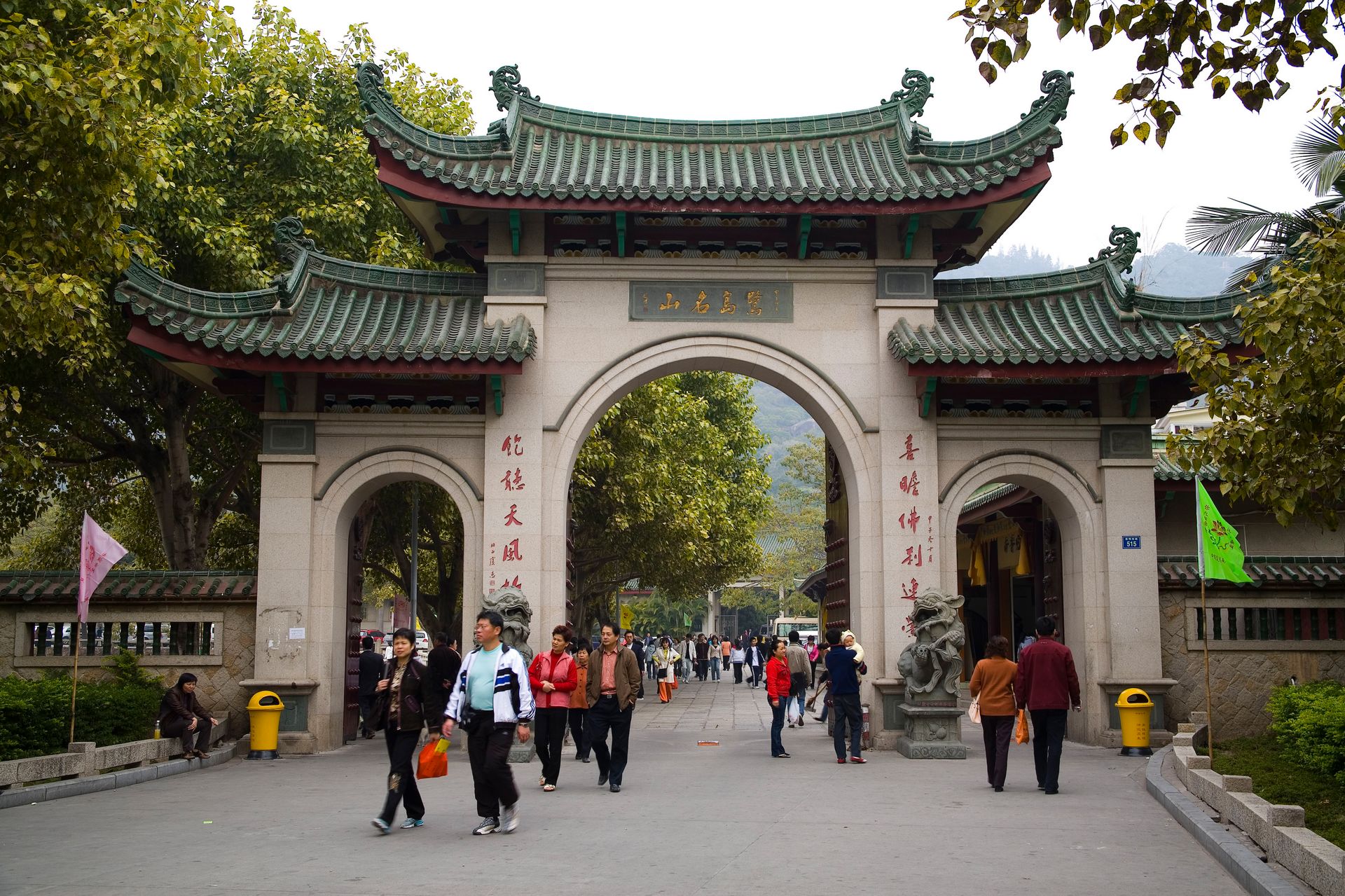
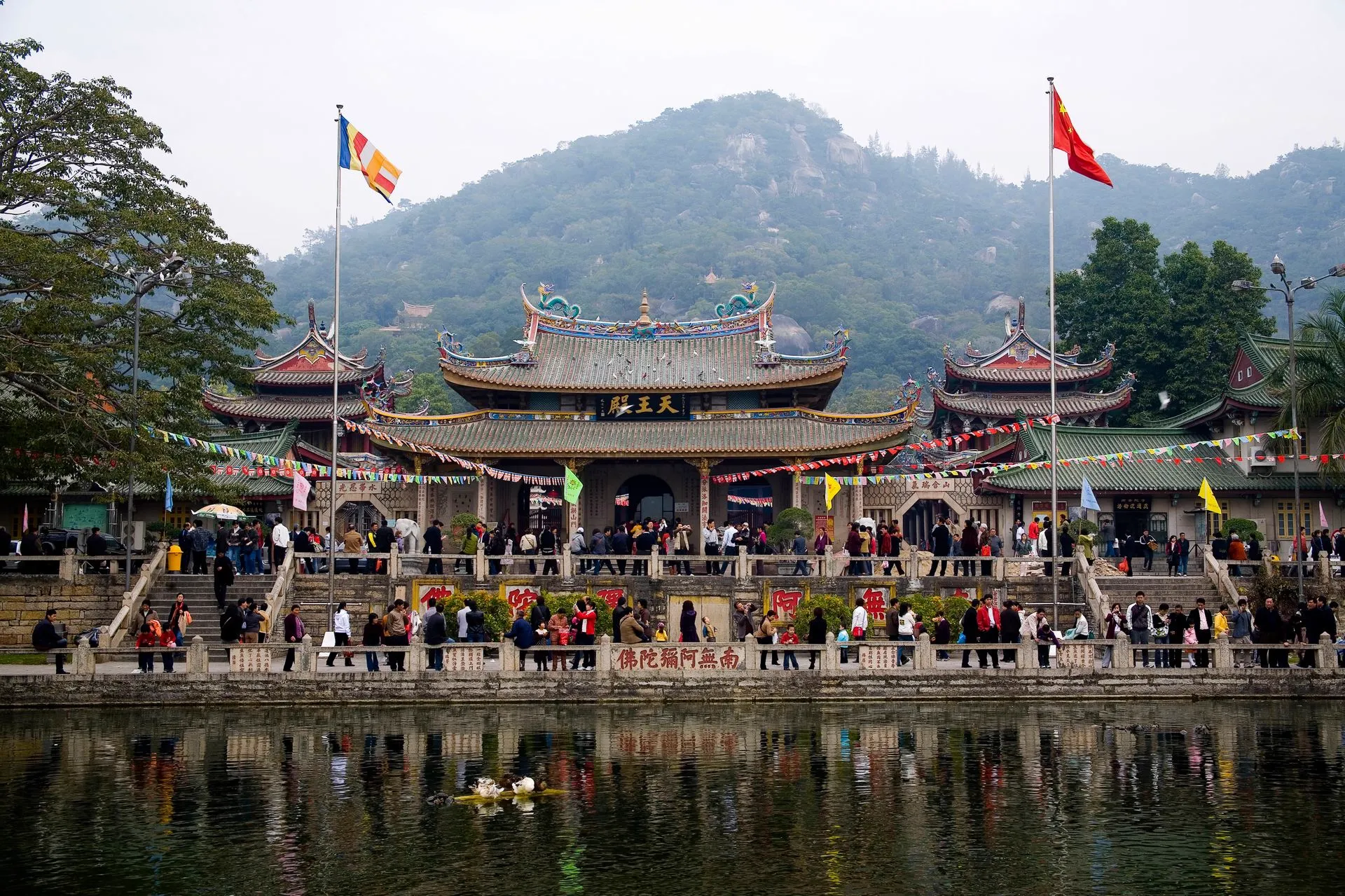
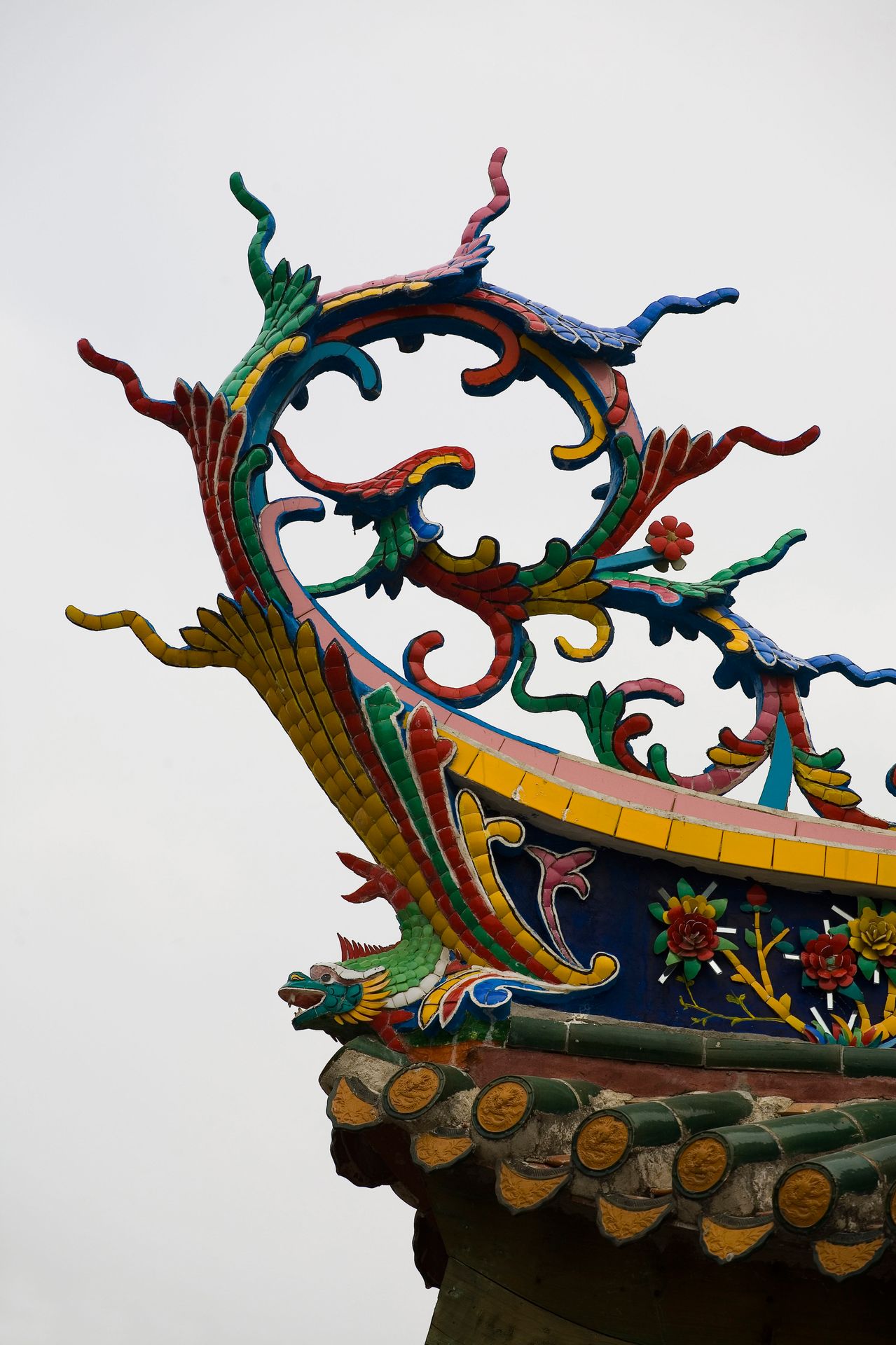
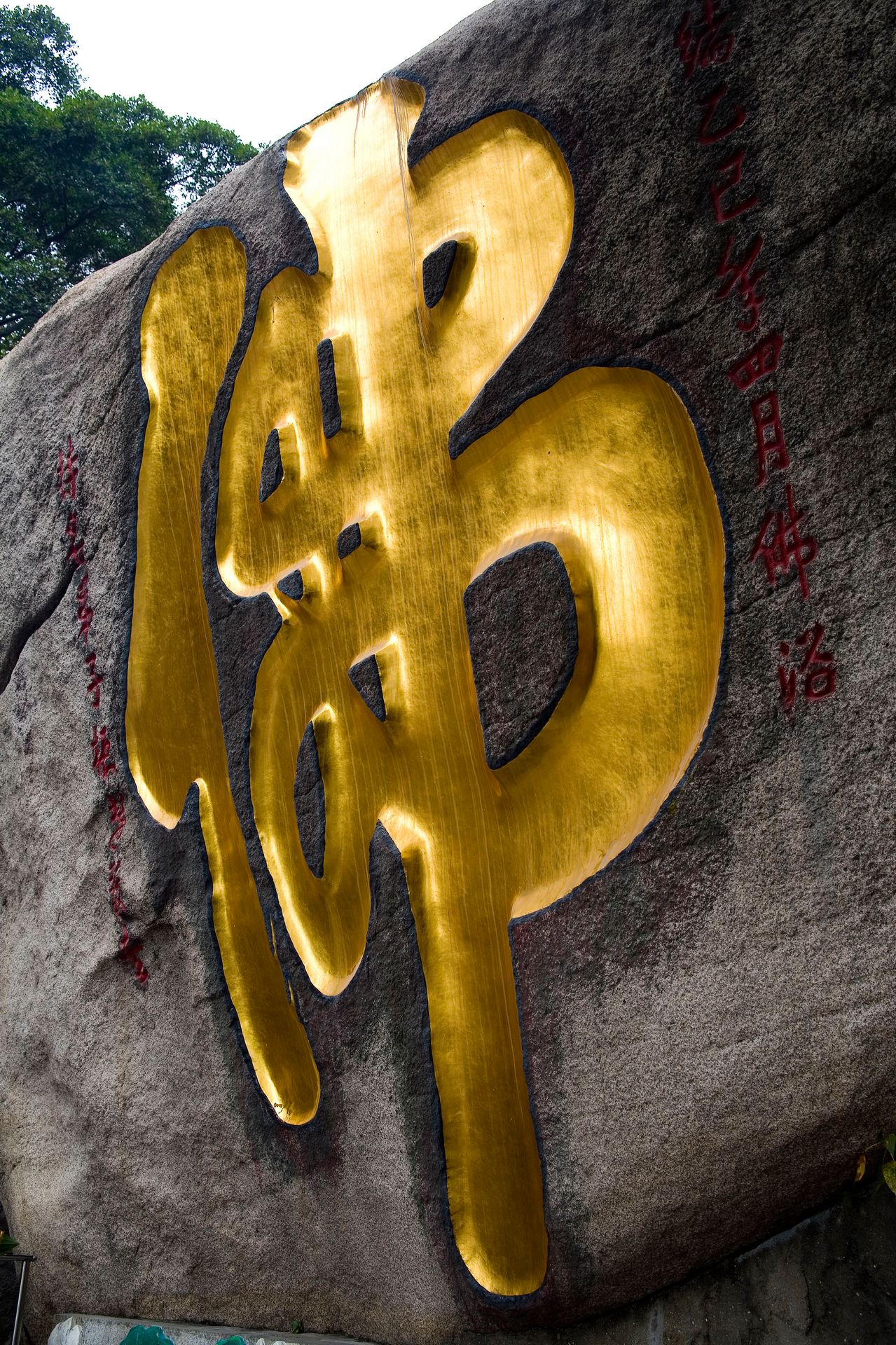
Perched at the foot of Wulao Peak on the southern coast of Xiamen Island, Nanputuo Temple is one of China’s most revered Buddhist sanctuaries and a must-visit destination for travelers seeking both spiritual tranquility and cultural richness. Founded during the late Tang and Five Dynasties periods (over 1,100 years ago), this temple is named for its southern location relative to the famed Putuo Island in Zhejiang—both sites honor the bodhisattva Guanyin (the Goddess of Mercy), making Nanputuo a "Southern Putuo." Its layout follows a classical Chinese temple design: three main halls and seven side halls, oriented southward with its back to the mountain and front to the sea. The architecture showcases distinctive Southern Fujian characteristics, with sweeping eaves, intricate carvings, and vibrant colors that reflect the region’s maritime heritage. Unlike many temples in China, Nanputuo is refreshingly free of commercialism—admission is free, and even incense is offered without charge. This genuine atmosphere, combined with its serene setting near Xiamen University, makes it a beloved landmark where visitors can explore centuries of Buddhist tradition while enjoying a peaceful escape from the city’s bustle.
Highlights & Activities
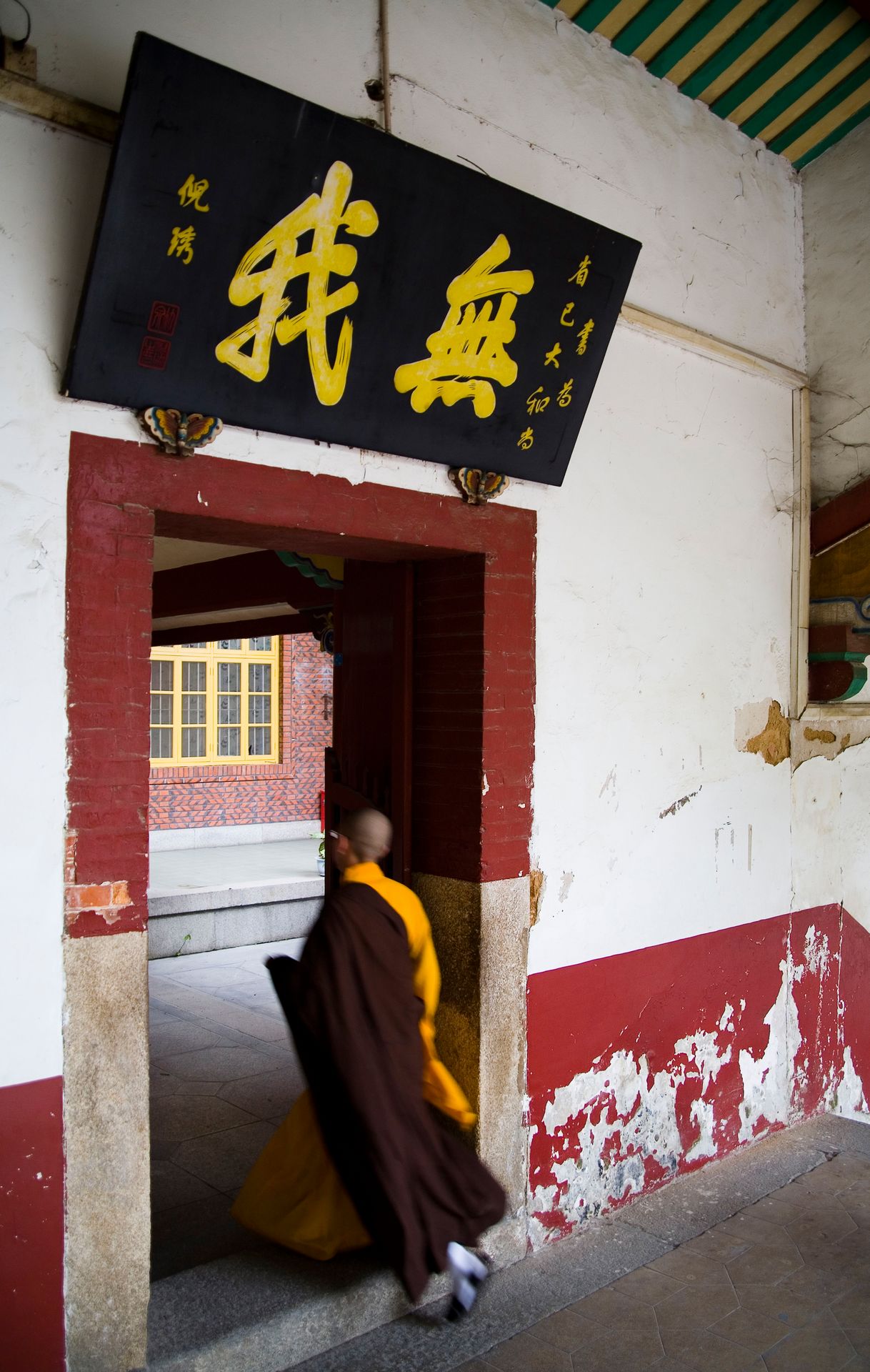
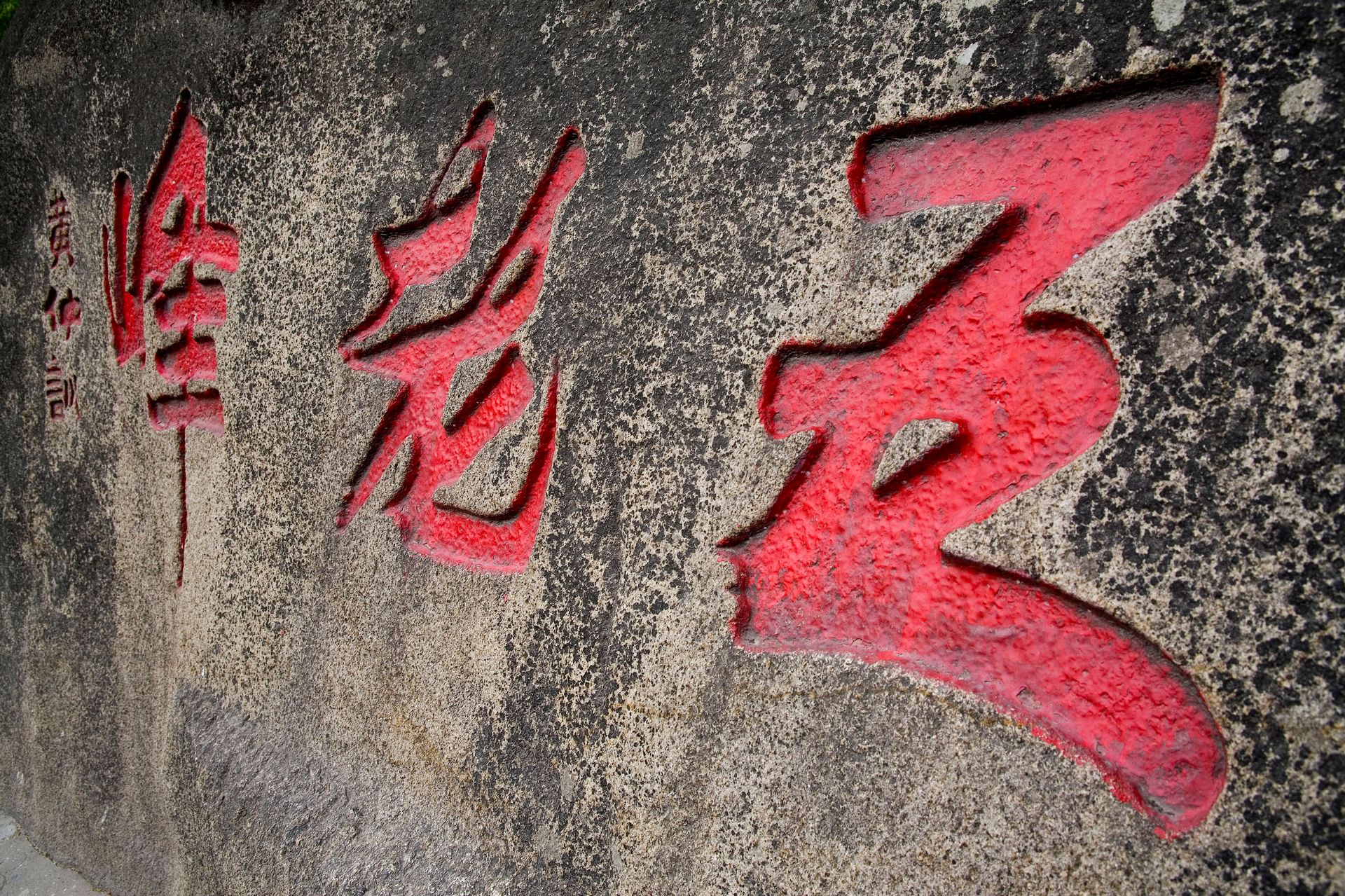
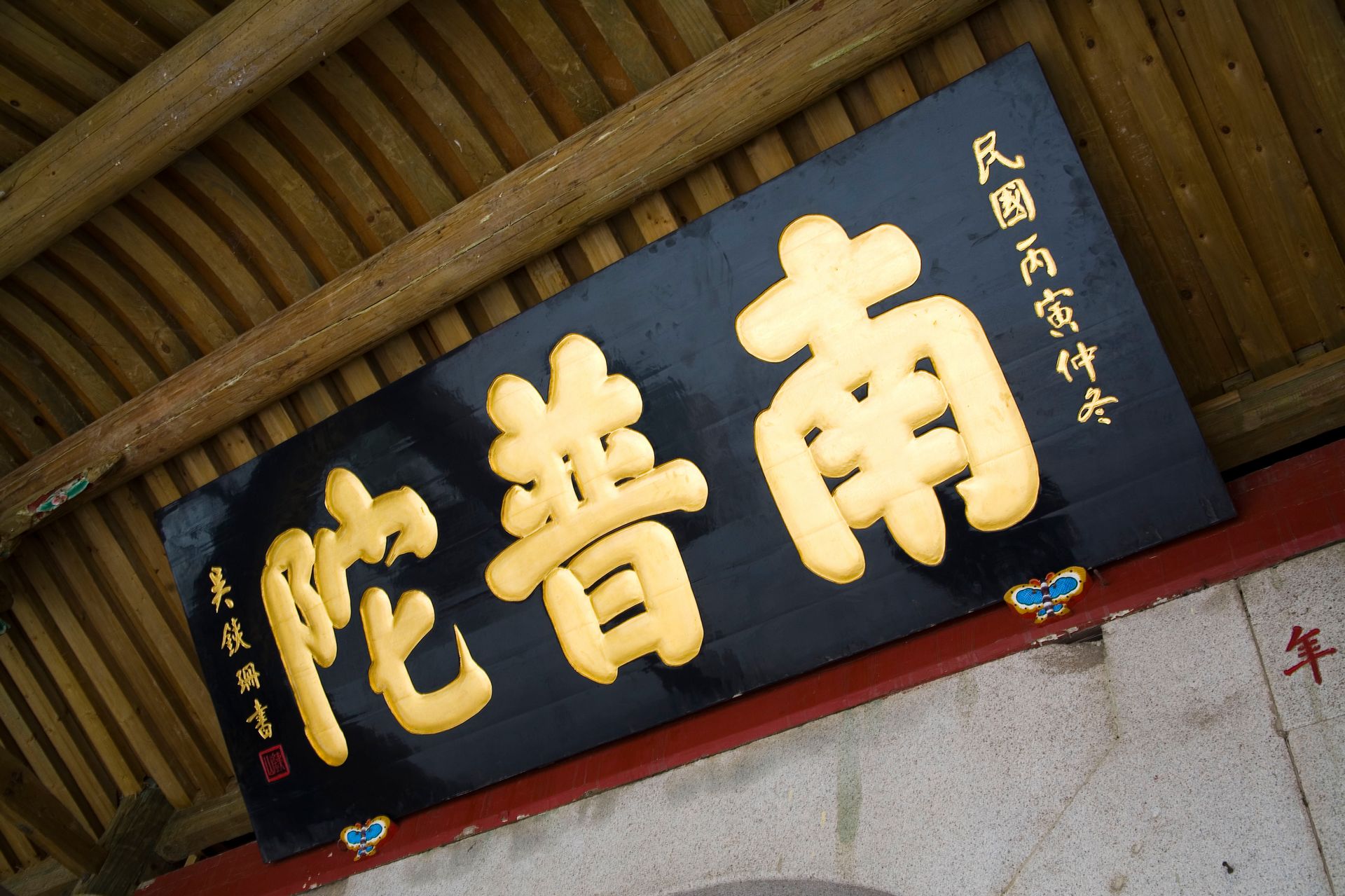
Nanputuo’s main halls—the Heavenly King Hall, Great Compassion Hall, Mahavira Hall, and Sutra Library—are architectural gems that reward careful observation. The Great Compassion Hall, dedicated to Guanyin, is particularly striking with its multi-eaved roof and ornate details. Beyond the halls, the temple grounds include a Release Pond and Lotus Pond, where turtles and fish glide among blooming flowers, creating a meditative atmosphere. One of the most popular activities is climbing the trail behind the temple to Wulao Peak (Five Old Men Peak) within the Xiamen Botanical Garden. The hike takes about 30–40 minutes and offers panoramic views of Xiamen’s skyline, the sea, and the surrounding garden city—a breathtaking reward for your effort. For a deeper cultural experience, visit the Minnan Buddhist College, founded in the early 20th century, which played a pivotal role in modern Buddhist education. Renowned monks like Master Taixu and Master Hongyi taught here, helping revive Buddhist scholarship in southern China. Don’t miss the chance to light a free stick of incense at the main hall—it’s a simple yet profound way to participate in local tradition.
Key Attractions Nearby
Nanputuo’s prime location makes it an ideal starting point for exploring Xiamen’s top sights. Xiamen University (XMU), often called China’s most beautiful campus, is just a short walk away. Stroll through its picturesque grounds, with lakes, gardens, and historic buildings that blend Chinese and Western styles. After touring XMU, you can continue to Zengcuoan, a former fishing village turned artsy enclave, known for its boutique shops, street art, and seafood stalls. For a different vibe, head to Gulangyu Island, a car-free island with colonial-era architecture, piano museums, and quiet beaches—a 15-minute ferry ride from downtown. If you have time, consider a day trip to Dongshan Island, famous for its dramatic coastline and the filming location of the movie "Left Ear." The nearby Xiamen Botanical Garden is also accessible directly from the temple’s hiking trail, offering a full day of nature exploration.
Where to Dine
Nanputuo is renowned for its vegetarian cuisine, which has been perfected over decades. The temple’s own vegetarian restaurant serves dishes that are both delicate and flavorful, using local ingredients like taro, mushrooms, and seasonal vegetables. A standout is the Nanputuo vegetarian cake (su bing), a light, sweet pastry that has won the prestigious China Famous Snack Golden Tripod Award. These cakes come in various flavors, including taro, mung bean, and pumpkin, and make excellent souvenirs at around 10 RMB per box. For a more upscale vegetarian experience, visit the adjacent Dafang Vegetarian Restaurant, where it’s said that Deng Xiaoping once enjoyed the dishes so much that his chef brought local betel nut taro back to Beijing. The restaurant offers a refined menu with creative presentations. If you’re in the mood for non-vegetarian options, the streets around Xiamen University are lined with affordable eateries serving seafood noodles, oyster omelets, and other local specialties.
Weather & Best Time to Visit
Xiamen enjoys a subtropical monsoon climate, with mild winters and warm, humid summers. The best time to visit Nanputuo is during the spring (March to May) and autumn (October to December), when temperatures range from 15°C to 25°C (59°F to 77°F) and rainfall is moderate. Summer (June to September) can be hot and rainy, with occasional typhoons, but the temple’s shaded courtyards offer some relief. Winter (January to February) is cool and dry, with fewer crowds, making it a pleasant time for a quiet visit. The temple is open from 8:00 AM to 8:00 PM (summer hours may extend to 4:00 AM–6:30 PM in some sources), so plan to arrive early to avoid the midday heat and crowds—especially on weekends and Buddhist holidays, when the temple is busiest.
Travel Tips
- Getting There: Take bus routes 1, 15, 21, 45, 841, or 959 to Xiamen University (Nanputuo) Station. If coming from the airport or train station, a taxi or ride-hailing service is convenient (about 20–30 minutes from the city center).
- Fees & Hours: Admission is free. The temple is open daily from 8:00 AM to 8:00 PM (some sources list 4:00 AM–6:30 PM for early risers). Check current hours before your visit.
- What to Bring: Comfortable walking shoes for the hike to Wulao Peak, a hat and sunscreen for sunny days, and a reusable water bottle. Modest clothing is appreciated—cover shoulders and knees when entering the halls.
- Etiquette: Speak softly, avoid pointing at statues, and do not take photos inside the main halls. Incense is provided free at the entrance; light one stick and place it in the burner with reverence.
- Nearby Accommodation: The 7 Days Inn (Nanputuo Branch) at No. 35 Nanhua Road is a budget-friendly option, with double rooms from 287–357 RMB. Its location at the end of Nanhua Road’s café street puts you steps from the temple and Xiamen University.