Overview & History
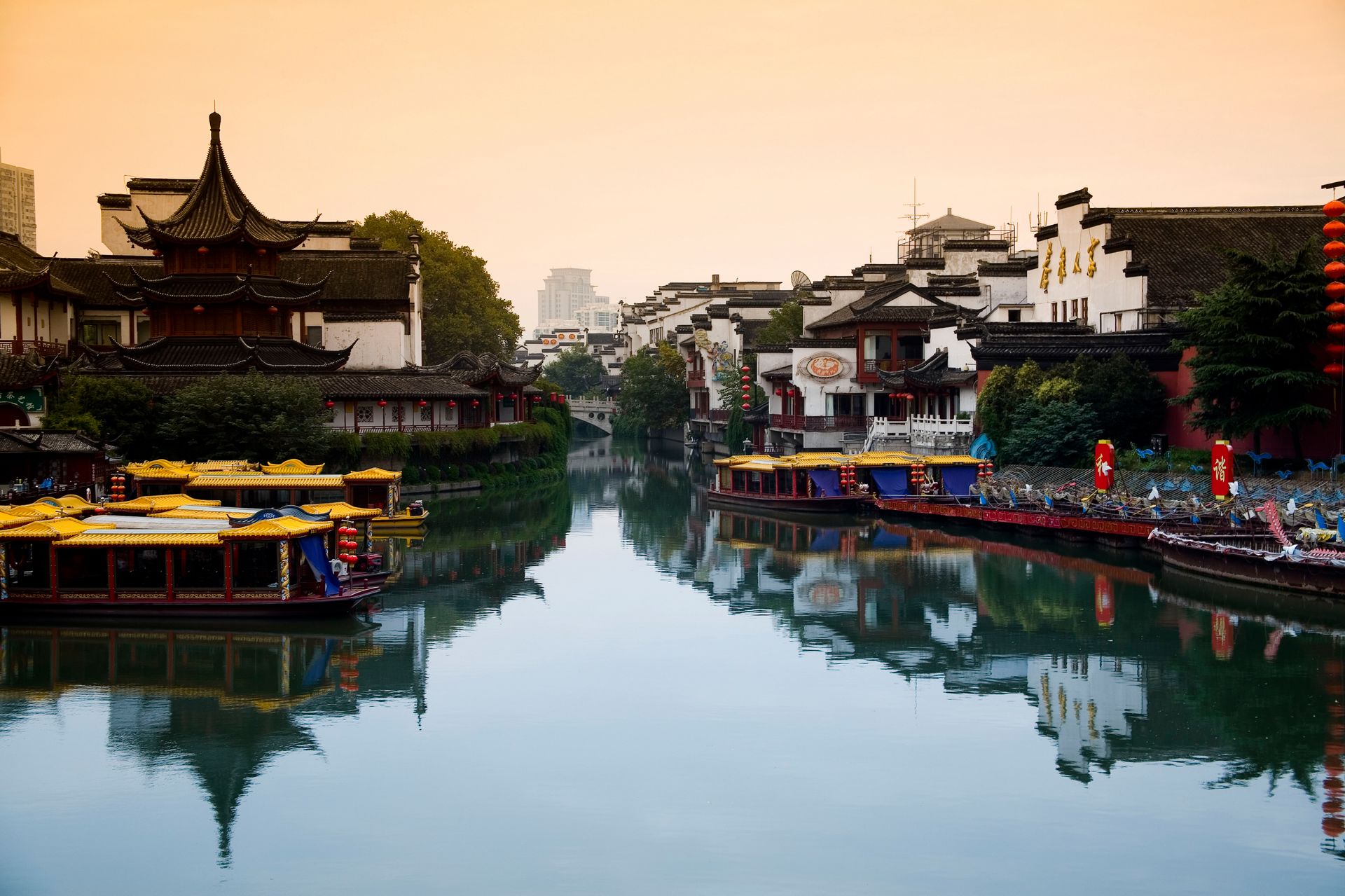
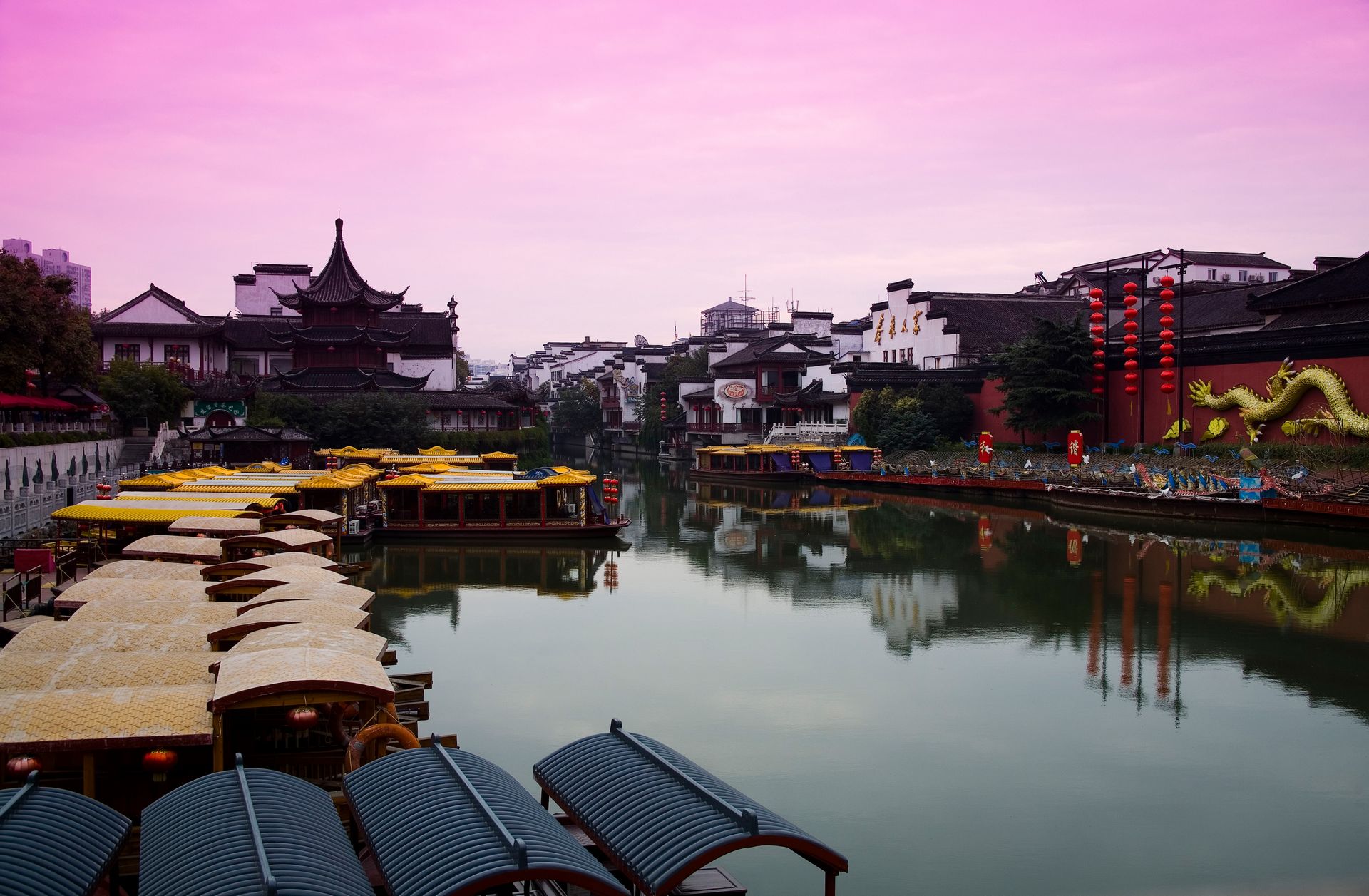
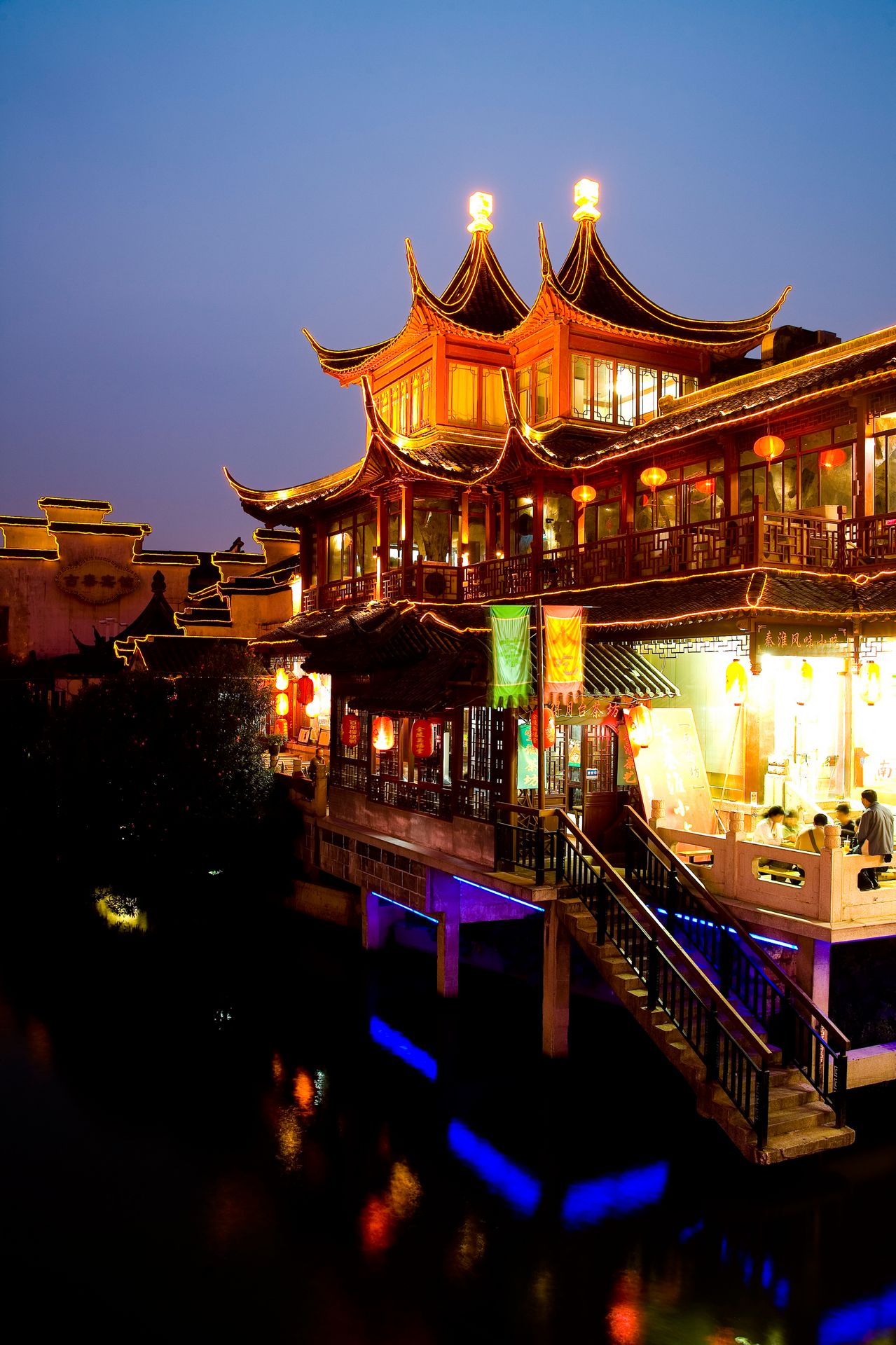
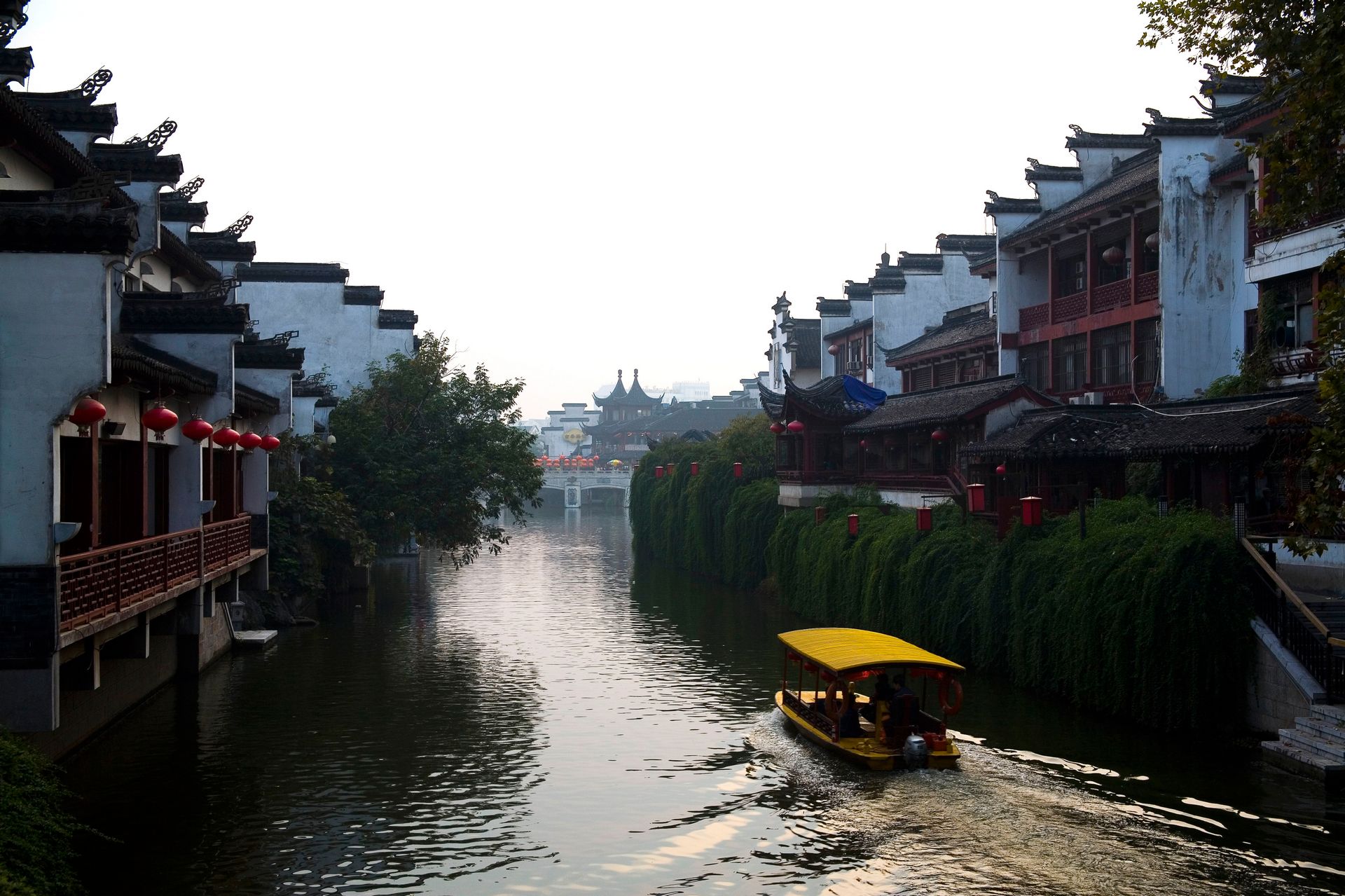
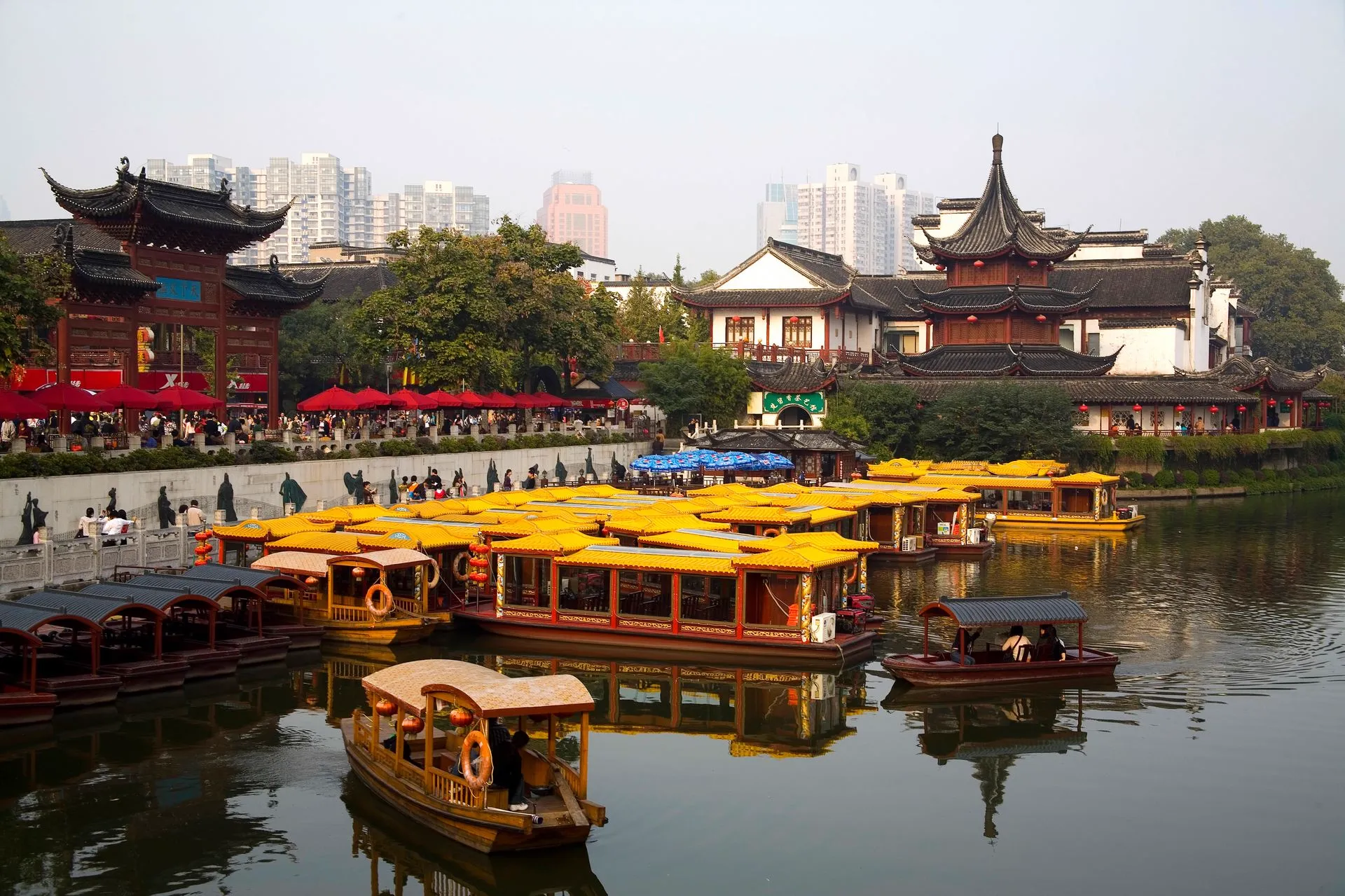
“江南佳丽地,金陵帝王州”—this ancient verse captures the essence of the Qinhuai River (秦淮河), a shimmering waterway that has been the soul of Nanjing for centuries. The section flowing through the city is famously known as the “Ten-mile Qinhuai” or “Six Dynasties Golden Powder” district, a name that evokes the opulence and romance of old China. During the Six Dynasties period (220–589 AD), noble families and wealthy merchants built their mansions along its banks, attracting scholars, poets, and artists. The Ming and Qing dynasties marked its golden age, when gilded pavilions lined the river, painted pleasure boats glided on the water, and the air was filled with the sound of oars and lantern-lit festivities. Today, the Qinhuai River remains a vibrant cultural landmark, blending ancient charm with modern energy—a place where history comes alive in every reflection and every whisper of the wind.
Highlights & Activities
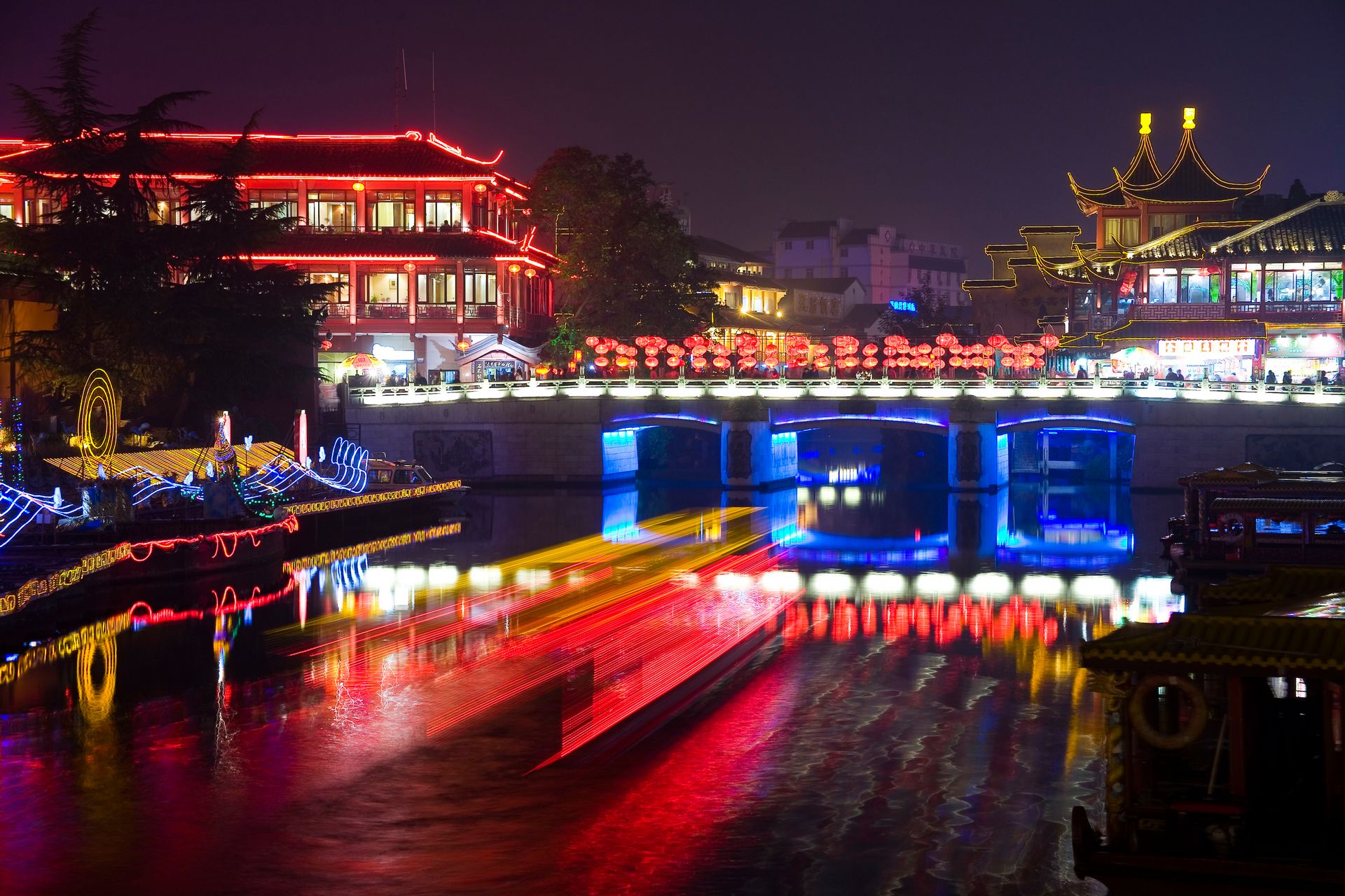
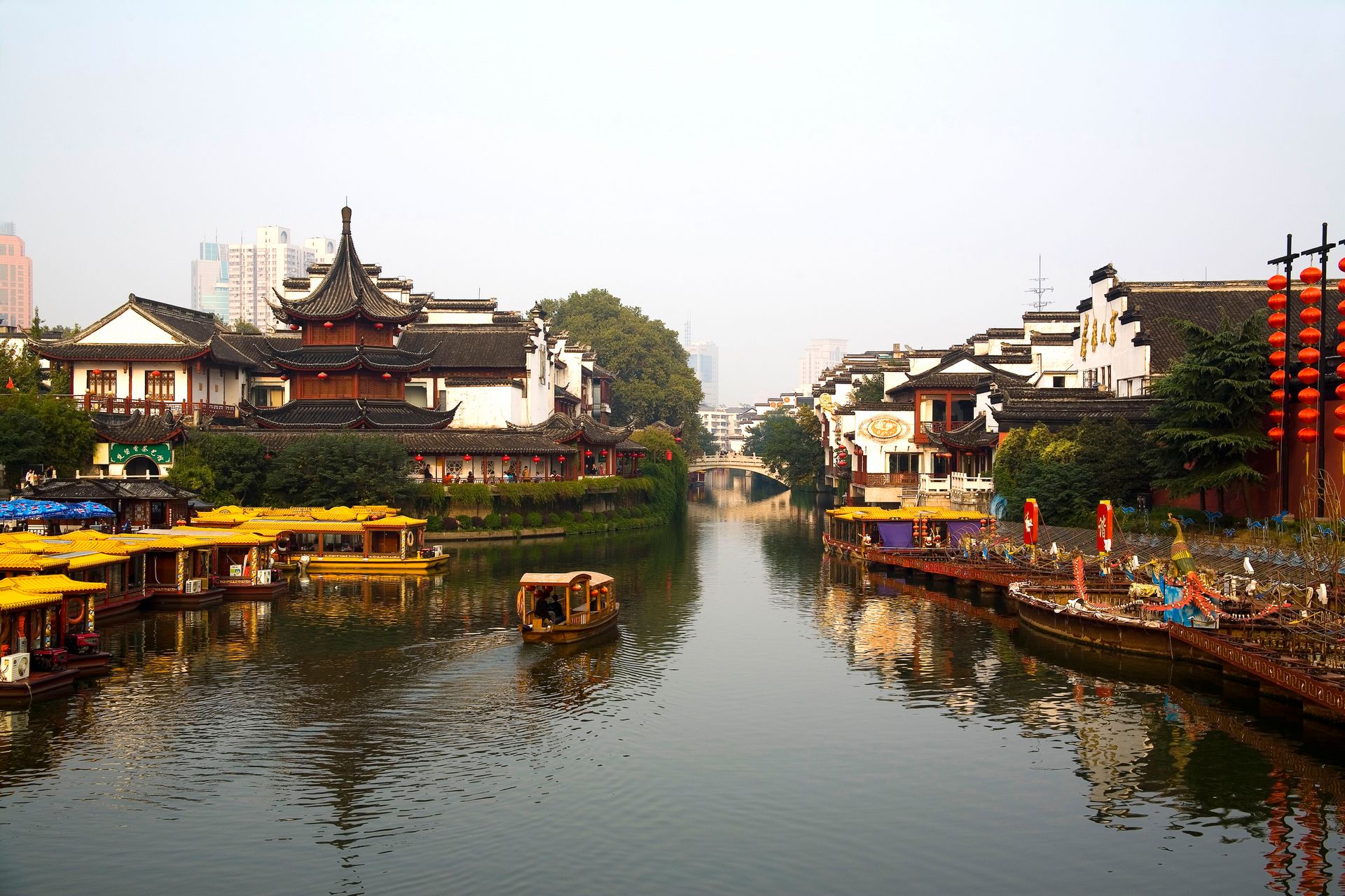
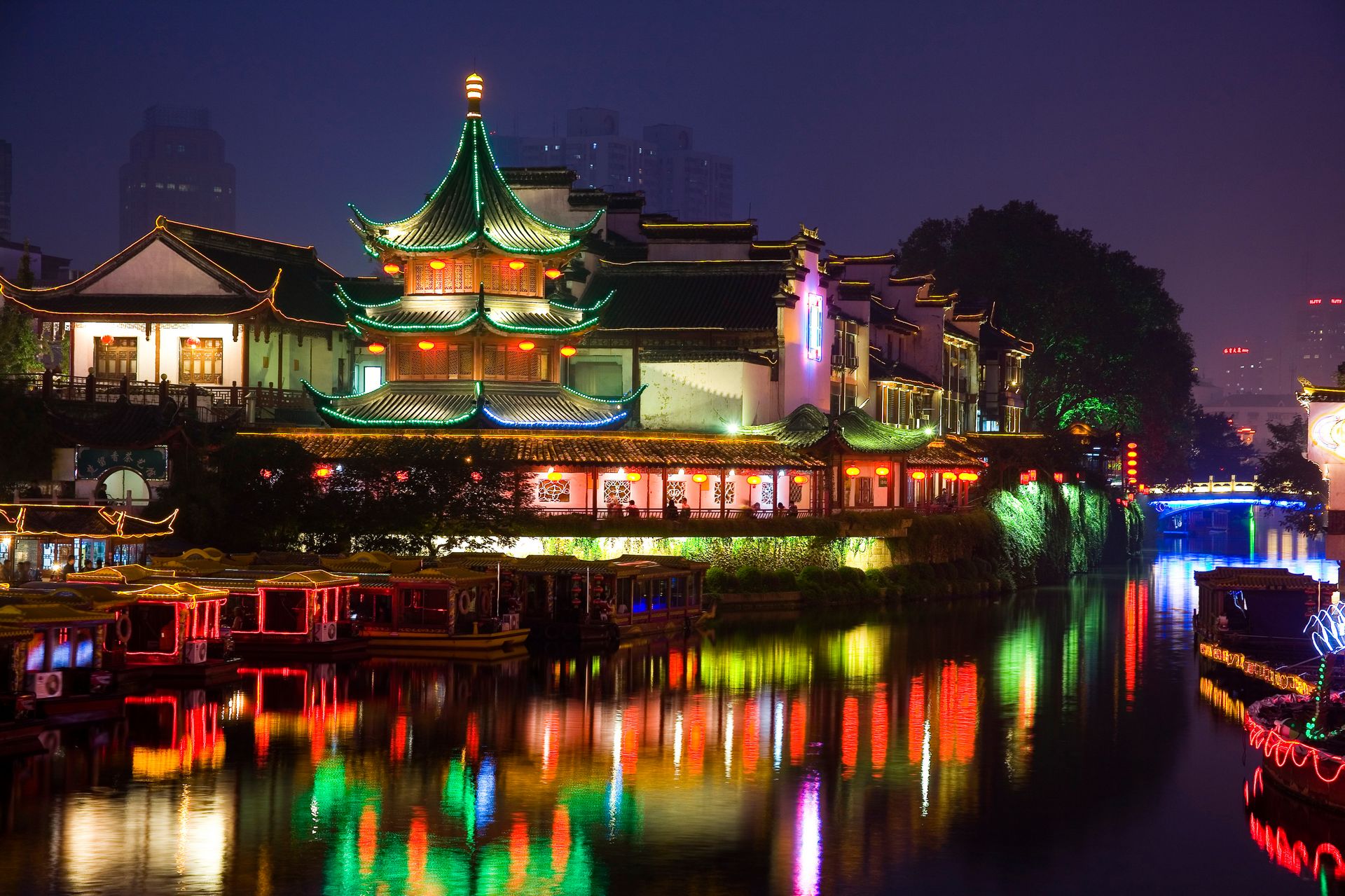
The quintessential Qinhuai experience is a boat ride along the river. Board a traditional painted pleasure boat (画舫) at the Fuzi Temple (Confucius Temple) dock for a journey through time. Daytime cruises (60 RMB/person) take you past the White Egret Island Ming Culture Theme Park, the colorful Water Street, Dongshui Pass, Zhonghua Gate, and the Li Xiangjun Former Residence Museum. Evening cruises (80 RMB/person, 18:00–23:30) follow a similar route but return to the dock, offering a magical view of the river lit by lanterns and neon lights—the famous “lights and shadows of oars” that inspired poets for centuries. For a more luxurious outing, consider a private boat: a 16-seat豪华包船 costs 2,400 RMB, or 3,600 RMB with a performance at White Egret Island; a 20-seat version is 2,600 RMB. During the Qinhuai Lantern Festival (around Chinese New Year and the Lantern Festival), the riverbank transforms into a wonderland of paper lanterns, with folk art displays like paper-cutting, diabolo spinning, knotting, and shadow puppetry, plus live music and dance.
Key Attractions Nearby
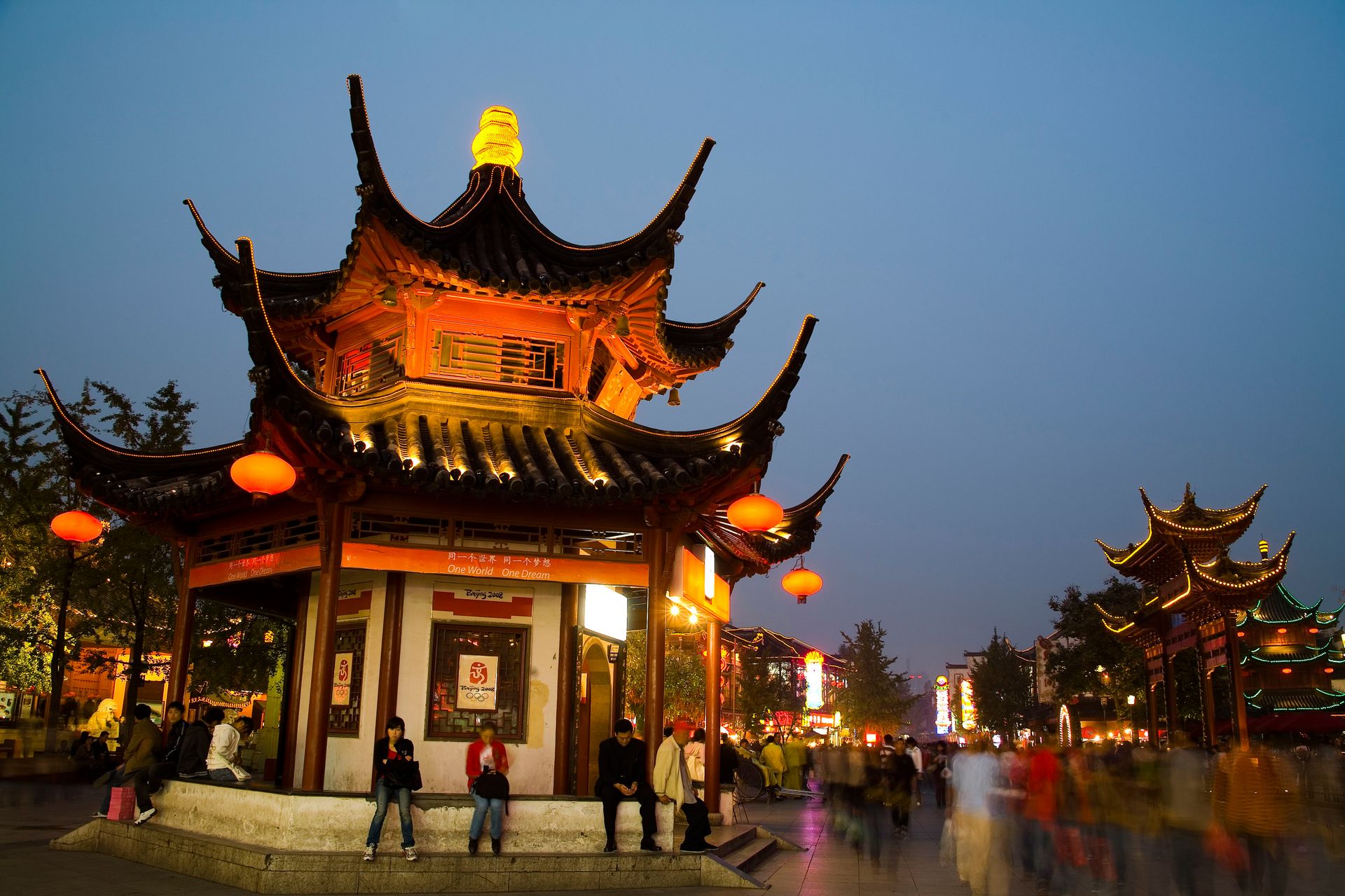
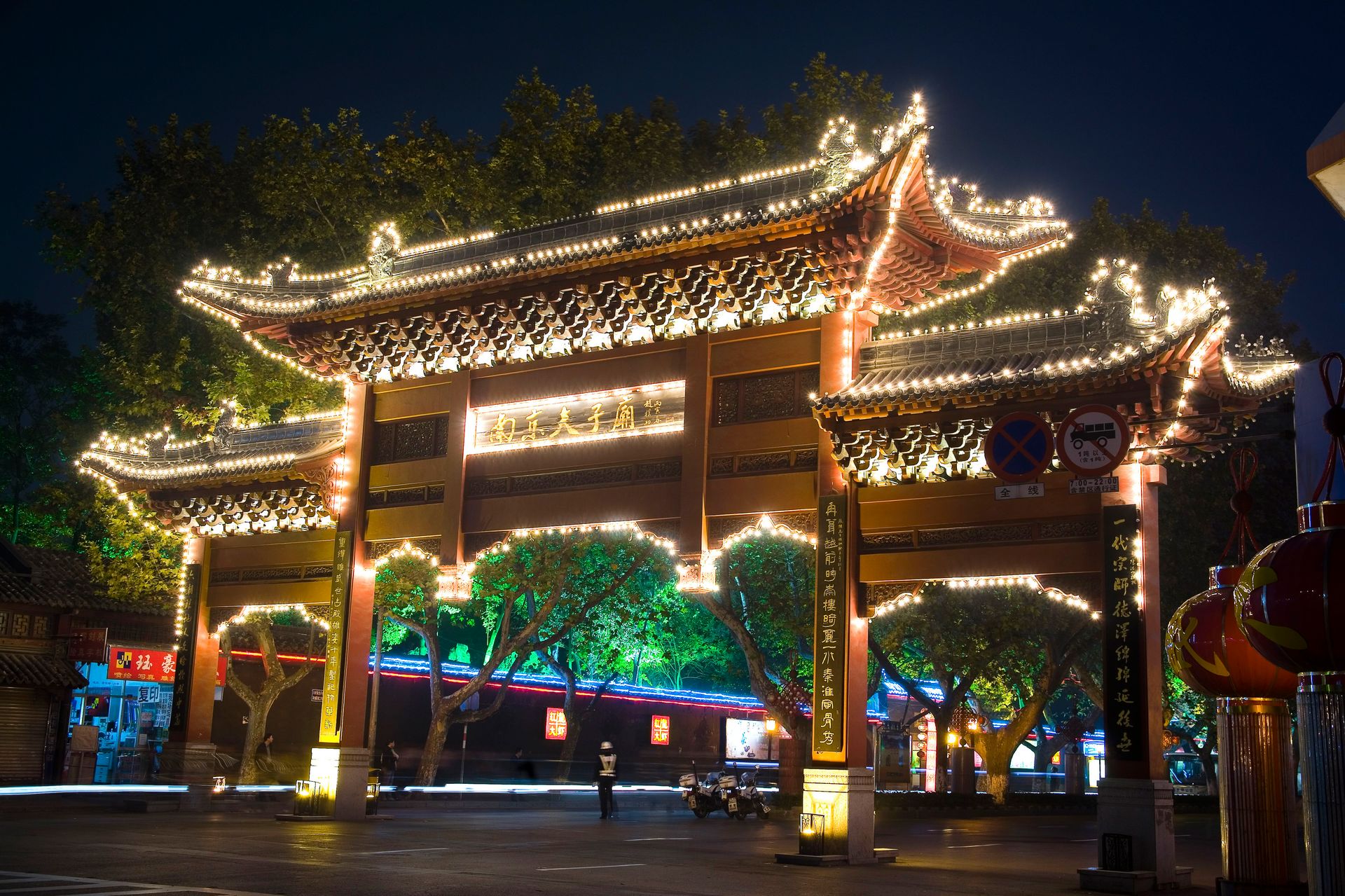
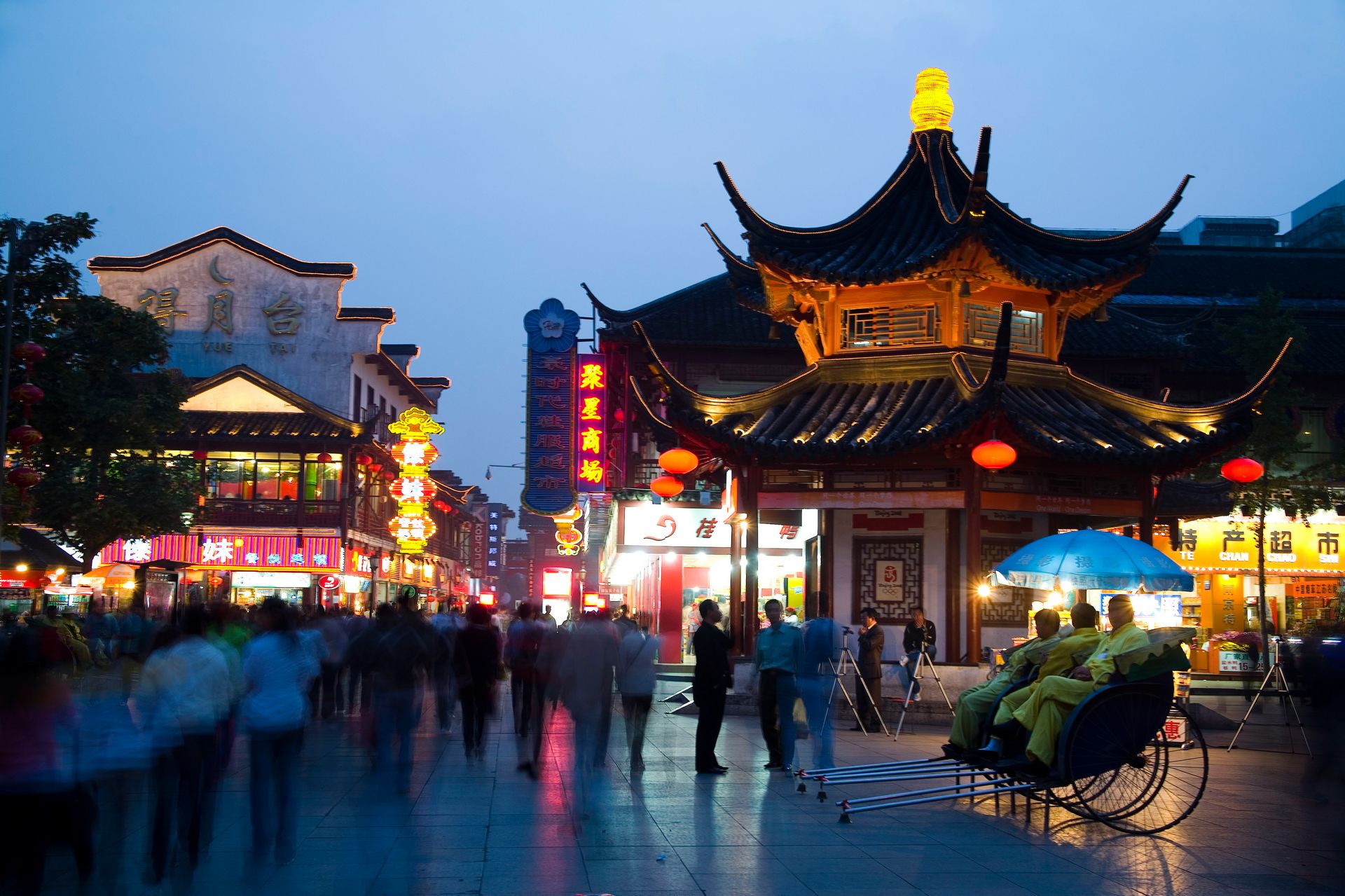
- Confucius Temple (Fuzi Temple): The heart of the Qinhuai area, this temple complex is a hub of history, shopping, and street food. Explore its halls and courtyards, then wander through the bustling pedestrian streets.
- Zhonghua Gate (Gate of China): One of the best-preserved city gates in China, this massive structure offers panoramic views of the river and the old city. Climb its ramparts for a sense of Nanjing’s ancient defenses.
- White Egret Island Ming Culture Theme Park: A scenic island in the river, perfect for a leisurely stroll among Ming-era architecture and gardens.
- Li Xiangjun Former Residence Museum: Dedicated to the famous Ming dynasty courtesan and poet, this small museum offers a glimpse into the lives of the women who once graced the Qinhuai’s pleasure boats.
- Dongshui Pass: An ancient water gate where the Qinhuai River enters the city, surrounded by historic buildings and a tranquil park.
Where to Dine
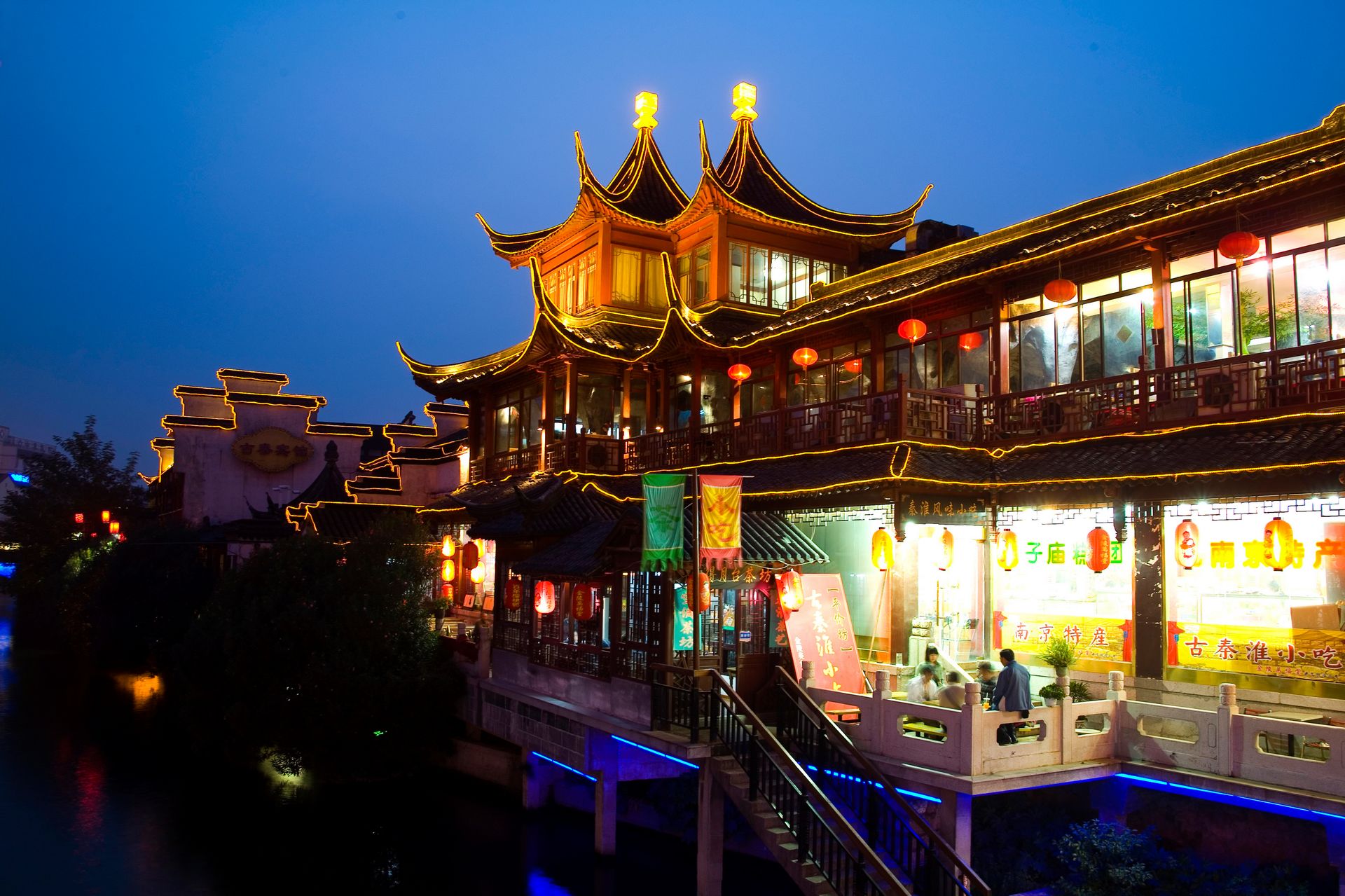
No visit to the Qinhuai River is complete without sampling its legendary street food. Head to Qinhuai Renjia (秦淮人家) at 128 Dashi Bar Street for an immersive dining experience. They serve the famous “Eight Qinhuai Snacks” (秦淮八绝), including five-spice eggs, double-flavor sesame cakes, and Yuhua Stone tangyuan (glutinous rice balls). The meal is accompanied by shadow puppet shows, guqin music, and dance performances, all while you enjoy the illuminated river view. For more casual eats, explore the food stalls along Gongyuan Street and the temple square, where you’ll find duck blood vermicelli soup, salted duck, and steamed buns.
Weather & Best Time to Visit
Nanjing has a humid subtropical climate with four distinct seasons. Spring (March–May) and autumn (September–November) are the best times to visit, with mild temperatures (15–25°C) and clear skies. Summer (June–August) is hot and humid, with temperatures often exceeding 35°C and frequent rain. Winter (December–February) is cold and damp, with occasional snow. The Qinhuai Lantern Festival (late January to mid-February) is a spectacular time to visit, but expect large crowds. For a quieter experience, visit on a weekday morning or in the off-season (late autumn or early spring).
Travel Tips
- Getting There: Take bus routes 4, 7, 40, 44, 49, 62, or 304 to the “Fuzi Temple East” stop, or buses 1, 15, or “You 2” to “Fuzi Temple North.” The nearest metro station is Fuzi Temple (Line 3).
- Boat Tickets: Purchase tickets at the Fuzi Temple dock (in front of Dacheng Hall). Daytime cruises are 60 RMB, evening cruises 80 RMB. Private boats require advance booking.
- Hours: Daytime cruises run from 9:00 to 17:30; evening cruises from 18:00 to 23:30. The Confucius Temple and nearby attractions are generally open from 8:00 to 21:00.
- What to Bring: Comfortable walking shoes, a camera for the stunning night views, and an umbrella in summer. Cash is useful for small purchases, though most vendors accept mobile payments.
- Language: While many signs are bilingual, learning a few Chinese phrases (like “xièxiè” for thank you) can enhance your experience.