Overview & History
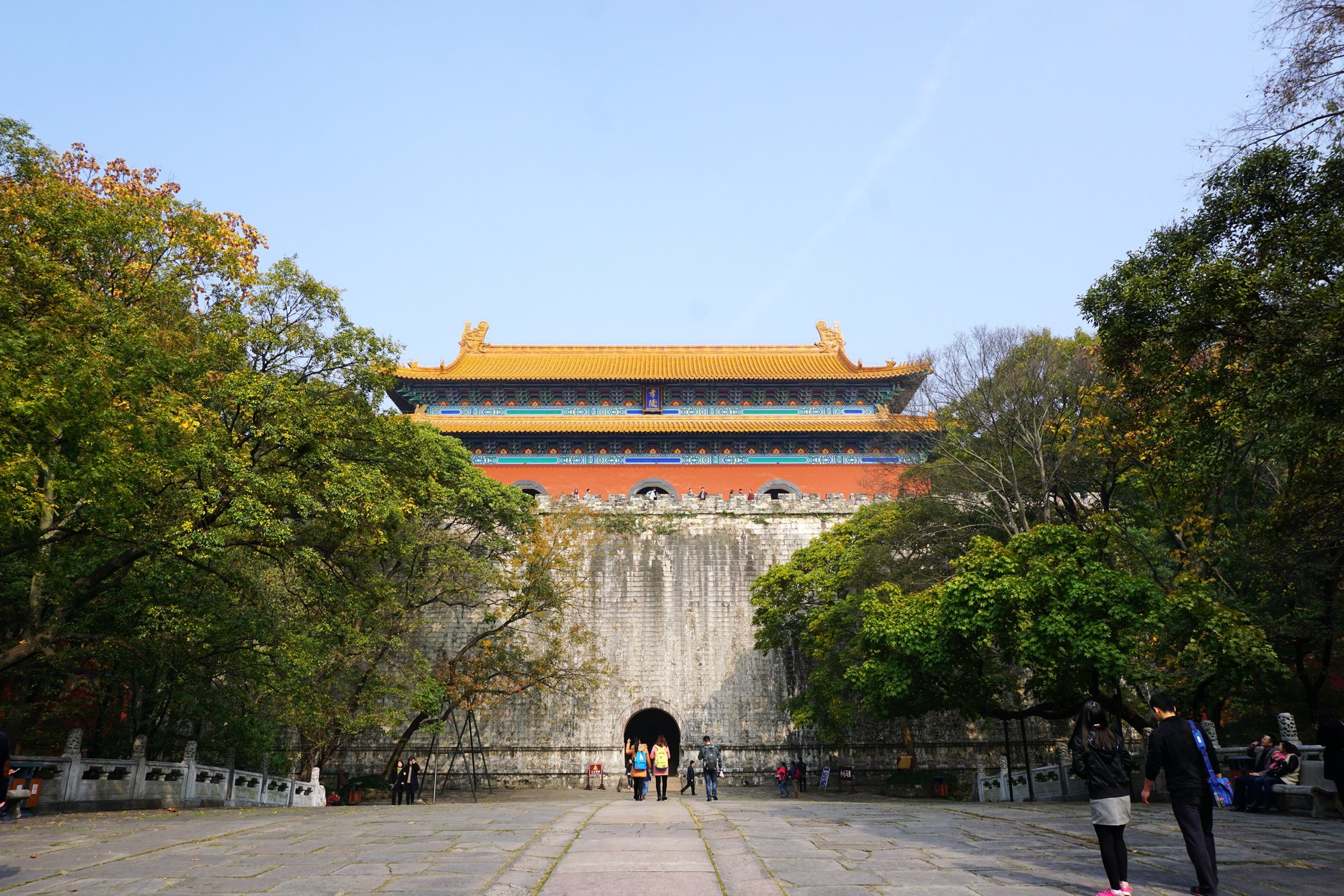
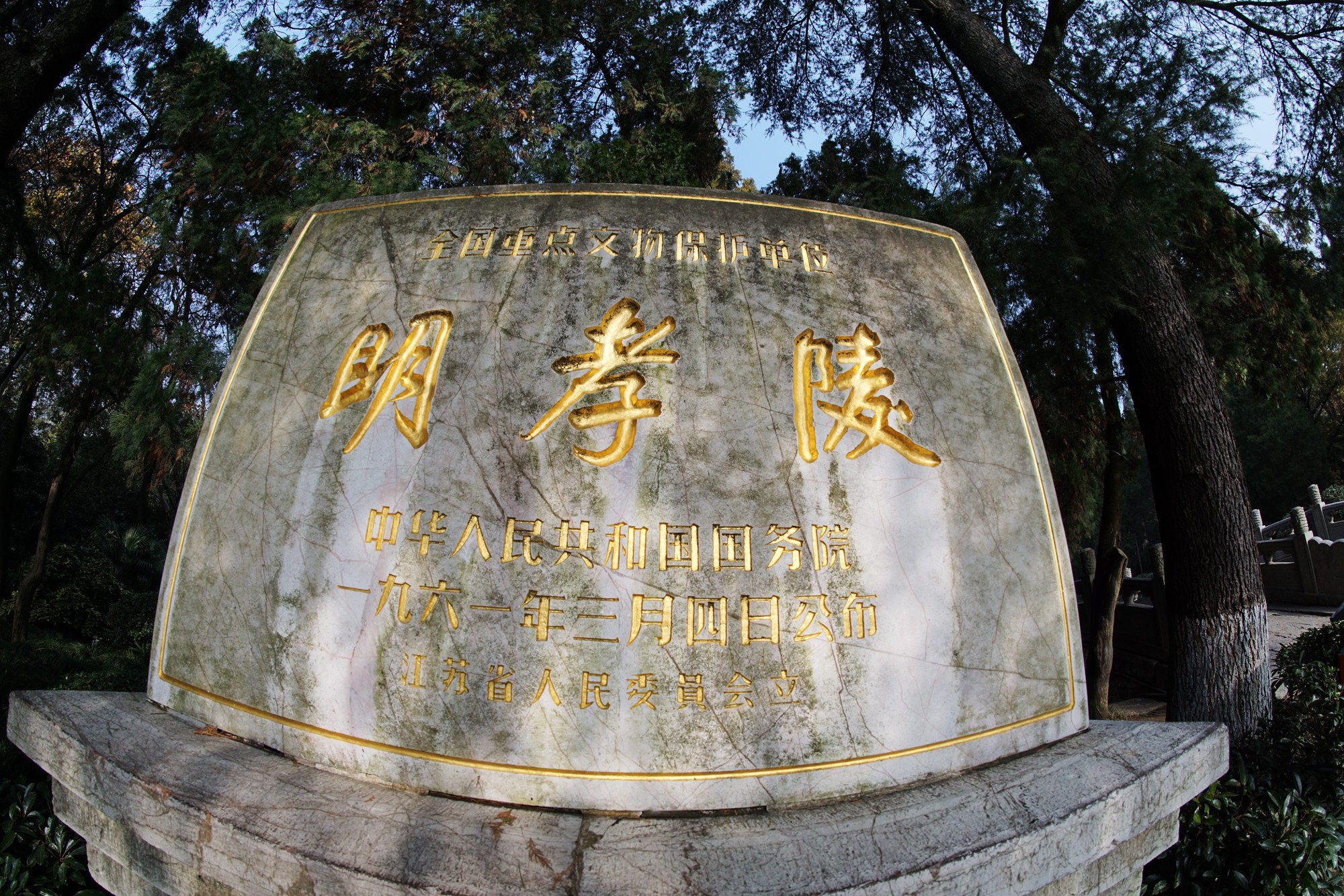
Nestled at the southern foot of Purple Mountain in the eastern suburbs of Nanjing, the Ming Xiaoling Mausoleum stands as one of China's most magnificent imperial tombs. This sprawling complex is the final resting place of Zhu Yuanzhang, the founding emperor of the Ming Dynasty, and his beloved empress, Ma. Construction began in 1381 AD and took an extraordinary 17 years to complete, spanning the emperor's lifetime and beyond. The mausoleum's perimeter wall once stretched an astonishing 22.5 kilometers, making it the largest of all Ming Dynasty imperial tombs.
What makes Ming Xiaoling truly special is its enduring legacy. Despite weathering over 600 years of history—including devastating fires during the Taiping Rebellion in 1853—the mausoleum retains its original grandeur. Its architectural layout, divided into two main parts—the Sacred Way and the burial mound—became a template for imperial tombs in subsequent dynasties. Walking through this UNESCO World Heritage site, you can feel the weight of history and the ambition of an emperor who rose from humble beginnings to establish one of China's greatest dynasties.
Highlights & Activities
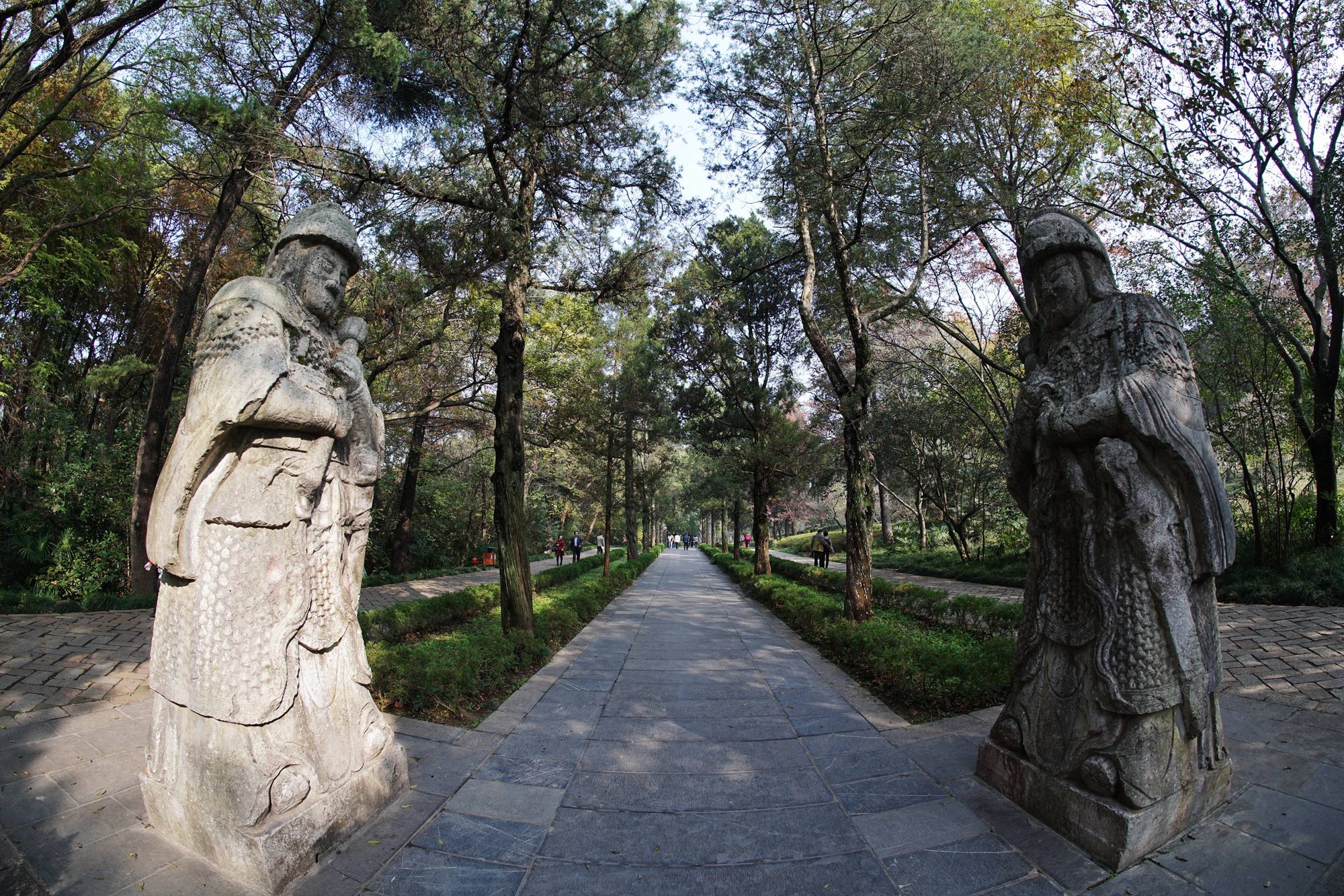
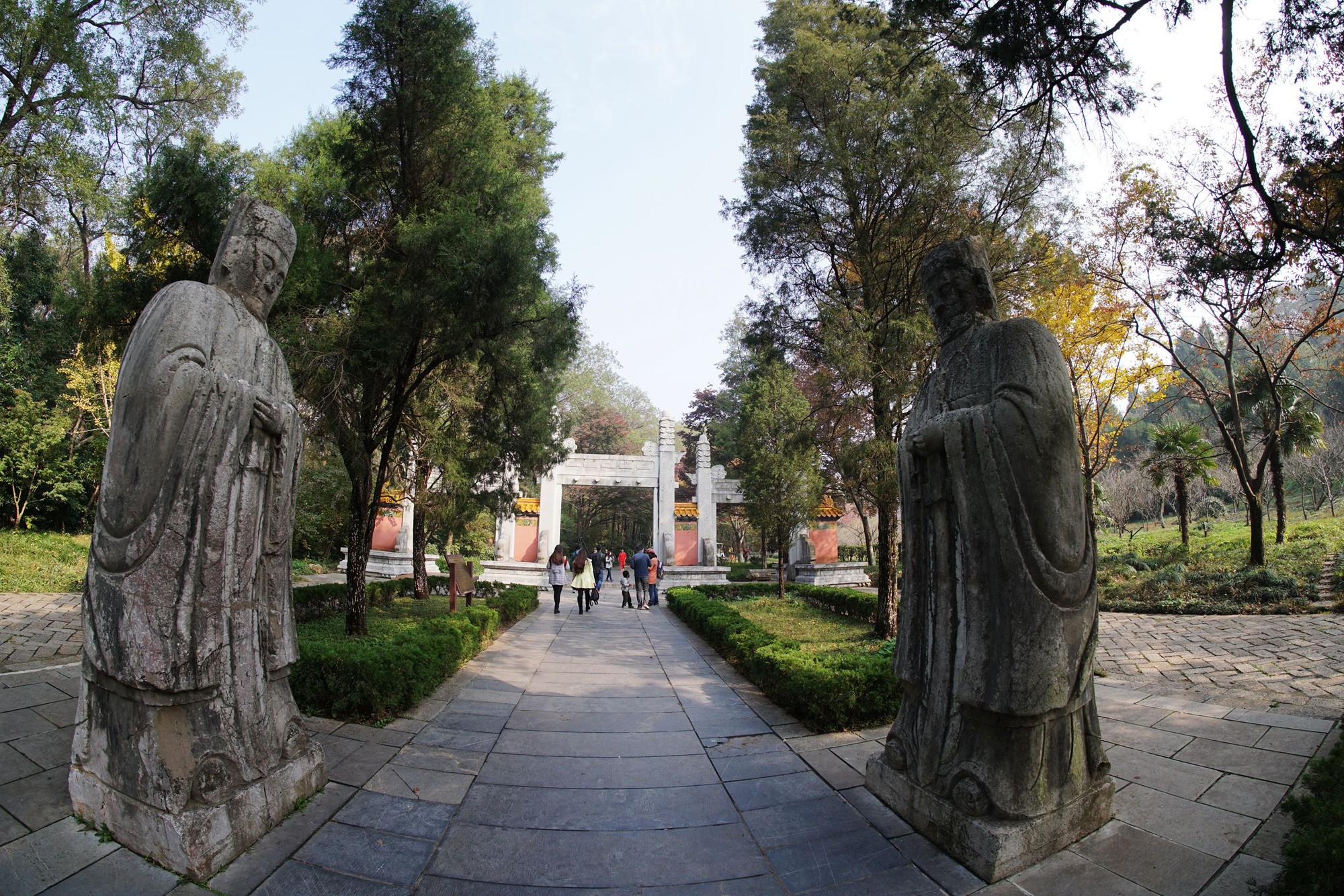
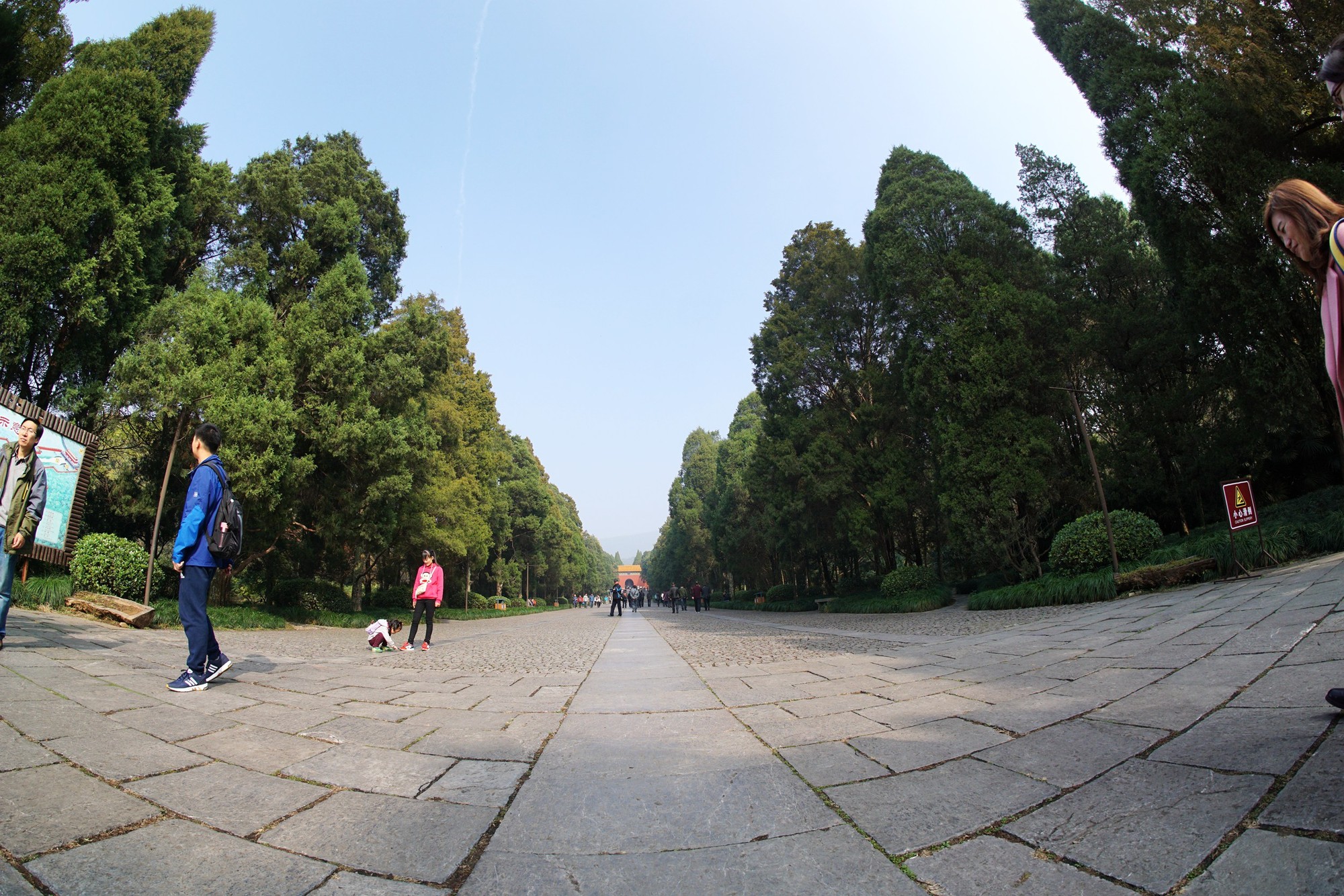
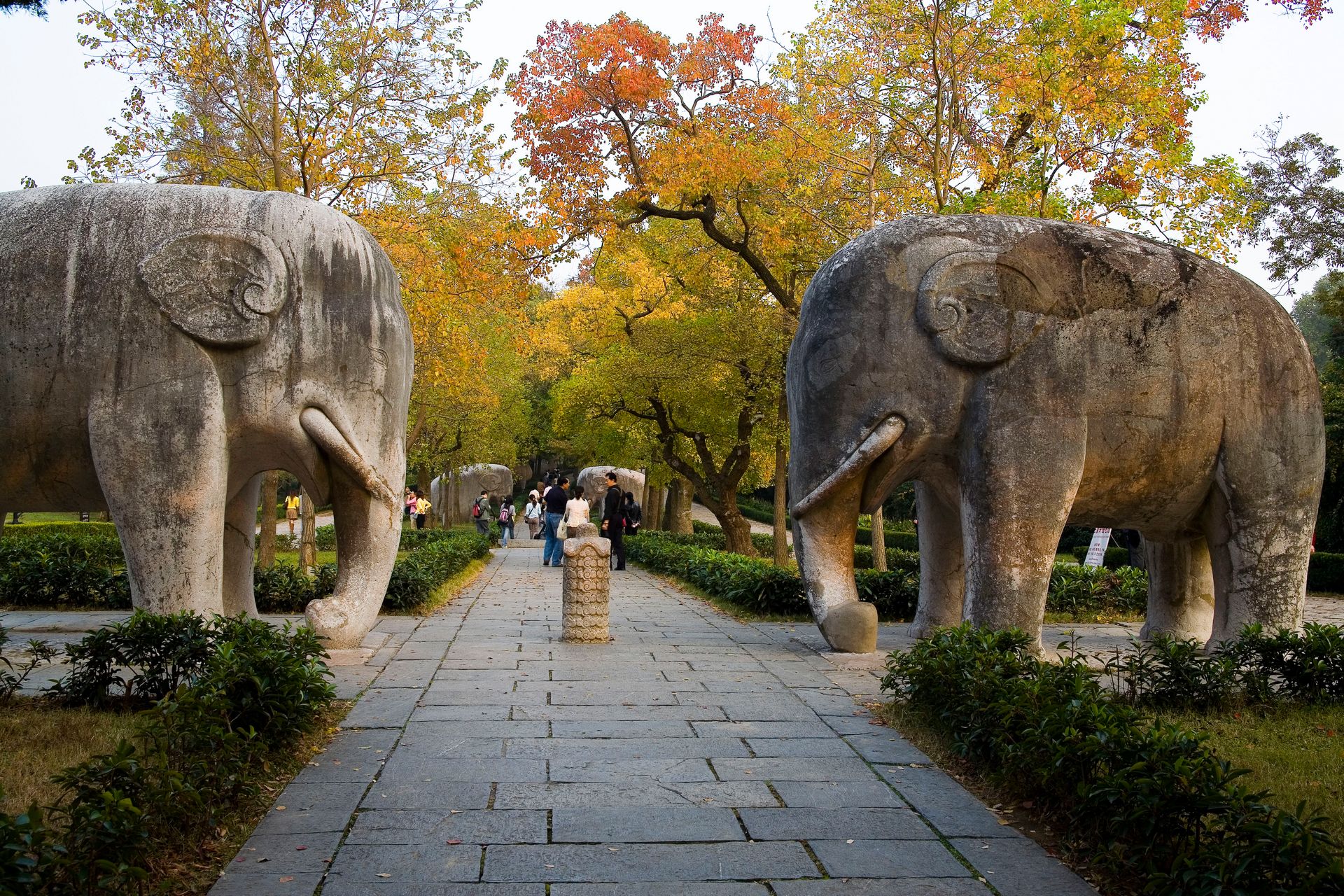
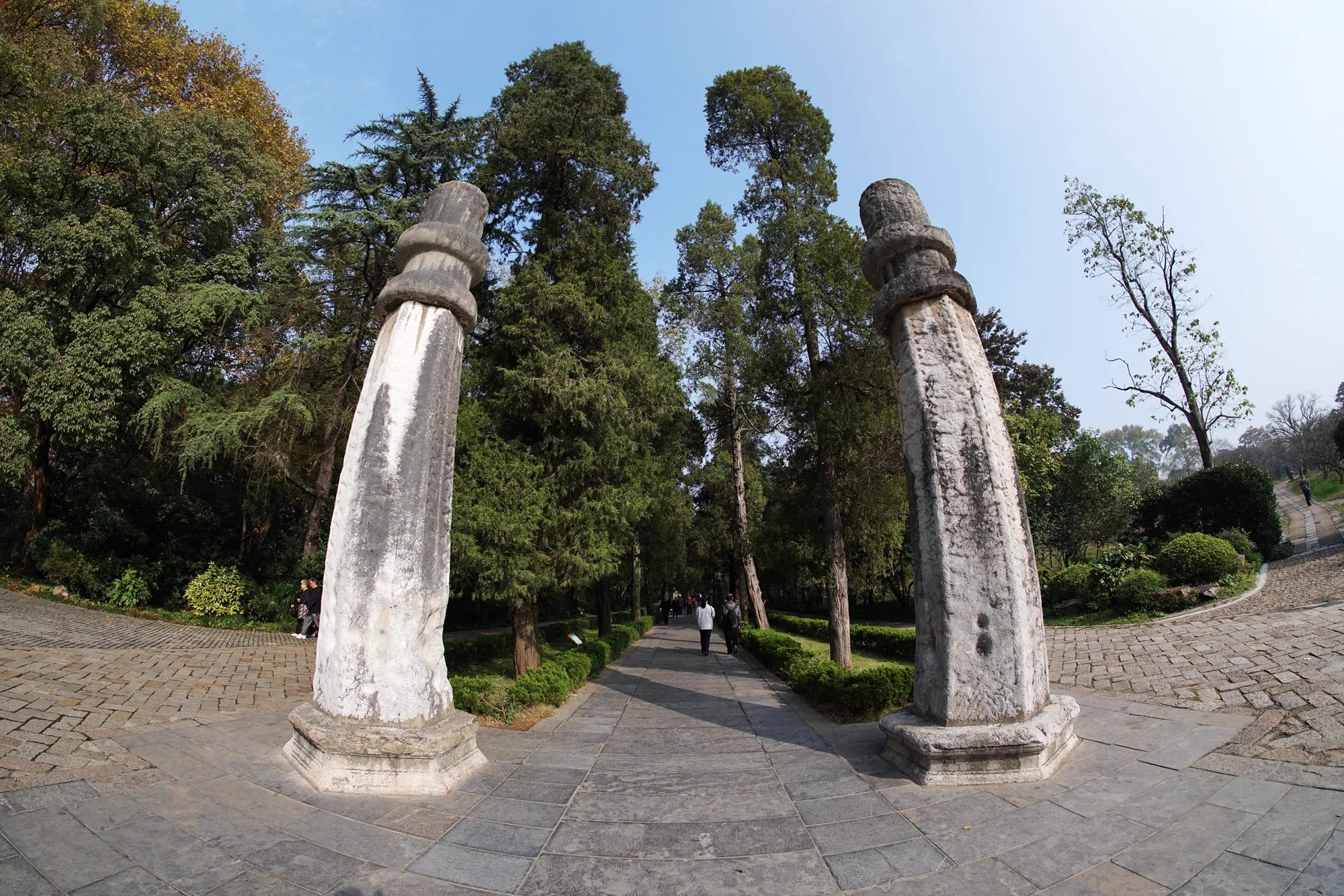
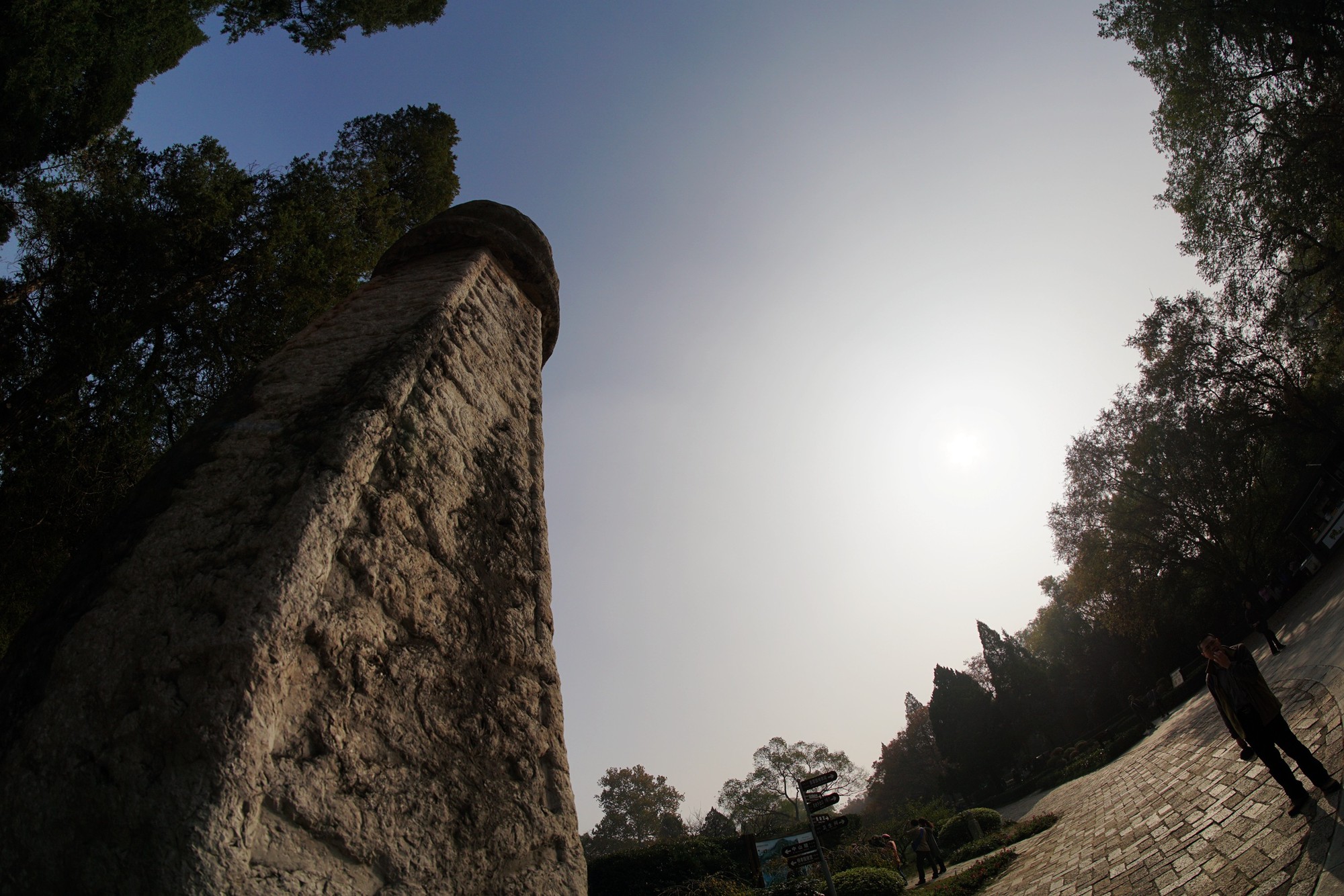
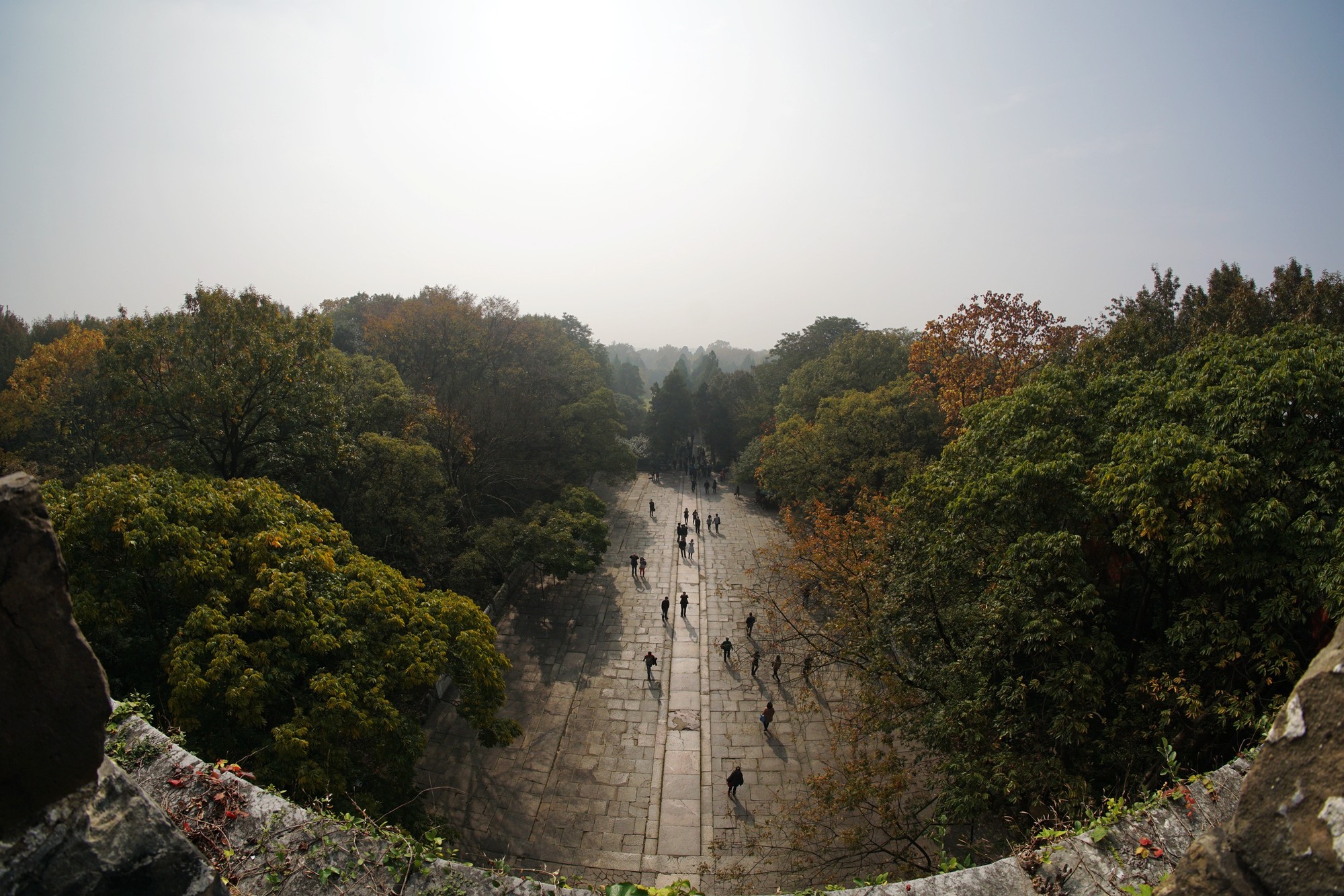
The journey through Ming Xiaoling begins with the Sacred Way, an 800-meter-long path lined with extraordinary stone carvings. Starting from the Square City in the southeast, you'll encounter 12 pairs of stone animals in six types: lions, xiezhi (mythical beasts), camels, elephants, qilin, and horses. Each creature symbolizes virtues like honor, power, prosperity, and peace, arranged according to their legendary rank. Beyond the animals, you'll find a pair of stone pillars and four pairs of stone human figures—called "Stone Statues"—carved in the likeness of civil and military officials who served Zhu Yuanzhang. These were intended to assist the emperor in the afterlife.
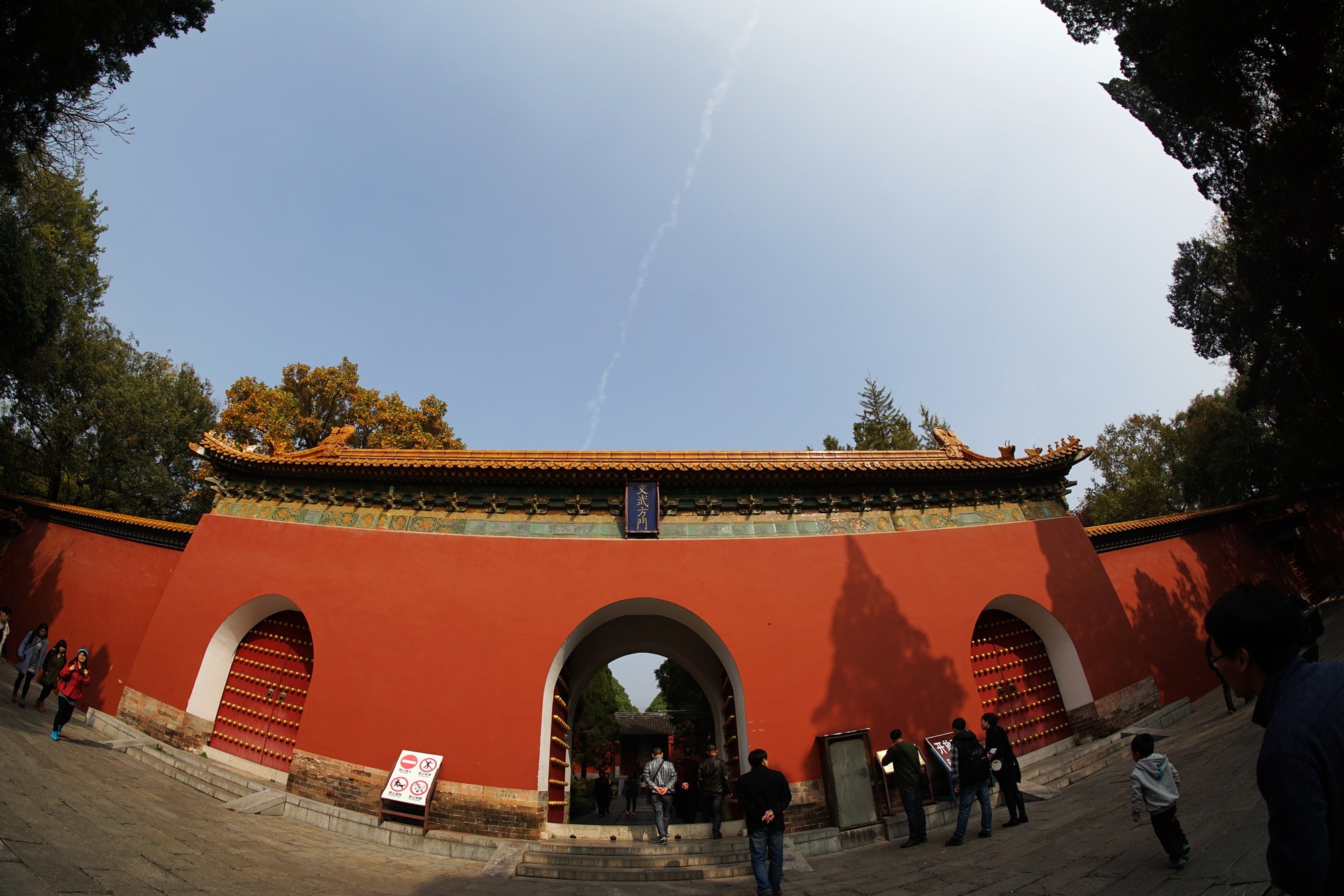
At the northern end of the Sacred Way lies the Big Stone Bridge, also known as the Immortal Ascension Bridge. In ancient Chinese belief, crossing this white marble bridge marked the boundary between the living and the dead, leading into the "realm of immortals." Beyond the bridge, the main burial mound awaits, though much of the original wooden structures were lost to war. Remaining highlights include the Lingxing Gate—a grand red gate bearing the mausoleum's name—and the brick-and-stone remnants of the Square City, stele pavilion, and inner red gate. Don't miss the chance to explore the surrounding Plum Blossom Hill (Meihua Shan), which is cradled by the Sacred Way. With 410 acres of plum trees in 230 varieties and over 13,000 plants, it's one of China's premier spots for plum blossom viewing, typically peaking in late winter to early spring.
Key Attractions Nearby
Ming Xiaoling is part of the larger Zhongshan Scenic Area, which offers several other must-see sights. A short distance away is Sun Yat-sen Mausoleum, the grand tomb of modern China's founding father. You can easily travel between them via tourist minitrains, and a combo ticket provides free rides. Also nearby is the Purple Mountain Observatory, perfect for astronomy enthusiasts, and the serene Linggu Temple, a Buddhist temple with a stunning beamless hall. The entire area is lush and green, making it ideal for a full day of exploration.
Where to Dine
Within the Zhongshan Scenic Area, you'll find casual eateries near the main entrances serving local snacks like Nanjing salted duck and duck blood vermicelli soup. For a more substantial meal, head to the nearby city center of Nanjing, where you can sample classic Jiangsu cuisine. Must-try dishes include Nanjing pot-stewed duck, pan-fried beef dumplings, and the delicate osmanthus-flavored lotus root. Many restaurants around the Xuanwu Lake area offer authentic local flavors at reasonable prices.
Weather & Best Time to Visit
Nanjing has a subtropical monsoon climate with distinct seasons. Spring (March to May) and autumn (September to November) are the best times to visit, with mild temperatures and low humidity. Summer (June to August) can be hot and rainy, while winter (December to February) is cold but less crowded. If you want to see the plum blossoms in full bloom, plan your visit for late February to early March. Spring and autumn also offer comfortable weather for walking the long Sacred Way. Weekdays are generally less crowded than weekends, and arriving early in the morning helps you avoid peak tourist hours.
Travel Tips
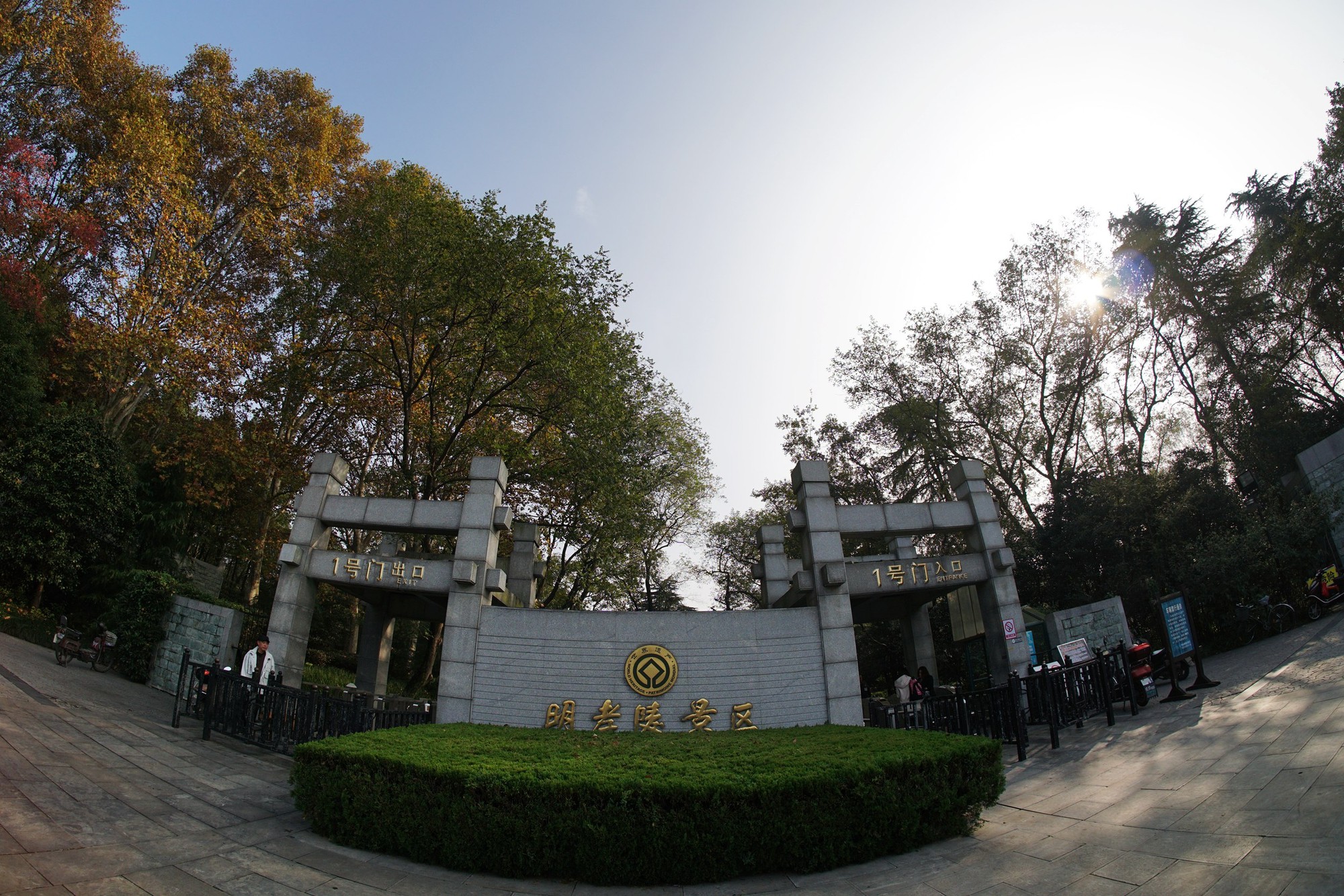
- Getting There: Take bus routes You 2, You 3, or 20 and get off at the Ming Xiaoling stop. From Sun Yat-sen Mausoleum, tourist minitrains connect directly to the site. A combo ticket includes free minitrain rides.
- Address: No. 7 Shixiang Road, Zhongshanling Scenic Area, Xuanwu District, Nanjing.
- Opening Hours: 6:30 AM to 6:00 PM daily.
- Ticket Price: 70 RMB per person.
- Contact: 025-84446111.
- What to Bring: Comfortable walking shoes are essential, as the site covers a large area. Bring water, sunscreen in summer, and an umbrella for sudden rain. A camera is a must for the stunning stone carvings and plum blossoms.
- Additional Tip: Allow at least 2-3 hours to explore the mausoleum properly. The site is well-signposted in both Chinese and English, but a guidebook or audio guide can enrich your experience.