Overview & History
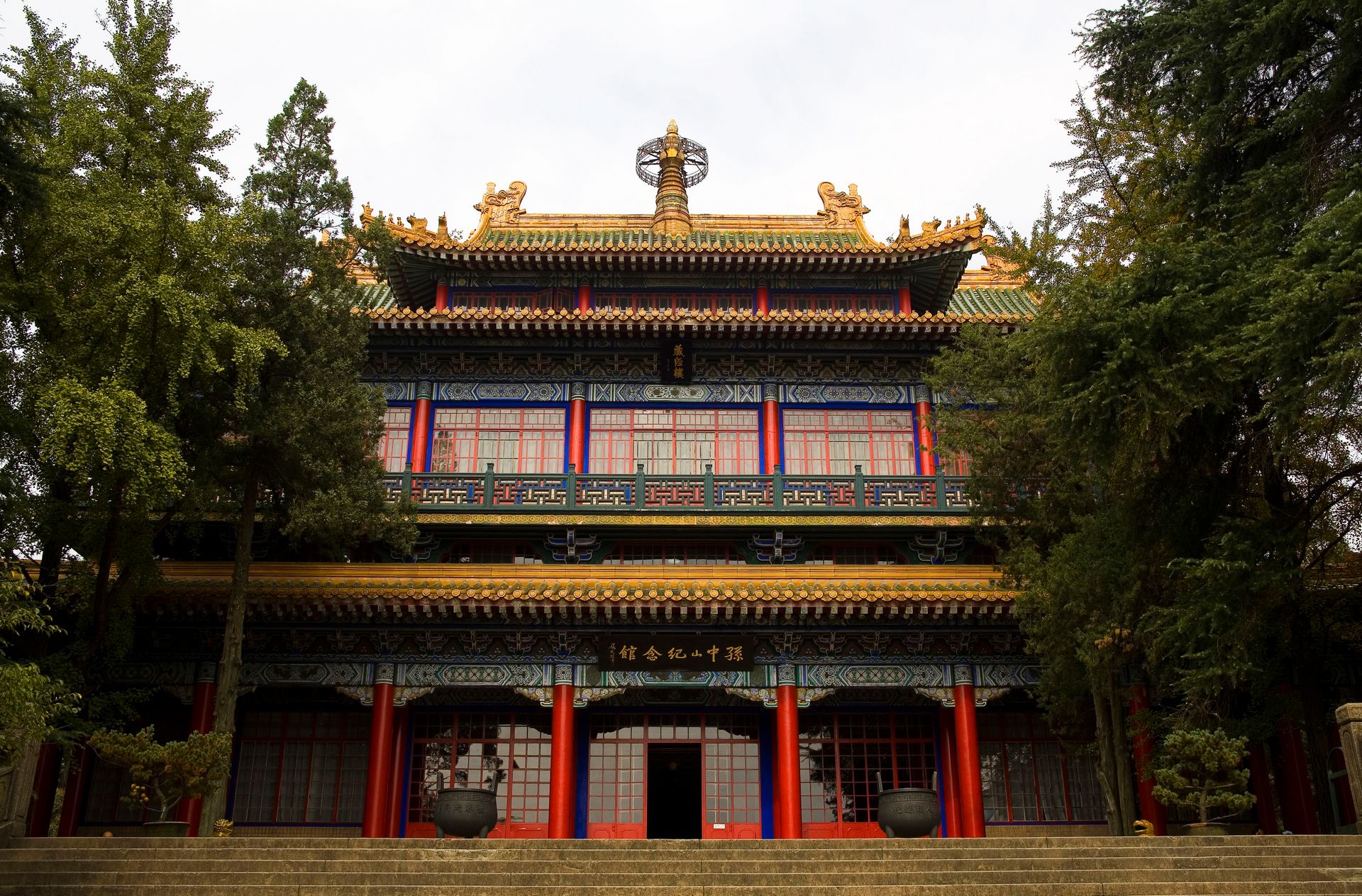
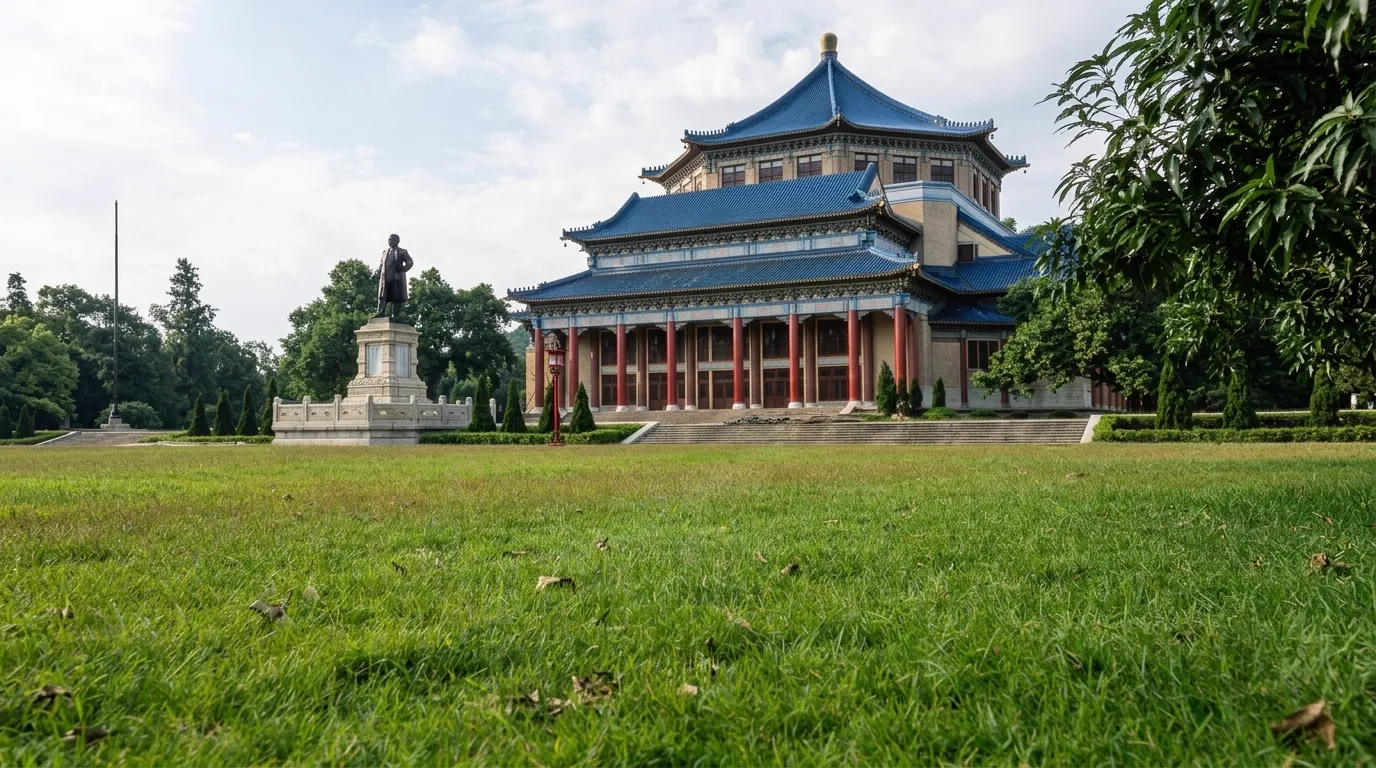
Nestled at the southern foot of Xiaomao Mountain, the eastern peak of Zhongshan Mountain in Nanjing's eastern suburbs, lies the magnificent Sun Yat-sen Mausoleum (中山陵). This sprawling complex, covering approximately 80,000 square meters, is the final resting place of Dr. Sun Yat-sen, the revered forerunner of China's democratic revolution. Built against the mountain and oriented southward, the mausoleum is flanked by the Ming Xiaoling Mausoleum to the west and Linggu Temple to the east, creating a serene and historically rich landscape.
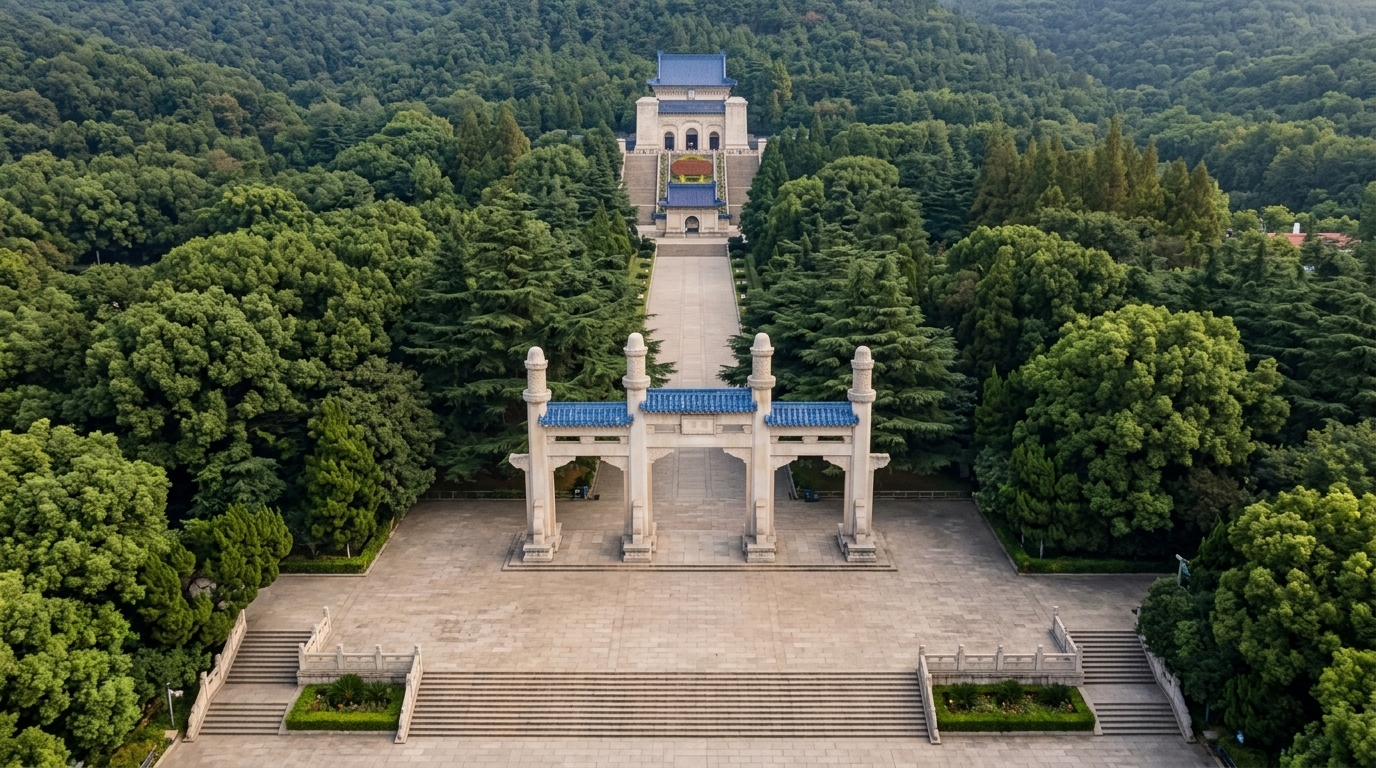
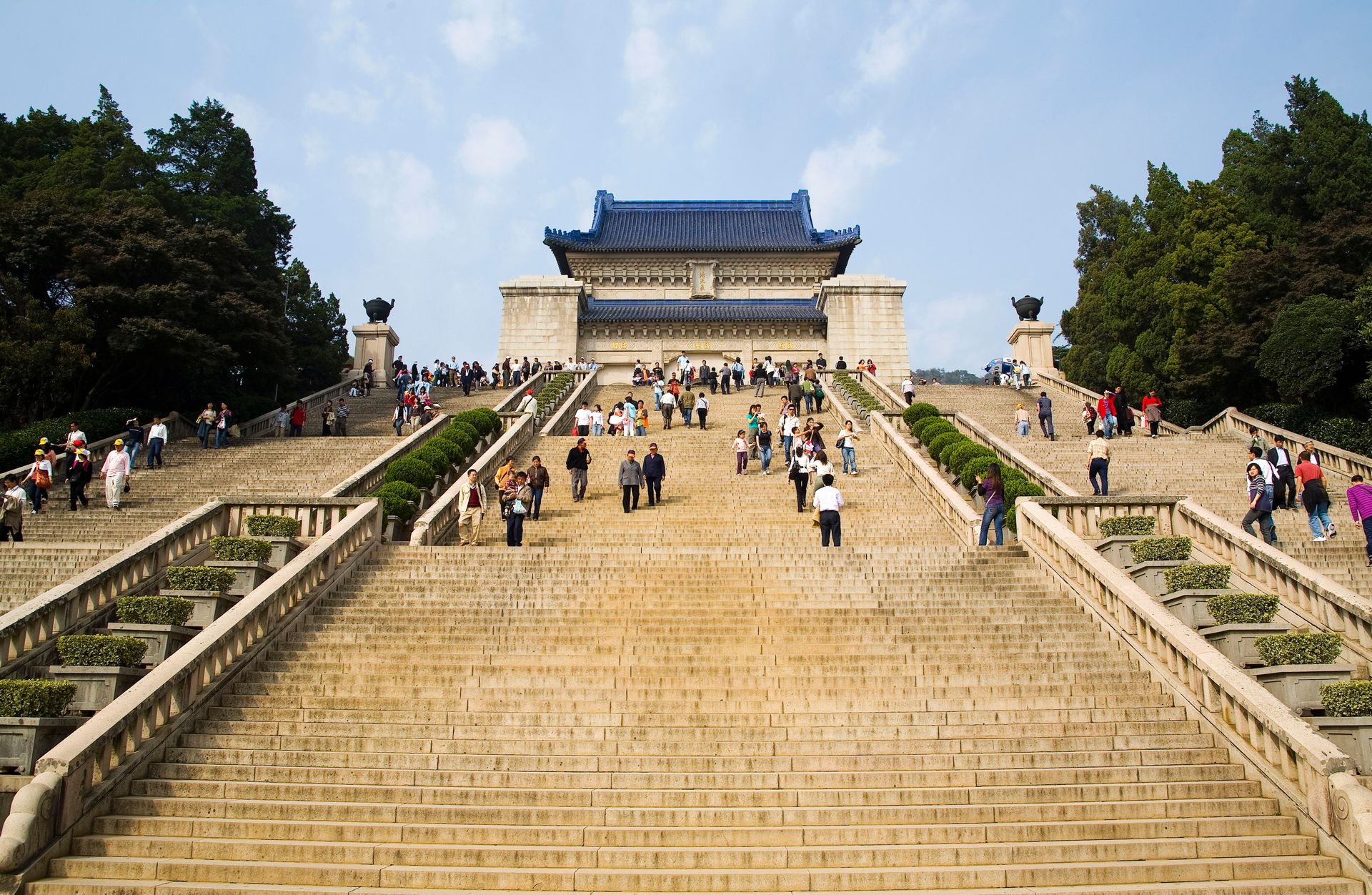
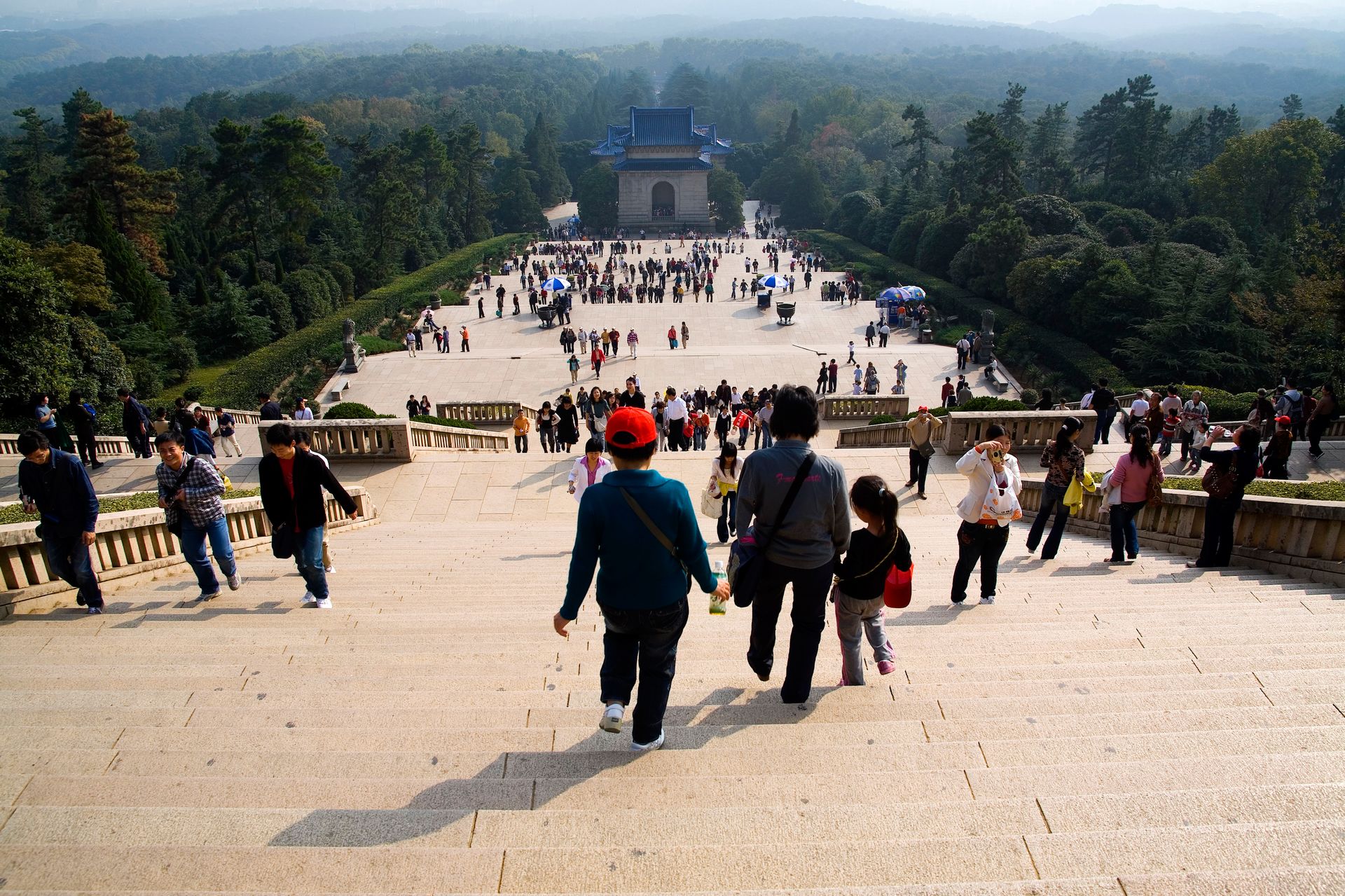
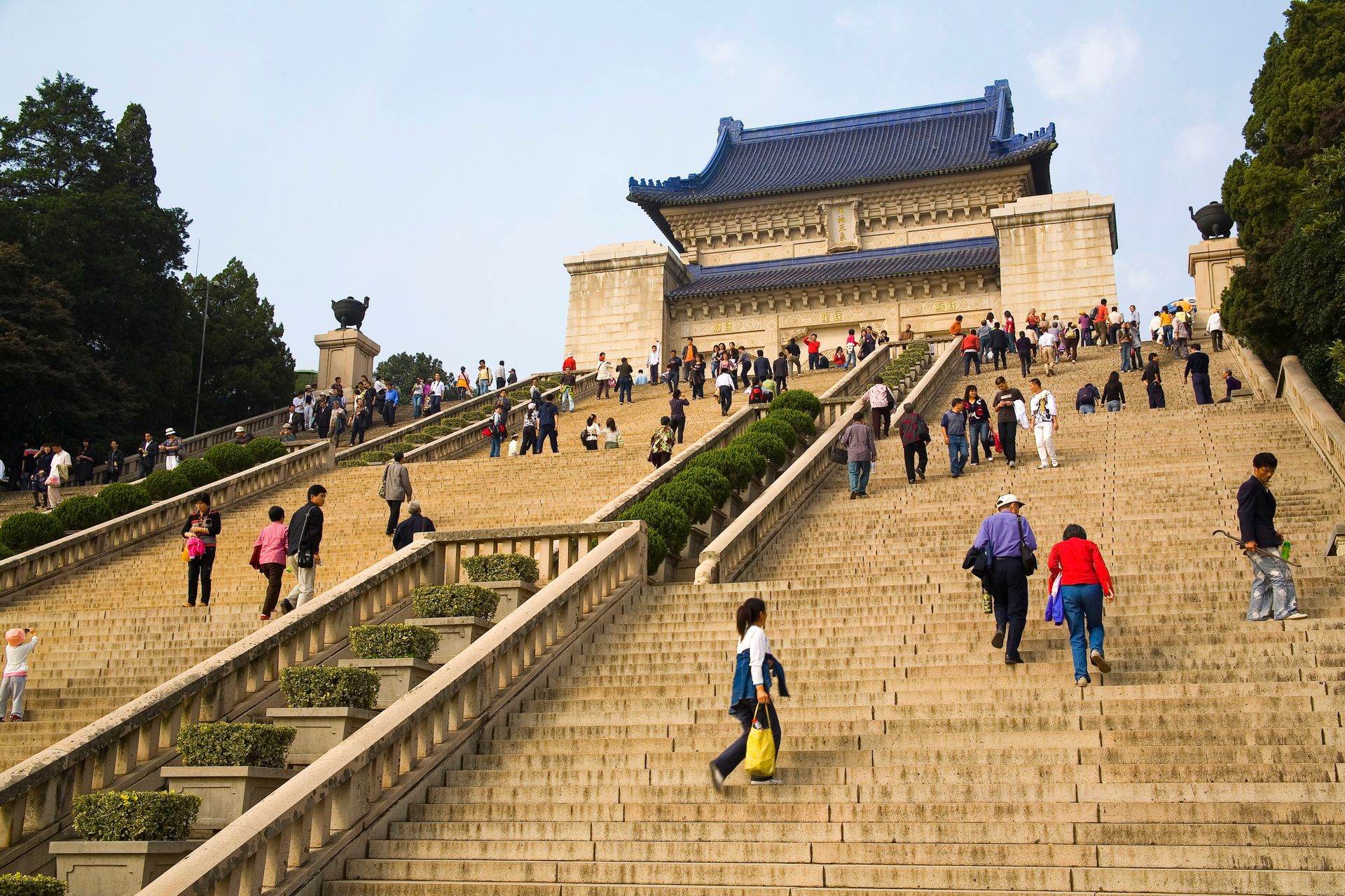
What makes this site truly extraordinary is its architectural symbolism. From an aerial view, the entire complex resembles a "Liberty Bell" set upon a green velvet carpet. The bronze statue of Dr. Sun at the mountain's foot forms the bell's tip, the crescent-shaped square its arc, the hemispherical dome of the tomb chamber its clapper, and the tripod platform (now replaced by a standing statue) its knob. This ingenious design, a masterpiece of the "Chinese inherent style" from the early 20th century, gradually rises along a north-south central axis, featuring a memorial archway, a sacred way, a gate, a stele pavilion, a sacrificial hall, and the tomb chamber. The 392 stone steps leading up the hillside are particularly poignant—symbolizing the 392 million Chinese people at the time of Dr. Sun's death, and reminding visitors of his enduring call: "The revolution has not yet succeeded; comrades must still work hard."
Highlights & Activities
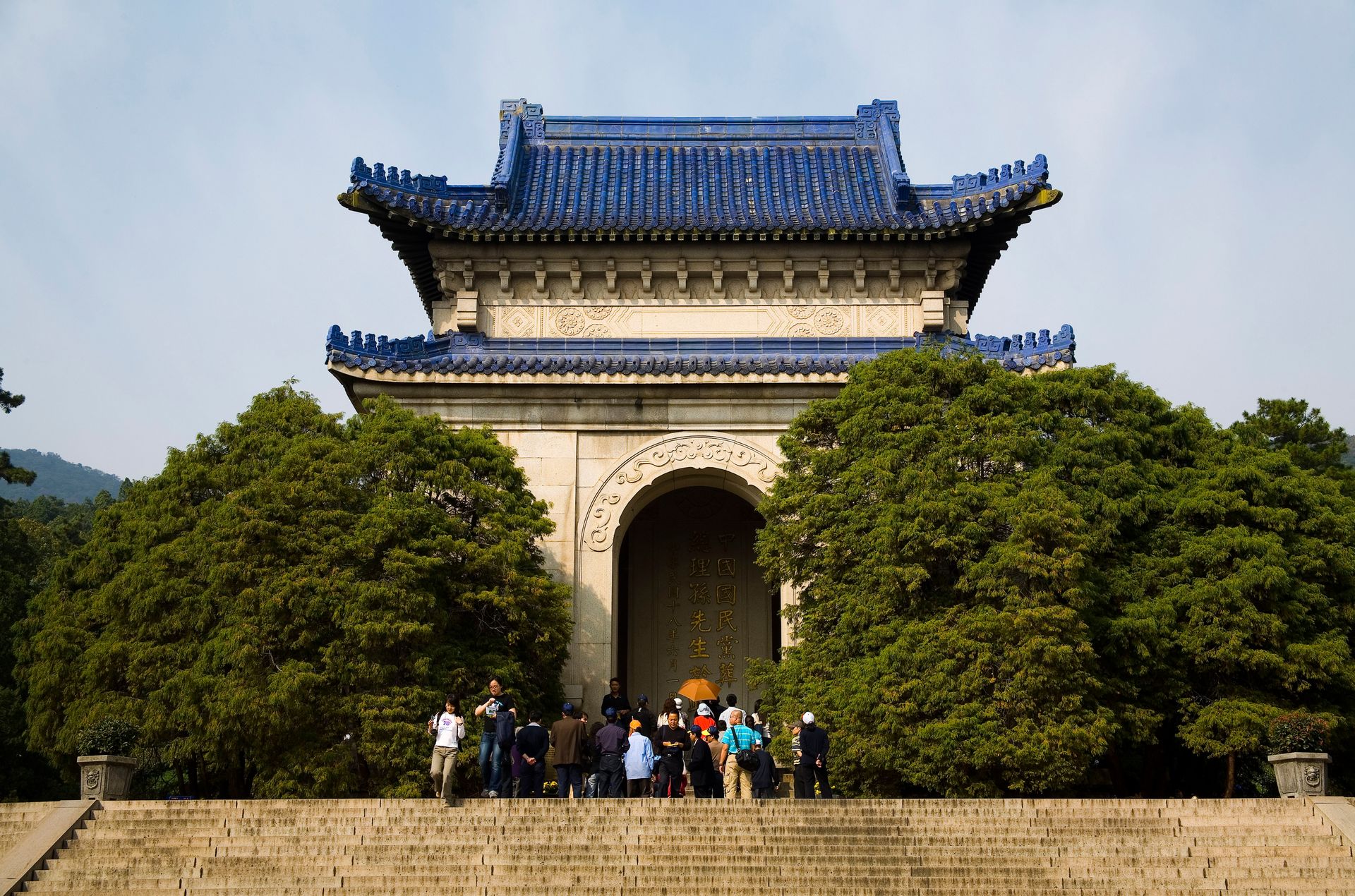
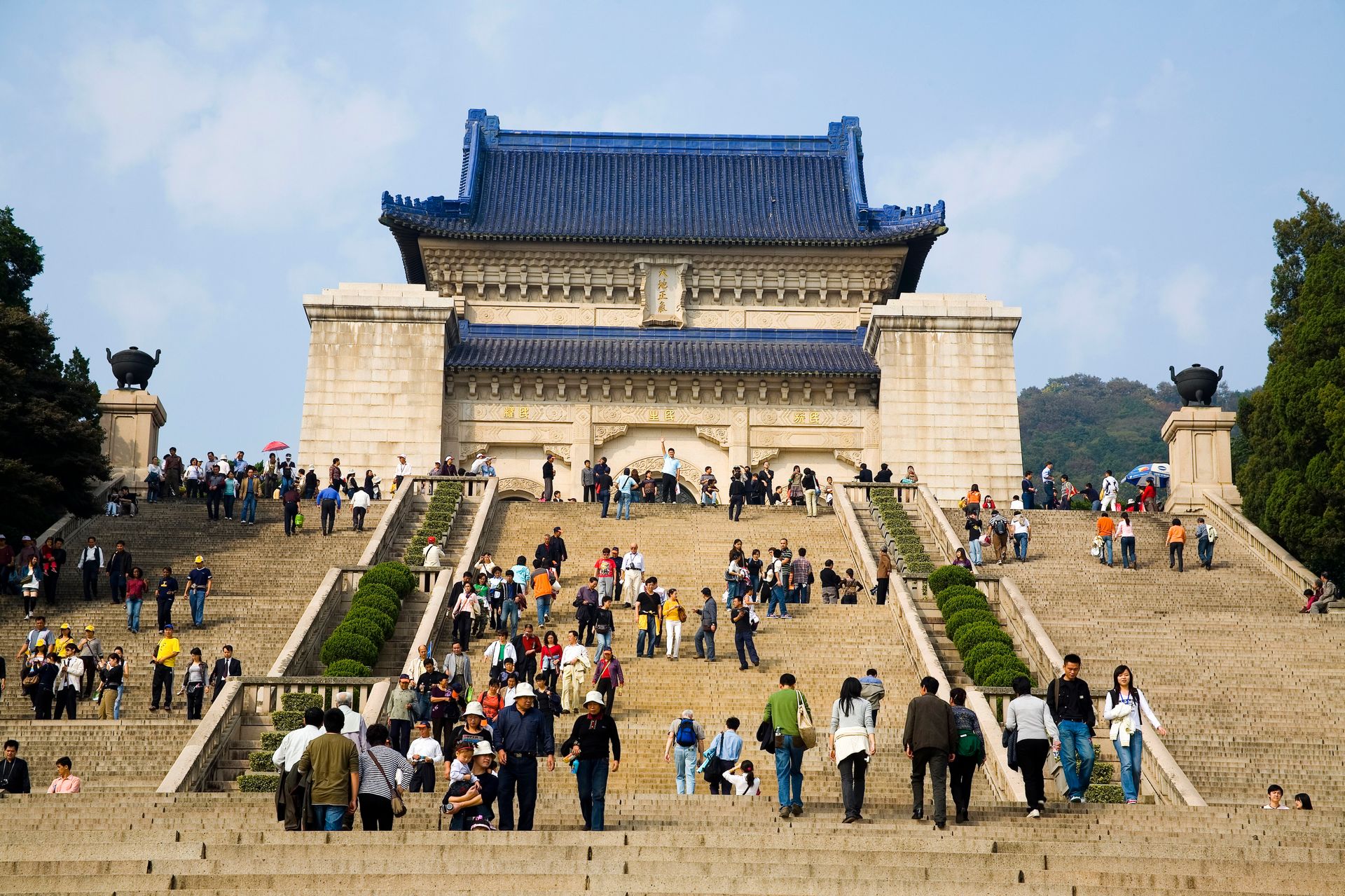
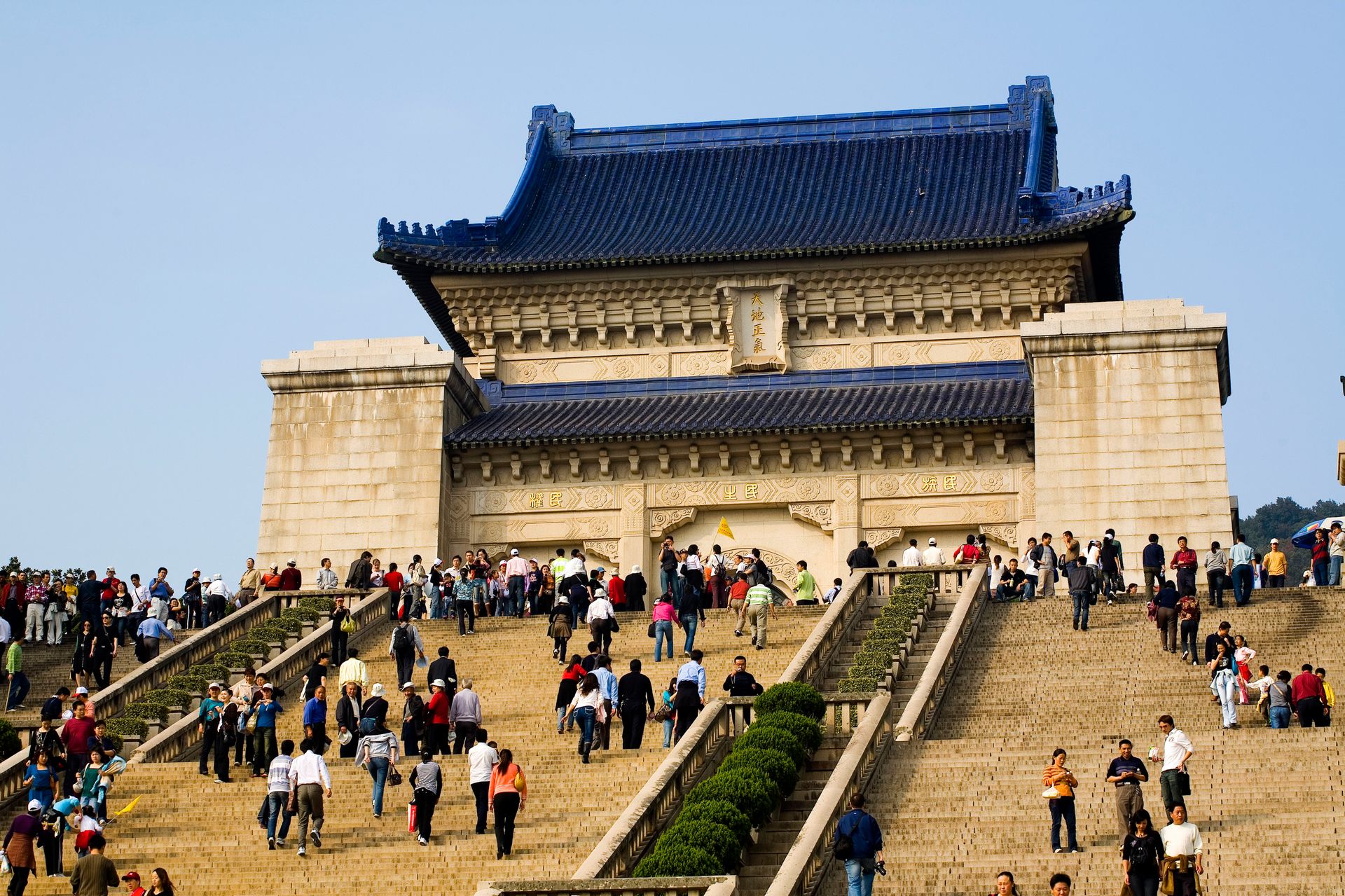
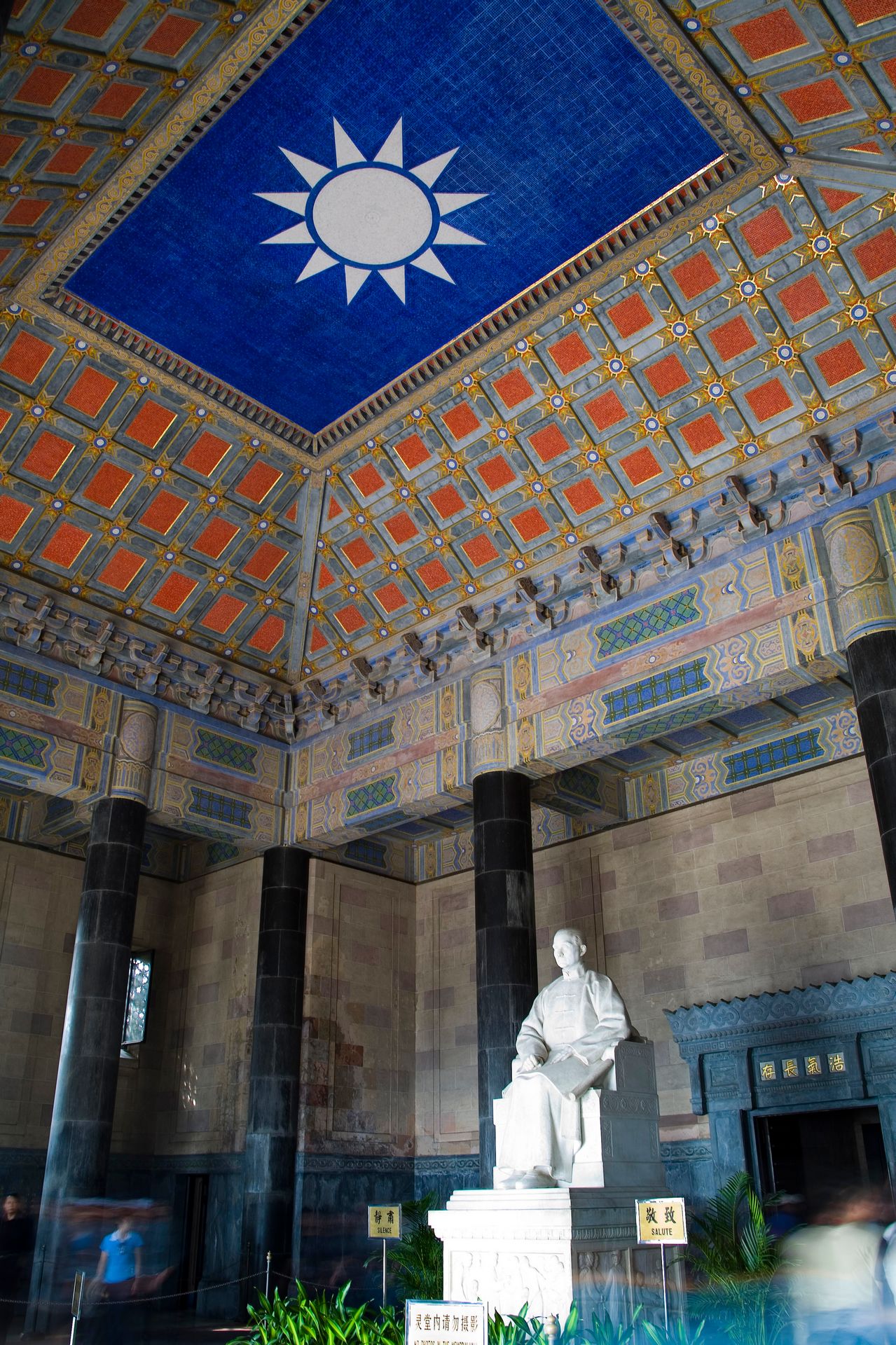
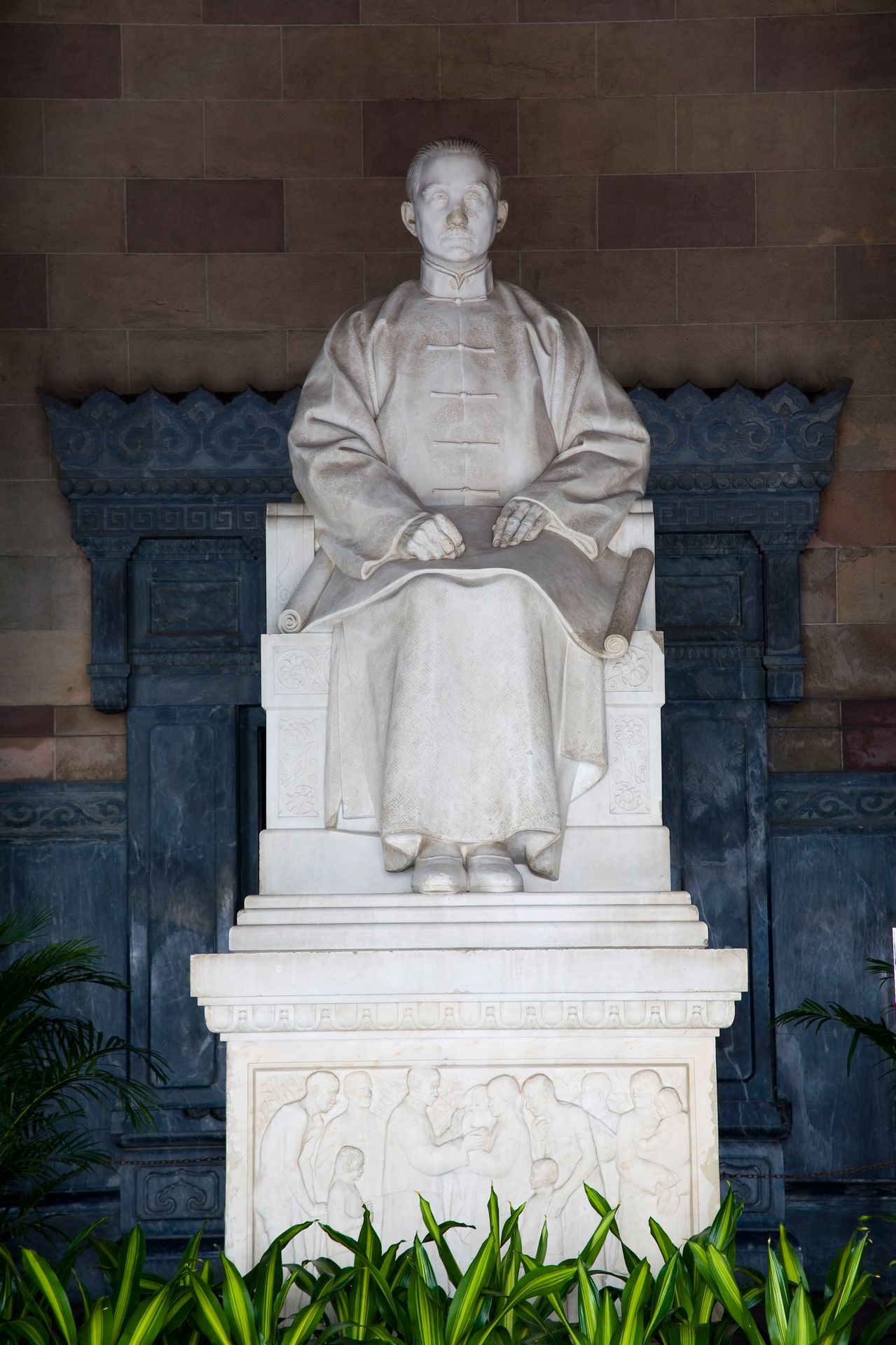
Exploring the Sun Yat-sen Mausoleum is a journey through history and architecture. Begin at the memorial archway and walk along the sacred way, where the gradual ascent builds anticipation. The sacrificial hall, a palace-style building with three arched doors, features horizontal plaques inscribed with "Nationalism, Democracy, and People's Livelihood." Inside, a marble seated statue of Dr. Sun Yat-sen commands the space, while the walls are engraved with the full text of his "Outline for National Reconstruction."
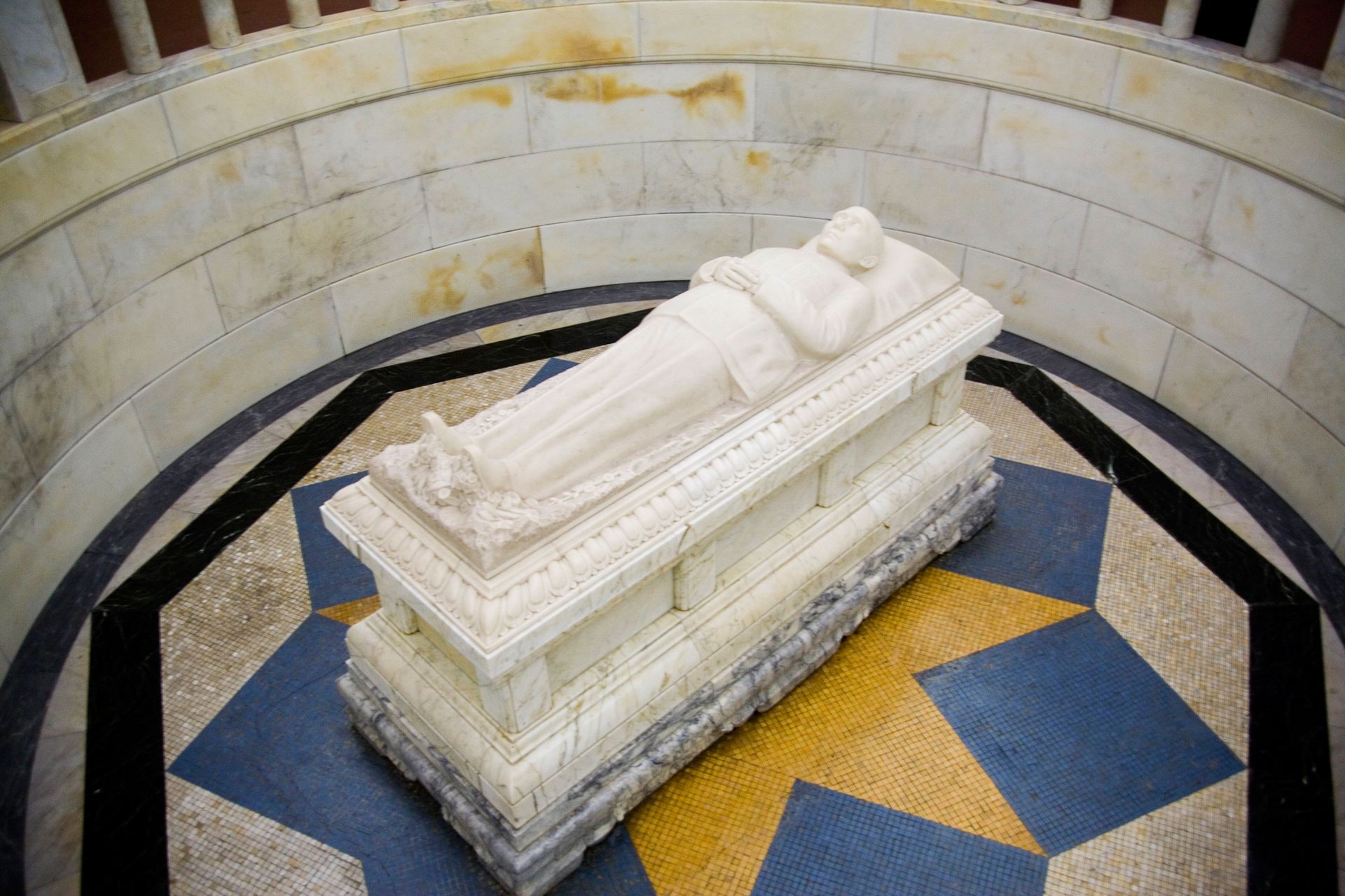
Climbing the 392 steps is a must-do activity. As you ascend, the view changes dramatically, and only at the top can you fully appreciate the mausoleum's design and the surrounding lush greenery. The tomb chamber itself, with its hemispherical dome, offers a quiet space for reflection. Don't miss the opportunity to photograph the "Liberty Bell" shape from a high vantage point—it's a sight that captures the site's profound symbolism.
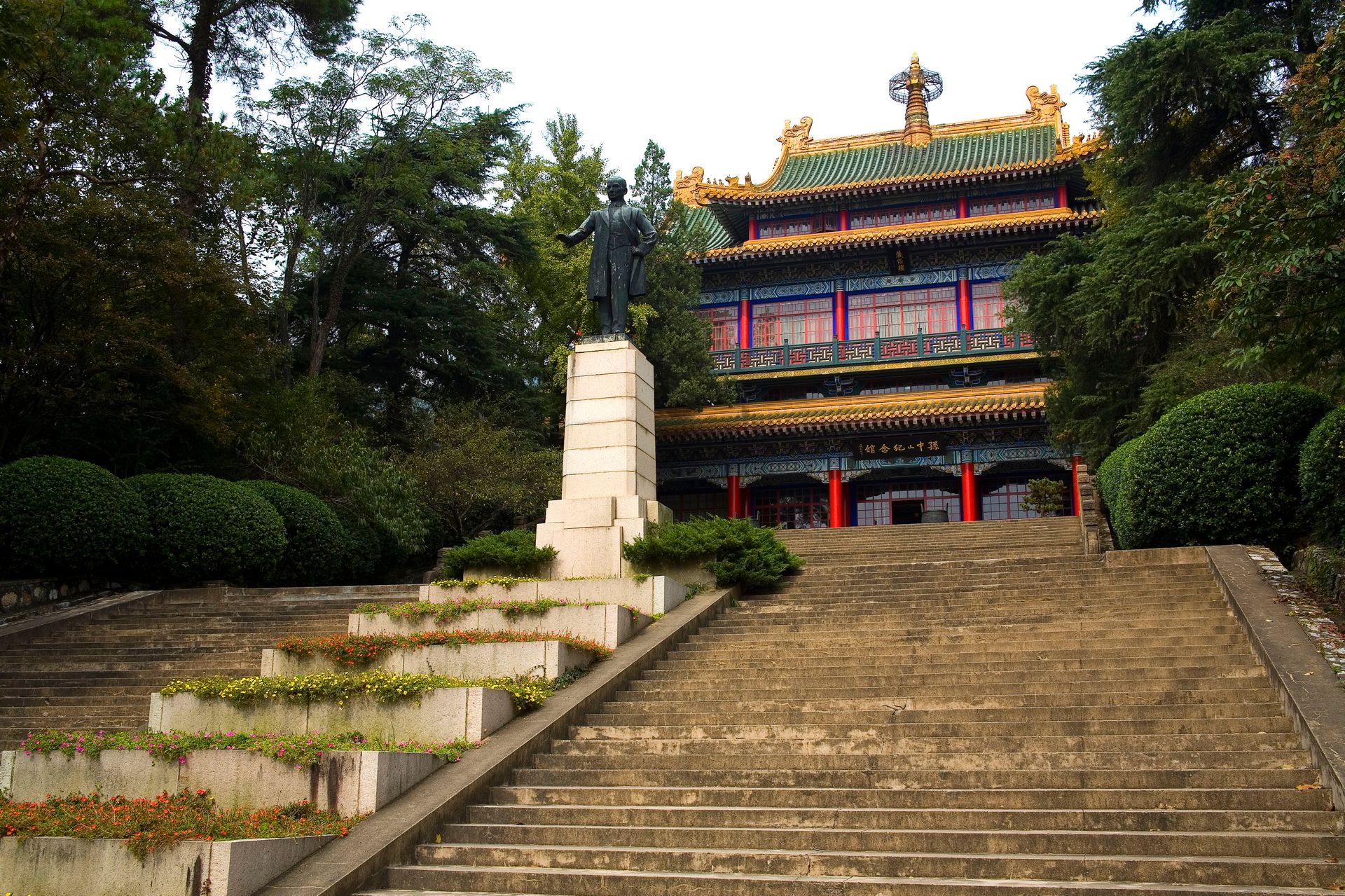
- Visit the bronze statue at the foot of the mountain, which serves as the bell's tip.
- Explore the sacrificial hall to see the marble statue and engraved texts.
- Count the steps as you climb the 392 stone steps for a meaningful experience.
- Take in panoramic views from the top, overlooking the forested hills of Nanjing.
Key Attractions Nearby
The area around the Sun Yat-sen Mausoleum is rich with cultural and historical sites. To the west lies the Ming Xiaoling Mausoleum, the tomb of the Hongwu Emperor, founder of the Ming Dynasty, known for its grand Sacred Way lined with stone animals. To the east, Linggu Temple offers a peaceful retreat with its ancient pagoda and forested grounds. A tourist train connects these sites, making it easy to explore them in a single day.
- Ming Xiaoling Mausoleum: A UNESCO World Heritage site with a majestic spirit way and underground palace.
- Linggu Temple: A serene Buddhist temple featuring the Beamless Hall and Linggu Pagoda.
- Purple Mountain Observatory: Located on the same mountain, offering scientific exhibits and stunning views.
- Nanjing Botanical Garden: A peaceful spot for nature lovers, adjacent to the mausoleum area.
Where to Dine
While the mausoleum itself has limited dining options, the surrounding Zhongshan Mountain area offers several choices. Near the entrance, you'll find small cafes and snack stalls selling local favorites like Nanjing salted duck and duck blood vermicelli soup. For a more substantial meal, head to the nearby Xuanwu Lake area or downtown Nanjing, where restaurants serve classic Jiangsu cuisine, including squirrel-shaped mandarin fish and Nanjing soup dumplings. Many visitors pack a picnic to enjoy in the scenic grounds, but be sure to clean up afterward.
Weather & Best Time to Visit
Nanjing has a subtropical monsoon climate, with distinct seasons. Spring (March to May) and autumn (September to November) are the best times to visit, with mild temperatures and blooming flowers or colorful foliage. Summers (June to August) can be hot and humid, with occasional rain, while winters (December to February) are cold but less crowded. The mausoleum is open year-round, but the site is particularly stunning in early spring when cherry blossoms bloom along the sacred way, and in late autumn when the leaves turn golden.
- Best months: April-May and October-November for comfortable weather.
- Crowds: Weekends and holidays are busy; visit on weekdays for a quieter experience.
- Special note: The sacrificial hall and tomb chamber are closed on Mondays for maintenance.
Travel Tips
Getting to the Sun Yat-sen Mausoleum is straightforward. Take bus routes You1, You2, You3, 9, 20, or 315 to the Zhongshanling stop. Alternatively, the Nanjing Metro Line 2 reaches nearby stations like Xiaolingwei, from where you can take a taxi or shuttle. The mausoleum is free to enter, but note that the sacrificial hall and tomb chamber are closed on Mondays. Opening hours are 8:30 AM to 5:00 PM daily. For transportation within the scenic area, a tourist train runs between the mausoleum and Ming Xiaoling for 3 RMB per person, or you can rent an electric cart with a guide for 20 RMB per person.
- Address: Southern foot of Xiaomao Mountain, Zhongshan Mountain, Xuanwu District, Nanjing.
- Fees: Free admission; no ticket required.
- Hours: 8:30 AM to 5:00 PM (closed Mondays for main halls).
- What to bring: Comfortable walking shoes, water, sunscreen in summer, and a light jacket in cooler months.
- Phone: 025-84431174 or 025-84437786 for inquiries.