Overview & History
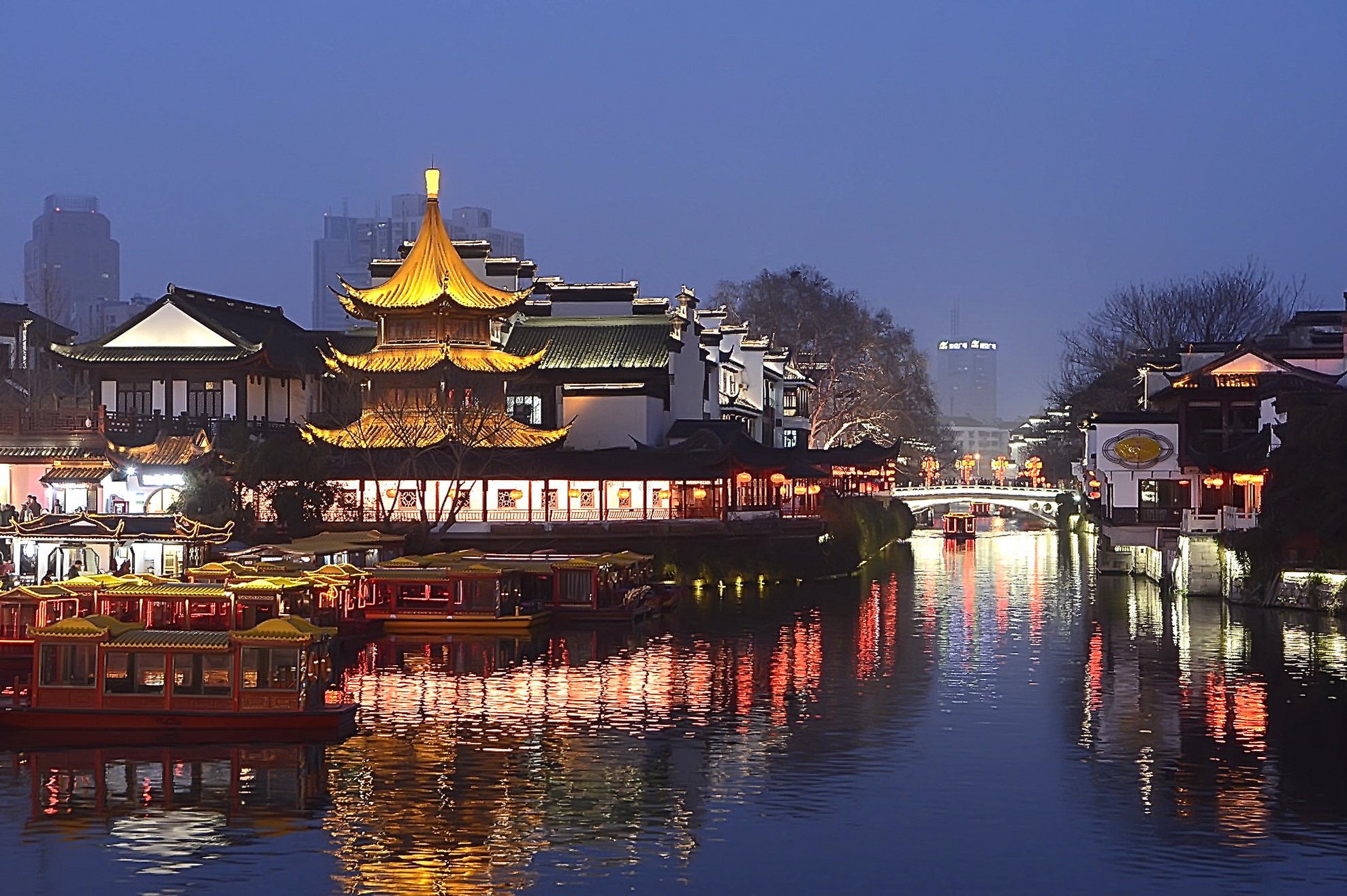
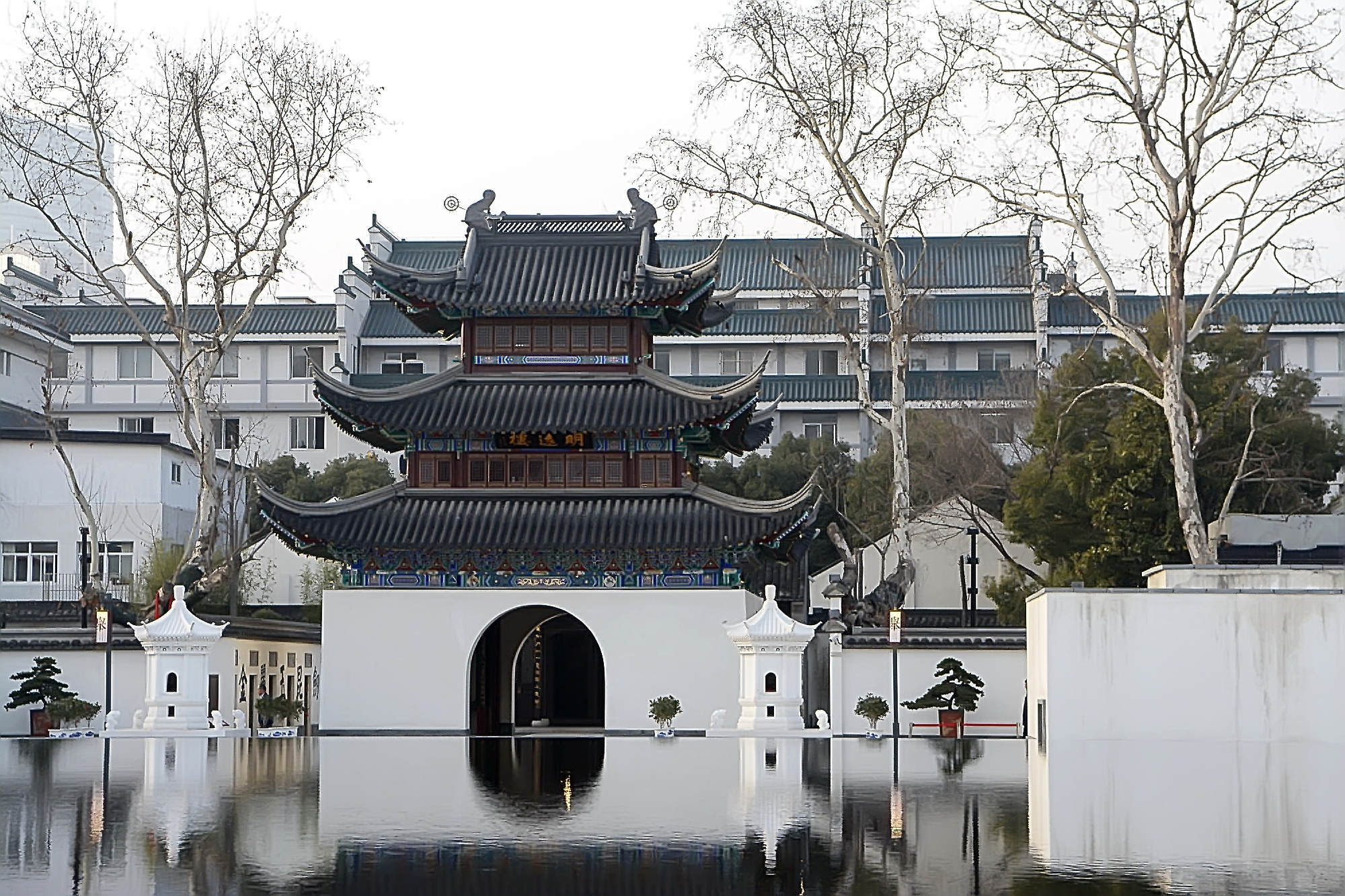
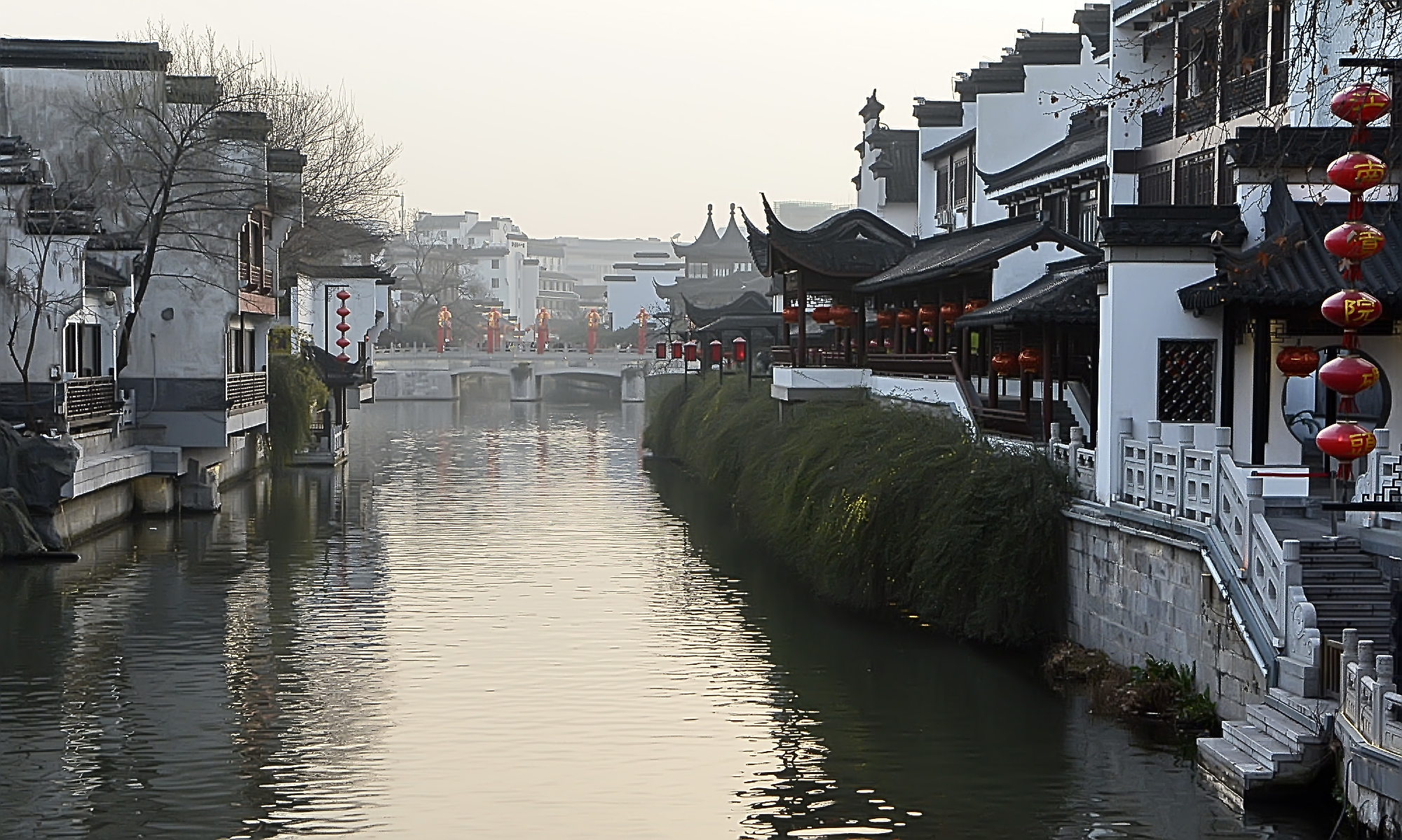
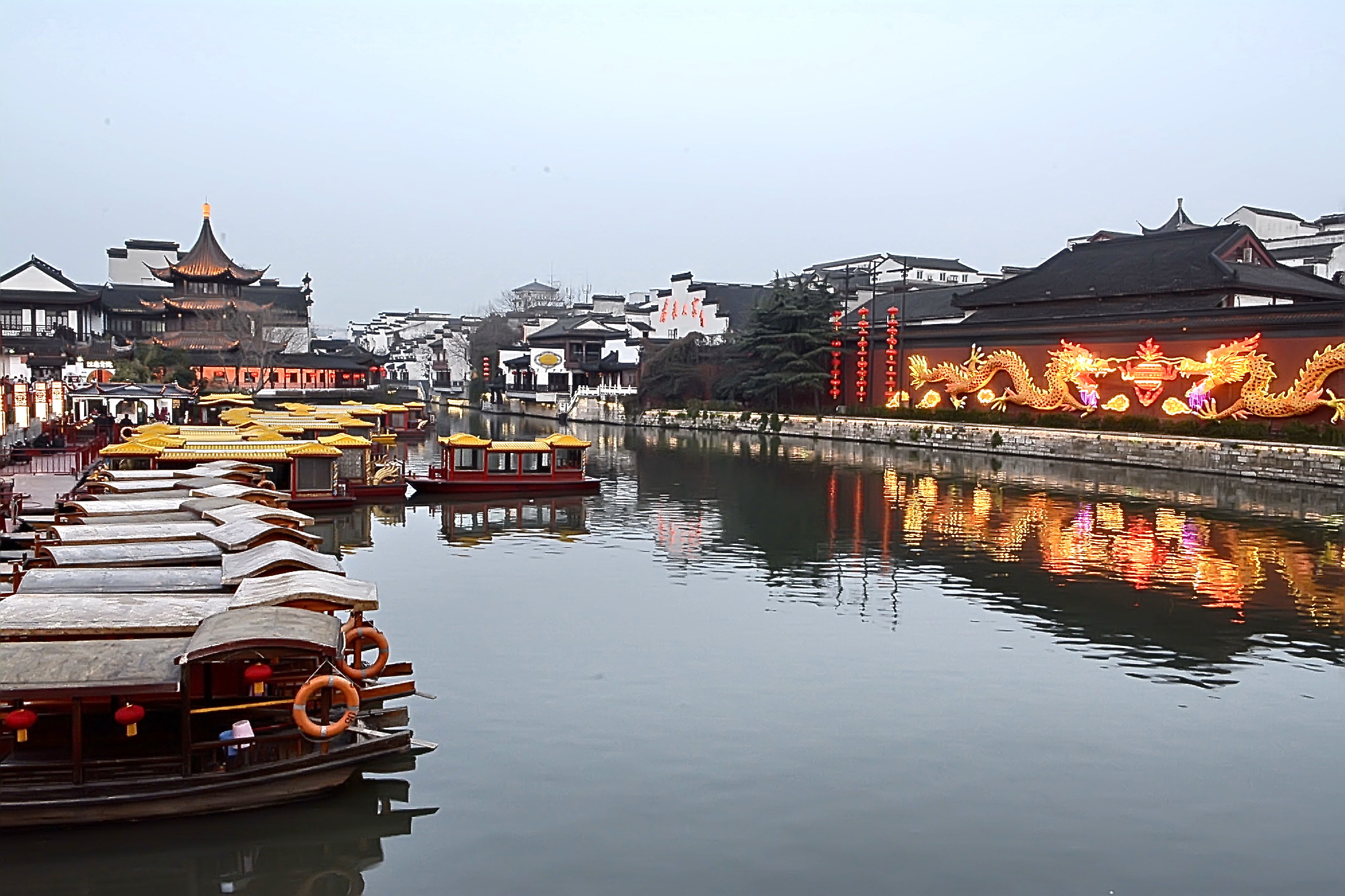
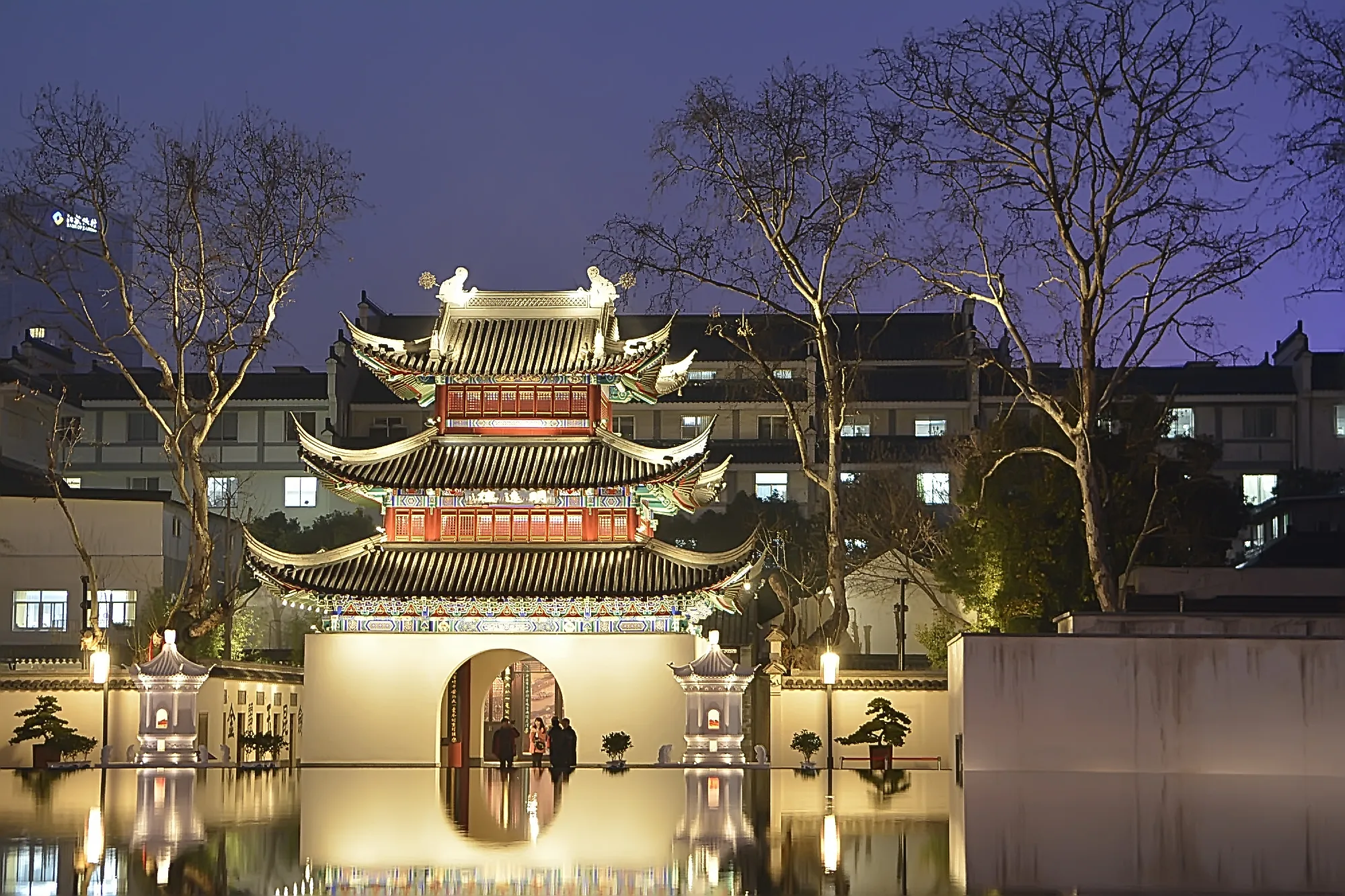
Nestled along the historic Qinhuai River in the heart of Nanjing, the Confucius Temple, known locally as Fuzi Miao, is far more than a single place of worship—it is a sprawling cultural and commercial district that has been the soul of the city for nearly a millennium. First built in 1034 during the Song Dynasty, this temple complex was once the central axis of Confucian learning in ancient Nanjing. Over the centuries, it has witnessed the city’s most glorious and tragic moments: from the opulent banquets of the Six Dynasties period, when noble families lined the riverbanks, to the desolation of war and occupation. The temple was tragically destroyed in 1937 during the Japanese invasion and was meticulously rebuilt in 1984. Today, it stands as a vibrant testament to Nanjing’s resilience, offering visitors a chance to step back into the bustling, lantern-lit streets of Ming and Qing dynasty China, where the air is thick with the aroma of street food and the echoes of ancient music.
Highlights & Activities
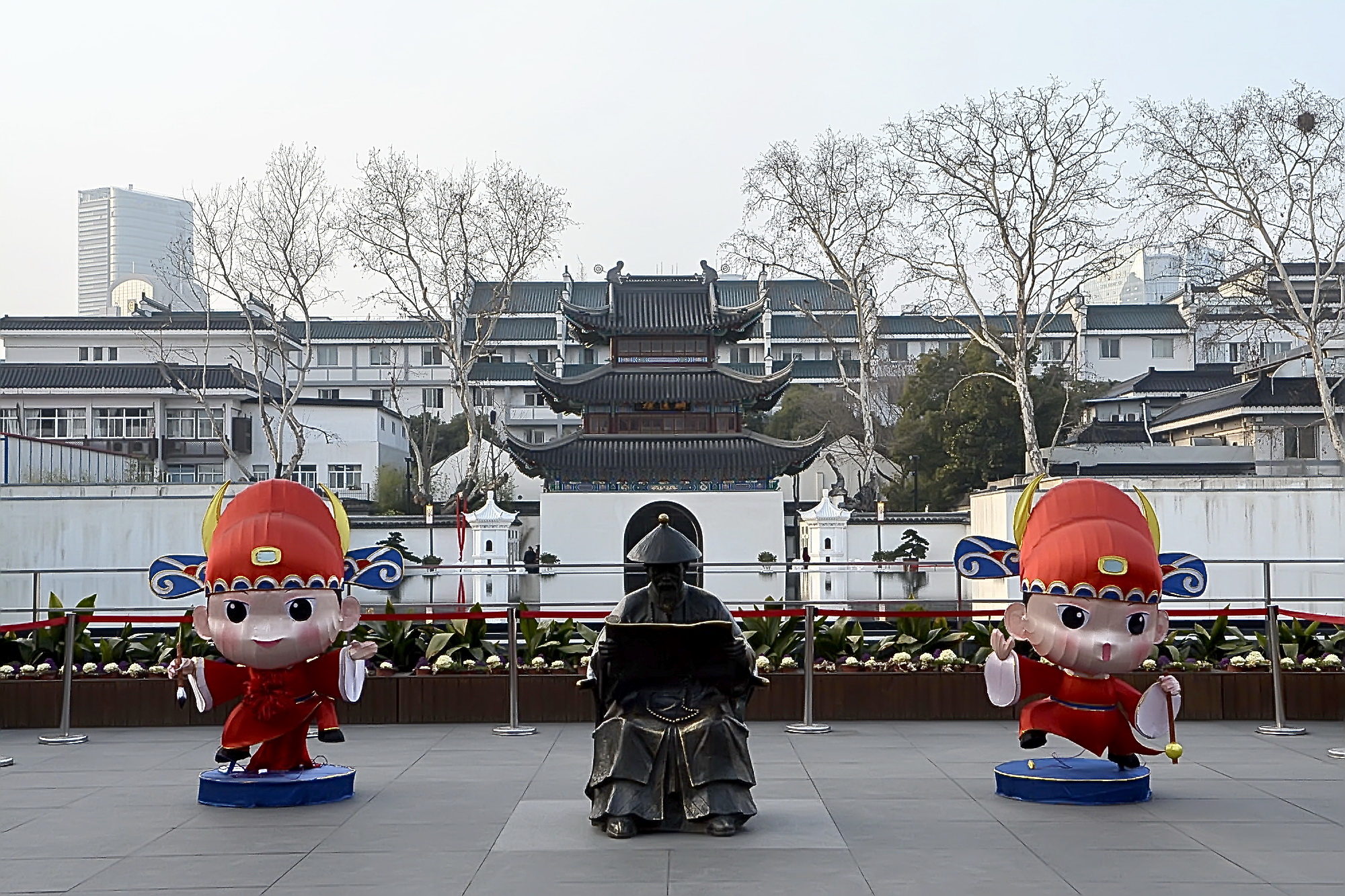
Walking through the Confucius Temple is like exploring a living museum. The complex is a symmetrical architectural marvel covering over 26,300 square meters. Begin your journey at the Dacheng Gate, where four ancient steles from the Southern Qi and Yuan dynasties stand guard. Inside the courtyard, a long pathway flanked by stele corridors showcases calligraphic masterpieces by renowned artists like Zhao Puchu and Lin Sanzhi. The main hall, Dacheng Hall, houses a grand statue of Confucius himself. Here, daily performances of elegant court music fill the air, with the ethereal chime bells—instruments once reserved for royalty—creating a hauntingly beautiful soundtrack to your visit. Scattered throughout the grounds are historical relics, such as the "Jade Rabbit Well" linked to the infamous Southern Song chancellor Qin Hui, and a beautifully carved phoenix cloud-pattern stone artifact. For a deeper dive into local culture, head to the Zunjing Pavilion in the rear courtyard, which has been transformed into the Folk Arts Garden. Here, you can admire exquisite Nanjing crafts, including intricate lanterns, gold and silverware, wood carvings, and silk textiles, some dating back to the early 20th century.
Key Attractions Nearby
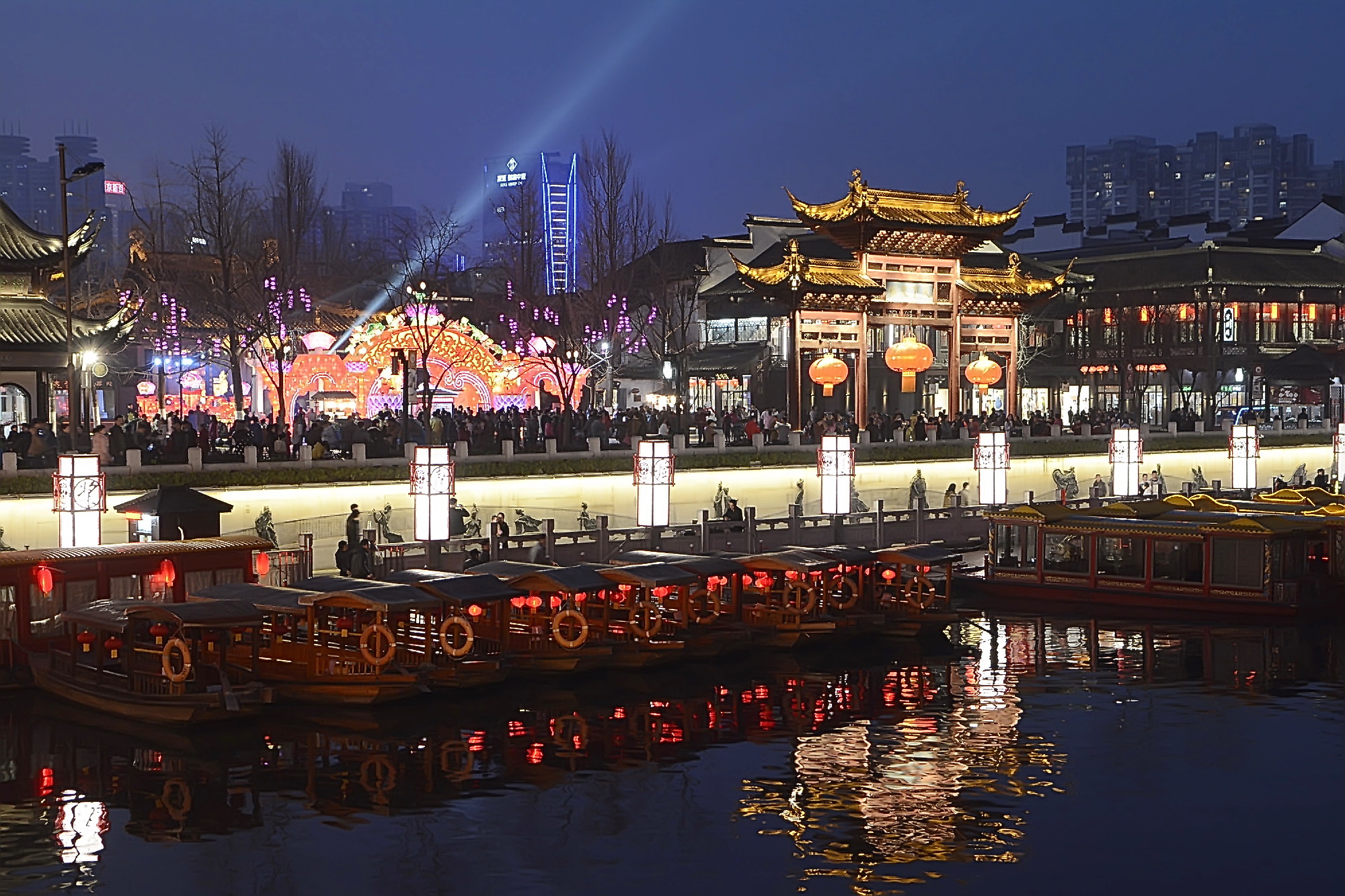
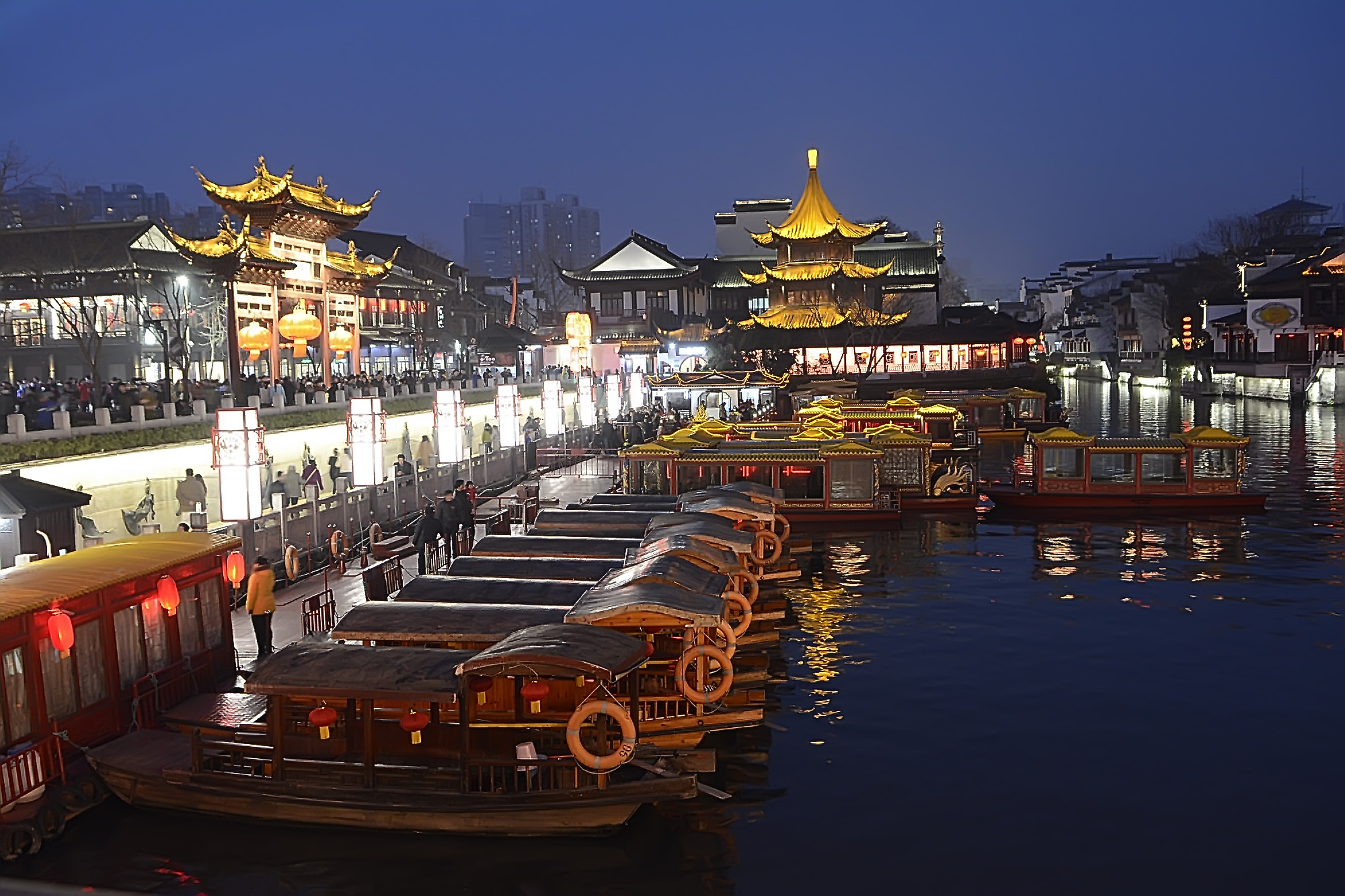
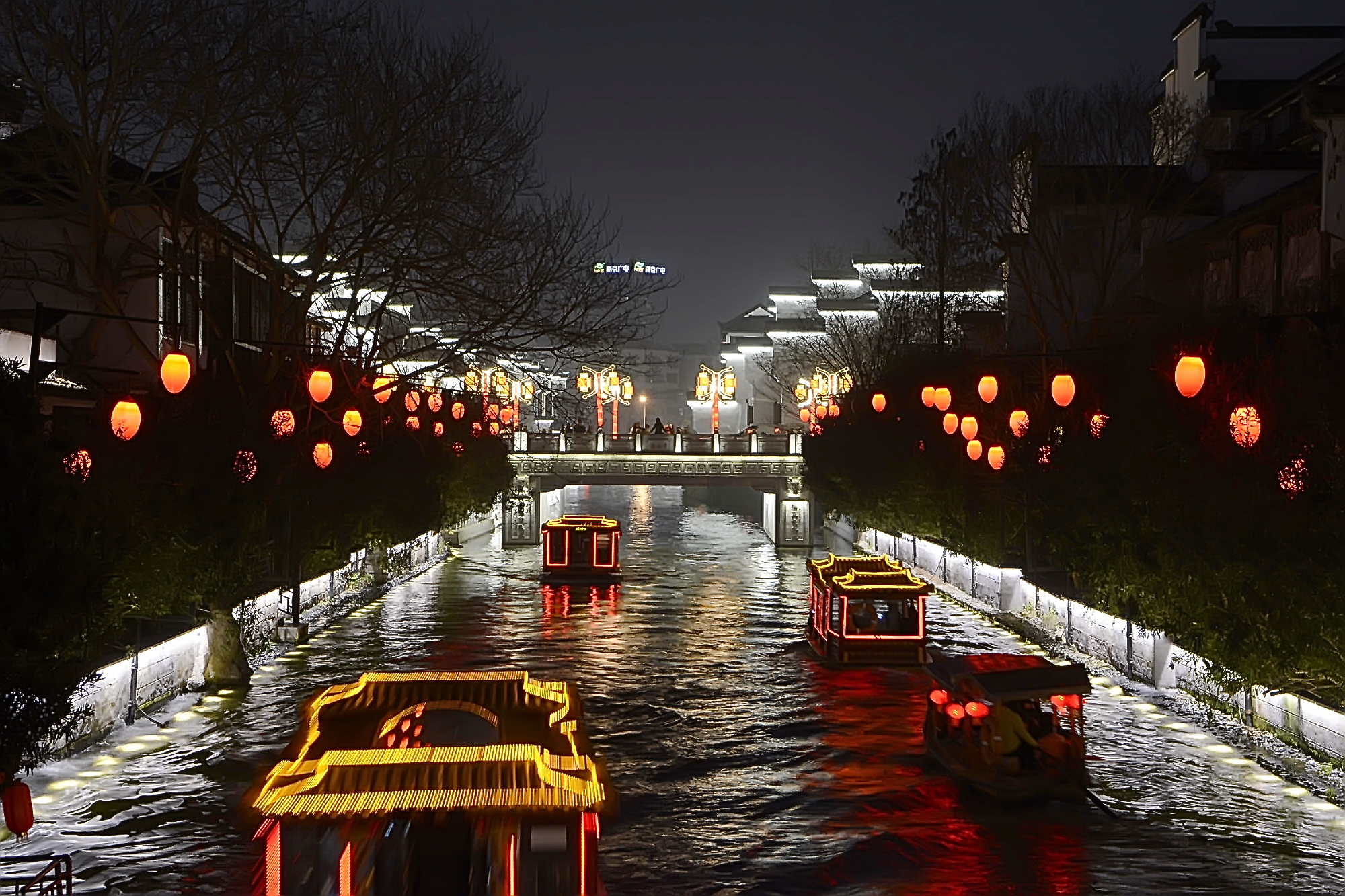
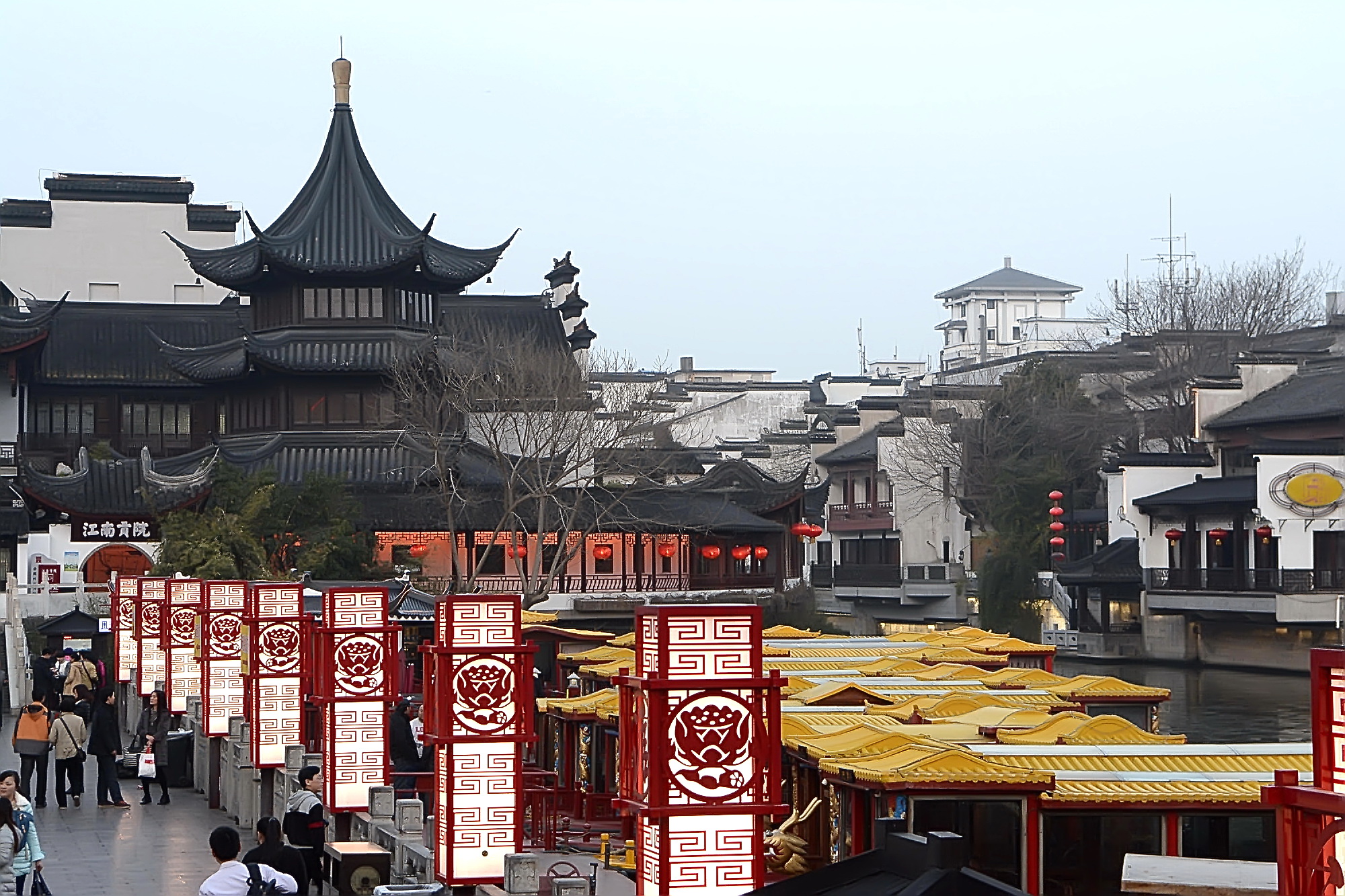
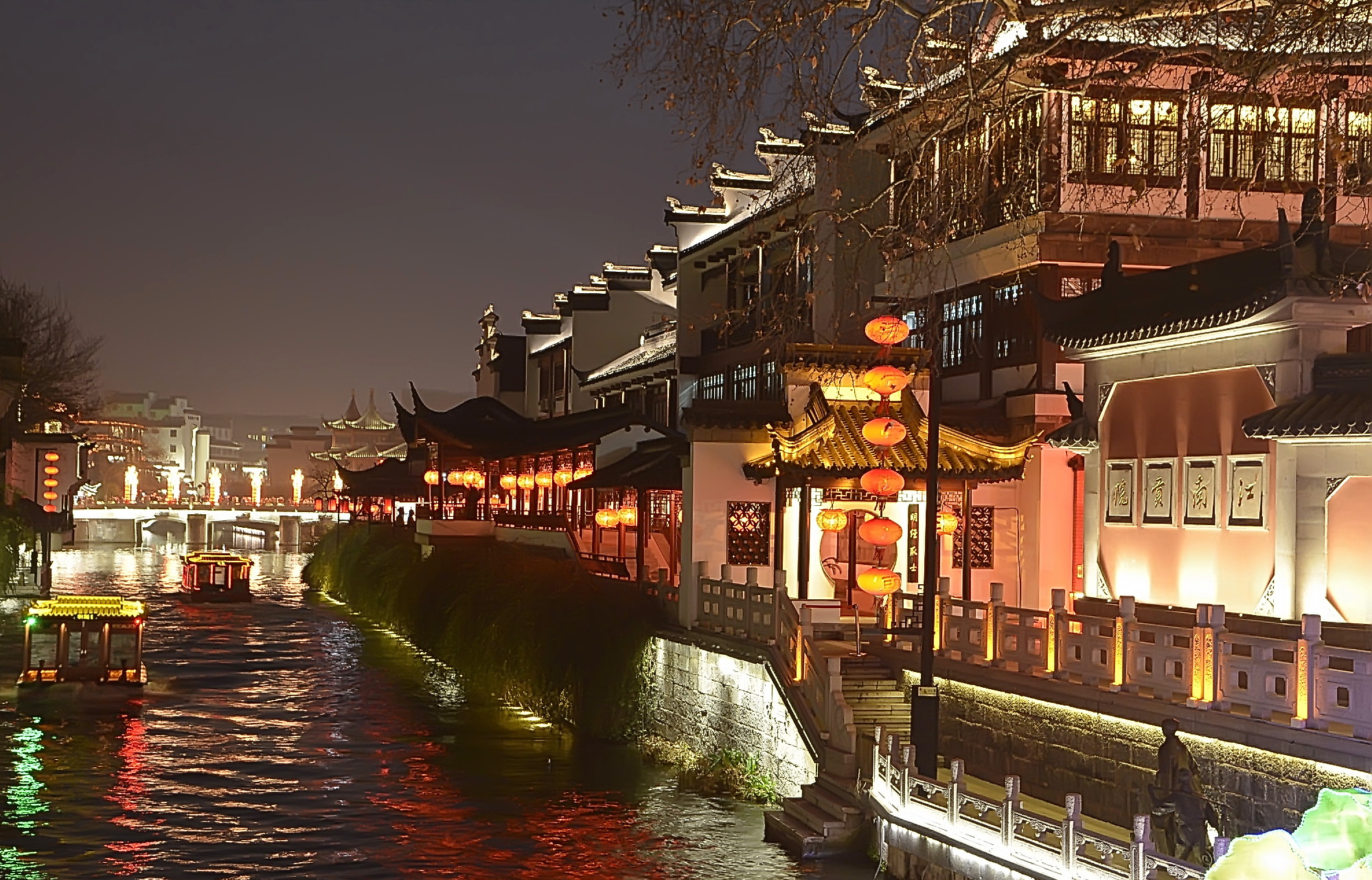
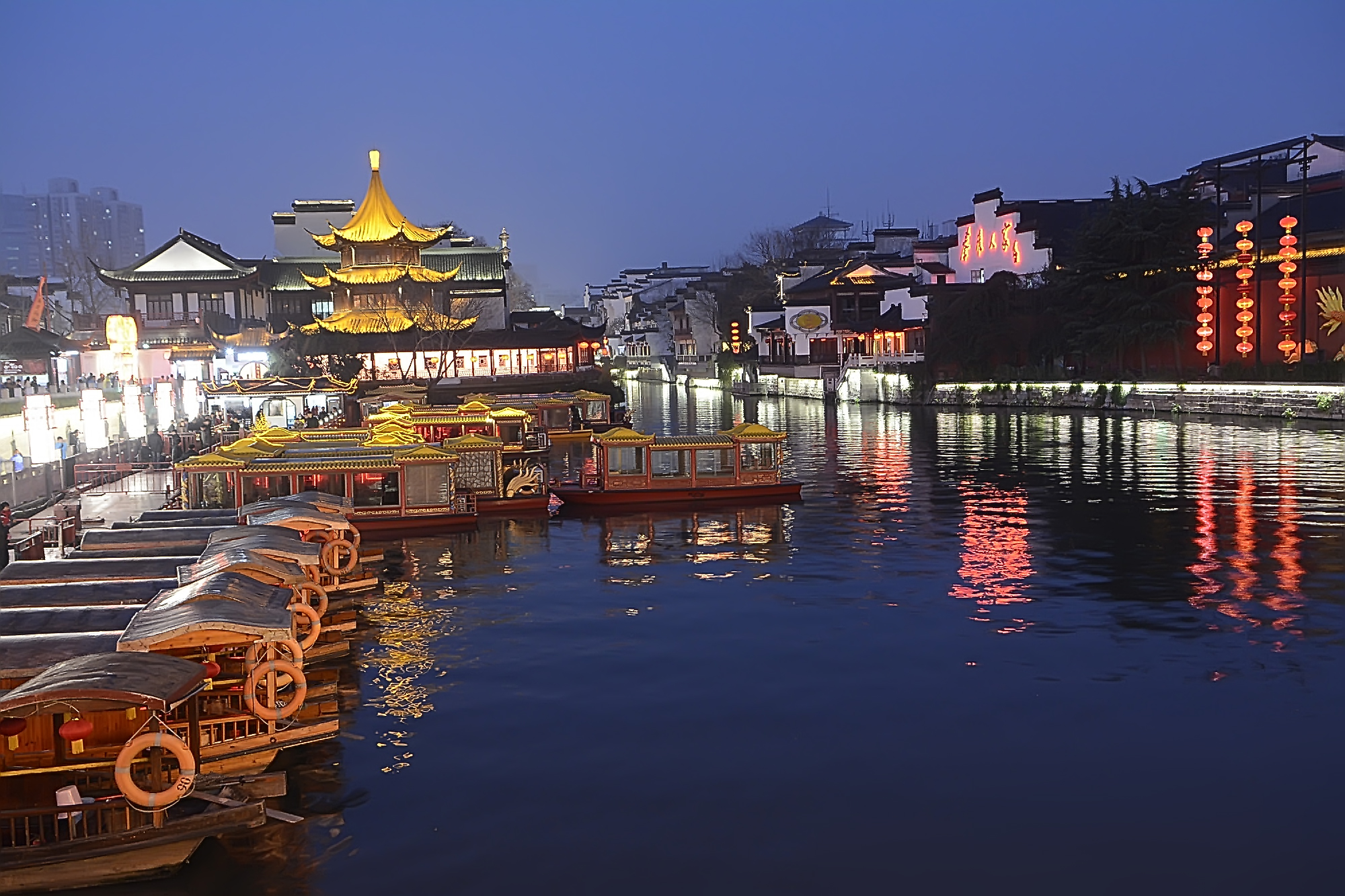
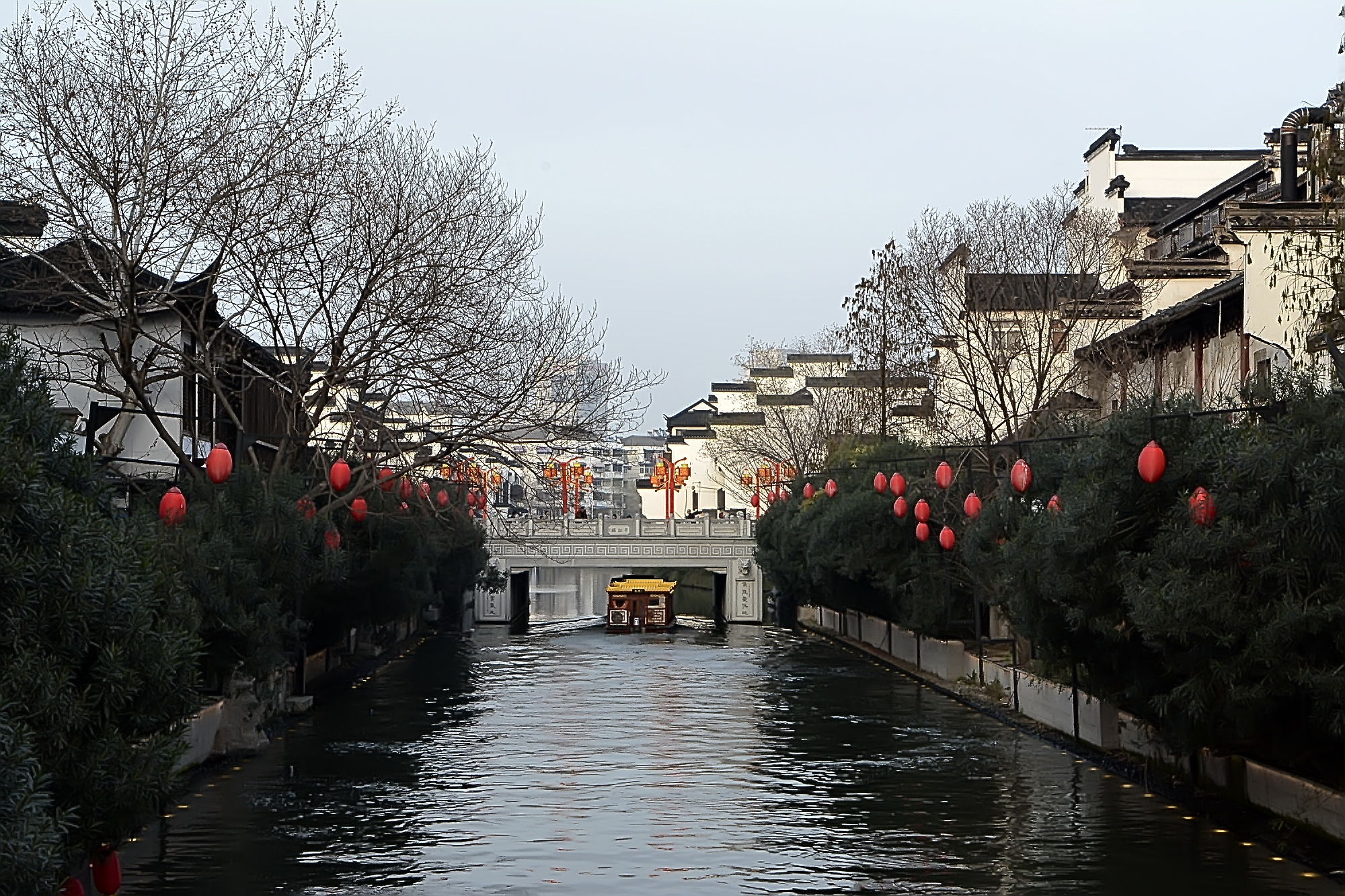
The Confucius Temple district is the perfect launchpad for exploring Nanjing’s most iconic sights. The most obvious companion is the Qinhuai River itself. A nighttime boat ride along the "Ten-mile Qinhuai" is an unforgettable experience, as painted pleasure boats glide past ancient bridges and glowing red lanterns, recreating the romantic scenery of dynastic times. Just a short walk away lies the Zhonghua Gate, the largest and most complex city gate ever built in China, offering a fascinating glimpse into Ming-era military architecture. History buffs should also visit the nearby Imperial Examination Museum of China (Jiangnan Gongyuan), which sits adjacent to the temple and tells the story of China’s ancient civil service exam system. For a taste of imperial gardens, the Zhan Yuan Garden is a serene classical garden just minutes from the temple entrance.
Where to Dine
No visit to the Confucius Temple is complete without indulging in its legendary street food. The area is famous for the "Eight Unique Snacks of Qinhuai" (Qinhuai Baju), a series of delicate, savory, and sweet treats. For a hearty meal, head to Nanjing Grand Food Court (Nanjing Dapaidang) at 48 Dashibai Street, where you can try the city’s famous duck dishes. While Beijing duck gets the glory, locals swear by "Nanjing roast duck," a succulent, crispy-skinned bird served with a rich, savory broth. For a quick and iconic bite, stop by Huiwei Duck Blood and Vermicelli Soup at 42 Zhanyuan Road. This beloved local chain serves up a steaming bowl of duck blood curd, vermicelli, duck intestines, tofu puffs, and peanuts in a fragrant, peppery broth—the ultimate comfort food for just around 14 RMB.
Weather & Best Time to Visit
Nanjing has a humid subtropical climate with four distinct seasons. The best times to visit the Confucius Temple are spring (March to May) and autumn (September to November), when the weather is mild and pleasant for walking. Summers (June to August) can be intensely hot and humid, with frequent rain, while winters (December to February) are cold and damp, though the temple is still beautiful when dusted with snow. To avoid the largest crowds, plan your visit on a weekday morning. The temple is open daily from 9:00 AM to 10:00 PM, with ticket sales stopping about 30 minutes before closing. The area is especially magical during the Qinhuai Lantern Festival (held around Chinese New Year), when thousands of colorful lanterns light up the river and streets, creating a fairy-tale atmosphere.
Travel Tips
- Getting There: The temple is easily accessible by metro. Take Line 1 to Sanshanjie Station, or Line 3 to Fuzimiao Station or Wudingmen Station. Multiple bus routes (1, 4, 44, 201, 304, etc.) also stop nearby.
- Admission Fees: Entering the main temple area (Dacheng Hall) costs 30 RMB for adults. Seniors (60-69) and students pay 15 RMB with valid ID. Children under 1.3m, seniors over 70, and disabled visitors enter free. Your ticket also grants access to the Folk Arts Garden.
- What to Bring: Comfortable walking shoes are essential, as the area is vast and you’ll be on your feet for hours. Bring a refillable water bottle, and in summer, a hat and sunscreen. If visiting in winter, dress in layers as the riverside can be windy.
- Pro Tip: For a unique accommodation experience, consider the Nanjing Confucius Temple International Youth Hostel at 68 Pingjiangfu Road. It boasts a Ming-Qing style building right by the river, with a lively bar and simple meals, offering a budget-friendly and atmospheric base for your explorations.