Overview & History
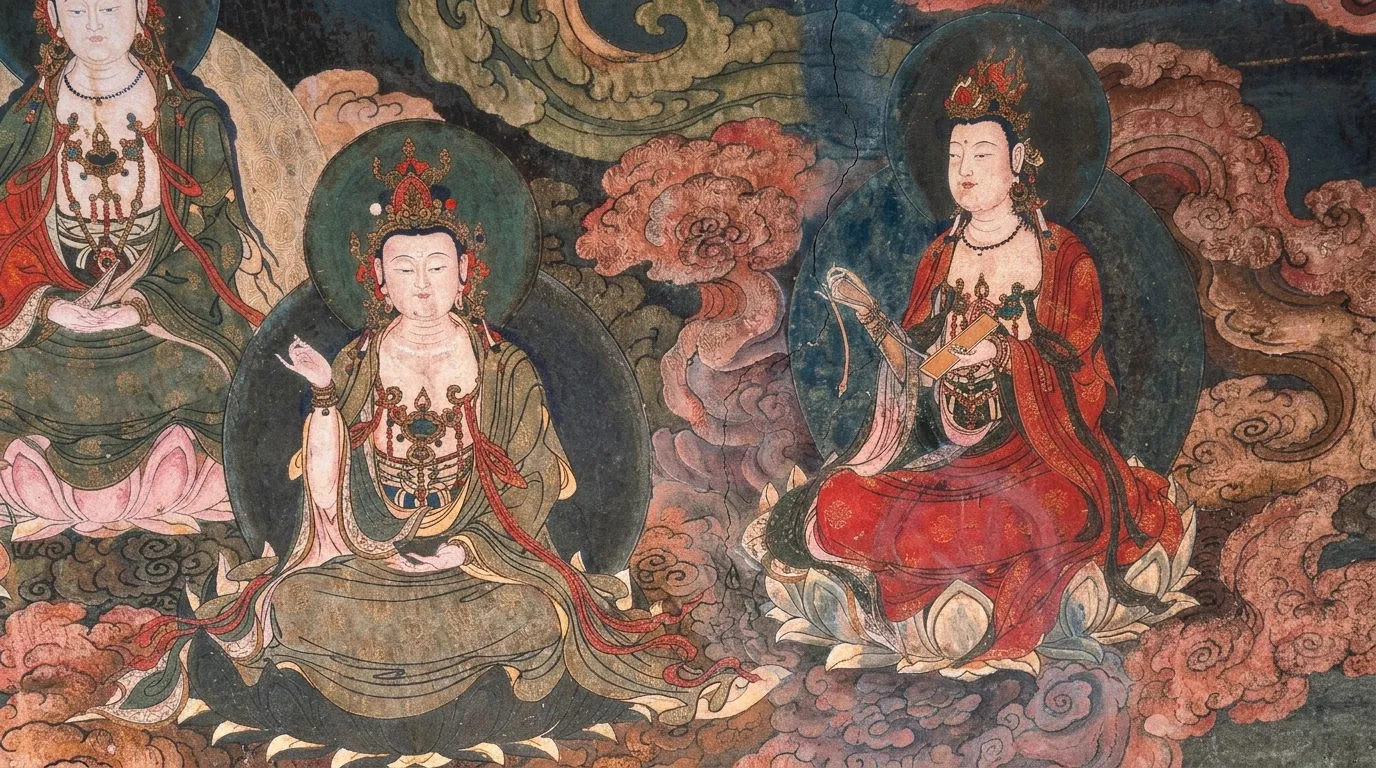
Nestled in the heart of Beijing's Dongcheng District, Yonghe Temple—better known as the Lama Temple—stands as one of the city's most revered and visually stunning landmarks. Its story begins long before it became a place of worship. Originally built as the residence of Prince Yong, the future Emperor Yongzheng (famously known as "Fourth Master" in popular culture), this site was once the Yong Prince's Mansion. After Yongzheng ascended the throne in 1723, no other prince ever lived here. In 1725, the mansion was elevated to an imperial palace and renamed Yonghe Palace. Then, in 1744, during the reign of Emperor Qianlong, it was converted into a Tibetan Buddhist lamasery, a transformation that sealed its spiritual legacy. Today, the temple is a vibrant center of Tibetan Buddhism in Beijing, drawing pilgrims, history buffs, and travelers alike. What makes it truly unforgettable is its unique blend of imperial grandeur and serene spirituality, all set against a backdrop of rich cultural history.
Highlights & Activities
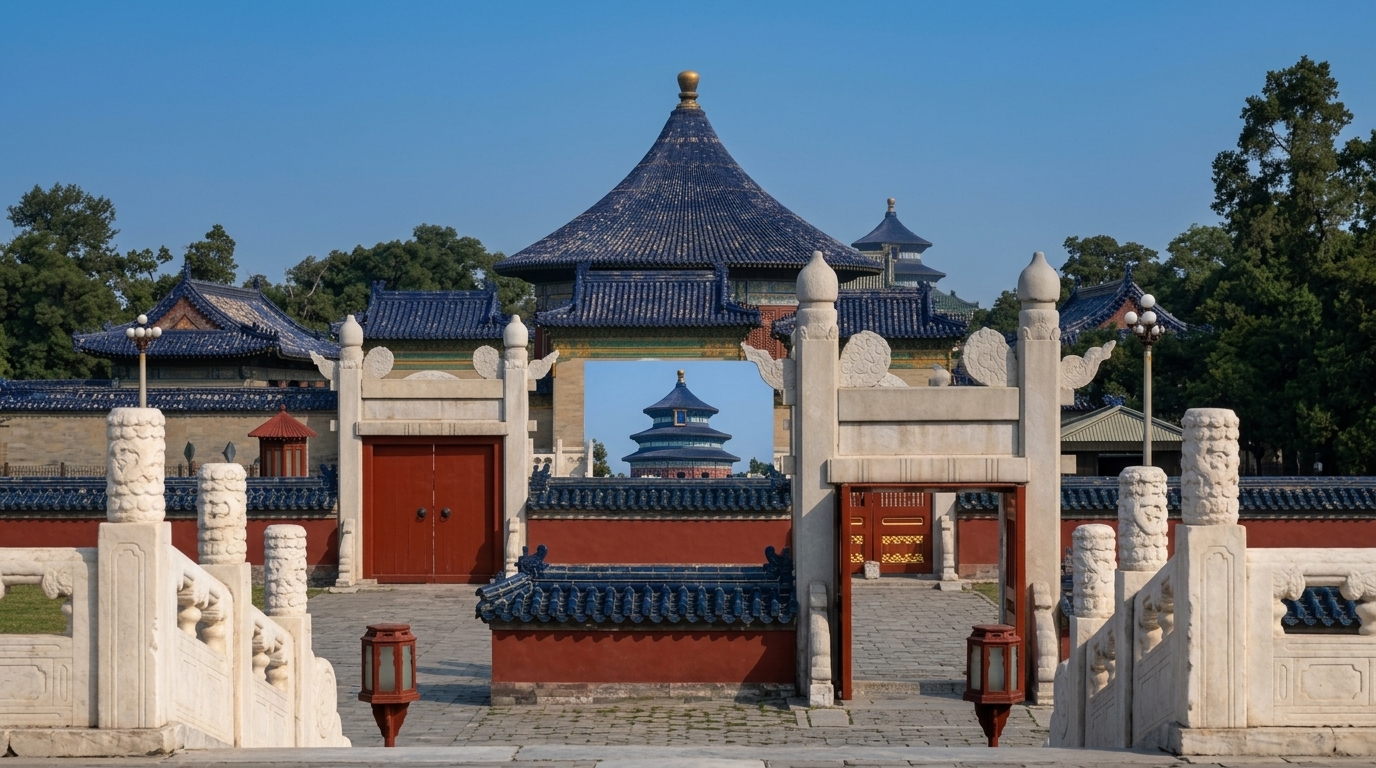
Walking through the temple complex is a journey through time and faith. The entrance alone sets the stage: a majestic ginkgo tree avenue lines the path, creating a tunnel of golden yellow in autumn. As you stroll, ginkgo leaves drift down piece by piece, making for a romantic and spectacular experience. Inside, the temple boasts five main halls, each more ornate than the last. The Hall of the Heavenly Kings, the Hall of Harmony and Peace, and the Hall of Eternal Blessing are all adorned with intricate carvings, colorful murals, and towering Buddhist statues. The centerpiece is the 18-meter-tall Maitreya Buddha carved from a single sandalwood tree, a breathtaking sight that embodies the temple's artistic and spiritual significance. Visitors can also witness monks chanting sutras, light incense for blessings, and explore the Tibetan Buddhist artifacts in the temple's museum. Don't miss the chance to spin the prayer wheels—each turn is said to send a prayer to the heavens.
Key Attractions Nearby
Yonghe Temple's location makes it an ideal starting point for exploring Beijing's cultural treasures. Just a short walk away is the Temple of Earth (Ditan Park), a historic site where emperors once performed rituals to honor the earth. The surrounding area is also rich with charming hutongs (traditional alleyways) like Wudaoying Hutong, which blends old Beijing charm with modern boutiques and cafes. For a deeper dive into local life, head to the nearby Lama Temple Street, where you can find souvenir shops, tea houses, and street food stalls. The Confucius Temple and the Imperial College (Guozijian) are also close by, offering a glimpse into China's scholarly traditions. This neighborhood is a perfect mix of history, culture, and urban energy, ensuring you'll have plenty to see and do after your temple visit.
Where to Dine
After exploring the temple, treat your taste buds to the diverse culinary scene around Yonghe Temple. For a refined dining experience, 京兆尹 (Jingzhaoyin) offers exquisite vegetarian cuisine in an elegant setting—though it comes with a higher price tag (around 485 yuan per person). For a more casual meal, Vineyard Café on Wudaoying Hutong serves up a delightful fusion of Western and Chinese flavors, with must-try dishes like baked potato skins, Mediterranean pizza, and Thai shrimp rolls (around 108 yuan per person). Craving Japanese food? 游You-House is a tiny but beloved spot known for its fantastic eel rice (unagi don), but be sure to book ahead as it's often packed. For authentic Sichuan flavors at a bargain (around 45 yuan per person), 张妈妈特色川味馆 on Fensiting Hutong is a local favorite, offering dishes like poached chicken in chili oil and spicy cold noodles. And if you're in the mood for a hearty winter meal, 亮健容天土锅羊蝎子 on Jingtu Hutong serves up delicious lamb spine hotpot that's worth the wait.
Weather & Best Time to Visit
Beijing experiences four distinct seasons, and Yonghe Temple offers a different charm in each. Spring (April to May) and autumn (September to October) are the best times to visit, with mild temperatures and clear skies. Autumn is particularly magical when the ginkgo trees turn a brilliant gold, creating a sea of yellow that carpets the ground. Summer (June to August) can be hot and humid, but the temple's shaded courtyards offer some relief. Winter (November to March) is cold and dry, but the temple's red walls and golden roofs stand out beautifully against the snow. To avoid crowds, plan your visit on a weekday morning, as weekends and holidays can get busy. The temple opens from 8:00 AM to 5:00 PM, so arriving early gives you a peaceful experience before the rush.
Travel Tips
Getting to Yonghe Temple is easy thanks to Beijing's efficient metro. Take Line 2 or Line 5 to Yonghegong Station, then follow the signs to Exit A or B. Alternatively, buses 13, 116, and 117 stop at Yonghegong Station. The ticket price is 25 yuan, with half-price for students with a valid ID. Be sure to bring cash, as some ticket counters may not accept cards. Dress modestly and respectfully, as this is an active place of worship. Avoid wearing shorts or sleeveless tops, and remove your hat when entering halls. Photography is allowed in most areas, but flash is prohibited inside the halls to protect the artifacts. Finally, bring a bottle of water and comfortable walking shoes—the temple complex is large, and you'll want to explore every corner. With these tips in hand, you're set for an unforgettable visit to one of Beijing's most iconic spiritual sites.