Overview & History
In the heart of Beijing, a single mansion holds the weight of an empire’s rise and fall. Prince Gong’s Mansion, or Gongwangfu, is not merely a relic of Qing Dynasty grandeur—it is a living chronicle of power, ambition, and decline. Its story begins with Heshen, a notoriously corrupt favorite of Emperor Qianlong, who built a residence so opulent and architecturally audacious that it secretly flouted imperial regulations. When Emperor Jiaqing took the throne, Heshen was forced to commit suicide in 1799, and his palace was seized. It later passed to Prince Qing, Yonglin, before finally being granted in the Xianfeng era to Prince Gong, Yixin—the “devil’s sixth prince” who steered China through the tumultuous years of the Opium Wars, the signing of the Treaty of Beijing, and the Westernization Movement.
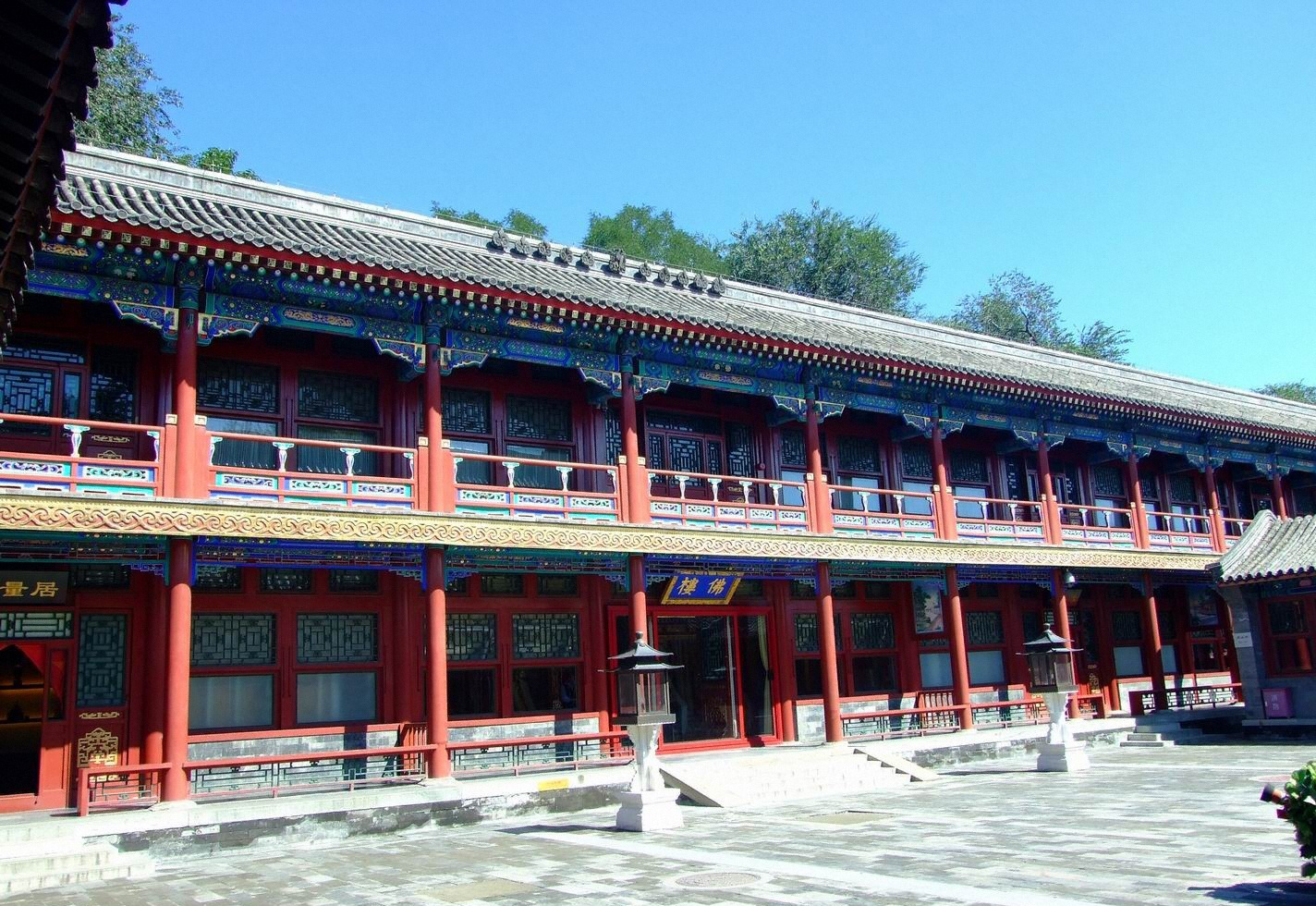
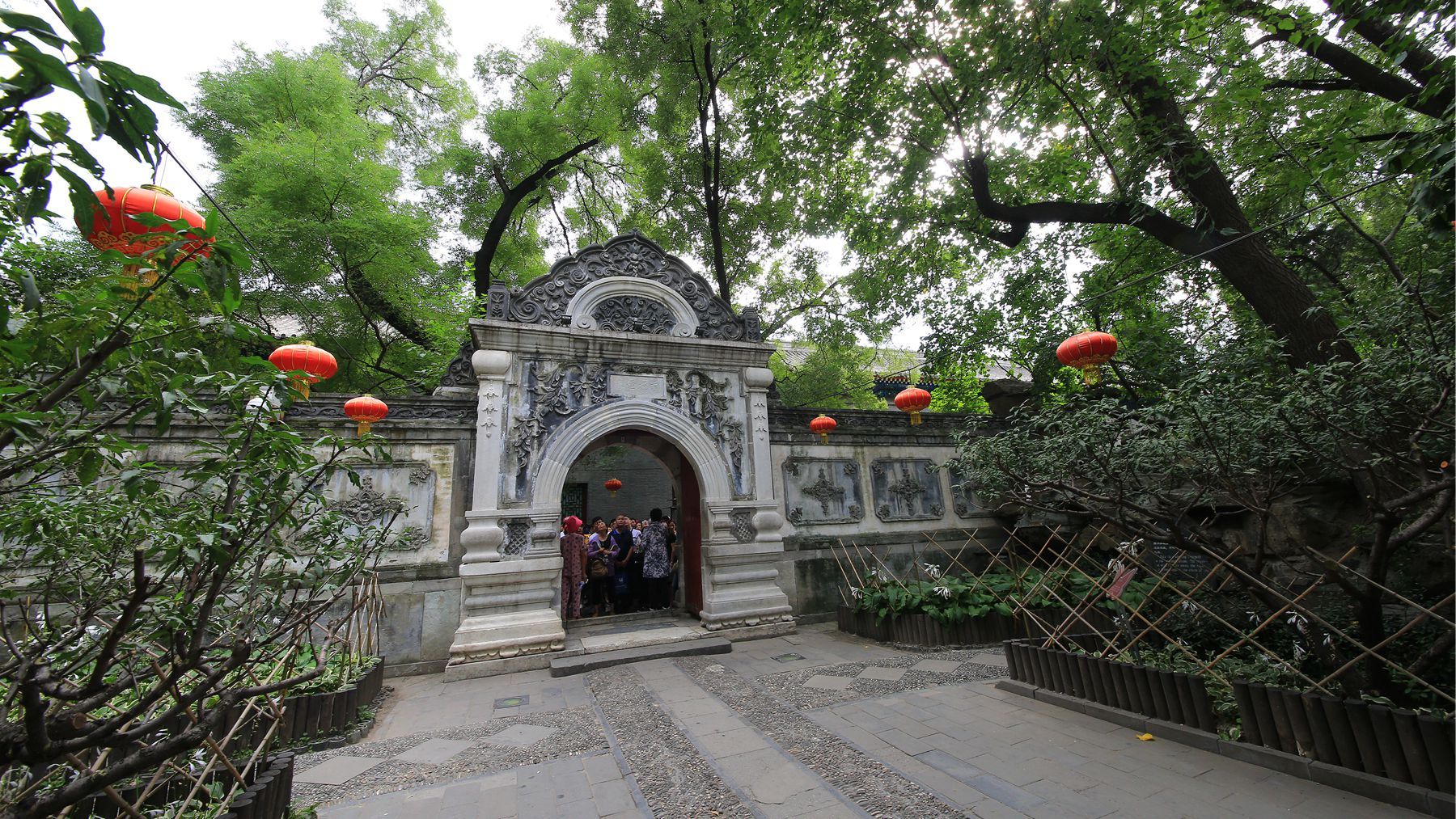
This mansion, the best-preserved princely complex in Beijing, is a paradox of glory and guilt. Here, the ambition of a corrupt minister, the strategy of a reformist prince, and the twilight of a dynasty converge. The estate comprises two main parts: the grand residence (with three parallel routes of courtyards) and the serene garden, known as Cuijin Yuan. Since its garden opened to the public in 1984, visitors have walked through layers of history, where every beam and stone whispers tales of imperial intrigue.
Highlights & Activities
Explore the Residence’s Three Routes
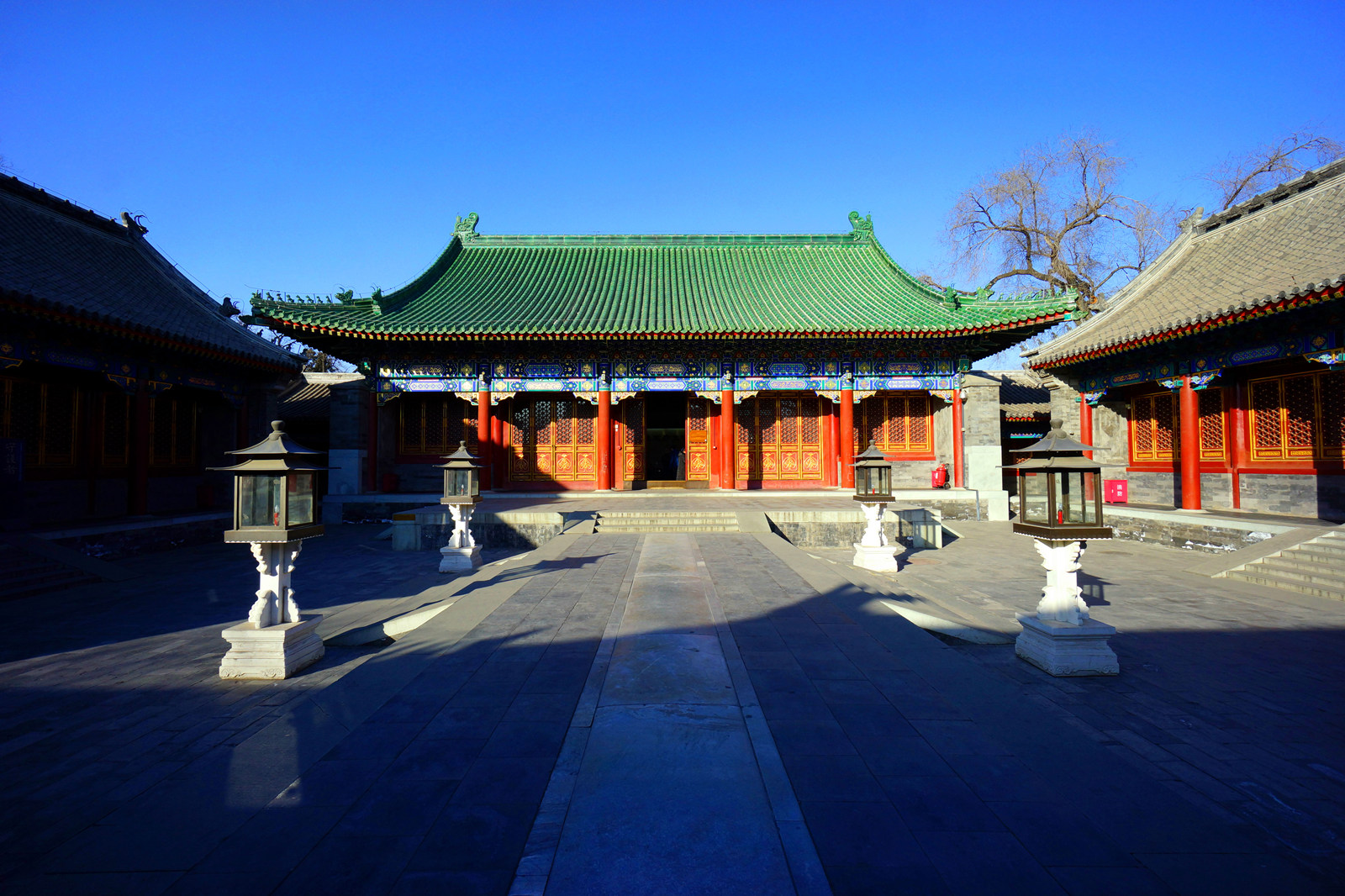
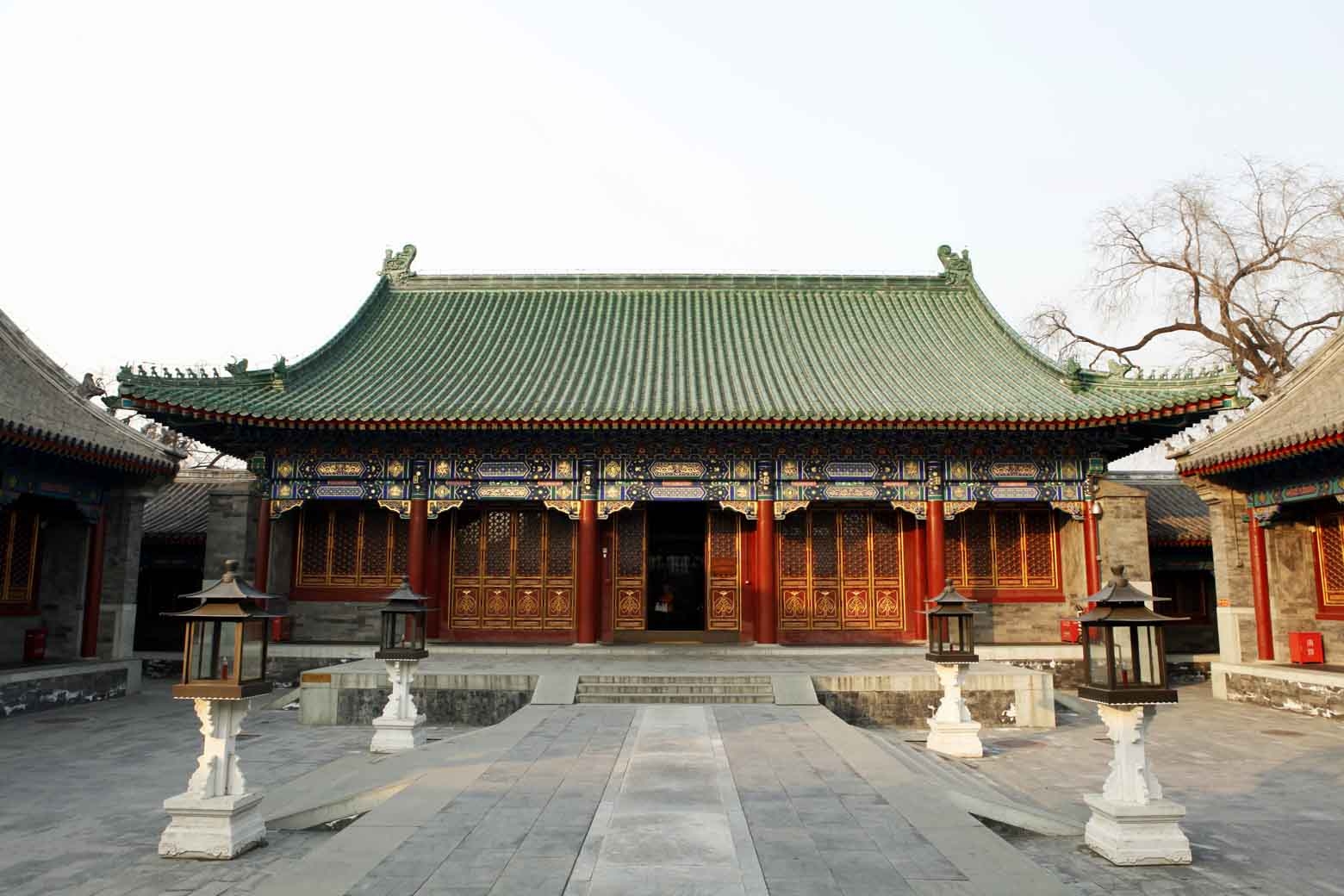
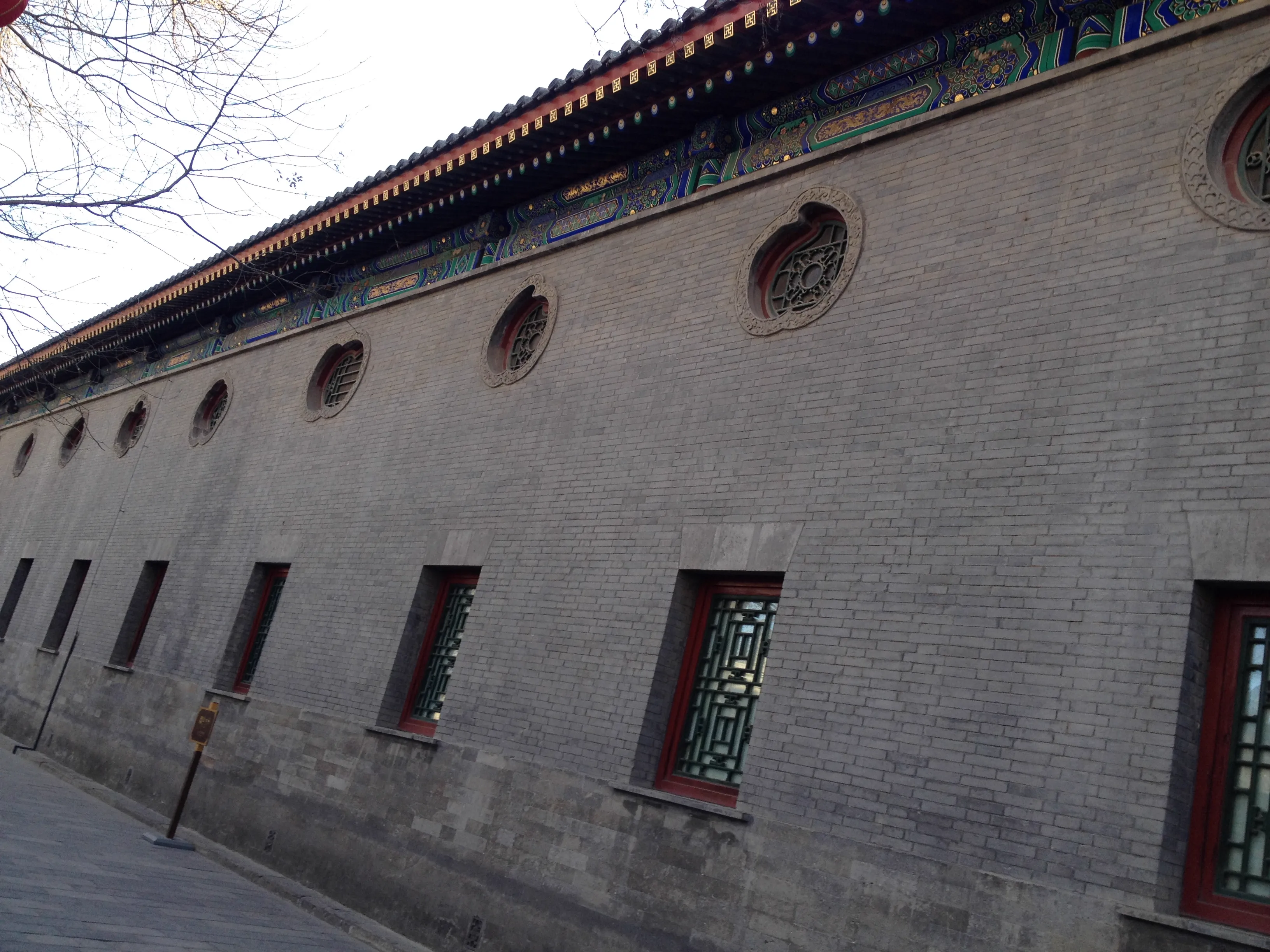
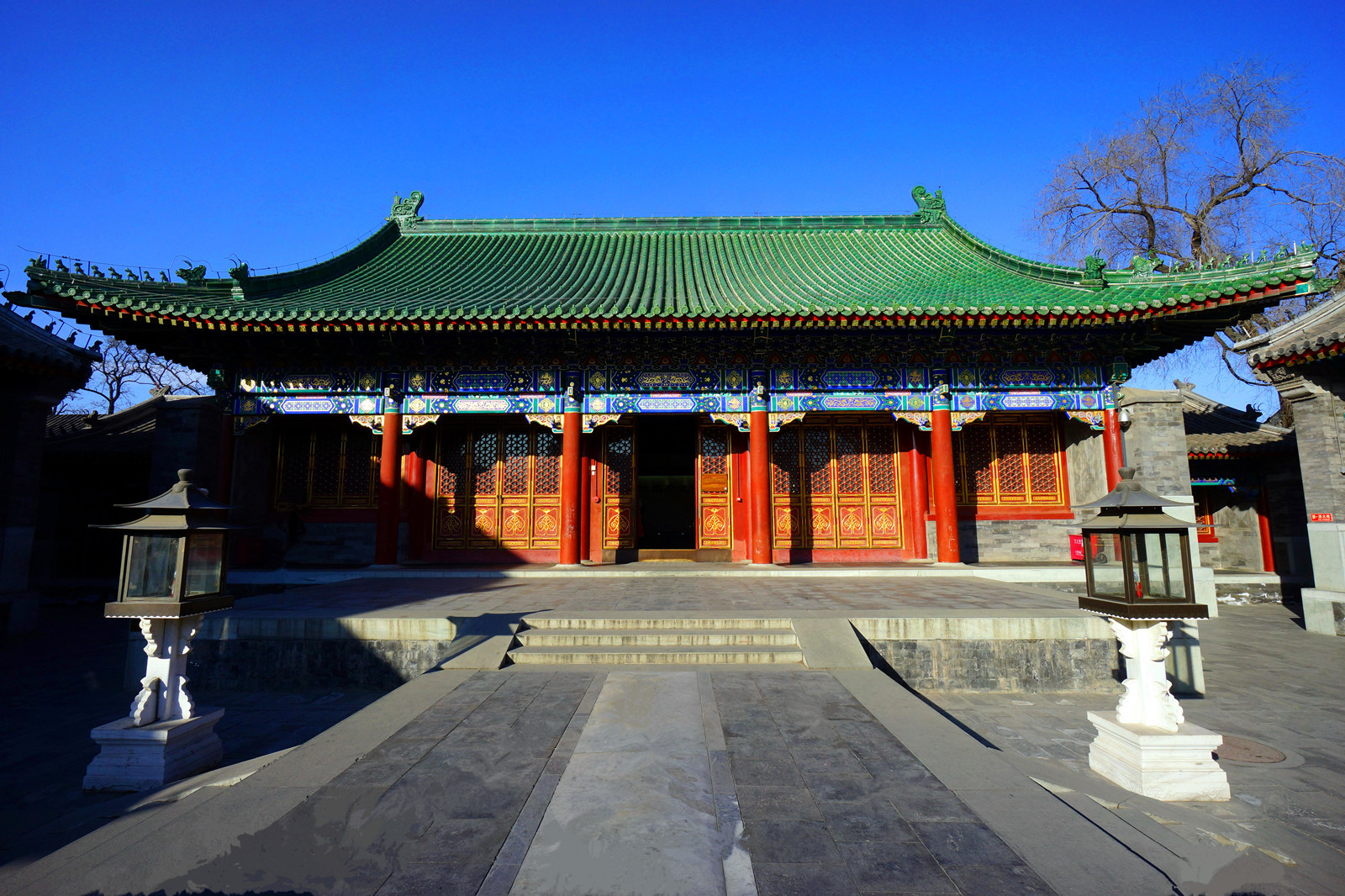
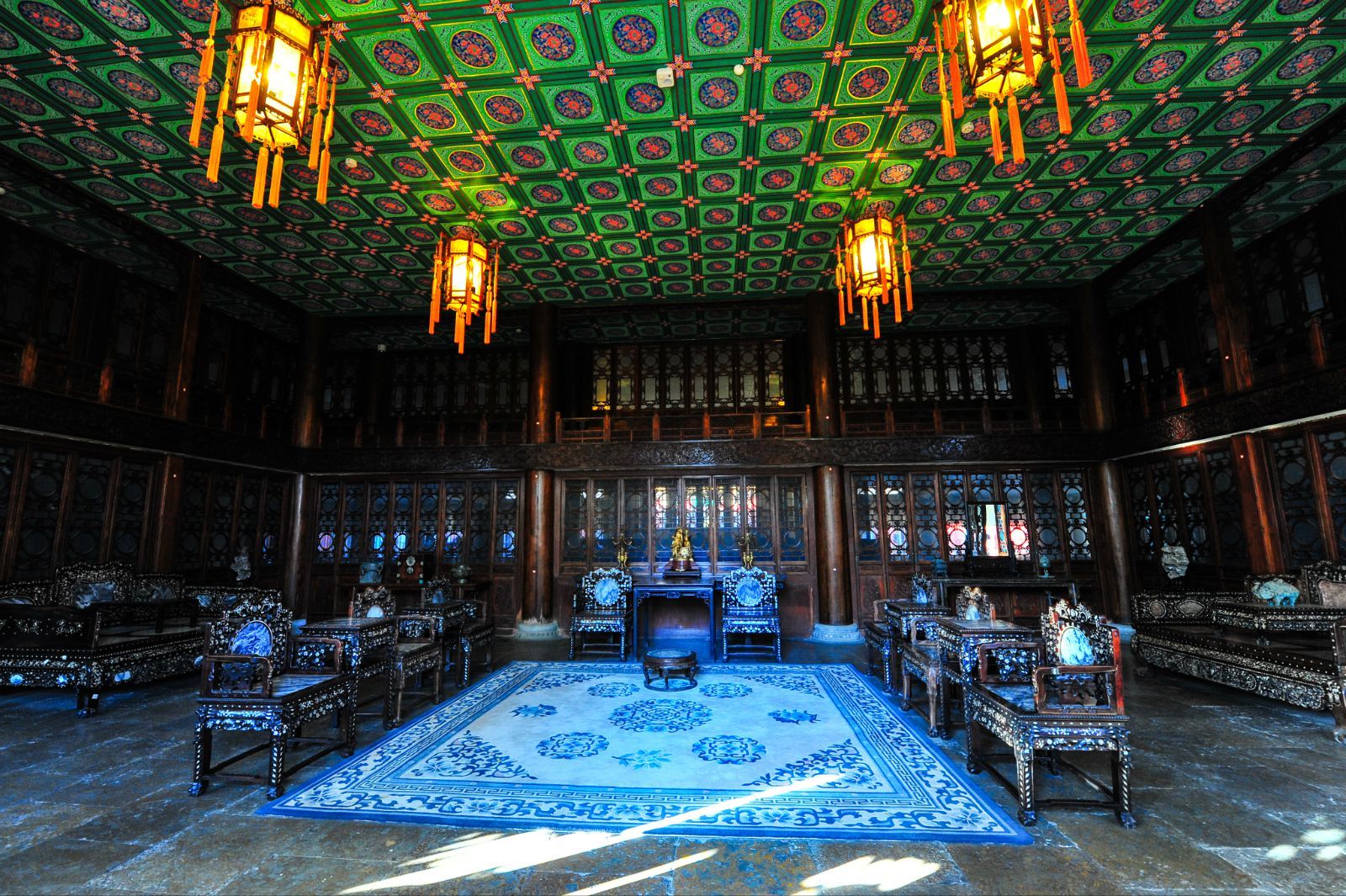
The mansion is divided into east, central, and west routes, each with a strict north-south axis. The central Yinan Hall (Silver Peace Hall) showcases the solemn grandeur of a prince’s seat, while the western Xijin Study (Xijin Zhai) reveals the forbidden luxury of Heshen’s nanmu wood chambers—a crime for which he was posthumously condemned. Stroll through these halls to feel the tension between sanctioned power and personal excess.
Visit the Duofuxuan Courtyard
On the east route, pause at the Duofuxuan (Hall of Abundant Blessings), where an ancient wisteria vine, over two centuries old, still explodes into purple blooms each spring. This was where Prince Gong received foreign envoys, making it a quiet witness to China’s first steps onto the global stage.
Discover the Garden’s Secrets
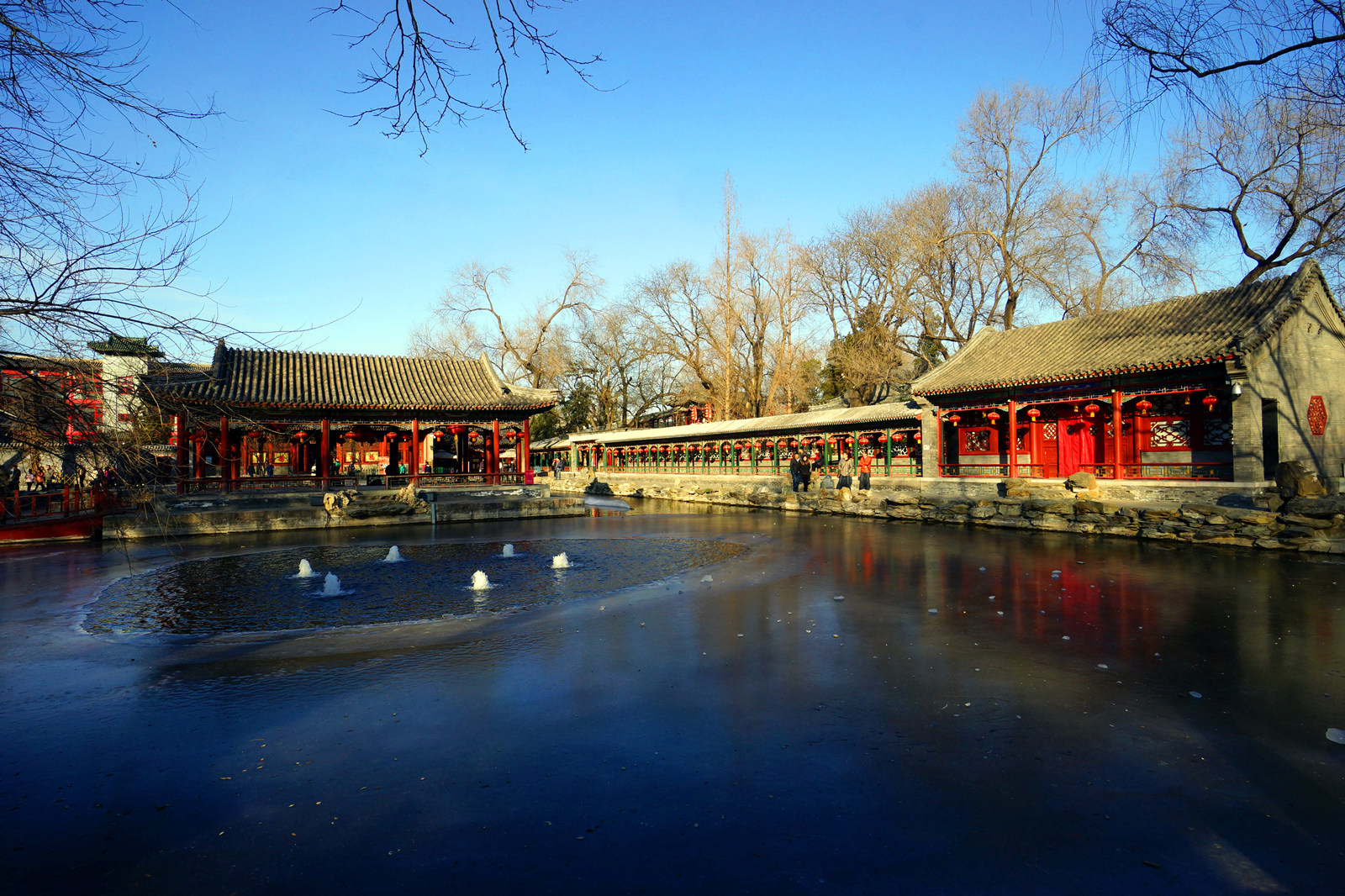
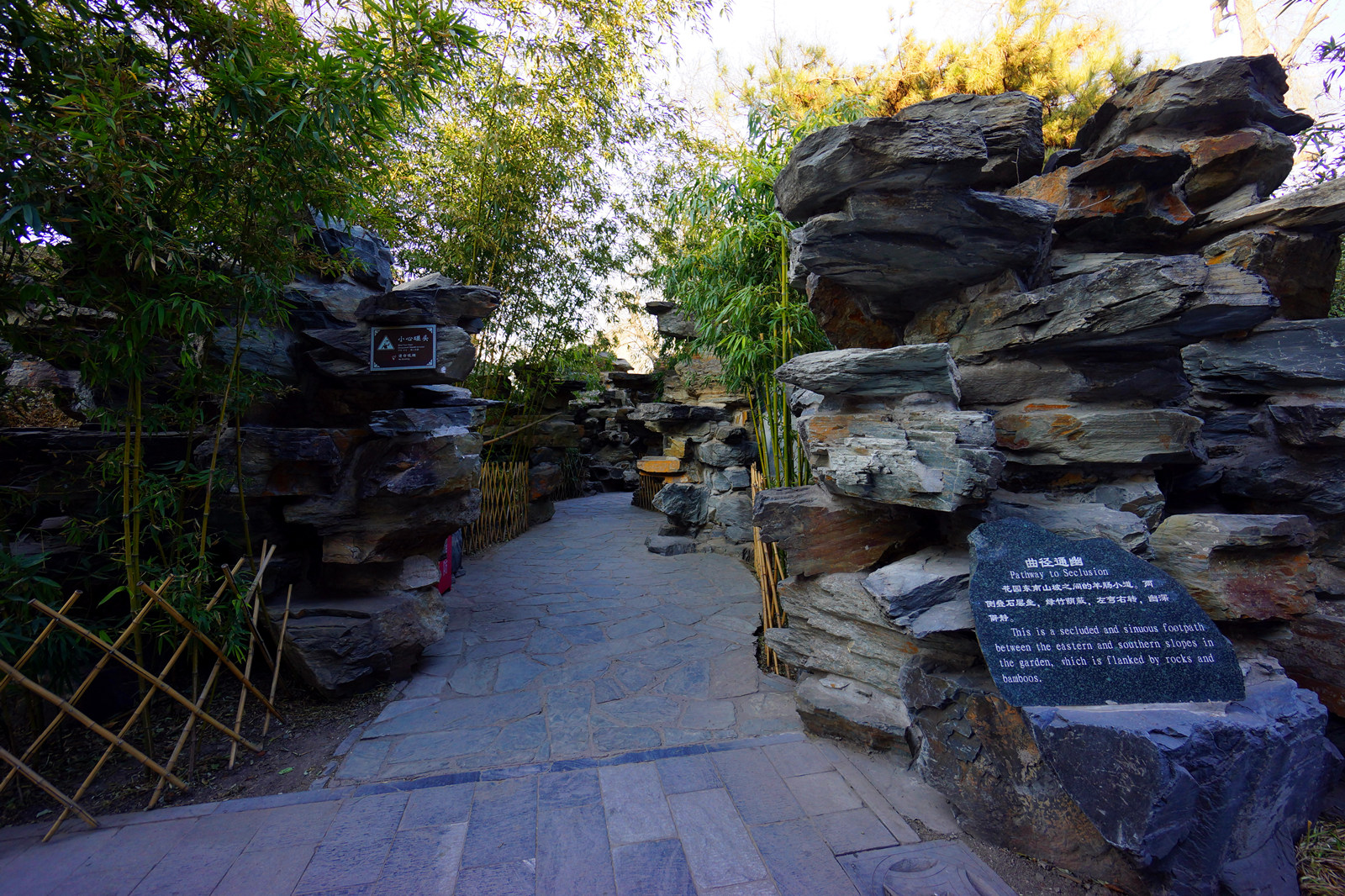
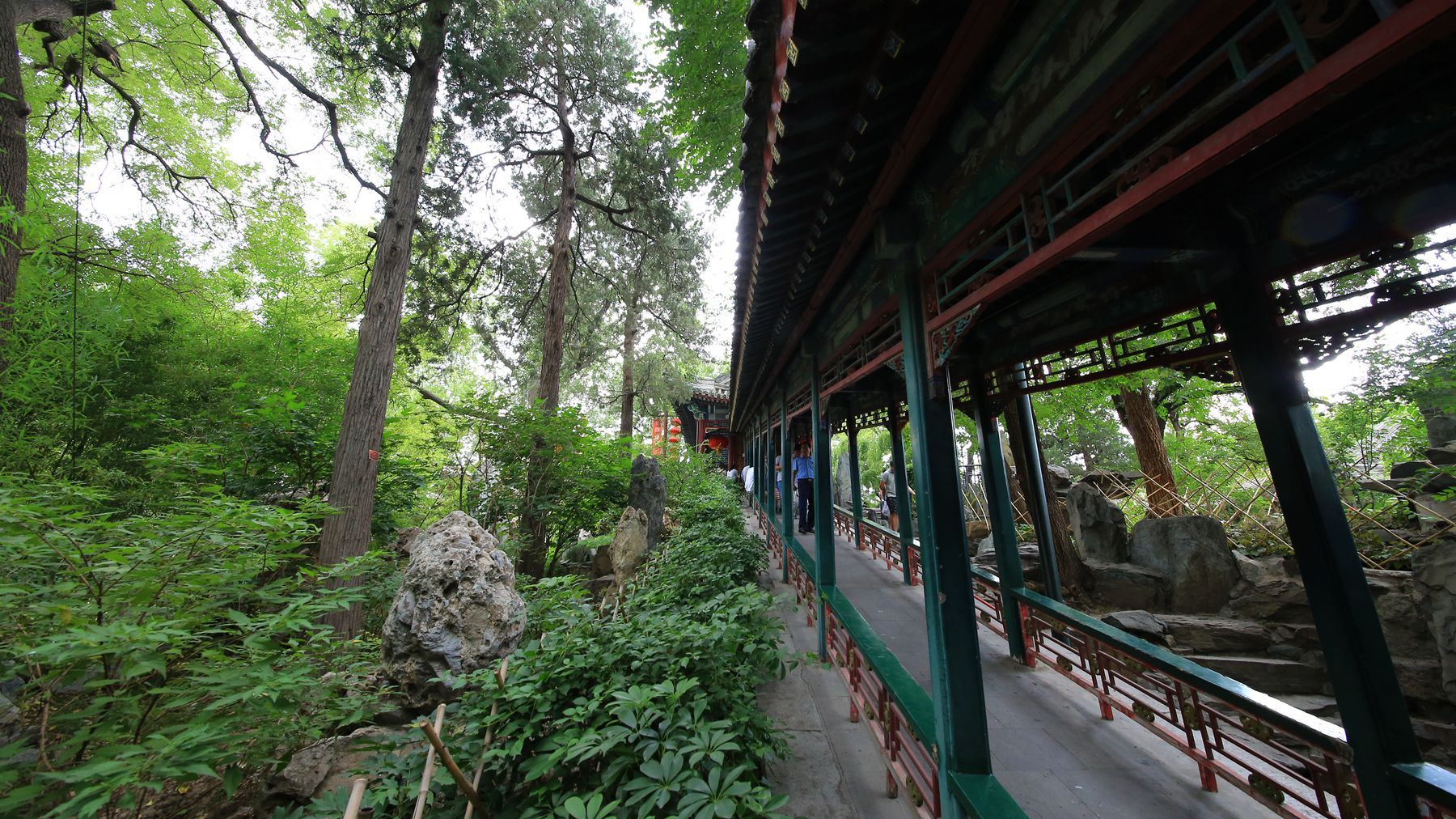
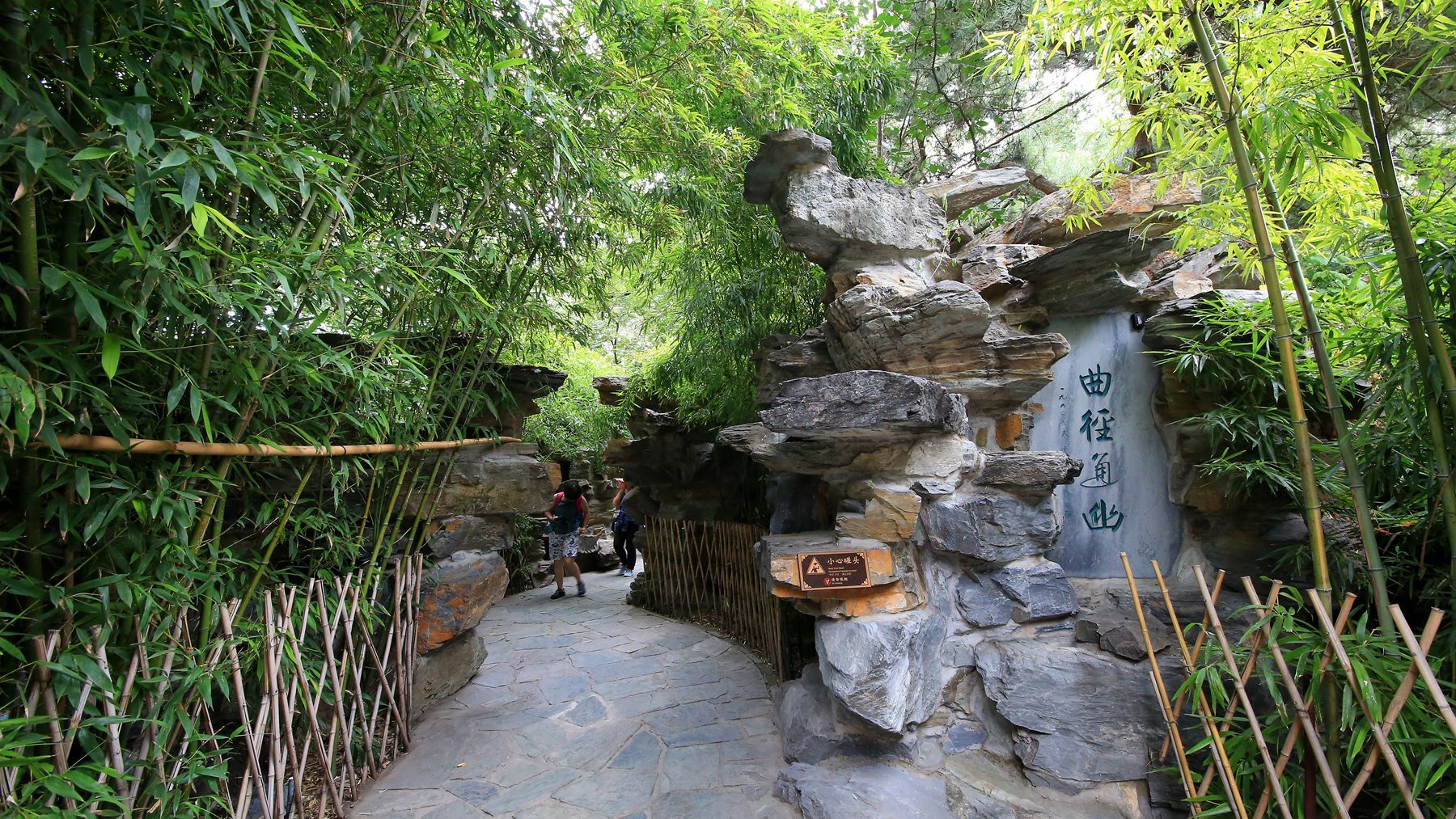
The rear garden, Cuijin Yuan, is a masterpiece of Chinese landscape design. Its centerpiece is the “Fu” (Blessing) Stela, a calligraphic treasure by Emperor Kangxi, hidden in the Mysterious Cloud Cave (Miyun Dong). The character ingeniously blends the characters for “son,” “field,” “talent,” “longevity,” and “blessing.” It’s said that touching the stone brings good fortune—hence the long queues. Also, step into the Grand Theater (Daxilou), a wooden pavilion with a carved grapevine ceiling, where the echoes of Peking opera still seem to linger.
Walk the Courtyards
Wander through the interconnected courtyards, each with its own rockeries, ponds, and pavilions. The layout is a microcosm of imperial cosmology, blending architecture with nature in perfect harmony.
Key Attractions Nearby
- Shichahai (Shicha Lake): A scenic area of three lakes just a 10-minute walk north, offering boat rides, lakeside bars, and traditional hutongs.
- Yandai Xiejie (Tobacco Pipe Street): A narrow, historic alley lined with shops selling antiques, snacks, and crafts—perfect for a post-mansion stroll.
- Drum Tower and Bell Tower: About 15 minutes east, these ancient timekeeping towers provide panoramic views of the old city.
- Prince Gong’s Mansion itself: Often overlooked, the surrounding hutongs (like Liulichang) are rich with calligraphy shops and courtyard homes.
Where to Dine
After exploring, refuel at nearby eateries that capture Beijing’s flavors. For a quick bite, try Yanjing Shifu on Liulichang Street for authentic Peking duck and zhajiangmian (noodles with fried sauce). For a more traditional experience, Nanluoguxiang (a short cab ride away) offers hole-in-the-wall spots like Jinding Xuan for lamb hotpot. For dessert, don’t miss Wenyou Ji for its legendary tanghulu (candied hawthorn skewers) and sweet bean pastries. If you prefer a sit-down meal, Shichahai’s lakeside restaurants serve imperial-style dishes with views of the water—try the braised sea cucumber or beggar’s chicken.
Weather & Best Time to Visit
Beijing experiences four distinct seasons. Spring (April-May) and autumn (September-October) are ideal, with mild temperatures and low humidity—perfect for wandering the gardens. The wisteria in Duofuxuan blooms in late April, drawing crowds. Summer (June-August) can be hot and humid, but the mansion’s shaded courtyards offer respite; however, expect larger crowds. Winter (November-March) is cold (averaging 0°C/32°F), but the mansion is less crowded, and the stark beauty of bare branches against red walls is haunting. To avoid the worst crowds, visit on a weekday morning or late afternoon.
Travel Tips
- Getting There: Take Subway Line 6 to Beihai North Station (Exit B) or Line 8 to Shichahai Station (Exit A). Both are a 10-minute walk. Buses 13, 42, 107, and 111 also stop nearby.
- Fees & Hours: Admission is 40 RMB (about $5.50). Open daily: April 1–October 31 from 8:00–17:00 (last entry at 16:00); November 1–March 31 from 9:00–16:00 (last entry at 15:00). Check for holiday closures.
- What to Bring: Comfortable walking shoes are essential—the complex is vast. In summer, bring a hat and water; in winter, dress in layers. A camera is a must for the garden and architecture. Consider a guidebook or audio guide (available at the entrance) to enrich your visit.
- Etiquette: No smoking or loud conversation in halls. Photography is allowed, but flash may be restricted near artifacts. Be mindful of queues for the “Fu” stela.
Prince Gong’s Mansion is more than a tourist site—it’s a portal to China’s imperial soul. Whether you’re a history buff, an architecture lover, or a curious traveler, its halls and gardens will leave you with a profound sense of a world long gone, yet still whispering.