Overview & History
To truly understand Beijing, one must look beyond the Forbidden City's golden roofs and into the poetic landscapes of Beihai Park. Located just west of Jingshan Park and northwest of the Forbidden City, Beihai Park is one of China's oldest and best-preserved imperial gardens, with a history spanning nearly a thousand years. Originally built as an imperial detached palace during the Liao, Jin, and Yuan dynasties, it was later converted into a royal garden during the Ming and Qing dynasties—a place where emperors sought leisure and inspiration away from the court.
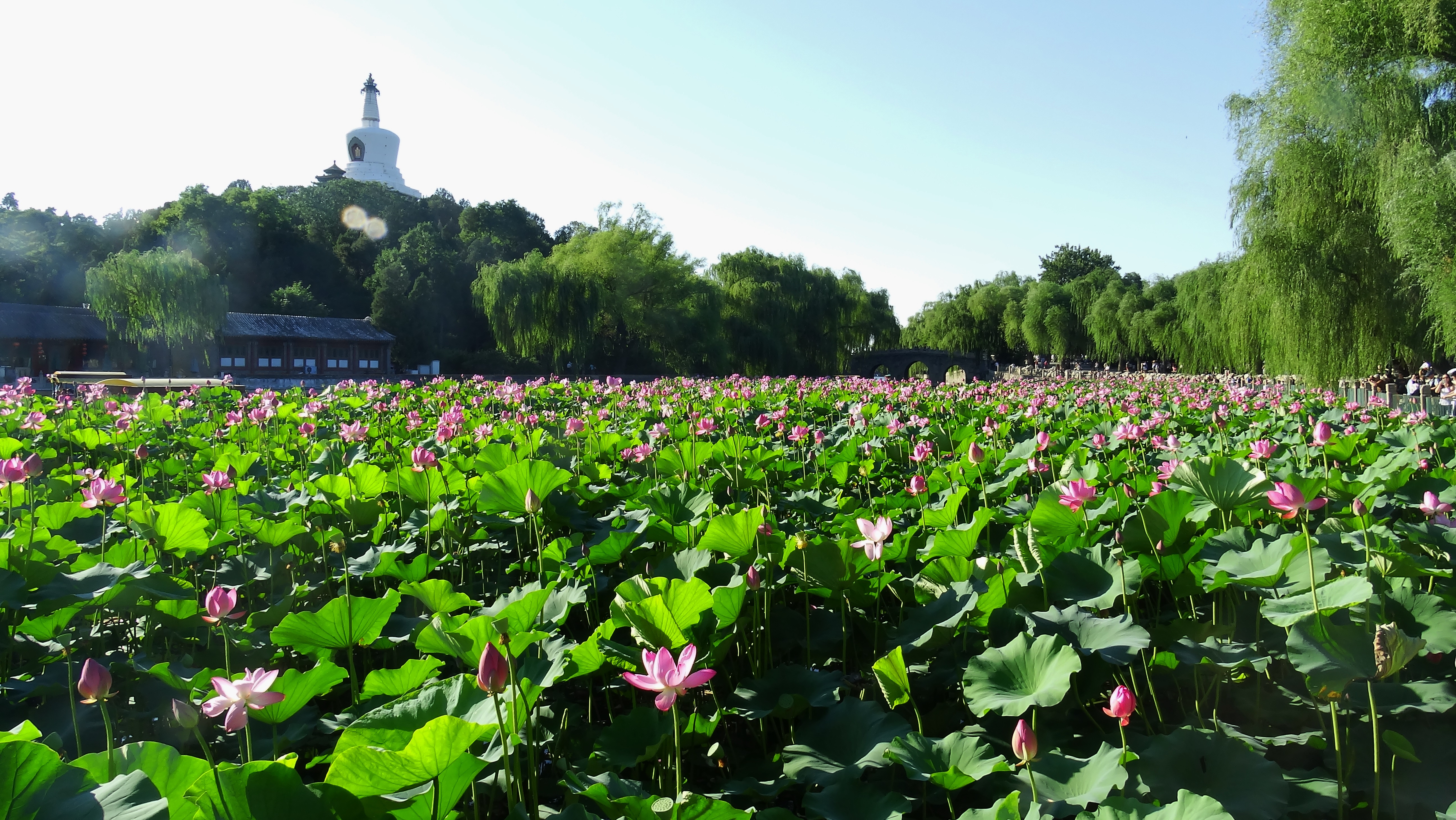
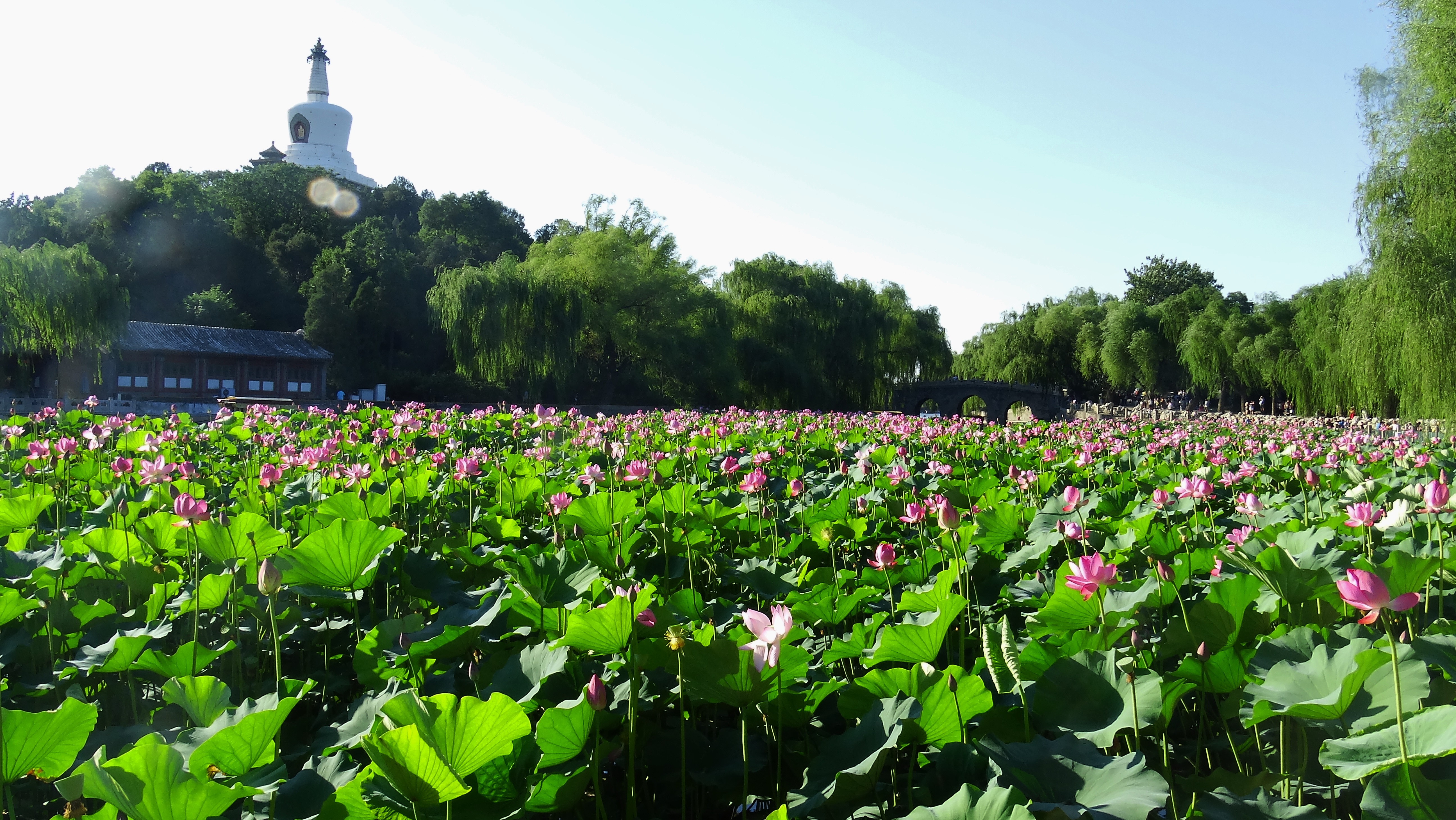
Beihai Park covers an area of 69 hectares, with 39 hectares of water surface. Its layout is based on the ancient Chinese myth of "One Pool, Three Mountains," where the Taiye Pool (the lake) represents the celestial sea, and Qionghua Island (modeled after Penglai), Tuancheng (modeled after Yingzhou), and a small pavilion in the water represent the three mythical islands of immortals. This design allowed emperors to enjoy a paradise on earth. The iconic White Pagoda, standing tall on Qionghua Island, is the park's most recognizable landmark, offering breathtaking views of the Forbidden City and Zhongnanhai. The childhood song "Let Us Row Our Boat" immortalized Beihai's scenery with its lyrics: "The lake reflects the beautiful white pagoda, surrounded by green trees and red walls." Today, Beihai Park remains a must-visit destination for anyone traveling to Beijing.
Highlights & Activities
Beihai Park is divided into three main scenic areas: Qionghua Island, the North Bank, and the East Bank, each offering unique experiences.
- Qionghua Island: This is the heart of the park, dominated by the majestic White Pagoda. Climb the steps of the Yong'an Temple complex to feel the solemnity of Tibetan Buddhism and enjoy panoramic views of the city. Don't miss the "Qionghua Spring Shade," one of the "Eight Great Scenes of Yanjing" personally chosen by Emperor Qianlong, where rocks and trees burst with life in spring. The Yuegu Building houses exquisite calligraphy stone carvings from past dynasties.
- North Bank: This area is home to some of the park's greatest treasures. The Nine-Dragon Wall is a masterpiece of Ming and Qing glazed tile art, with nine dragons soaring through clouds on both sides. Next door, Jingxin Studio (the Heart-Ease Studio) is a "garden within a garden," blending pavilions, rockeries, and water features in a delicate Jiangnan style. The grand Xiaoxitian Hall and the Five-Dragon Pavilion, extending into the lake, create classic views of the White Pagoda reflected in the water.
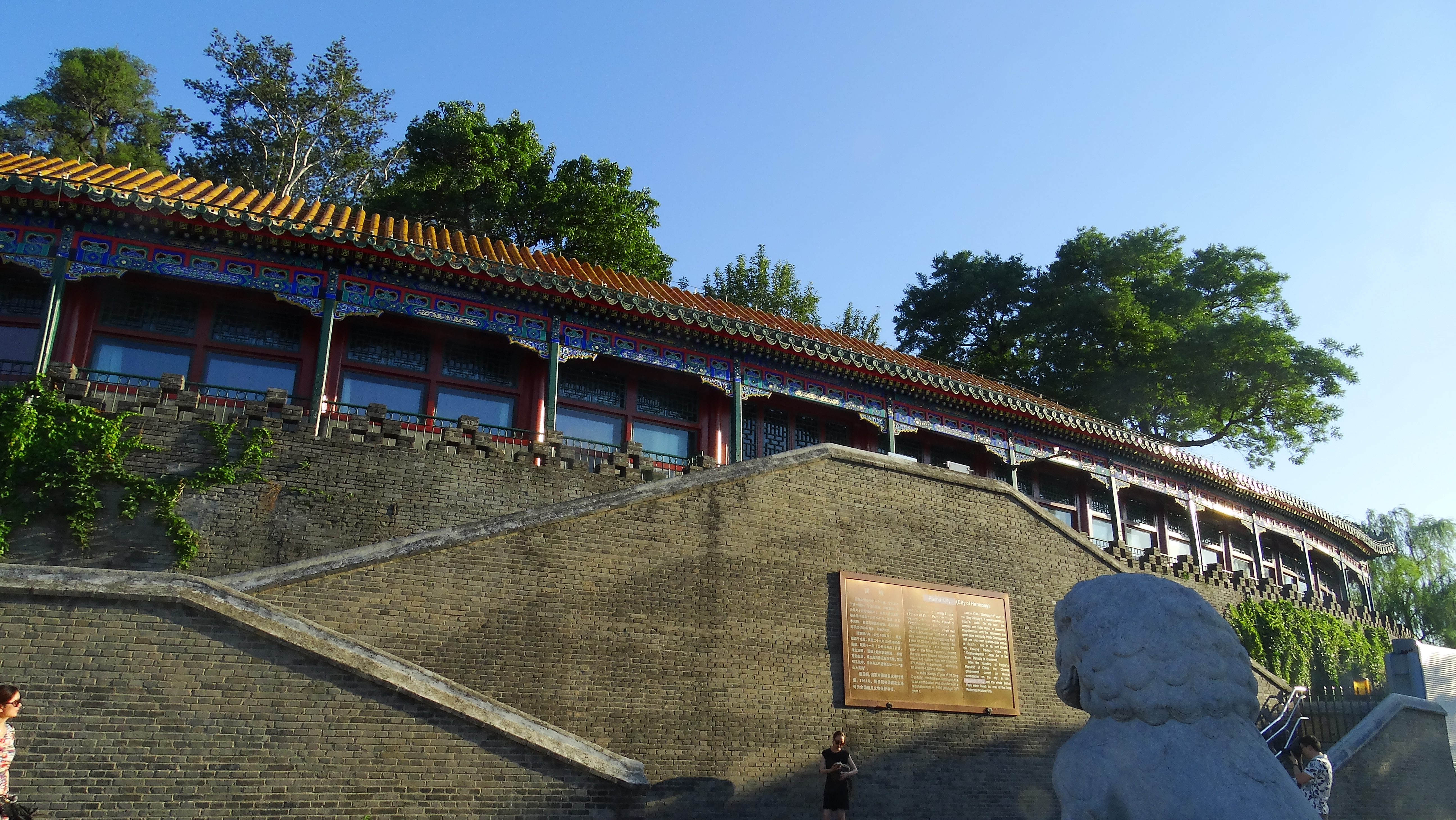
- East Bank: For a quieter experience, visit Haopu Hall, where stone bridges, winding corridors, and water pavilions create an illusion of deep, secluded space. This area exemplifies the ancient garden philosophy of "seeing the big in the small."
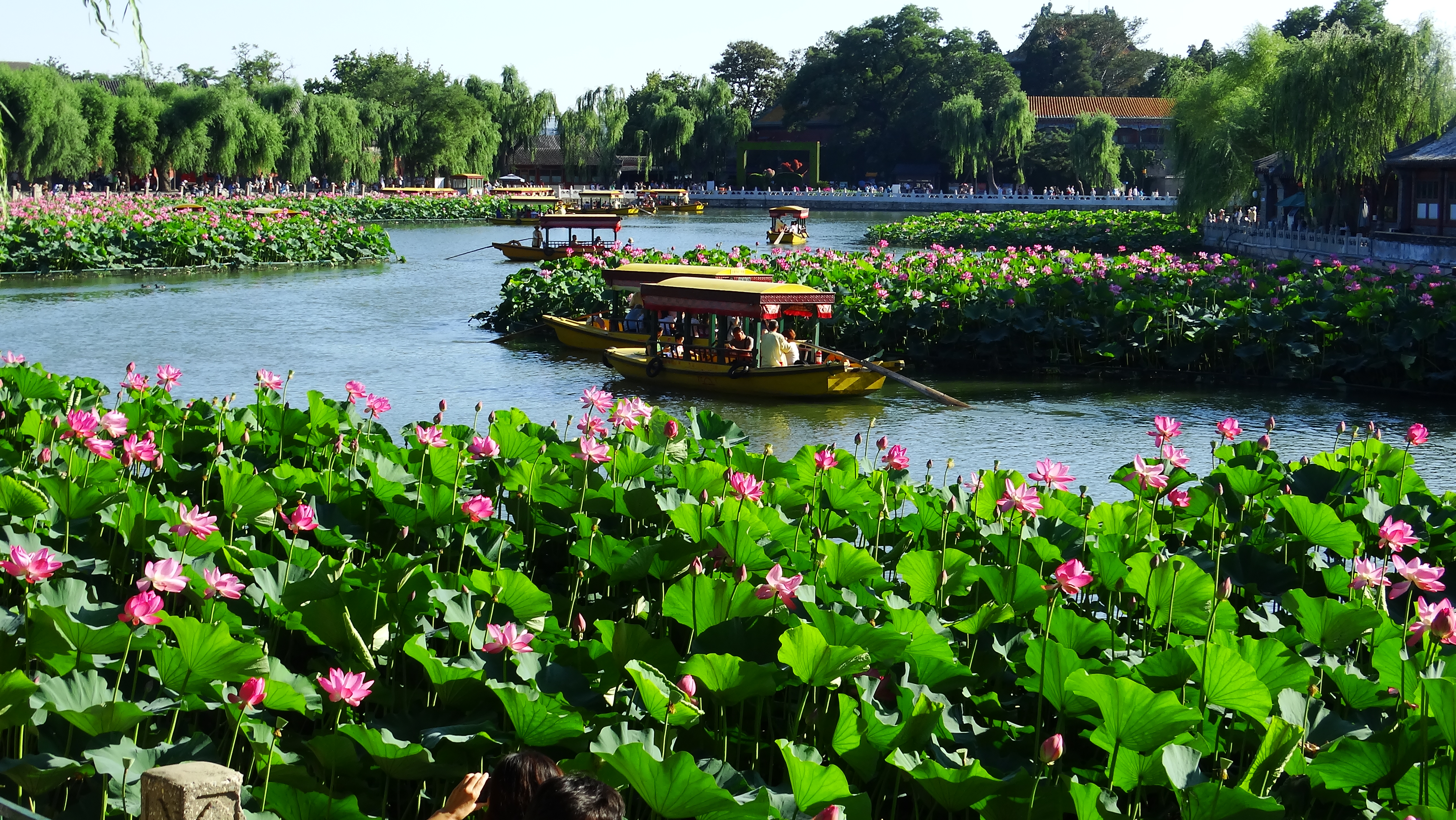
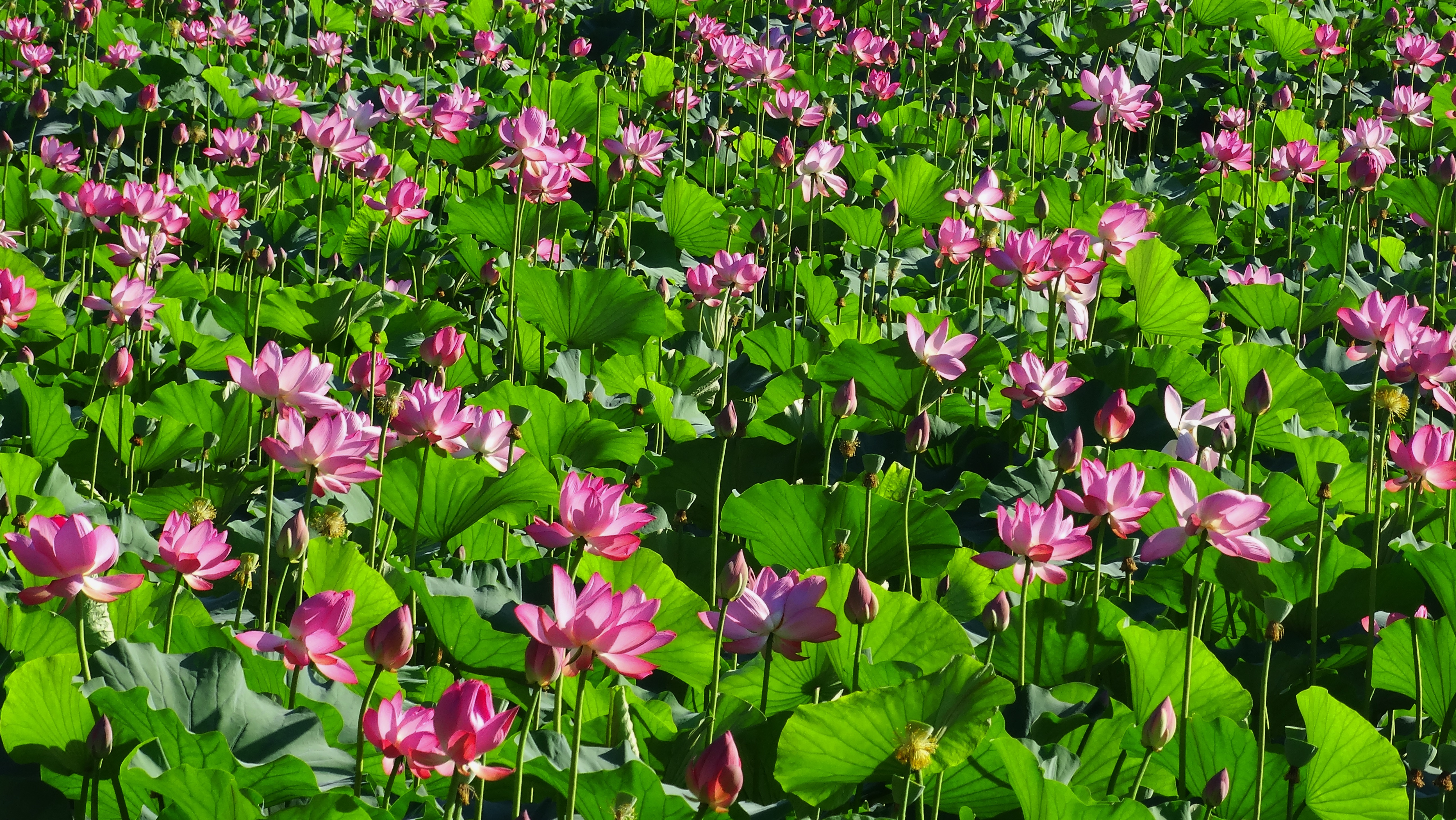
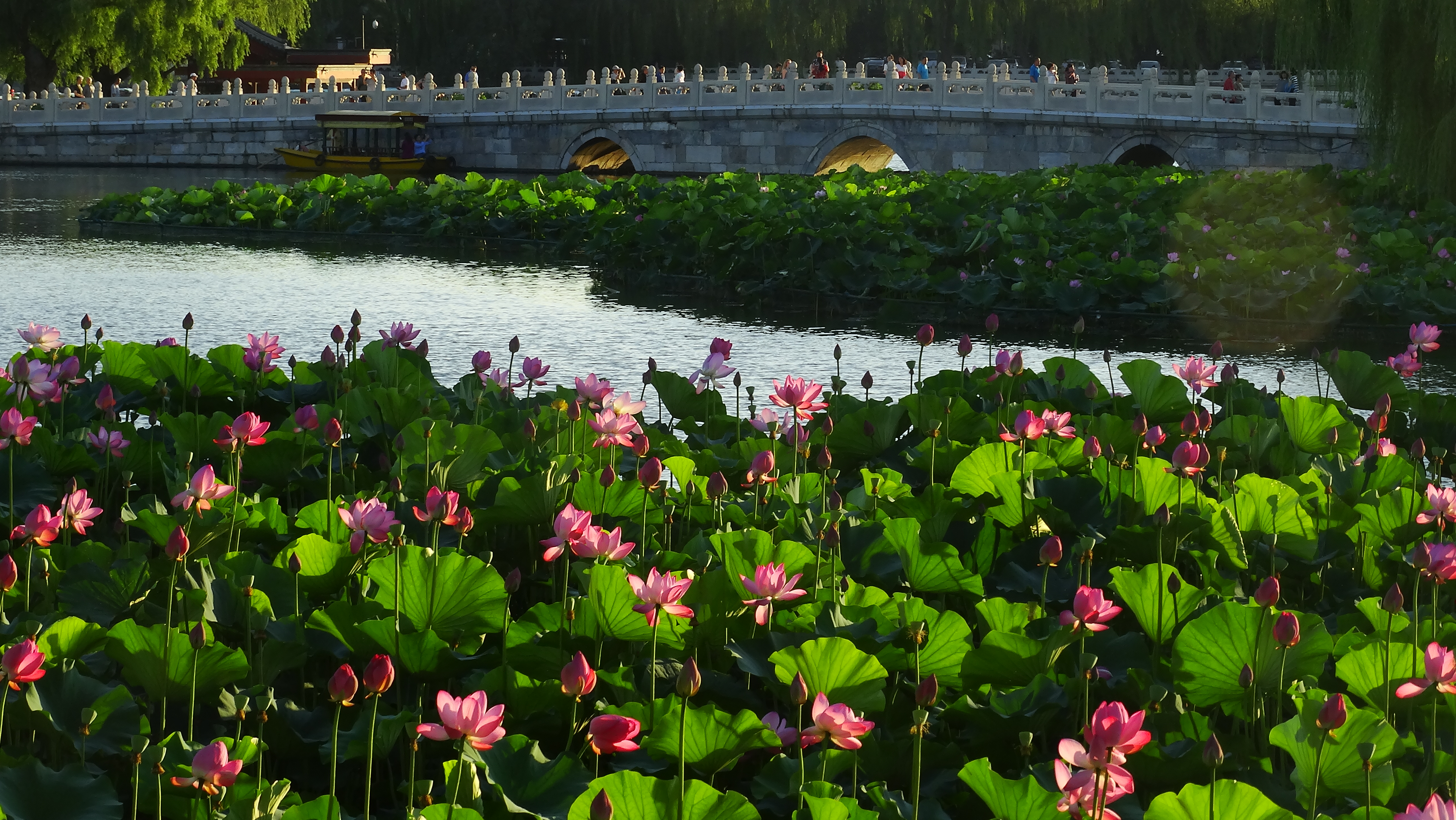
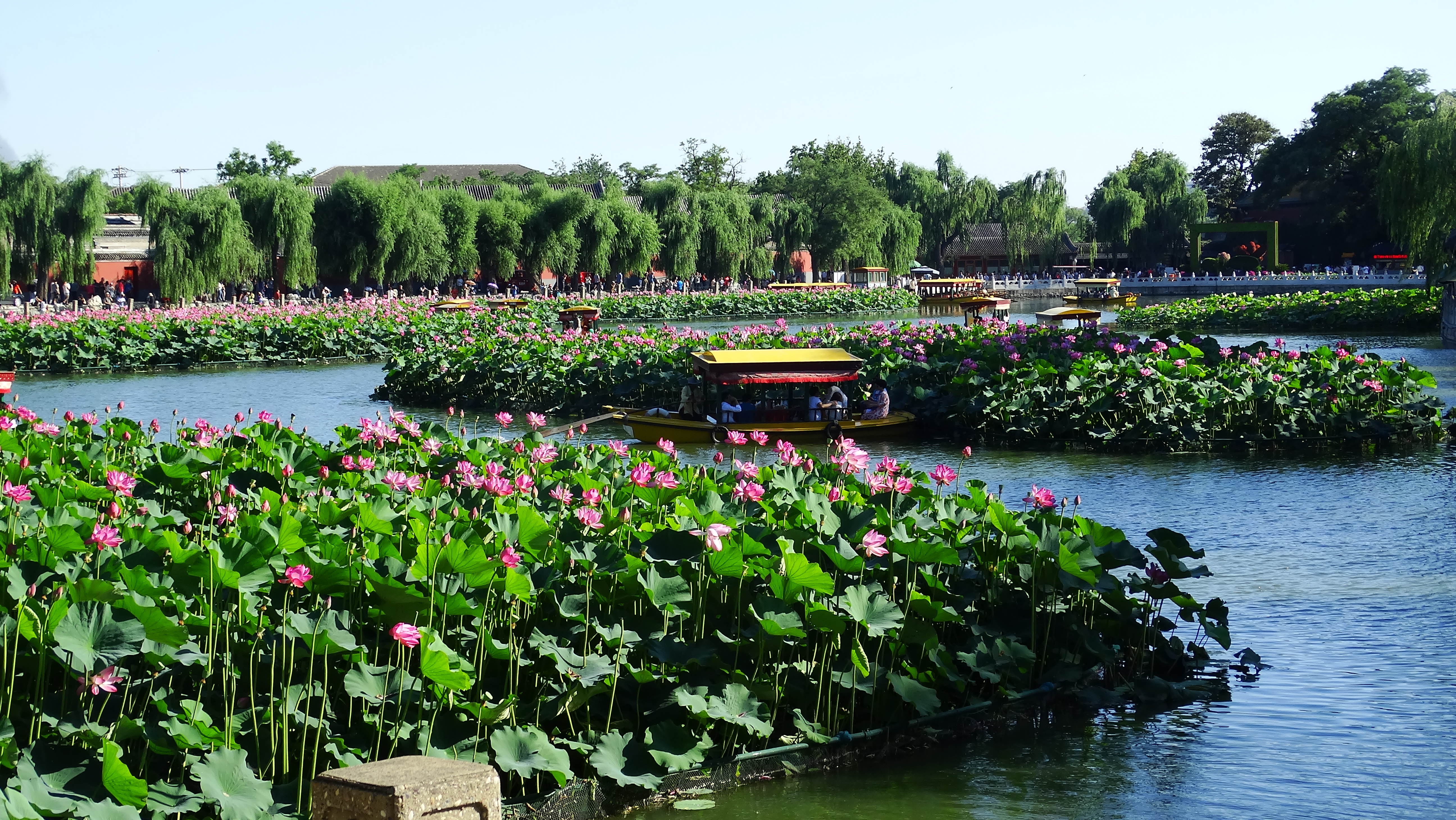
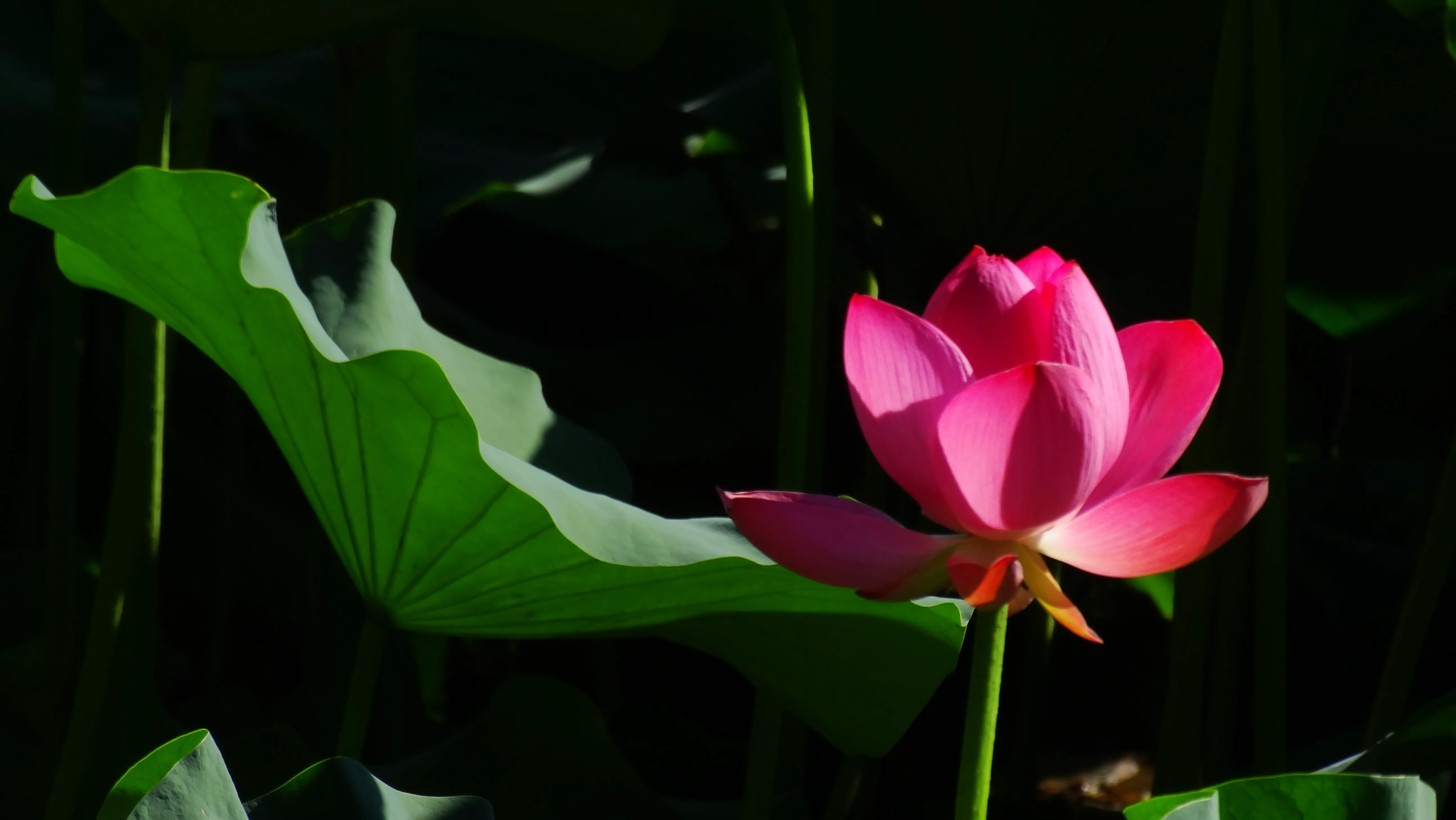
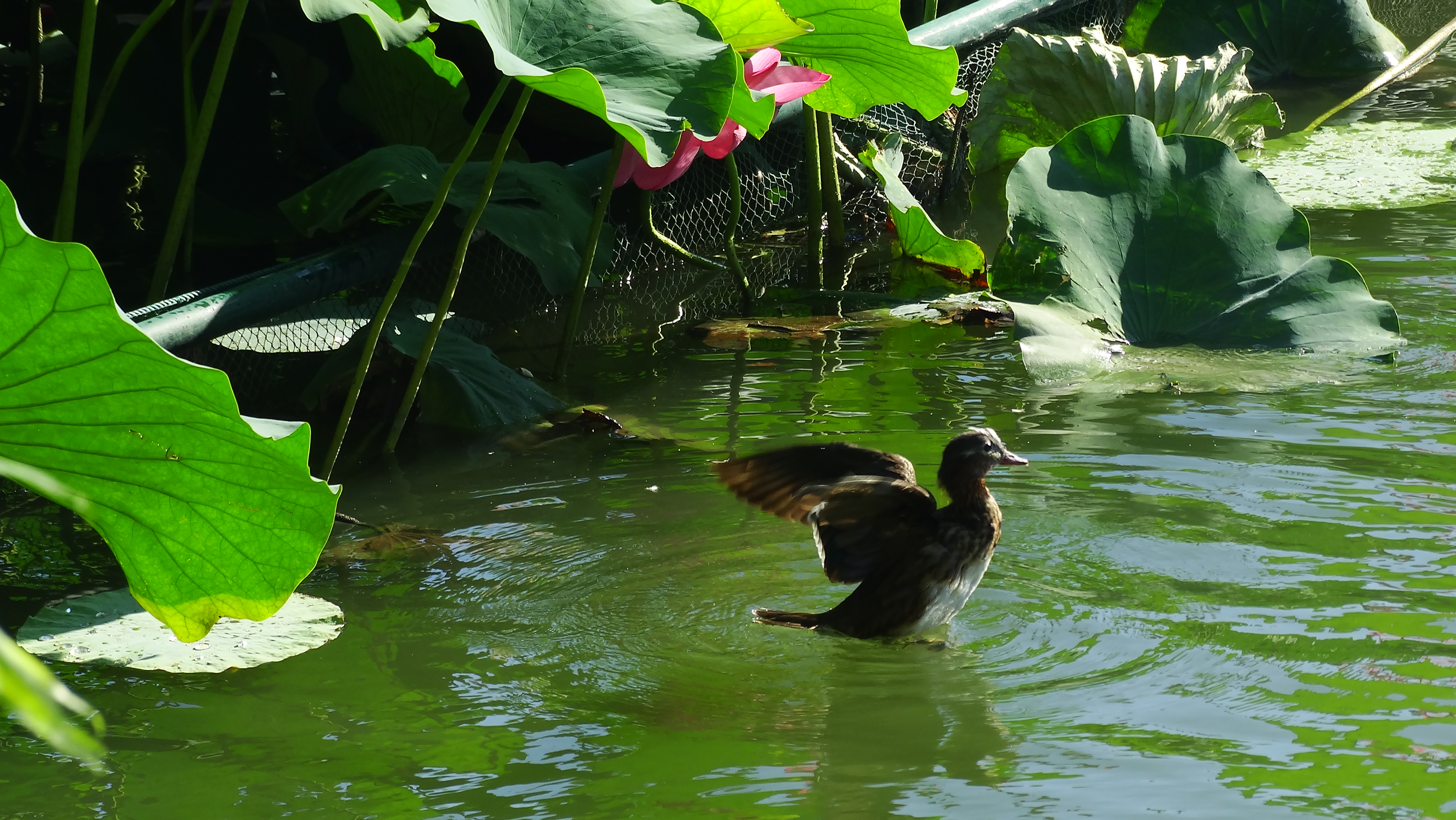
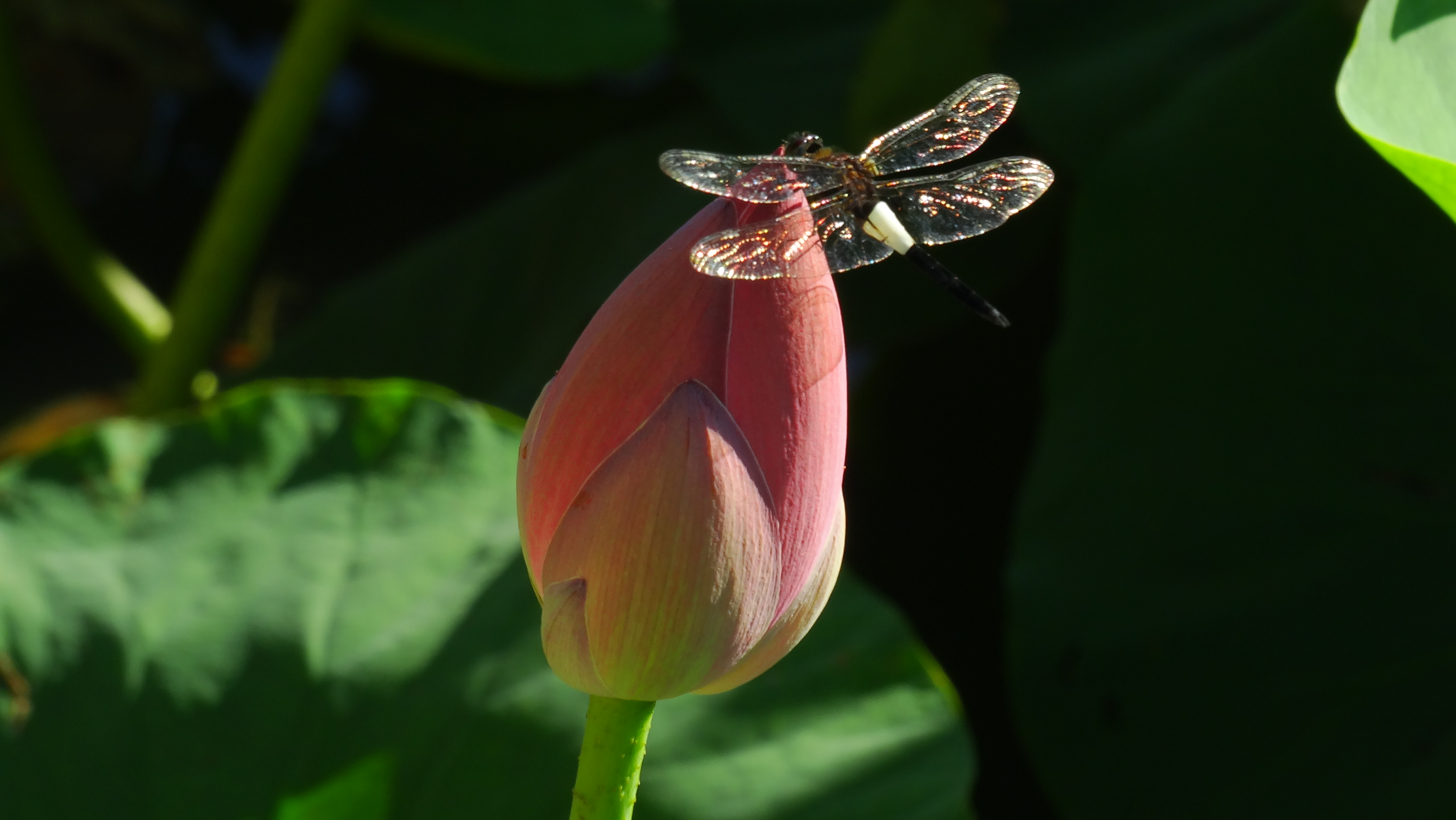
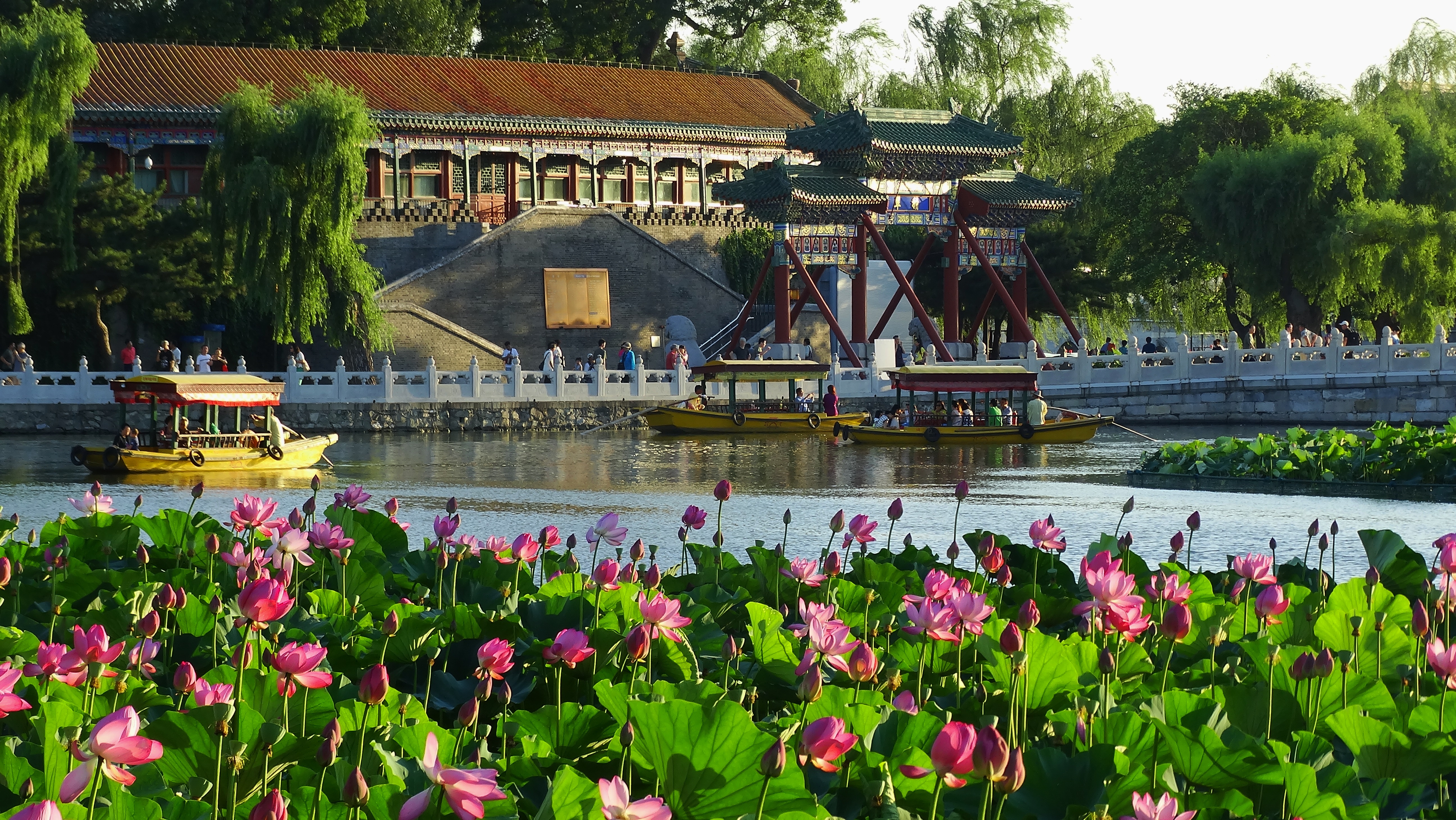
In summer, the Beihai Park Lotus Festival is a highlight. Lotus flowers bloom in red and green across the lake, with turtles and birds adding to the paradise-like atmosphere. Emperor Qianlong once praised this scene in a poem: "The evening breeze carries the lingering fragrance of lotus, bamboo dew taps the green jade sound."
Key Attractions Nearby
Beihai Park is surrounded by other notable sites that enrich any visit to the area.
- Former Residence of Soong Ching Ling: Located nearby, this elegant garden courtyard was once home to Soong Ching Ling, the wife of Sun Yat-sen. The property has a rich history, having been the residence of Nalan Mingzhu (a high-ranking official in the Kangxi era), the poet Nalan Xingde, the corrupt official Heshen, and several princes of the Qing dynasty. The garden features the "Mingkai Yehe" tree planted by Nalan Xingde, along with Qing-era buildings like the Sha Pavilion and Tingyu House. The main building, added in 1961 under Premier Zhou Enlai's direction, blends Chinese garden style with Western villa elements. Soong Ching Ling lived here from 1963 until her death in 1981. Opening hours: April-October 9:00-17:00; November-March 9:00-16:00. Ticket price: 20 yuan.
- Shichahai (Houhai, Qianhai, Xihai): Just north of Beihai, this area of interconnected lakes is famous for its hutongs, bars, and traditional courtyard houses. It's a lively spot for evening walks and exploring Beijing's old alleyways.
- Jingshan Park: Directly east of Beihai, Jingshan Park offers a panoramic view of the Forbidden City from its hilltop. It's a perfect complement to a Beihai visit.
Where to Dine
While Beihai Park itself has limited dining options, the surrounding area offers a variety of local flavors.
- Near the North Gate: Several small restaurants serve Beijing-style noodles, dumplings, and snacks. Look for "zhajiangmian" (noodles with fried sauce) or "jiaozhi" (steamed dumplings).
- Shichahai Area: Just a short walk north, the lakeside is lined with restaurants offering everything from Peking duck to hotpot, as well as trendy cafes and bars.
- Traditional Tea Houses: For a more refined experience, visit a tea house near the park, where you can enjoy Chinese tea and pastries while overlooking the lake.
Weather & Best Time to Visit
Beijing has a continental monsoon climate, with hot, humid summers and cold, dry winters.
- Spring (April-May): Mild temperatures and blooming flowers make this an ideal time. The "Qionghua Spring Shade" is at its best.
- Summer (June-August): Hot and crowded, but the lotus festival (July-August) is a major draw. Early mornings or late afternoons are best to avoid heat and crowds.
- Autumn (September-October): Perhaps the best season, with crisp air, clear skies, and golden leaves. The "Taiye Autumn Breeze" scene is particularly beautiful.
- Winter (November-March): Cold and less crowded. The park can be serene, with snow-covered pagodas and frozen lakes offering a different kind of beauty.
Summer is peak tourist season, so expect larger crowds. For a more peaceful visit, consider weekdays or early mornings.
Travel Tips
- Getting There: Take Metro Line 6 to Beihai North Station, or buses 5, 13, 107, 118, 623 to Beihai Park Station. Address: No. 1 Wenjin Street, Xicheng District.
- Opening Hours: April-October: 6:30-21:00 (ticket sales stop at 20:30); November-March: 6:30-20:00 (ticket sales stop at 19:30).
- Ticket Prices: Peak season (April-October): 10 yuan for park entry, 20 yuan for a combo ticket (includes Qionghua Island and Tuancheng). Low season (November-March): 5 yuan for park entry, 15 yuan for combo ticket.
- What to Bring: Comfortable walking shoes are essential, as the park is large. In summer, bring sunscreen, a hat, and water. In winter, dress warmly. A camera is a must for capturing the stunning scenery.
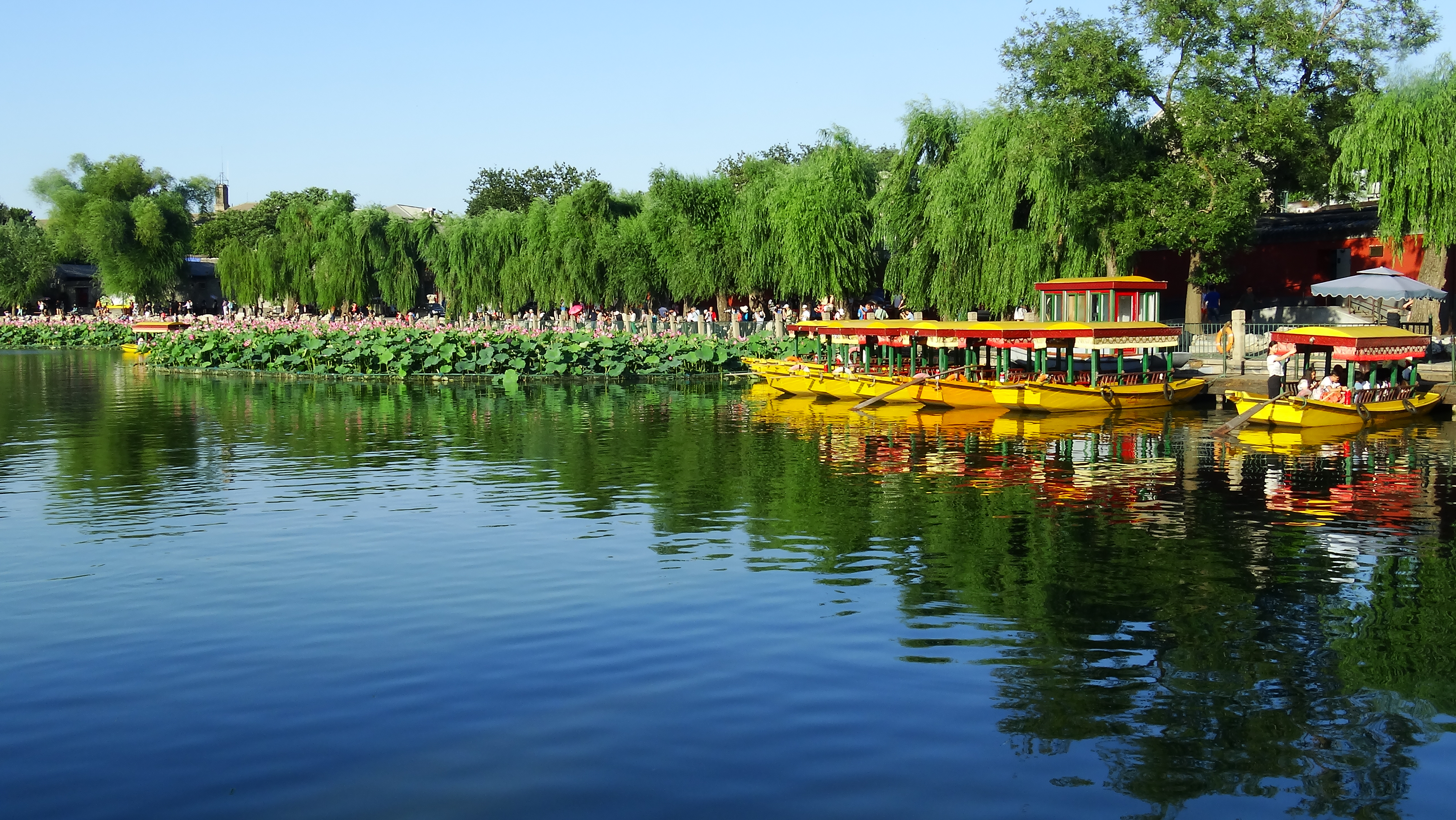
- Boat Rides: The famous song "Let Us Row Our Boat" describes rowing on Beihai. Today, boats are electric, but you can still rent them for a leisurely ride on the lake. Summer is the best time for this activity.
- Plan Your Route: Start at Qionghua Island, then explore the North Bank for the Nine-Dragon Wall and Jingxin Studio, and finish at the East Bank for a quieter stroll. Allow at least 2-3 hours for a thorough visit.
Beihai Park is not just a garden; it's a living piece of Chinese history and culture. Whether you're seeking imperial grandeur, poetic landscapes, or a nostalgic boat ride, this park offers an unforgettable experience in the heart of Beijing.