Overview & History
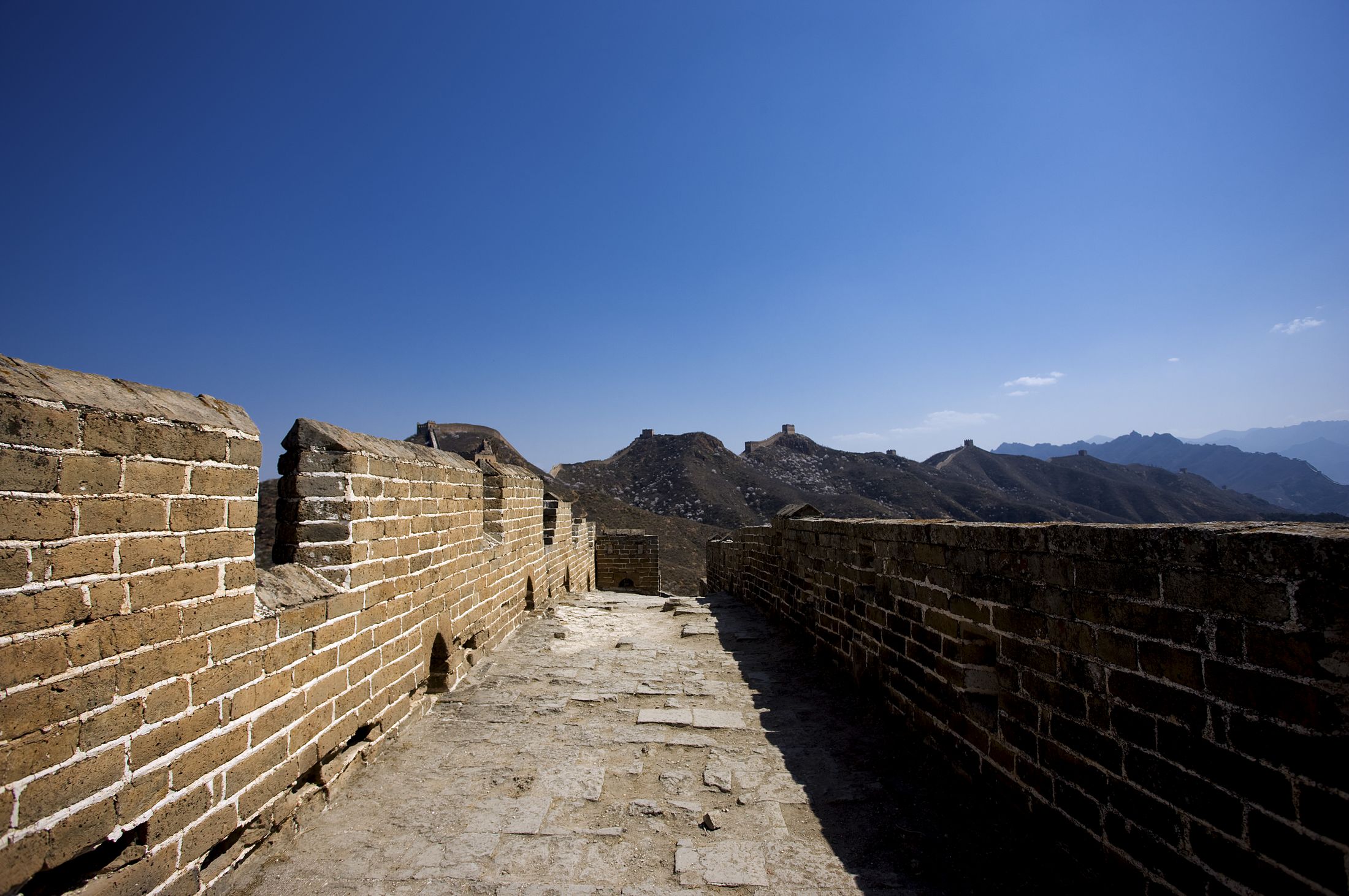
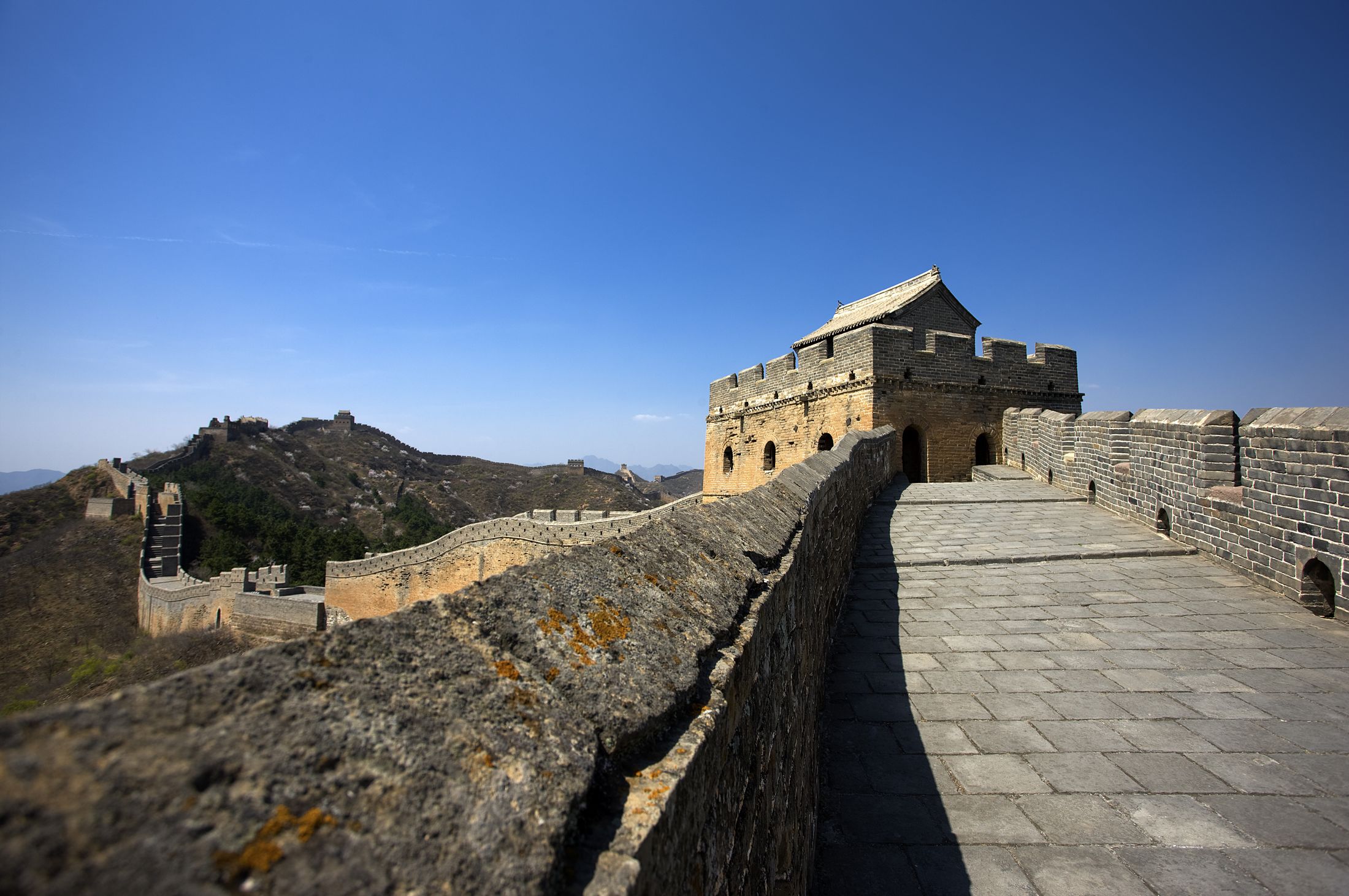
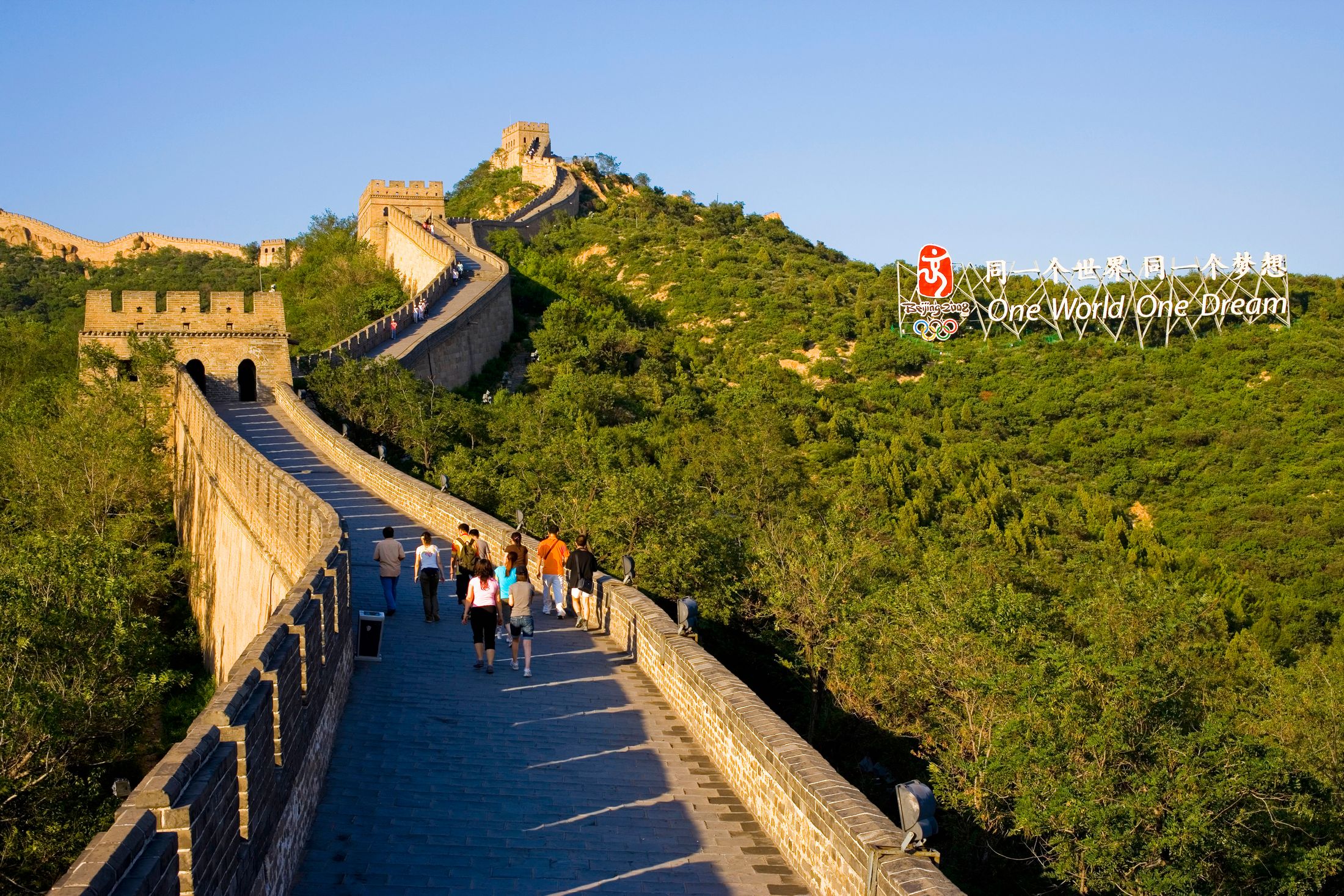
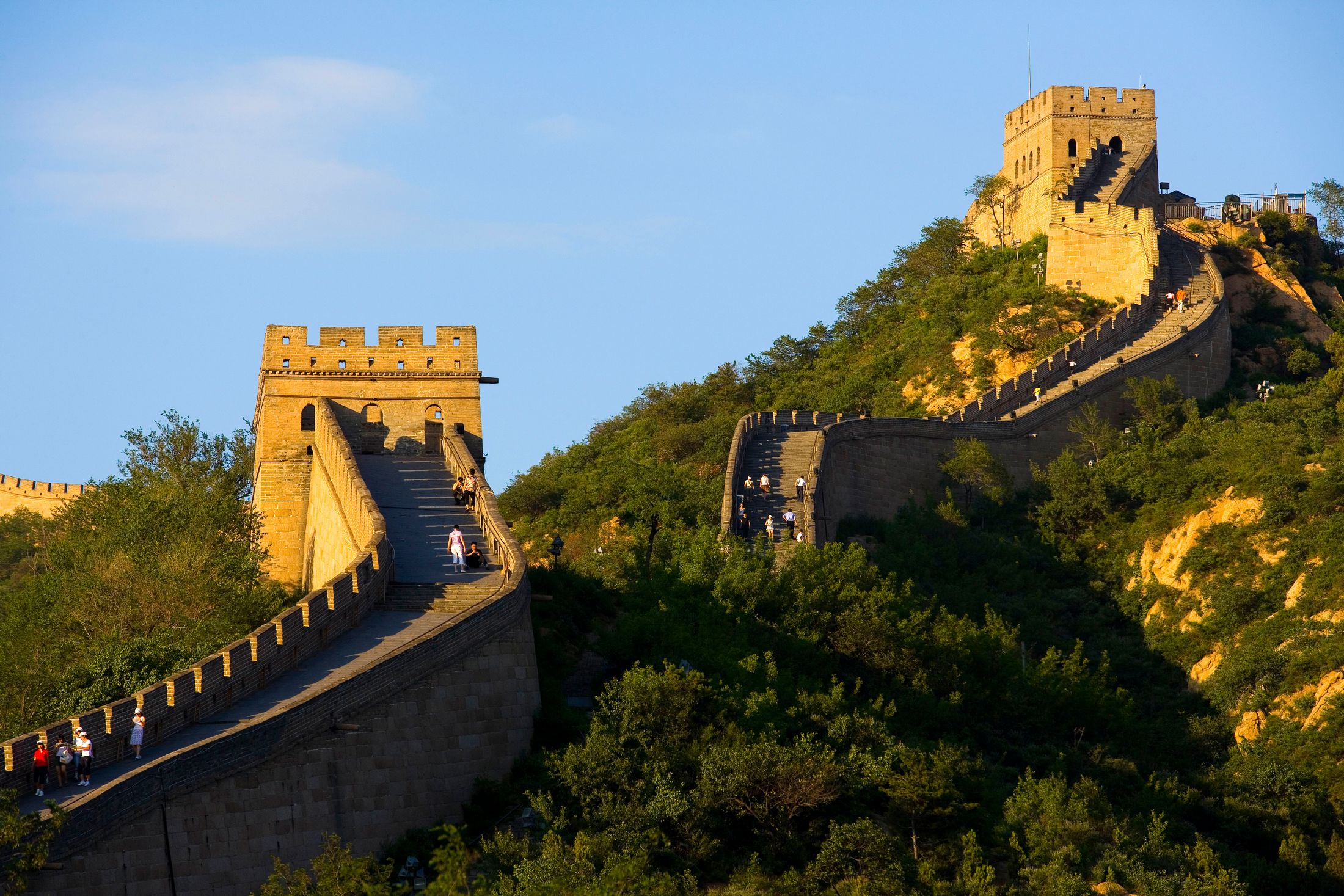
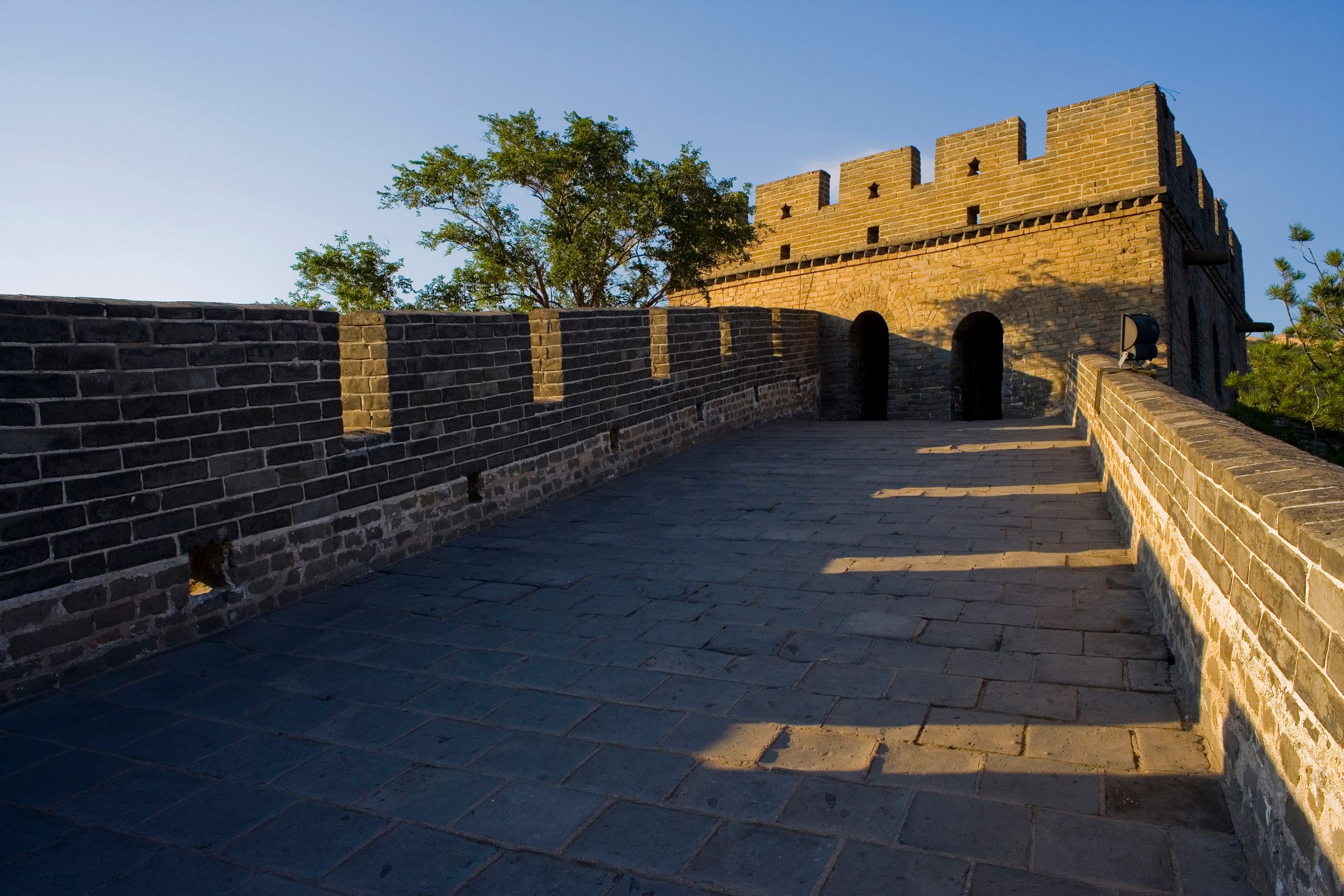
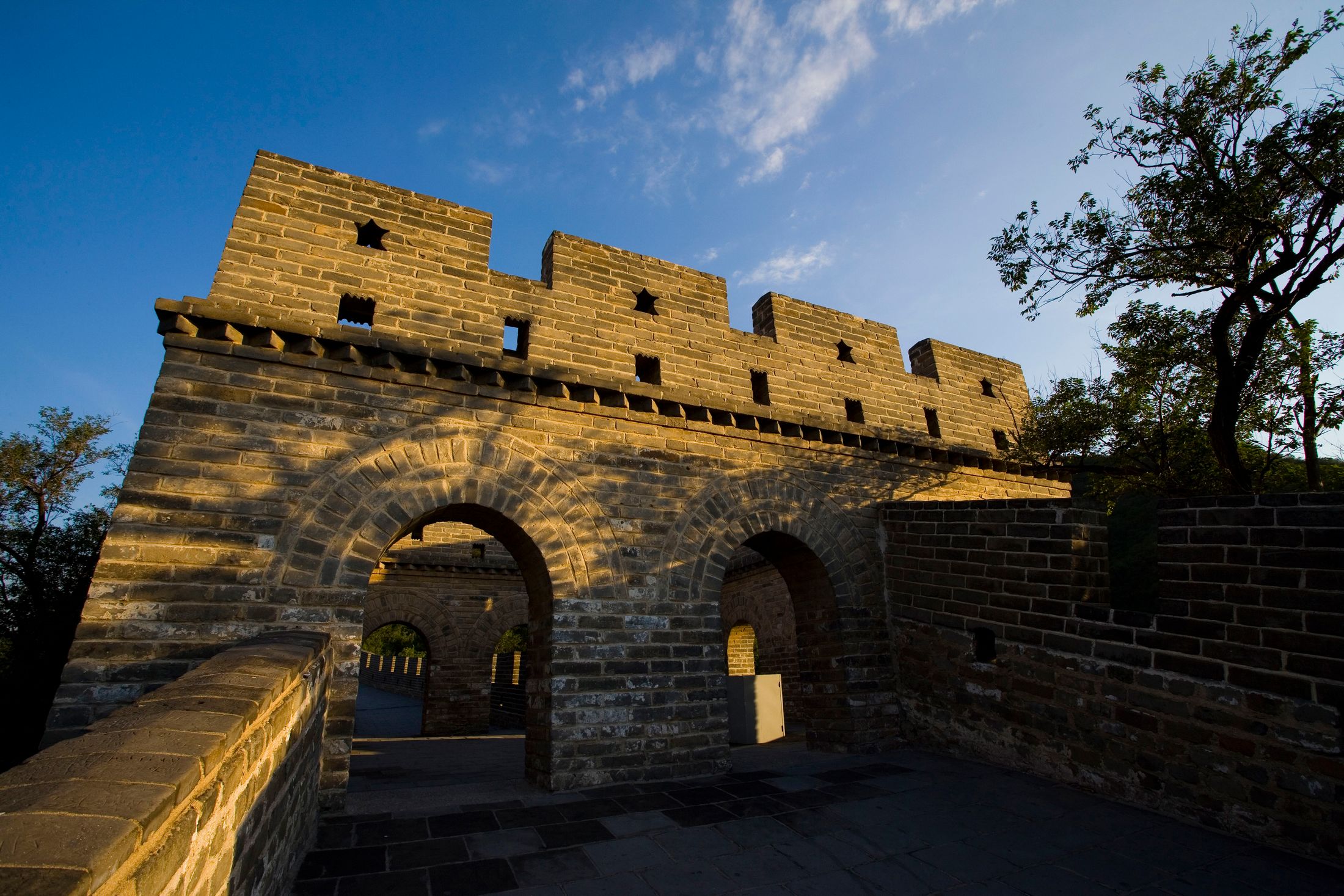
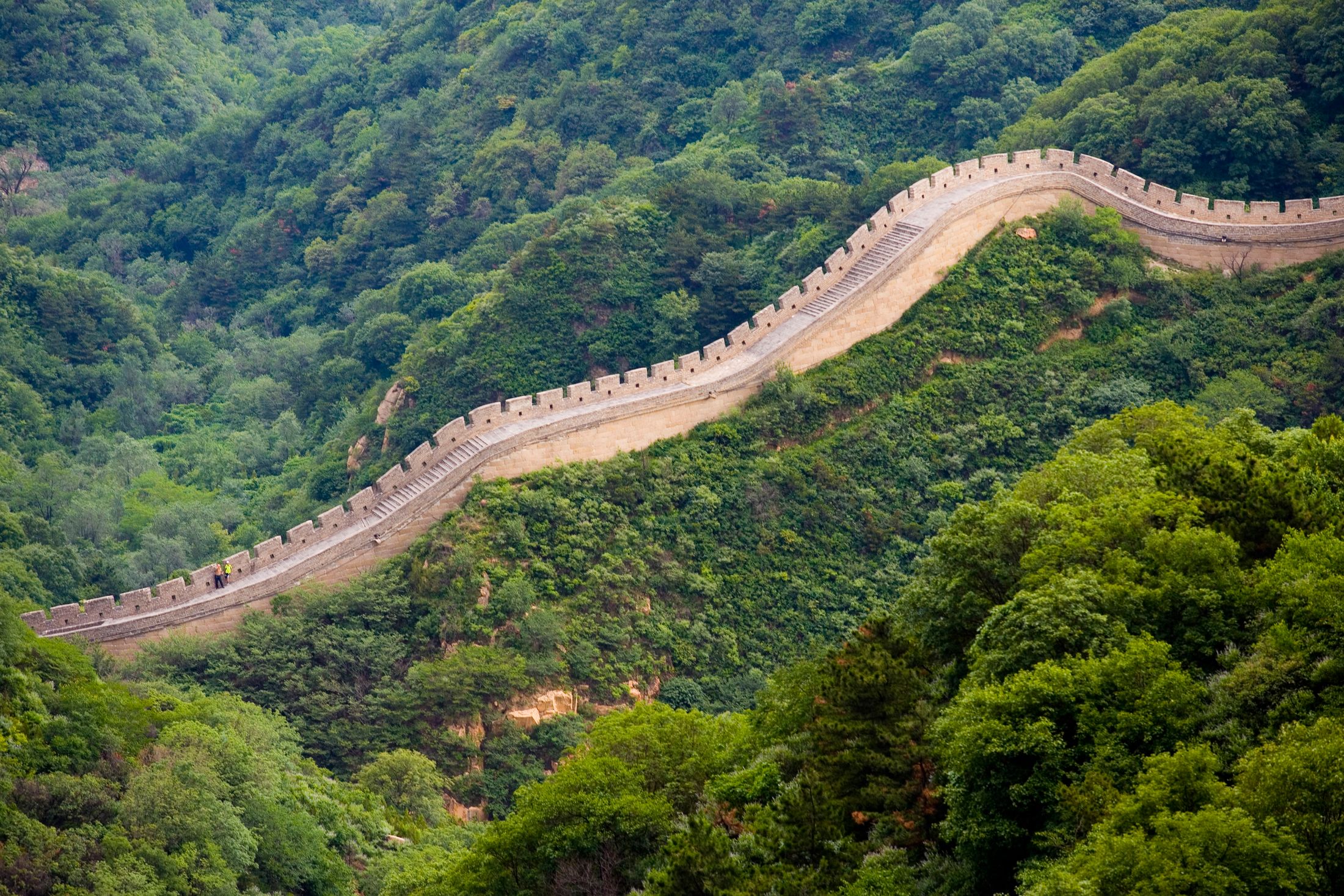
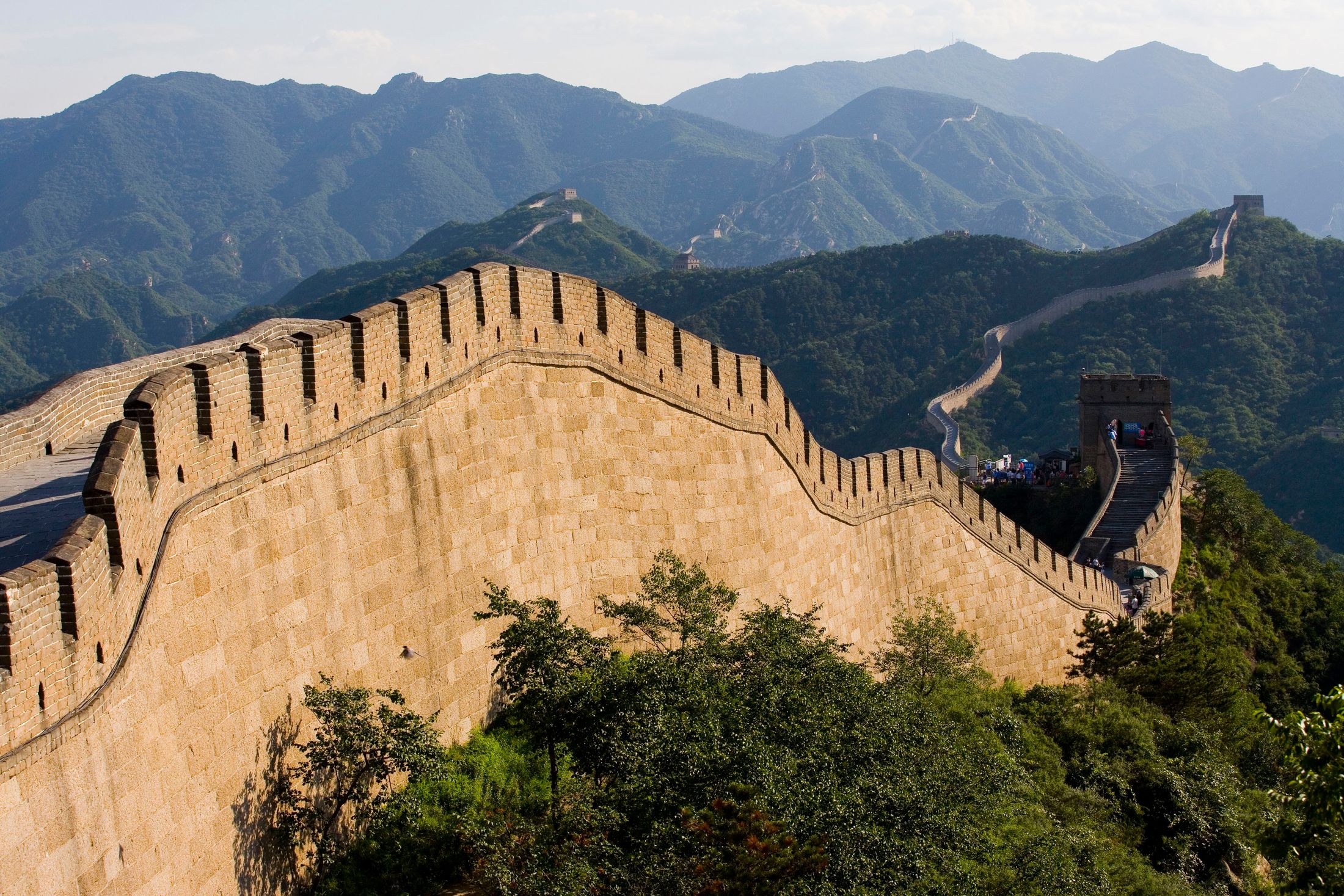
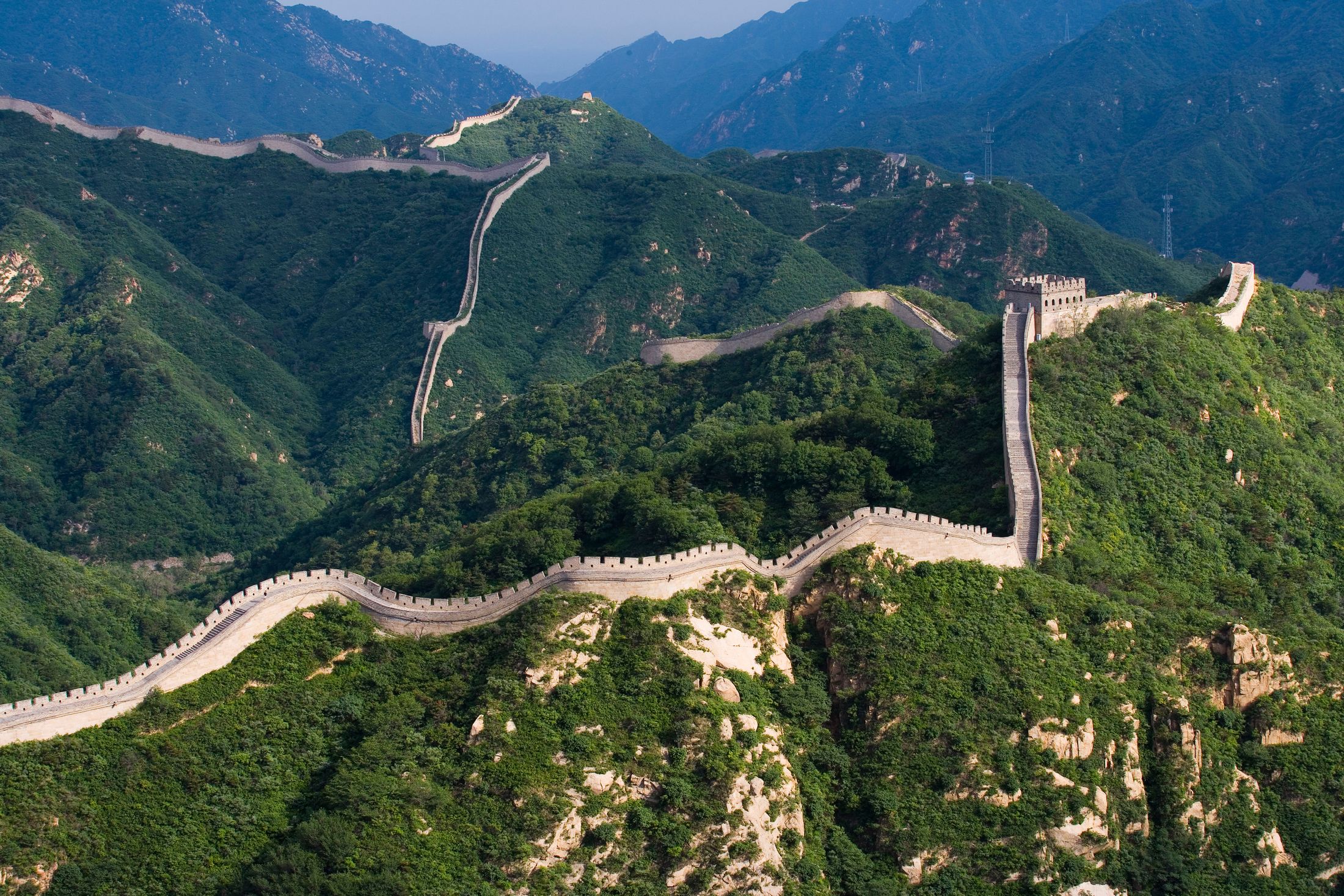
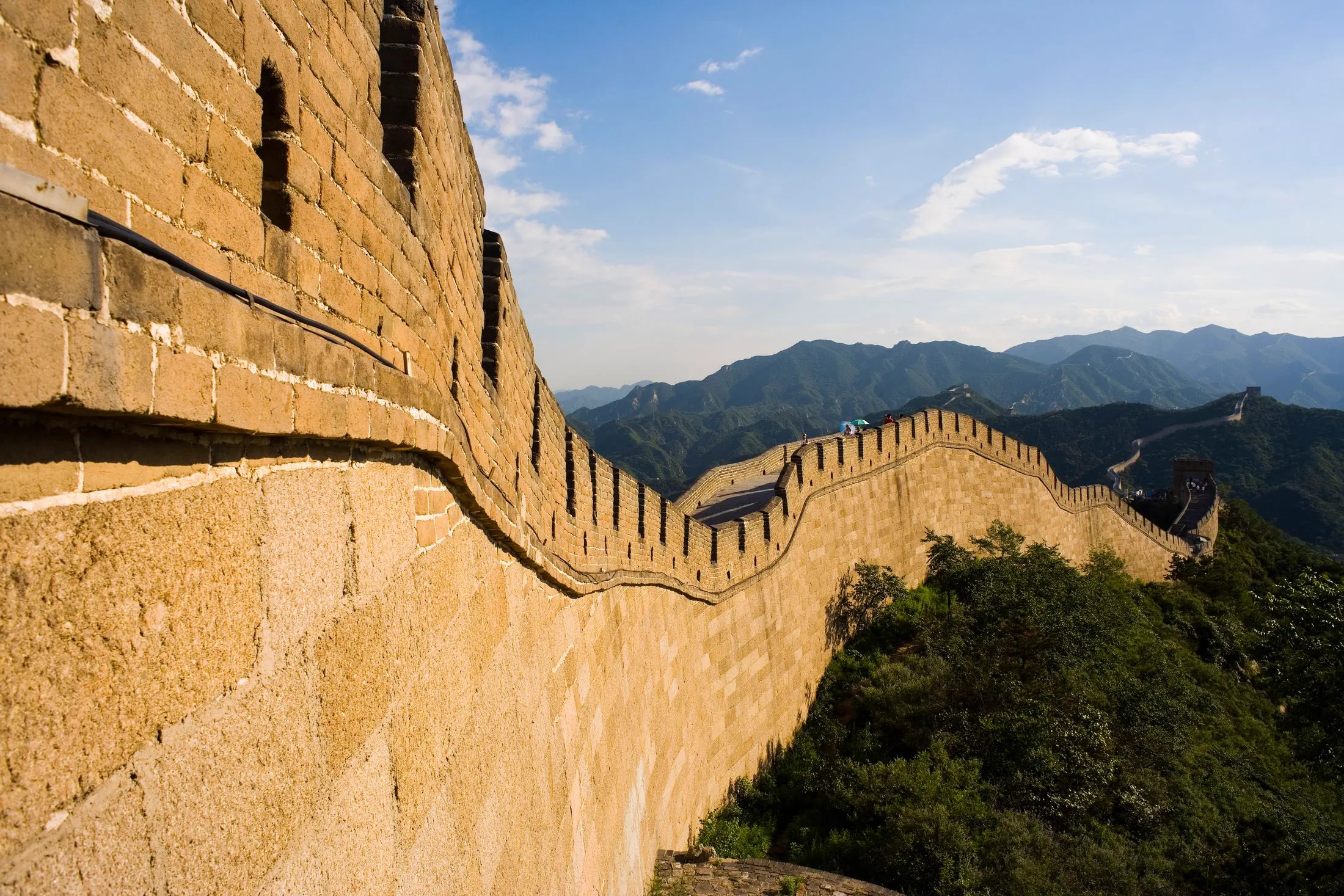
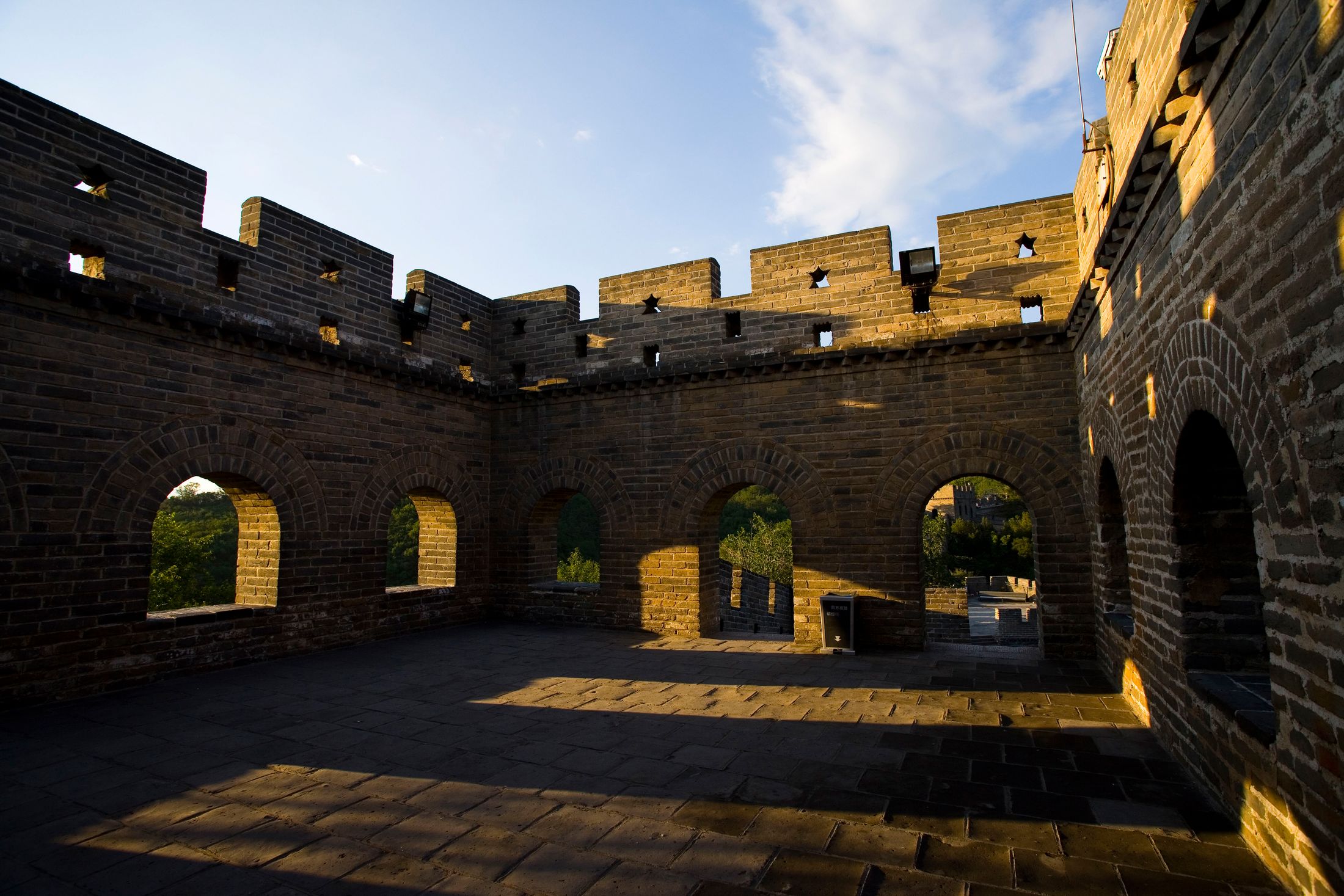
Perched in the Jundu Mountains of Yanqing District, northwest Beijing, the Badaling Great Wall stands as the most iconic and best-preserved section of the Ming Dynasty Great Wall. Its fame is immortalized by Chairman Mao’s oft-quoted line, “He who does not reach the Great Wall is not a true man,” which has drawn countless visitors to its storied ramparts for decades. Built with massive, uniform stone slabs, the wall averages 7.8 meters in height and 5.8 to 6.5 meters in width, stretching 3,741 meters as it snakes along rugged mountain ridges like a sleeping dragon. This section served as a critical strategic outpost guarding the approach to Beijing, featuring enemy towers and beacon towers every half-li to one li. What makes Badaling truly special is its dual personality: it offers a breathtaking panorama of ancient military architecture and sweeping mountain views, yet its early fame and meticulous preservation mean you’ll share the experience with a sea of fellow travelers from around the globe—a living testament to its enduring allure.
Highlights & Activities
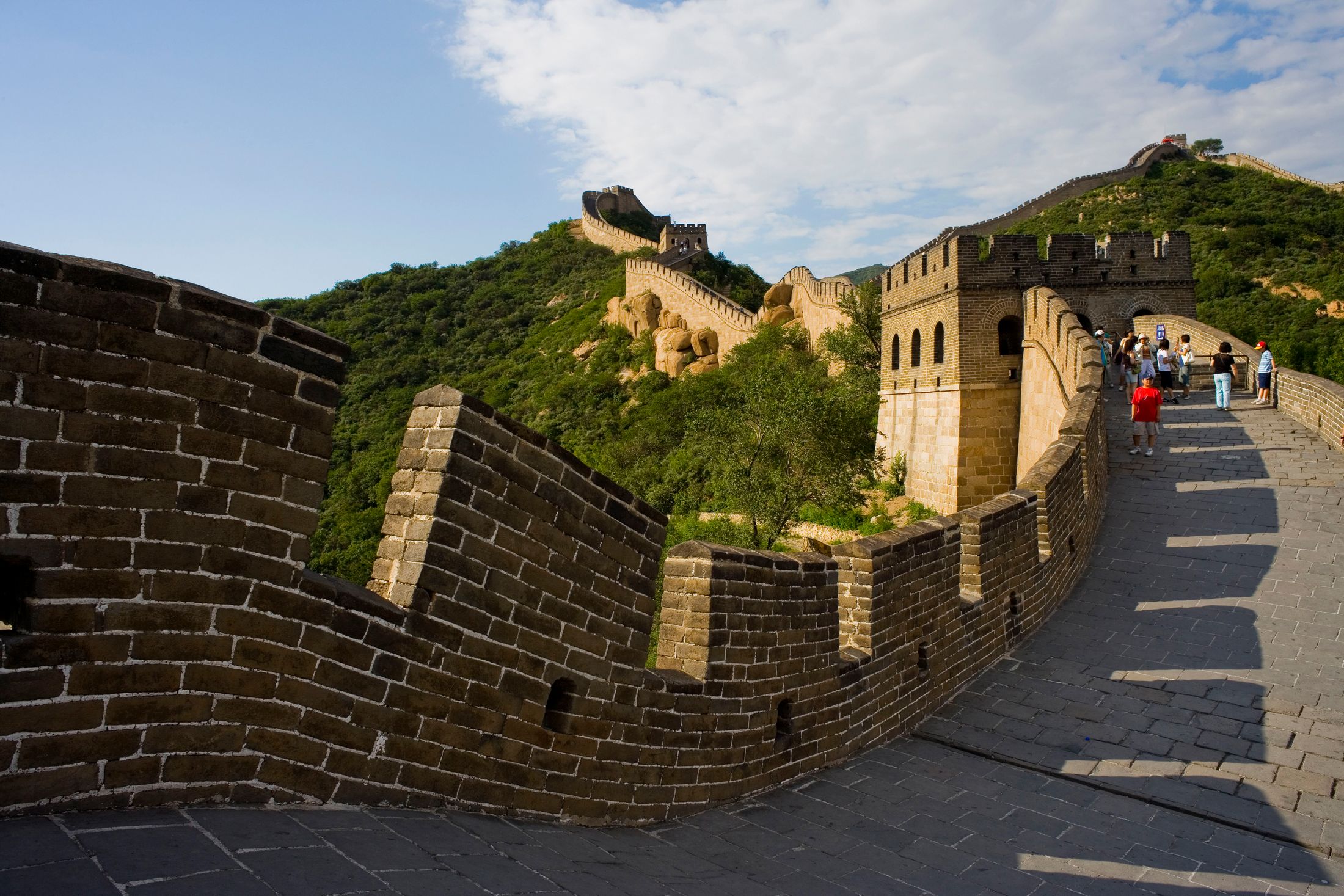
Climbing Badaling is a rite of passage. The wall splits into South and North Peaks, each offering distinct vistas. The North Peak is particularly popular for its steeper climbs and the famous “Good Man Slope” (Hao Han Po), where visitors can channel their inner adventurer. As you ascend, look down to see the U-shaped barbican and defensive enclosure (wengcheng), designed to trap enemies—a clever Ming Dynasty military innovation. For a seasonal spectacle, visit the Badaling Red Leaf Area within the National Forest Park, the earliest spot in Beijing to see autumn foliage. Here, centuries-old ruins nestle against vibrant red leaves, creating a poetic contrast of decay and life. Beyond the wall itself, you can explore the forest park’s hiking trails, photograph the dramatic mountainscape, and even try your hand at night tours during peak seasons when the wall is illuminated, offering a quieter, more mystical experience.
Key Attractions Nearby
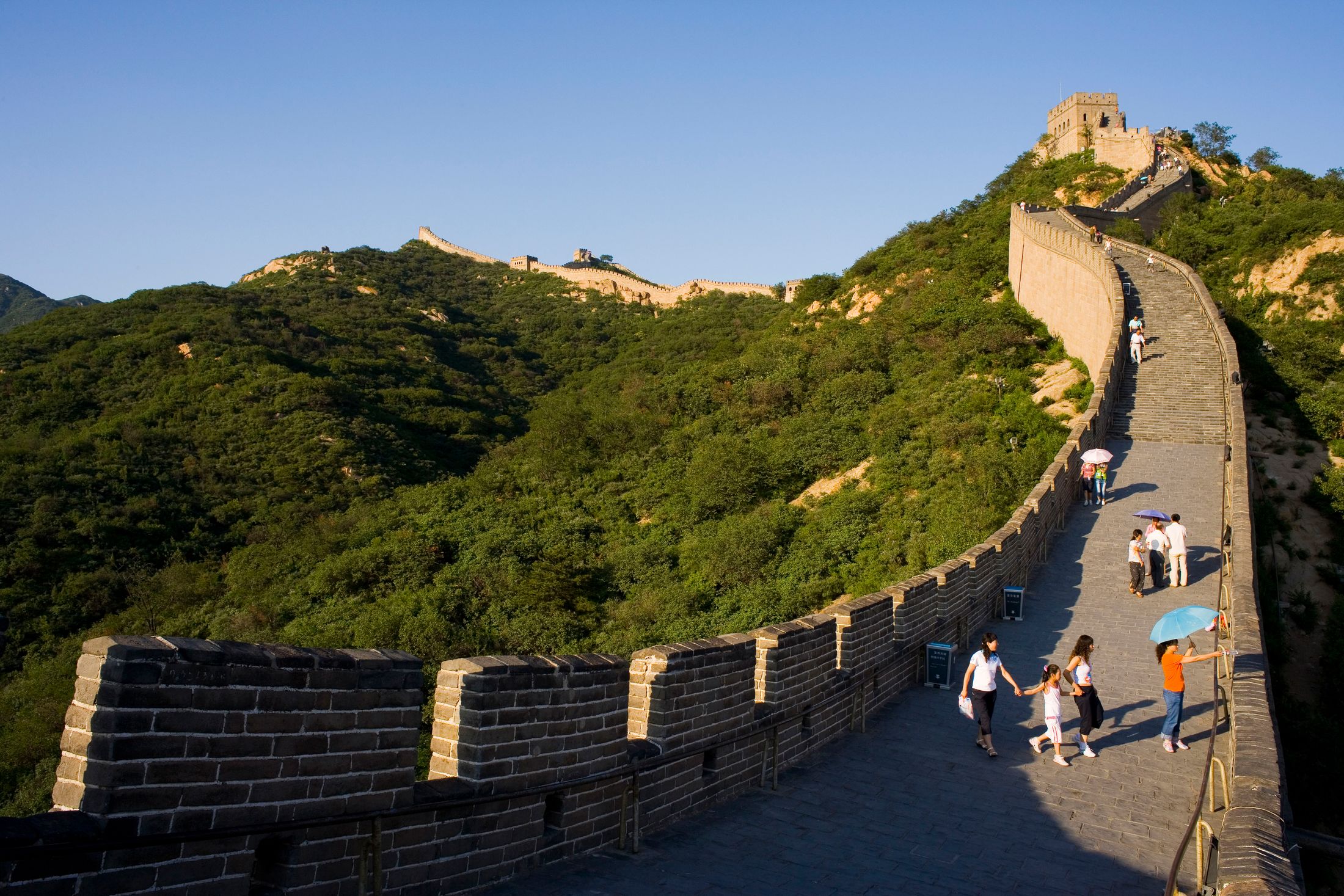
Badaling’s location makes it an ideal hub for exploring other historical gems. The Ming Tombs, a UNESCO World Heritage site, are a classic pairing—you can easily combine both in a single day. Take bus 879 from Badaling to visit the Dingling and Changling tombs, where you’ll delve into the grandeur of Ming imperial burial culture. If you have more time, consider the Mutianyu Great Wall (less crowded, family-friendly) or the Simatai Great Wall (renowned for photography and challenging hikes). In spring, the nearby Zhuangdaokou Great Wall becomes a romantic sea of flowers around Qingming Festival. For a unique twist, the Water Great Wall at Huanghuacheng offers a rare sight of the wall diving into a reservoir, with far fewer tourists. These alternatives provide a richer tapestry of the Great Wall’s diversity, from rugged hikes to serene landscapes.
Where to Dine
While dining options directly on the wall are limited (pack snacks and water), the base area and Yanqing Town offer satisfying local fare. Look for rustic restaurants serving noodles with soybean paste (zhajiangmian) and Beijing roast duck—a must-try after a long climb. In Yanqing, you’ll find farmhouse-style eateries specializing in mutton hotpot and mountain vegetable stir-fries, perfect for refueling. For a more upscale experience, the Beijing Badaling Hilton DoubleTree Hotel (No. 69 Dongwai Street) and Crowne Plaza Beijing Badaling offer international cuisine with local twists. Budget-conscious travelers can grab quick bites from street vendors near the bus station, but beware of tourist-trap prices—stick to established spots for authenticity.
Weather & Best Time to Visit
Badaling experiences a continental monsoon climate, with cold, dry winters and warm, humid summers. The best time to visit is April to October, when the weather is mild and the scenery is at its peak. Spring (April-May) brings blooming flowers and fresh greenery, while autumn (September-October) is spectacular for the red leaves—though crowds surge during National Day holiday (October 1-7). Summer (June-August) can be hot and crowded, but early mornings offer respite. Winter (November-March) sees fewer tourists and lower ticket prices (35 yuan vs. 40 yuan), but the wall can be icy and windy—dress in layers. For the best balance of comfort and fewer crowds, aim for late April, mid-September, or weekdays outside holidays. The S2 “Flower Sea Train” in spring is a photographer’s dream, but book early for high-speed rail tickets.
Travel Tips
- Getting There: The fastest way is the Beijing-Zhangjiakou High-Speed Railway from Qinghe Station (about 30 minutes, book via 12306). Alternatively, take the S2 suburban line from Huangtudian Station (cash or transit card, no online booking) or budget-friendly bus 877/919 from Deshengmen (12 yuan/7 yuan, runs every 5 minutes from 6:00-17:00). Avoid unlicensed taxis near Deshengmen.
- Fees & Hours: Tickets are 40 yuan (April-October) and 35 yuan (November-March). Opening hours: 6:30-19:00 (April-October), 7:30-18:00 (November-March). Phone: 010-69122222.
- What to Bring: Comfortable hiking shoes, sunscreen, a hat, and plenty of water. In winter, add thermal layers and gloves. Pack light—there are few places to store bags on the wall. A camera is essential for the panoramic views.
- Crowd Management: Arrive early (before 8:00 AM) to beat the worst crowds. Consider a weekday visit or combine Badaling with the Ming Tombs on a one-day itinerary—take the high-speed rail in the morning, climb the wall, then bus to the tombs in the afternoon.
- Safety: Stay on marked paths, especially on steep sections. The wall can be slippery after rain; use handrails. If hiking beyond the main section, ensure you have a map and enough daylight.