Overview & History
Nestled in the northwestern suburbs of Beijing, about 15 kilometers from the city center, the Summer Palace (Yiheyuan) stands as one of China's most magnificent imperial gardens. Originally built in 1750 and completed in 1764, it was first named Qingyi Garden during the Qing Dynasty. Covering a vast 2.9 million square meters—with water comprising roughly three-quarters of its area—this sprawling estate was designed as a temporary imperial palace and summer retreat for emperors. Its layout, centered around Kunming Lake and Longevity Hill, draws inspiration from the scenic West Lake in Hangzhou and incorporates the refined design techniques of Jiangnan gardens, making it a masterpiece of natural landscape gardening.
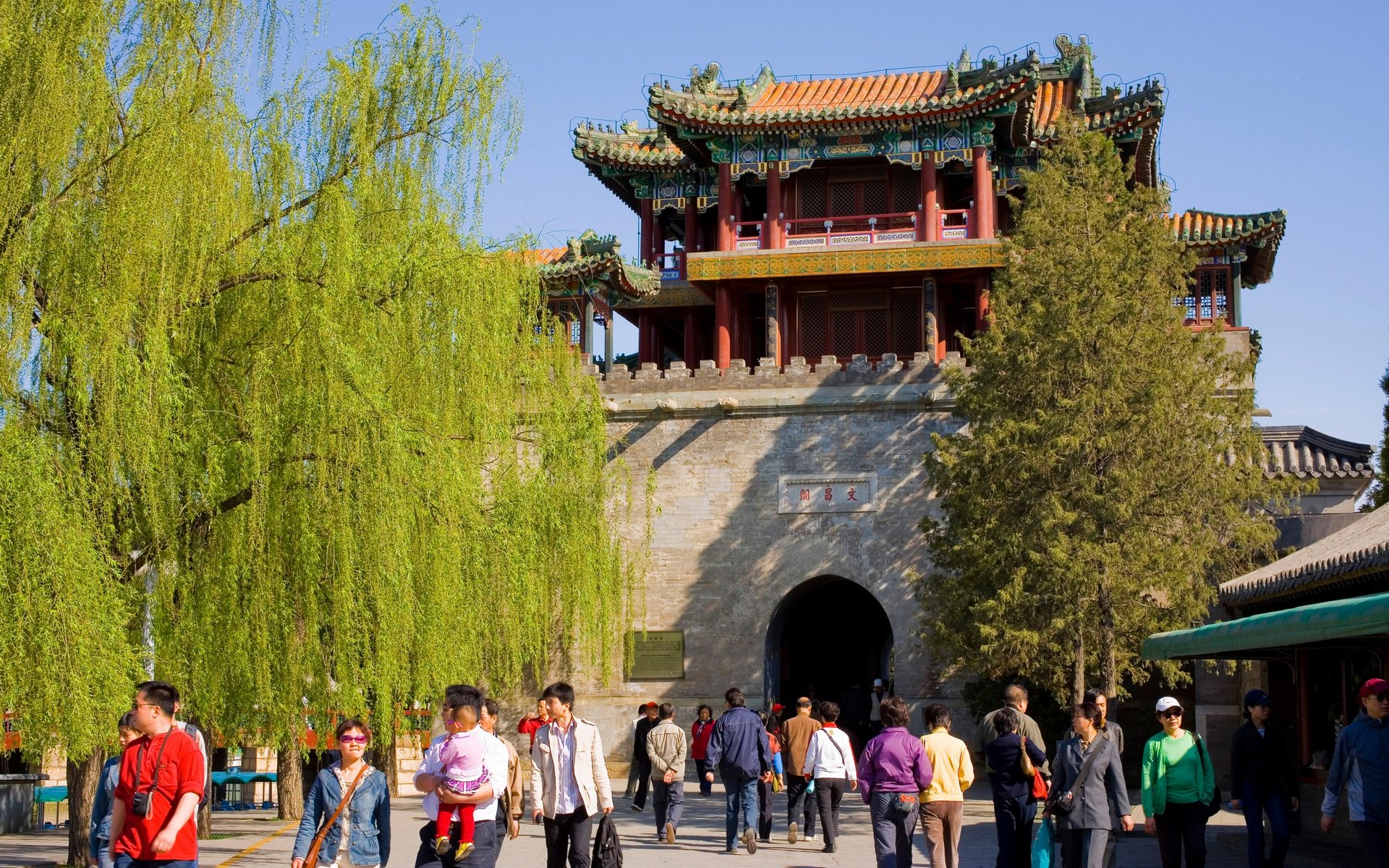
The Summer Palace is hailed as the "Museum of Imperial Gardens" and is one of the Four Great Gardens of China, alongside the Mountain Resort in Chengde, the Humble Administrator's Garden in Suzhou, and the Lingering Garden in Suzhou. However, its history is marked by turbulence. In 1888, Empress Dowager Cixi diverted 30 million taels of silver, supposedly for naval modernization, to rebuild the garden and renamed it the Summer Palace. In 1900, it was ravaged by the Eight-Nation Alliance, but restoration efforts began in 1903. Today, it is the best-preserved imperial garden in existence, a living testament to Qing Dynasty opulence and resilience.
Highlights & Activities
The Summer Palace is divided into three main areas: the living quarters, the political activity zone, and the scenic tour area. Key highlights include:
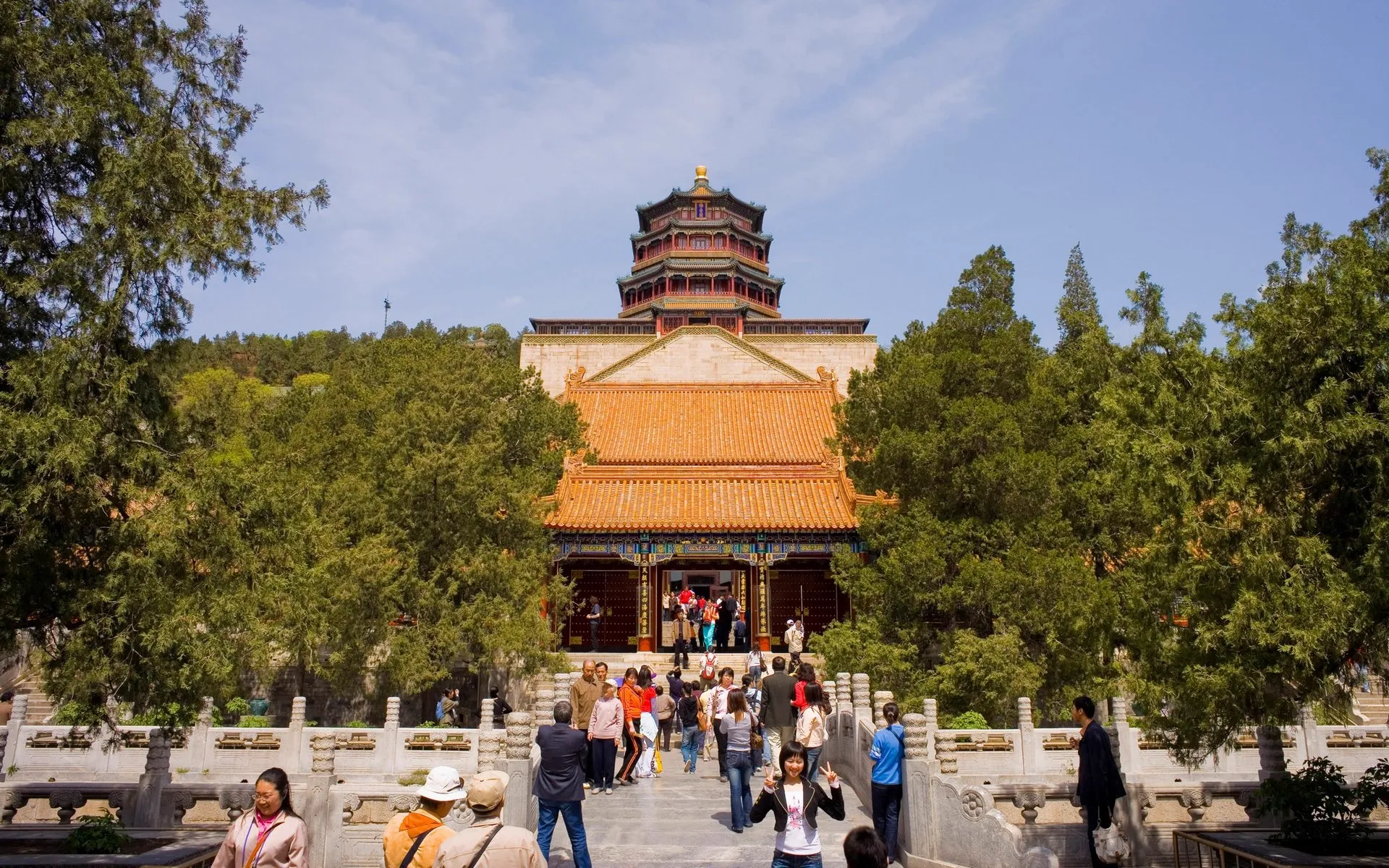
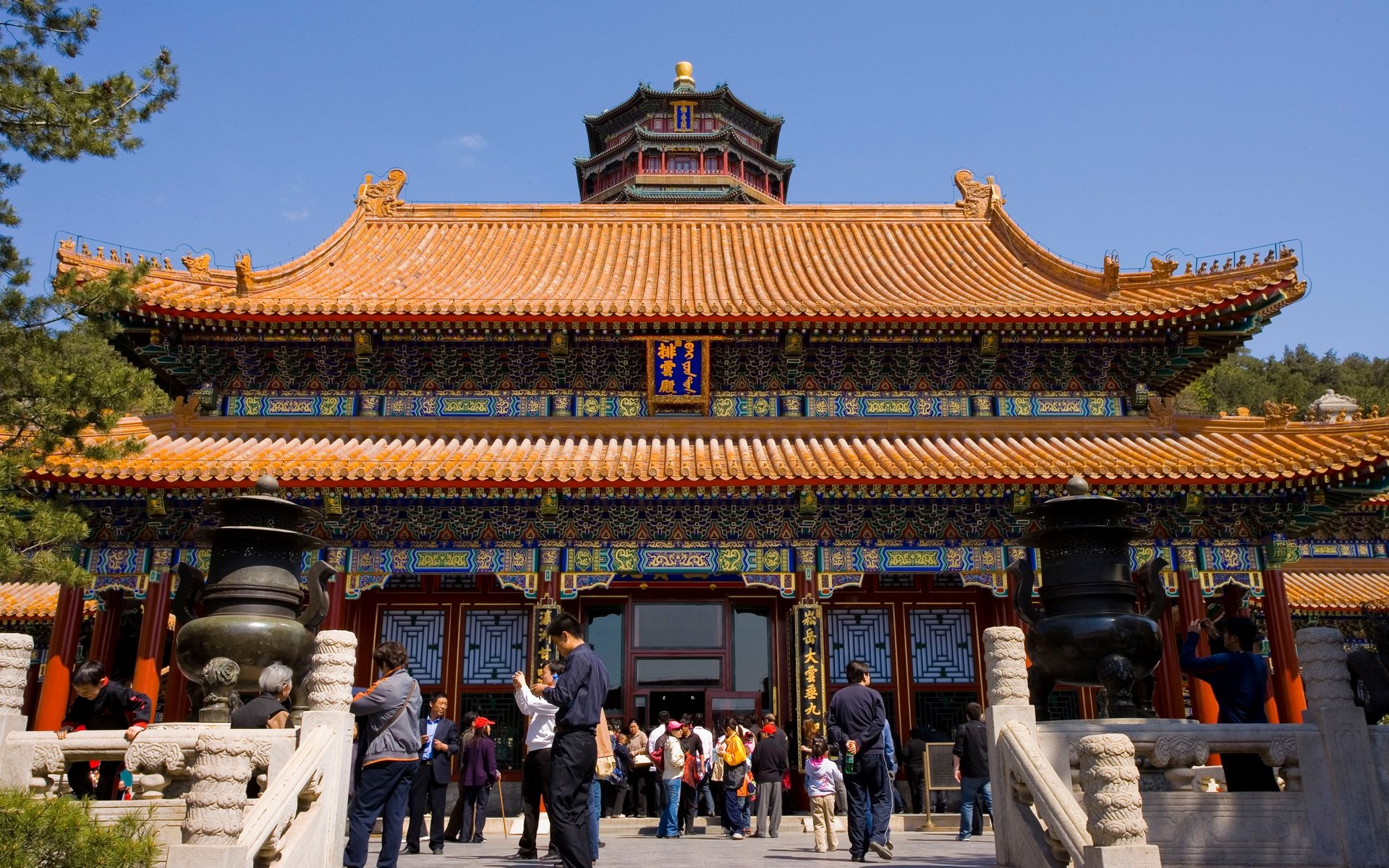
- The Tower of Buddhist Incense (Foxiangge): The garden's centerpiece, this towering structure on Longevity Hill offers panoramic views of Kunming Lake and the surrounding hills.
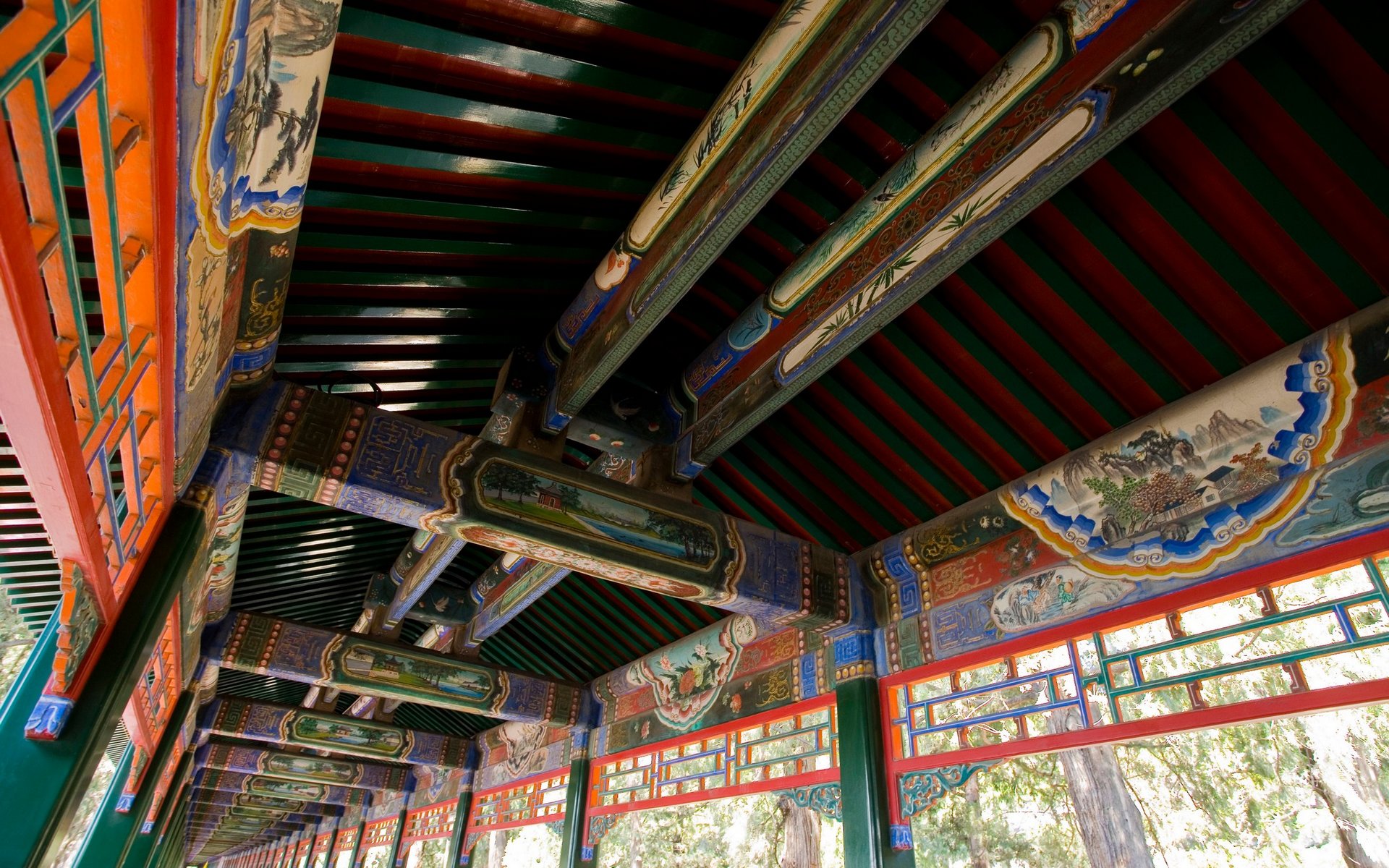
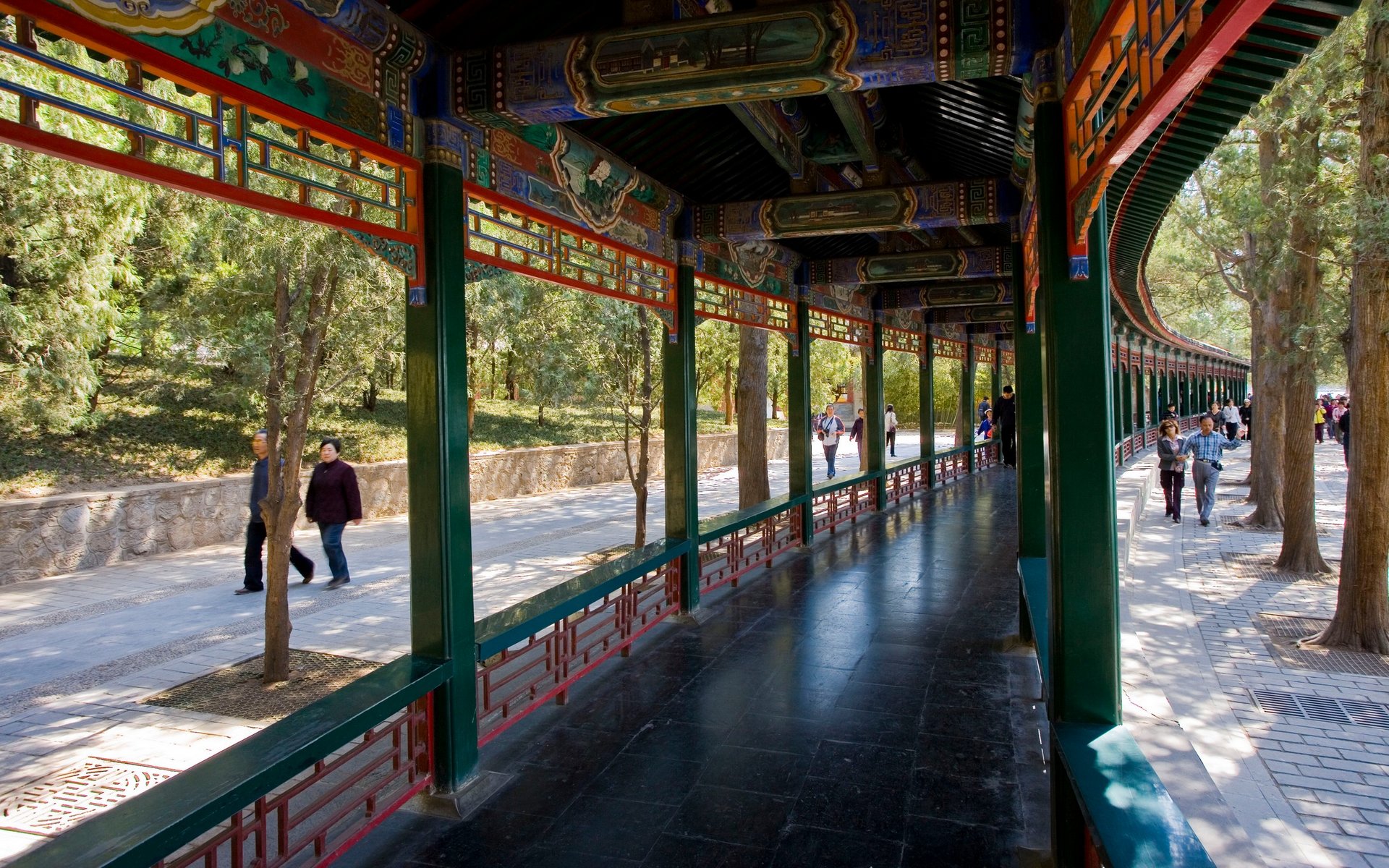
- The Long Corridor (Changlang): A covered walkway stretching over 700 meters, adorned with thousands of intricate paintings depicting Chinese mythology, history, and nature.
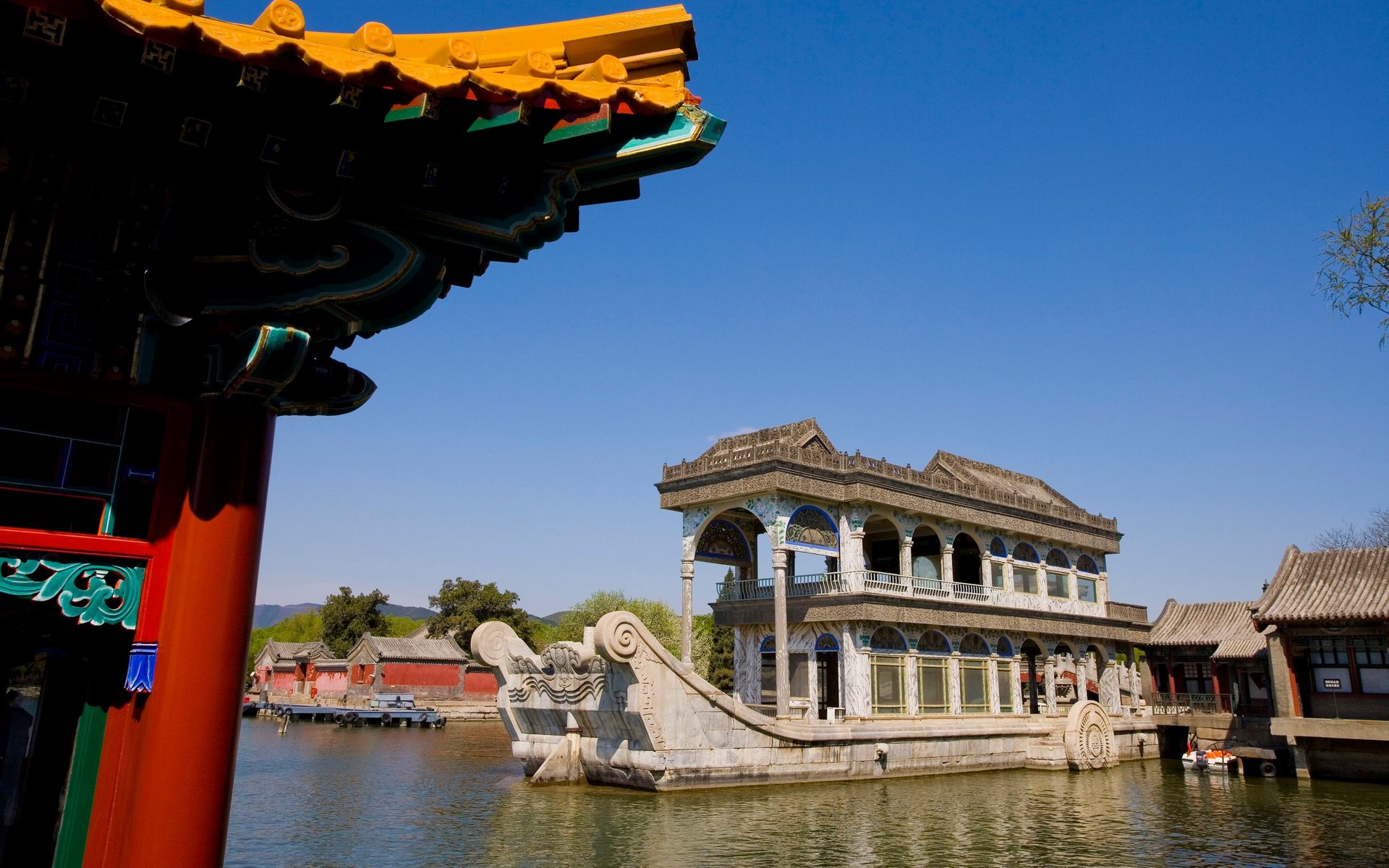
- The Marble Boat (Shifang): A unique stone pavilion built in the shape of a boat, symbolizing the stability of the Qing Dynasty and serving as a favorite spot for Empress Dowager Cixi.
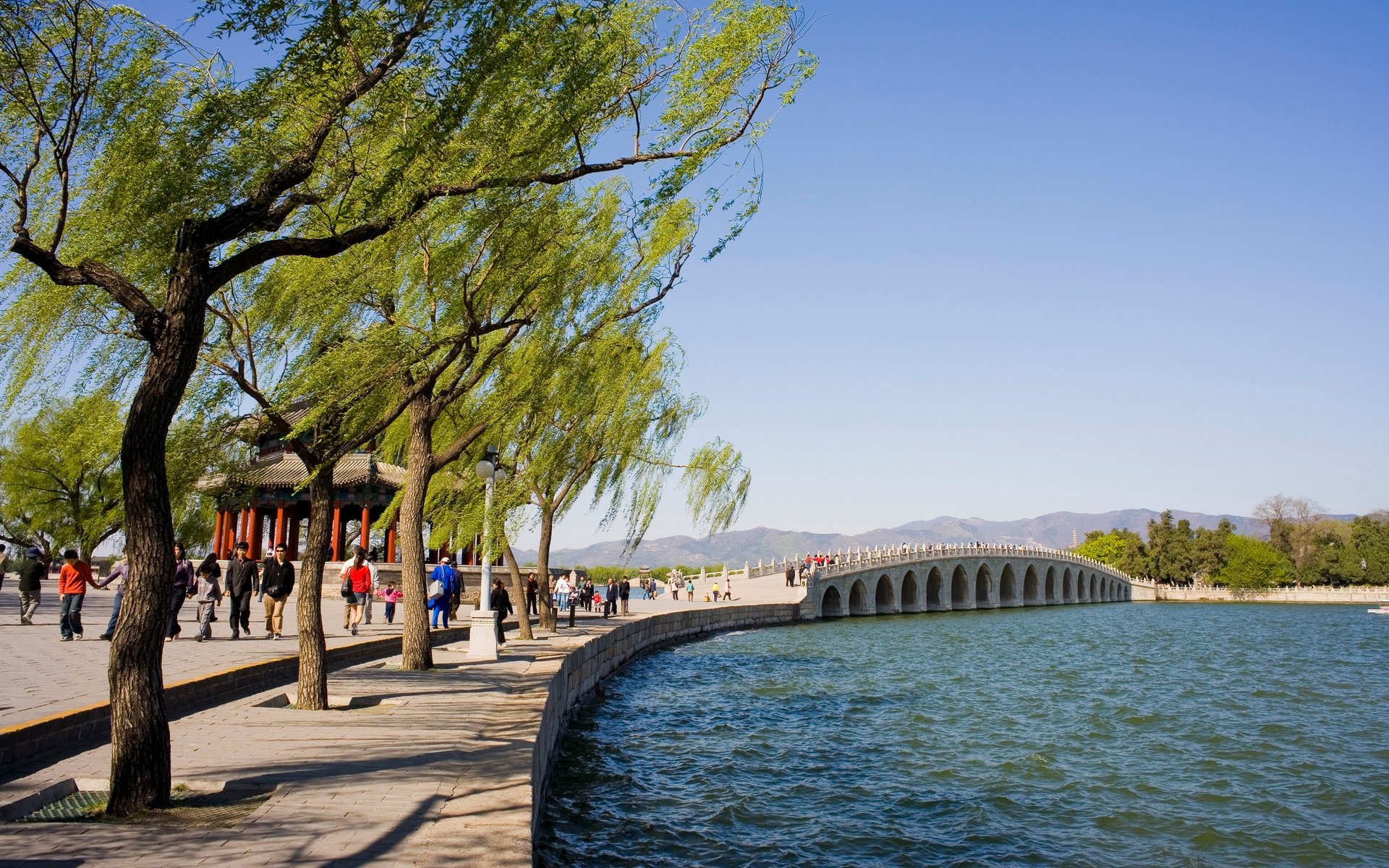
- Kunming Lake: Ideal for a leisurely boat ride, this expansive lake mirrors the hills and pavilions, offering a serene escape from the city's bustle.
- Leshou Hall and Yulan Hall: These courtyards were the living quarters of Cixi and Emperor Guangxu, showcasing exquisite furniture and artifacts.
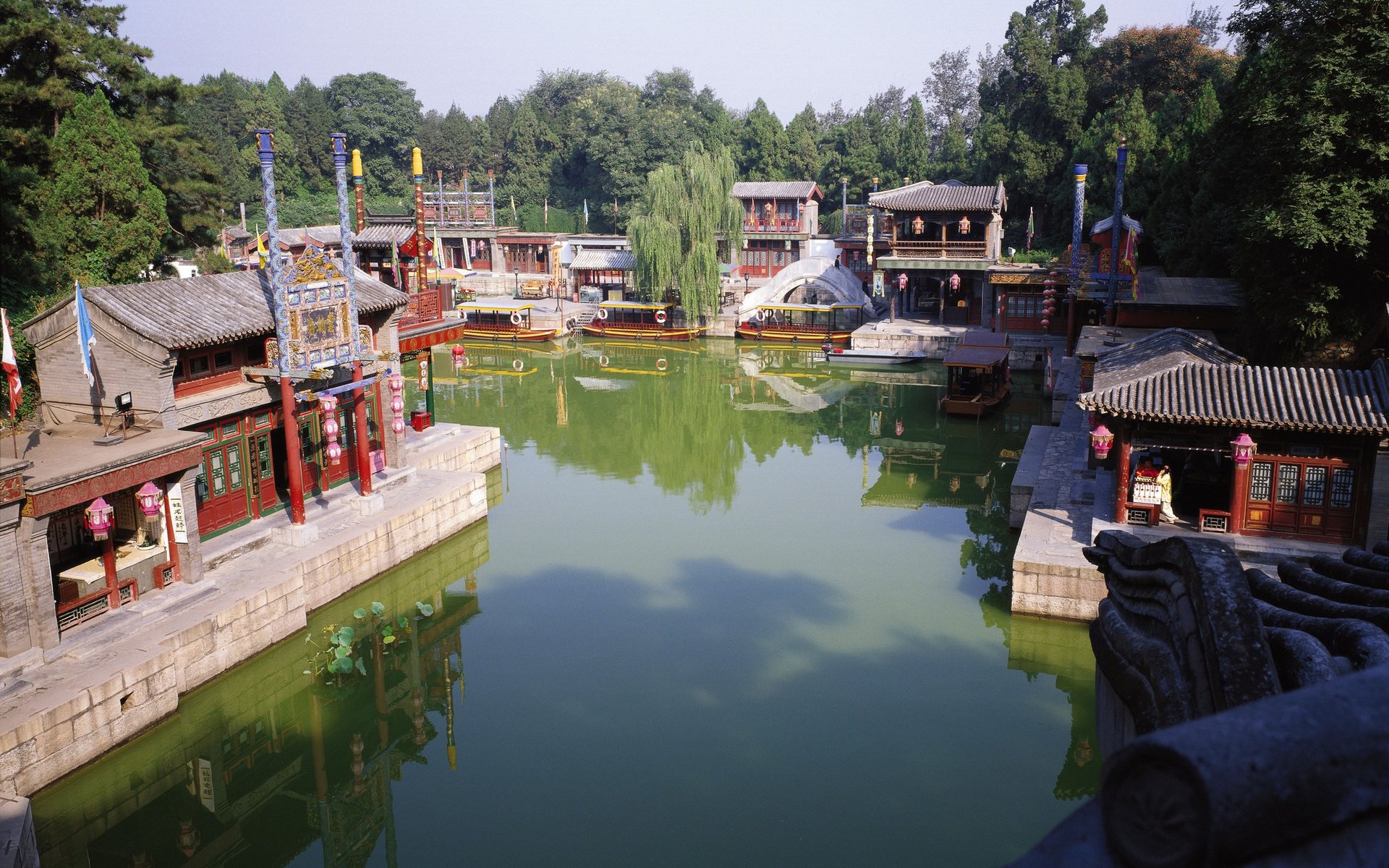
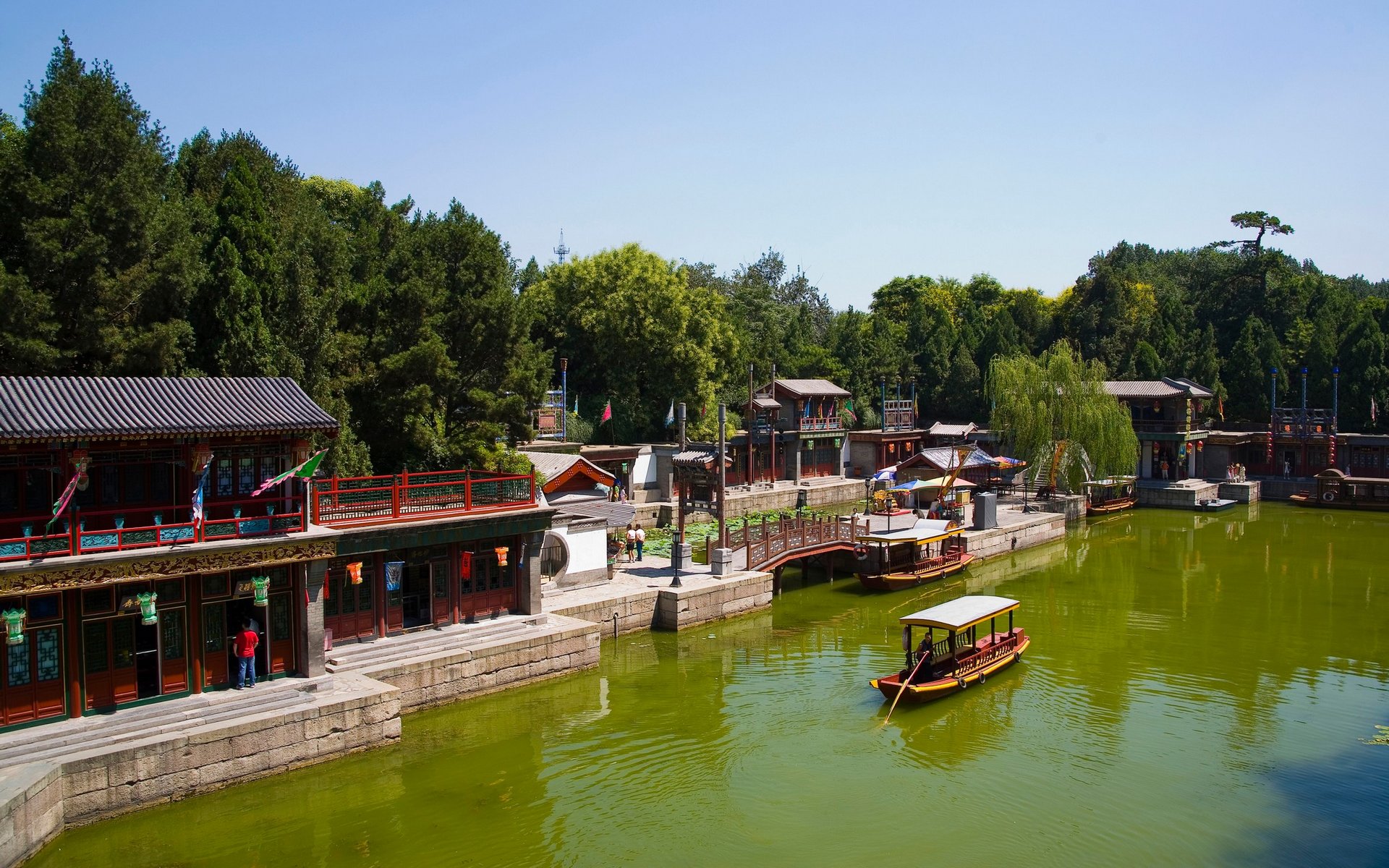
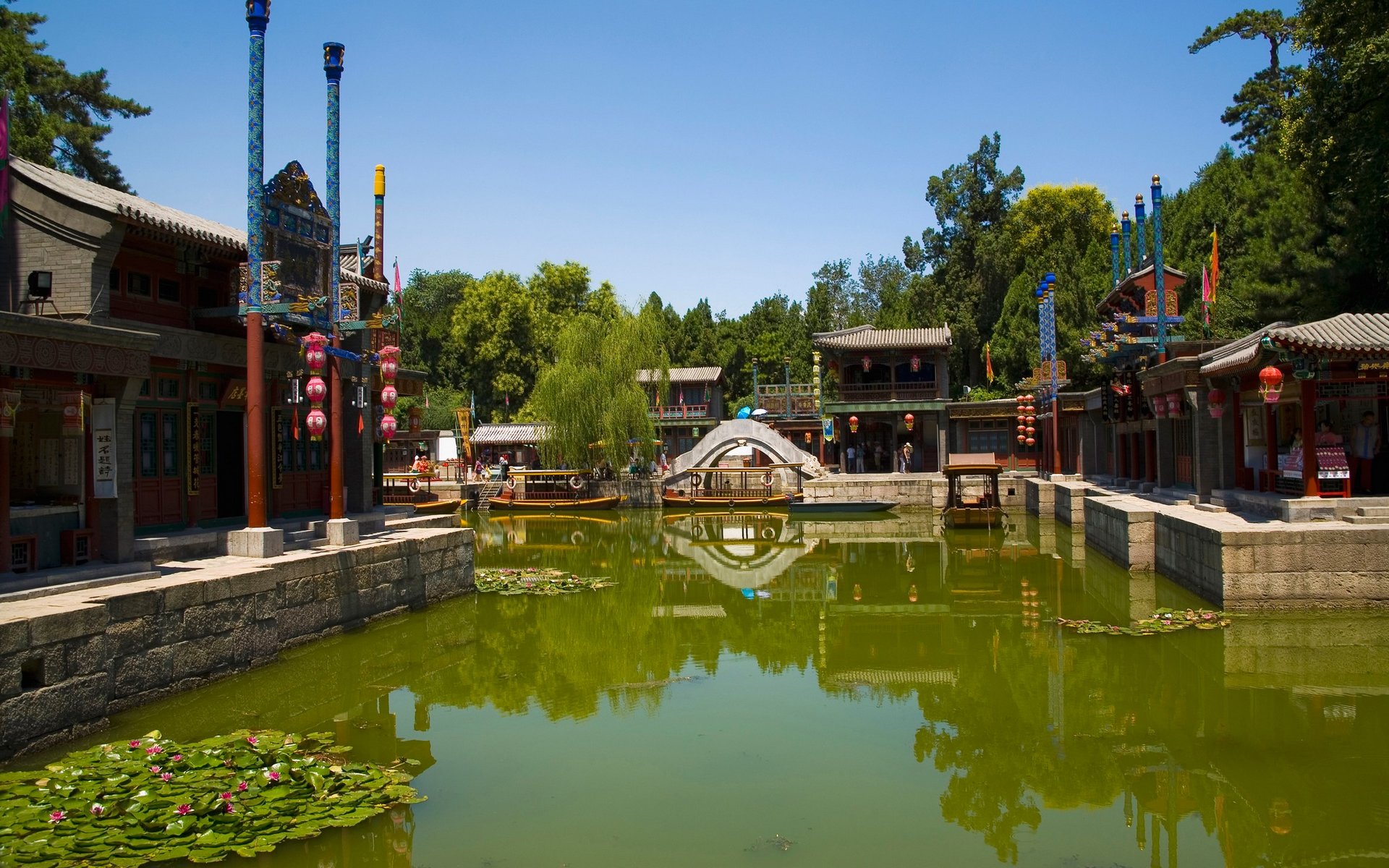
- Suzhou Street: A replica of a traditional Jiangnan water town, where you can stroll along canals and shop for souvenirs.
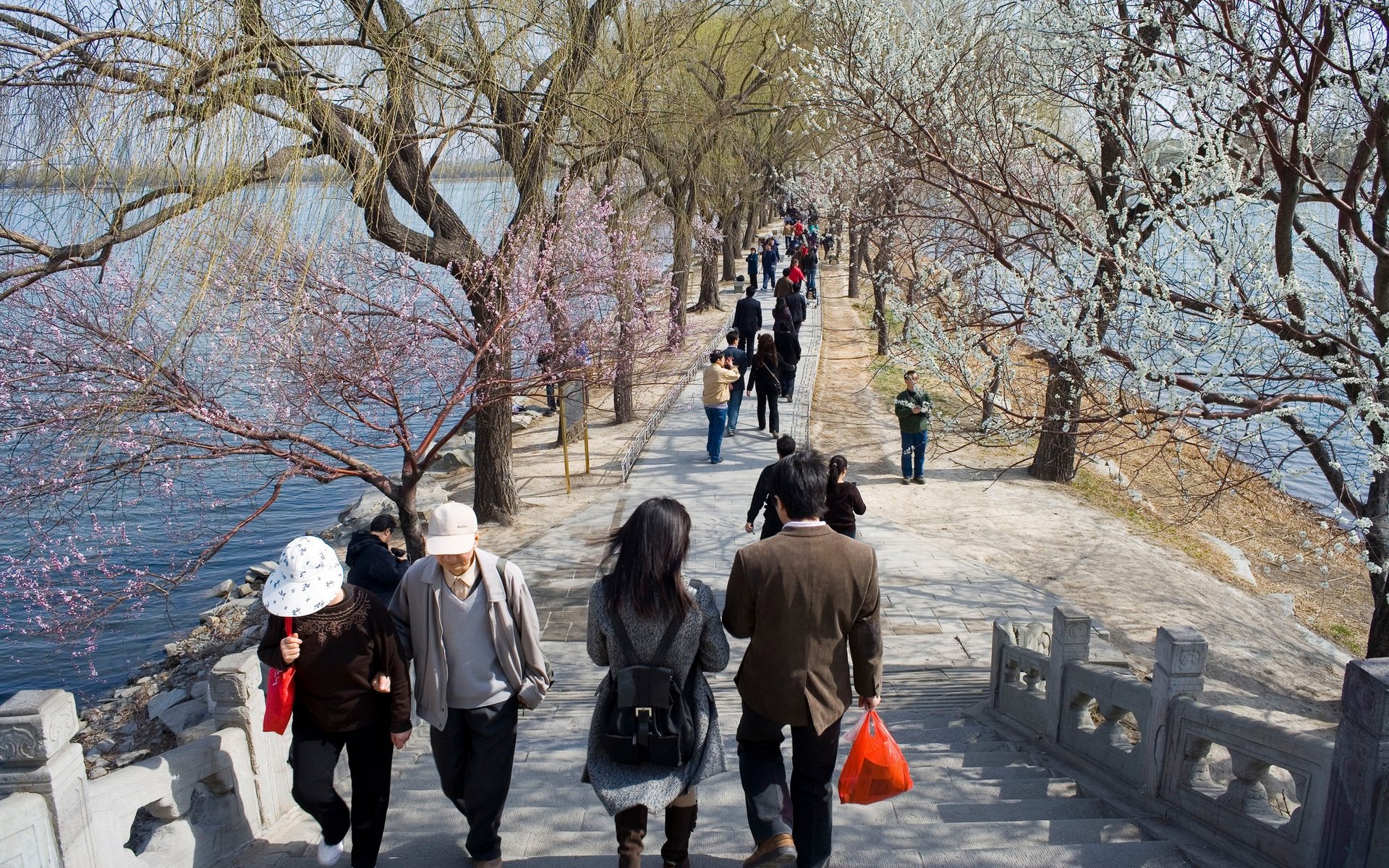
Activities include walking along the lake, photographing the iconic Seventeen-Arch Bridge, and exploring the numerous halls and pavilions that dot the hillside.
Key Attractions Nearby
The Summer Palace sits in a culturally rich area of Beijing's northwestern suburbs, once favored by royalty for its rolling hills and lakes. Today, it neighbors two of China's top universities:
- Peking University (Beida): Just a short distance away, this prestigious institution boasts beautiful campus grounds with traditional Chinese architecture and the famous Weiming Lake.
- Tsinghua University: Another academic powerhouse, its campus features a mix of historic and modern buildings, including the iconic Tsinghua Gate and the Water Building.
- Xueyuan Road (College Road): Named after the "Eight Major Colleges" established in the 1950s, this area includes institutions like the China University of Geosciences, Beijing University of Chemical Technology, and Beijing Forestry University. The "Eight Colleges" were formed by merging departments from Peking University, Tsinghua University, and other universities to create specialized schools, such as the Beijing Institute of Geology (now China University of Geosciences) and the Beijing Institute of Mining (now China University of Mining and Technology).
- Beijing Zoo: Located along Metro Line 4, this family-friendly attraction is easily accessible from the Summer Palace area.
Where to Dine
Within the Summer Palace, several tea houses and snack stalls offer light refreshments, such as traditional Chinese tea and pastries. For a more substantial meal, head to the nearby areas around Peking University and Tsinghua University, where student-friendly eateries serve affordable and authentic Beijing cuisine. Try local favorites like zhajiangmian (noodles with fried sauce), jiaozi (dumplings), or Beijing kaoya (Peking duck) at restaurants like Ba Guo Bu Yi or Din Tai Fung in the Haidian district. For a quick bite, street food stalls near the subway stations offer savory pancakes and grilled skewers.
Weather & Best Time to Visit
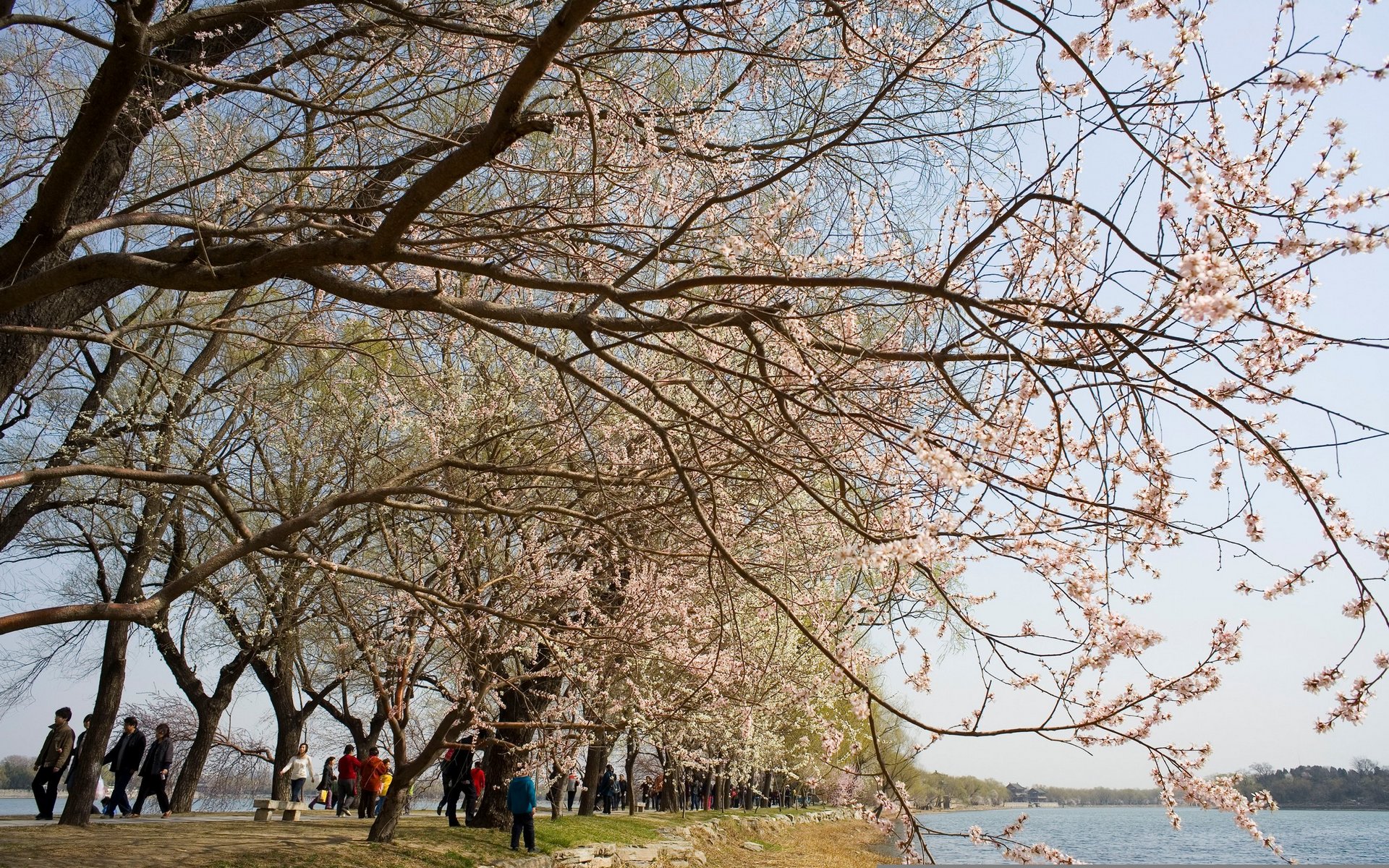
Beijing has a continental climate with four distinct seasons. Spring (April to May) and autumn (September to October) are the best times to visit, with mild temperatures, clear skies, and blooming flowers or vibrant fall foliage. Summers (June to August) can be hot and humid, with temperatures often exceeding 30°C (86°F), but the lake provides a cooling breeze. Winter (November to March) is cold and dry, with temperatures dropping below freezing, but the garden's snow-covered landscapes offer a unique, serene beauty.
The Summer Palace is less crowded on weekdays, especially in the early morning or late afternoon. Avoid Chinese public holidays like National Day (October 1-7) and Spring Festival (January/February) when crowds peak.
Travel Tips
- Getting There: Take Metro Line 4 to Beigongmen Station (East Gate) or Xiyuan Station for the main entrance. Buses 330, 332, and 718 also serve the area. Taxis are available but may be costly during rush hours.
- Fees & Hours: Admission is 30 RMB (peak season) or 20 RMB (off-season) for the garden only, and 60 RMB for a combined ticket including the Tower of Buddhist Incense, the Marble Boat, and Suzhou Street. Open daily from 6:30 AM to 6:00 PM (peak season) or 7:00 AM to 5:00 PM (off-season). Check the official website for updates.
- What to Bring: Comfortable walking shoes are essential, as the garden is vast. Bring water, sunscreen, and a hat in summer; a warm coat, gloves, and scarf in winter. A camera is a must for capturing the stunning scenery.
- Tips: Arrive early to avoid crowds, especially at the Tower of Buddhist Incense. The Long Corridor provides shade on hot days. Consider hiring a guide or using an audio tour to learn about the garden's rich history.