Overview & History
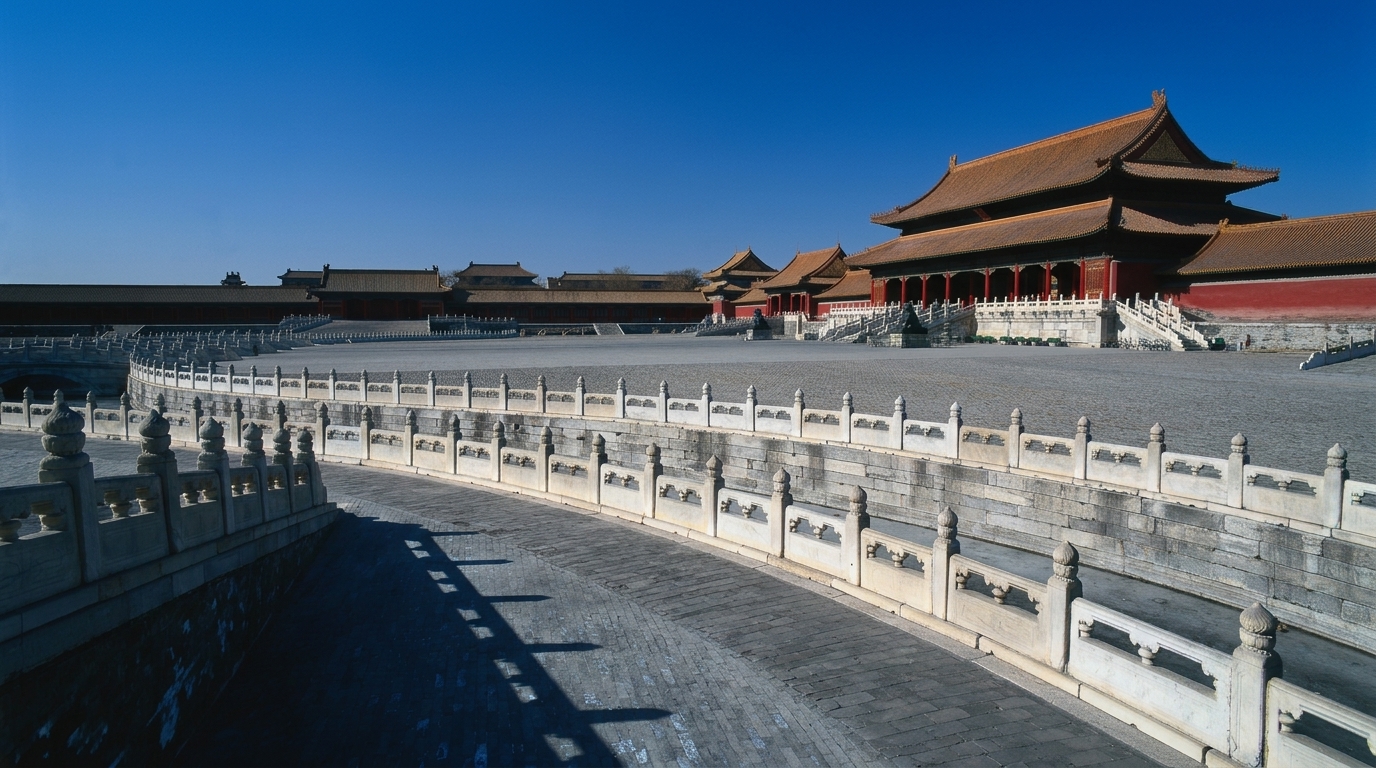
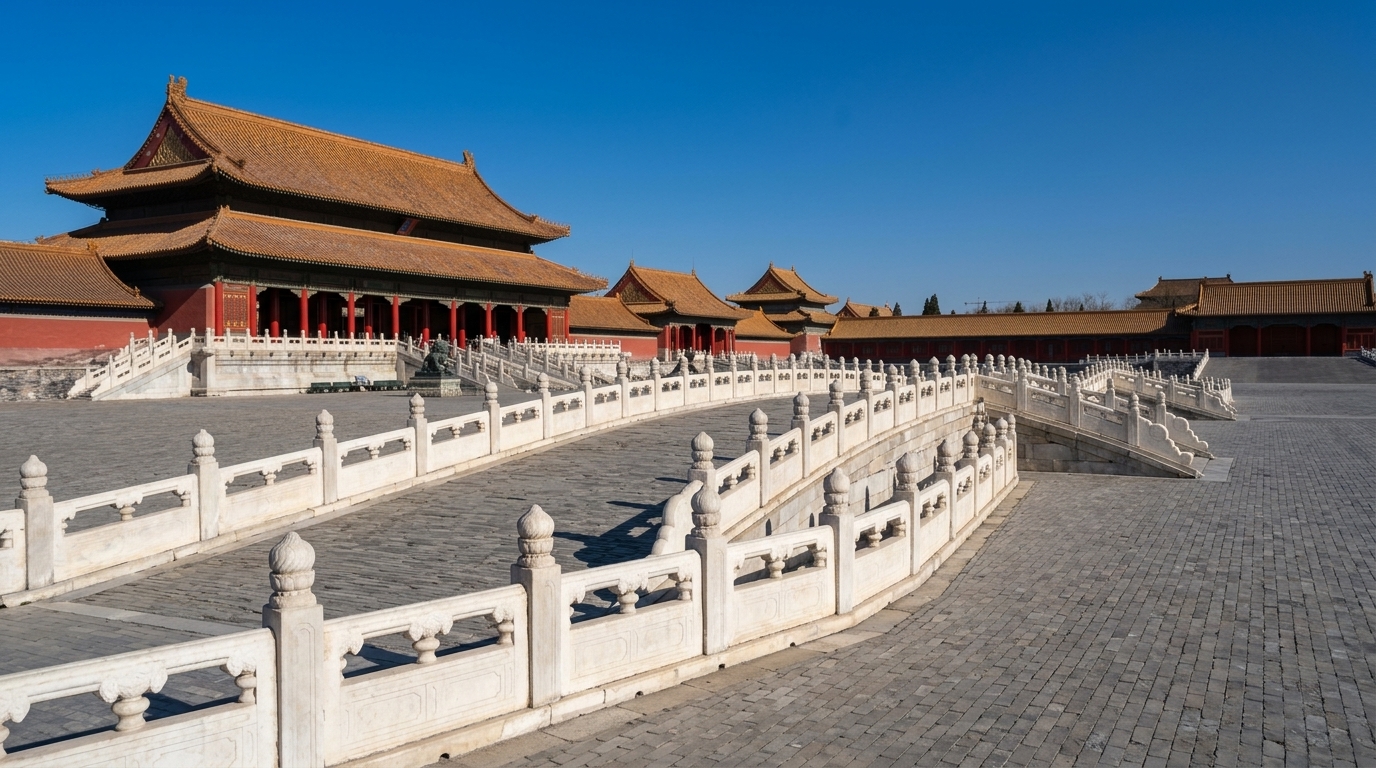
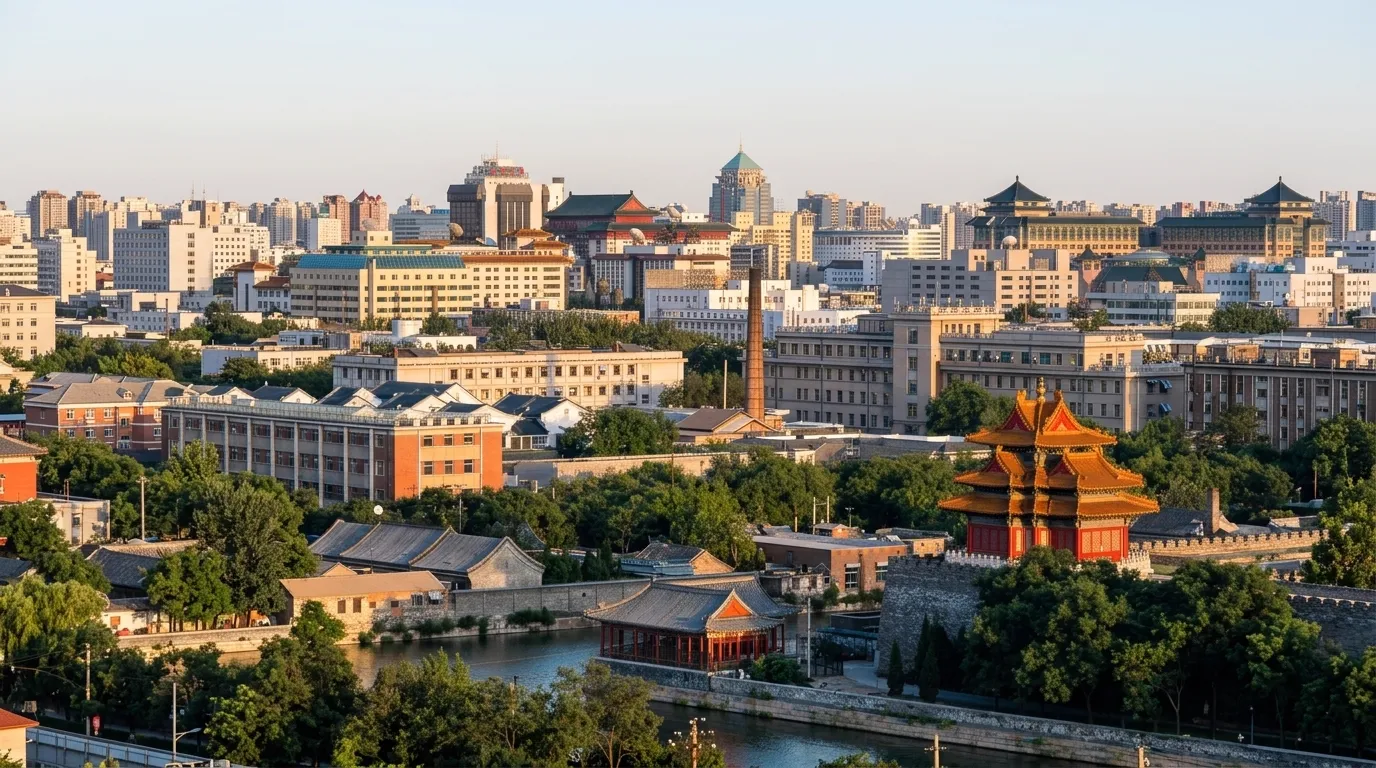
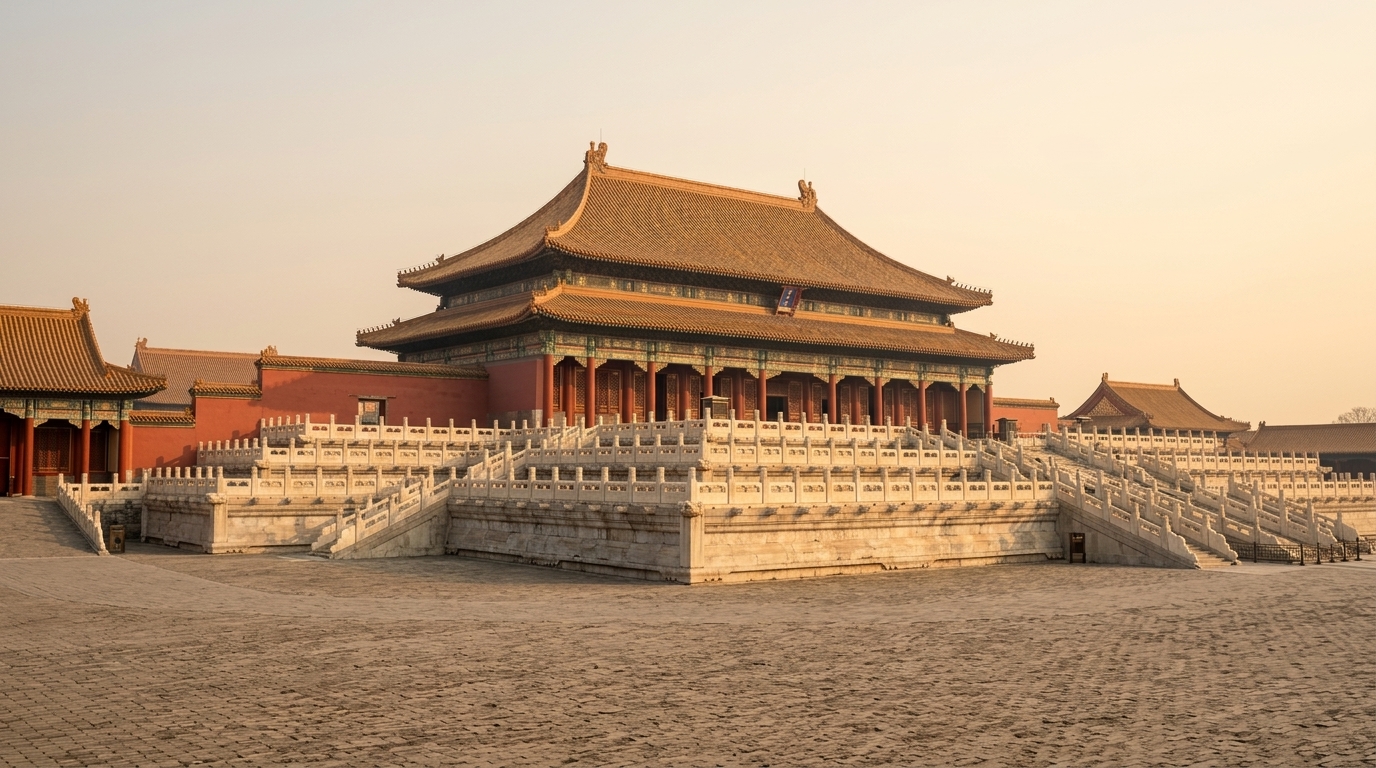
The Palace Museum, housed within the legendary Forbidden City in the heart of Beijing, is a monumental testament to China's imperial past and a living cultural treasure. Construction began in 1406 under the Ming Emperor Zhu Di and was largely completed by 1420, creating a sprawling complex of nearly 1,000 buildings. For over 500 years, this walled city served as the political and ceremonial center of the Ming and Qing dynasties, home to 24 emperors. Surrounded by a 12-meter-high wall and a 52-meter-wide moat, the Forbidden City is a masterpiece of traditional Chinese architecture, with golden glazed roofs, intricate wooden structures, and vibrant painted decorations. Today, as the Palace Museum, it stands as one of the world's most visited and revered museums, offering a journey through centuries of art, history, and royal life.
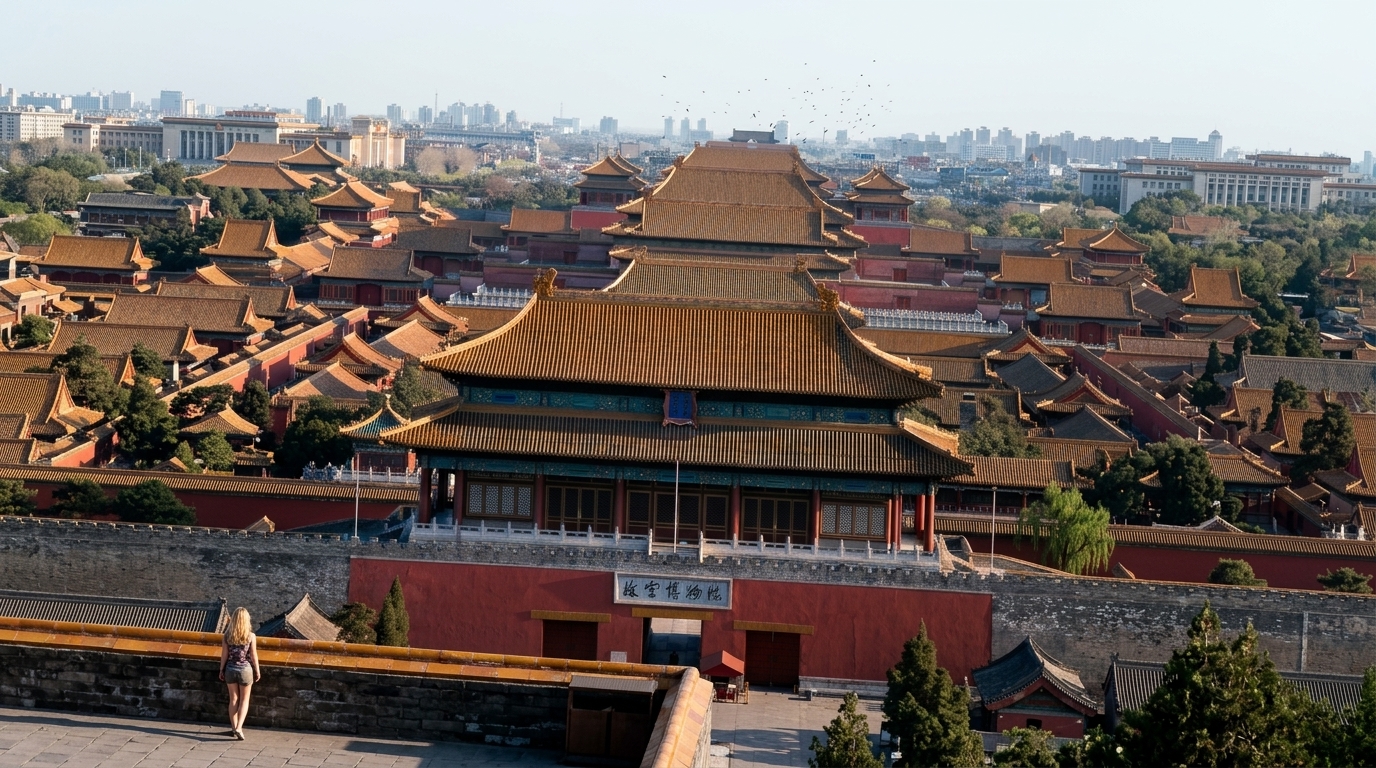
In 2025, the museum marks a historic milestone with the "Century of Guardianship: From the Forbidden City to the Palace Museum" special exhibition, opening on September 30 at the Meridian Gate. This once-in-a-generation event brings together masterpieces like the Along the River During the Qingming Festival, Five Oxen, and Bo Yuan Tie, alongside the epic story of the National Treasures' wartime evacuation and return. For travelers, it is an unparalleled opportunity to see the greatest national treasures in one place, making a visit in late 2025 essential for any cultural itinerary.
Highlights & Activities
The museum is divided into two distinct zones: the Outer Court, where emperors held grand audiences and ceremonies, and the Inner Court, their private living quarters. The Outer Court centers on the Three Great Halls—the Hall of Supreme Harmony, the Hall of Central Harmony, and the Hall of Preserving Harmony—each more awe-inspiring than the last. The Inner Court includes the Palace of Heavenly Purity, the Palace of Earthly Tranquility, and the Hall of Union, as well as the Hall of Mental Cultivation, which reopened in 2024 after extensive restoration.
To make the most of your visit, choose from three recommended routes, each taking about two hours:
- Central Route: The classic path through the Three Great Halls, the Inner Court, the Imperial Garden, and out the Gate of Divine Might.
- Western Route: Ideal for fans of Qing dynasty dramas, this route passes the Hall of Mental Cultivation, the Palace of Compassion and Tranquility, the Palace of Longevity and Health, and the Western Six Palaces—home to historical figures like Empress Dowager Chongqing (the inspiration for "Zhen Huan") and Empress Xiaoxianchun (the "Fucha" of Story of Yanxi Palace).
- Eastern Route: Best for artifact enthusiasts, this quieter route includes the Clock and Watch Gallery (10 yuan entry) and the Treasure Gallery (10 yuan entry) in the Palace of Tranquil Longevity, plus the unique ruins of a burned Western-style building at the Palace of Prolonging Happiness.
The 2025 special exhibition at the Meridian Gate is a must-see, but expect high demand—book tickets well in advance.
Key Attractions Nearby
Extend your exploration beyond the museum walls. Just north of the Forbidden City, Jingshan Park offers panoramic views from its hilltop pavilion. To the south, Tiananmen Square and the Tiananmen Tower mark the entrance to the complex. For a taste of old Beijing, head to Qianmen Street and Dashilan, a historic commercial district dating back to 1550. Here, you'll find traditional shops like the Bianyifang Roast Duck Restaurant and the Shengxifu Hat Store, alongside modern additions like the Beijing Fun area, which houses a Starbucks Reserve Roastery and the acclaimed Page One bookstore. Nearby, the labyrinthine hutongs of Yangmeizhu Xiejie and the legendary "Eight Great Hutongs" offer a glimpse into Beijing's alleyway culture.
Where to Dine
For a memorable meal, the Sijiminfu Roast Duck Restaurant (Forbidden City Branch) is a top choice. Located at No. 11 Nanchizi Street, just east of the museum, it specializes in Beijing cuisine, with scenic seats overlooking the Tongzi River and Donghuamen Gate. The average cost is around 160 yuan per person, but note that reservations are not accepted—expect a wait during peak hours. Inside the museum, the Ice Cellar Restaurant near the Palace of Compassion and Tranquility offers a convenient lunch option for full-day visitors.
Weather & Best Time to Visit
Beijing has four distinct seasons. Spring (April to May) and autumn (September to October) are the most pleasant, with mild temperatures and clear skies—ideal for outdoor exploration. Summer (June to August) can be hot and humid, with occasional rain, while winter (November to March) is cold and dry, but the museum is less crowded. The 2025 special exhibition runs from September 30, making autumn the prime time for a visit. Winter offers a unique charm, especially after a snowfall, when the red walls and golden roofs are dusted white.
Crowds peak during Chinese public holidays like National Day (October 1-7) and Spring Festival. The museum limits daily visitors to 80,000, so book tickets early, especially for the 2025 exhibition.
Travel Tips
- Getting There: Take Metro Line 1 to Tiananmen East or Tiananmen West Station. Buses 1, 20, 82, 120, 126, 203, and 728 also stop nearby. No parking is available at the museum; the nearest public lots are at Donghuamen, Jingshan Back Street, and Beihai South Gate. Taxis can drop you at Donghuamen or Xihuamen for a short walk to the Meridian Gate entrance.
- Hours & Fees: Peak season (April 1 to October 31): 8:30 AM to 4:10 PM (last entry), 60 yuan. Off-season (November 1 to March 31): 8:30 AM to 3:40 PM, 40 yuan. Students and seniors get half-price discounts; children under 6 or under 1.2 meters are free. Tickets are sold online at gugong.228.com.cn, available 10 days in advance. No paper tickets are needed—use your ID or passport for entry.
- What to Bring: Comfortable walking shoes are essential, as the museum covers a vast area. Bring water and snacks, though dining options are available. In winter, dress warmly; in summer, carry sunscreen and a hat. Luggage storage is available near the ticket office, with free transfer between the Meridian Gate and the Gate of Divine Might.
- Guided Tours: Audio guides are available for 10 yuan (plus a 100 yuan deposit), or you can hire a human guide at clearly marked prices.