Overview & History
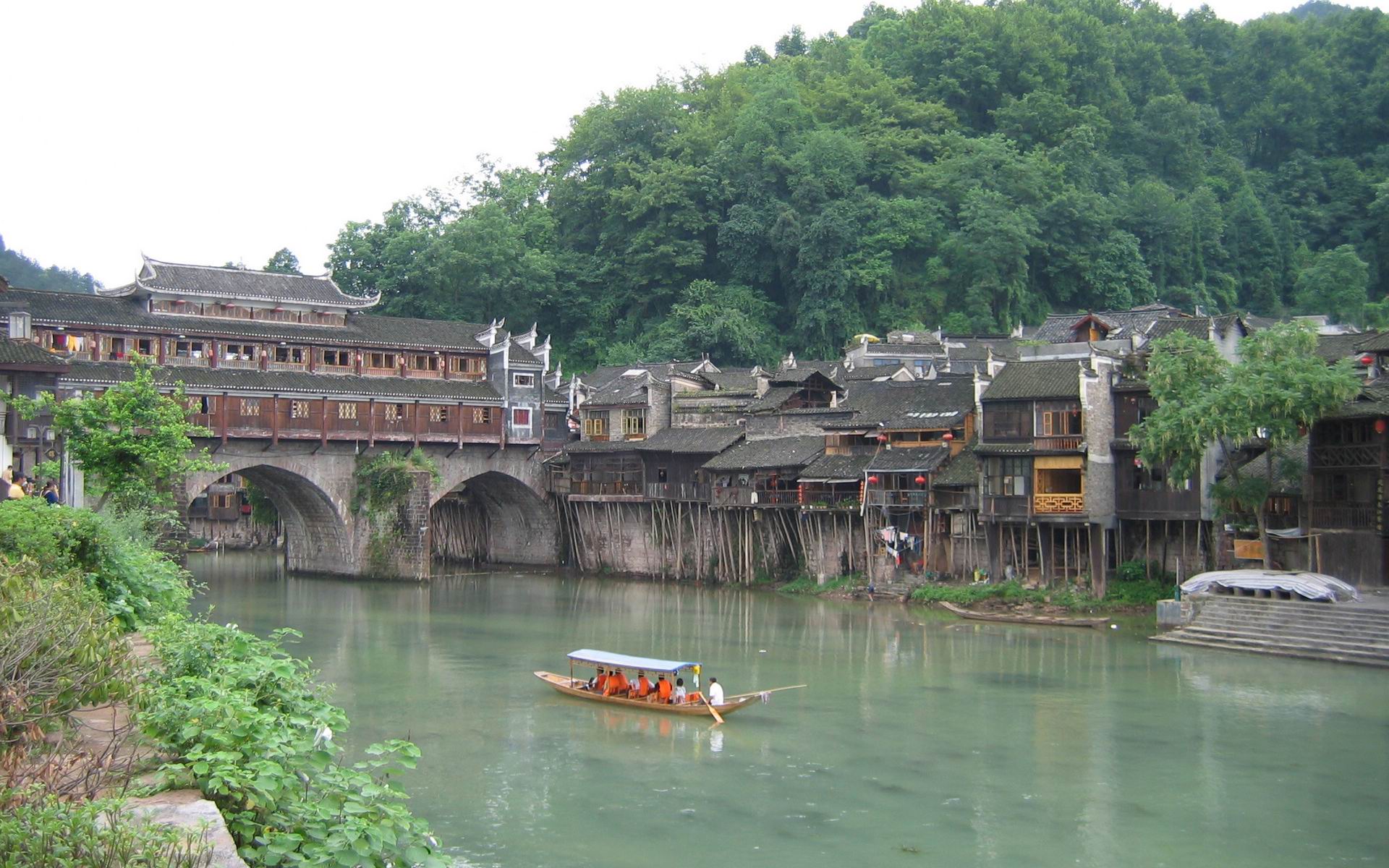
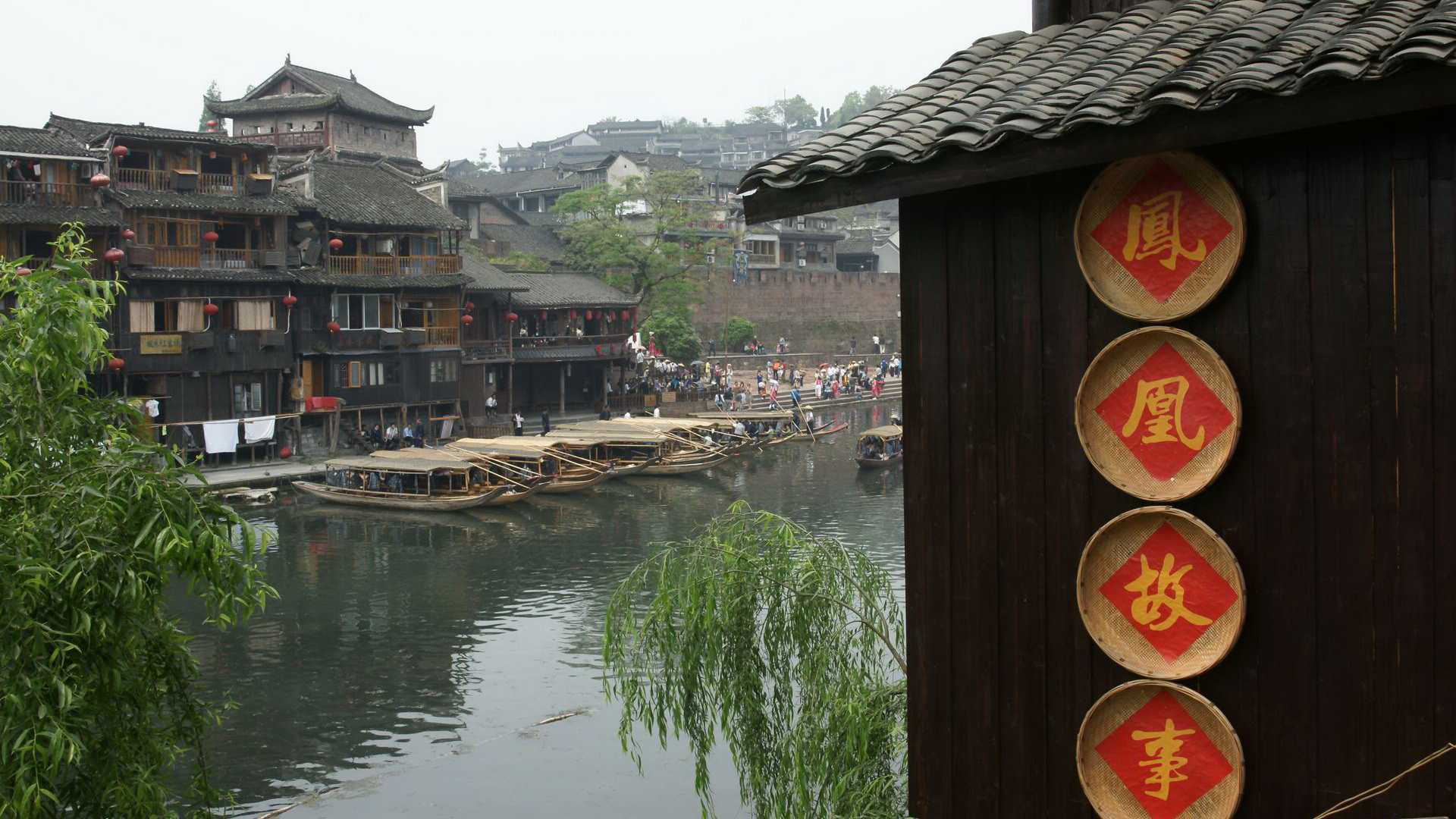
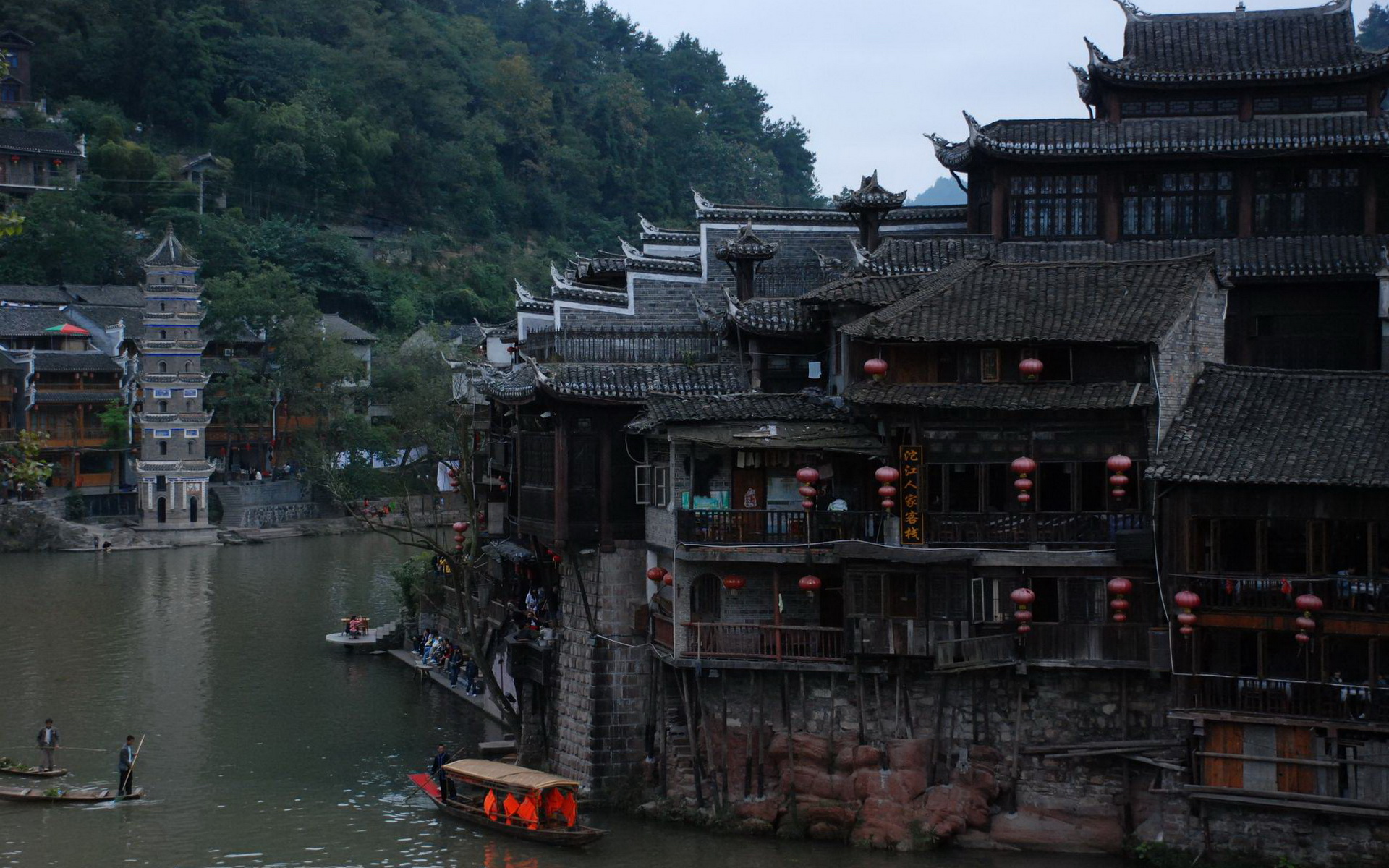
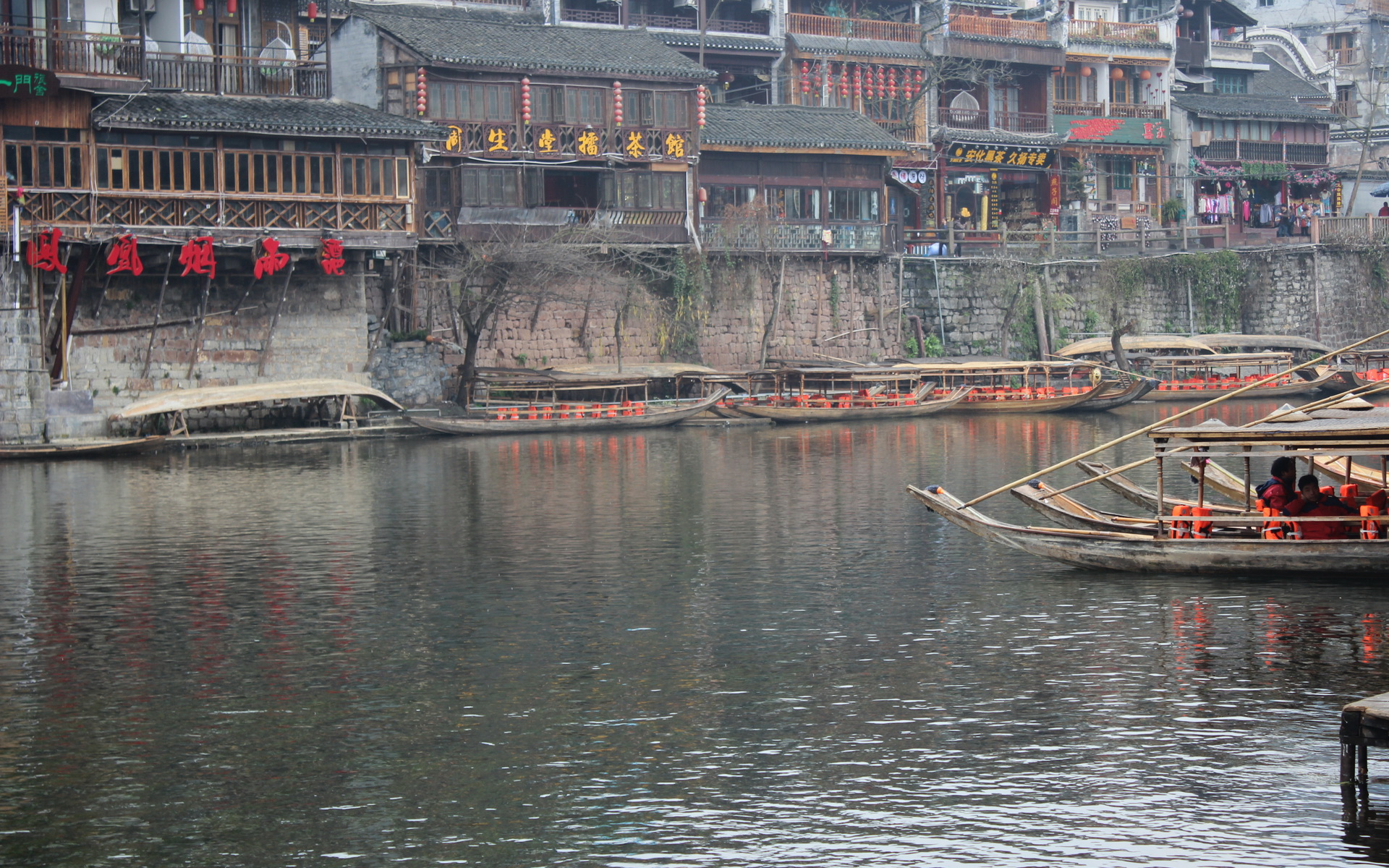
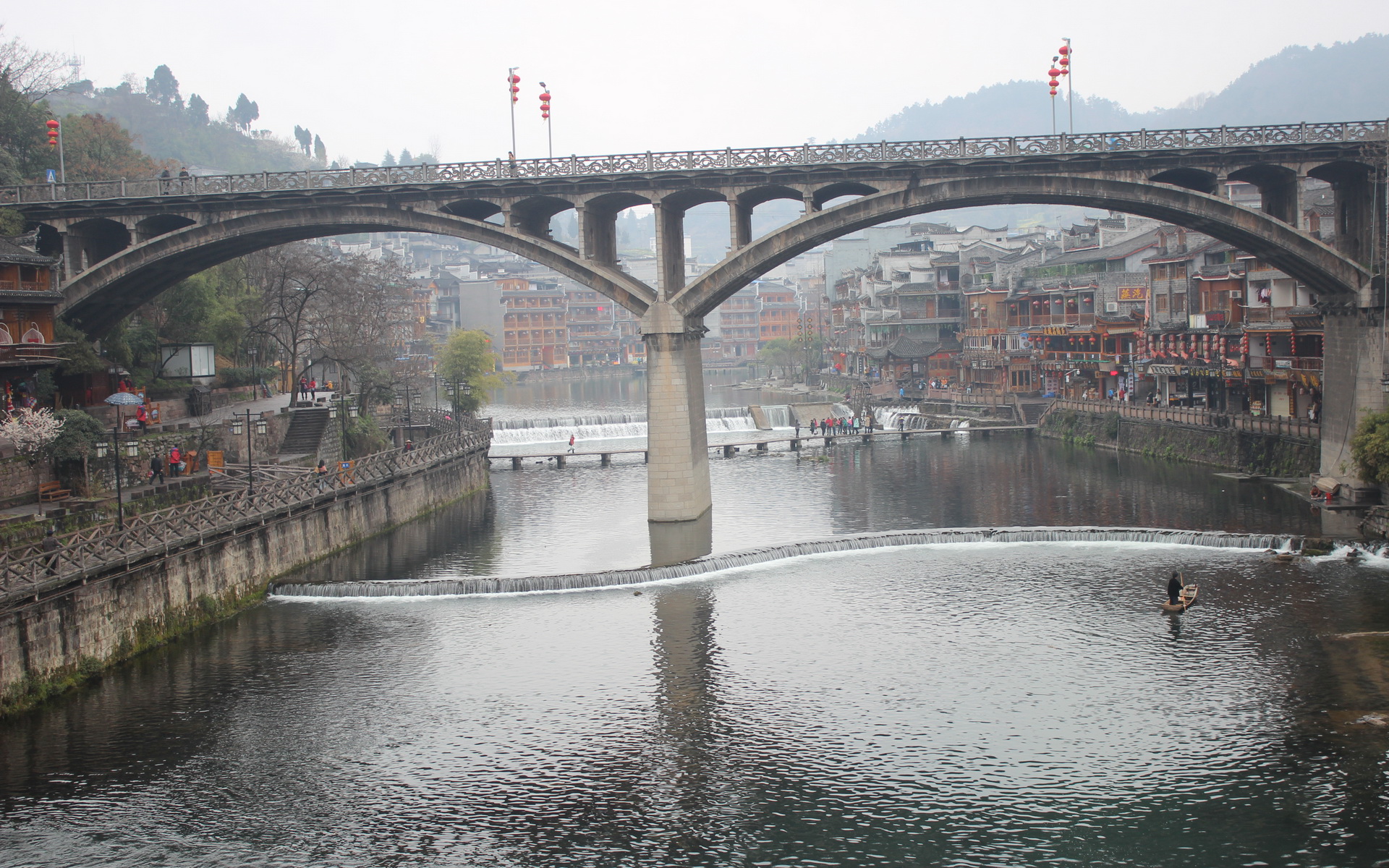
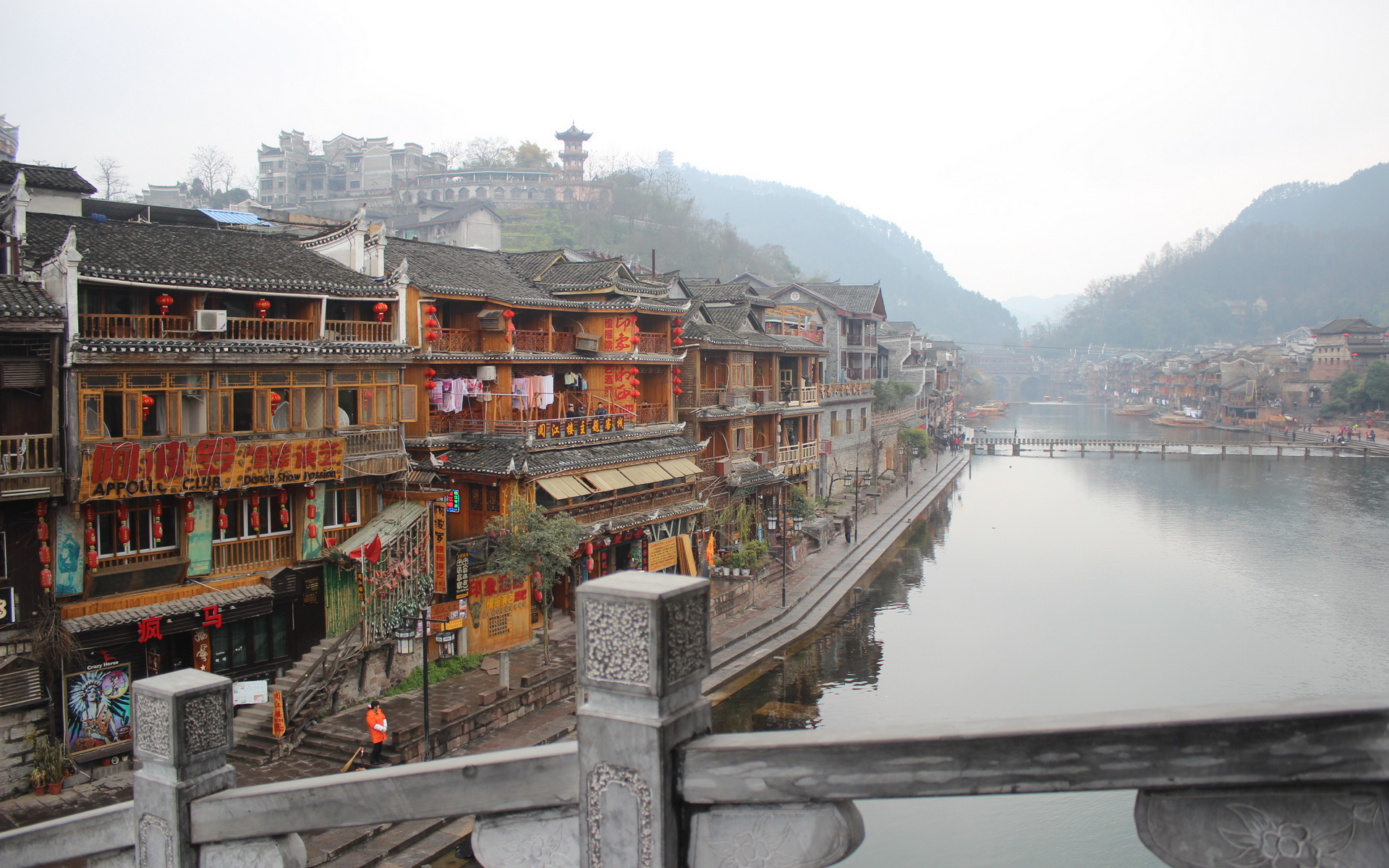
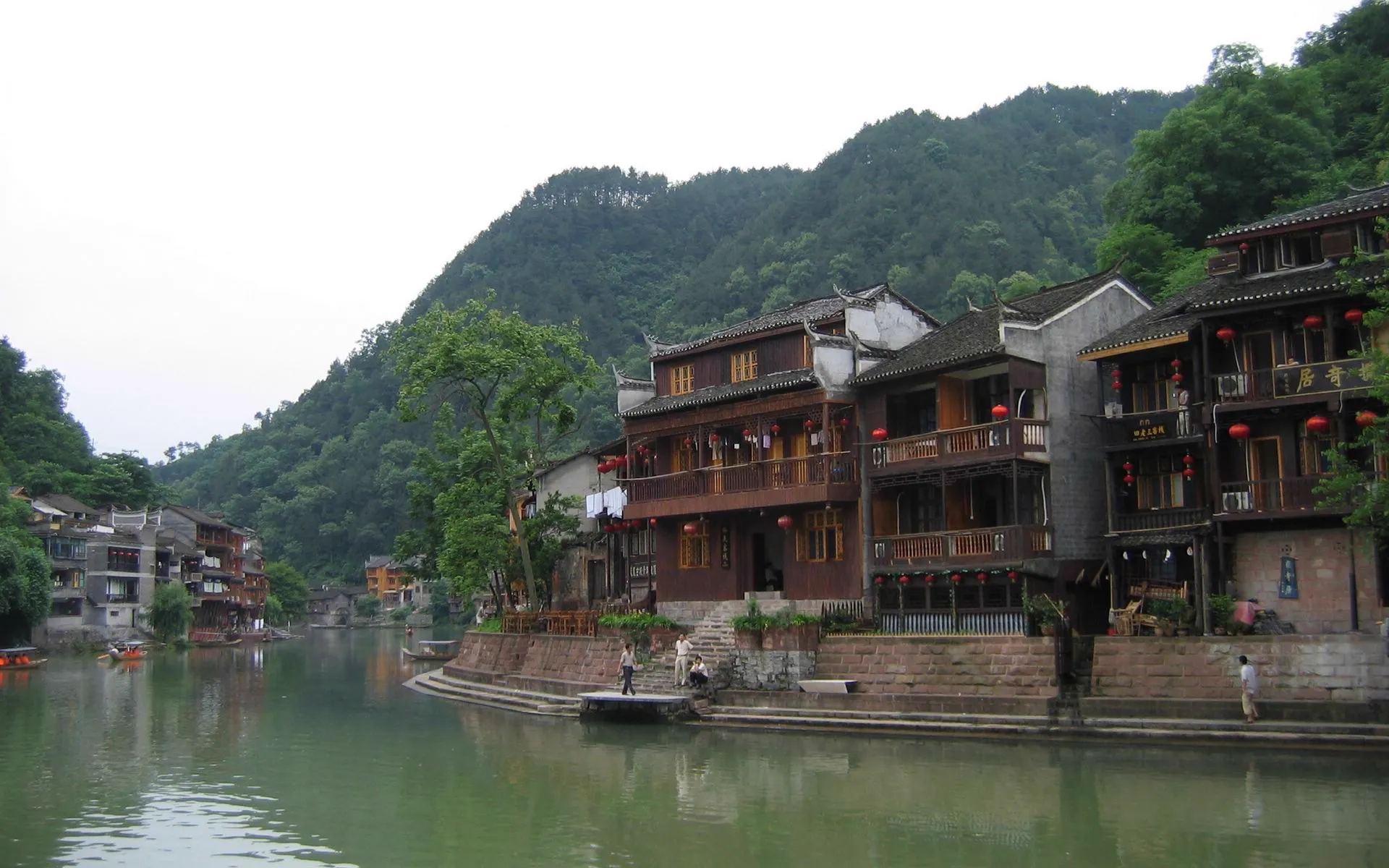
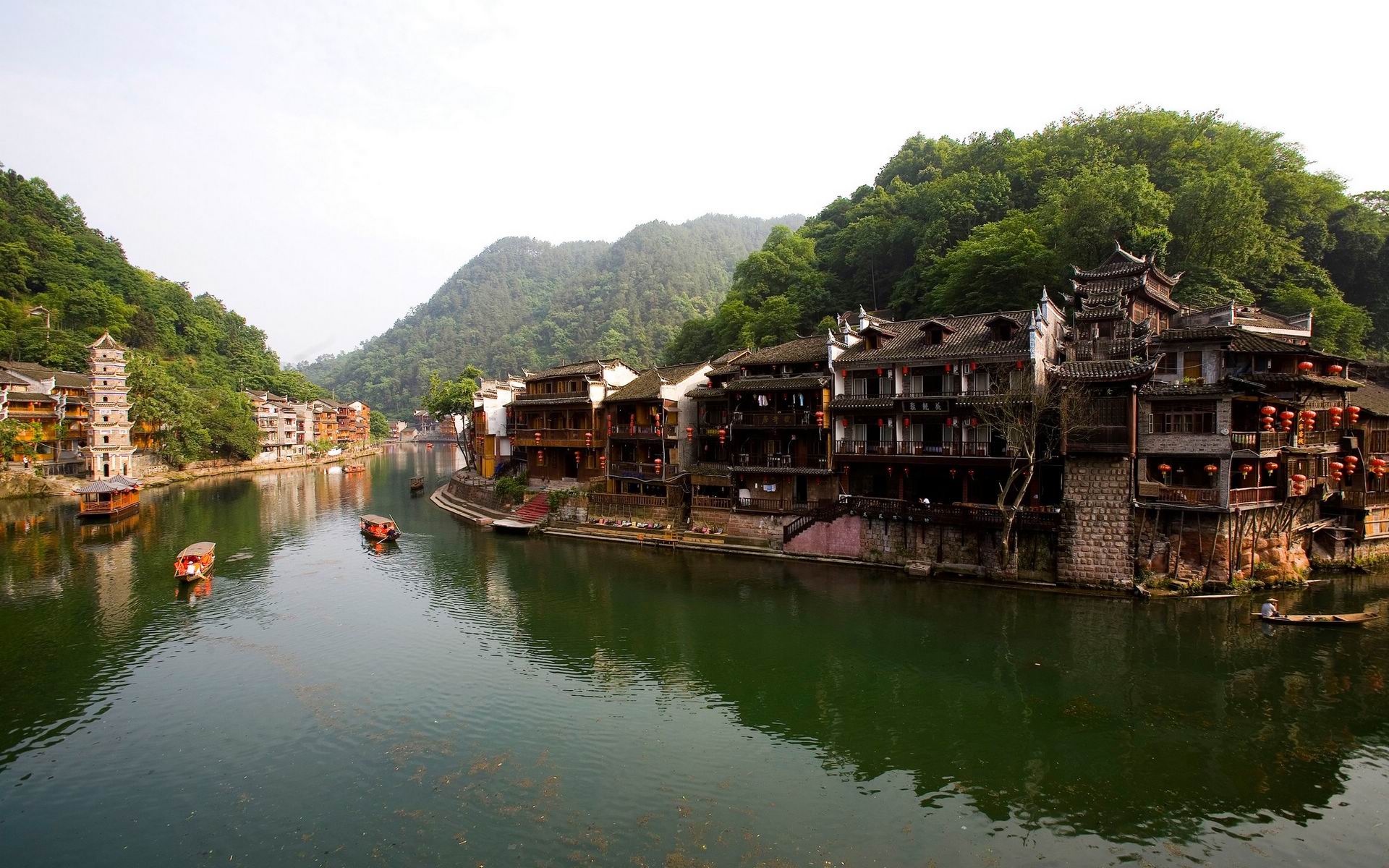
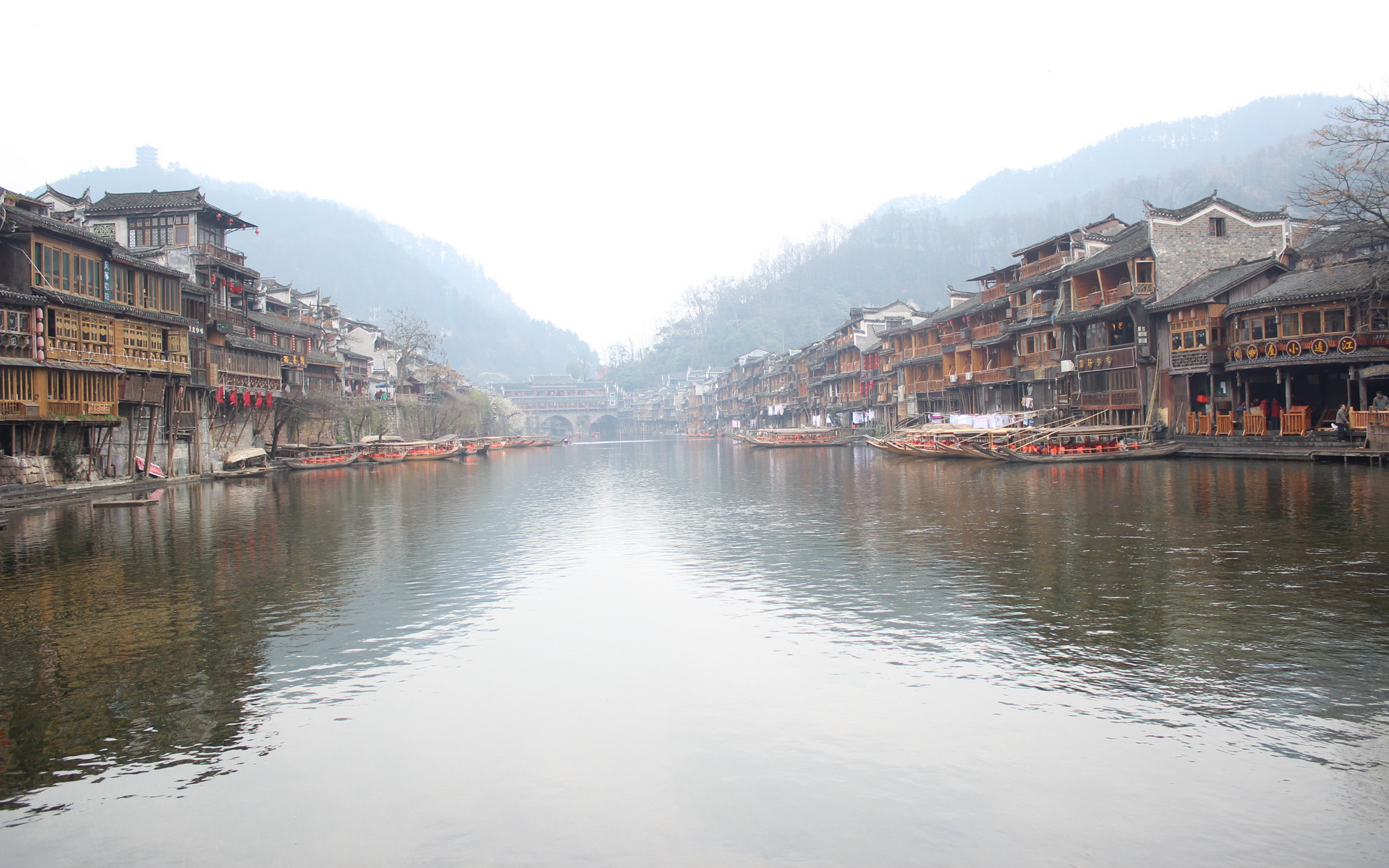
Nestled along the emerald-green Tuojiang River in the mountainous Xiangxi region of Hunan Province, Fenghuang Ancient Town is a living postcard of China’s past. Founded during the Kangxi era of the Qing Dynasty (over 300 years ago), this national historical and cultural city earned the praise of New Zealand writer Rewi Alley, who called it “the most beautiful small town in China.” Its name, meaning “phoenix,” suits its mythical charm: stilted wooden houses (diaojiaolou) cling to the hillsides like perching birds, their reflections shimmering in the river below. This is the hometown of literary giant Shen Congwen, whose nostalgic novel Border Town immortalized the region’s rustic beauty and simple way of life. Walking through Fenghuang is like stepping into a brush painting—stone bridges, ancient alleys, and the gentle sound of laundry paddles beating against the river stones create a timeless melody. Whether you come for history, culture, or pure scenic beauty, Fenghuang offers an enchanting glimpse into traditional China.
Highlights & Activities
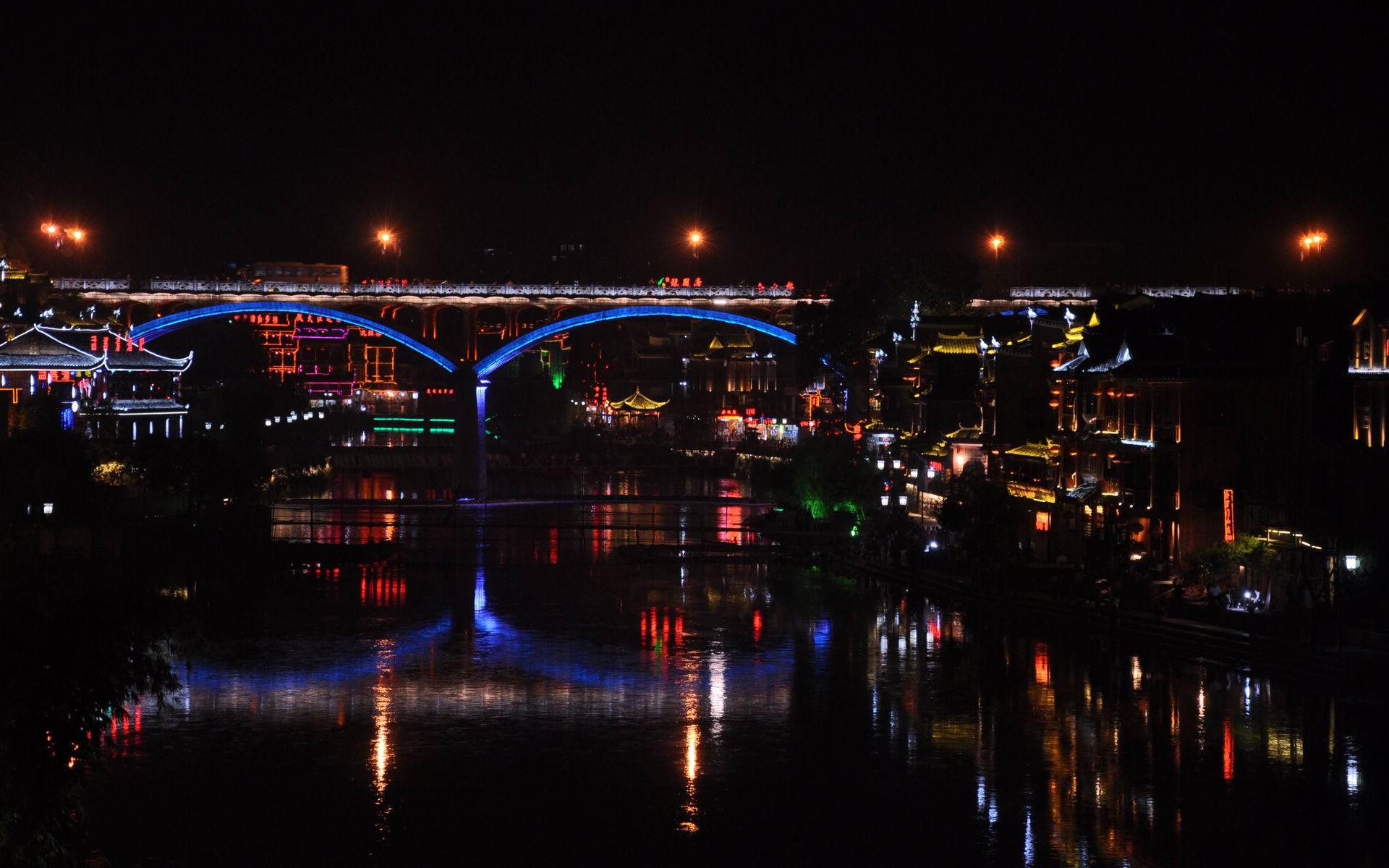
Fenghuang is best explored on foot, allowing you to lose yourself in its labyrinth of cobblestone lanes. Start at the iconic Hong Bridge (Rainbow Bridge), a covered wooden bridge spanning the Tuojiang, offering panoramic views of the stilted houses and distant mountains. Wander along the riverbanks to see locals washing clothes or fishing, and climb the Eastern Gate Tower for a bird’s-eye view of the ancient town. Don’t miss the Former Residence of Shen Congwen, a humble courtyard that reveals the author’s life and inspirations. For a unique experience, ride the Fenghuang Maglev Sightseeing Express, China’s first “maglev + culture + tourism” line, connecting the high-speed rail station to the ancient town. Its four stations—including the phoenix-eye-shaped Lansheng Station—feature viewing platforms, “maglev love” installations, and interactive science exhibits, blending modern technology with folk charm. At night, the town transforms: lanterns glow, bars hum with music, and a traditional bonfire party at the Tianxia Fenghuang Hotel offers a taste of Miao and Tujia dance and song.
Key Attractions Nearby
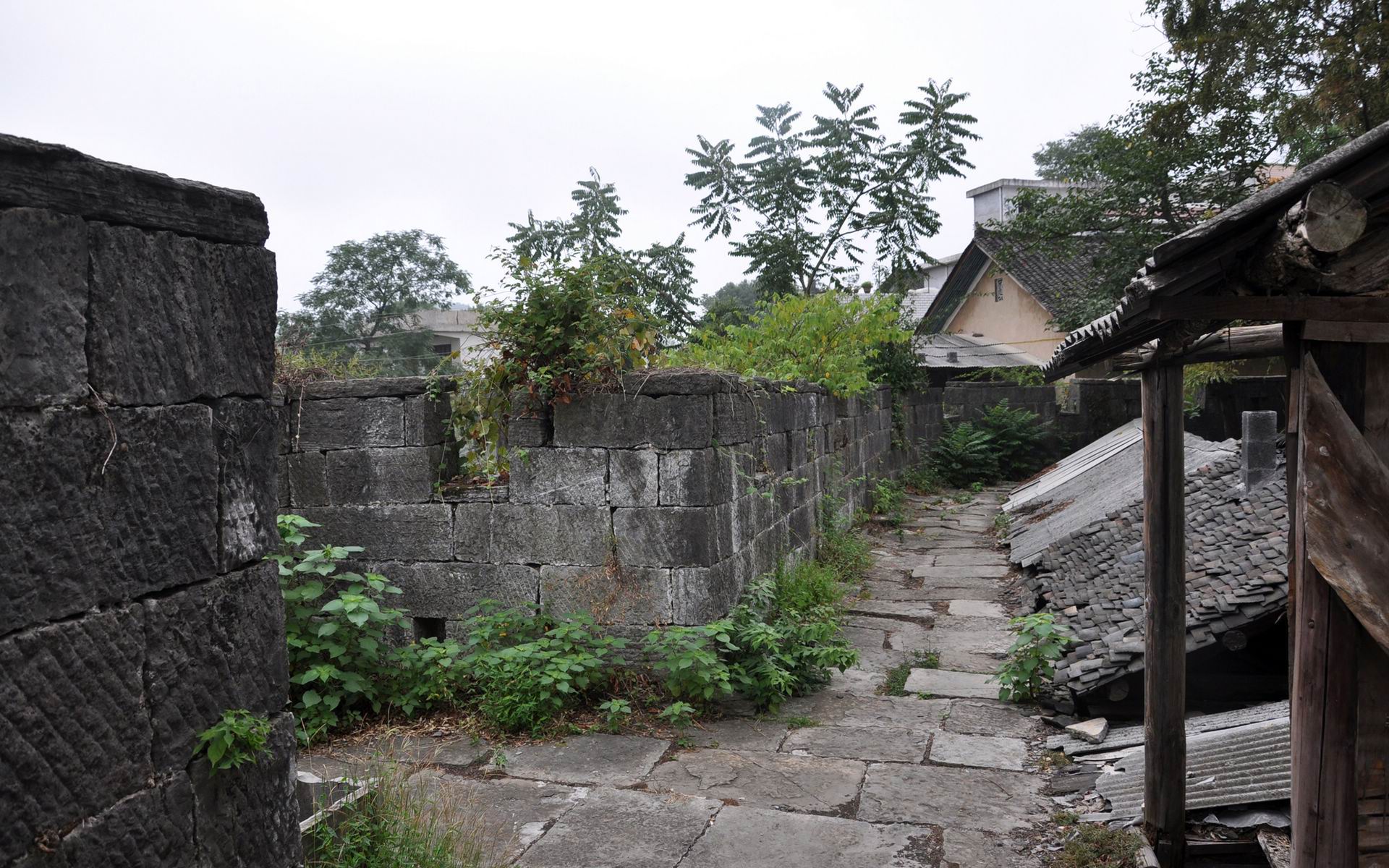
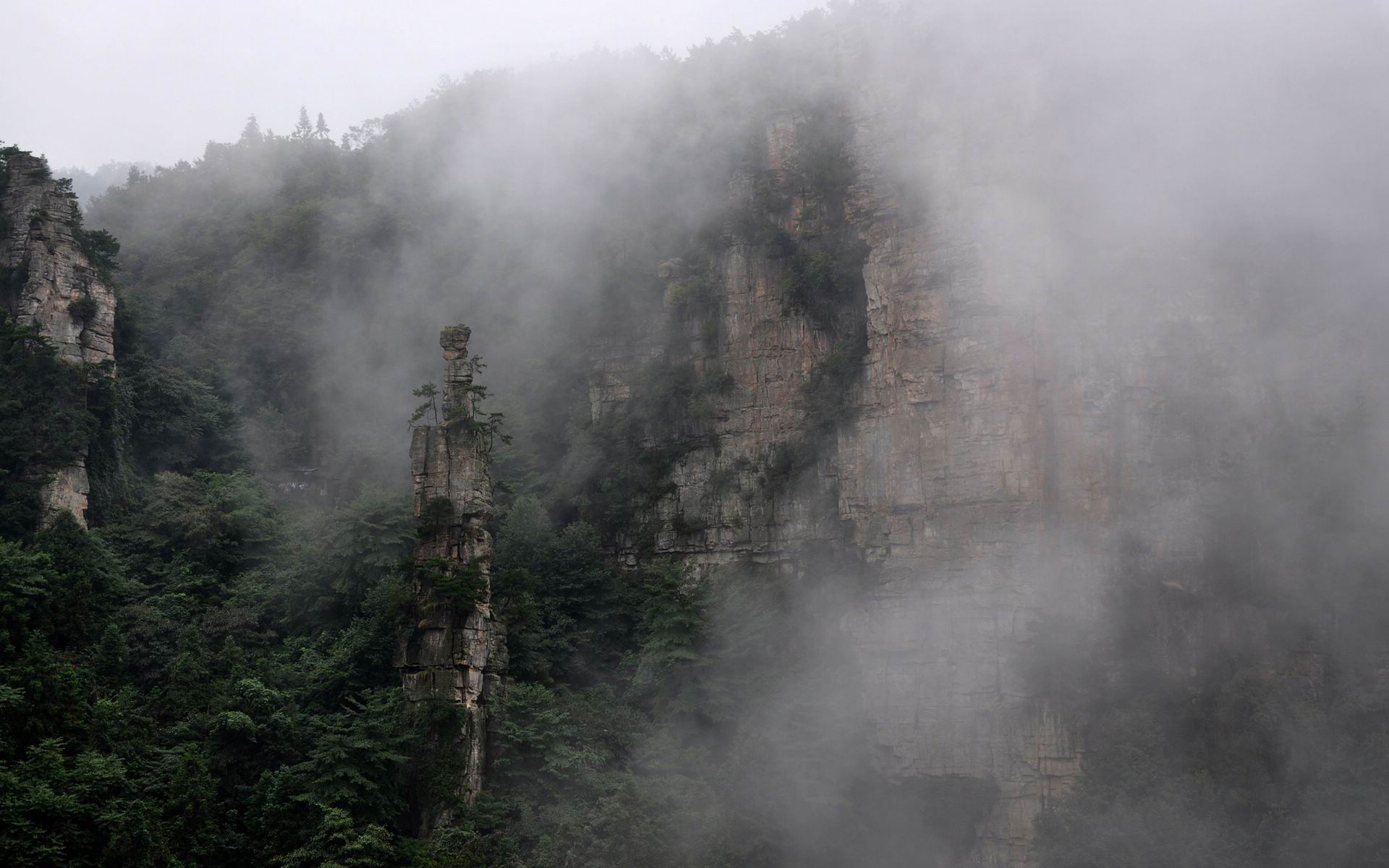
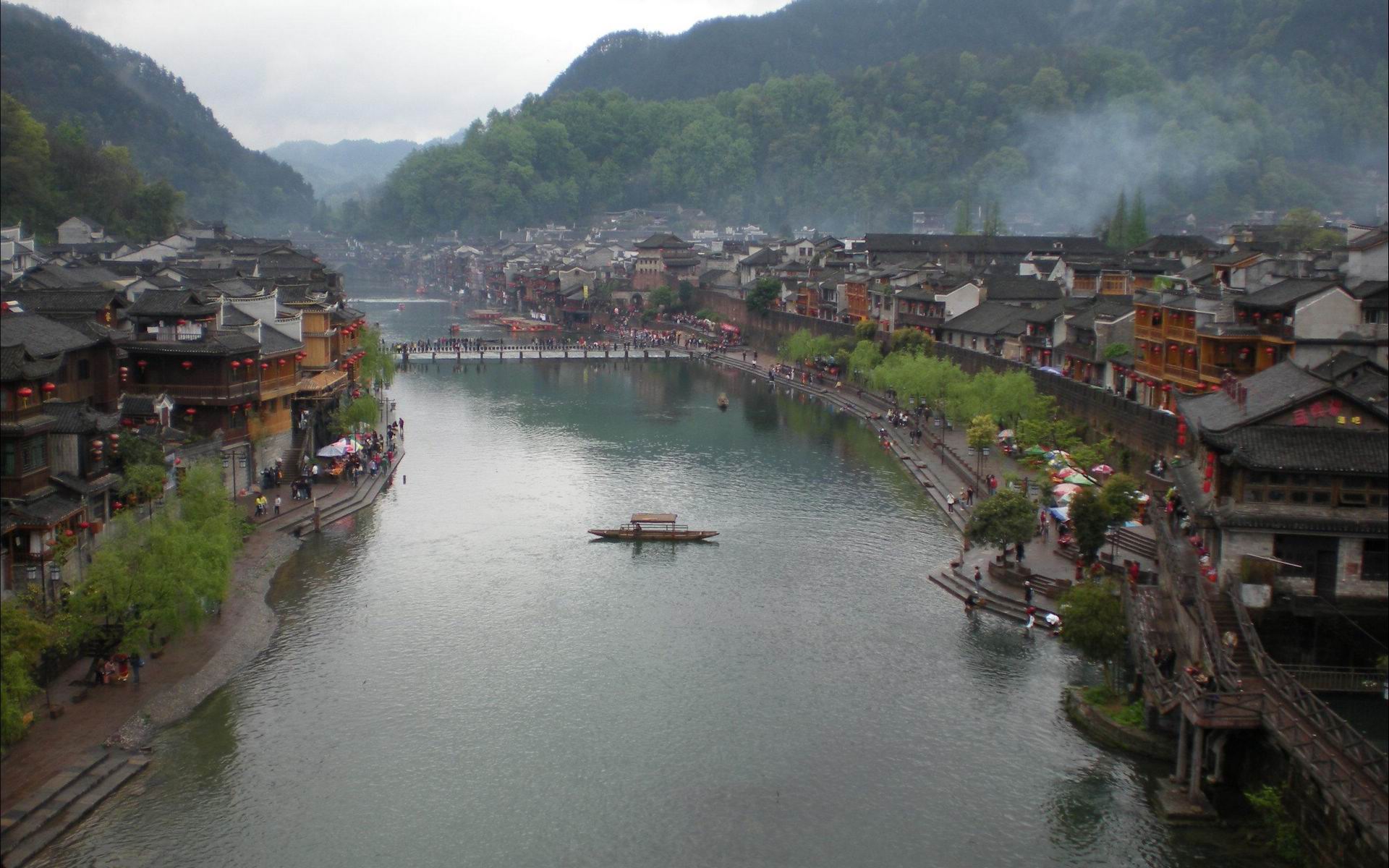
Fenghuang serves as a gateway to other Xiangxi treasures. A popular side trip is Furong Town (also known as Hibiscus Town), a 2,000-year-old settlement perched on a waterfall. From Fenghuang, take a bus to Zhangjiajie (two daily departures at 8:30 AM and 3:30 PM) and get off at Furong Town along the way. Alternatively, travel to Jishou (1 hour, 45 km, about 15 yuan), then transfer to Furong (1 hour 20 minutes, 80 km, about 21 yuan). Furong’s ancient streets and cascading falls make it a perfect half-day excursion. For nature lovers, Zhangjiajie National Forest Park is a 3–4 hour drive away, offering towering sandstone pillars and glass bridges. Closer to Fenghuang, the Southern Great Wall—a Ming Dynasty fortification—and the Miao Village of Shanjiang provide insights into local ethnic culture and history.
Where to Dine
Fenghuang’s cuisine is a fiery blend of Hunan heat and Xiangxi mountain flavors. Must-try dishes include blood tofu duck (a hearty stew of duck, tofu, and pig’s blood), sour fish (fermented with rice and chili), and smoked pork with preserved vegetables. Street stalls along the river sell rice tofu in spicy broth and ginger candy for a sweet treat. Many guesthouses, like Fenghuang March Inn, offer home-cooked meals for about 15 yuan per person—a chance to try local ingredients like river snails and wild greens. For a sit-down meal, head to restaurants near the Hong Bridge, where you can enjoy river views with your fiery feast. Don’t forget to sample Miao family rice wine, a sweet, low-alcohol brew served in bamboo cups.
Weather & Best Time to Visit
Fenghuang has a subtropical monsoon climate, with mild winters and warm, humid summers. The best seasons are spring (March–May) and autumn (September–November), when temperatures range from 15–25°C (59–77°F), and the landscape is lush or painted in autumn hues. Summer (June–August) can be hot and crowded, with occasional rain, while winter (December–February) is chilly but less touristy—perfect for misty, atmospheric views. The town is especially magical during the Spring Festival (Chinese New Year), when red lanterns and fireworks light up the river, though crowds are heavy. For a quieter experience, visit on weekdays or in early November, when the weather is crisp and the crowds thin.
Travel Tips
- Getting There: Fenghuang has its own high-speed rail station (Fenghuang Gudong Station), connected to cities like Changsha and Zhangjiajie. From the station, take the maglev line or a taxi (15–20 minutes) to the ancient town. By bus, frequent services run from Jishou (1 hour, 15 yuan) and Zhangjiajie (4 hours).
- Fees & Hours: Since April 2013, entry to the ancient town requires a 148 yuan ticket (valid for 3 days), which includes access to key attractions like Shen Congwen’s former residence and the Eastern Gate. The town is open 24 hours, but individual sites close by 5:30–6 PM.
- Accommodation: Options range from budget hostels like Fenghuang International Youth Hostel (beds from 20 yuan, doubles from 80 yuan) to mid-range inns like Fenghuang March Inn (doubles 100–130 yuan) and the luxurious Tianxia Fenghuang Hotel (the only four-star hotel, doubles from 270 yuan). For a peaceful stay, try Fenghuang Wentao Xiaoyuan near Shen Congwen’s tomb (doubles 60–100 yuan).
- What to Bring: Comfortable walking shoes, a light jacket for evenings, insect repellent (especially in summer), and a camera. Rain gear is useful year-round, as showers can come suddenly.
- Local Etiquette: Respect local customs—ask permission before photographing people, especially ethnic minorities. Bargaining is common at markets, but do so politely.
Fenghuang Ancient Town is more than a destination; it’s a journey into the soul of Xiangxi. With its timeless beauty, rich culture, and warm hospitality, it remains one of China’s most captivating hidden gems.