Overview & History
Nestled in the northern part of Aba Tibetan and Qiang Autonomous Prefecture, Jiuzhaigou is a breathtaking valley that captivates the soul with its pristine beauty. The name "Jiuzhaigou" translates to "Nine Village Valley," inspired by the nine Tibetan settlements scattered throughout the region, including Panxin, Pengbu, and Guwa. This UNESCO World Heritage Site lies at an altitude of 2,000 to 4,300 meters and serves as a large tributary valley at the source of the Jialing River, part of the Yangtze River system.
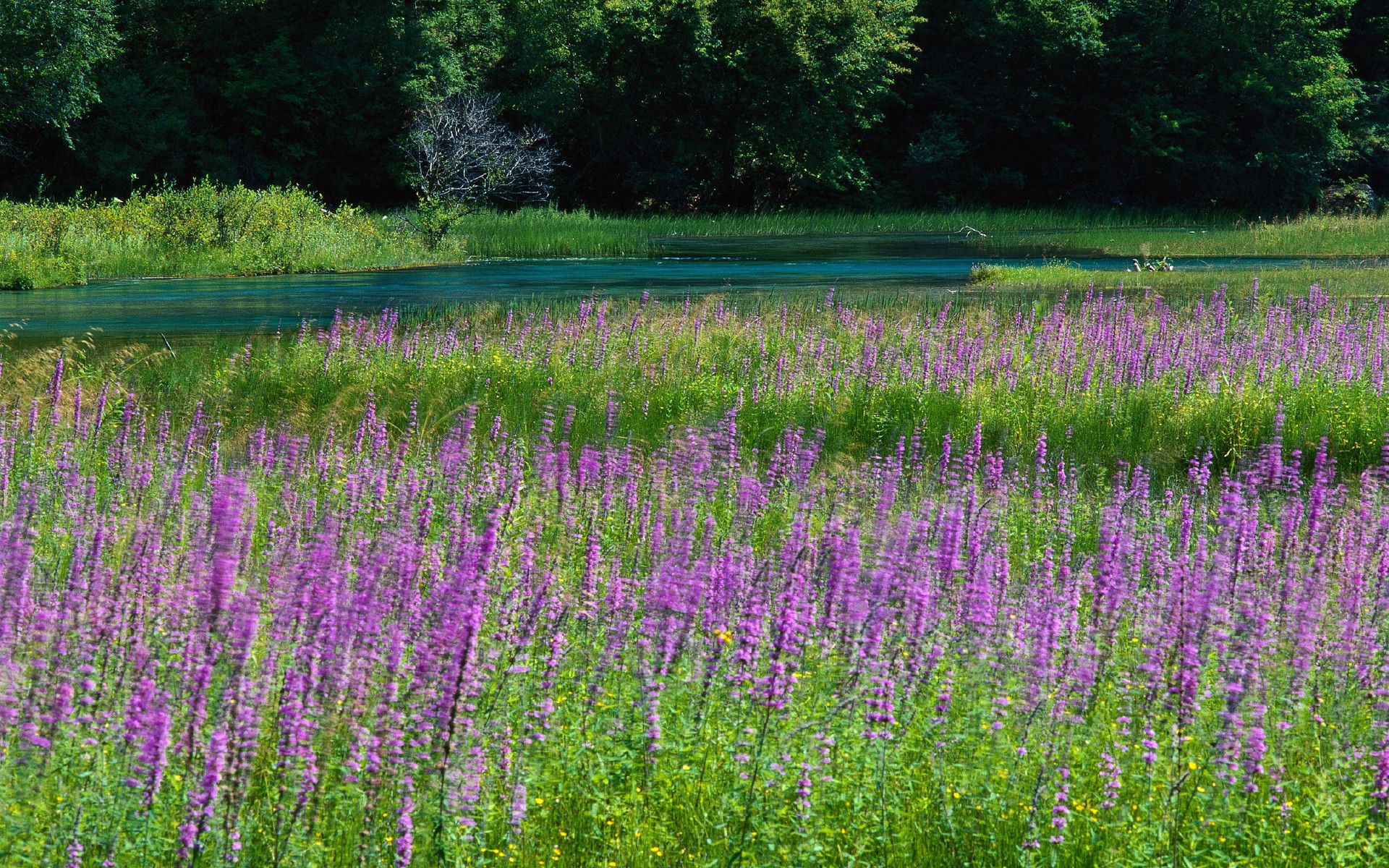
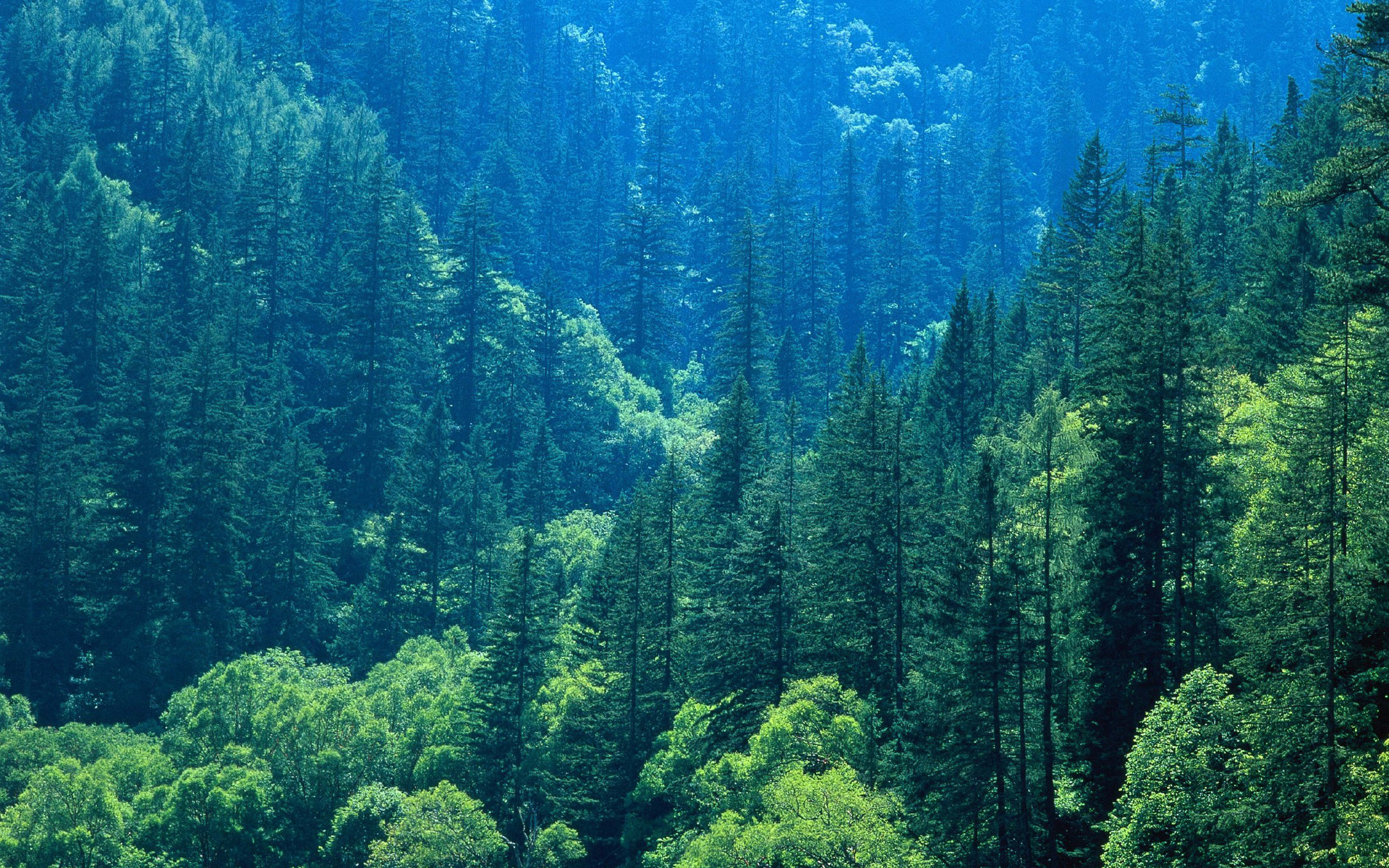
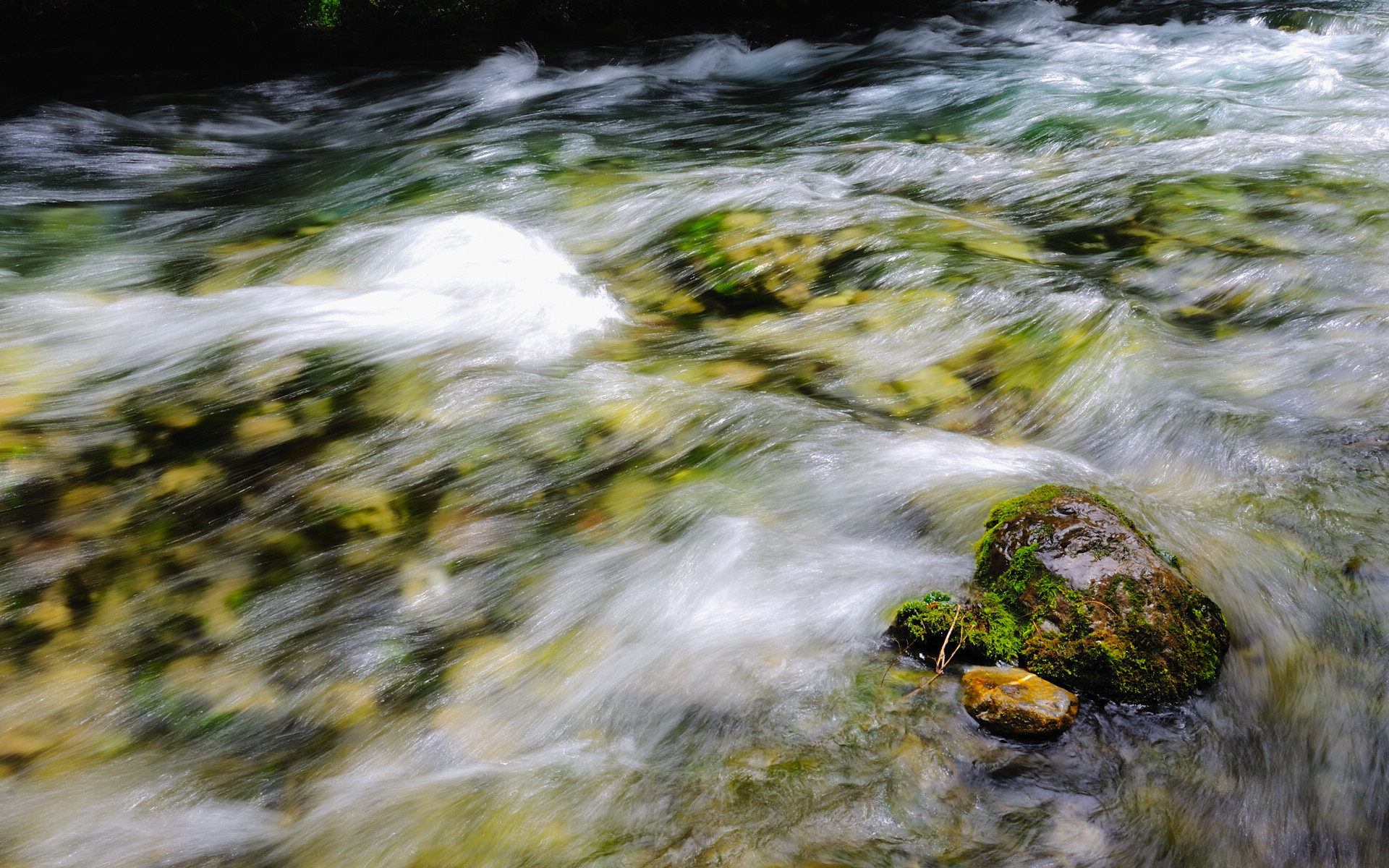
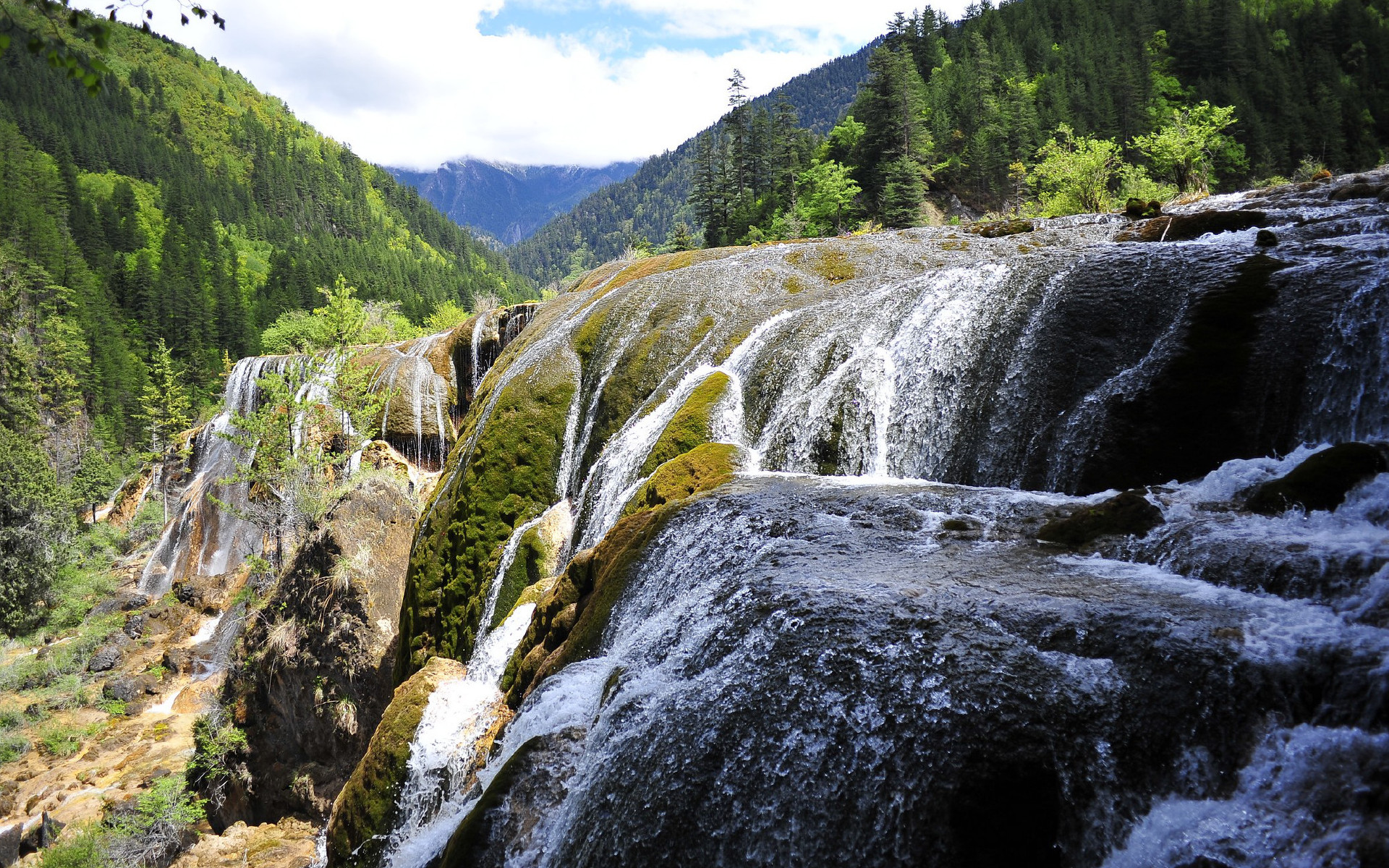
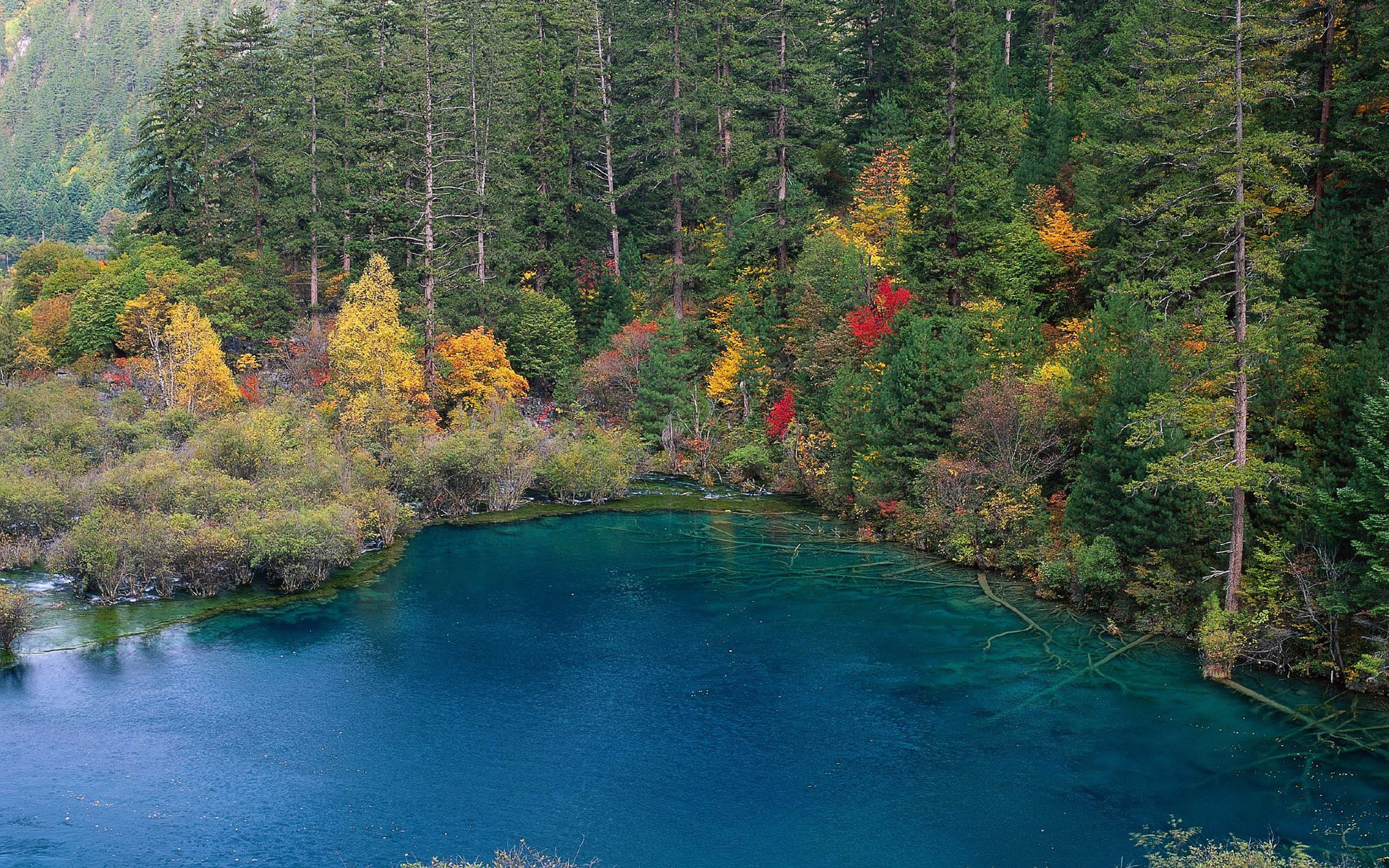
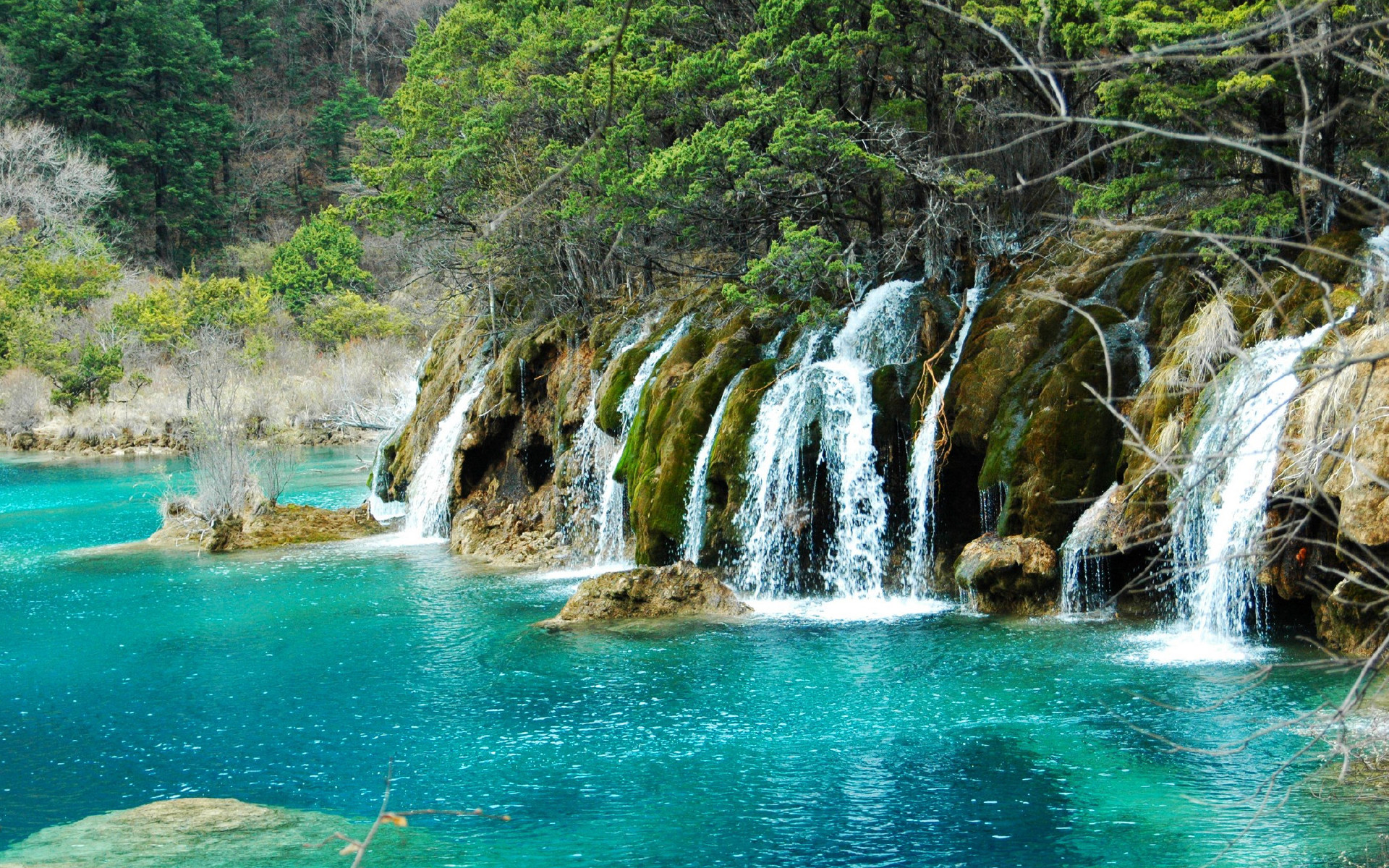
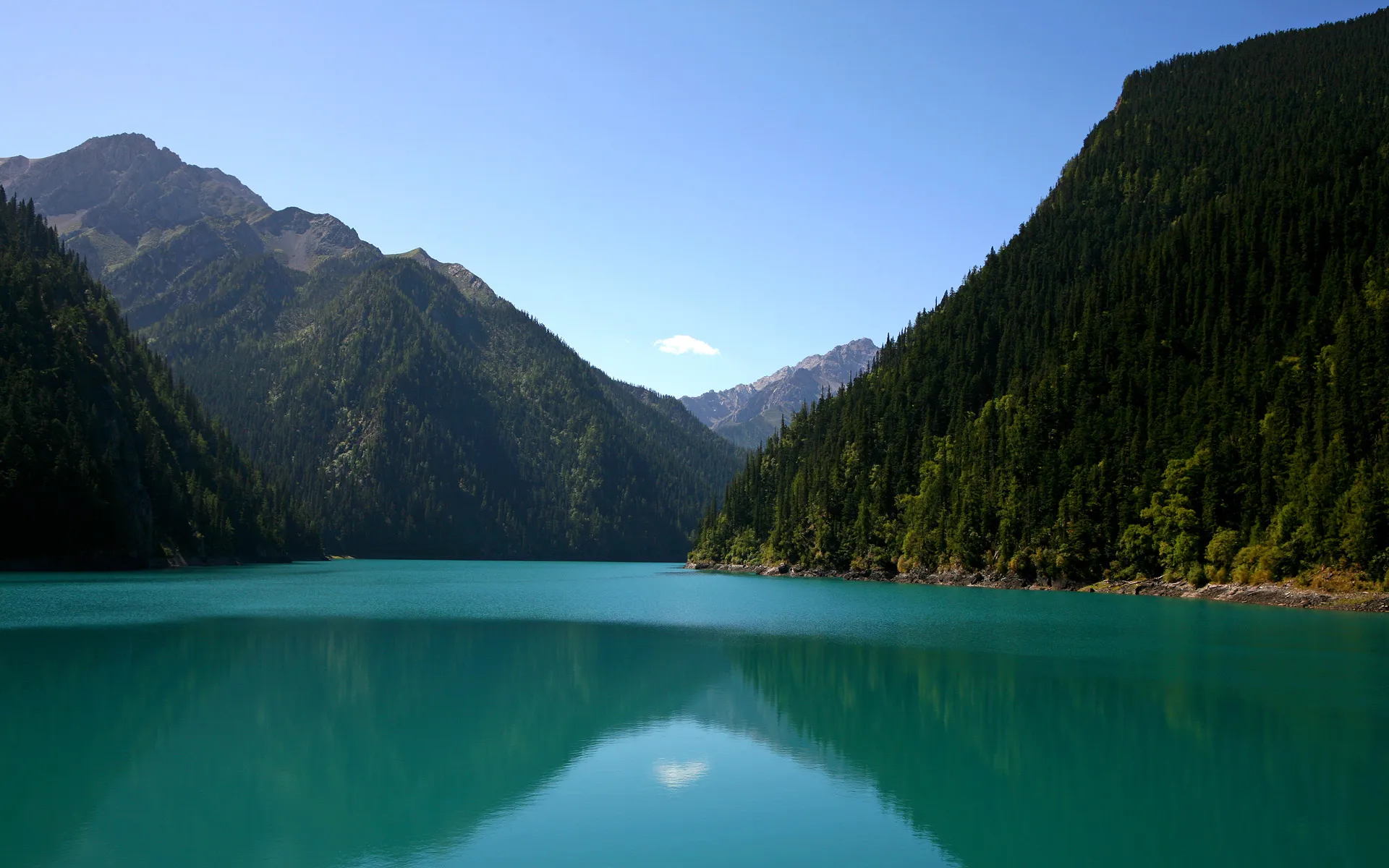
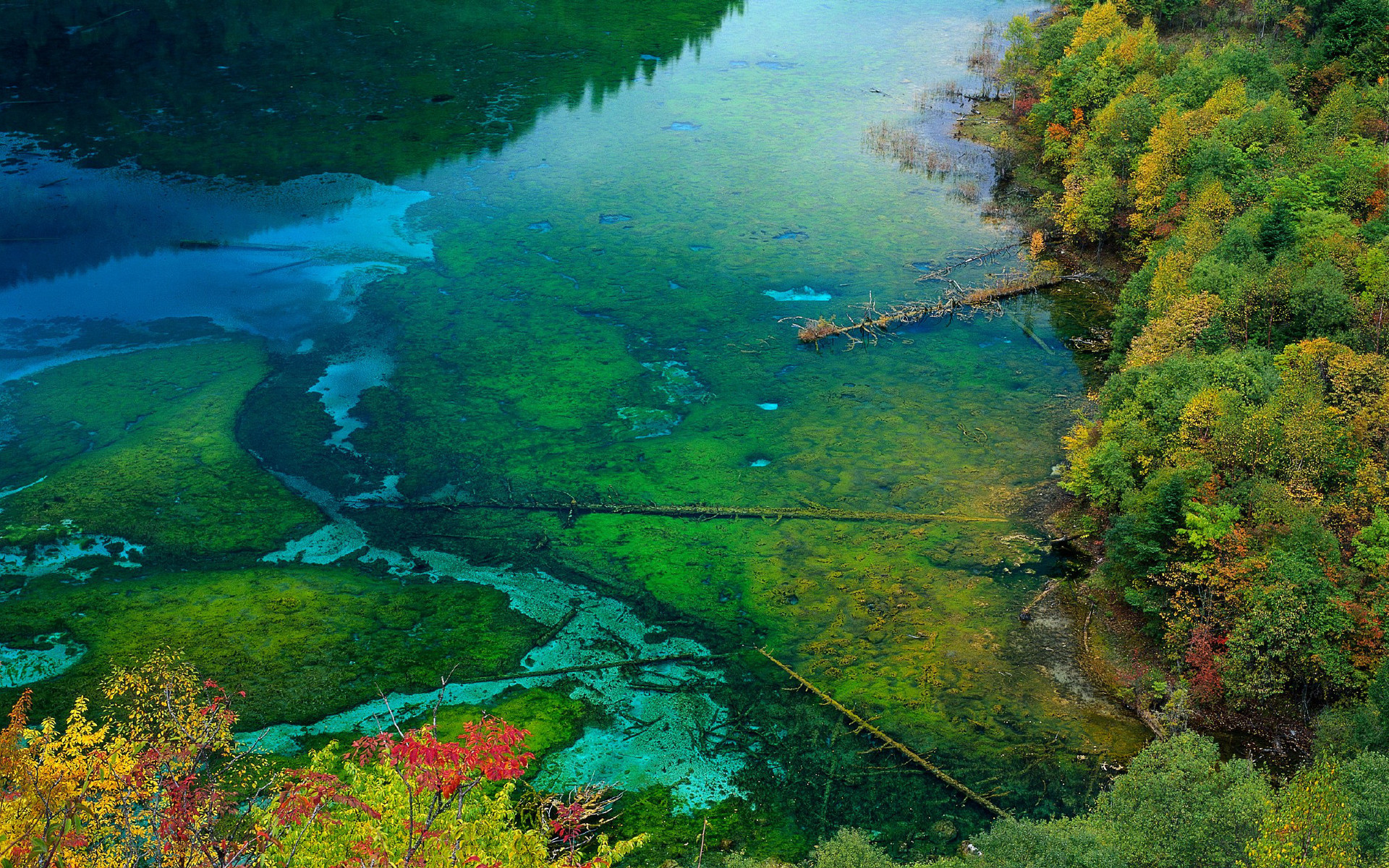
What makes Jiuzhaigou truly extraordinary is its surreal landscape—a "Y"-shaped network of three valleys: Shuzheng, Rize, and Zechawa. Within this natural wonder, 114 lakes cascade in terraced patterns, linked by 17 waterfall groups, 11 rapids, and 5 calcified stream beaches. The area is home to over 118 lakes, 5 shoals, 12 waterfalls, and 10 streams, all set against a backdrop of lush primitive forests. In winter, the lakes transform from vibrant red and blue hues into a silver wonderland, with ice layers on Long Lake and Panda Lake reaching up to 60 centimeters thick, offering a unique playground for visitors. This ecological paradise also harbors over 10 rare animal species, including the giant panda, making it a sanctuary of biodiversity.
Highlights & Activities
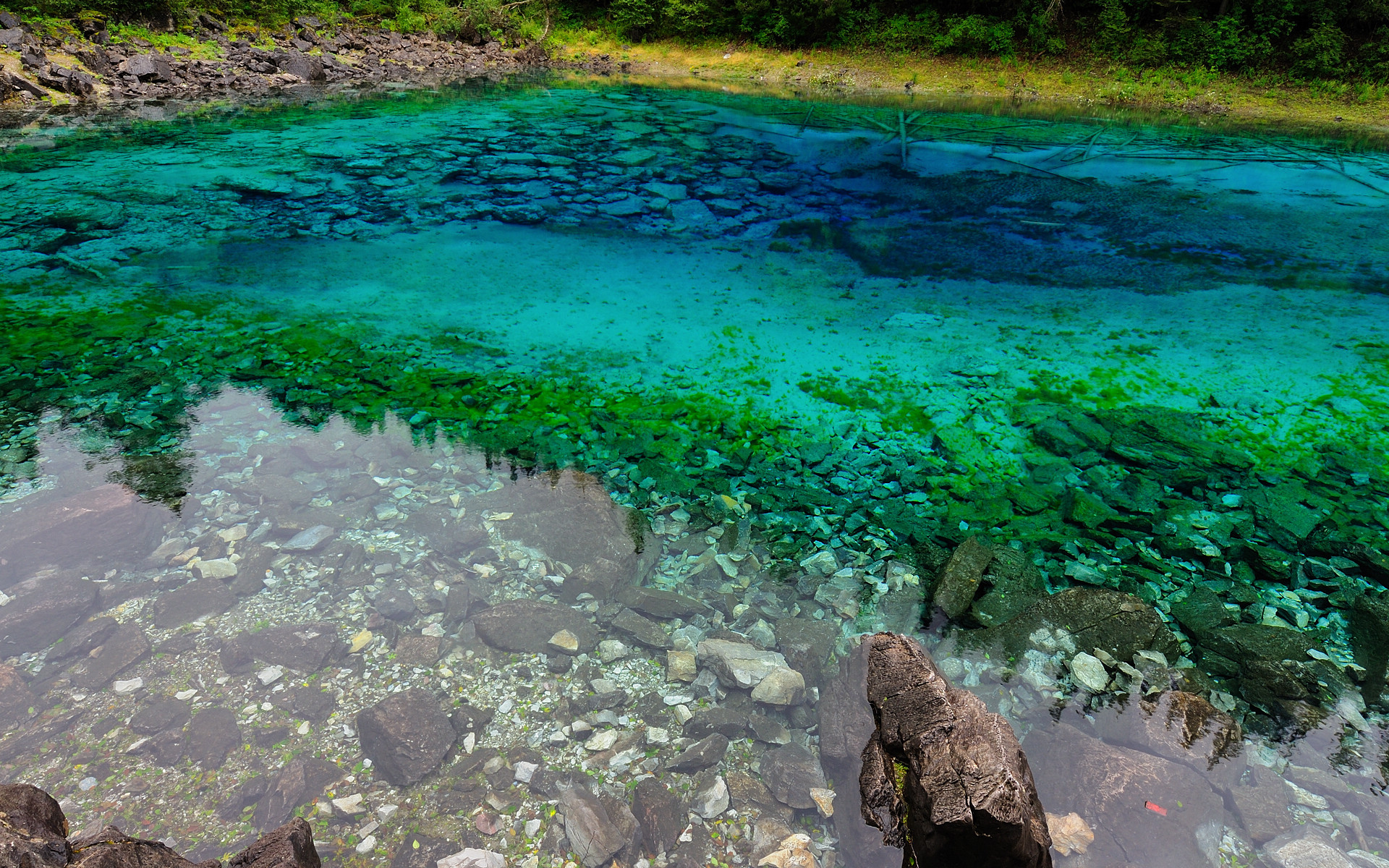
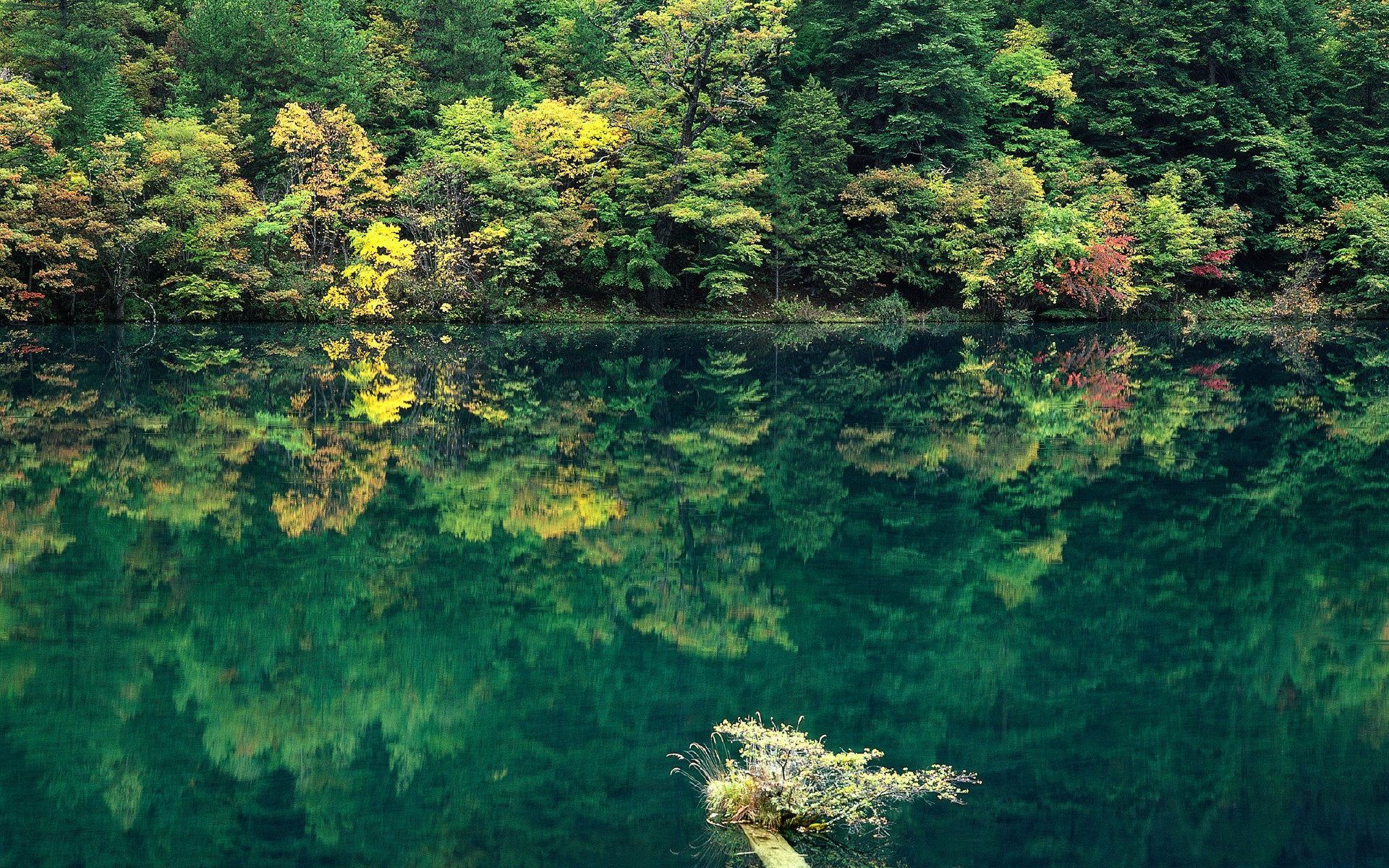
Jiuzhaigou offers an array of unforgettable experiences. Start your journey at the iconic Five Flower Lake, located in the middle section of Rize Valley. This lake, fed by the Peacock River, displays a mesmerizing palette of goose-yellow, navy blue, dark green, and sapphire blue, thanks to calcified deposits and colorful algae. Take the scenic area's eco-friendly shuttle bus to reach it, then stroll along the lakeside boardwalk for the best views. For a panoramic perspective, head to Tiger Rock near the mountain ring road, where the entire lake unfolds before you. The calm waters mirror the surrounding trees, blue sky, and clouds, creating a painterly scene.
Beyond Five Flower Lake, explore the six major scenic zones: Shuzheng, Nuorilang, Jianyan, Changhai, Zharu, and Tianhai. Must-see attractions include Long Lake, Five Color Pond, Swan Lake, Primeval Forest, Arrow Bamboo Lake, Panda Lake, Pearl Shoal, Mirror Lake, and Nuorilang Waterfall. In winter, you can play on the thick ice of Long Lake and Panda Lake, or marvel at ice flowers floating on Spark Lake and Arrow Bamboo Lake. For outdoor enthusiasts, the Jiuzhai Huamei Resort in Zhongcha Valley—known as the "Back Garden of Jiuzhaigou"—offers a Wild Word zone with the Qiongqia Ice and Snow World Ski Resort, mountain off-road UTV projects, and primitive forest hiking trails.
Key Attractions Nearby
Just a mountain away from the main scenic area, the Jiuzhai Huamei Resort (in Zhongcha Valley, also called "Qiongqia," meaning "the place where the divine eagle lands") is an ecological and cultural destination. It features a luxury hotel cluster with brands like Marriott, IHG, and Hilton, including the Rissai Valley (a Ritz-Carlton Reserve), Conrad Jiuzhai, and Hilton properties. The Tibetan-Qiang Intangible Cultural Heritage Town brings local culture to life with shops like Hard Rock Cafe, KFC, and the Qiongqia Colorful Lantern World. Don't miss the Firefly Forest Camp and Huili Shared Space Youth Hostel for a more rustic stay.
Where to Dine
Within Jiuzhaigou Scenic Area, dining options are limited, so it's wise to bring snacks. However, the nearby Jiuzhai Huamei Resort offers diverse choices. The Tibetan-Qiang Intangible Cultural Heritage Town features international brands like Hard Rock Cafe and KFC, as well as local eateries such as Sha Zhuangyuan, serving Sichuan and Tibetan cuisine. For an authentic taste, try traditional Tibetan dishes like yak meat, butter tea, and tsampa from small local restaurants in Zhangzha Town.
Weather & Best Time to Visit
Jiuzhaigou's high altitude (2,000–4,300 meters) creates a cool, temperate climate. Summers are mild (average 15–20°C), while winters are cold (often below 0°C). The peak season runs from April 1 to November 15, when the scenery is at its most vibrant—autumn (September–November) is especially stunning with fiery foliage. The off-season (November 16–March 31) offers fewer crowds and a magical winter wonderland, though some facilities may be limited. Spring (April–May) brings blooming flowers, and summer offers lush greenery. For the best experience, visit in autumn for color or winter for serenity and snow sports.
Travel Tips
Getting There: Fly into Jiuzhai Huanglong Airport (about 1.5 hours by car to the scenic area) or take a bus from Chengdu (8–10 hours). The scenic area is located at 301 Provincial Road, Zhangzha Town, Jiuzhaigou County.
Fees & Hours: Peak season (April 1–November 15): entrance 220 yuan, eco-bus 90 yuan. Off-season: entrance 80 yuan, eco-bus 80 yuan. Half-price discounts apply for students, seniors aged 60–70, and religious figures. Free admission for children under 6 (or under 1.20 meters), active military, and seniors over 70. Opening hours: 08:00–18:00 daily (ticket sales start at 7:00 AM in peak season, 8:00 AM in off-season). Second-day entry is only allowed during the off-season (handling fee 20 yuan, plus 80 yuan for the bus).
What to Bring: Wear comfortable walking shoes for boardwalks and trails. Bring a waterproof jacket (rain is common), sunscreen, and a hat. In winter, pack warm layers, gloves, and boots. Carry snacks and water, as dining inside the park is limited. A camera is essential for capturing the stunning lakes and waterfalls.
Etiquette: Respect local Tibetan and Qiang cultures. Do not litter, and stay on designated paths to protect the fragile ecosystem.