Overview & History
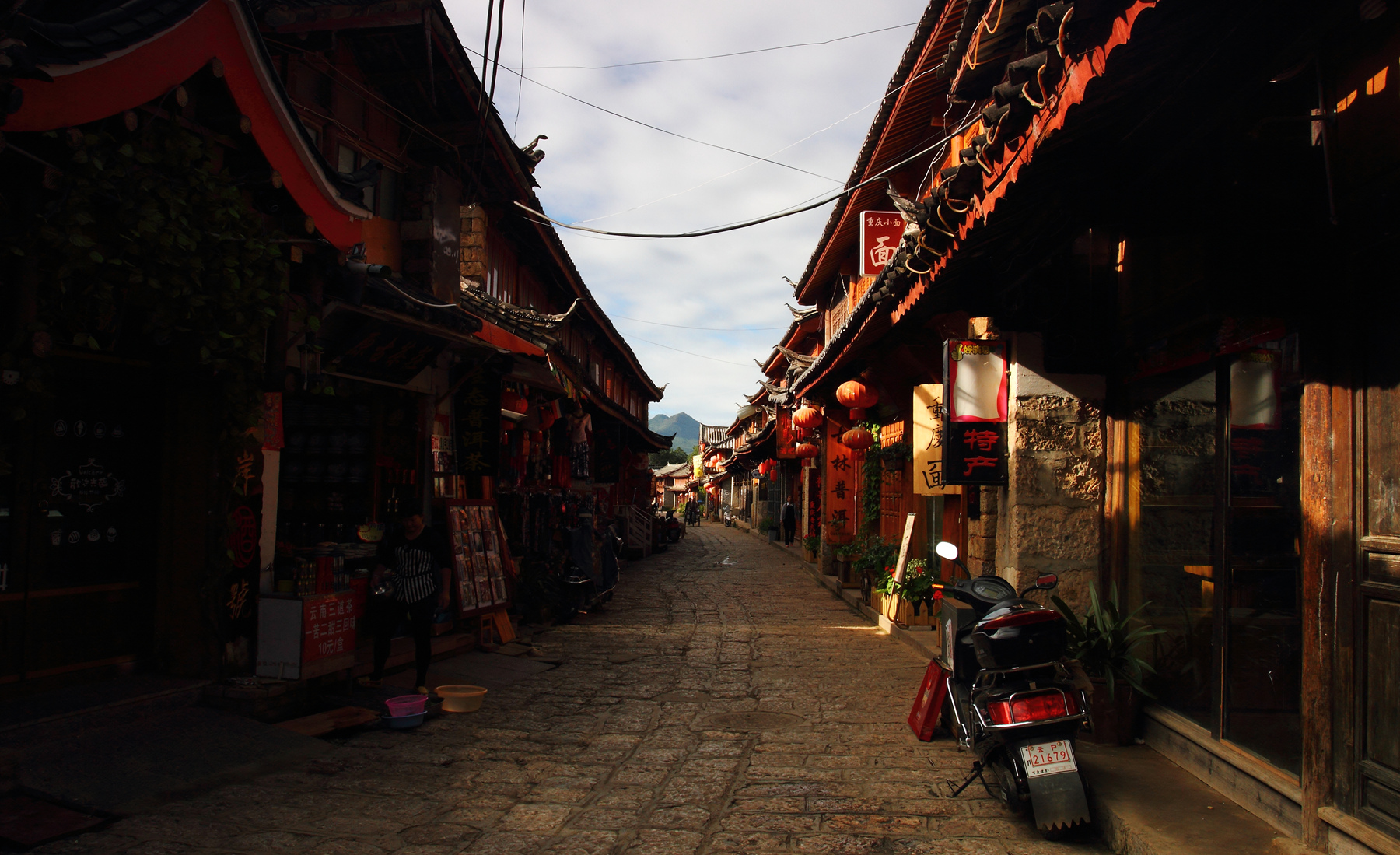
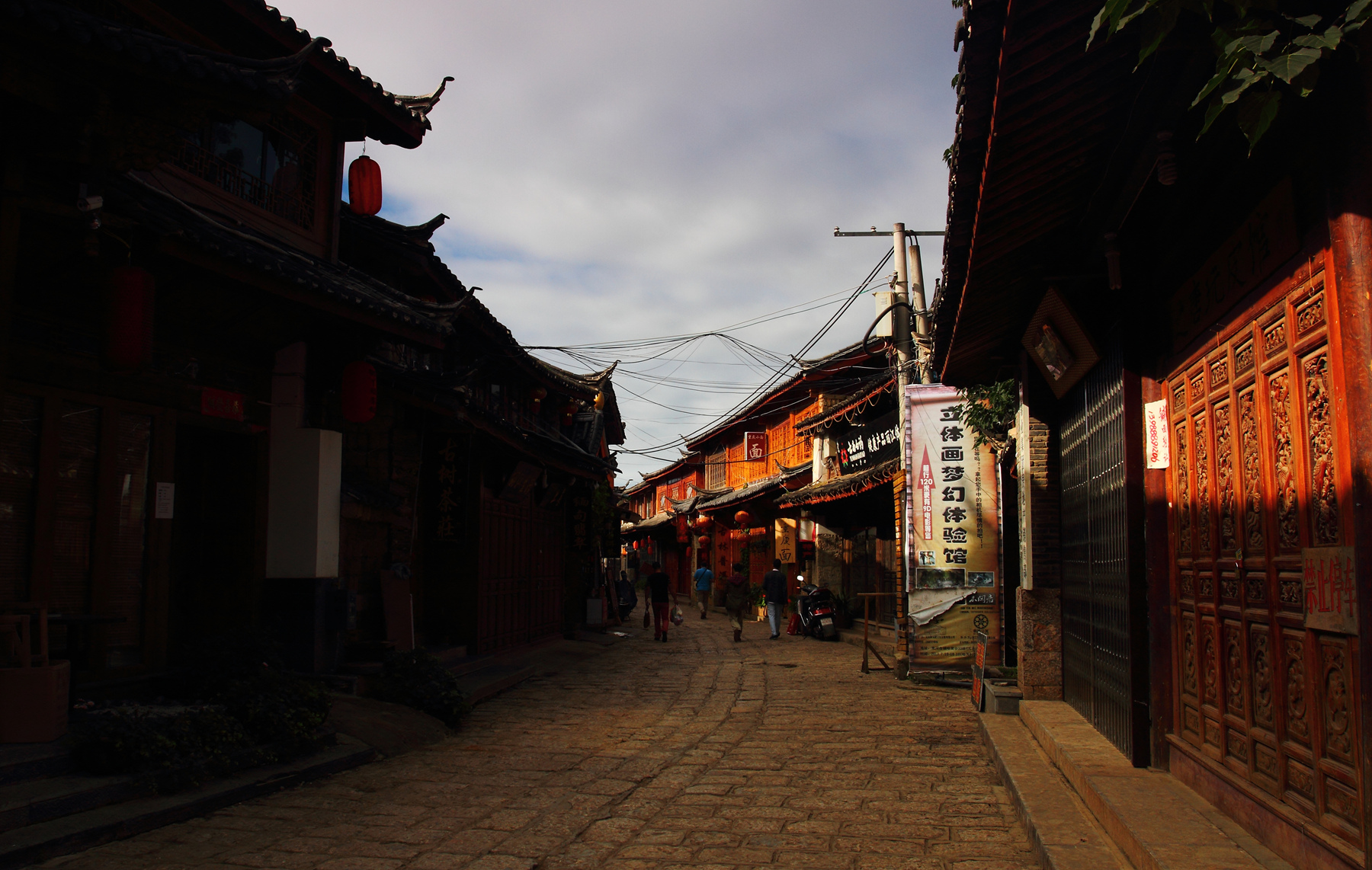
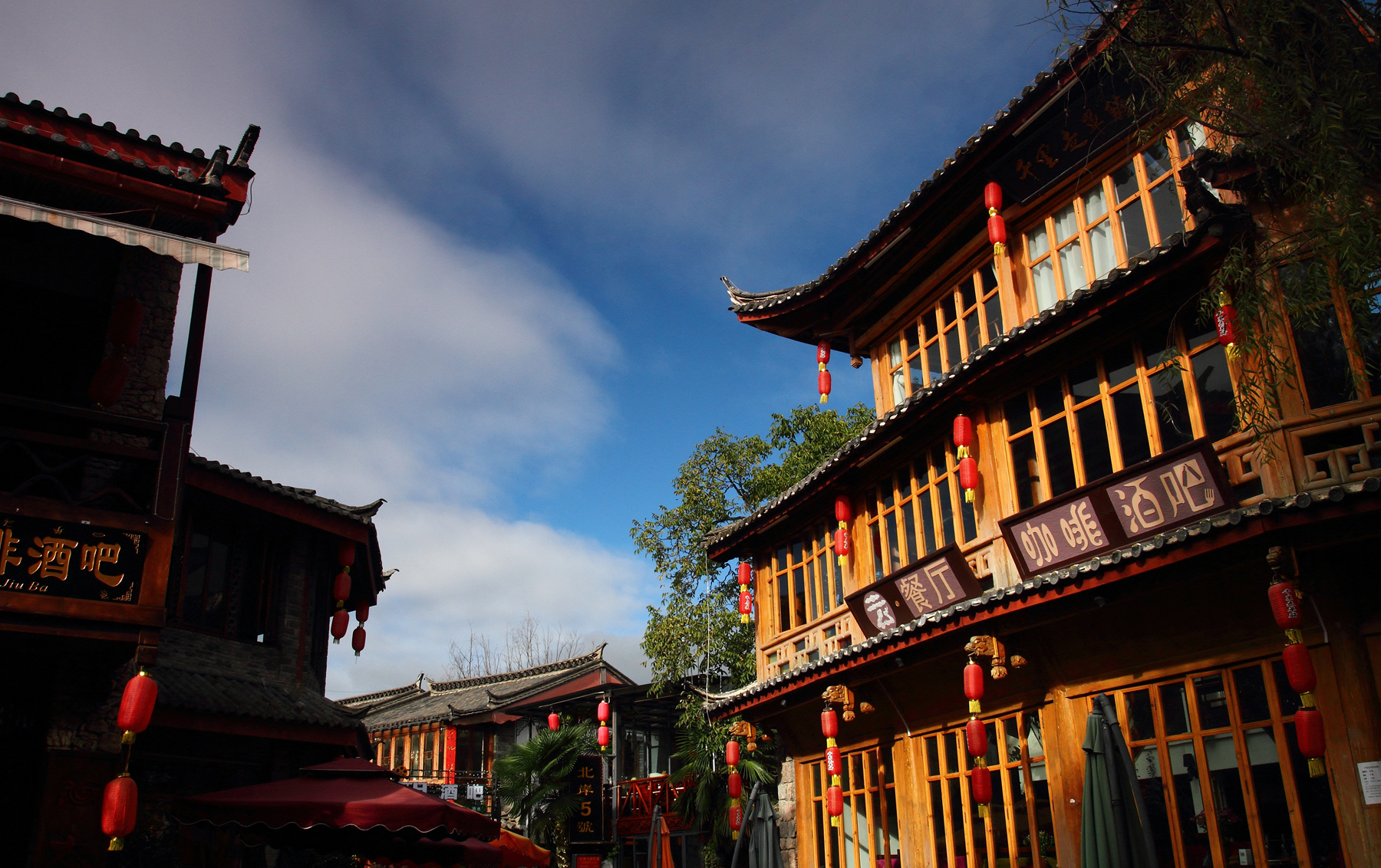
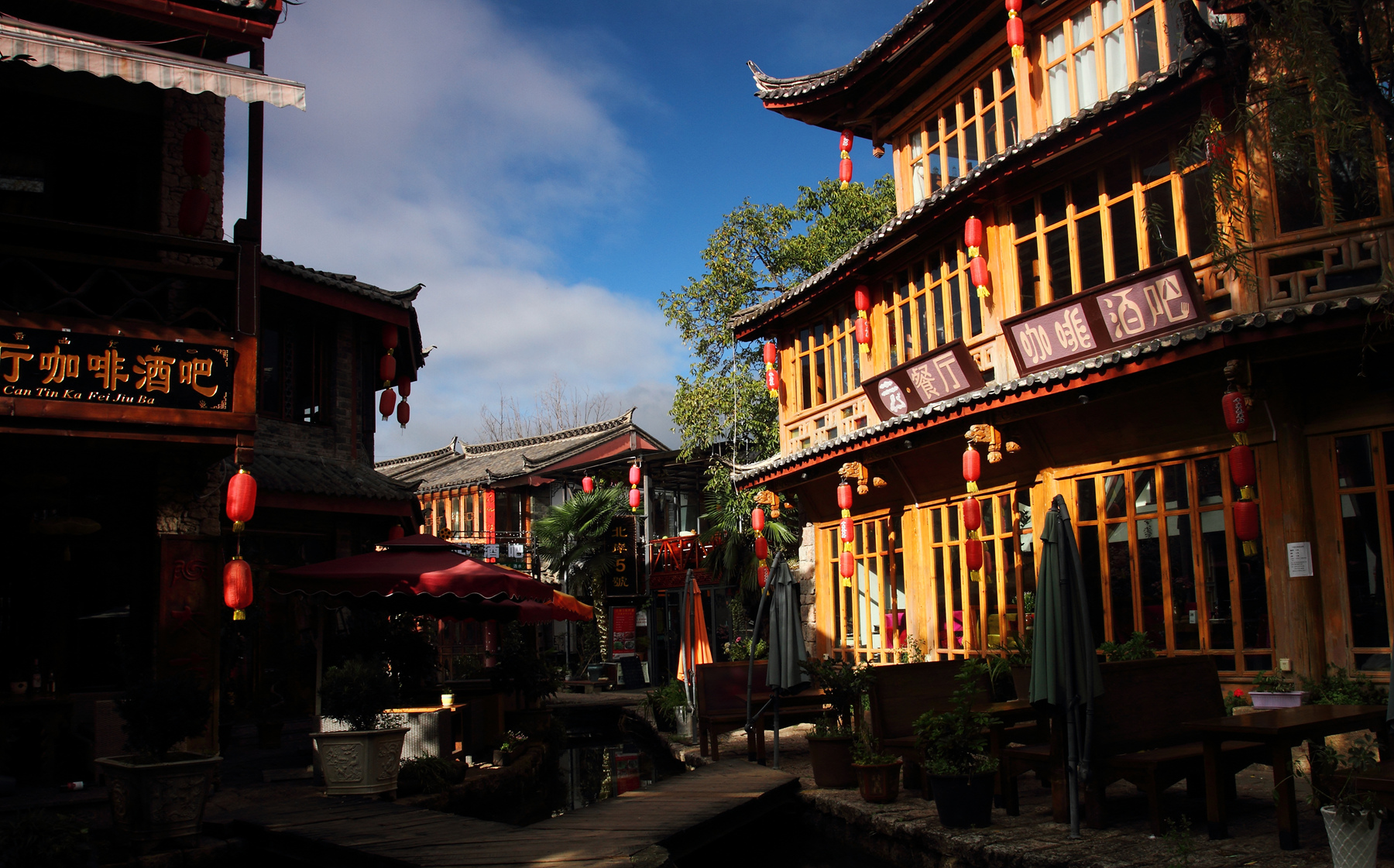
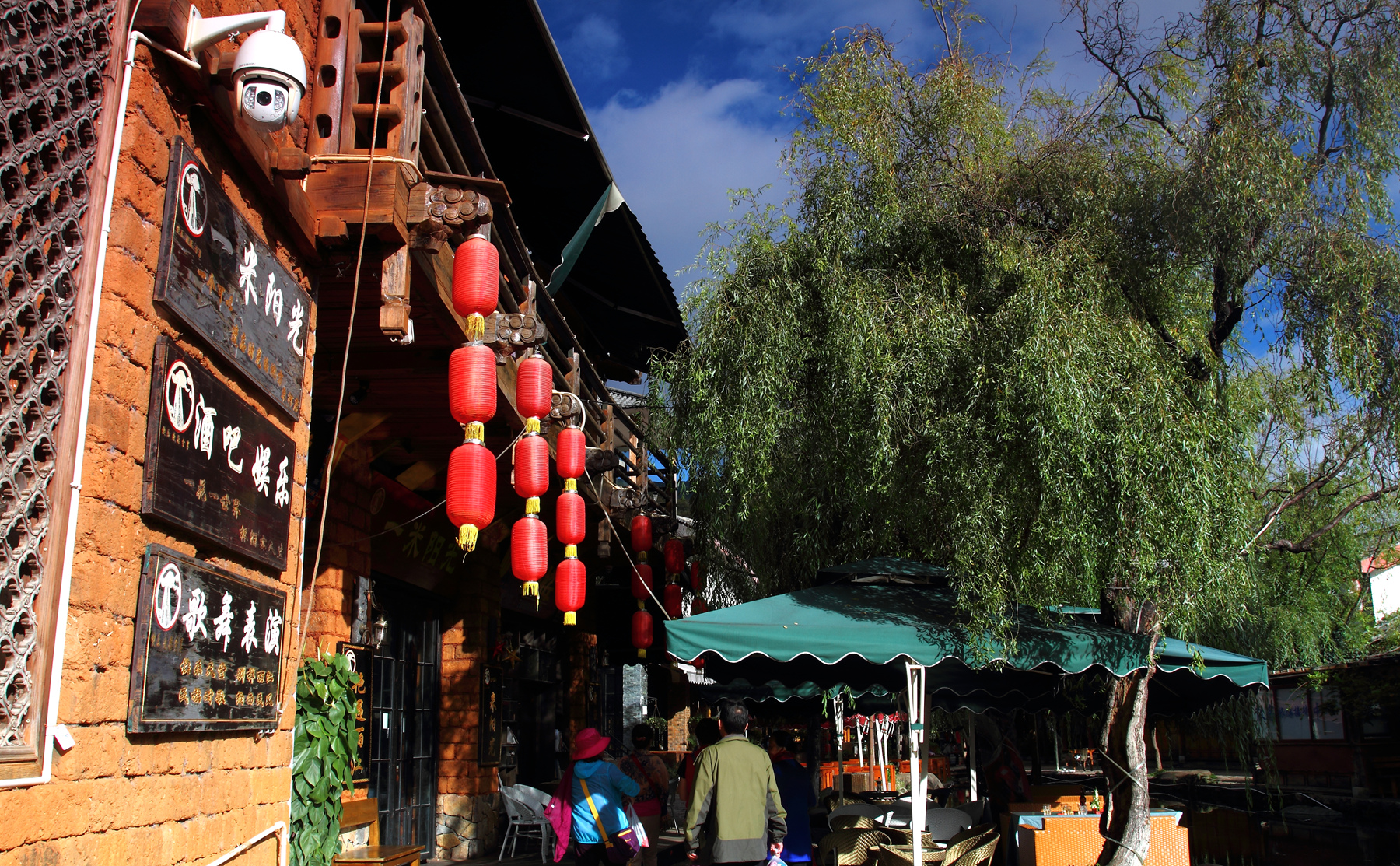
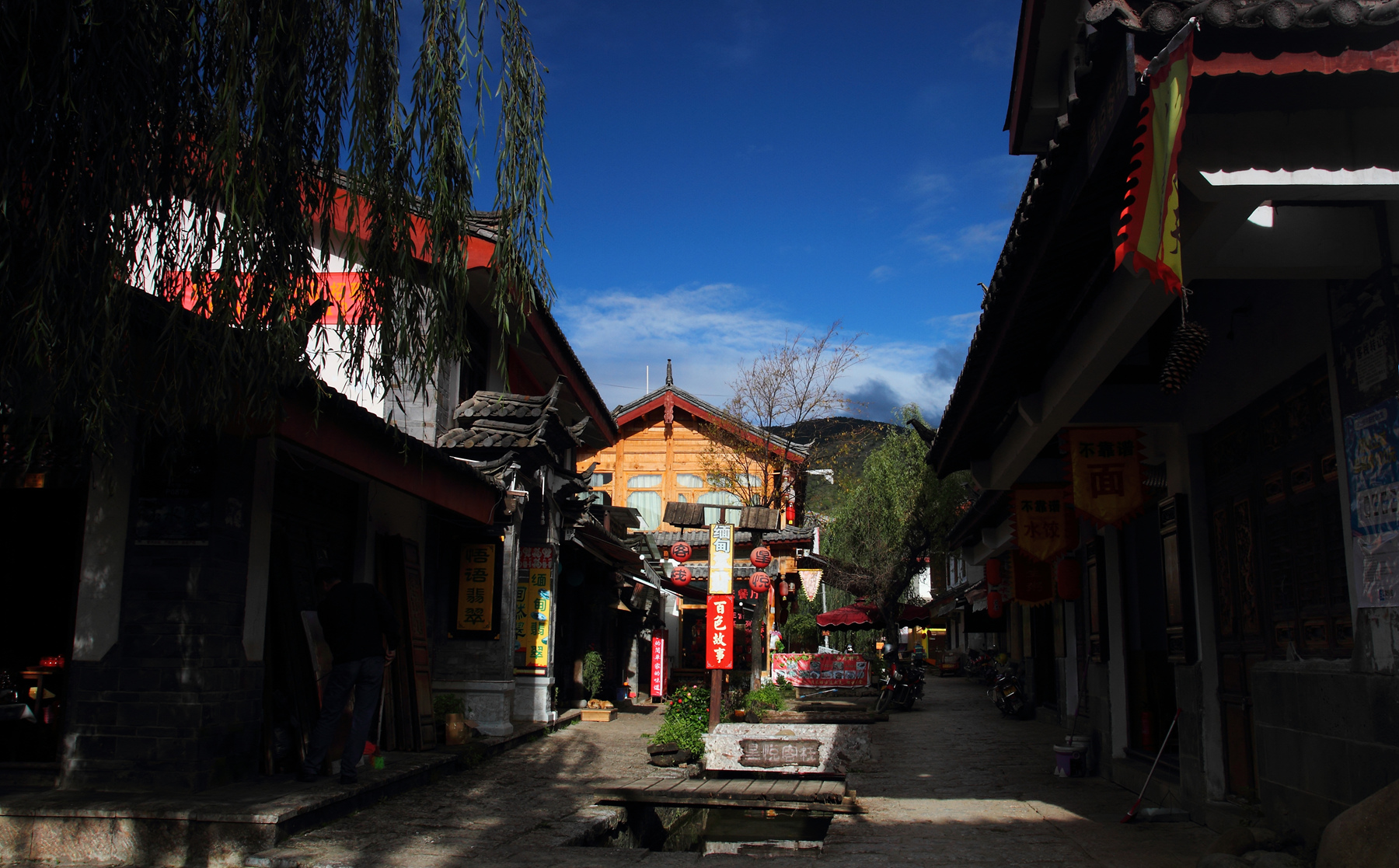
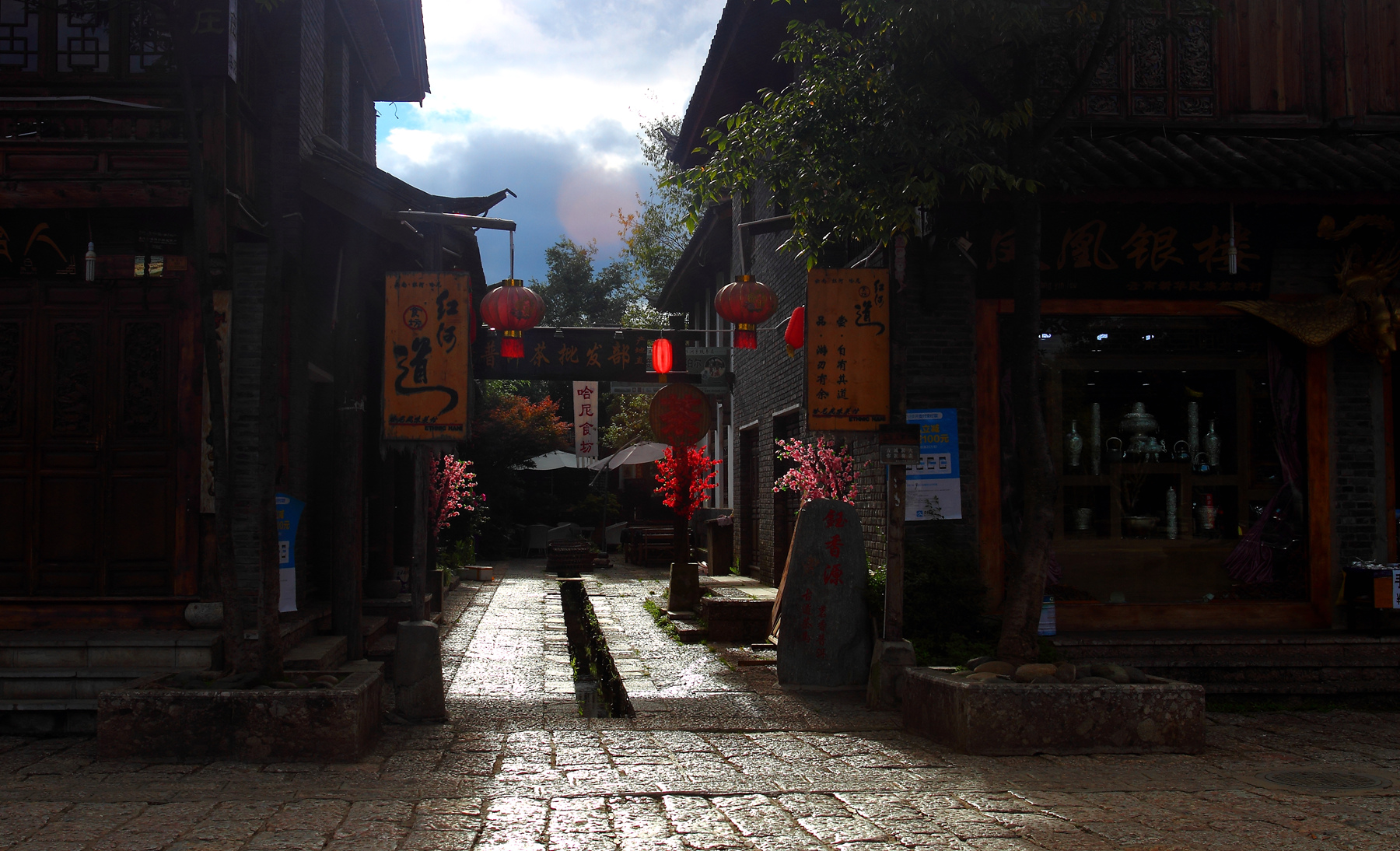
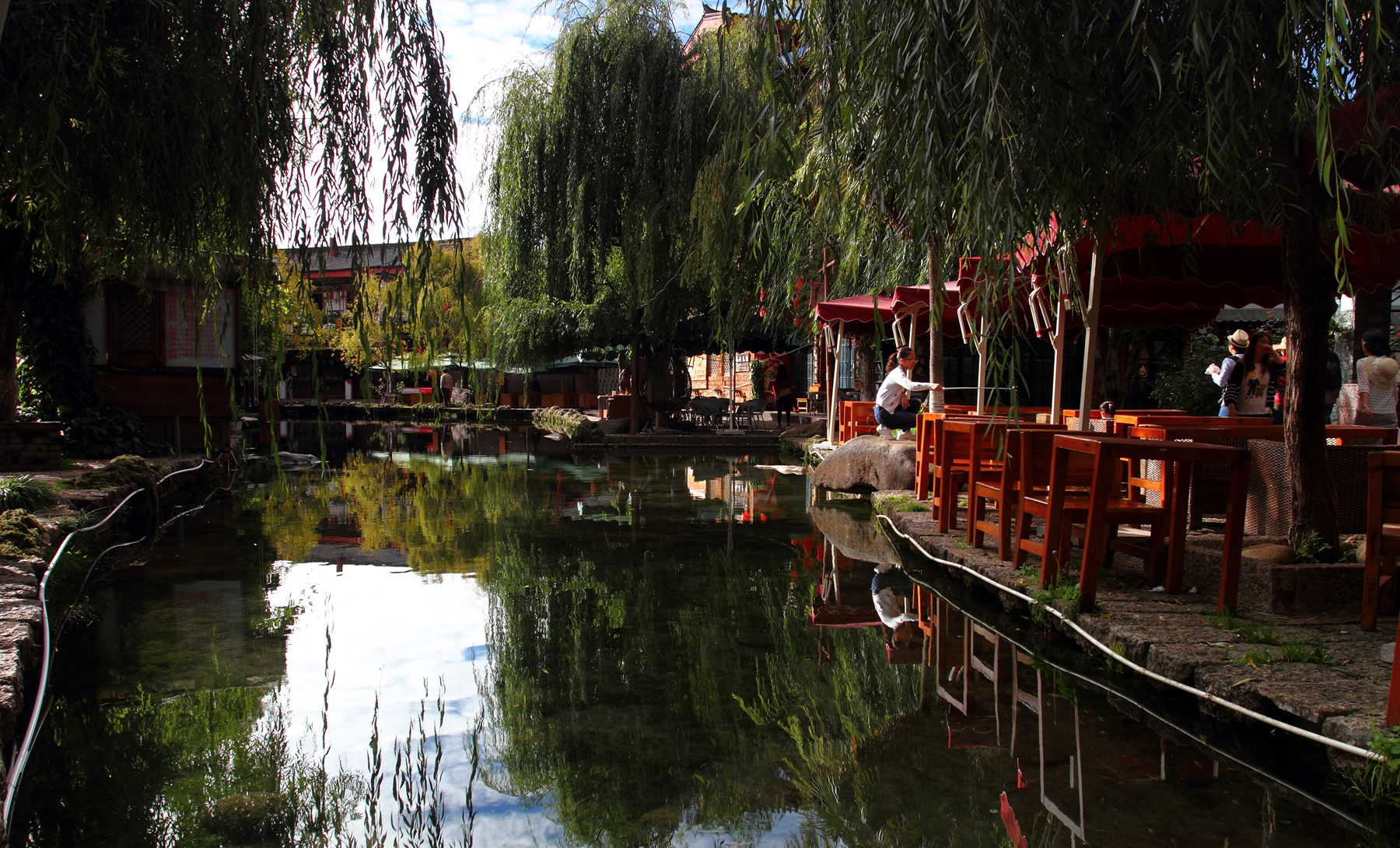
Nestled in the northwestern outskirts of Lijiang Old Town, Shuhe Ancient Town is a tranquil gem that once served as a vital post station on the legendary Ancient Tea Horse Road. Unlike its bustling neighbor, Dayan Old Town, Shuhe offers a more serene and authentic glimpse into Yunnan's storied past. Its layout mirrors that of Dayan, with cobblestone lanes winding past traditional Naxi architecture and murmuring canals fed by snowmelt from the Jade Dragon Snow Mountain. However, Shuhe's later development into tourism has preserved its rustic charm, making it a haven for travelers seeking peace away from the crowds.
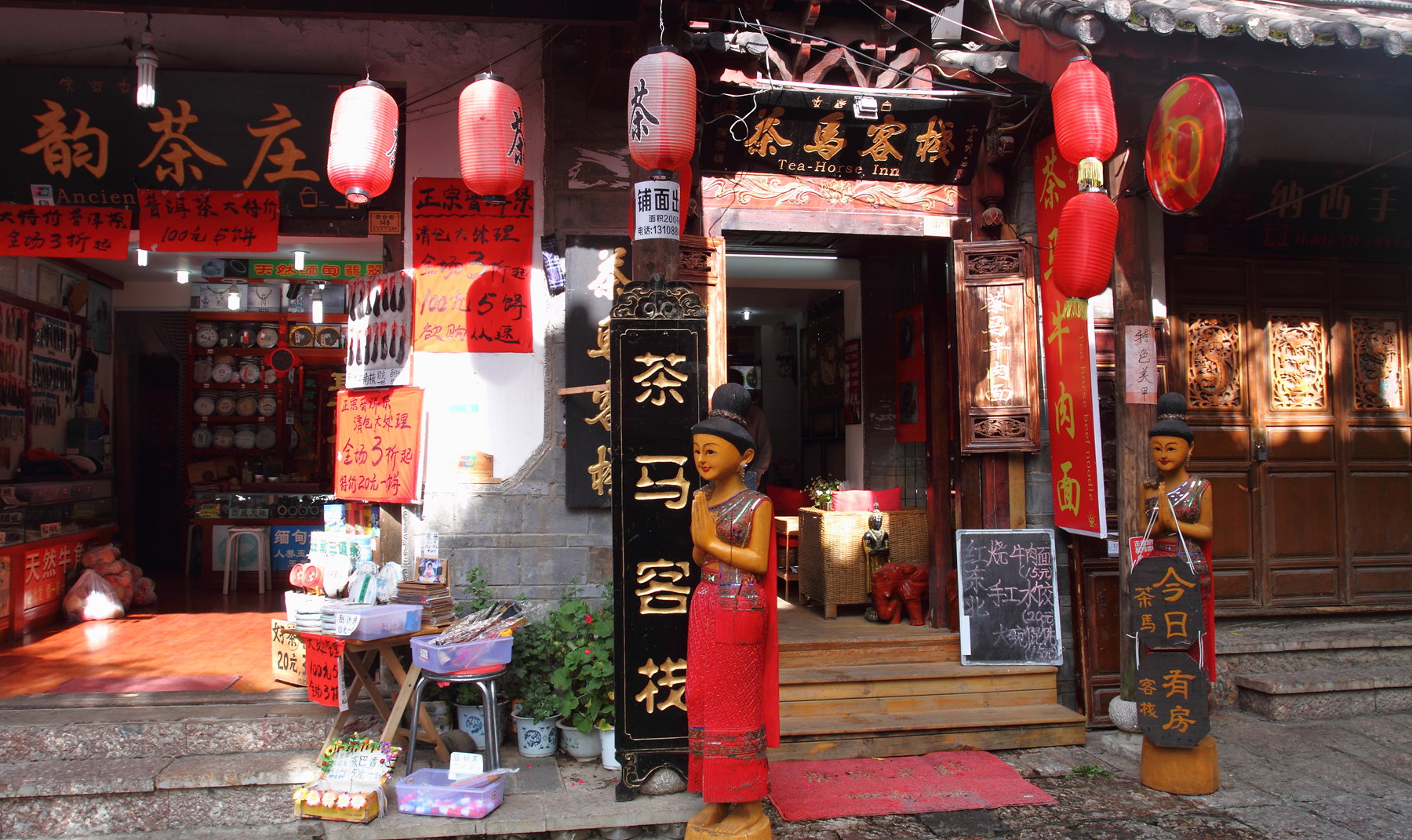
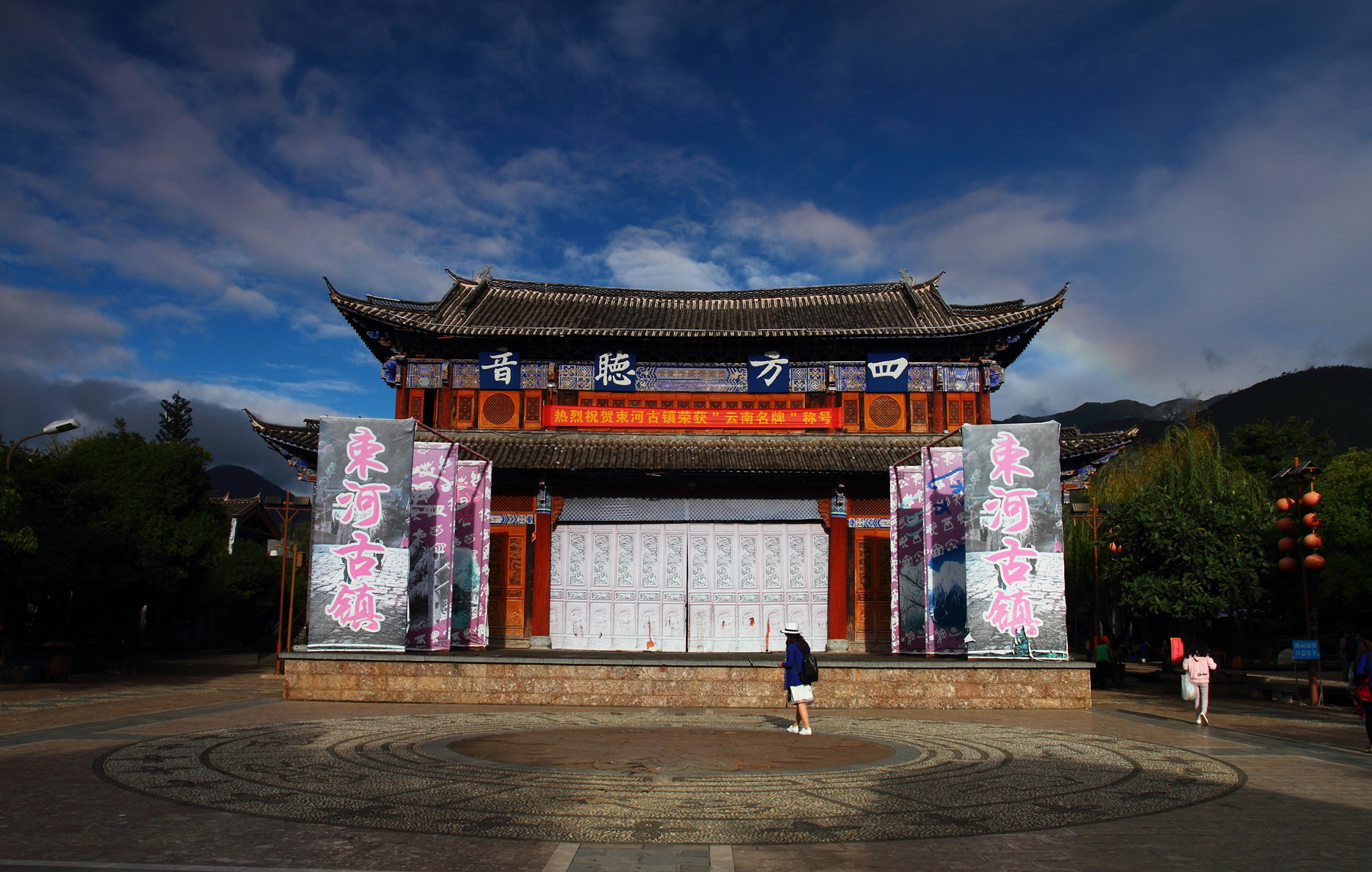
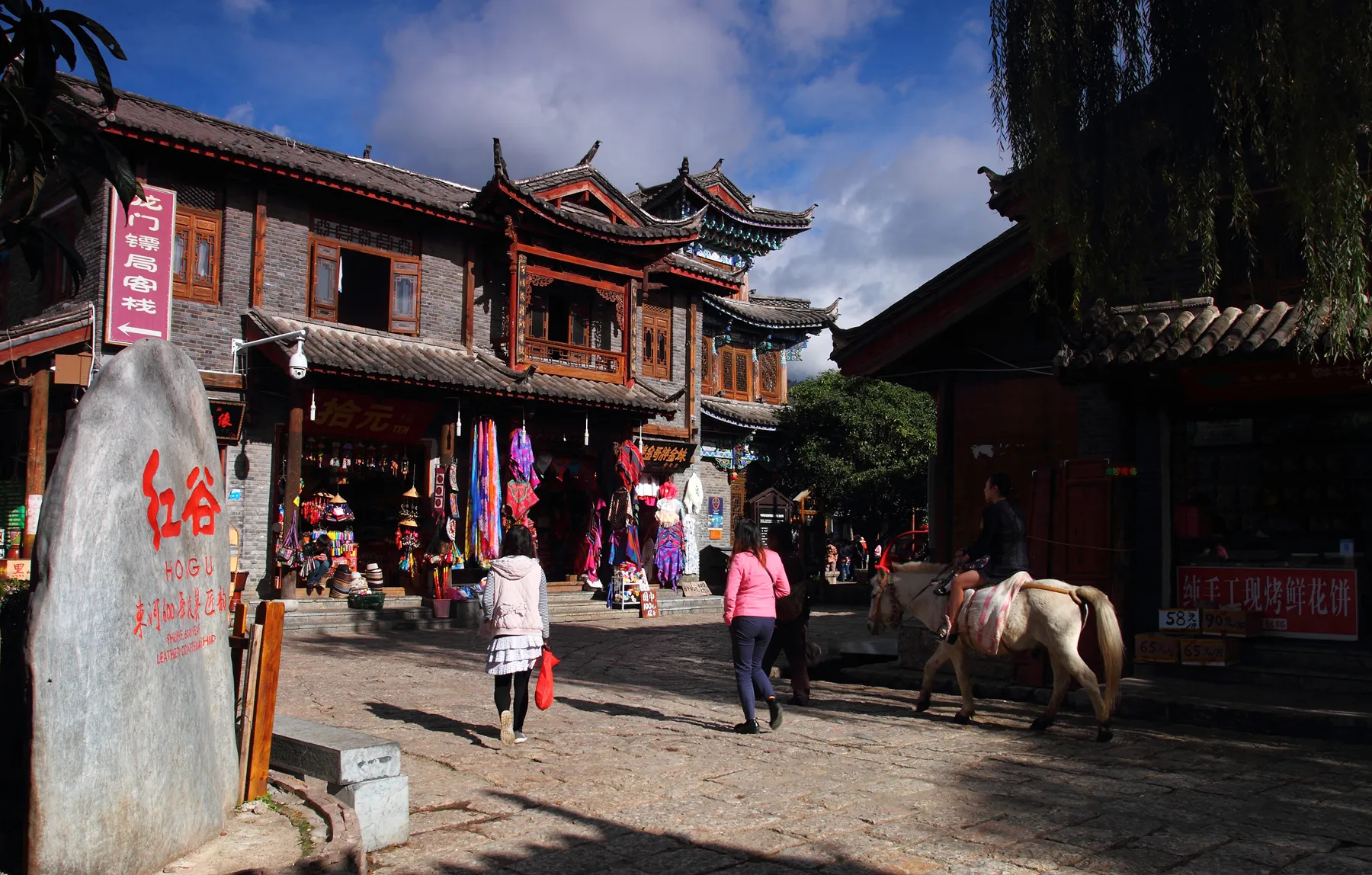
Dating back to the Spring and Autumn period, Shuhe was a settlement for the Naxi people and flourished during the Ming and Qing dynasties as a commercial hub. The town's name itself evokes its role as a "bundled river" where waterways converge. Walking through its iconic carved archway bearing the words "Shuhe Ancient Town," you step into a living museum of Naxi culture. The central square, known as Sifang Street (or "Four Directions Square"), was once a bustling marketplace for fur and leather trades conducted by horse caravans. Today, it remains the heart of the town, surrounded by shops that echo its vibrant history while maintaining a quiet, unhurried pace.
Highlights & Activities
Begin your exploration at Sifang Street, where the cobblestones are worn smooth by centuries of footsteps. From here, follow the stream upstream to the iconic Qinglong Bridge (Green Dragon Bridge), a stone arch bridge built during the Ming dynasty. Beyond it lies the Nine-Ding Dragon Pool (Jiuding Longtan), a crystal-clear spring fed by glacial meltwater. The pool teems with rainbow trout, thriving in the icy waters, and is a serene spot for reflection. Adjacent to the pool stands the Longquan Temple (also known as Sansheng Palace), dedicated to Sun Bin, the patron saint of leather craftsmen—a nod to Shuhe's legacy as the "Home of Leather Artisans."
For history enthusiasts, the Ancient Tea Horse Road Museum on Zhonghe Road is a must-visit. Housed in a former residence of the Mu family chieftains, the museum delves into the region's tea-horse trade, leather goods, and the origins of Shuhe's cobblers. Don't miss the mural hall, which showcases exquisite Ming dynasty frescoes from the Dajue Temple—less famous than the Baisha Murals but equally masterful. For panoramic views, climb the hill behind Sansheng Palace to a flat clearing overlooking the entire town, where red-tiled roofs and green fields stretch toward the snow-capped mountains.
Key Attractions Nearby
Shuhe's compact size makes it easy to explore in half a day, but its location offers access to other gems. A short walk from Sansheng Palace leads to Baisha Ancient Town, an even quieter settlement known for its well-preserved Naxi architecture and the renowned Baisha Murals, painted during the Ming dynasty. These frescoes blend Buddhist, Taoist, and Naxi themes. Baisha is ideal for a leisurely afternoon, and you can easily return to Shuhe for the night. For those with more time, Lijiang Old Town (Dayan) is just a 15-minute drive away, offering vibrant nightlife and the iconic Black Dragon Pool Park.
Where to Dine
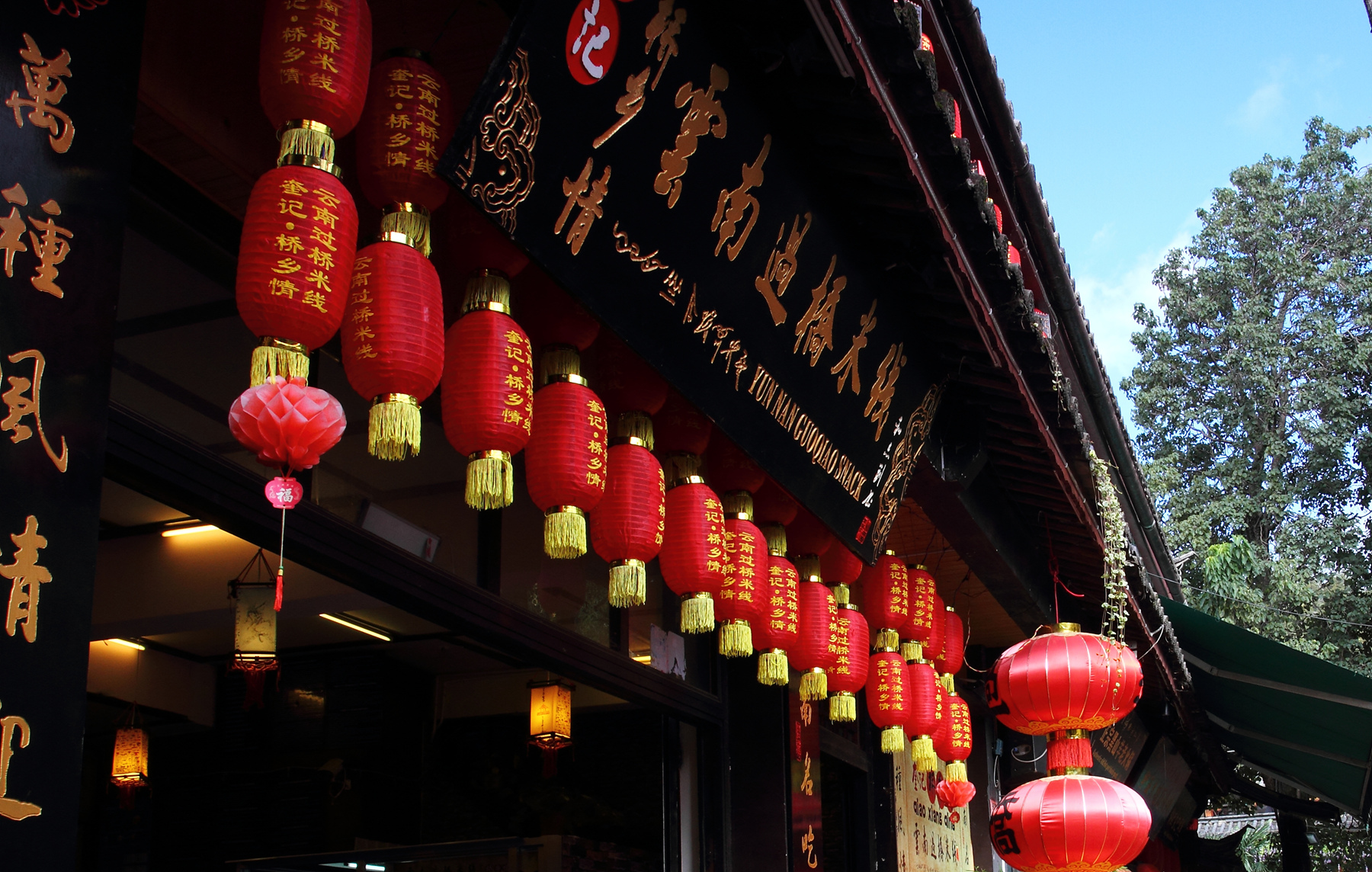
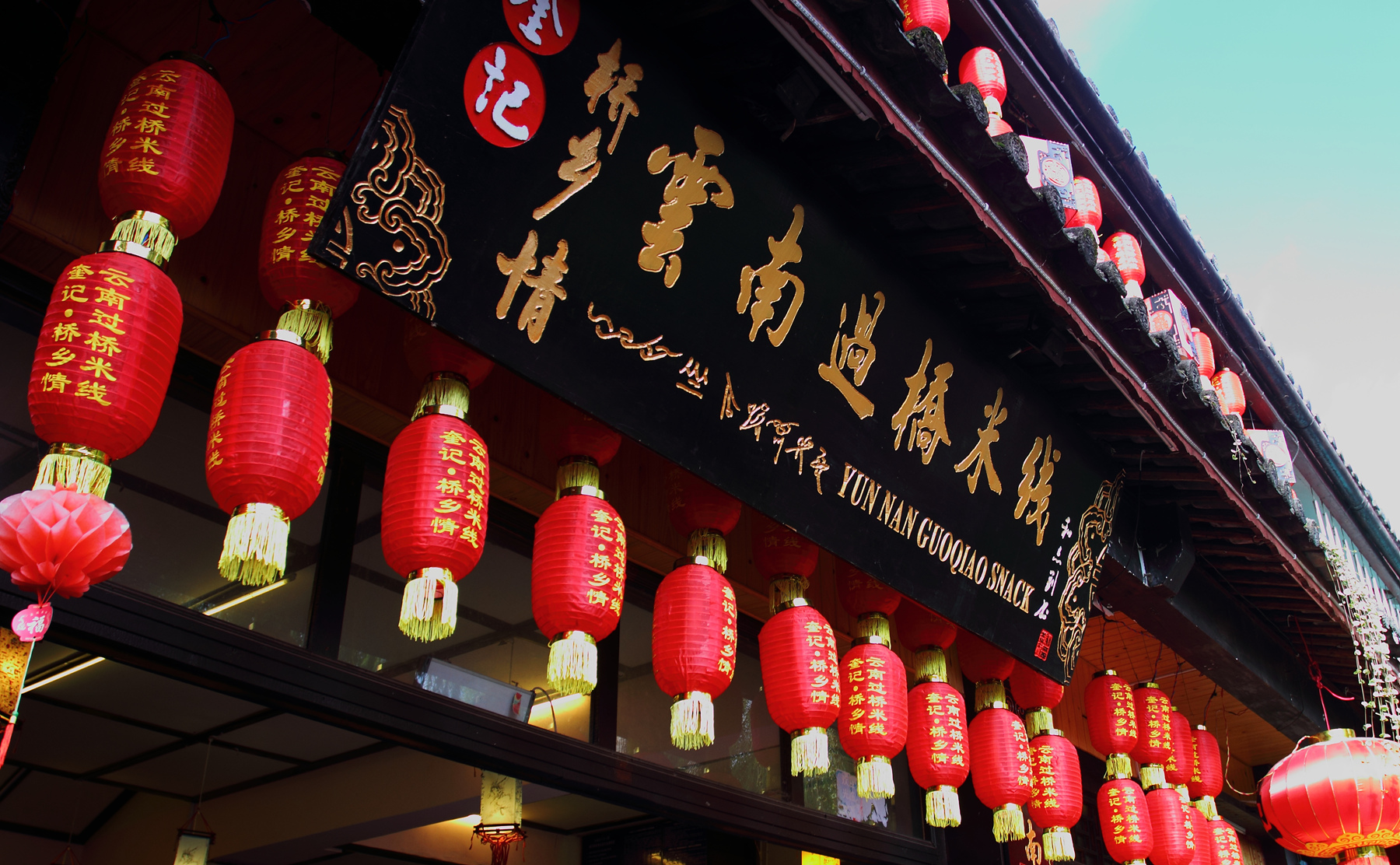
Shuhe's dining scene is a delight, with numerous eateries lining its streets. Savor local specialties like jidou liangfen (chickpea jelly), miguanchang (rice sausage), and the famous "rainbow trout three ways" (raw, grilled, and in soup)—a nod to the fish from the Dragon Pool. For a casual meal, try a family-run restaurant near Sifang Street, where you can enjoy Naxi cuisine like yunnan guoqiao mixian (crossing-the-bridge noodles). Many cafes offer alfresco dining along the canals, perfect for people-watching. For budget travelers, the Shuhe K2 International Youth Hostel has a self-catering kitchen and communal spaces, ideal for mingling with fellow explorers.
Weather & Best Time to Visit
Lijiang enjoys a mild subtropical highland climate, with cool summers and chilly winters. The best time to visit Shuhe is from March to May and September to November, when temperatures range from 10–20°C (50–68°F) and rainfall is low. Spring brings blooming flowers and clear skies, while autumn offers crisp air and golden foliage. Summer (June–August) is the rainy season, but showers are often brief, and the landscape is lush. Winter (December–February) is cold but sunny, with fewer tourists—ideal for a quiet retreat. Avoid Chinese public holidays like National Day (October 1–7) when crowds swell.
Travel Tips
- Getting there: Shuhe is about 4 km from Lijiang Old Town. Take a taxi (10–15 minutes, around 20–30 RMB) or bus No. 6 from the古城口 stop. From Lijiang Sanyi Airport, a taxi costs about 80–100 RMB and takes 40 minutes.
- Fees and hours: Entry to Shuhe Ancient Town is free (no admission fee). The Ancient Tea Horse Road Museum charges a small fee (about 30 RMB). Most attractions are open daily from 8:00 AM to 6:00 PM.
- What to bring: Comfortable walking shoes are essential for cobblestone streets. Pack sunscreen, a hat, and a light jacket or sweater, as temperatures can drop in the evening, even in summer. A reusable water bottle is handy, as tap water is not potable.
- Accommodation: Shuhe offers a range of lodging, from budget hostels like Shuhe K2 International Youth Hostel (35 RMB per bed) to boutique guesthouses with unique architectural styles. Stay near Old Sifang Street for quiet nights away from the main entrance's bustle.
- Respect local customs: The Naxi people are known for their hospitality. When visiting temples, dress modestly and speak softly. Avoid touching murals or artifacts in museums.
Shuhe Ancient Town is more than a tourist destination—it's a living narrative of the Tea Horse Road, where every stone and stream whispers tales of caravans and craftsmen. Whether you're sipping coffee by a canal or hiking to a hilltop viewpoint, Shuhe invites you to slow down and savor the poetry of its past and present.