Overview & History
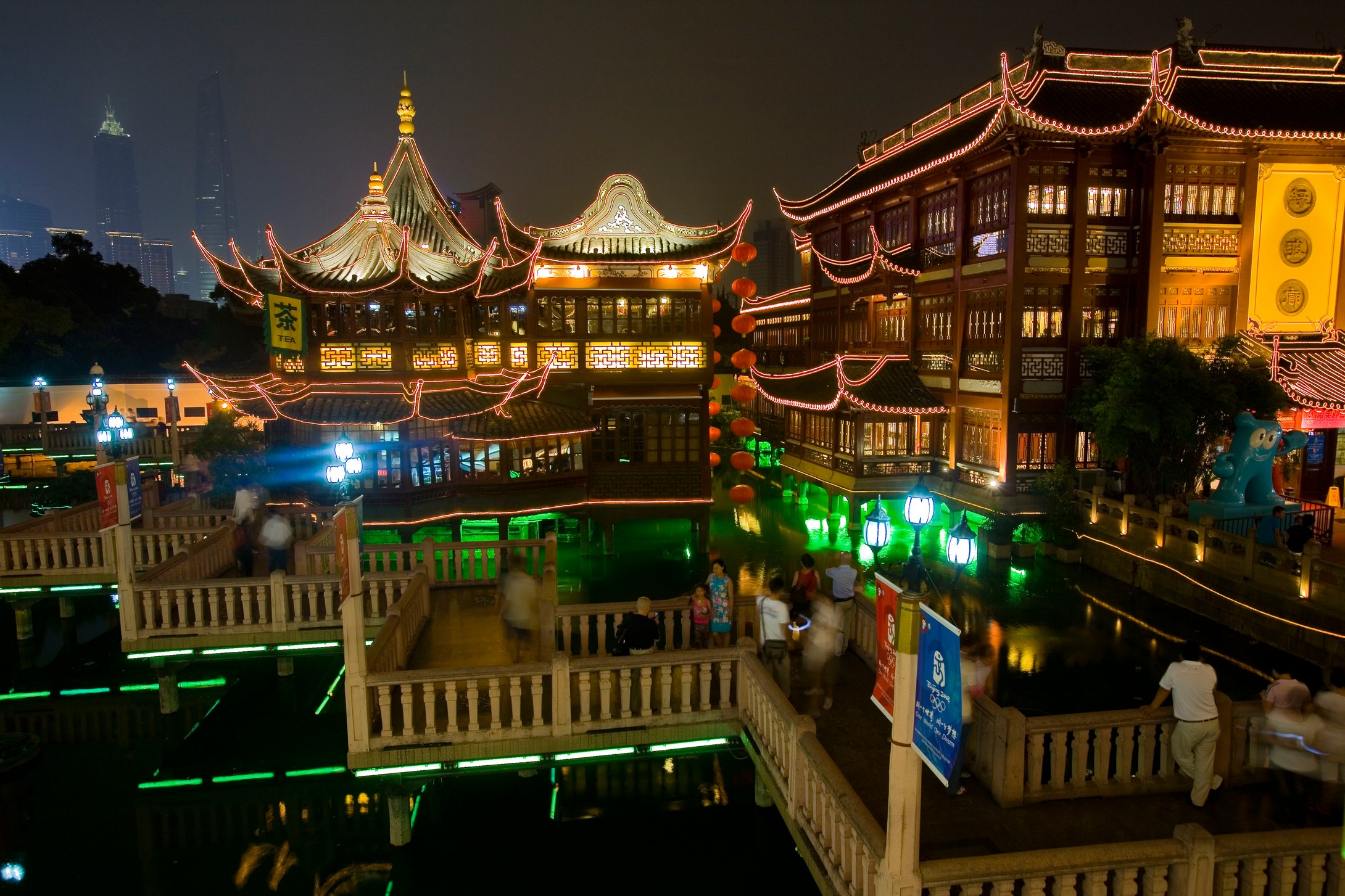
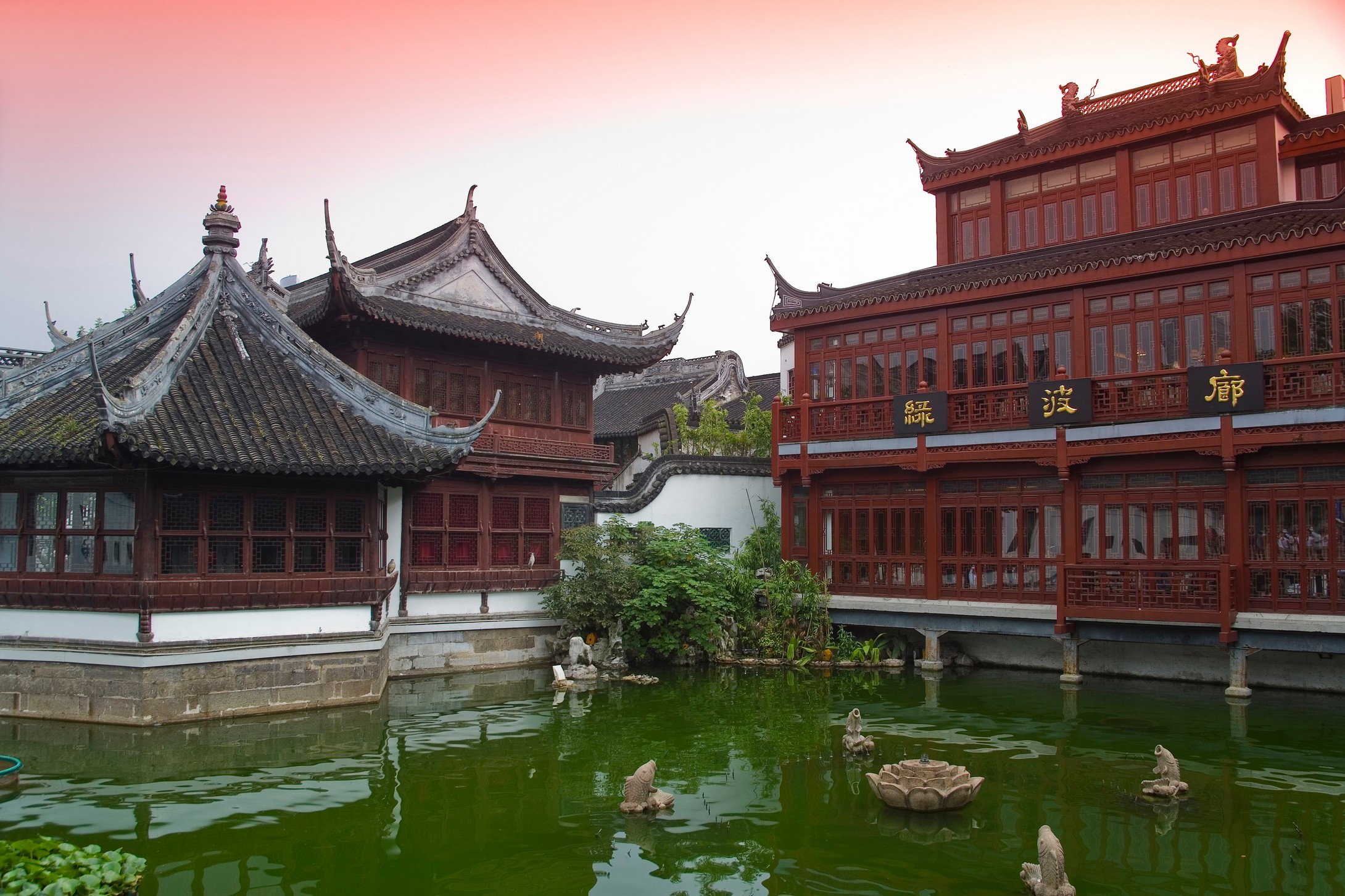
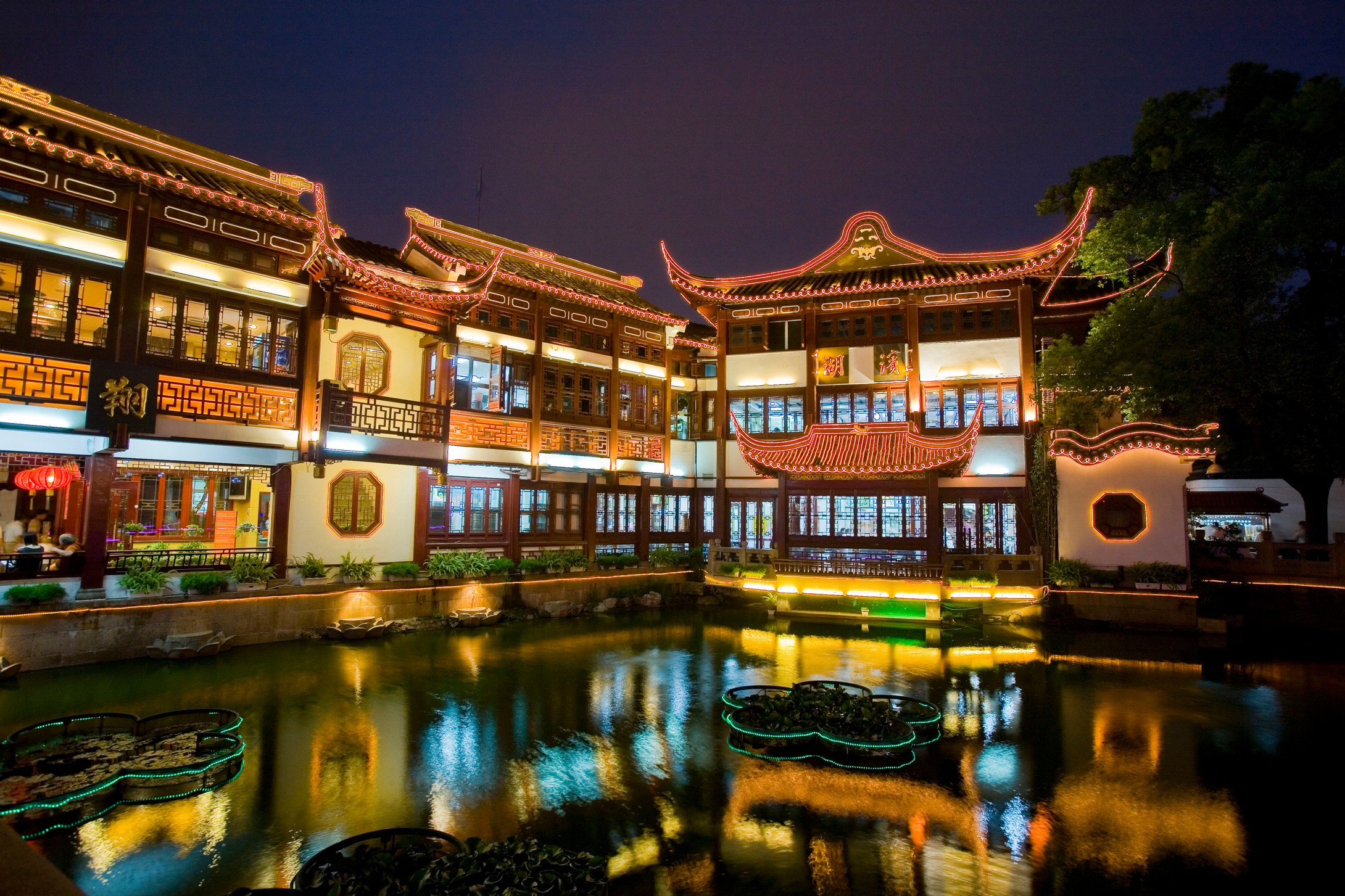
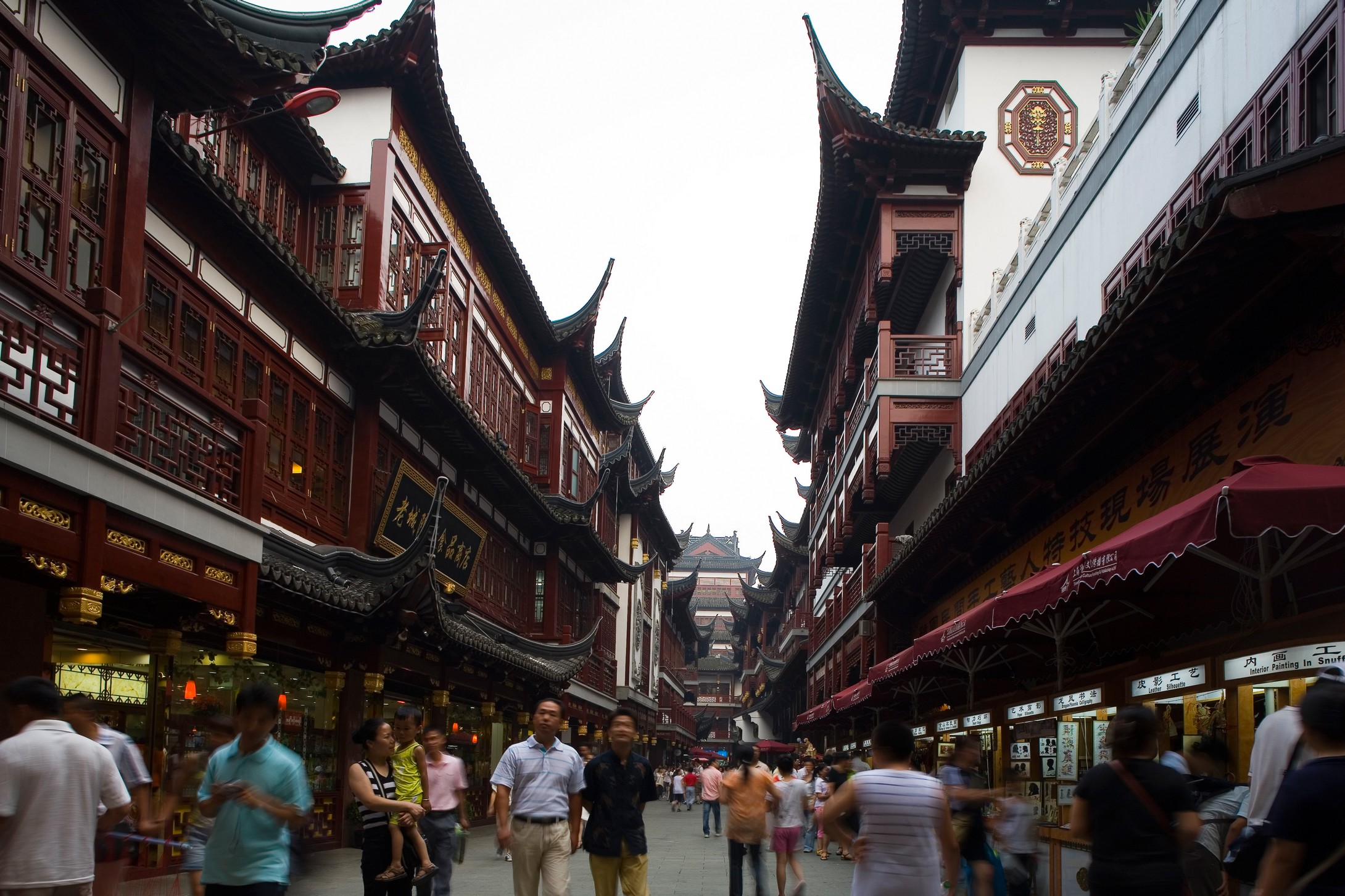
Nestled in the heart of Shanghai’s old city, Yu Garden (豫园) is a rare gem of classical Chinese garden design, dating back to the late Ming and early Qing dynasties. As the only surviving Ming Dynasty garden in the historic old town, it offers a serene escape from the bustling city streets. Originally built as a private retreat for a high-ranking official, the garden was designed to embody the harmony of nature and architecture, with intricate pavilions, towering rockeries, and shimmering lakes reflecting centuries of artistry. What makes Yu Garden truly special is its ability to transport visitors back in time—amid the modern skyscrapers of Shanghai, this lush, 2-hectare oasis preserves the elegance and tranquility of ancient China. Stepping through its gates, you’ll find a world where every stone, bridge, and corridor tells a story, making it a must-visit for history buffs and culture enthusiasts alike.
Highlights & Activities
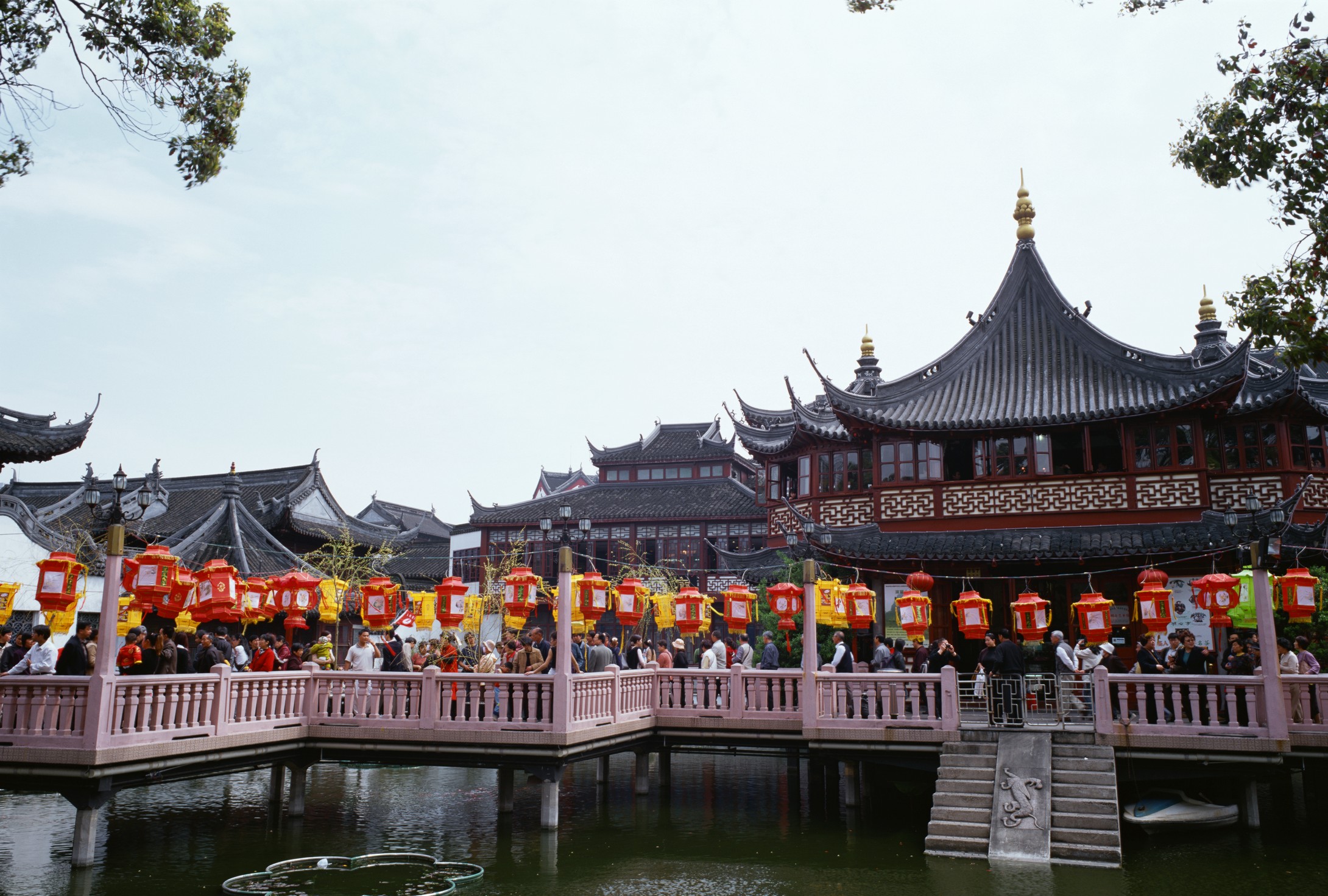
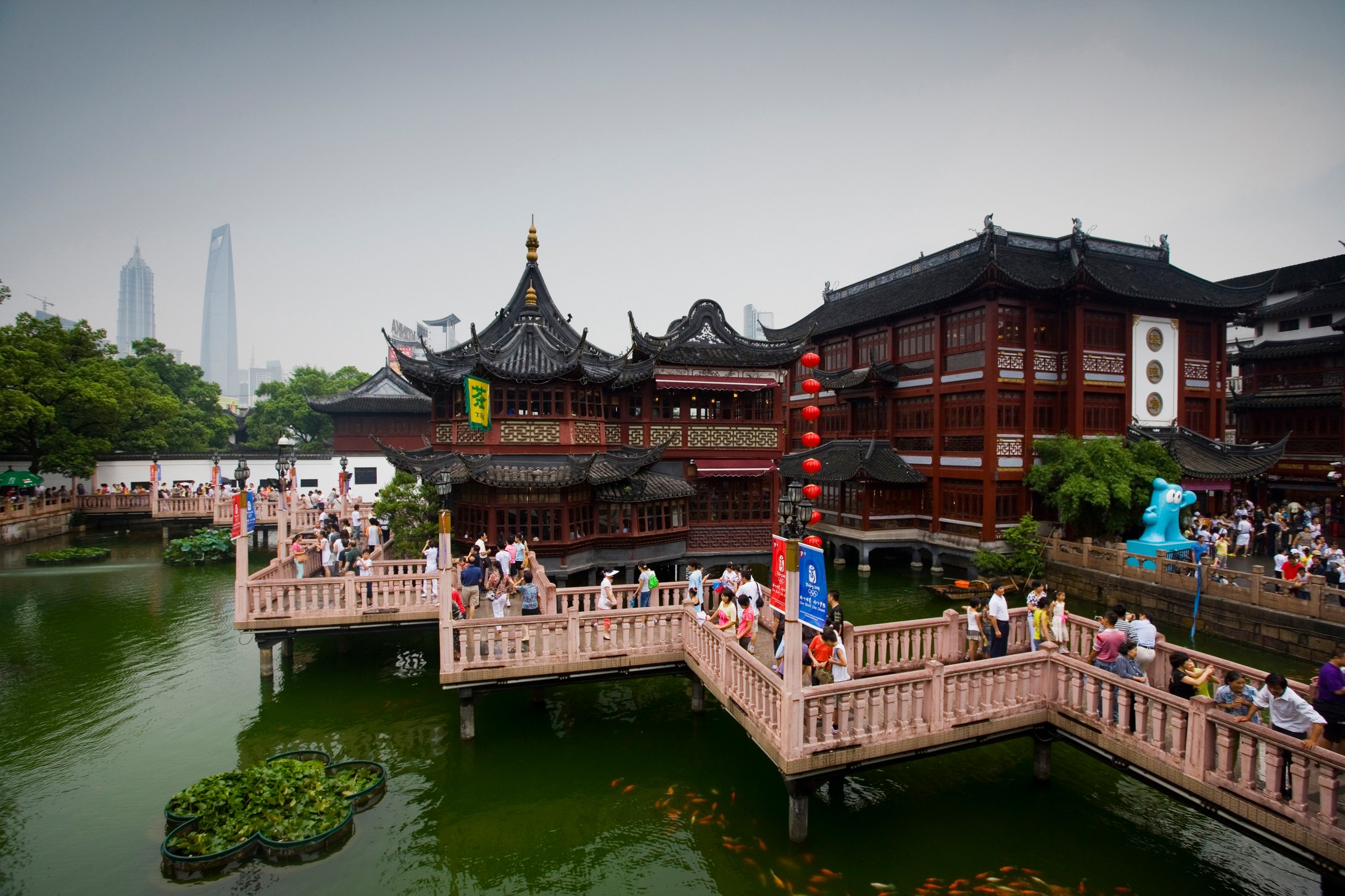
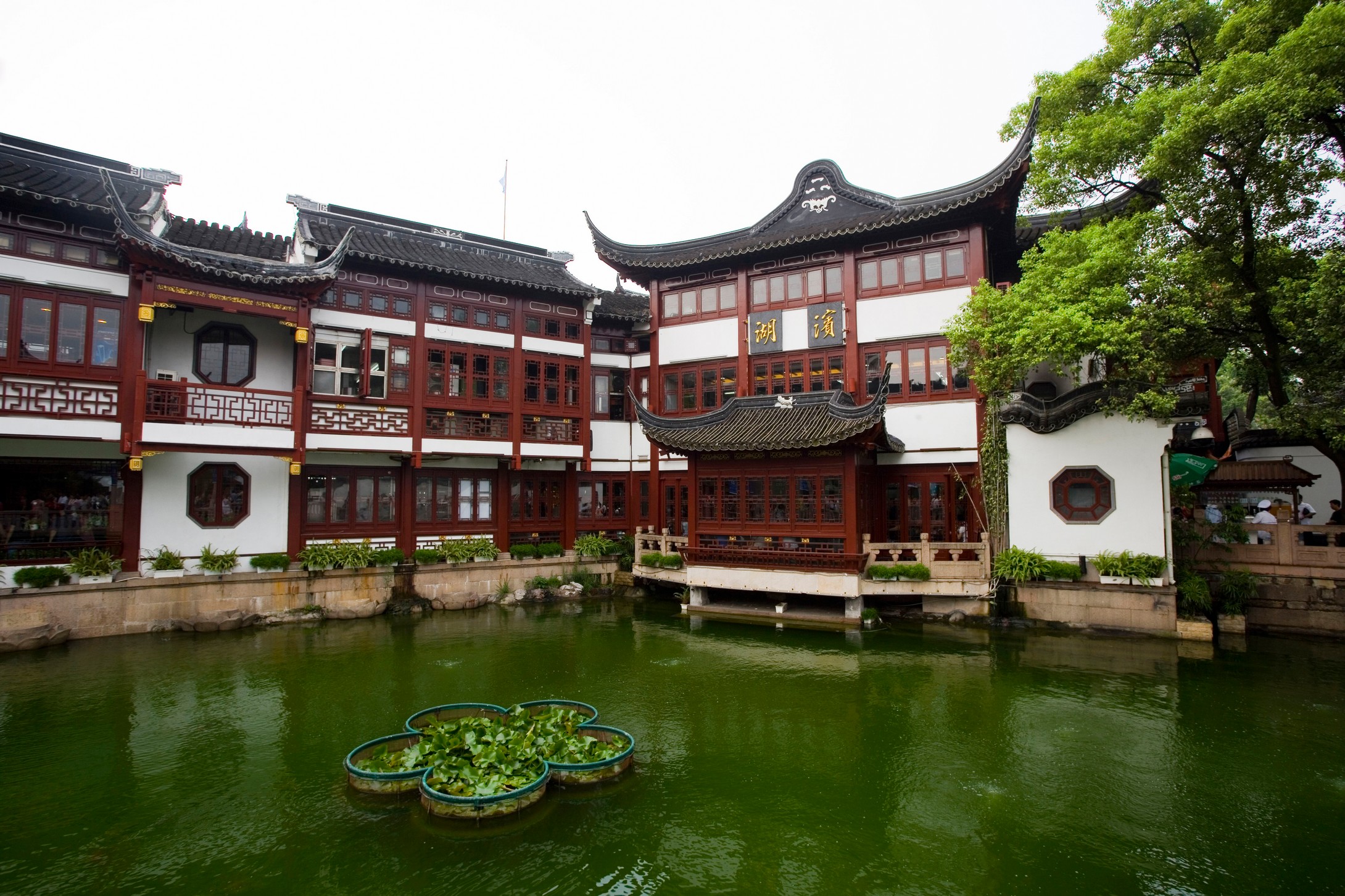
Yu Garden is a treasure trove of visual and sensory delights. Wander through its winding paths to discover a landscape of rugged rockeries, ornate pavilions, and tranquil ponds. The centerpiece is the iconic Nine-Turn Bridge (九曲桥), a zigzagging stone bridge that leads to the Mid-Lake Pavilion (湖心亭)—a perfect spot to sip tea, play chess, or simply soak in the scenery. The pavilions, such as the Grand Rockery (大假山), showcase the art of Chinese garden rockwork, with towering limestone formations that create a miniature mountainscape. Don’t miss the Hall of Heralding Spring (点春堂), a historic building with intricate wood carvings, and the Inner Garden (内园), a compact yet beautifully designed space with rockeries and a small stage for traditional performances. For a hands-on experience, join a tea ceremony in the pavilion or take a leisurely stroll along the lake, where the reflections of willows and lotus flowers create a painterly scene. Allow at least 2 hours to fully explore the garden’s layers, but many visitors linger longer, captivated by its ever-changing vistas.
Key Attractions Nearby
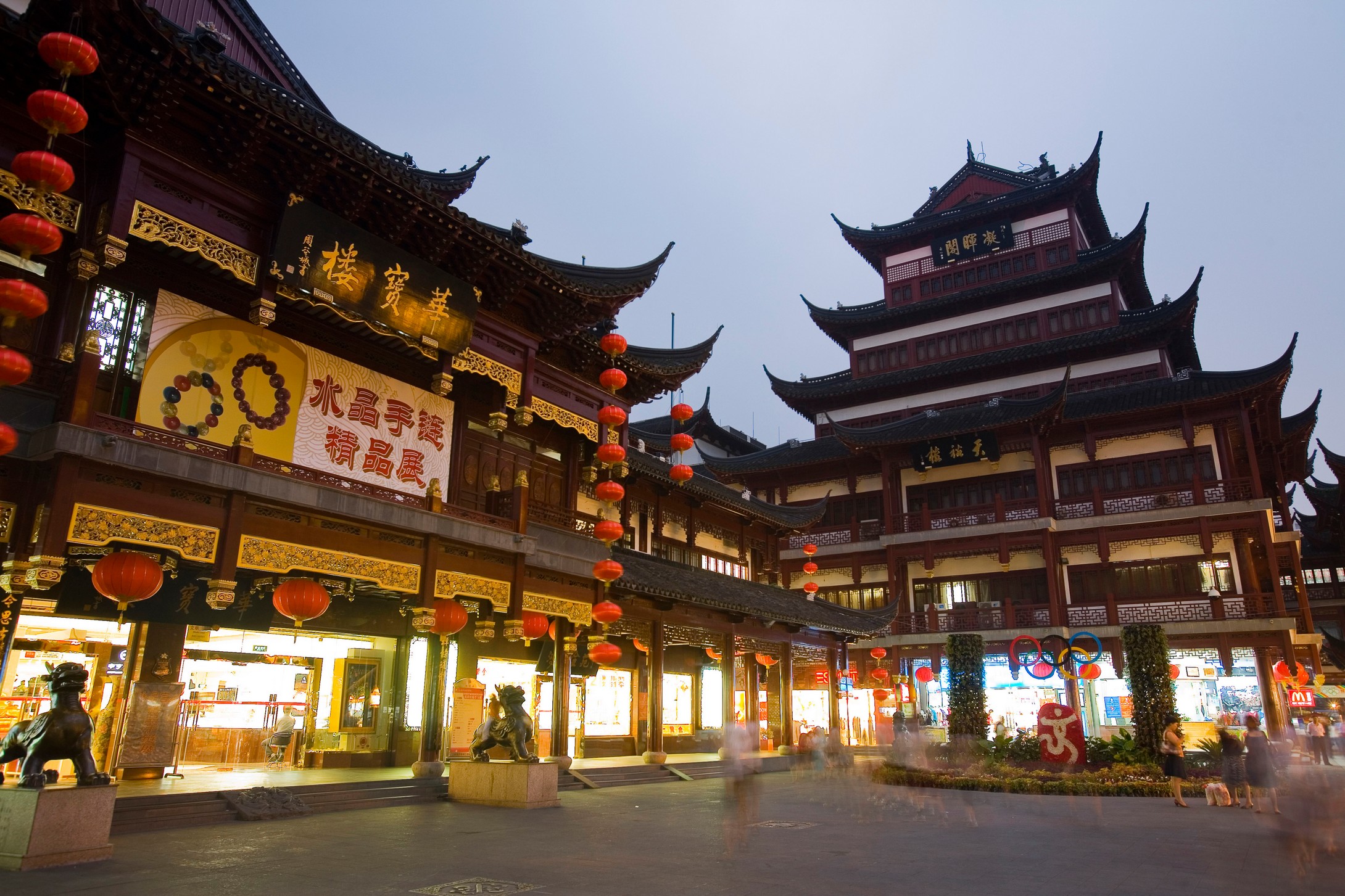
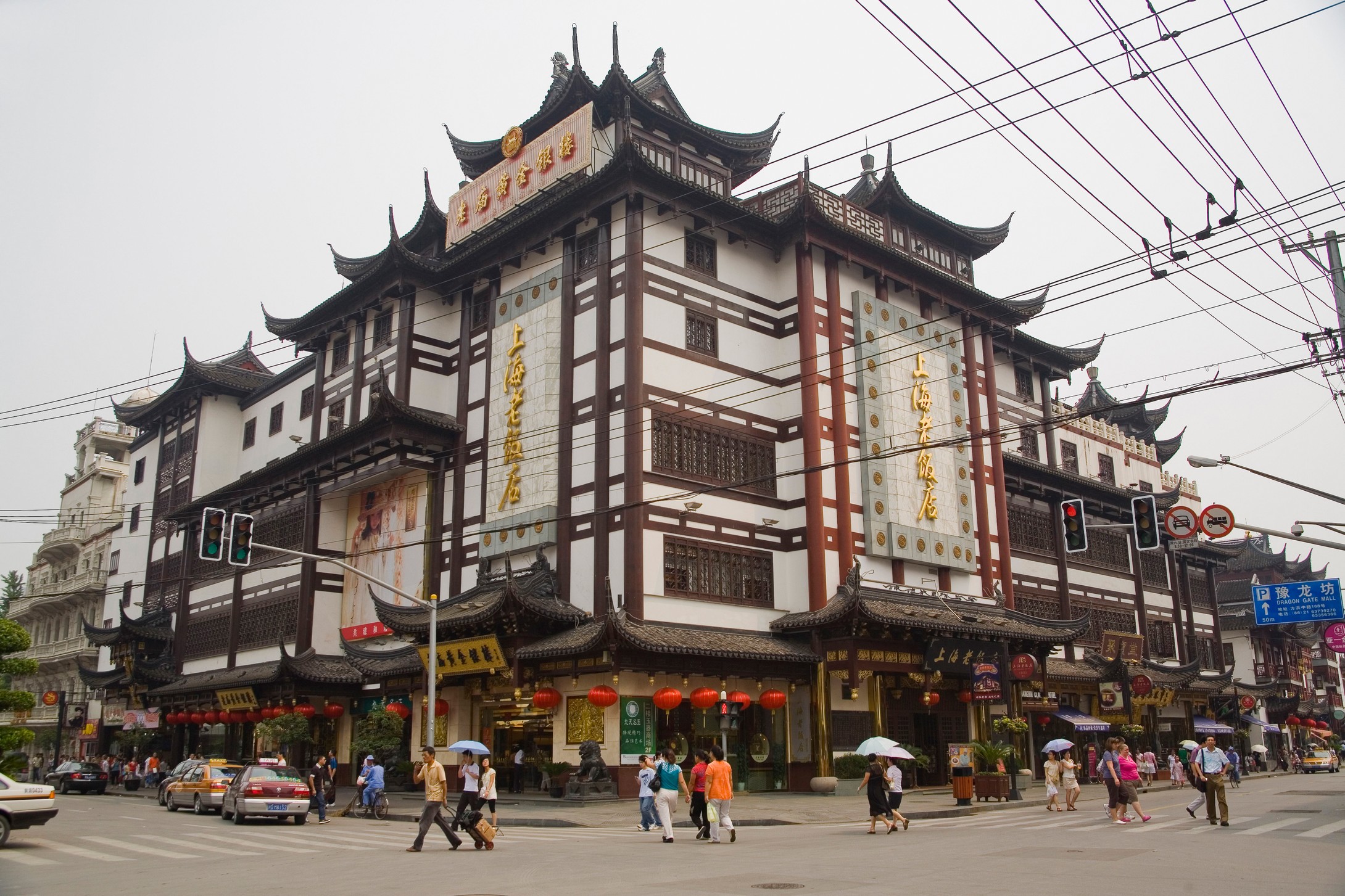
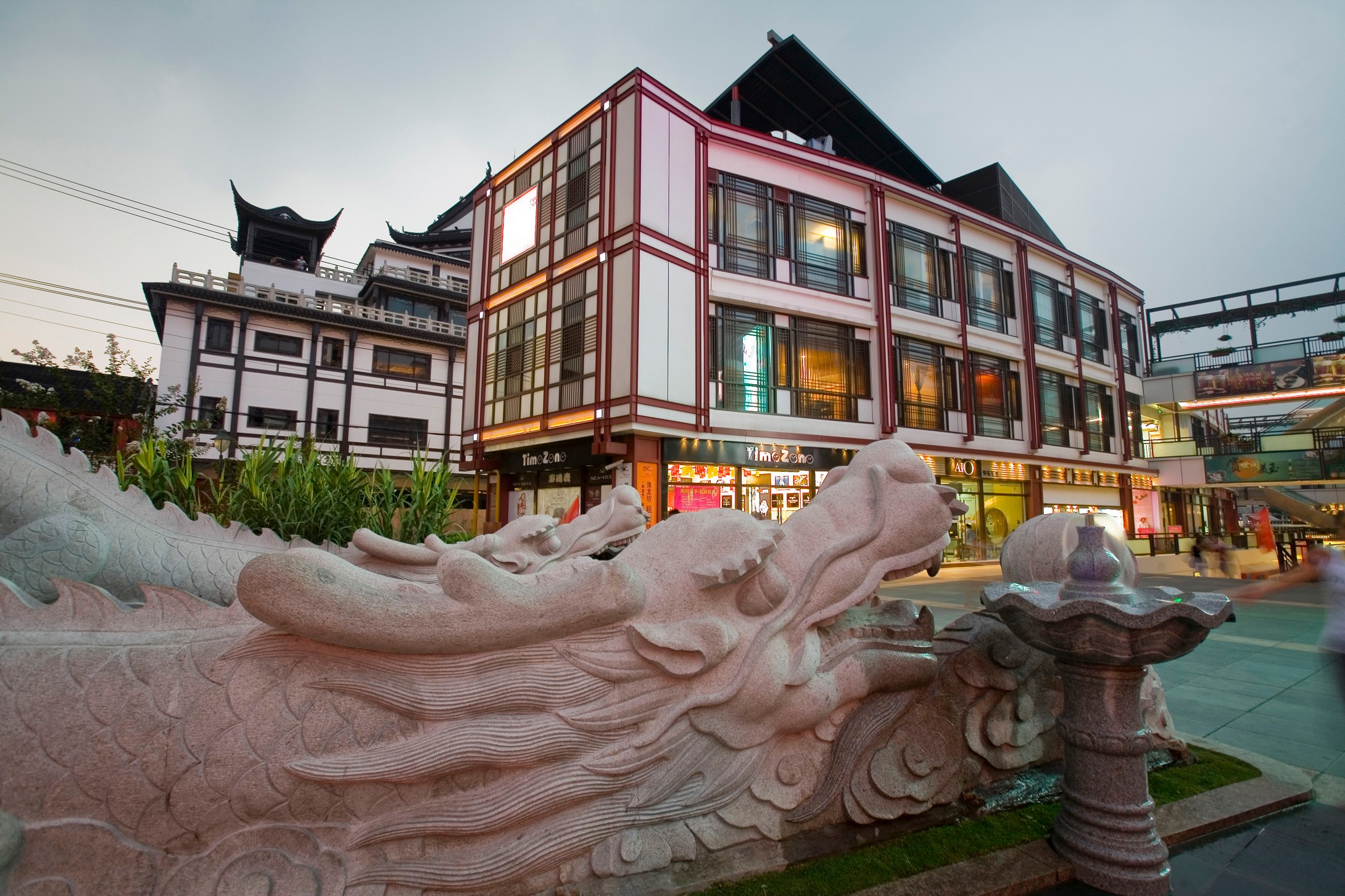
Yu Garden is located within the vibrant City God Temple (城隍庙) area, a bustling complex of temples, markets, and food stalls. After exploring the garden, step outside to visit the City God Temple itself, a Taoist shrine dating back to the Ming Dynasty, where incense and prayers fill the air. The surrounding bazaar is a shopper’s paradise, offering everything from traditional crafts and silk to tea and antiques. Just a short walk away, the Bund (外滩) offers a stunning contrast with its colonial-era buildings and modern skyline, while the Shanghai Old Street (上海老街) provides a glimpse into the city’s past with its restored shophouses and narrow lanes. For a cultural deep dive, the Shanghai Museum (上海博物馆) is a 20-minute metro ride away, housing world-class collections of Chinese art and artifacts. The area is also a food lover’s hub, with countless eateries serving local specialties.
Where to Dine
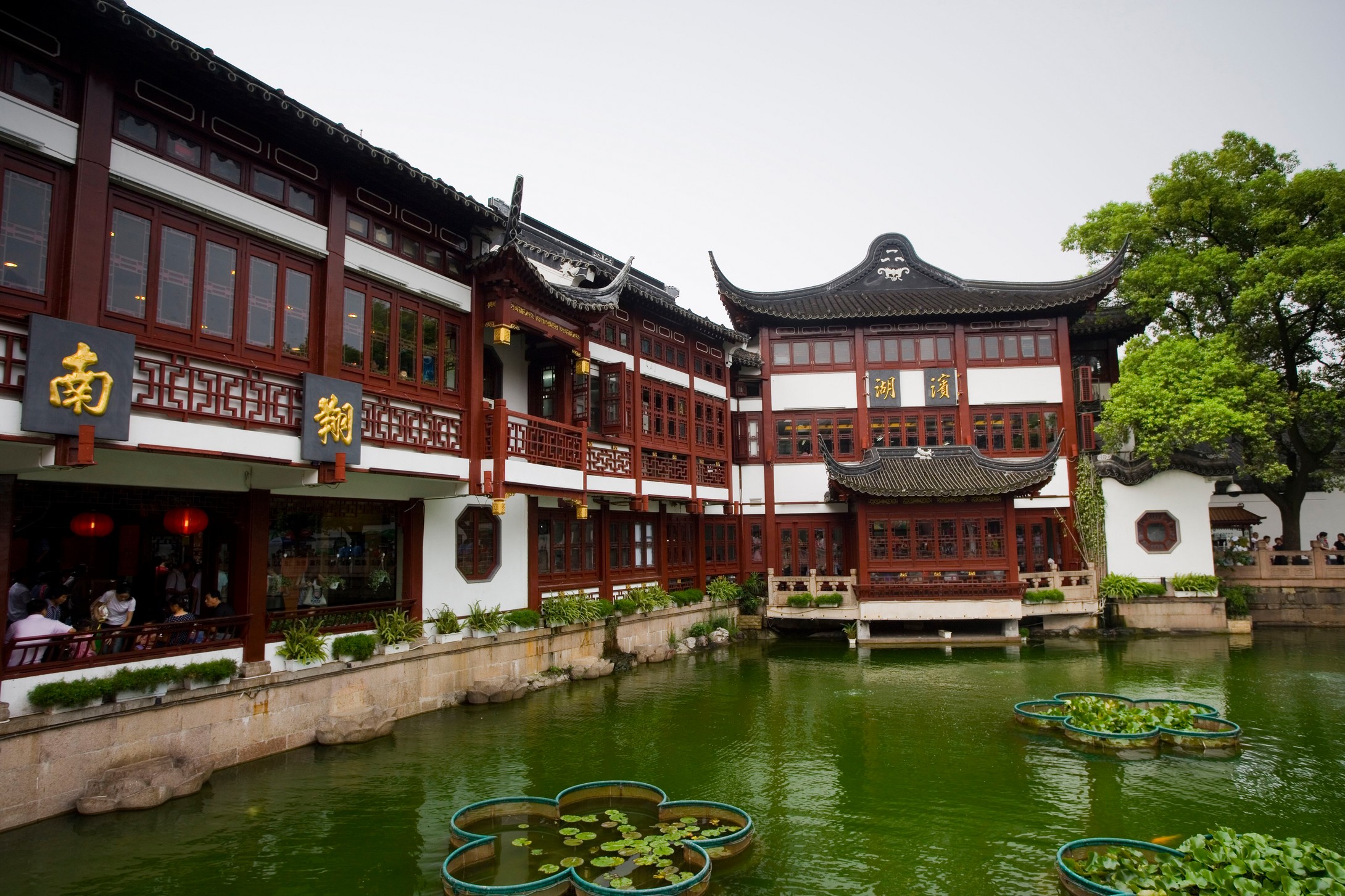
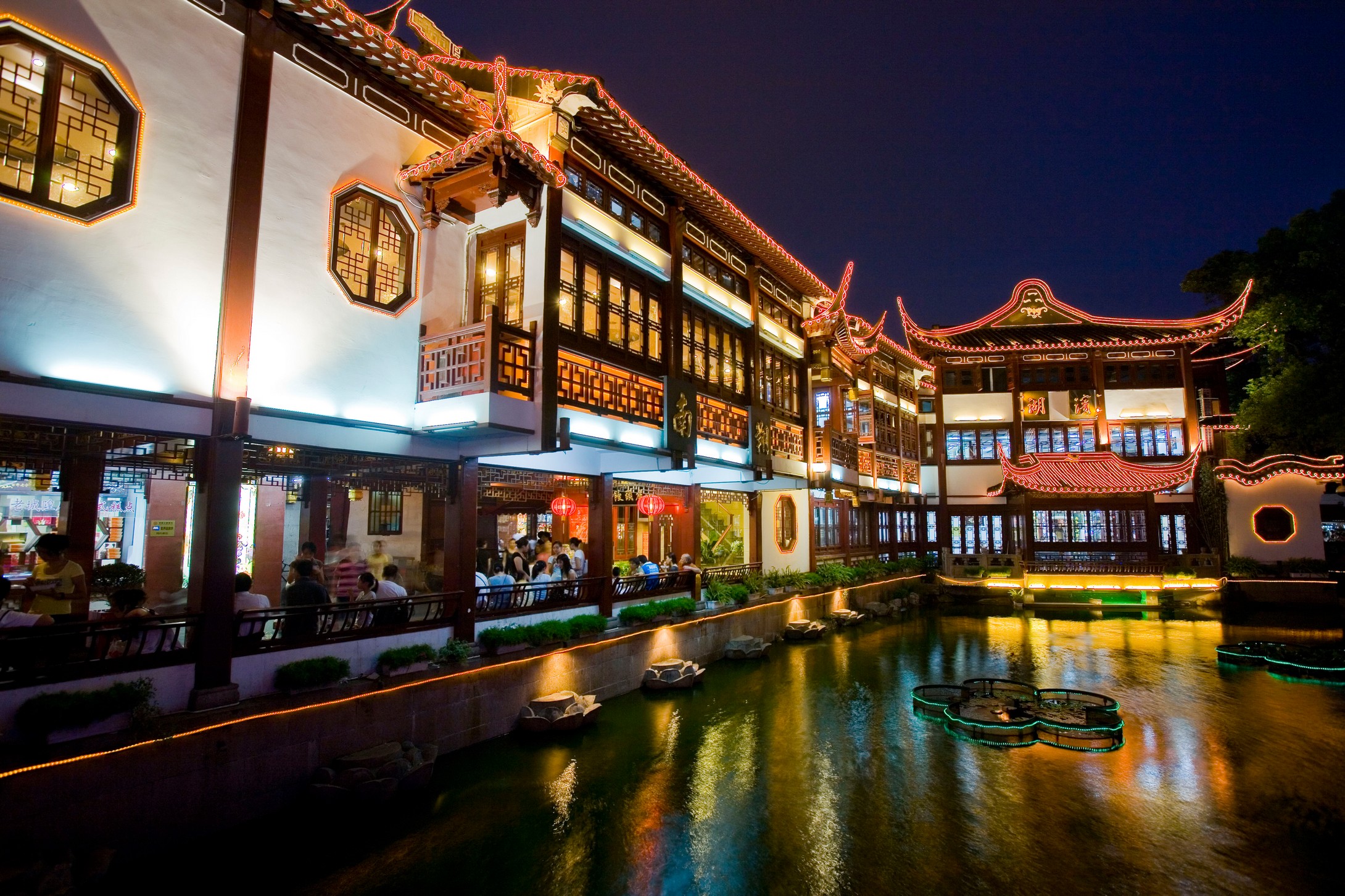
No visit to Yu Garden is complete without sampling the local cuisine, and the area is famous for its steamed buns, particularly at the Nanxiang Steamed Bun Restaurant (南翔馒头店豫园路店), a century-old establishment at No. 85 Yuyuan Road. Known affectionately as “Nanxiang Xiaolong” by locals, this restaurant offers a full range of soup dumplings, including crab roe soup dumplings (蟹粉小笼), pork soup dumplings (鲜肉小笼), and crab roe soup-filled buns (蟹粉灌汤包). For budget-conscious travelers, the 1st-floor takeaway counter is the cheapest option, while dining on the 2nd floor is more economical than the 3rd floor (note that the Yuyuan Road branch has a minimum consumption requirement). With an average cost of just 36 RMB per person, it’s a steal. Other nearby options include the City God Temple food court, where you can try shengjianbao (pan-fried buns), scallion pancakes, and tangyuan (glutinous rice balls). For a more upscale meal, the Renaissance Shanghai Yu Garden Hotel (a five-star property) offers fine dining with garden views.
Weather & Best Time to Visit
Shanghai has a humid subtropical climate with four distinct seasons. The best time to visit Yu Garden is during spring (March to May) and autumn (September to November), when temperatures are mild (15–25°C or 59–77°F) and the garden is in full bloom or adorned with golden leaves. Summer (June to August) can be hot and humid, with temperatures often exceeding 30°C (86°F), and occasional typhoons, but the garden’s shade and lakes provide some relief. Winter (December to February) is chilly, with temperatures around 0–10°C (32–50°F), but the garden is less crowded, offering a peaceful experience. Peak seasons (April 1–June 30 and September 1–November 30) bring higher ticket prices (40 yuan) and larger crowds, especially on weekends and holidays. For a quieter visit, aim for weekday mornings or early afternoons. Note that the garden is open from 8:30 AM to 5:30 PM (March–October) and 8:30 AM to 5:00 PM (November–February), so plan accordingly.
Travel Tips
- Getting There: The easiest way is to take Metro Line 10 to Yu Garden Station (豫园站). Alternatively, buses 11, 26, 64, 71, 145, 581, 715, 730, 736, 801, 926, 929, 932, 969, 980, and Fangchuan Line all stop nearby. The garden is at No. 132, Anren Street, Huangpu District, inside the City God Temple complex.
- Fees & Discounts: Peak season (April 1–June 30, September 1–November 30) costs 40 yuan, off-peak 30 yuan. Seniors over 60, college students, and primary/secondary school students get half price. Each adult can bring one child under 6 years old or under 1.3 meters tall for free. Retired cadres, active military personnel, retired military cadres, and disabled persons enter free. Valid ID is required for discounts.
- Opening Hours: 8:30 AM–5:30 PM (March 1–October 31) and 8:30 AM–5:00 PM (November 1–February 28). Last entry is usually 30 minutes before closing.
- Contact & Website: For inquiries, call 021-63260830 or 021-63282465. Visit the official website at http://www.yugarden.com.cn for updates.
- What to Bring: Comfortable walking shoes are essential, as the garden has uneven stone paths and stairs. Bring a camera for the stunning scenery, and a light jacket or umbrella depending on the season. Cash is useful for small purchases, though many vendors accept mobile payments. Sunscreen and water are recommended in summer.
- Etiquette: Respect the garden’s tranquility—avoid loud noises, and don’t touch the rockeries or historical structures. Photography is allowed, but no flash in pavilions. Food and drinks are best enjoyed outside the garden in designated areas.