Zhangmu
A 3-day overland journey from Lhasa to the Nepal border via the Sino-Nepal Highway, featuring Everest's north face and the lush valleys of Zhangmu.
zhangmu at a Glance
Everything you need to know before you go.
Where to Stay
Choose the neighborhood that fits your style.
Tingri / Rongbuk Area
Tingri is the gateway to Everest Base Camp, offering basic guesthouses and stunning Himalayan views. Rongbuk Monastery, the world's highest monastery, is nearby, providing a unique cultural and spiritual experience. Ideal for trekkers and climbers seeking proximity to the mountain, with simple amenities and a rugged, high-altitude atmosphere.
Everest gatewayZhangmu Border Town
Zhangmu is a bustling border town between China and Nepal, known for its vibrant trade and diverse shops. It offers a mix of Nepali and Tibetan influences, with markets selling local crafts and goods. The town's steep terrain and subtropical climate contrast with the high plateau, making it a fascinating stop for travelers crossing the border.
Border trade hubNyalam Town
Nyalam, a small town on the Friendship Highway, serves as a vital stopover between Lhasa and the border. It features basic hotels and restaurants catering to travelers, with stunning views of the surrounding peaks. The town's quiet atmosphere and strategic location make it a practical base for acclimatization and exploring nearby valleys.
Highway stopoverLhatse Area
Lhatse is a historic town at the junction of the Friendship Highway and the road to Everest, offering a range of simple accommodations and eateries. It is known for its ancient monastery and traditional Tibetan culture, providing a glimpse into local life. This area suits travelers seeking a less touristy experience with easy access to major routes.
Cultural crossroadszhangmu Highlights
The city's essential experiences.
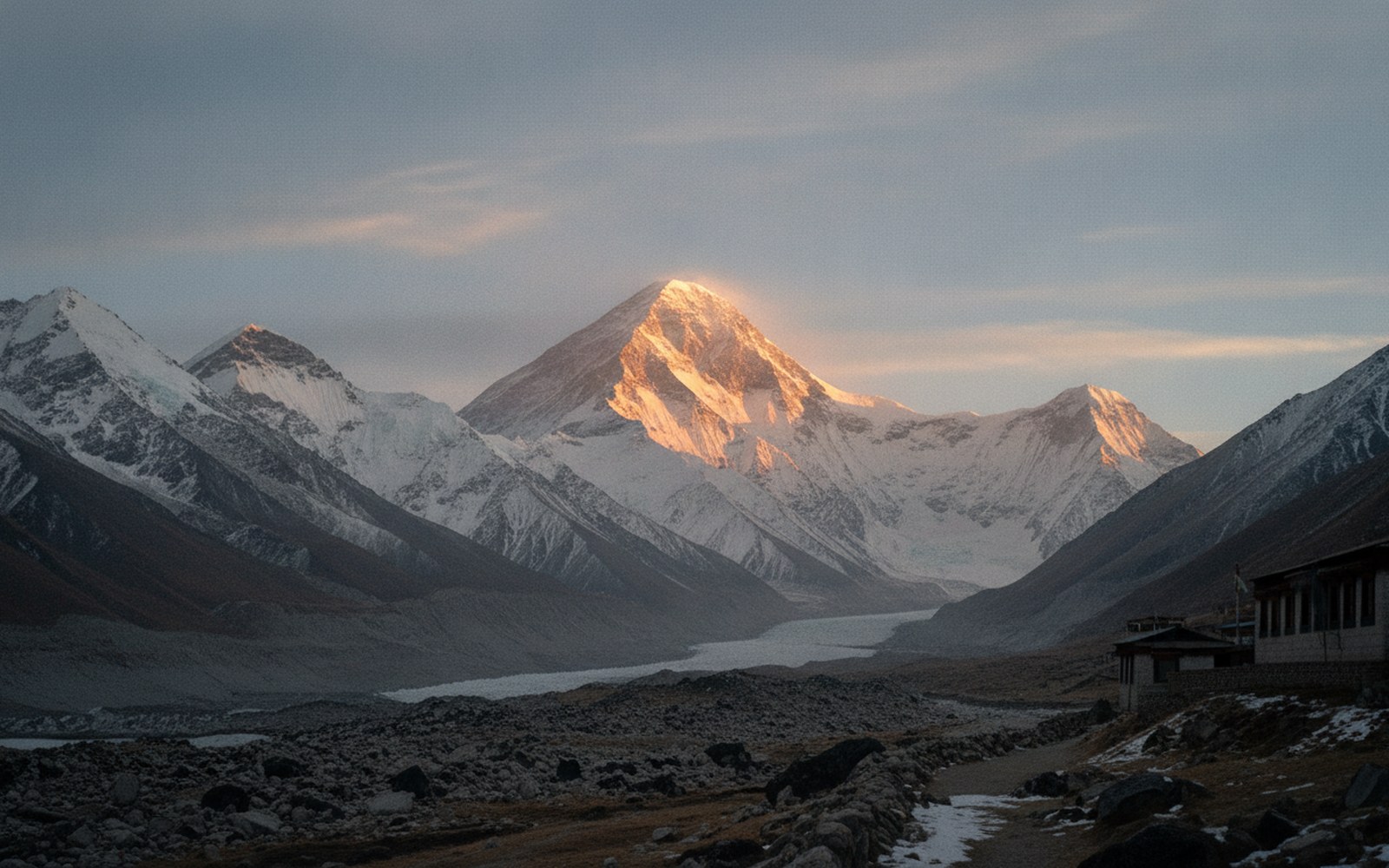
Witness the first light of dawn painting the world's highest peak in golden hues. This breathtaking spectacle at Rongbuk is a once-in-a-lifetime experience for any traveler.
Stand in awe of the colossal north face of Everest, a sheer wall of rock and ice that challenges climbers. The view from the Rongbuk area offers an unparalleled perspective of this majestic mountain.
Embark on a thrilling drive down from the Tibetan plateau into the lush valleys of Nepal. The dramatic change in scenery and altitude makes this route an unforgettable adventure.
Perched at 5,000 meters, this is the highest monastery on Earth. A spiritual haven with stunning views of Everest, it offers a unique blend of devotion and natural beauty.
A bustling frontier town where Tibetan and Nepalese cultures meet. Explore its vibrant markets and experience the unique blend of traditions at this high-altitude crossroads.
This legendary highway connects Tibet and Nepal, winding through dramatic Himalayan landscapes. A drive here offers breathtaking views at every turn, from barren plateaus to green valleys.
Experience the thrill of descending from the high Tibetan plateau to the subtropical climate of Nepal. The route is famous for its hairpin bends and panoramic vistas.
Best Time to Visit
Each season offers something different.
Spring
Mild and dry, with clear skies. Good for trekking and enjoying rhododendron blooms.
Summer
Warm and wet due to monsoon, with frequent rain and landslides. Travel may be disrupted.
Autumn
Crisp and clear, offering the best mountain views. Ideal for outdoor activities.
Winter
Cold and dry, with possible snow at higher elevations. Pack warm clothing and check road conditions.
Suggested Itineraries
Plans for every schedule.
Classic 2-Day
Day 1: Rongbuk Monastery, Everest Sunrise at Rongbuk, Mount Everest North Face. Day 2: Sino-Nepal Highway, Himalayan Descent Drive, Zhangmu Border Town.
3-Day Border & Mountain
Day 1: Rongbuk Monastery, Everest Sunrise at Rongbuk. Day 2: Mount Everest North Face, Sino-Nepal Highway. Day 3: Himalayan Descent Drive, Zhangmu Border Town.
4-Day Full Exploration
Day 1: Rongbuk Monastery, Everest Sunrise at Rongbuk. Day 2: Mount Everest North Face, Sino-Nepal Highway. Day 3: Himalayan Descent Drive, Zhangmu Border Town. Day 4: Zhangmu Border Town (leisure exploration).
Local Tips
Insider knowledge for a smoother trip.
Carry your passport for crossing into Nepal; check border opening hours.
Acclimatize gradually to avoid altitude sickness; stay hydrated.
Landslides are common in summer; check road status before traveling.
Have Nepalese rupees and Chinese yuan; ATMs may be limited.
Some areas require special permits; arrange in advance in Kathmandu or Lhasa.
Be mindful of local Tibetan and Nepalese customs; dress modestly.
FAQs About zhangmu
Quick answers to common questions.
Ready to Explore zhangmu?
Let MagicTrip build the perfect zhangmu itinerary — tailored to your interests, pace, and budget.