Yushu
Discover the spiritual heart of Qinghai, where three great rivers begin and ancient Tibetan Buddhist culture thrives.
yushu at a Glance
Everything you need to know before you go.
Where to Stay
Choose the neighborhood that fits your style.
Jiegu Town
Jiegu Town is the bustling heart of Yushu, offering the widest range of hotels, restaurants, and shops. It's the main transport hub with bus connections to surrounding areas. Stay here for easy access to the renowned Jyekundo Monastery and the lively local market. Ideal for first-time visitors seeking convenience and amenities.
Best accessQumalai
Qumalai is a remote, high-altitude county known for its vast grasslands and nomadic culture. Accommodations are basic but provide an authentic experience. It's a gateway to the source of the Yangtze River, attracting adventurous travelers. The area offers stunning natural scenery and a chance to see traditional Tibetan life. Perfect for those seeking solitude and raw landscapes.
Off the beaten pathYushu City Center
The city center is a compact area with a mix of modern hotels and traditional Tibetan guesthouses. It's close to the main square and cultural sites like the Yushu Museum. Restaurants serve local dishes such as yak meat and butter tea. This area is convenient for exploring the city on foot and experiencing daily life. Suits travelers who prefer a central location.
Cultural hubXiewu Town
Xiewu Town is a smaller settlement near the famous Xiewu Temple, known for its intricate murals and peaceful atmosphere. Accommodations are limited but cozy, often run by local families. The town offers a quieter alternative to Jiegu, with easy access to hiking trails and scenic valleys. Ideal for those interested in Tibetan Buddhism and tranquil surroundings.
Peaceful retreatyushu Highlights
The city's essential experiences.
A revered peak in Tibetan Buddhism, Gaduojuewu is a key pilgrimage site. The mountain's stunning natural beauty and spiritual significance make it a must-visit for those seeking a deeper connection with the region's culture.
Offering panoramic views of the vast, rolling grasslands around Yushu, this viewpoint is perfect for photography and soaking in the serene landscape. The best time to visit is during the summer when the meadows are lush and dotted with yaks.
Located along the Zaqu River, this grassland is a highlight of the 'Primitive Wilderness Road' route. It offers a tranquil escape with opportunities for camping and experiencing the nomadic lifestyle of the local herders.
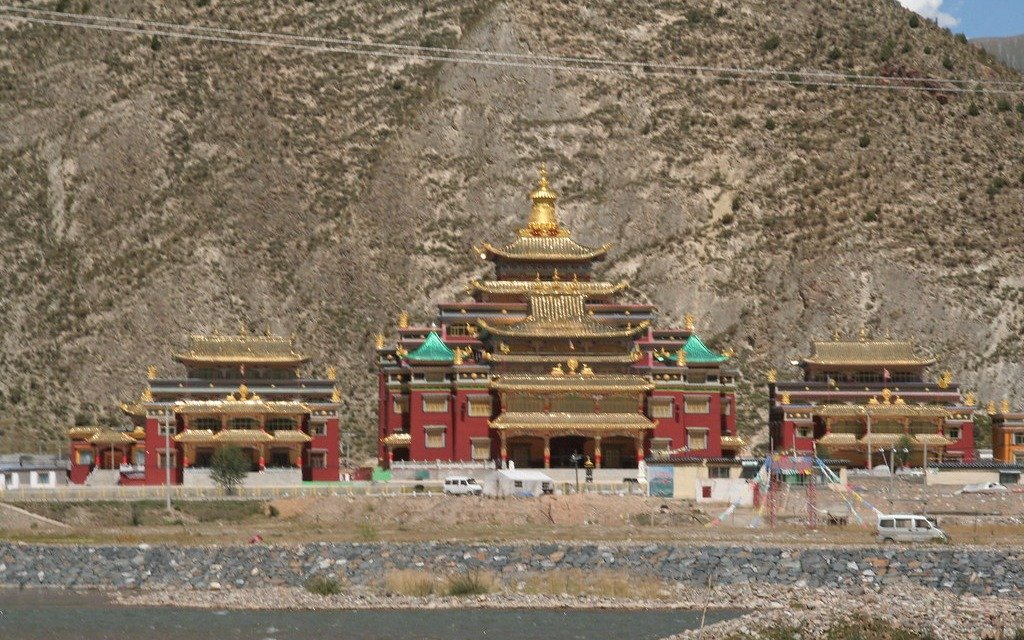
A significant Gelugpa monastery in Yushu, Jiegu Monastery is known for its stunning architecture and vibrant religious life. Visitors can observe monks' debates and enjoy the peaceful atmosphere of this sacred site.
Also known as Da Ri Ru Lai Fo Dian, this temple commemorates Princess Wencheng's journey to Tibet. It houses a famous statue of the Buddha and offers insight into the historical ties between China and Tibet.
One of the world's largest collections of mani stones, this sacred site is a testament to Tibetan devotion. Visitors can join the kora, a circumambulation path, and witness the intricate carvings that cover millions of stones.
The historic heart of Yushu, Jiegu Old Town offers a glimpse into traditional Tibetan architecture and lifestyle. Wander through its narrow streets to discover local shops, monasteries, and the resilient spirit of the town after the 2010 earthquake.
Experience the intricate art of Thangka painting at a local workshop. Skilled artisans demonstrate the meticulous process of creating these religious scroll paintings, offering a unique cultural insight and the chance to purchase authentic pieces.
A bustling market where you can find traditional Tibetan goods, from jewelry and clothing to local snacks. It's the perfect place to pick up souvenirs and experience the vibrant daily life of Yushu's residents.
These ancient rock paintings, located in the Lebagou area, date back thousands of years and depict scenes of hunting and daily life. They are a fascinating glimpse into the region's prehistoric culture.
A scenic stream in the Lebagou valley, perfect for a leisurely hike along its banks. The clear water and surrounding cliffs create a peaceful setting for nature lovers.
A vital wetland ecosystem and a haven for migratory birds, including the endangered black-necked crane. Birdwatchers will delight in the diverse avian life, especially during spring and autumn migrations.
Known for its dramatic rock formations and deep canyons, Angsai Geological Park is a paradise for hikers and geology enthusiasts. The park's unique landscape is often compared to a 'Tibetan version of the Grand Canyon'.
Best Time to Visit
Each season offers something different.
Spring
Cool and dry, with occasional dust storms. Pack layers and sunscreen.
Summer
Mild and wet, with frequent rain. Ideal for trekking but be prepared for mud.
Autumn
Clear skies and crisp air, perfect for photography. Temperatures drop quickly.
Winter
Very cold and dry, with heavy snow. Only for experienced travelers with proper gear.
Suggested Itineraries
Plans for every schedule.
Classic 2-Day
Day 1: Jiegu Monastery, Xinzhai Jia Na Mani Stone Pile, Join the Kora, Jiegu Old Town. Day 2: Gaduojuewu Sacred Mountain Pilgrimage, Wencheng Princess Temple (Da Ri Ru Lai Fo Dian), Lebagou Rock Paintings, Yushu Grasslands Viewpoint.
Cultural 3-Day
Day 1: Jiegu Monastery, Xinzhai Jia Na Mani Stone Pile, Join the Kora, Jiegu Old Town. Day 2: Gaduojuewu Sacred Mountain Pilgrimage, Wencheng Princess Temple (Da Ri Ru Lai Fo Dian), Lebagou Rock Paintings, Lebagou Stream. Day 3: Local Thangka Workshop, Yushu Tibetan Market, Yushu Grasslands Viewpoint.
Immersive 4-Day
Day 1: Jiegu Monastery, Xinzhai Jia Na Mani Stone Pile, Join the Kora, Jiegu Old Town. Day 2: Gaduojuewu Sacred Mountain Pilgrimage, Wencheng Princess Temple (Da Ri Ru Lai Fo Dian), Lebagou Rock Paintings, Lebagou Stream. Day 3: Local Thangka Workshop, Yushu Tibetan Market, Yushu Grasslands Viewpoint. Day 4: Lebagou Rock Paintings (repeat visit for deeper exploration), Lebagou Stream (leisure time), Yushu Grasslands Viewpoint (sunset).
Local Tips
Insider knowledge for a smoother trip.
Acclimatize slowly, avoid strenuous activity, and carry oxygen if needed.
Use high SPF sunscreen, wear a hat and sunglasses to guard against intense UV.
ATMs are scarce outside the city; carry enough cash for remote towns.
Be respectful of Tibetan traditions and ask permission before photographing people.
For remote areas like the river sources, hire a local guide for safety and navigation.
Even in summer, evenings can be cold; bring layers and a warm jacket.
FAQs About yushu
Quick answers to common questions.
Ready to Explore yushu?
Let MagicTrip build the perfect yushu itinerary — tailored to your interests, pace, and budget.