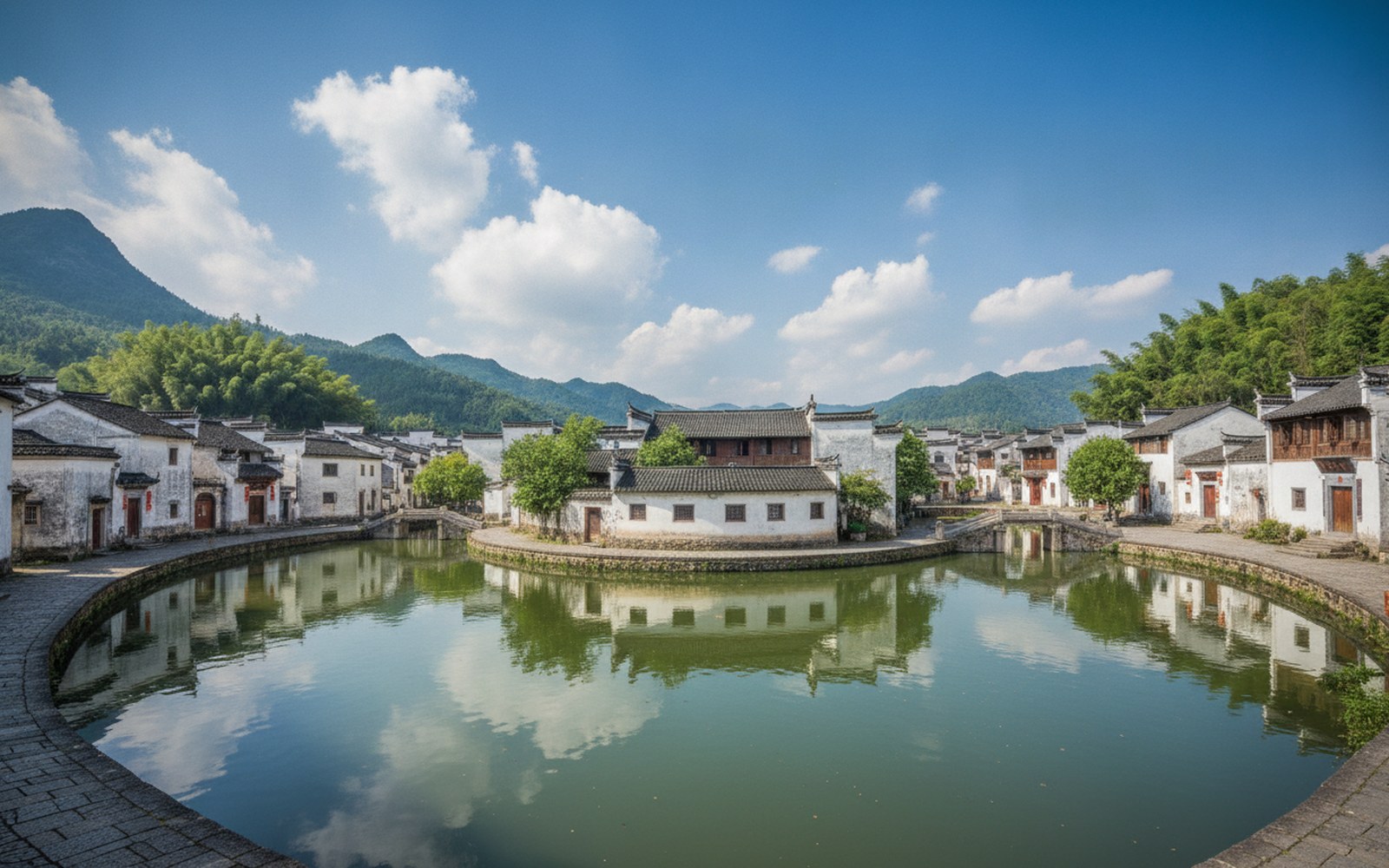
Yixian
Ancient Villages and Timeless Landscapes in Southern Anhui
Yixian at a Glance
Everything you need to know before you go.
Yixian County, tucked in the mountains of southern Anhui, is home to two UNESCO-listed ancient villages, Hongcun and Xidi, celebrated for their well-preserved Hui-style architecture and tranquil water features. The county offers a glimpse into rural China's past, with narrow lanes, ancestral halls, and picturesque countryside that have inspired artists and filmmakers alike. Beyond the famous villages, lesser-known hamlets and bamboo forests invite slow exploration on foot or by bike. It's an ideal destination for culture lovers and photographers seeking authentic heritage away from the urban rush.
Where to Stay
Choose the neighborhood that fits your style.
Hongcun
A UNESCO World Heritage village known for its ox-shaped layout, moon pond, and elegant Hui-style houses reflected in still waters.
Best for first-time visitors and photographersXidi
Another UNESCO-listed village with centuries-old ancestral halls, carved stone archways, and a more intimate street maze.
Best for architecture buffs and quiet wanderersYixian Highlights
The city's essential experiences, grouped by what you love most.
A UNESCO World Heritage village known for its traditional Hui-style architecture and the scenic Moon Pond.
Another UNESCO-listed ancient village with well-preserved Ming and Qing dynasty residences and memorial archways.
Features numerous ancestral halls and has been a filming location for movies such as 'Ju Dou'.
Famous for its exquisite wood carvings in ancient residences, showcasing fine Hui craftsmanship.
Offers a serene bamboo grove with walking trails, known as 'The Bamboo Sea'.
Features multiple waterfalls and lush forests, ideal for hiking and nature lovers.
Renowned for its vibrant autumn colors, often called a paradise for photographers.
Provides a relaxing bamboo raft ride along clear streams through scenic countryside.
An ancient village with a rich history, traditional architecture, and a tranquil atmosphere.
Known for its distinctive connected houses and strong clan culture, offering insights into rural life.
Preserves a historic urban layout with old streets, local markets, and traditional residences.
Best Time to Visit
Each season offers a different side of the city.
Spring · Mar–May
Mild weather and blooming landscapes — comfortable for exploring.
Summer · Jun–Aug
Warm days; highland areas stay cool while lowland cities get hot and humid.
Autumn · Sep–Nov
The best season in most of China — crisp air, clear skies, and golden light.
Winter · Dec–Feb
Cold in the north, mild in the south. Fewer crowds and lower prices outside holidays.
Suggested Itineraries
Three carefully-paced plans for your trip.
1-Day Express
No data available
2-Day Classic
No data available
Local Tips
Insider knowledge for a smoother trip.
Visit in spring (March–May) for rapeseed flowers and comfortable weather, or in autumn (September–November) for golden leaves and harvest scenery. Summer can be hot and humid, while winter is cold but less crowded.
This UNESCO World Heritage village is famous for its Moon Pond, South Lake, and well-preserved Hui-style architecture. Arrive early in the morning to avoid tour groups and capture reflections on the water.
Another UNESCO-listed ancient village, Xidi features ornate archways, ancestral halls, and cobbled lanes. Allow 2–3 hours to wander and appreciate the intricate carvings and traditional layout.
A serene bamboo sea known as a filming location for Crouching Tiger, Hidden Dragon. Its quiet trails and lush greenery offer a peaceful escape from the busier villages.
Try Huizhou dishes such as stinky mandarin fish, hairy tofu, and Yixian cured ham. Many family-run guesthouses serve home-cooked meals using local ingredients.
FAQs About Yixian
Quick answers to common questions.
Ready to Explore Yixian?
Let MagicTrip build the perfect Yixian itinerary — tailored to your interests, pace, and budget.