Xinduqiao
Photographer's paradise on the Sichuan-Tibet frontier
xinduqiao at a Glance
Everything you need to know before you go.
Where to Stay
Choose the neighborhood that fits your style.
Xinduqiao Town & Barley Fields
Xinduqiao Town is the main hub, surrounded by vast barley fields that turn golden in autumn. It offers basic guesthouses and local eateries, serving Tibetan dishes like yak meat and butter tea. The area is a photographer's paradise, with easy access to the famous 'photography corridor' along the Sichuan-Tibet Highway. Ideal for travelers seeking authentic village life and stunning rural landscapes.
Photography hubTagong Grassland & Monastery
Tagong Grassland is a high-altitude prairie dotted with yaks and nomadic tents, offering a serene escape into Tibetan pastoral culture. The Tagong Monastery, a significant Gelugpa sect temple, is a spiritual highlight with its golden roofs and prayer wheels. Accommodations are simple but cozy, often in family-run guesthouses. Perfect for those wanting to experience nomadic traditions and sacred sites in a breathtaking setting.
Cultural immersionZheduo Mountain Pass
Zheduo Mountain Pass, at 4,298 meters, is the dramatic gateway to Xinduqiao, offering panoramic views of snow-capped peaks and deep valleys. It's a popular stop for hikers and cyclists, with a few basic rest stops and snack stalls. The area is less developed, providing a raw, adventurous feel. Best for travelers seeking a challenging yet rewarding mountain experience with minimal facilities.
Adventure gatewayJuzhaigou Valley (nearby)
While not in Xinduqiao itself, Juzhaigou Valley is a day-trip option for those based in the area, renowned for its turquoise lakes, waterfalls, and colorful forests. The valley offers well-maintained boardwalks and shuttle buses, with a range of lodges and restaurants at the entrance. It's a world-class natural wonder, ideal for nature lovers and families. However, note the distance and plan for an early start.
Nature escapexinduqiao Highlights
The city's essential experiences.
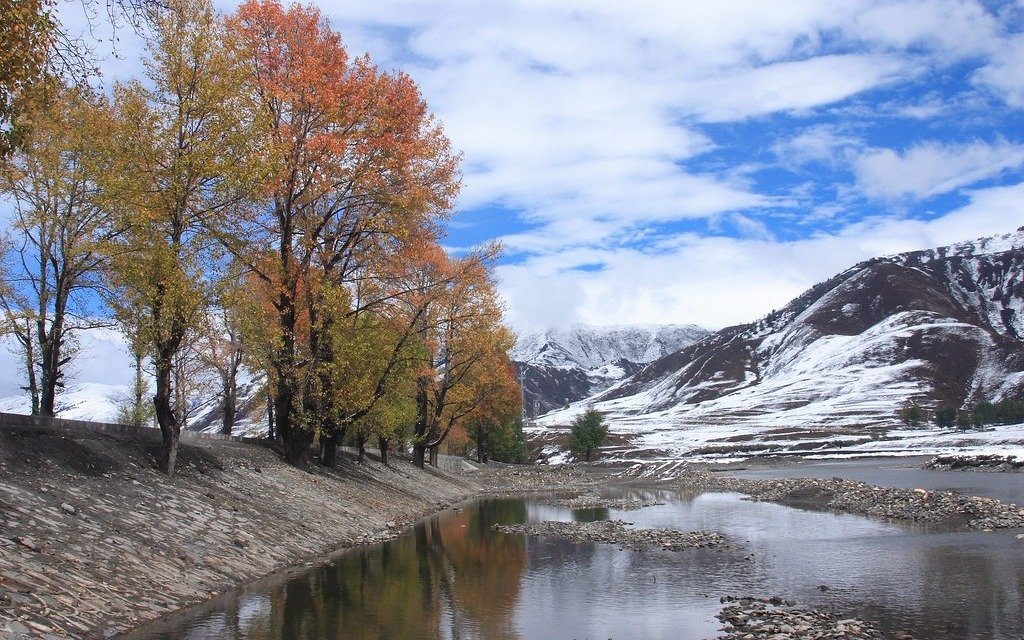
A 10-kilometer stretch along the road, known as the Photographers' Corridor. In autumn, the golden trees and Tibetan villages create a stunning landscape. Best visited in the morning or late afternoon for soft light.
Wake up early to catch the sunrise over the rolling hills and misty valleys. Explore traditional Tibetan villages with white-walled houses and prayer flags, offering a glimpse into local life and culture.
Head to a viewpoint to witness the sunset over Gongga Mountain, the King of Sichuan Mountains. The golden light on the snow-capped peak is a breathtaking sight, perfect for photography enthusiasts.
At 4,412 meters, this pass offers panoramic views of the surrounding mountains and valleys. It's a popular stop for travelers heading to Xinduqiao, with opportunities to see yaks and prayer flags fluttering in the wind.
A viewpoint offering close-up views of Yala Snow Mountain, a sacred peak in Tibetan culture. The contrast between the white snow and the green grasslands is striking, especially on clear days.
A vast grassland dotted with yaks and sheep, with the Tagong Monastery adding a spiritual touch. The monastery is an important center for Tibetan Buddhism, and the surrounding area is perfect for a leisurely stroll or picnic.
Natural hot springs in the Bamei area, offering a relaxing soak after a day of travel. The warm water and scenic surroundings make it a unique experience, especially in cooler weather.
Best Time to Visit
Each season offers something different.
Spring
Cool and dry, with occasional wind. Ideal for early photography, but temperatures can be low.
Summer
Mild and rainy, with lush greenery. Pack rain gear and enjoy the vibrant landscapes.
Autumn
Crisp and clear, with golden foliage. This is the best season for photography, but expect crowds.
Winter
Cold and snowy, with fewer visitors. Perfect for serene shots, but ensure warm clothing.
Suggested Itineraries
Plans for every schedule.
Classic 2-Day
Day 1: Xinduqiao Sunrise & Tibetan Village Exploration, then Jianziwan Mountain Pass (4412m). Day 2: Tagong Grassland & Tagong Monastery, then Yala Snow Mountain Viewpoint (Erdaoban).
Scenic 3-Day
Day 1: Xinduqiao Sunrise & Tibetan Village Exploration, then Jianziwan Mountain Pass (4412m). Day 2: Tagong Grassland & Tagong Monastery, then Yala Snow Mountain Viewpoint (Erdaoban). Day 3: Gongga Mountain Sunset (Optional) and Bamei Wild Hot Springs.
Extended 4-Day
Day 1: Xinduqiao Sunrise & Tibetan Village Exploration. Day 2: Jianziwan Mountain Pass (4412m) and Tagong Grassland & Tagong Monastery. Day 3: Yala Snow Mountain Viewpoint (Erdaoban) and Bamei Wild Hot Springs. Day 4: Gongga Mountain Sunset (Optional).
Local Tips
Insider knowledge for a smoother trip.
Follow the 10-km corridor along G318 for iconic views.
At high altitude, take it easy to avoid altitude sickness.
Temperatures swing widely; dress in layers for comfort.
Try Tibetan butter tea and barley bread at local eateries.
When visiting monasteries, follow local customs and dress modestly.
Public buses are limited; consider hiring a local driver for flexibility.
FAQs About xinduqiao
Quick answers to common questions.
Ready to Explore xinduqiao?
Let MagicTrip build the perfect xinduqiao itinerary — tailored to your interests, pace, and budget.