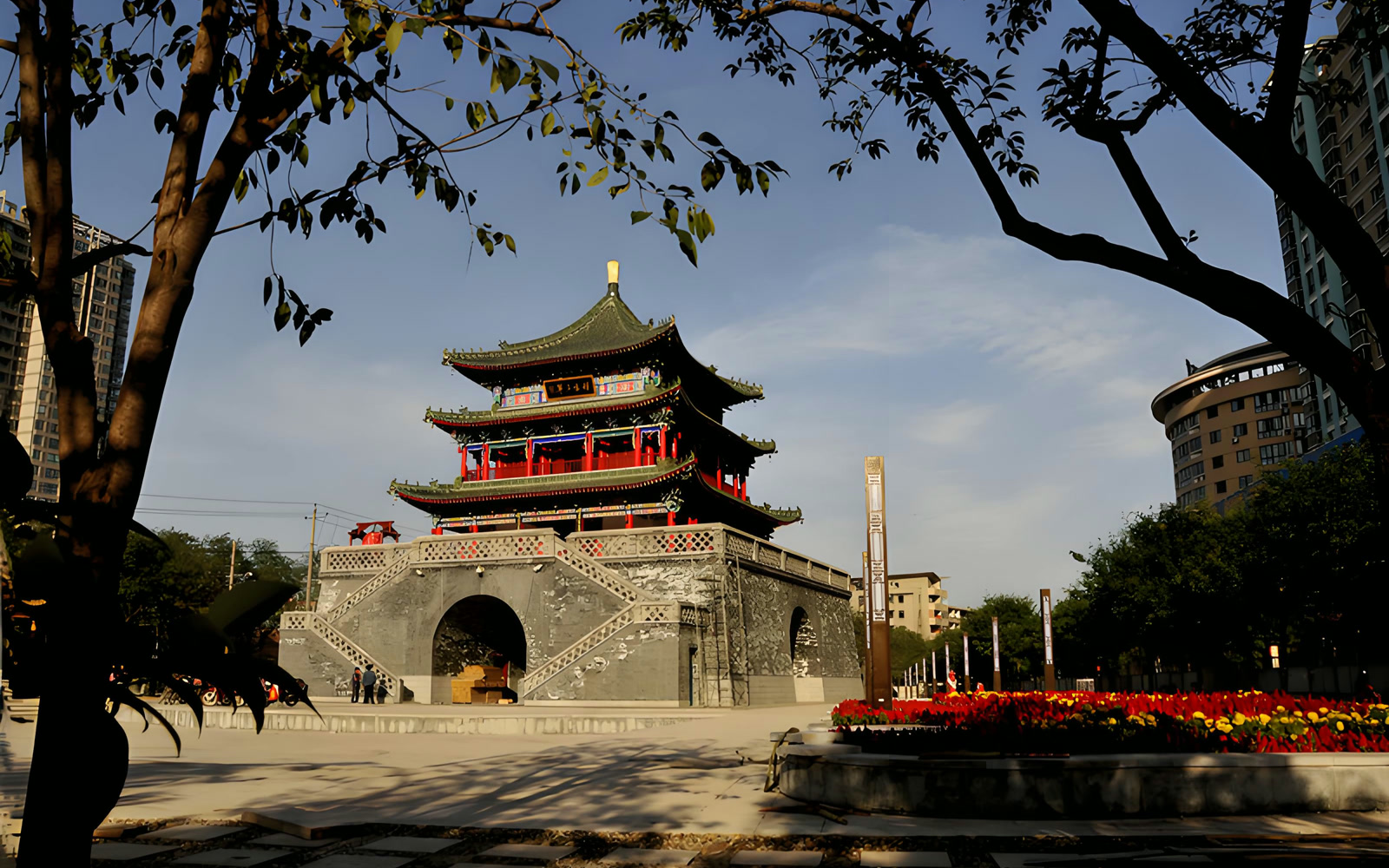
Xianyang
Two days among imperial tombs, Tang temples, and living folk traditions on the ancient Silk Road's eastern gateway.
xianyang at a Glance
Everything you need to know before you go.
Where to Stay
Choose the neighborhood that fits your style.
Xianyang City Center
Stay in the heart of Xianyang for easy access to top hotels like the Licai Tianqi near Wanda Plaza and the Madison Hotel on Renmin Road. With metro stations nearby and many dining options, this area suits travelers wanting convenience and comfort.
Best accessQindu District
Located west of the city center, Qindu District offers a mix of business and leisure stays, including the international brand Hongluowan Holiday Hotel on Weiyang West Road. It's ideal for those seeking a quieter stay with easy access to local attractions.
Comfortable stayAirport Area
Near Xianyang International Airport, this area features hotels like the HUALUXE on Shangfa Road, perfect for transit passengers. Though pricier, it offers convenience for early flights and a range of amenities.
Convenient transitBinxian / Changwu Area
In the northern counties, this area offers budget-friendly stays like the Guanzhong Yuansu Hotel in Yuanjia Village, known for its peaceful environment. It's great for exploring rural Shaanxi culture and ancient sites.
Budget-friendlyxianyang Subway Map
Navigate the city with the metro system. Plan routes, explore stations, and find exits.
xianyang Highlights
The city's essential experiences.
Joint burial site of Emperor Gaozong and Empress Wu Zetian, the only Tang imperial tomb never looted. Built into a mountain, it offers a majestic view. Don't miss the famous Wordless Stele and the 61 stone statues of foreign envoys.
The largest of the Tang mausoleums, covering 20,000 hectares with over 180 accompanying tombs. Most artifacts are in the Zhaoling Museum, which attracts more visitors than the site itself. Explore the vast complex to appreciate its scale.
Final resting place of Emperor Wu of Han, featuring the Tomb of Lady Li and Wei Qing's Tomb. The site includes the Maoling Museum with relics from the Western Han. Climb the mound for panoramic views of the surrounding plains.
Contains tombs of King Wen and King Wu of Zhou, with over 40 stone steles from the Song dynasty onward. Over 2,000 ancient cypress trees create a serene atmosphere. A must-visit for history enthusiasts exploring China's early dynasties.
The Great Buddha Cave houses a 24-meter-tall Buddha statue, the centerpiece of 446 niches and nearly 2,000 statues. The five-story Guardian Tower protects the cave. Climb for a closer view of the intricate carvings.
Features a standing Buddha and two bodhisattvas carved into the mountain, with the main Buddha towering at 8.2 meters. The serene expression and detailed robes are remarkable. A hidden gem for those interested in Buddhist art.
A large central-pillar cave with a square floor plan, located east of the Great Buddha Cave. Though not very tall, it contains numerous Buddha niches. The intricate carvings reflect the artistic excellence of the Tang dynasty.
A complex of 98 caves layered densely, connected by shafts and corridors, creating an aerial maze. No statues or inscriptions, but the atmosphere is mysterious. Explore the interconnected passages for a unique adventure.
Located in the former Confucian temple, this museum showcases artifacts from the Qin and Han dynasties, including terracotta warriors and bronze wares. Its collection provides deep insight into ancient Chinese civilization.
Houses most of the cultural relics from the Zhaoling Mausoleum, including the famous Zhaoling Six Steeds reliefs. The museum is more visited than the mausoleum site itself. A must-see for Tang dynasty art and history.
Built by Emperor Taizong to honor soldiers who died in the Battle of Qianshuiyuan. The temple's architecture and exhibits tell stories of valor. A peaceful place to reflect on the costs of war and the legacy of the Tang.
Built in 1375, this well-preserved Ming-Qing architectural complex enshrines Li Jing, a famous general. Its grand halls and intricate details are impressive. A national heritage site that offers a glimpse into religious life.
A traditional village known for its well-preserved ancient architecture and vibrant folk culture. Enjoy local snacks and crafts while strolling through the old streets. A perfect place to experience rural life in Shaanxi.
This village showcases traditional cave dwellings and folk customs. Visitors can explore the unique underground houses and learn about local traditions. A fascinating cultural experience off the beaten path.
A dramatic landscape of loess plateaus, shaped by centuries of wind and water. The unique terrain offers stunning views and photo opportunities. A natural wonder that highlights the region's geological history.
A vast forest of locust trees, creating a lush green canopy. Ideal for hiking and picnicking, with trails that wind through the trees. A refreshing escape into nature, especially beautiful in spring when the trees bloom.
Best Time to Visit
Each season offers something different.
Spring
Spring is mild with occasional dust storms. Visit tombs and museums, but bring a light jacket for cool mornings.
Summer
Hot and humid, but tomb interiors are cool. Carry a thin jacket for underground visits and stay hydrated.
Autumn
Pleasant temperatures and clear skies, ideal for outdoor exploration. Pack layers for cooler evenings.
Winter
Cold and dry, with fewer crowds. Some sites have reduced hours; dress warmly and check schedules.
Suggested Itineraries
Plans for every schedule.
Classic 2-Day
Day 1: Xianyang Museum, Qianling Mausoleum. Day 2: Zhaoling Museum, Yuanjia Village.
Culture & Nature 3-Day
Day 1: Xianyang Museum, Binxian Giant Buddha Temple. Day 2: Qianling Mausoleum, Zhaoling Museum. Day 3: Yongshou Loess Landform, Yongshou Vast Locust Forest.
Deep Exploration 4-Day
Day 1: Xianyang Museum, Qianling Mausoleum. Day 2: Zhaoling Museum, Yuanjia Village. Day 3: Binxian Giant Buddha Temple, Binxian Shilang Lake. Day 4: Chengjiachuan Folk Culture Village, Changwu Zhaoren Temple Museum.
Local Tips
Insider knowledge for a smoother trip.
Follow designated routes in tombs; never enter unopened areas to avoid danger.
Keep phones on vibrate and speak softly to preserve the solemn atmosphere.
Avoid leaving non-degradable waste; the ecosystem is fragile.
Do not photograph exhibits in museums; refrain from touching artifacts.
Use local post offices to send postcards or souvenirs home.
For serious illness, head to hospitals in Xi'an for advanced treatment.
FAQs About xianyang
Quick answers to common questions.
Ready to Explore xianyang?
Let MagicTrip build the perfect xianyang itinerary — tailored to your interests, pace, and budget.