Xiahe
Discover the spiritual heart of Gannan: Labrang Monastery, vast Tibetan grasslands, and authentic cultural encounters.
xiahe at a Glance
Everything you need to know before you go.
Where to Stay
Choose the neighborhood that fits your style.
Xiahe Town (Labrang Monastery Area)
Stay in the heart of Xiahe, just steps from the renowned Labrang Monastery. Choose from a range of hotels and guesthouses along Renmin East and West Streets, all within walking distance of local shops and eateries. Ideal for first-time visitors seeking convenience and cultural immersion.
Best accessSangke Grassland
Experience the vast, open grasslands of Sangke, where you can stay in eco-friendly camps like Norden and Yunduan Wild Luxury Campsite. Enjoy traditional Tibetan yurts, stargazing, and a true connection with nature. Perfect for those seeking a rustic, off-grid adventure.
Nature escapeGanjia Grassland
Venture to the remote Ganjia Grassland for an authentic nomadic experience. Stay at the pastoral campsite, offering spacious tents and evening bonfires under a brilliant starry sky. This area is ideal for travelers looking to immerse themselves in Tibetan culture and pristine landscapes.
Remote & authenticAmquhu Town
Located 46 km from the city center, this area offers a peaceful retreat with the Chamtsee House homestay. Surrounded by traditional villages, it provides a glimpse into local life away from the crowds. Suitable for those wanting a quiet, culturally rich stay.
Peaceful retreatxiahe Highlights
The city's essential experiences.
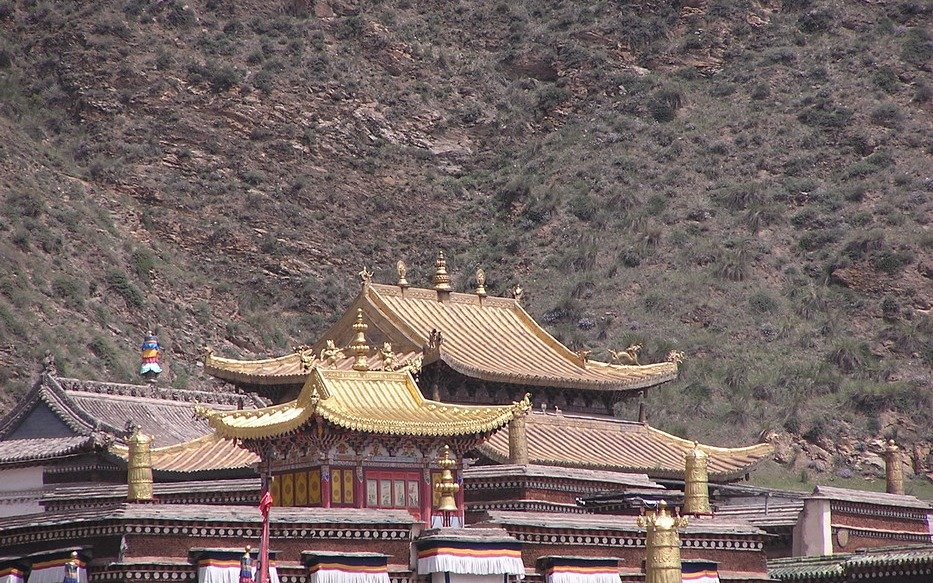
Known as the 'Vatican of the East,' this Gelug monastery is one of China's six great monasteries. Founded in 1709, it houses the world's longest prayer wheel corridor—a must-walk for spiritual immersion.
This nine-story pavilion in Hezuo enshrines the revered Tibetan yogi Milarepa. Each floor showcases intricate murals and statues, offering a unique vertical journey through Vajrayana art and devotion.
Also called 'Gadan Dianke Lin' (Joyful Dharma Wheel Continent), this Gelug monastery dates to 1760. Located 105 km southwest of Xiahe, it's a serene stop for those exploring the region's religious heritage.
On the Sichuan-Gansu border, this influential Gelug monastery houses the miraculously preserved 300-year-old body of the Fifth Gerdi Living Buddha. A nearby mosque adds a unique interfaith touch.
Called 'Yungdrung Khar' in Tibetan, this strategically designed fortress resembles a swastika. Wander its unique walls to appreciate ancient military genius and the fierce battles once fought here.
The largest of 24 Ming Dynasty passes in western China, Tumen Pass defended against nomadic raids. Its gate tower once stood, and it connected with Xiaoguan to form a complete defense system.
This square city on a terrace near Xiahe features rammed-earth walls and remnants of a central palace complex. Marble column bases and pottery shards hint at its Song Dynasty origins.
In summer, Sangke, Ganjia, and Amuquhu grasslands turn lush green with wildflowers. Experience the vastness of 'the sky is blue and the wilderness is boundless' while cattle and sheep graze peacefully.
At the foot of the sacred Ami Gonghong Mountain, this pasture is revered by the eight tribes of Amuquhu Town. Join the annual 'Weisang' festival on the 13th day of the sixth lunar month.
This village of 58 herder families offers 152 Tibetan-style guest rooms. Immerse yourself in semi-agricultural, semi-pastoral life on the Qinghai-Tibet Plateau and experience authentic Tibetan hospitality.
South of the Daxia River, this gully is filled with ancient cypress trees in myriad poses. Legend says Tang Sanzang once passed here, adding a mythical layer to the serene forest walk.
Called 'Gannan's First Village,' it's just 2.5 km from Tumen Pass. Nestled in a high-mountain canyon on an ancient trade route, it's rich in wildlife and known for traditional Chinese beekeeping.
Known as the 'Jade Mandala Lake,' this alpine lake sits at 3000m. Surrounded by pines and a sacred arrow platform, it's a holy site—locals ask visitors not to wash hands in its waters.
Savor hand-grabbed meat, Tibetan buns, fern moss rice, yogurt, and highland barley wine. This sumptuous feast reveals the bold, hospitable spirit of the Tibetan people—a must in Xiahe.
On the 13th day of the first lunar month, monks carry a giant thangka to this hillside terrace opposite Labrang Monastery. The grand ceremony is a vibrant display of faith and tradition.
Best Time to Visit
Each season offers something different.
Spring
Cool and dry with occasional sandstorms. Pack layers and sunscreen.
Summer
Mild and pleasant, ideal for grassland tours. Bring rain gear for sudden showers.
Autumn
Crisp air and golden grasslands. Perfect for photography and outdoor activities.
Winter
Cold and snowy, with fewer crowds. Visit monasteries for a serene experience.
Suggested Itineraries
Plans for every schedule.
Classic 2-Day
Day 1: Labrang Monastery, Milarepa Buddha Pavilion, Local Cuisine at Taiyanggou. Day 2: Sangke Grassland, Gahai Lake, Tibetan Homestay.
Nature & Culture 3-Day
Day 1: Labrang Monastery, Milarepa Buddha Pavilion, Local Cuisine at Taiyanggou. Day 2: Sangke Grassland, Gahai Lake, Tibetan Homestay. Day 3: Baimugou Ancient Forest, Song-and-Dance Performance.
Immersive 4-Day
Day 1: Labrang Monastery, Milarepa Buddha Pavilion, Local Cuisine at Taiyanggou. Day 2: Sangke Grassland, Gahai Lake, Tibetan Homestay. Day 3: Baimugou Ancient Forest, Song-and-Dance Performance. Day 4: Explore surrounding areas, revisit favorites.
Local Tips
Insider knowledge for a smoother trip.
At 3000m, take it easy to avoid altitude sickness.
UV is strong; use sunscreen and sunglasses.
When visiting monasteries, dress modestly and follow rules.
Public buses are limited; consider hiring a car for flexibility.
Summer and autumn offer the best weather for travel.
Try Tibetan butter tea and tsampa for an authentic taste.
FAQs About xiahe
Quick answers to common questions.
Ready to Explore xiahe?
Let MagicTrip build the perfect xiahe itinerary — tailored to your interests, pace, and budget.