Wuwei
Gateway to the Hexi Corridor and home of the Flying Horse
Wuwei at a Glance
Everything you need to know before you go.
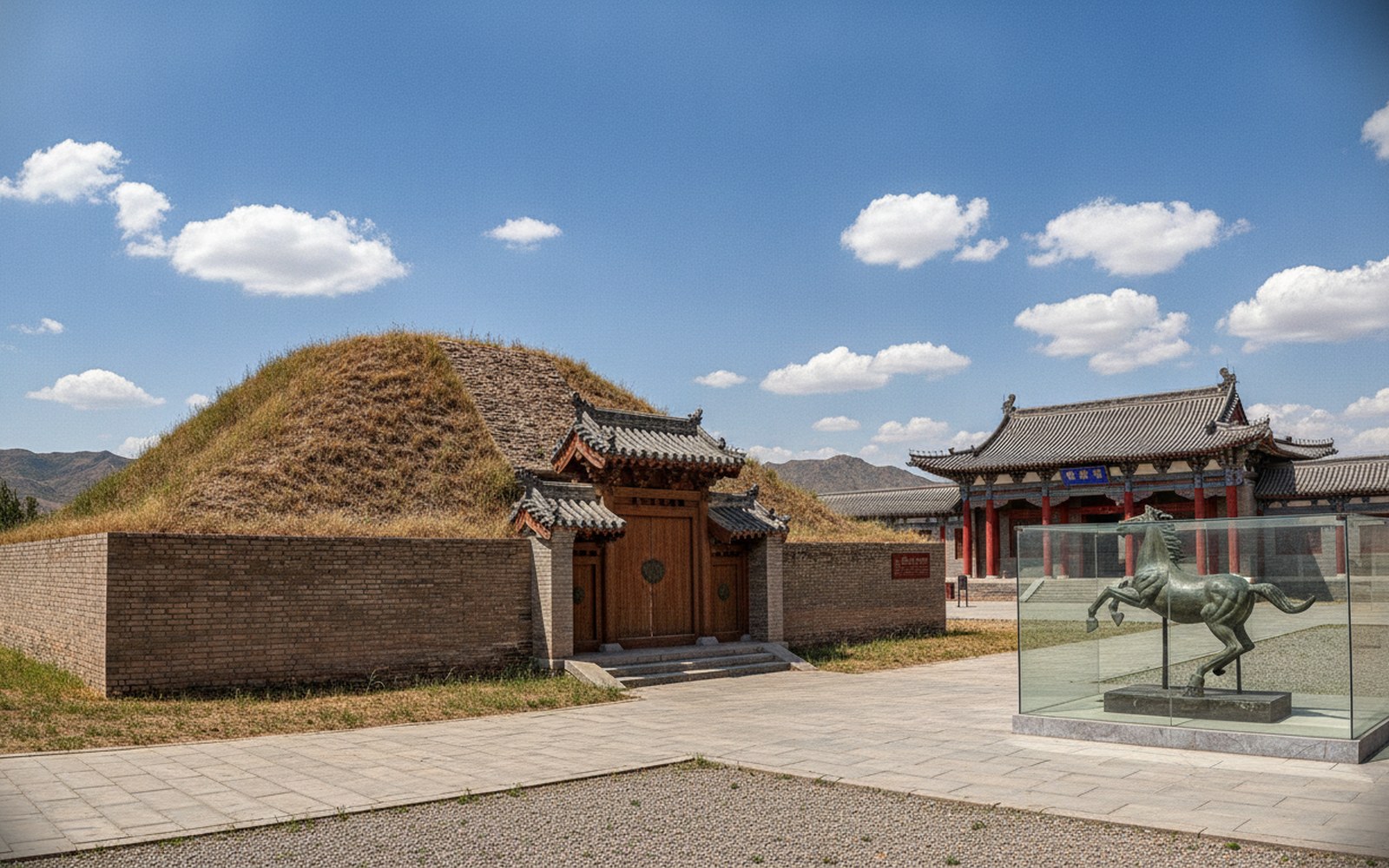
Wuwei, known as Liangzhou in ancient times, is a historic city in Gansu Province on the ancient Silk Road. It is famous as the birthplace of the iconic bronze 'Galloping Horse Treading on a Flying Swallow' (China's tourism symbol) and boasts well-preserved cultural relics like the Leitai Han Tomb and the Confucian Temple. Visitors can explore rich Buddhist heritage at the White Pagoda Temple and enjoy the authentic flavors of northwestern China. Whether you're a history buff or a Silk Road enthusiast, Wuwei offers a unique glimpse into China's glorious past.
Where to Stay
Choose the neighborhood that fits your style.
Liangzhou District (City Center)
Located in the heart of Wuwei, close to Wen Temple, Lei Tai Han Tomb, and local cuisine. Offers a range of hotels from budget to mid-range, ideal for sightseeing and dining.
Best for first-time visitors and cultural explorersWuwei New District / Tianma Lake Area
A modern area with new hotels and pleasant lakeside walks, close to the New District business facilities and convenient access to the high-speed railway station.
Best for business travelers and those seeking modern comfortWuwei Highlights
The city's essential experiences, grouped by what you love most.
Famous for the discovery of the Bronze Galloping Horse, now the symbol of China Tourism. The tomb complex includes a museum showcasing Han Dynasty artifacts.
One of the largest and best-preserved Confucian temples in Northwest China, known for its impressive architecture and collection of ancient steles.
A historic Tibetan Buddhist monastery where the famous 'Baita Treaty' was signed in 1247, marking Tibet's official incorporation into China.
Considered the 'originator of Chinese grottoes', featuring ancient Buddhist carvings and murals dating back over 1,600 years.
Built in honor of the great Buddhist translator Kumarajiva, who lived in Wuwei for 17 years. The temple houses his tongue relic.
An ancient temple with a unique architectural style blending Han and Tibetan elements, surrounded by lush gardens and a serene pond.
A vast desert landscape offering camel rides, sand sliding, and stunning sunset views over the Tengger Desert.
A well-preserved Ming Dynasty military fort in the desert, showcasing traditional earthen architecture and offering panoramic views.
A scenic reservoir surrounded by red cliffs and poplar trees, popular for boating, fishing, and photography, especially in autumn.
Best Time to Visit
Each season offers a different side of the city.
Spring · Mar–May
Mild weather and blooming landscapes — comfortable for exploring.
Summer · Jun–Aug
Warm days; highland areas stay cool while lowland cities get hot and humid.
Autumn · Sep–Nov
The best season in most of China — crisp air, clear skies, and golden light.
Winter · Dec–Feb
Cold in the north, mild in the south. Fewer crowds and lower prices outside holidays.
Suggested Itineraries
Three carefully-paced plans for your trip.
1-Day Express
Insufficient data to generate itinerary.
2-Day Classic
Insufficient data to generate itinerary.
Local Tips
Insider knowledge for a smoother trip.
Wuwei is accessible by train and bus from Lanzhou and other Gansu cities. The nearest major airport is Lanzhou Zhongchuan Airport.
Don't miss the Leitai Han Tomb where the famous Bronze Galloping Horse was unearthed, and the Wuwei Confucian Temple.
Spring and autumn offer mild weather. Summers can be hot and winters cold, so pack accordingly.
Try local noodle dishes and lamb specialties. Wuwei is known for its wheat-based cuisine.
Stay in the city center near the Drum Tower for easy access to major sights and dining.
FAQs About Wuwei
Quick answers to common questions.
Ready to Explore Wuwei?
Let MagicTrip build the perfect Wuwei itinerary — tailored to your interests, pace, and budget.