Wuqia/Artux
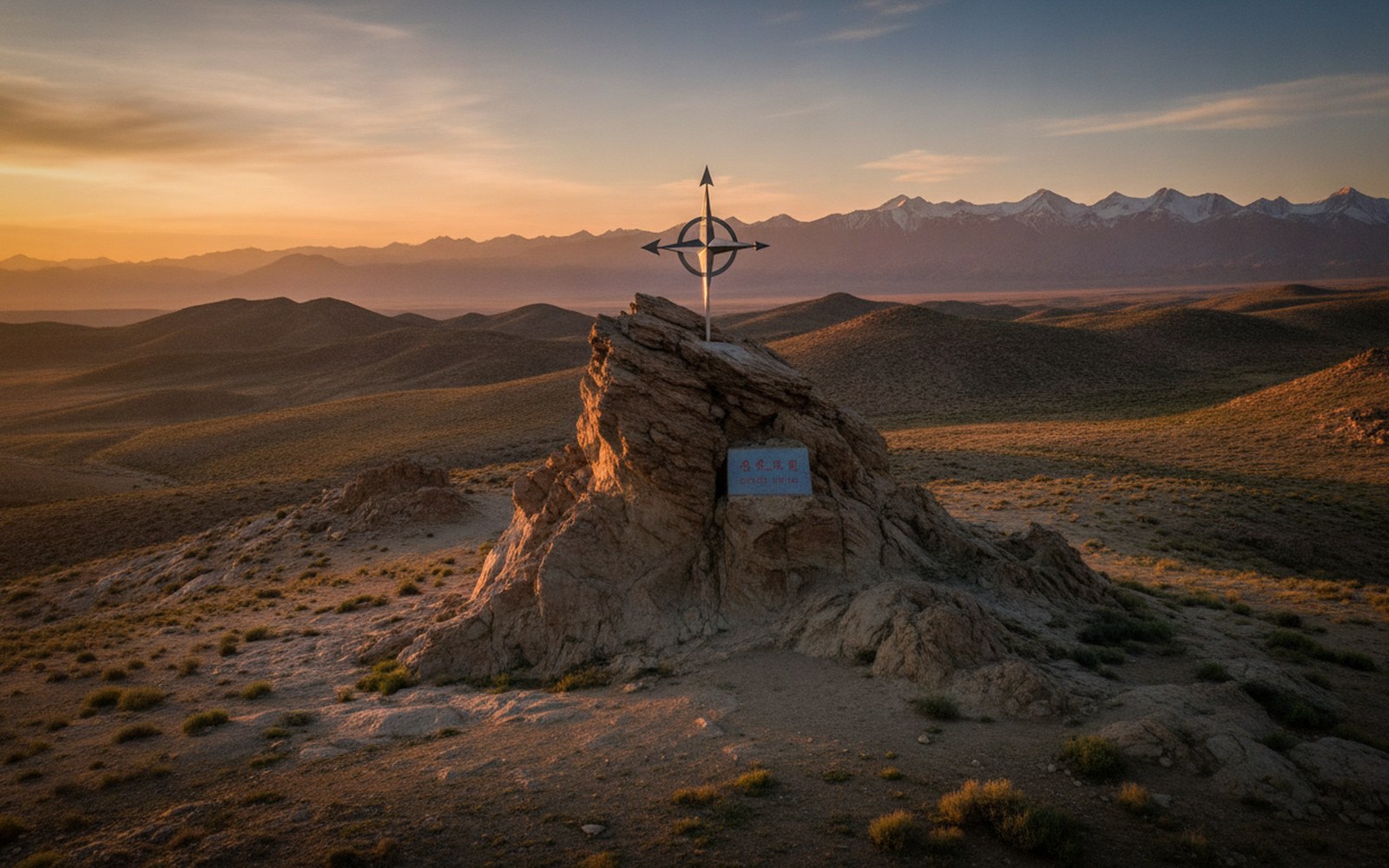
China's westernmost frontier, where the last sunset lingers over the Pamir foothills
wuqia/artux at a Glance
Everything you need to know before you go.
Where to Stay
Choose the neighborhood that fits your style.
Wuqia
Wuqia, the county seat, offers basic guesthouses and local eateries near the Pamir Highway. It's a gateway to the Tian Shan and Karakoram, with markets selling Kyrgyz crafts and produce. Suits overland travelers seeking authentic, remote experiences.
Remote gatewayArtux
Artux, the prefecture capital, has more amenities like hotels, bazaars, and restaurants serving Uyghur cuisine. It's a transport hub with bus links to Kashgar and beyond. Ideal for those needing comfort and connectivity before exploring the region.
Transport hubWuqia Old Town
The old town of Wuqia features traditional mud-brick houses and a lively Sunday market. Visitors can find local bread, dried fruits, and handicrafts. It's a cultural immersion spot, perfect for photographers and those interested in Kyrgyz heritage.
Cultural immersionArtux New District
Artux's new district has modern hotels, shopping centers, and government buildings. It's quieter than the old town, with parks and wide streets. Suitable for business travelers or those preferring contemporary conveniences and a relaxed stay.
Modern comfortwuqia/artux Highlights
The city's essential experiences.
Stand at the westernmost point of China, where the Pamir Plateau meets the Taklamakan Desert. This remote landmark offers a profound sense of national pride and stunning vistas of the borderlands.
Immerse yourself in the rugged beauty of China's western frontier. Explore the unique culture and geography of the Pamir region, where the mountains touch the sky and history feels alive.
Witness the dramatic transition from the towering Pamir Plateau to the vast Taklamakan Desert. This landscape is a photographer's dream, with contrasting terrains and breathtaking panoramas.
The highest peak of the Pamir Plateau in China, Kongur Tagh rises to 7,649 meters. It's a challenging climb for mountaineers, but even from afar, its snow-capped summit is awe-inspiring.
Known as the 'Father of Icebergs', Muztagh Ata is a 7,546-meter peak famous for its gentle slopes and ski mountaineering. Its glaciers and alpine lakes create a surreal, high-altitude landscape.
A high-altitude lake at 3,600 meters, Karakul reflects the majestic peaks of Muztagh Ata and Kongur Tagh. It's a perfect spot for camping and stargazing under the clear Pamir sky.
An ancient fortress on the Silk Road, Stone City dates back over 2,000 years. Explore its crumbling walls and towers, which once guarded the route between China and Central Asia.
These Buddhist cave temples in the Taklamakan region are older than the Mogao Caves. Admire the ancient murals depicting Buddhist tales, a testament to the area's rich cultural heritage.
Experience the vibrant Sunday market in Kashgar, a bustling hub of Central Asian trade. Browse for handicrafts, spices, and local delicacies while soaking in the lively atmosphere.
The world's second-largest shifting sand desert, covering 337,000 square kilometers. Venture into its golden dunes for a true desert adventure, but always go with a guide.
A lush oasis in the desert, Tuyoq Valley is known for its vineyards and ancient Buddhist ruins. It's a peaceful retreat where you can taste local grapes and explore historical sites.
These ancient trees, known as 'living fossils', thrive in the desert and turn golden in autumn. The forest near the Tarim River is a stunning sight and a symbol of resilience.
Best Time to Visit
Each season offers something different.
Spring
Mild and dry, with occasional dust storms. Pack layers and sunglasses.
Summer
Warm days, cool nights. Ideal for hiking and exploring the mountains.
Autumn
Crisp air and golden landscapes. Great for photography and cultural visits.
Winter
Cold and snowy, especially in Wuqia. Travel may be limited; bring heavy gear.
Suggested Itineraries
Plans for every schedule.
Classic 2-Day
Day 1: China's West Pole, Westernmost Frontier Experience. Day 2: Pamir-Taklamakan Landscape.
Extended 3-Day
Day 1: China's West Pole. Day 2: Westernmost Frontier Experience. Day 3: Pamir-Taklamakan Landscape.
In-Depth 4-Day
Day 1: China's West Pole. Day 2: Westernmost Frontier Experience. Day 3: Pamir-Taklamakan Landscape. Day 4: Return to China's West Pole for sunset.
Local Tips
Insider knowledge for a smoother trip.
Wuqia is near the border; carry your passport and permits.
At higher elevations, go slow to avoid altitude sickness.
Try Kyrgyz dishes like beshbarmak and horse milk.
Public transport is sparse; consider hiring a car.
Dress modestly and ask before photographing locals.
Temperatures swing widely; pack for all conditions.
FAQs About wuqia/artux
Quick answers to common questions.
Ready to Explore wuqia/artux?
Let MagicTrip build the perfect wuqia/artux itinerary — tailored to your interests, pace, and budget.