Tingri (Everest Base Camp)
Journey to the Rooftop of the World
tingri (everest base camp) at a Glance
Everything you need to know before you go.
Where to Stay
Choose the neighborhood that fits your style.
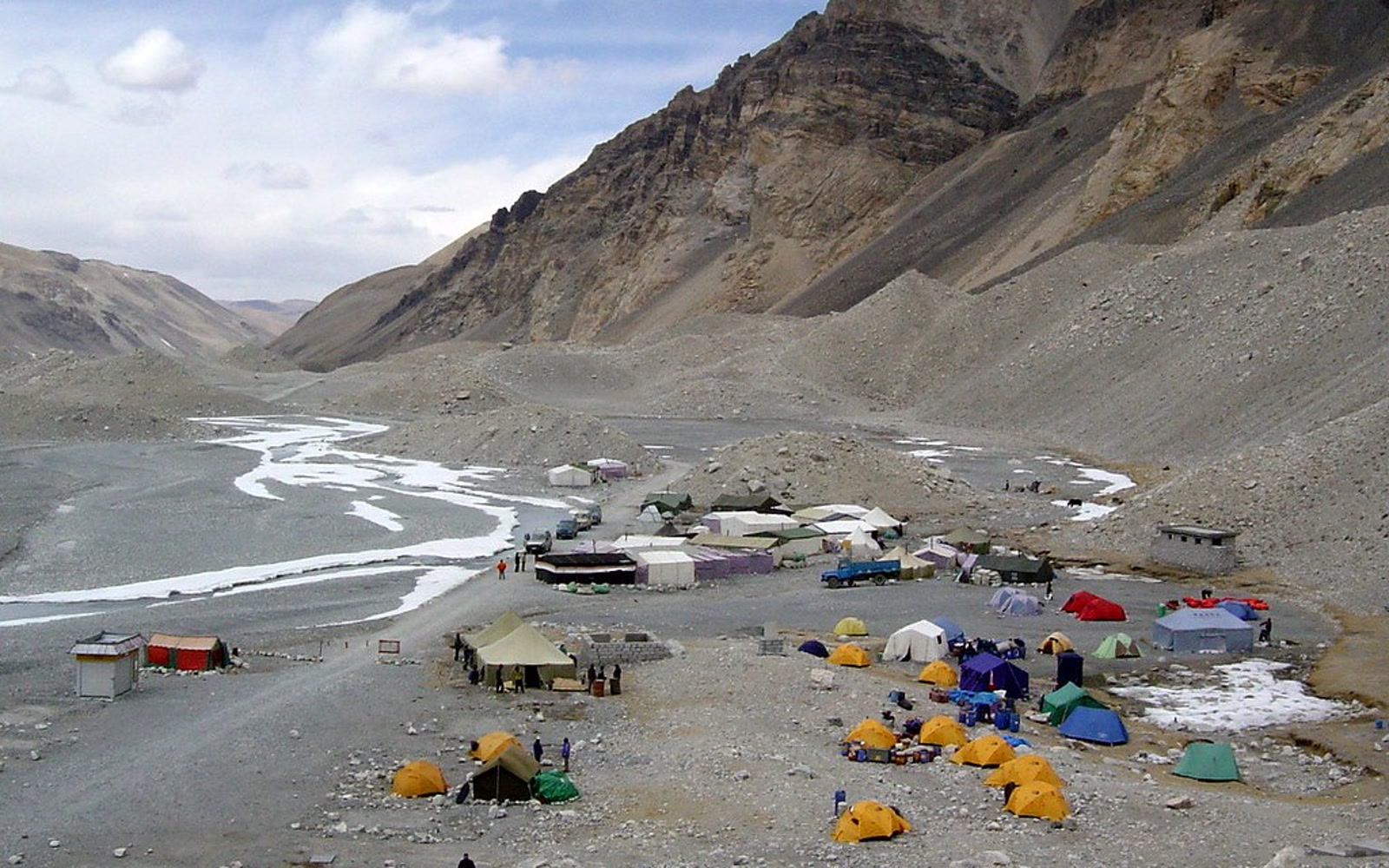
Everest Base Camp (North Side)
The closest accommodation to the world's highest peak, offering tented camps and basic lodges. Wake up to panoramic views of Everest and surrounding Himalayan giants. Ideal for trekkers and climbers seeking the ultimate adventure and sunrise vistas.
Best accessDingri Town (Shegar)
The main administrative hub, about 60 km from the base camp. Features simple guesthouses, local eateries serving Tibetan noodles and momos, and small shops for supplies. A practical stop for acclimatization and permits.
Budget-friendlyGangga Township
A quieter settlement along the Friendship Highway, offering basic guesthouses and a glimpse of rural Tibetan life. Surrounded by dramatic peaks and monasteries, it's a serene alternative for those wanting solitude before heading to camp.
Scenic retreatTashi Dzong (Old Fort Area)
Historic area near the ruined fort, with a few family-run inns and a traditional market. Close to the local monastery and offers stunning views of the valley. Perfect for cultural immersion and short stays.
Cultural staytingri (everest base camp) Highlights
The city's essential experiences.
The world's highest peak at 8,848.86m. Best views from the Rongbuk Monastery area, especially at sunrise and sunset when the mountain glows golden.
The fourth highest mountain in the world (8,516m). Its south face is a dramatic wall of ice and rock, visible from the Everest Base Camp trek.
The sixth highest peak (8,188m) lies west of Everest. Its broad, gentle slopes make it a popular target for experienced climbers, but it's also a stunning sight from the plateau.
A high-altitude glacial valley leading to Everest's north base. The Rongbuk Monastery at its head offers a unique blend of spirituality and mountaineering history.
One of the highest glaciers in the world, flowing from Everest's north side. Its ice pinnacles and crevasses create a surreal, otherworldly landscape.
A scenic valley with winding river and traditional Tibetan villages. It's a great place for gentle walks and experiencing local culture away from the crowds.
The highest monastery in the world (5,000m). It offers stunning views of Everest and a chance to see nuns and monks living in this remote, spiritual place.
A small hermitage above Rongbuk, used for meditation retreats. It provides a peaceful vantage point over the valley and the north face of Everest.
A historic trading post on the ancient Silk Road. Its narrow streets and whitewashed houses offer a glimpse into traditional Tibetan life.
A high mountain pass (5,150m) offering panoramic views of four 8,000m peaks: Everest, Lhotse, Cho Oyu, and Makalu. A must-stop for photographers.
A lesser-known pass with equally stunning Himalayan views. It's a great alternative to Pang La for those seeking solitude and raw natural beauty.
The end of the road for most visitors. From here, you can see the Khumbu Icefall and the route climbers take to the summit. It's a humbling and awe-inspiring spot.
Best Time to Visit
Each season offers something different.
Spring
Mild days, cold nights; clear skies with occasional dust. Best for Everest views and trekking.
Summer
Monsoon brings rain and clouds, obscuring peaks. Roads may be muddy; fewer crowds.
Autumn
Stable weather, crisp air, and excellent visibility. Ideal for photography and base camp visits.
Winter
Very cold and dry, with heavy snow at high passes. Some facilities close; only for experienced travelers.
Suggested Itineraries
Plans for every schedule.
Classic 2-Day
Day 1: Everest Base Camp (EBC) at Rongbuk Monastery, then hike to the base camp viewpoint. Day 2: Visit the Rongbuk Monastery and the surrounding Himalayan peaks, then return to Tingri town.
Everest Panorama 3-Day
Day 1: Drive from Tingri to Everest Base Camp, passing through the Pang La Pass for panoramic views of the Himalayas. Day 2: Explore the base camp area, including the Rongbuk Glacier and the Everest Monument. Day 3: Visit the Rongbuk Monastery and the nearby viewpoints, then return to Tingri.
Deep Himalaya 4-Day
Day 1: Travel from Tingri to the Everest Base Camp, stopping at the Pang La Pass for views of Everest, Lhotse, and Makalu. Day 2: Spend the day at the base camp, hiking to the Rongbuk Glacier and the Everest viewpoint. Day 3: Visit the Rongbuk Monastery and interact with the monks, then hike to the nearby hills for sunset views. Day 4: Return to Tingri, with a stop at the Tashi Gompa (if accessible) and the Tingri viewpoint.
Local Tips
Insider knowledge for a smoother trip.
Spend a night in Lhasa or Shigatse before heading to Dingri to avoid altitude sickness.
Foreigners need a Tibet Travel Permit and a Mount Everest entry permit; arrange via a tour agency.
Even in summer, temperatures drop below freezing at night; bring down jacket and thermal layers.
UV is intense at high altitude; use strong sunscreen, sunglasses, and a hat.
Dingri has basic hotels and eateries; stock up on snacks and water in Shigatse.
Be mindful of local Tibetan customs; ask permission before photographing people or monasteries.
FAQs About tingri (everest base camp)
Quick answers to common questions.
Ready to Explore tingri (everest base camp)?
Let MagicTrip build the perfect tingri (everest base camp) itinerary — tailored to your interests, pace, and budget.