Taishan
Explore the Majestic and Sacred Mountain of China
Taishan at a Glance
Everything you need to know before you go.
Where to Stay
Choose the neighborhood that fits your style.
Dai Temple
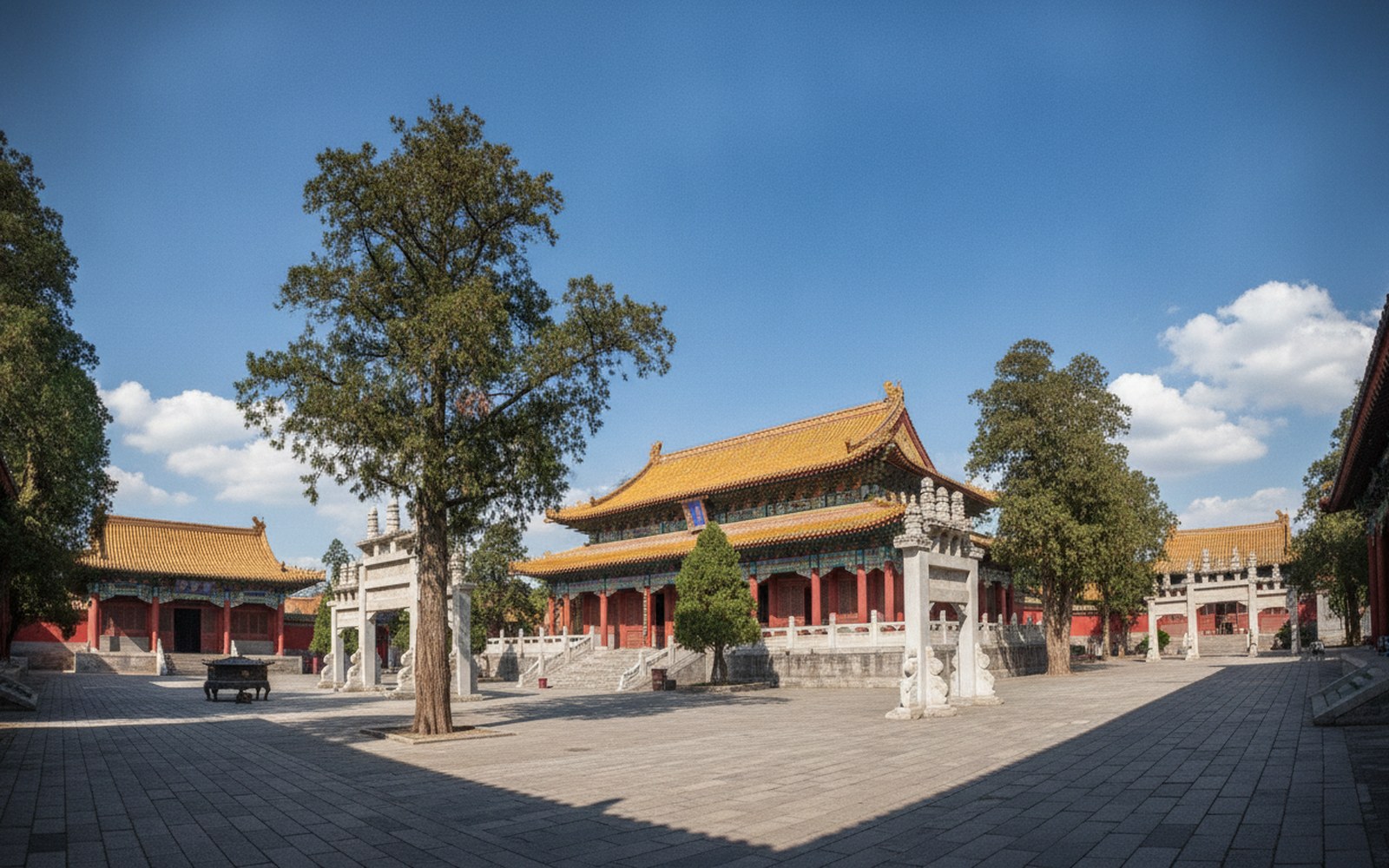
Located at the foot of Mount Tai, this area is home to the historic Dai Temple and offers easy access to the mountain's main climbing route. Hotels like the Taishan Hotel provide comfortable stays with views of the temple and convenient transport to the railway station. Ideal for first-time visitors wanting to explore the cultural heart of Tai'an.
Cultural hubRed Gate (Hongmen)
This area marks the traditional starting point for climbing Mount Tai, with the Red Gate International Youth Hostel just steps from the ancient imperial path. Surrounded by scenic spots and lively streets, it offers budget-friendly accommodation and easy access to the mountain. Perfect for backpackers and hikers seeking an authentic experience.
Budget-friendlyHeavenly Street (Tianjie)
Perched near the summit of Mount Tai, this area offers stunning sunrise views and proximity to key attractions like Jade Emperor Peak and Bixia Temple. Hotels such as the Shenqi Hotel provide comfortable rooms and organize early morning sunrise excursions. Best for those wanting to experience the mountain's spiritual and natural beauty without rushing.
Best for sunriseDongping Lake Tourism Area
A scenic area centered around Dongping Lake, offering a tranquil retreat from the city. While specific hotels are not detailed, the area is known for its water views and leisure activities. Suitable for travelers seeking a peaceful stay with opportunities for boating and lakeside walks.
Scenic retreatTaishan Highlights
The city's essential experiences.
Mount Tai, a UNESCO World Heritage site, is one of China's Five Great Mountains. Climb its 6,000+ steps to the Jade Emperor Summit for breathtaking sunrise views, especially during spring and autumn when clouds are abundant.
Daguang Peak, near the Jade Emperor Summit, features a cliff carved with inscriptions from various dynasties, including the famous 'Record of Mount Tai Inscription' by Emperor Xuanzong. A must-see for history and calligraphy enthusiasts.
Lianhua Mountain, anciently called Xinfu Mountain, is named for its nine peaks encircling like a lotus flower. Stretching 15 kilometers, it offers diverse landscapes and is a great spot for hiking and nature photography.
Tanshi Rock, a prominent protruding rock at the summit of Mount Tai, offers spectacular views of the 'Sea of Clouds and Jade Plate' phenomenon. Best visited in summer after rain when water vapor creates a stunning misty scene.
Dongping Lake Tourist Area boasts a perennial water surface of 209 square kilometers and 273 scenic spots. Surrounded by attractions like Lashan National Forest Park and the Sui Dynasty Giant Buddha, it's perfect for a relaxing lakeside getaway.
Located on the second largest freshwater lake in Shandong, this scenic area is the core of the 'Water Margin' tourism hotline. Explore the 'seventy-two peaks' and enjoy boat rides on the historic 'eight hundred li marsh'.
Culai Mountain National Forest Park covers 90 square kilometers with a forest coverage rate of 80.2%. It features 99 peaks, with the main peak Taipingding at 1028 meters. The Dasi Scenic Area at the eastern entrance is a great starting point.
Lashan National Forest Park, on the west bank of Dongping Lake, covers 3.5 square kilometers with 72 peaks. Known as 'Little Daifeng', it offers over 50 scenic spots nestled between mountains and water, ideal for nature lovers.
Dai Temple, also known as Dongyue Temple, is the largest and best-preserved ancient architectural complex in the Mount Tai area. First built in the Qin and Han dynasties, it features grand halls and ancient cypresses, offering a glimpse into imperial worship.
Puzhao Temple, located at the foot of Linghan Peak, is an ancient temple from the Six Dynasties belonging to the Linji school of Zen. Its four-courtyard layout includes the Mahavira Hall and Mosong Tower, surrounded by serene forest.
Yingfo Temple, first built in the Sui Dynasty and renovated in 1890, is steeped in legend. A wandering monk once meditated here and disappeared, leaving only a Buddha statue. It's a peaceful spot for reflection and history buffs.
The Dawenkou Site, excavated in 1959, is a Neolithic site covering 825,000 square meters. Named after the Dawenkou culture, it offers insights into ancient civilizations with its artifacts and historical relics along the Dawen River.
Shengxian Fang, an archway below Nantianmen, marks the start of the Steep Eighteen Bends, the most challenging part of climbing Mount Tai. The 480 stone steps are incredibly steep, but the rewarding views make it worthwhile.
In the early morning or evening, when mist and clouds are thick, visitors on higher peaks may see a colorful halo with blue inside and red outside, reflecting their own shadow. This rare phenomenon is a magical sight not to be missed.
Mount Tai offers endless photo opportunities: green mountains, ancient architecture, sunrise, sunset, and seas of clouds. For the best sunrise shots, visit in spring or autumn when the sun rises later and clouds are more frequent.
Best Time to Visit
Each season offers something different.
Spring
Spring brings lush greenery and blooming flowers, ideal for hiking. May is rainy, with temperatures 8-10°C at the summit, so bring warm clothing and rain gear.
Summer
Summer is the best time to visit, with an average temperature of 17°C at the top. It's cool and pleasant, perfect for escaping the heat.
Autumn
Autumn offers the most colorful scenery with vibrant foliage. The weather is clear and crisp, making it great for photography and outdoor activities.
Winter
Winter is cold, but after snowfall, the mountain is serene and beautiful. Fewer crowds, but be prepared for icy paths and freezing temperatures.
Suggested Itineraries
Plans for every schedule.
Classic 2-Day
Day 1: Red Gate Palace, Dai Temple. Day 2: Bixia Temple, Dongping Lake Scenic Area.
Cultural 3-Day
Day 1: Red Gate Palace, Dai Temple. Day 2: Bixia Temple, Dongping Lake Tourism Zone. Day 3: Xintai Lotus Mountain.
Leisure 4-Day
Day 1: Red Gate Palace, Dai Temple. Day 2: Bixia Temple, Dongping Lake Scenic Area. Day 3: Dongping Lake Tourism Zone. Day 4: Xintai Lotus Mountain.
Local Tips
Insider knowledge for a smoother trip.
Shandong is known for its hospitality, but stay vigilant against theft and keep your belongings secure.
The temperature drops 7-8°C from base to summit, so bring extra layers even in summer.
To catch the sunrise, begin climbing around 10 PM and reach the top by 4 AM for a good spot.
Food and water are expensive on the mountain, so carry your own supplies like chocolate and water.
A walking stick can reduce leg strain, especially on the steep Eighteen Bends. Buy one at the Red Gate.
If you need a warm coat for the summit, rent one for 10-15 yuan, but keep the receipt for deposit refund.
FAQs About Taishan
Quick answers to common questions.
Ready to Explore Taishan?
Let MagicTrip build the perfect Taishan itinerary — tailored to your interests, pace, and budget.