Shiquanhe
A remote highland rest stop with market walks and the last comfortable bed before the long drive to Lhasa.
shiquanhe at a Glance
Everything you need to know before you go.
Where to Stay
Choose the neighborhood that fits your style.
Shiquanhe Town
Shiquanhe Town is the administrative and commercial heart of Ngari Prefecture, offering essential services like banks, hospitals, and government offices. It serves as the main gateway for travelers heading to sacred sites such as Mount Kailash and Lake Manasarovar, with guesthouses and simple hotels catering to budget-conscious trekkers. The town has a few basic restaurants serving Tibetan and Chinese dishes, plus small shops for supplies, making it a practical base for rest and preparation before high-altitude expeditions. It suits backpackers and overland travelers seeking a functional stopover rather than luxury, with easy access to long-distance buses and shared taxis to nearby attractions.
Gateway to NgariOvernight in Shiquanhe
Overnight stays in Shiquanhe are typically in modest guesthouses or basic hotels that provide heating and hot water, essential for the cold desert nights. These accommodations are concentrated along the main streets, close to eateries offering hearty noodle soups and momos, and within walking distance of the night market where vendors sell local crafts and snacks. The area is quiet after dark, with limited nightlife, but it offers a safe and convenient rest stop for drivers and cyclists on the Xinjiang-Tibet Highway. It is ideal for those needing a simple, affordable place to sleep before continuing their journey, with early morning departures easily arranged to nearby sights like the Ngari Museum or the nearby river valley.
Practical stopovershiquanhe Highlights
The city's essential experiences.
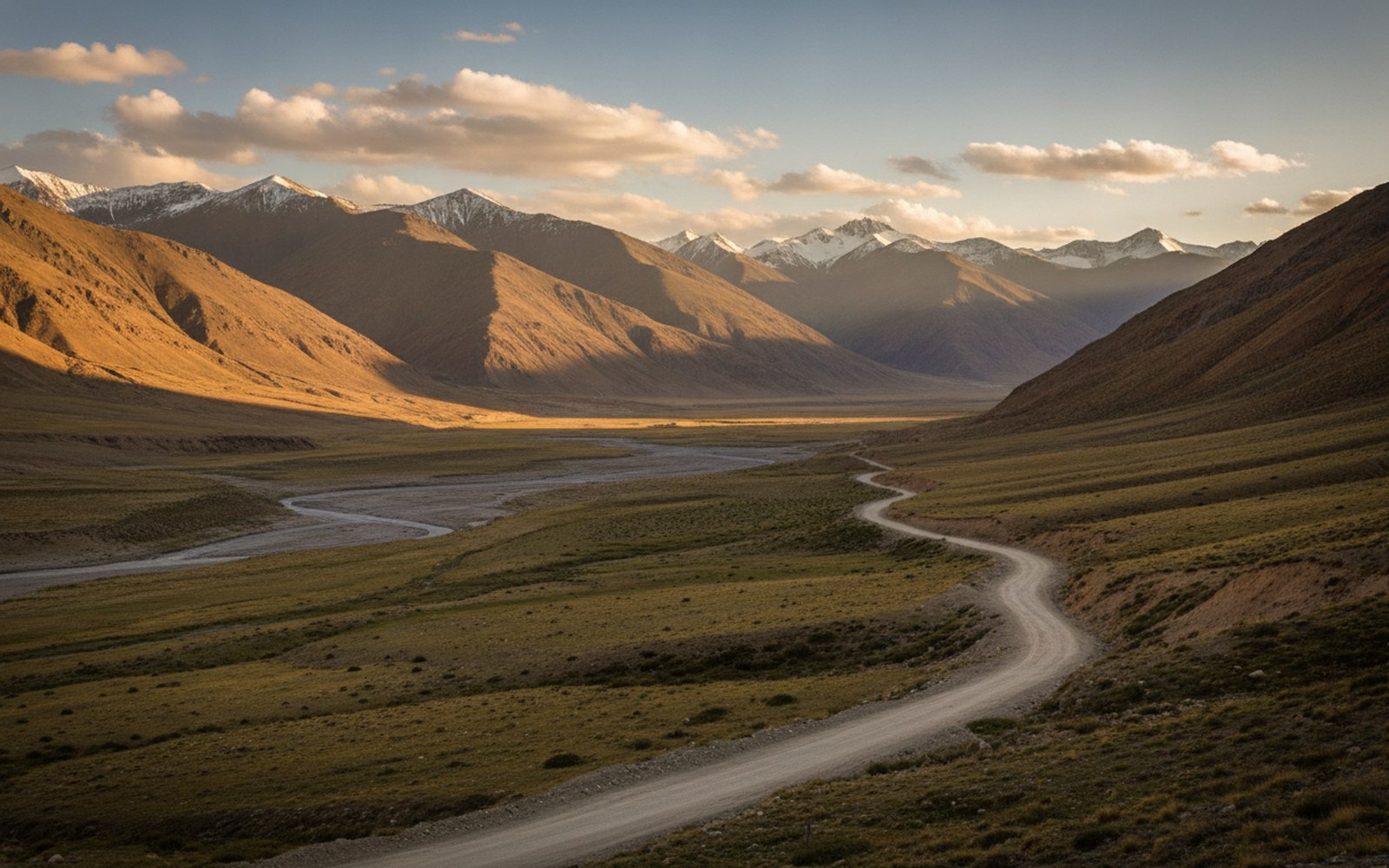
Embark on a scenic drive from Zanda to Shiquanhe, traversing the dramatic landscapes of western Tibet. The journey offers breathtaking views of the Himalayas and vast, untouched plains.
Enjoy the comfort of a well-paved road that makes the journey smooth and safe. This route is a highlight for those who appreciate the contrast between modern infrastructure and ancient terrain.
Witness the awe-inspiring mountain vistas that define the region. The towering peaks and rugged ridges provide endless photo opportunities and moments of quiet reflection.
Plan for a full day of travel, as the drive covers a significant distance. The journey itself is an experience, with changing scenery and remote outposts along the way.
Stroll through the streets of Shiquanhe, the largest town in the region. Experience the unique blend of Tibetan culture and modern development in this high-altitude settlement.
Explore the local market, where vendors sell traditional crafts, fresh produce, and daily necessities. It's a great place to observe local life and pick up souvenirs.
Sample authentic Tibetan cuisine at local eateries. From hearty noodle soups to butter tea, the flavors reflect the region's harsh climate and nomadic heritage.
Immerse yourself in the local culture by visiting monasteries and interacting with residents. The town serves as a gateway to understanding the traditions of the Ngari region.
After long drives, take time to rest and rejuvenate. Shiquanhe offers basic amenities and a peaceful environment to recover from the high-altitude travel.
Take advantage of laundry services available in town to freshen up your clothes. This practical stop ensures you're comfortable for the next leg of your journey.
Stock up on supplies, fuel, and water before continuing your adventure. Shiquanhe is a crucial logistics point for travelers heading to remote areas.
Choose from a range of accommodations, from simple guesthouses to more comfortable hotels. A good night's sleep is essential at this altitude.
Best Time to Visit
Each season offers something different.
Spring
Cold and dry with occasional sandstorms. Temperatures slowly rise, but nights remain freezing. Pack warm layers and be prepared for wind.
Summer
Mildest and wettest season, with daytime highs around 15-20°C. Ideal for trekking and visiting high-altitude lakes, but afternoon thunderstorms are common.
Autumn
Clear skies and crisp air, with cooler temperatures. Excellent visibility for mountain views, but nights are very cold. Best time for photography.
Winter
Severely cold with temperatures dropping below -20°C. Many roads may be impassable due to snow. Only recommended for experienced winter travelers.
Suggested Itineraries
Plans for every schedule.
Classic 2-Day
Day 1: Drive from Zanda on paved road, enjoy scenic mountain views, then town walk and market visit. Day 2: Local food and cultural immersion, rest and recharge, laundry, prepare for long drives, comfortable overnight.
3-Day Cultural Immersion
Day 1: Drive from Zanda, paved road, scenic mountain views. Day 2: Town walk, market visit, local food, cultural immersion. Day 3: Rest and recharge, laundry, prepare for long drives, comfortable overnight.
4-Day Full Experience
Day 1: Drive from Zanda, paved road, scenic mountain views. Day 2: Town walk, market visit, local food. Day 3: Cultural immersion, rest and recharge. Day 4: Laundry, prepare for long drives, comfortable overnight.
Local Tips
Insider knowledge for a smoother trip.
Spend a few days in Lhasa or lower altitudes before arriving to avoid altitude sickness.
Foreign travelers need a Tibet Travel Permit and possibly a Military Permit for this area.
Even in summer, temperatures drop sharply at night; bring a down jacket and thermal layers.
UV is intense at high altitude; use sunscreen, sunglasses, and a hat.
Drink plenty of water to combat dehydration and altitude effects.
Be respectful when visiting monasteries and interacting with local nomads.
FAQs About shiquanhe
Quick answers to common questions.
Ready to Explore shiquanhe?
Let MagicTrip build the perfect shiquanhe itinerary — tailored to your interests, pace, and budget.