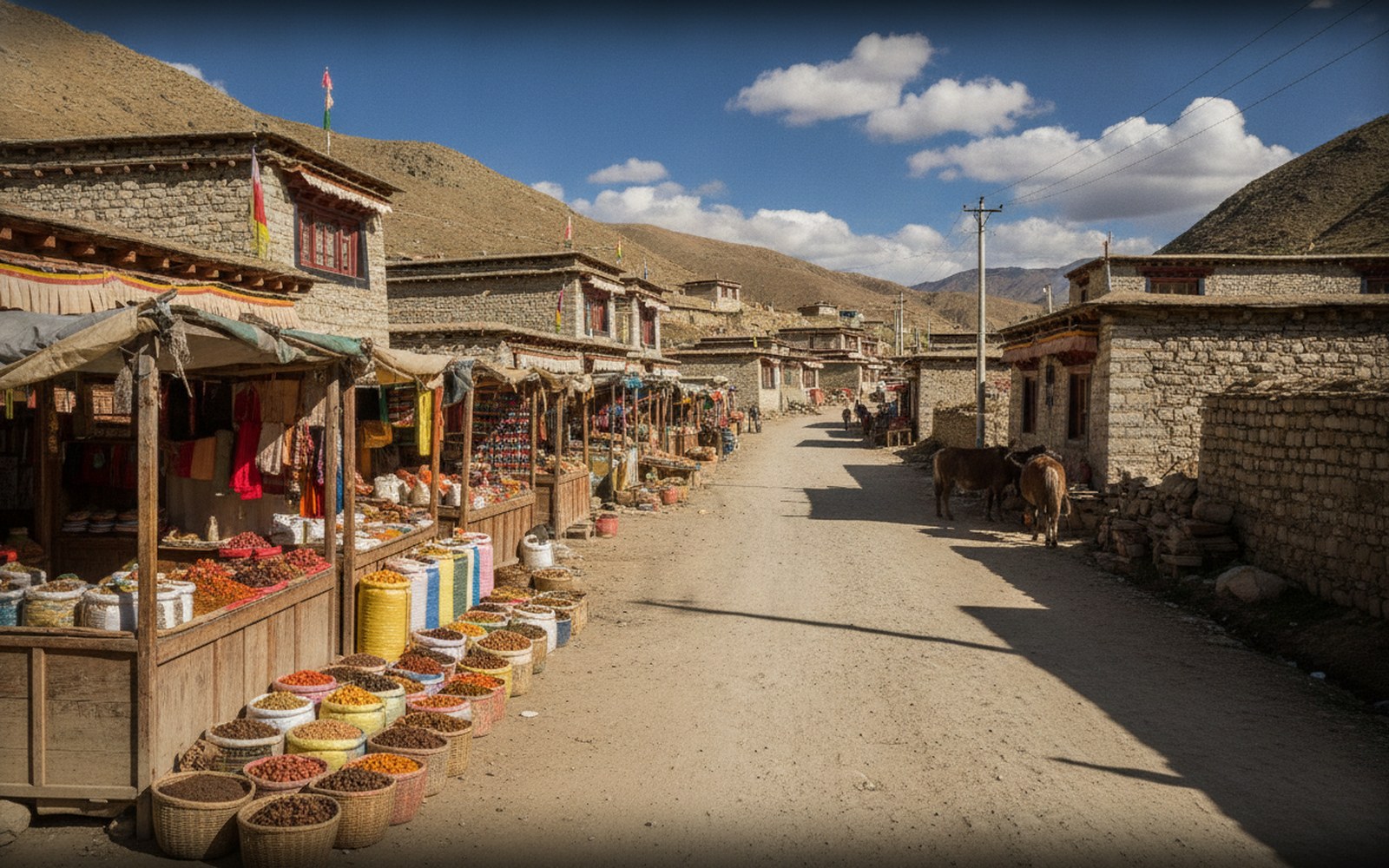
Shiqu
High-altitude grasslands, Tibetan nomad culture, and ancient mani stone walls in one of Sichuan's highest counties.
shiqu at a Glance
Everything you need to know before you go.
Where to Stay
Choose the neighborhood that fits your style.
Shiqu Town
The administrative and commercial heart of Shiqu County, offering basic hotels, local eateries, and essential services. It's the most convenient base for exploring the town's monasteries and markets, with easy access to transport links for onward travel. Best for first-time visitors seeking convenience and a taste of local life.
Best accessZhaxika Grassland Area
A vast, scenic grassland region ideal for experiencing nomadic culture and breathtaking landscapes. Accommodations are limited to simple guesthouses or camping, but the area rewards with stunning sunrises and a peaceful, remote atmosphere. Perfect for adventurous travelers and photographers wanting to immerse in nature.
Scenic escapeShiqu Monastery District
Centered around the historic Shiqu Monastery, this area offers a serene environment with a few guesthouses and tea houses. It's a short walk to prayer halls and stupas, providing a spiritual and cultural immersion. Suitable for those interested in Tibetan Buddhism and quieter surroundings, with basic amenities nearby.
Cultural stayYak River Valley
Along the Yak River, this area features small family-run inns and local restaurants serving hearty Tibetan dishes. It's a good spot for hiking and fishing, with easy access to riverside trails and villages. Ideal for budget travelers and nature lovers seeking a rustic, authentic experience away from crowds.
Budget-friendlyshiqu Highlights
The city's essential experiences.
Stretching 1.6 km, this is the longest Mani wall in Tibetan areas, built over 300 years with carved scripture stones. Resembling a sleeping dragon, it features pagodas, colorful prayer flags, and niches with statues. Visitors can purchase stone tablets for pilgrims to have scriptures carved.
A square stone city up to 10 meters high, built entirely of Mani stones, dating back to the Gesar era. Its labyrinthine passages and sunken ground due to weight make it a mysterious marvel. Pilgrims circumambulate the walls, paying homage to the legendary hero.
A bizarre hill of giant rocks, each weighing tons, stacked like building blocks, with caves and tunnels. Locals revere it as a sacred mountain, as the origin of these rocks remains a mystery to experts. The smooth, textured surfaces and strange formations create an otherworldly landscape.
The largest Gelugpa monastery in Shiqu, it is the only one in Kham with the authority to confer the Geshe degree. It houses a magnificent copper-gilt Maitreya Buddha, second only to Tashilhunpo's, and treasures like a 2000-year-old Avalokiteshvara statue and Tsongkhapa's relic.
Known as 'Chaquka' in Tibetan, these 39 springs, all above 40°C, were once the bathing place of King Gesar and his 30 generals. The steaming waters create a misty, fairy-tale atmosphere, with two springs exceeding 45°C, offering a unique geothermal experience.
Sichuan's largest grassland, watered by the Yalong and Jinsha rivers, is home to diverse wildlife and the legendary 'Sun Tribe'. Best visited from June to September, it offers expansive views, nomadic culture, and chances to see rare animals up close.
Covering over 2,000 square kilometers at an average altitude of 4,100 meters, this is Sichuan's largest pasture and the source of the Yalong River. Its pristine, sub-frigid alpine ecosystem is among China's most beautiful, with wildflowers and grazing yaks under blue skies.
Located at the headwaters of the Yalong, Jinsha, and Yellow Rivers, this wetland is a vital ecological treasure of the Qinghai-Tibet Plateau. It serves as a green reservoir and a haven for wildlife, supporting a diverse range of species in its natural grassland ecosystem.
Also called the Mysterious Valley, this scenic area in Luo Xu offers a transition from low mountain forests to alpine meadows at an average altitude of 3,800 meters. With babbling streams, unique rock formations, and diverse flora and fauna, it feels like a paradise untouched by time.
Established in 1995, this reserve protects rare species like the white-lipped deer, Tibetan wild ass, and wild yak. It hosts 9 national first-class protected animals and 34 second-class species, making it a crucial sanctuary for high-altitude wildlife.
Home to the Chaga tribe, one of the oldest on the grassland, who migrated here in the 19th century. They maintain ancient customs, including a unique tent temple and traditional butter extraction methods. Women do not marry outside the tribe, preserving their distinct heritage.
Best Time to Visit
Each season offers something different.
Spring
Cool and windy, with possible snow. Pack warm layers and be prepared for changing weather.
Summer
Mild and pleasant, with lush grasslands. Ideal for outdoor activities, but UV is strong; use sunscreen.
Autumn
Crisp and clear, with golden landscapes. Great for photography, but temperatures drop quickly.
Winter
Very cold and snowy, with harsh conditions. Only for experienced travelers; check road conditions.
Suggested Itineraries
Plans for every schedule.
Classic 2-Day
Day 1: Shiqu Town Exploration, Bagema Ni Wall, Songge Ma Ni Stone Scripture City, Monastery Visit (Serxu Monastery). Day 2: Zhaxika Grassland, Bayan Har Mountain Viewpoint, Tongtian River (Jinsha River) Canyon, Sunset Photography, Tibetan Dinner Experience.
Nature & Culture 3-Day
Day 1: Shiqu Town Exploration, Bagema Ni Wall, Songge Ma Ni Stone Scripture City. Day 2: Monastery Visit (Serxu Monastery), Zhaxika Grassland, Picnic Lunch on the Grassland, Bayan Har Mountain Viewpoint. Day 3: Tongtian River (Jinsha River) Canyon, Sunset Photography, Tibetan Dinner Experience.
Immersive 4-Day
Day 1: Shiqu Town Exploration, Bagema Ni Wall, Songge Ma Ni Stone Scripture City, Local Lunch. Day 2: Monastery Visit (Serxu Monastery), Zhaxika Grassland, Picnic Lunch on the Grassland, Bayan Har Mountain Viewpoint. Day 3: Tongtian River (Jinsha River) Canyon, Sunset Photography, Tibetan Dinner Experience. Day 4: Leisure morning in Shiqu Town, Farewell Tibetan Meal.
Local Tips
Insider knowledge for a smoother trip.
Drink plenty of water, eat light, and avoid strenuous activity to adapt to high altitude.
Pack warm clothes as daily temperature differences can exceed 15°C.
Use high-SPF sunscreen, sunglasses, and an umbrella to shield from intense UV rays.
Ask permission before photographing locals; some areas are off-limits.
Walk clockwise around the Bargain Wall and avoid using the nearby sacred mountain as a restroom.
Avoid traveling alone, especially at night; use official transport and beware of stray dogs.
FAQs About shiqu
Quick answers to common questions.
Ready to Explore shiqu?
Let MagicTrip build the perfect shiqu itinerary — tailored to your interests, pace, and budget.