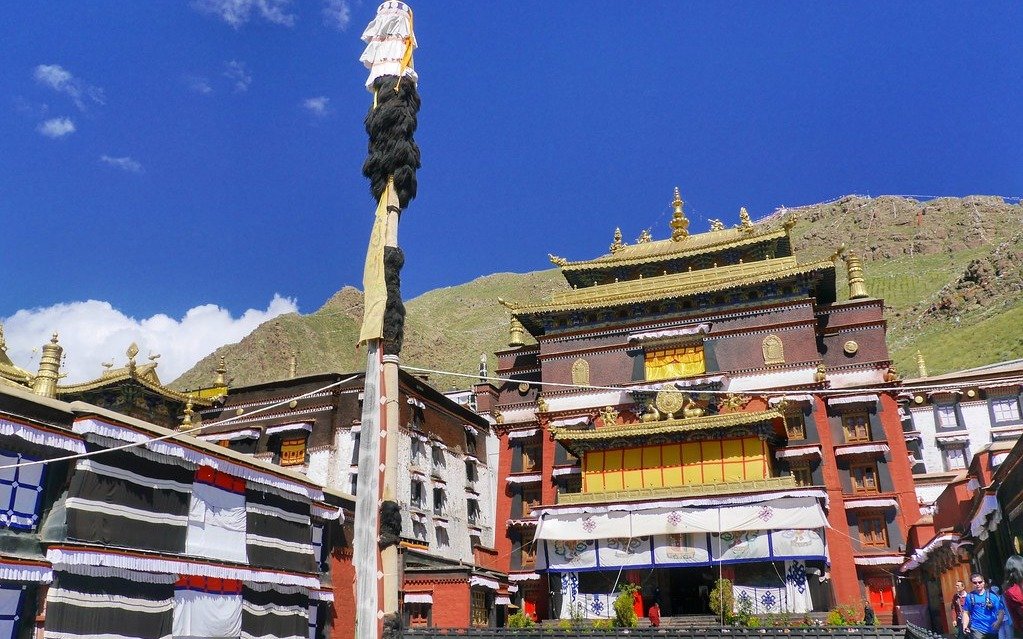
Shigatse
Historic monastic city and gateway to Mount Everest's north face.
shigatse at a Glance
Everything you need to know before you go.
Where to Stay
Choose the neighborhood that fits your style.
Shigatse City Center
Stay in the heart of Shigatse, just 800-900 meters from the center. Choose from the Hilton-branded Shigatse Hotel on Shanghai Middle Road, the Tangka Art Hotel on Heilongjiang North Road, or the METEORLAND Hotel on Binhe Road. Explore local culture at nearby attractions, with easy access to dining and shopping.
Central convenienceSangzhuzi District
Located within Shigatse, this district offers hotels like the Lawu Tabu Mountain View Hotel and the Yunzuo Starlight Hotel near Zhashilunbu Temple. Enjoy oxygen-enriched rooms and mountain views, with the temple and city amenities within a kilometer.
Temple proximityTingri / Old Tingri
Base yourself in Tingri for Everest adventures. Hotels like the Summit Hotel and the Oxygen-rich Hotel at Everest Base Camp are in Zhaxizong Township, 205 km from the city center. Ideal for trekkers seeking proximity to the world's highest peak.
Everest gatewayGyantse
Stay in Gyantse, 80-81 km from Shigatse, to visit the Zongshan Ancient Fortress and Baiju Temple. Choose from the Nyangchu Manor House Hotel or the Echarm Hotel, both offering comfortable stays with easy access to these historic sites.
Historic sitesshigatse Highlights
The city's essential experiences.
The world's highest peak at 8,848.86m, straddling the Tibet-Nepal border. Best viewed from April-May or September-October; access via 318 National Highway to Base Camp (5,200m) requires a border permit.
Known as 'Tibet's last secret realm', this deep canyon spans 2,800-5,300m with snow mountains, forests, waterfalls, and hot springs. Home to the Tang Dynasty 'Dàtiān Zhú Shǐ Chū Míng' cliff inscription and rich biodiversity.
A serene town at 4,600m on the vast grasslands between the Himalayas and Gangdise ranges. A key stop on the Xinjiang-Tibet Highway (G219), offering pure pastoral life with yaks, sheep, and distant snow peaks.
One of the six great Gelug monasteries and the traditional seat of the Panchen Lamas. The main hall, Tsokchen, hosts religious debates, while the eastern section contains seven stupa tombs of past Panchen Lamas.
The principal monastery of the Sakya school, founded in 1073. The southern part houses vast treasures including Yuan dynasty murals, rare scriptures, and four precious relics like the Jowo Mañjuśrī statue.
A well-preserved aristocratic manor in Gyantse, once home to the powerful Pala family. The three-story main building features ornate halls, a wine workshop, and even old prison cells with torture instruments, revealing feudal life.
Located within Tashilhunpo Monastery, this stupa enshrines the remains of the 10th Panchen Lama (d. 1989). His statue stands before the stupa, adorned with mandala paintings and gold Buddha images.
A historic city with numerous monuments, including the remains of anti-British cannons used by Tibetan defenders. The Gyantse Dzong Fortress nearby is a symbol of resistance.
Also known as the 'Anti-British Site', this hilltop fortress witnessed the 1904 British invasion. Its ruins offer panoramic views and a glimpse into Tibet's defensive history.
One of Tibet's four great Bön monasteries, founded in the 7th century and rebuilt in 1834. Surrounded by forests at 3,750m, it houses a 12m statue of Bön deity Nampar Je and precious Bön scriptures.
A historic noble residence in Sakya, reflecting the region's aristocratic heritage. Though details are scarce, it offers a glimpse into the lifestyle of Sakya's elite.
A platform in Tashilhunpo Monastery where a giant thangka is displayed during festivals. It offers a unique vantage point for viewing the monastery and surrounding mountains.
The Great Hall of Maitreya Buddha in Tashilhunpo, housing a massive statue of the future Buddha. Its intricate murals and serene atmosphere make it a must-visit.
A small monastery in Gyirong, known for its ancient architecture and religious significance. It's a peaceful spot to experience local Buddhist culture.
Best Time to Visit
Each season offers something different.
Spring
Cool and dry, with occasional dust storms. Temperatures range from 0°C to 15°C. Pack warm layers and be prepared for strong winds.
Summer
Mild and wetter, with temperatures around 10-20°C. This is the best time for trekking and visiting high-altitude areas, but bring rain gear.
Autumn
Crisp and clear, with temperatures dropping from 10°C to -5°C. Ideal for photography and outdoor activities; expect sunny days and cold nights.
Winter
Very cold and dry, with temperatures often below freezing. Heavy snowfall may close mountain passes; visit monasteries and museums instead.
Suggested Itineraries
Plans for every schedule.
Classic 2-Day
Day 1: Tashilhunpo Monastery, Shigatse Night Market & Dinner. Day 2: Yamdrok Lake, Kambala Pass, Karola Glacier Viewpoint.
Cultural 3-Day
Day 1: Tashilhunpo Monastery, Jampa Lhakhang. Day 2: Palcho Monastery & Kumbum Stupa, Gyantse Dzong Fortress - British Anti-Aggression Site, Pala Manor. Day 3: Yamdrok Lake, Kambala Pass, Karola Glacier Viewpoint.
Extended 4-Day
Day 1: Tashilhunpo Monastery, Shigatse Night Market & Dinner. Day 2: Palcho Monastery & Kumbum Stupa, Gyantse Dzong Fortress - British Anti-Aggression Site, Pala Manor. Day 3: Yamdrok Lake, Kambala Pass, Yamdrok Lake Shore, Karola Glacier Viewpoint. Day 4: Sakya Monastery (optional detour), Thangka Unveiling Platform.
Local Tips
Insider knowledge for a smoother trip.
Spend a day in Lhasa or Shigatse to adjust to the altitude before heading higher.
Foreign travelers need a Tibet Travel Permit; arrange it through a tour agency in advance.
The sun is intense at high altitude; wear sunscreen, sunglasses, and a hat.
Drink plenty of water to combat altitude sickness; avoid alcohol and heavy exercise initially.
When visiting monasteries, walk clockwise around stupas and avoid pointing at statues.
May to October offers the most pleasant weather and accessible roads.
FAQs About shigatse
Quick answers to common questions.
Ready to Explore shigatse?
Let MagicTrip build the perfect shigatse itinerary — tailored to your interests, pace, and budget.