Qumalai
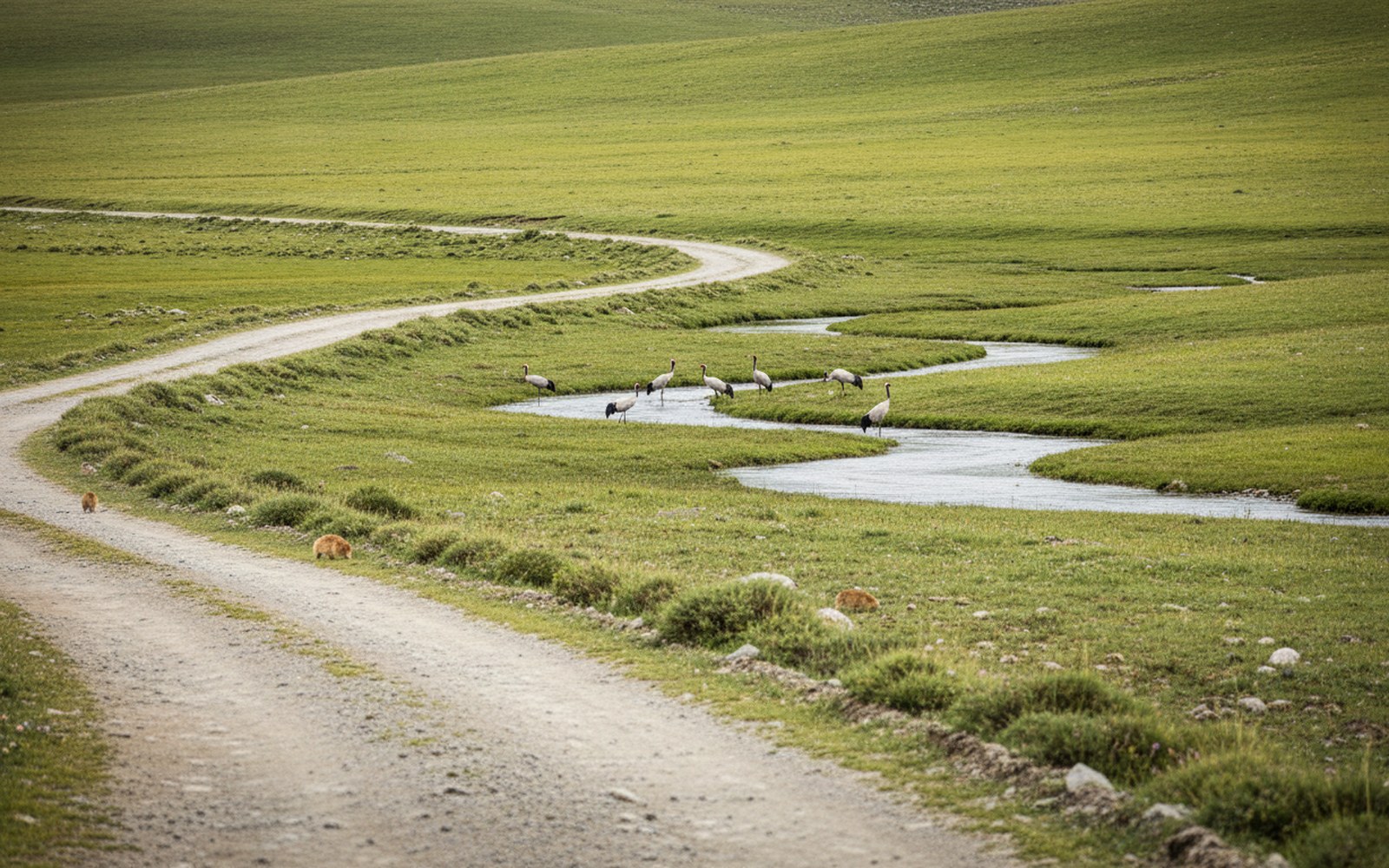
Remote Tibetan grasslands and a Yangtze tributary at golden hour
qumalai at a Glance
Everything you need to know before you go.
Where to Stay
Choose the neighborhood that fits your style.
Zhiduo Grassland Area
Located in the heart of the Sanjiangyuan National Nature Reserve, this area offers vast, unspoiled grasslands and a chance to experience traditional Tibetan nomadic culture. It's ideal for those seeking solitude and stunning natural landscapes, with limited but authentic local guesthouses and yak butter tea available.
Nomadic experienceQumalai Town
The administrative center of Qumalai County, this small town provides basic amenities like simple hotels, local eateries serving Tibetan noodles and momos, and a bus station connecting to nearby areas. It's a practical base for exploring the surrounding high-altitude wilderness and learning about local life.
Practical baseTongtian River Valley
Following the upper reaches of the Yangtze River, this valley features dramatic gorges and river views, with sparse settlements offering basic lodging and local food. It's perfect for adventurous travelers interested in river ecology and remote landscapes, though facilities are very basic.
Scenic river viewsKekexili Edge
On the fringe of the Kekexili (Hoh Xil) UNESCO World Heritage site, this area offers access to high-altitude deserts and wildlife like Tibetan antelopes. Accommodations are minimal, often just simple camps or guesthouses, but the experience of vast, untouched terrain is unmatched.
Wildlife & wildernessqumalai Highlights
The city's essential experiences.
Traverse the vast, rolling grasslands of Zhiduo, where herds of yak and sheep dot the landscape. Keep your camera ready for sweeping views and nomadic herders' tents along the route.
Stretch your legs on a gentle walk through the pristine grassland. Feel the soft turf underfoot and breathe in the crisp, high-altitude air while spotting local wildlife in their natural habitat.
Visit the source region of the Yangtze, Yellow, and Lancang rivers, a sacred and ecologically vital area. Learn about its significance as the 'Water Tower of Asia' and enjoy the untouched alpine scenery.
Savor a hearty lunch in Zhiduo, a small town on the Tibetan Plateau. Try local specialties like yak meat dishes and butter tea, and experience the daily life of this remote community.
Reach Qumalai, a county seat known for its Tibetan culture and proximity to the headwaters. Explore its simple streets, visit local monasteries, and acclimatize to the high altitude.
Stay overnight in a traditional Tibetan family guesthouse. Enjoy warm hospitality, authentic home-cooked meals, and a cozy night's rest while learning about local customs and daily life.
Best Time to Visit
Each season offers something different.
Spring
Cold and windy with occasional snow. Temperatures slowly rise, but roads may be icy. Pack warm layers.
Summer
Mild and relatively wet, with temperatures around 10-20°C. This is the best time for travel, with lush grasslands and clear skies.
Autumn
Cool and dry, with golden grasslands and crisp air. Temperatures drop quickly, so bring warm clothing.
Winter
Severely cold, with temperatures often below -20°C. Heavy snow may block roads; travel is not recommended.
Suggested Itineraries
Plans for every schedule.
Classic 2-Day
Day 1: Drive through Zhiduo Grand Grassland, stop for a Zhiduo Grassland walk, and have Lunch in Zhiduo town. Then continue to Arrive in Qumalai. Day 2: Visit Three-River Headwaters and stay at a Tibetan Family Guesthouse Stay.
Grassland & Culture 3-Day
Day 1: Drive through Zhiduo Grand Grassland and enjoy a Zhiduo Grassland walk. Have Lunch in Zhiduo town, then Arrive in Qumalai. Day 2: Explore Three-River Headwaters and immerse in the Tibetan Family Guesthouse Stay. Day 3: Return to Zhiduo Grassland for a deeper walk and revisit Zhiduo Grand Grassland before departing.
Headwaters Explorer 4-Day
Day 1: Drive through Zhiduo Grand Grassland and take a Zhiduo Grassland walk. Lunch in Zhiduo town, then Arrive in Qumalai. Day 2: Full day at Three-River Headwaters, with a picnic lunch. Evening at Tibetan Family Guesthouse Stay. Day 3: Morning walk on Zhiduo Grassland, then drive back to Zhiduo Grand Grassland for scenic stops. Lunch in Zhiduo town, return to Qumalai for another guesthouse night. Day 4: Visit Three-River Headwaters again for sunrise, then depart.
Local Tips
Insider knowledge for a smoother trip.
At 4,500m, take it slow to avoid altitude sickness.
Even in summer, nights are cold; bring a down jacket.
Qumalai is a Tibetan area; be respectful of customs and monasteries.
Check road conditions before driving; some routes are unpaved.
UV is strong at high altitude; use sunscreen and sunglasses.
Accommodation and dining are basic; plan ahead.
FAQs About qumalai
Quick answers to common questions.
Ready to Explore qumalai?
Let MagicTrip build the perfect qumalai itinerary — tailored to your interests, pace, and budget.