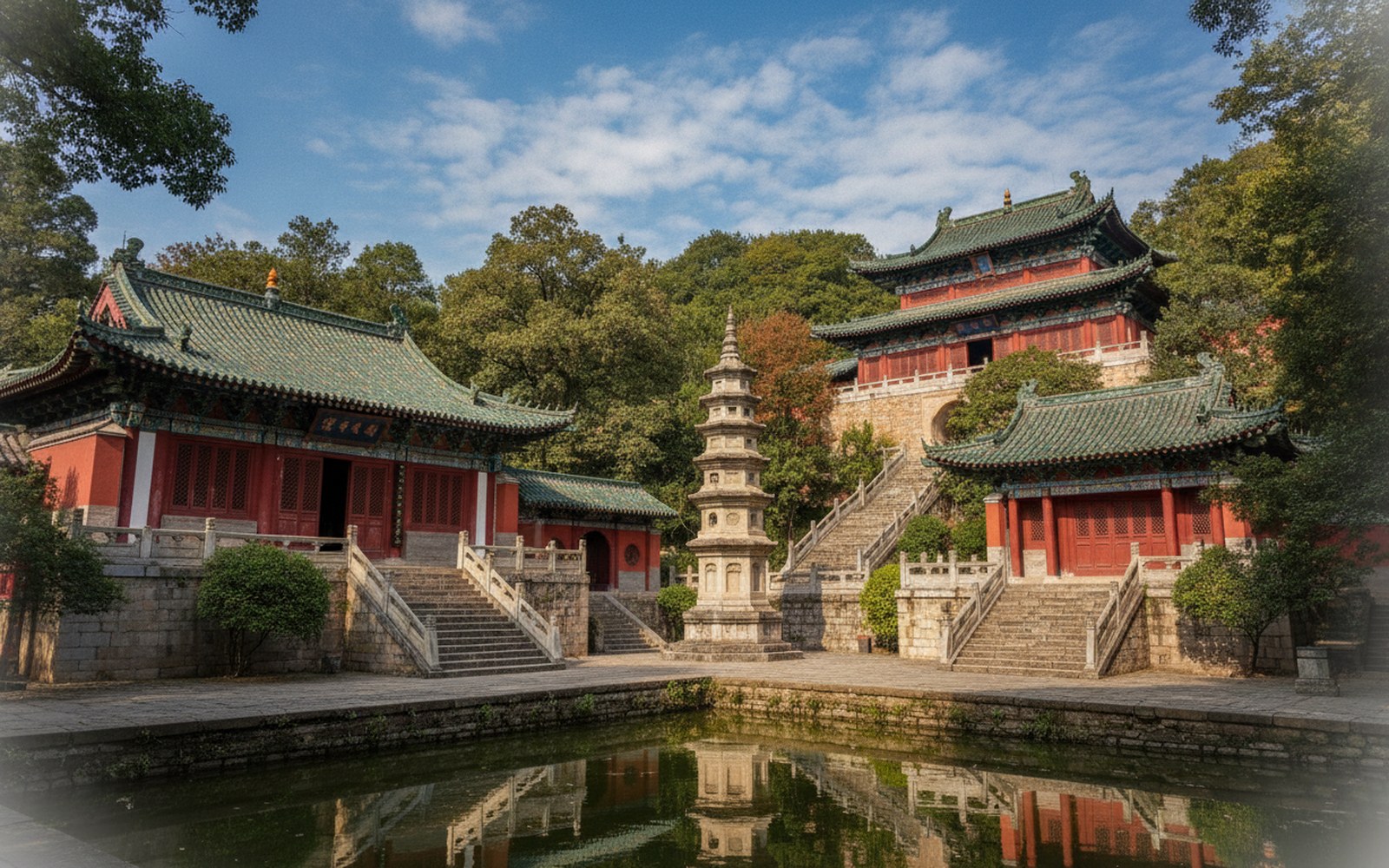
Qixia Mountain
Nanjing's premier autumn foliage and Buddhist heritage destination
Qixia Mountain at a Glance
Everything you need to know before you go.
Qixia Mountain, located in the northeast of Nanjing, is celebrated for its vibrant red maple leaves each autumn and its deep Buddhist cultural roots. The mountain is home to Qixia Temple, one of the most important Buddhist temples in the region, along with ancient grottoes and stone carvings. Scenic trails wind through forests, pavilions, and historic sites, offering a peaceful escape from the city. A visit combines natural beauty, history, and spiritual tranquility.
Where to Stay
Choose the neighborhood that fits your style.
Qixia Mountain Scenic Area Vicinity
Stay near the mountain entrance for easy access to Qixia Temple, maple viewing trails, and the Thousand Buddha Cliffs. The area is quieter and closer to nature, with a few local guesthouses and simple hotels.
Best for early morning temple visits and autumn foliage photographersXianlin University Town
A modern district about 15-20 minutes by car from Qixia Mountain, offering a wide range of hotels, restaurants, and shopping malls. It has convenient metro access to downtown Nanjing and is ideal for travelers wanting more amenities.
Best for families and travelers seeking modern comforts with easy transportQixia Mountain Highlights
The city's essential experiences, grouped by what you love most.
An ancient Buddhist temple originally built in the Southern Qi Dynasty, one of the birthplaces of the Sanlun Sect of Chinese Buddhism.
A cliff carved with hundreds of Buddhist statues dating back to the Southern Dynasties, often called the 'Yungang of the South'.
A well-preserved stone pagoda from the Southern Tang Dynasty, featuring exquisite carvings and religious significance.
A scenic lake with a rainbow bridge, reflecting the surrounding mountains and temple buildings.
Qixia Mountain is famous for its brilliant red maple leaves in autumn, creating a stunning landscape.
A picturesque stream area where peach blossoms bloom in spring, offering a romantic natural scene.
A massive rock that appears split by a natural crack, surrounded by lush greenery and quiet paths.
A narrow rock fissure where visitors can squeeze through, with only a sliver of sky visible above.
A peak shaped like an ancient official's hat, offering panoramic views of the Yangtze River and Nanjing.
A traditional pavilion perched on the mountainside, a perfect spot for rest and enjoying the scenery.
A tea house named after Lu Yu, the Sage of Tea, where visitors can taste local tea and relax.
Best Time to Visit
Each season offers a different side of the city.
Spring · Mar–May
Mild weather and blooming landscapes — comfortable for exploring.
Summer · Jun–Aug
Warm days; highland areas stay cool while lowland cities get hot and humid.
Autumn · Sep–Nov
The best season in most of China — crisp air, clear skies, and golden light.
Winter · Dec–Feb
Cold in the north, mild in the south. Fewer crowds and lower prices outside holidays.
Suggested Itineraries
Three carefully-paced plans for your trip.
1-Day Express
Start at Qixia Temple, one of Nanjing's oldest Buddhist temples, then explore the Thousand Buddha Rock cliff carvings and Sheli Pagoda. Continue to Mingjing Lake for reflections of autumn maples. In the afternoon, hike up to Hongye Valley for the best red maple views and finish at a scenic overlook.
2-Day Classic
Day 1: Visit Qixia Temple, Thousand Buddha Rock, and Sheli Pagoda, then stroll around Mingjing Lake and the ancient camphor trees. Day 2: Hike through Hongye Valley and Taohua Lake to enjoy the famous red maples, then continue to the higher trails of Longshan and Hushan for panoramic views of the Yangtze River and surrounding hills.
Local Tips
Insider knowledge for a smoother trip.
Visit in late autumn (November) to see the red maple leaves; the mountain is especially scenic.
Don’t miss Qixia Temple, the Thousand Buddha Caves, and the Sarira Pagoda.
Take Nanjing Metro Line 2 to Xianhemen Station, then bus or taxi to Qixia Mountain scenic area.
Wear comfortable shoes; the paths include stone steps and can be steep.
Check the official website or local signs for current ticket prices and opening hours.
FAQs About Qixia Mountain
Quick answers to common questions.
Ready to Explore Qixia Mountain?
Let MagicTrip build the perfect Qixia Mountain itinerary — tailored to your interests, pace, and budget.