Qiqihar
Cranes, wetlands, and frontier history in China's northeastern gem
qiqihar at a Glance
Everything you need to know before you go.
Where to Stay
Choose the neighborhood that fits your style.
Qiqihar City Center
Stay in the heart of Qiqihar for easy access to shopping at Dashang Xinmate and dining along Longhua Road. Hotels like Homeinn Selected and Royal Maple offer comfort within 4 km of downtown, ideal for first-time visitors.
Best accessNear Qiqihar Railway Station
Convenient for train travelers, this area features Red Maple Hotel and Dolanda V Hotel, both within 6 km of the station. Explore local eateries and the Sabusu General Statue Square, making it a practical base for transit stops.
Traveler's pickBukui Street Area
Located 3 km from the center, Bukui Street is lined with shops and restaurants. JI Hotel branches and Dahengtong Boutique Hotel provide modern stays, perfect for those wanting a lively atmosphere with easy city access.
Lively & centralNear Zhalong Nature Reserve
Though specific hotels are not listed, the reserve area offers a tranquil escape for nature lovers. Stay in nearby accommodations to explore the wetlands and bird watching, ideal for eco-tourists seeking serenity.
Nature escapeqiqihar Highlights
The city's essential experiences.
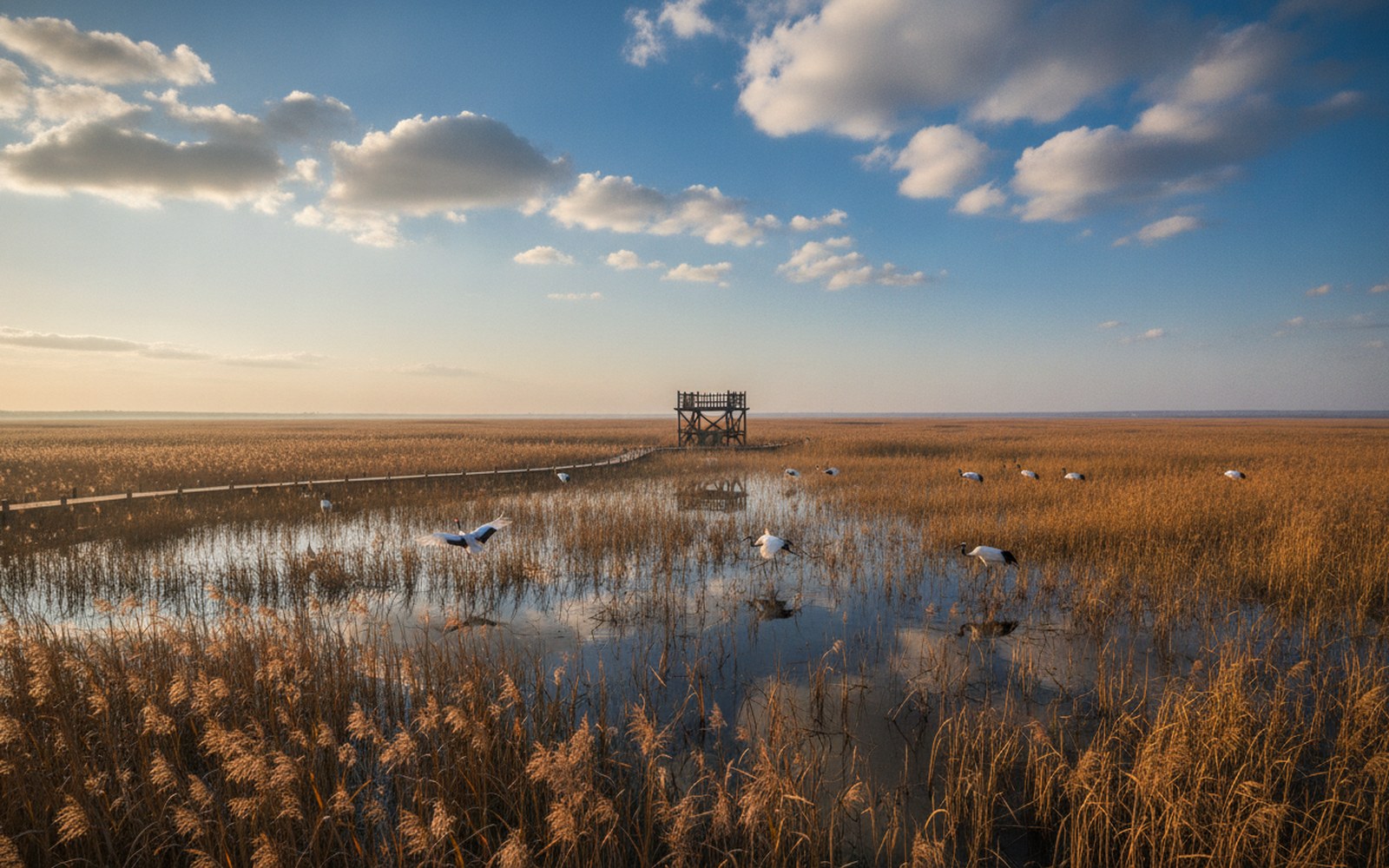
A vast reed wetland and the homeland of red-crowned cranes, home to 14 of the world's 15 crane species. Visit from May to September for the best birdwatching, and check the daily crane release times to catch the spectacular flight.
A daily spectacle at Zhalong where captive-bred red-crowned cranes are released to fly over the wetlands. Arrive early to secure a spot on the wooden boardwalk, and bring a telephoto lens for stunning shots.
A 7.5-kilometer-long urban lake formed from an ancient river channel, now a scenic spot with parks along its banks. Free to visit, it's a peaceful place for a stroll or a picnic, especially during the summer evenings.
Built in 1684, this mosque blends traditional Chinese and Islamic architecture, featuring exquisite brick pagodas and carved windows. It remains an active religious site, so visitors should respect local customs and maintain quiet.
Also known as the 'Eight Trigrams Temple' for its octagonal layout, this Buddhist temple was founded in 1939 and is the ancestral court of the Tiantai sect in the north. It houses 39 white jade Buddha statues unearthed in 1983.
A Neolithic archaeological site dating back 5,000-6,000 years, offering insights into ancient fishing and hunting cultures. Excavated by renowned archaeologist Liang Siyong in 1930, it is now a national heritage site.
Established in 1897, this is one of China's oldest parks, featuring the Wangjiang Tower and scenic lake views. In summer, the park hosts a lively night market with local snacks and barbecue, perfect for an evening visit.
A crescent-shaped island in the Nen River, home to historic pavilions like the Jade Emperor Pavilion and a unique ring railway. With over 500 plant species and abundant birdlife, it's a haven for nature lovers and photographers.
Built in 2005 to commemorate the 60th anniversary of the victory of the Chinese People's War of Resistance Against Japanese Aggression, this riverside square features a war memorial wall, a victory monument, and sculptures.
A well-preserved late Qing Dynasty building complex, featuring brick-and-wood structures with traditional Chinese architecture. Free entry with ID registration, it offers a glimpse into the region's military and political history.
Located in Sun Island Scenic Area, this town features dozens of Russian-style villas and houses. Your ticket is a souvenir passport, which you can stamp at various themed cottages, including a clock collection and a vintage record room.
Built during the Jiaqing period by descendants of the Ming-Qing scholar Lü Liuliang, this courtyard house is a fine example of Qing Dynasty architecture. With its gray bricks and black tiles, it stands as a quiet testament to history.
Best Time to Visit
Each season offers something different.
Spring
Cool and windy, with temperatures gradually rising. Pack layers as days can be warm but nights remain chilly.
Summer
Warm and pleasant, ideal for visiting Zhalong. Evenings can be cool, so bring a light jacket.
Autumn
Crisp and clear, with colorful foliage. Perfect for outdoor activities, but temperatures drop quickly.
Winter
Very cold and dry, with temperatures often below freezing. Bundle up warmly and enjoy winter scenery.
Suggested Itineraries
Plans for every schedule.
Classic 2-Day
Day 1: Zhalong Nature Reserve, Crane Release Show. Day 2: Longsha Park, Qiqihar Museum, Bukui Mosque.
Culture & Nature 3-Day
Day 1: Zhalong Nature Reserve, Crane Release Show. Day 2: Longsha Park, Heilongjiang Military Governor's Office. Day 3: Qiqihar Museum, Bukui Mosque.
In-Depth 4-Day
Day 1: Zhalong Nature Reserve, Crane Release Show. Day 2: Longsha Park, Heilongjiang Military Governor's Office. Day 3: Qiqihar Museum, Bukui Mosque. Day 4: Leisure day at Longsha Park or revisit Zhalong for photography.
Local Tips
Insider knowledge for a smoother trip.
Day-night temperature differences are large; always carry a long-sleeve layer even in summer.
At Zhalong, do not feed or startle the cranes; keep noise down to observe them naturally.
When visiting temples, avoid loud talk, pointing, or touching statues; don't step on thresholds.
Local meals are cheap, around 10 yuan; but expect higher prices at scenic spots like Zhalong.
For complaints about overpricing, call the tourism complaint hotline at 0452-2797110.
Post offices are on main streets and offer express delivery to major cities within 2-3 days.
FAQs About qiqihar
Quick answers to common questions.
Ready to Explore qiqihar?
Let MagicTrip build the perfect qiqihar itinerary — tailored to your interests, pace, and budget.