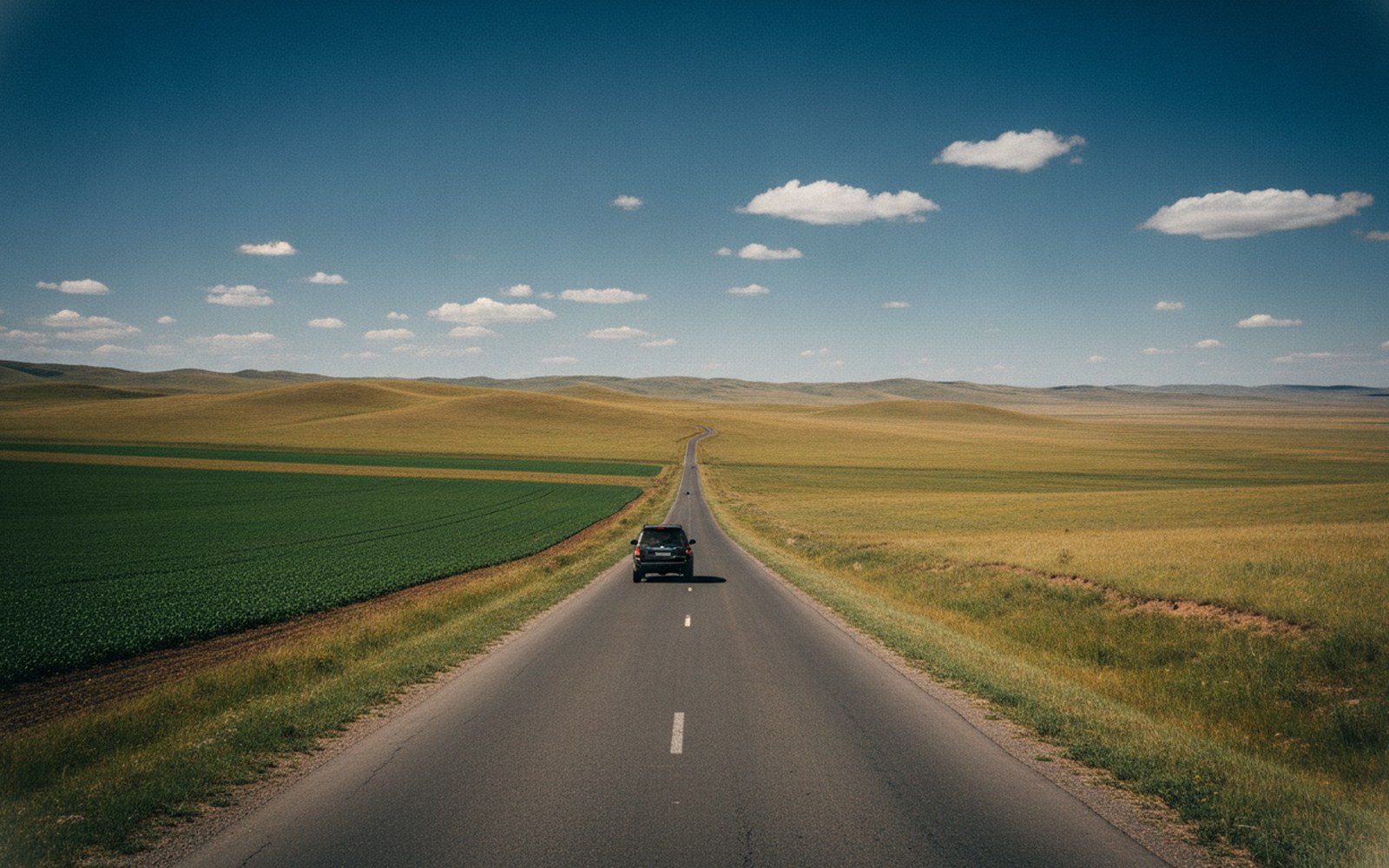
Qiqihar To Hailar
Explore the Vast Landscapes and Rich Cultures from Qiqihar to Hailar
qiqihar to hailar at a Glance
Everything you need to know before you go.
Where to Stay
Choose the neighborhood that fits your style.
Qiqihar
Qiqihar is the main urban hub of the region, offering convenient transport links and a range of hotels. It serves as a practical base for exploring the city's industrial heritage and nearby attractions, with easy access to restaurants and shops. Ideal for travelers seeking city amenities and connectivity.
Urban hubHailar
Hailar is the gateway to the Hulunbuir Grassland, featuring a mix of modern hotels and local eateries. It's the perfect starting point for grassland tours, with bus services to scenic areas and a lively local market. Suits adventurous travelers looking for a blend of city comfort and nature access.
Gateway to grasslandZhalong
Zhalong is renowned for its nature reserve, home to rare red-crowned cranes. Accommodations here are basic but close to the reserve's entrance, allowing early morning bird-watching. The area offers a peaceful retreat into wetlands, with limited dining options. Best for nature enthusiasts and photographers.
Nature retreatHulunbuir Grassland
Staying on the Hulunbuir Grassland offers an immersive experience in traditional Mongolian culture, with yurt stays and nomadic hospitality. Activities include horseback riding and local cuisine, all set against vast, scenic landscapes. It's a unique choice for those seeking adventure and cultural immersion away from city life.
Cultural immersionqiqihar to hailar Highlights
The city's essential experiences.
A scenic peak offering panoramic views of the surrounding grasslands. The hike is moderate, and the summit rewards you with a breathtaking sunrise. Best visited in early morning for clear skies.
Historical site where the legendary warrior once fought. The vast valley echoes with history, and you can almost hear the hooves of cavalry. A must-visit for history buffs and nature lovers alike.
Endless green waves under a vast blue sky. This iconic grassland offers horseback riding and traditional Mongolian yurt stays. The best time to visit is from June to September when the grass is lush.
A serene Buddhist monastery with intricate architecture and peaceful courtyards. Visitors can join the morning prayers and observe the monks' daily rituals. Remember to dress modestly and remove shoes before entering the prayer halls.
One of the largest Tibetan Buddhist monasteries in the region, housing precious relics and thangkas. The surrounding hills provide a tranquil backdrop. Guided tours are available in Chinese and English.
A historic temple known for its silver Buddha statue and vibrant murals. The temple complex is a peaceful escape from the city bustle. Try to visit during the annual temple fair for a cultural experience.
Dive into the region's rich history and culture, from ancient nomadic tribes to modern times. The museum houses fascinating artifacts, including dinosaur fossils and traditional costumes. Free admission, but closed on Mondays.
This museum showcases the natural history and ethnic diversity of the Hulunbuir area. Exhibits include wildlife dioramas and exhibits on the Evenki and Daur peoples. A great indoor activity for rainy days.
An evening of traditional Mongolian music, throat singing, and lively dances. The performers wear colorful costumes and invite the audience to join in. A perfect way to immerse yourself in local culture.
One of China's largest freshwater lakes, home to migratory birds and rare fish. Take a boat ride to the center and enjoy the serene waters. The sunset here is spectacular, painting the sky in hues of orange and pink.
Historic towers that once marked the time in ancient cities. Climb to the top for a bird's-eye view of the old town. The bells and drums are still rung on special occasions.
A gentle river winding through the city, perfect for a leisurely stroll along its banks. In winter, the river freezes and becomes a natural ice rink. Locals often fish here in the summer.
Best Time to Visit
Each season offers something different.
Spring
Cool and windy with occasional dust storms. Pack layers and protect against wind.
Summer
Short but pleasant, with average highs around 20-25°C. Ideal for grassland tours and wetland birdwatching.
Autumn
Crisp and clear with golden grasslands. Best time for photography and outdoor activities.
Winter
Long and bitterly cold, with temperatures often below -20°C. Only for well-prepared travelers seeking extreme cold experiences.
Suggested Itineraries
Plans for every schedule.
Classic 2-Day
Day 1: Zhalong Nature Reserve, Longsha Park. Day 2: Hailar National Forest Park, Hulunbuir Grassland.
Nature & Culture 3-Day
Day 1: Zhalong Nature Reserve, Qiqihar Museum. Day 2: Longsha Park, Hailar National Forest Park. Day 3: Hulunbuir Grassland, Hailar Ancient City.
Deep Exploration 4-Day
Day 1: Zhalong Nature Reserve, Longsha Park. Day 2: Qiqihar Museum, Hailar National Forest Park. Day 3: Hulunbuir Grassland, Hailar Ancient City. Day 4: Hailar River, Hailar Night Market.
Local Tips
Insider knowledge for a smoother trip.
Visit from June to August for mild weather and lush grasslands.
Trains and buses connect Qiqihar and Hailar; book tickets in advance during holidays.
Zhalong Wetland is a crane sanctuary; bring binoculars for birdwatching.
Respect local Daur and Mongolian customs, especially when visiting nomadic families.
Even in summer, nights can be cool; pack a warm jacket.
Try local dairy products and mutton dishes, but be cautious if you have dietary restrictions.
FAQs About qiqihar to hailar
Quick answers to common questions.
Ready to Explore qiqihar to hailar?
Let MagicTrip build the perfect qiqihar to hailar itinerary — tailored to your interests, pace, and budget.