Qingtian
A small Zhejiang city where soapstone carving, European-style streets, and coffee culture tell the story of hundreds of thousands of overseas Chinese.
Qingtian at a Glance
Everything you need to know before you go.
Qingtian, a county-level city in Lishui prefecture, Zhejiang, is China's best-known "hometown of overseas Chinese" — more than 300,000 Qingtianese have emigrated to over 120 countries, and their influence is visible everywhere. The old town of Hecheng is lined with European-style buildings, cafes serve espresso on nearly every corner, and the county is also the birthplace of qingtian stone carving (Qingtian stone carving), one of China's most celebrated stone arts and a national intangible cultural heritage.
Where to Stay
Choose the neighborhood that fits your style.
HecHecheng Old Town
The best base for first-timers: European-style streets, stone-carving shops, cafes, and restaurants are all walkable, and Qingtian Railway Station is a short taxi ride away.
Best for atmosphere, coffee, and stone carvingAlong the Oujiang River
For nature lovers, hotels near the river and the scenic areas put Shimen Cave and the waterfall closest, with easy access back to town for dinner.
Best for scenic day tripsQingtian Highlights
The city's essential experiences, grouped by what you love most.
Soapstone carving from Qingtian is a national intangible cultural heritage. Workshops in town let you watch carvers turn honey-toned stone into figurines, fruit, and miniature landscapes.
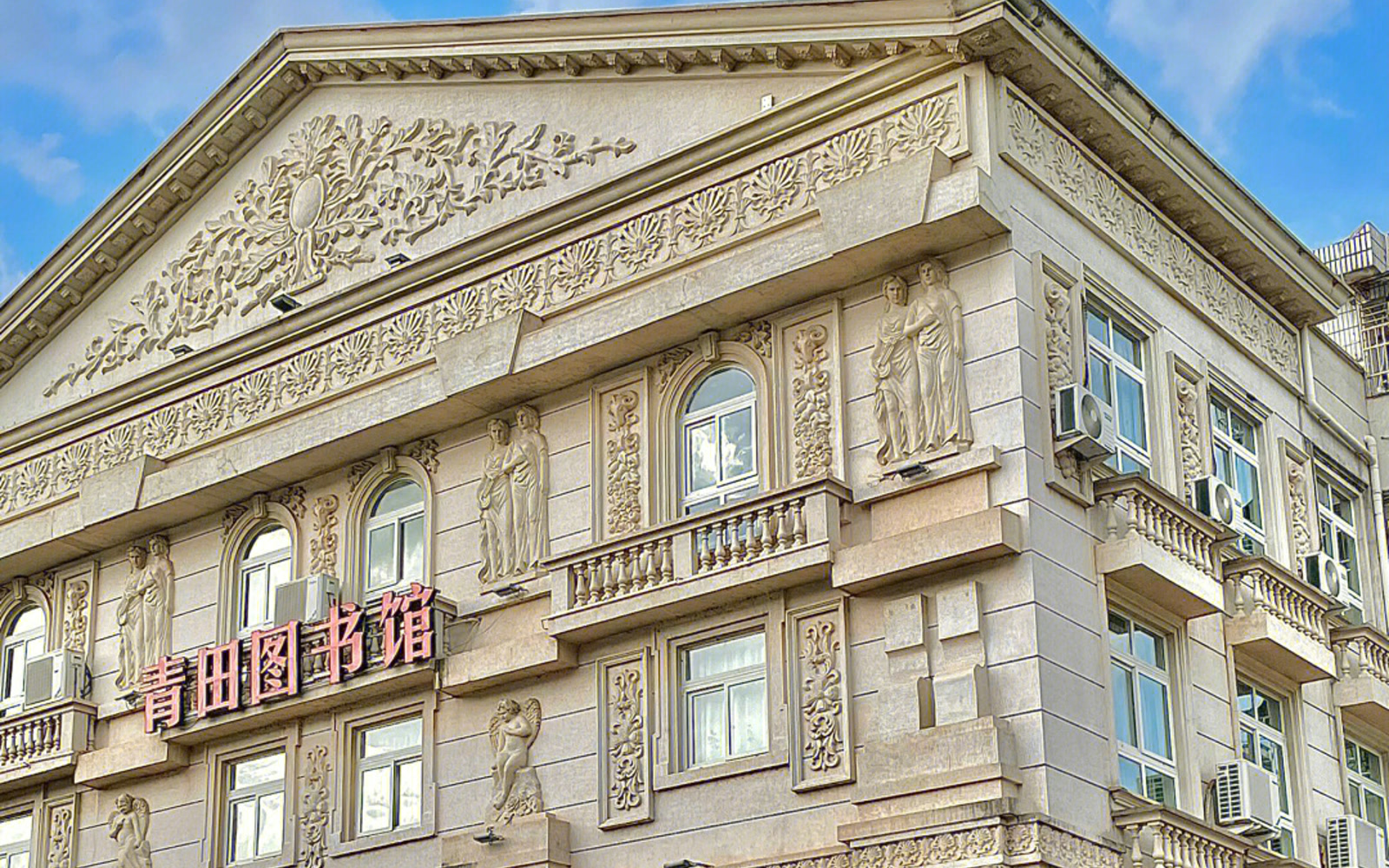
Hecheng's old town mixes southern Chinese streets with European facades, arcades, and clock towers, built with money earned by emigrants overseas.
Emigrants brought coffee back from Europe; today Qingtian claims one of China's densest cafe scenes, and locally roasted beans make a fine souvenir.
The historical heart of the stone-carving craft, with carving workshops, galleries, and a market for collectors.
A scenic gorge on the Oujiang River with a dramatic waterfall and cliff inscriptions; the Ming statesman Liu Ji (Liu Bowen) once studied here.
A wooded hill right in the county seat with giant boulders, old cypresses, and paths up to pavilion views over the city.
A scenic area of fine "thousand-silk" waterfalls and carved cliffs a short drive from town.
Stepped terraces across the hills of Xiaozhoushan village, best in late spring when the flooded paddies mirror the sky.
Carp raised in rice paddies — a centuries-old integrated farming system — served braised, steamed, or in soup.
Chewy dumplings made with sweet potato starch, stuffed with pork and vegetables.
Espresso, cappuccino, and European-style pastries dominate the old town's cafes — a living legacy of the city's overseas Chinese.
County restaurants serve field carp, bamboo shoots, and mountain vegetables in simple, hearty preparations.
Best Time to Visit
Each season offers a different side of the city.
Spring · Mar–May
Mild and green; the rice terraces fill with water from April, making the best time for Xiaozhoushan.
Summer · Jun–Aug
Hot and humid in the valley; mornings at Shimen Cave and evenings at a riverside cafe are coolest.
Autumn · Sep–Nov
Crisp air and golden terraces — the most comfortable season for hiking and countryside drives.
Winter · Dec–Feb
Mild and quiet; a good time for stone-carving workshops and cafe hopping, with the hillsides resting.
Suggested Itineraries
Two carefully-paced plans for your trip.
1-Day Express
Morning: drive to Shimen Cave for the waterfall and cliff inscriptions. Afternoon: return to Hecheng and walk the European-style streets, browse a stone-carving workshop (Shankou Town has the biggest selection), and finish with field carp and a coffee at a local cafe.
2-Day Classic
Day 1: Shimen Cave in the morning, then Hecheng's European old town, stone-carving shops, and dinner in town. Day 2: visit Shankou Town's carving workshops and market in the morning, climb Taihe Mountain for city views, or drive out to the Xiaozhoushan terraces if the season is right.
Local Tips
Insider knowledge for a smoother trip.
Soapstone varies in quality. Buy from established shops, ask about the stone's origin, and bargain on larger pieces.
Coffee is the local culture — try a cappuccino at one of the old-town cafes, and pick up locally roasted beans as a souvenir.
Fewer English speakers than in big cities; have hotel names and destinations written in Chinese characters.
Qingtian Station links to Hangzhou (1.5–2h) and Wenzhou (about 30 min) by high-speed rail; taxis and ride-hailing cover the town, and Shimen Cave is easiest by taxi or tour car.
Qingtian's signature dish is carp raised in rice paddies — braised with bamboo shoots is a local favorite.
Qingtian has hosted stone-carving culture festivals in recent years; dates vary, so check local listings before you go.
FAQs About Qingtian
Quick answers to common questions.
Ready to Explore Qingtian?
Let MagicTrip build the perfect Qingtian itinerary — tailored to your interests, pace, and budget.