Qingchuan
Pristine wilderness and timeless ancient towns in Qingchuan
qingchuan at a Glance
Everything you need to know before you go.
Where to Stay
Choose the neighborhood that fits your style.
Tangjiahe Ecological Tourism Area
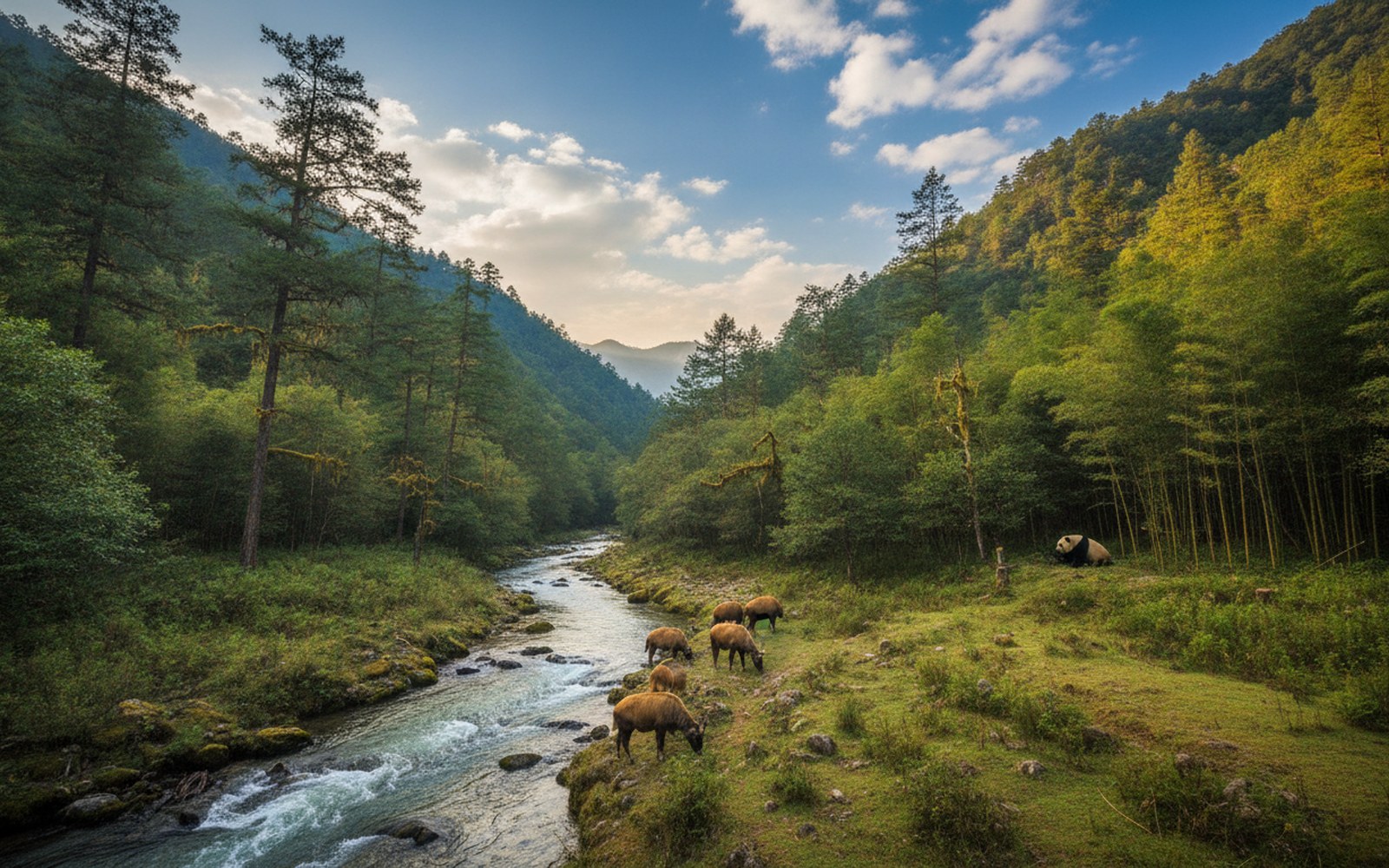
Located in the northwest of Qingchuan County, this area is a haven for nature lovers. It offers pristine forests, wildlife spotting, and eco-friendly stays. Nearby, you'll find local eateries serving wild mountain delicacies and basic shops for essentials. It's ideal for hikers and those seeking tranquility away from city life.
Nature escapeQingxi Ancient Town
Situated in the eastern part of Qingchuan, this historic town preserves ancient architecture and traditional culture. Stay here to explore cobblestone streets, old temples, and local craft shops. Restaurants offer authentic Sichuan cuisine, and the town is well-connected by local buses. Perfect for history buffs and cultural enthusiasts.
Cultural immersionQingchuan County Center
The bustling heart of Qingchuan, this area provides convenient access to government offices, shopping malls, and a variety of dining options from street food to hotpot restaurants. It's a transport hub with bus stations and taxi services, making it easy to explore the county. Suitable for first-time visitors and those needing modern amenities.
Convenient baseQingchuan Riverside Area
Along the banks of the Qingjiang River, this scenic area offers peaceful walks and riverside views. Accommodations here range from budget guesthouses to mid-range hotels. Nearby, you'll find tea houses, small parks, and night markets with local snacks. It's great for couples and travelers who enjoy a relaxed atmosphere.
Scenic relaxationqingchuan Highlights
The city's essential experiences.
A pristine nature reserve in Qingchuan, home to giant pandas and diverse wildlife. Ideal for eco-tours and wildlife spotting, with lush forests and clear streams.
A memorial park preserving the dramatic remains of the 2008 earthquake. Offers a sobering glimpse into the power of nature and the resilience of local communities.
Famous for its large size, thick flesh, and fine texture, this delicacy is cultivated in the mountainous areas of Qingchuan. A must-try for food lovers.
A well-preserved ancient town with traditional architecture and cobblestone streets. Stroll through history and sample local snacks while soaking in the old-world charm.
Beyond its culinary appeal, this fungus is a cultural symbol of Qingchuan. Visit local farms to see how it's grown and processed, and enjoy a fresh taste.
Explore miles of hiking trails through dense forests and alpine meadows. Keep an eye out for rare birds and animals, and enjoy breathtaking mountain views.
A unique outdoor site for geological study and reflection. Guided tours provide insights into the earthquake's impact and the area's recovery.
Renowned for its quality, this fungus is a versatile ingredient in many dishes. Try it in soups, stir-fries, or as a healthy snack – a true taste of Qingchuan.
Wander through local markets to find fresh black fungus and other regional products. Perfect for picking up edible souvenirs and experiencing local life.
Best Time to Visit
Each season offers something different.
Spring
Mild and pleasant, with blooming flowers. Good for outdoor activities, but pack layers as temperatures can vary.
Summer
Warm and humid, with occasional rain. Ideal for exploring the lush mountains and waterfalls, but bring rain gear.
Autumn
Cool and dry, with clear skies and colorful foliage. Perfect for hiking and photography.
Winter
Cold and dry, with possible snow at higher elevations. Dress warmly and check road conditions if traveling.
Suggested Itineraries
Plans for every schedule.
Classic 2-Day
Day 1: Tangjiahe Ecological Tourism Area. Day 2: Qingxi Ancient Town, Donghekou Earthquake Site.
Nature & History 3-Day
Day 1: Tangjiahe Ecological Tourism Area. Day 2: Qingxi Ancient Town. Day 3: Donghekou Earthquake Site.
In-Depth 4-Day
Day 1: Tangjiahe Ecological Tourism Area. Day 2: Qingxi Ancient Town. Day 3: Donghekou Earthquake Site. Day 4: Leisure day in Qingxi Ancient Town or revisit Tangjiahe.
Local Tips
Insider knowledge for a smoother trip.
Try the local specialty dishes, which feature fresh mountain ingredients and bold flavors.
Public transport may be limited; consider renting a car or hiring a local driver for convenience.
English is not widely spoken; learning a few basic Mandarin phrases will be helpful.
Book hotels in advance during peak seasons, as options may be limited.
Follow Leave No Trace principles to preserve the natural beauty of the area.
Stay on marked trails and heed local warnings, especially in mountainous terrain.
FAQs About qingchuan
Quick answers to common questions.
Ready to Explore qingchuan?
Let MagicTrip build the perfect qingchuan itinerary — tailored to your interests, pace, and budget.