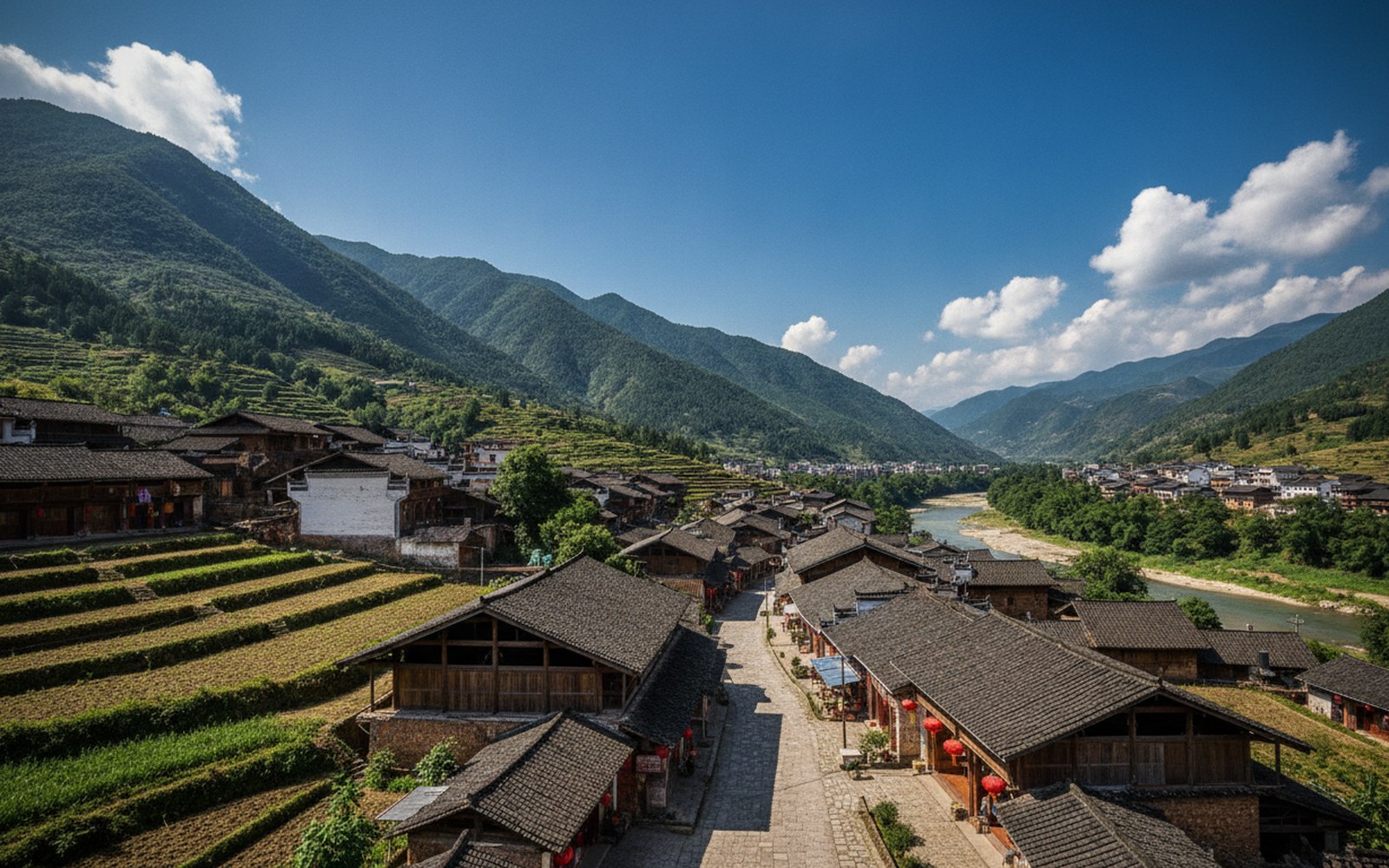
Qiaoma
No verified travel information available for Qiaoma Town.
Qiaoma at a Glance
Everything you need to know before you go.
Where to Stay
Choose the neighborhood that fits your style.
Qiaoma Town Center
The heart of Qiaoma Town offers convenient access to local markets, small eateries, and basic services. It's ideal for travelers seeking a straightforward stay with easy reach to daily necessities and a glimpse of everyday town life.
Central convenienceRiverside Area
Along the river, this area provides a peaceful setting with scenic walks and a relaxed atmosphere. Nearby, you'll find a few local restaurants and guesthouses, making it a quiet choice for those who enjoy nature and tranquility.
Scenic and calmMarket District
Close to the town's main market, this neighborhood buzzes with activity during the day. You'll find fresh produce, street food stalls, and small shops, perfect for budget travelers who want to experience local flavors and shop for essentials.
Budget-friendlyOutskirts Farmland
On the edge of town, this area is surrounded by farmland and open fields, offering a rural retreat. It's suitable for travelers interested in agriculture or seeking a quiet base away from the center, with a few homestays available.
Rural escapeQiaoma Highlights
The city's essential experiences.
Rising like a camel's hump, this iconic peak offers breathtaking panoramic views. The best photo spot is at sunrise when the golden light paints the rocks.
A challenging hike with steep stairs that seem to touch the clouds. Reward yourself with stunning vistas of the surrounding valleys and distant mountains.
A unique rock formation that resembles a petrified forest. Wander through the narrow passages and marvel at the natural sculptures carved by wind and rain.
A lush green valley with crystal-clear streams and vibrant flora. Perfect for a leisurely walk or a peaceful picnic surrounded by nature's beauty.
Often shrouded in soft mist, this hollow feels mystical and tranquil. Early mornings offer the most atmospheric views, with the fog weaving through the trees.
Named for the colorful butterflies that flutter around in summer. The gorge is a haven for nature lovers and photographers alike, with its vibrant ecosystem.
An impressive cave entrance shaped like a dragon's open mouth. Inside, you'll find stunning stalactites and stalagmites, best explored with a guide.
A cave adorned with sparkling mineral deposits that glitter like crystals. The play of light on the walls creates a magical, otherworldly atmosphere.
Famous for its incredible acoustics, every sound echoes beautifully. Try humming or clapping to experience the natural sound effects in this unique cavern.
A serene Buddhist temple perched on a hillside, offering spiritual solace and stunning views. Don't miss the intricate murals that tell ancient stories.
A historic pavilion dedicated to the Jade Emperor, with elegant architecture and peaceful courtyards. It's a great place to learn about local folklore and traditions.
A quiet monastery that glows beautifully under the moonlight. Visitors can join meditation sessions and enjoy the serene atmosphere away from the crowds.
Best Time to Visit
Each season offers something different.
Spring
Mild and humid, with blooming flowers. Good for hiking and exploring karst landscapes.
Summer
Hot and rainy, with occasional downpours. Ideal for visiting banana orchards and enjoying local fruits.
Autumn
Cool and dry, with clear skies. Perfect for outdoor activities and cultural festivals.
Winter
Cool and damp, but generally mild. A quiet time to experience local life and cuisine.
Suggested Itineraries
Plans for every schedule.
Classic 2-Day
Day 1: Explore the town center and local market. Day 2: Visit nearby scenic spots.
Extended 3-Day
Day 1: Town center and market. Day 2: Scenic spots and cultural sites. Day 3: Nature and relaxation.
Comprehensive 4-Day
Day 1: Town center and market. Day 2: Cultural and historical sites. Day 3: Nature and outdoor activities. Day 4: Local experiences and departure.
Local Tips
Insider knowledge for a smoother trip.
A few words in the Buyi language can go a long way with locals.
Fresh from orchards, they are sweeter than supermarket ones.
When visiting Buyi villages, ask before taking photos.
For karst hills, a local guide ensures safety and hidden gems.
Summer rains are sudden; a light raincoat is essential.
Buses connect towns; renting a bike is great for short trips.
FAQs About Qiaoma
Quick answers to common questions.
Ready to Explore Qiaoma?
Let MagicTrip build the perfect Qiaoma itinerary — tailored to your interests, pace, and budget.