Ninong
A Hidden Gem in the Heart of Yunnan
Ninong at a Glance
Everything you need to know before you go.
Where to Stay
Choose the neighborhood that fits your style.
Ninong Village
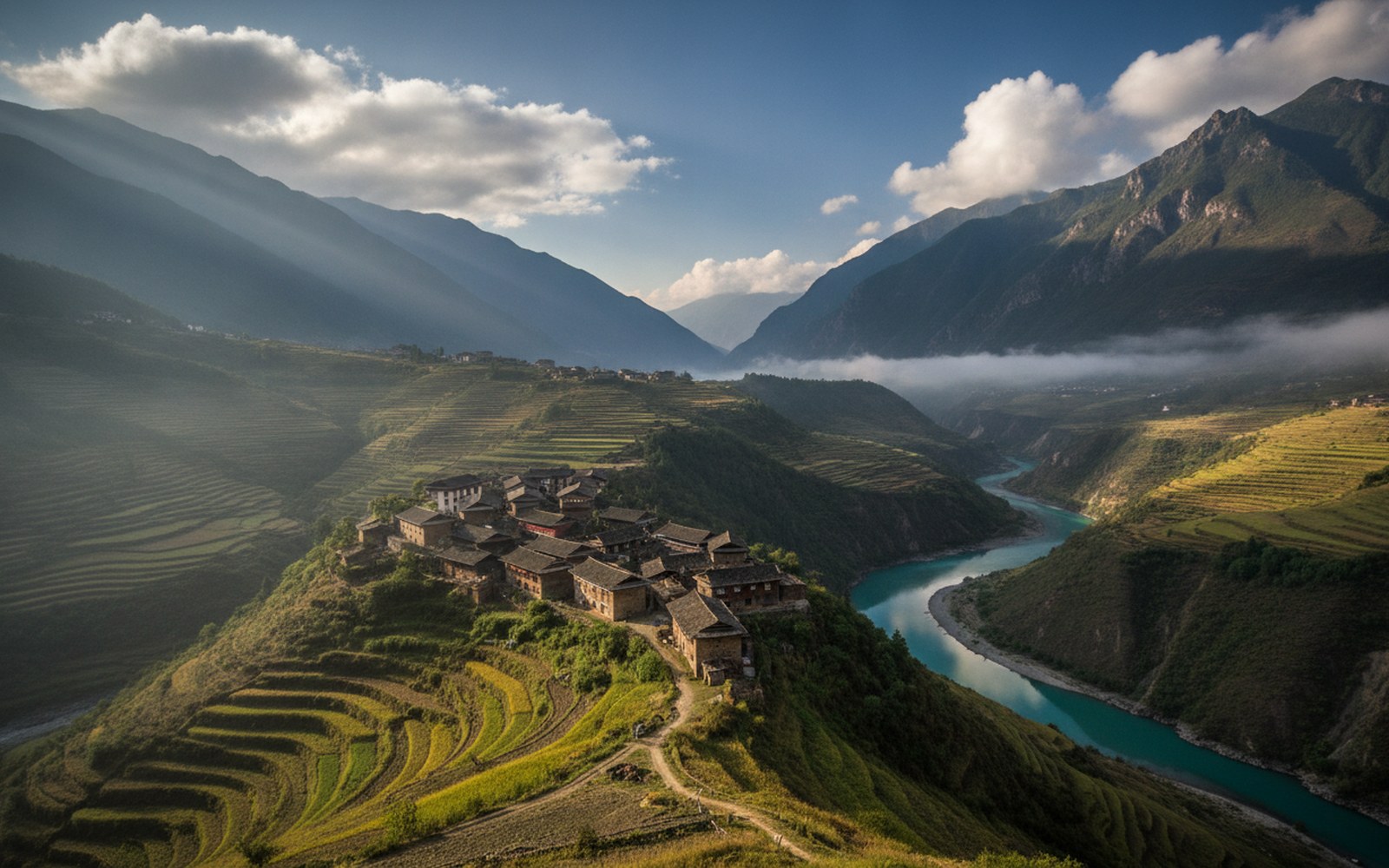
Ninong Village is the gateway to the stunning Ninong Valley, offering a peaceful base for trekkers. Surrounded by terraced fields and traditional houses, it provides basic guesthouses and local eateries. Ideal for those seeking an authentic rural experience and easy access to valley trails.
Rural gatewayNinong Valley
Ninong Valley is renowned for its dramatic gorge scenery and the famous pilgrimage trail to Yubeng. Accommodations are simple lodges catering to hikers, with stunning views of the Mekong River. Perfect for adventure seekers wanting to explore the valley's natural beauty and connect with nature.
Adventure hubLower Ninong
Lower Ninong offers a quieter alternative with a few family-run inns and home-style cooking. It's closer to the river, providing serene riverside walks and a chance to observe local farming life. Suited for travelers who prefer solitude and a slower pace.
Peaceful retreatUpper Ninong
Upper Ninong sits at higher elevation, offering panoramic views of the surrounding mountains and easier access to the valley's trailheads. Accommodations are basic but welcoming, with communal dining and shared facilities. Best for trekkers starting early and wanting to beat the crowds.
Trailhead accessNinong Highlights
The city's essential experiences.
A scenic valley known for its dramatic cliffs and the rushing Mekong River below. The trek offers stunning views and a sense of remoteness.
The river cuts through the mountains creating a deep gorge. Watch the turquoise water swirl below as you traverse the cliffside paths.
A hidden village nestled in the mountains, accessible only by foot. Experience traditional Tibetan culture and breathtaking scenery.
A winding path through dense pine forests, offering shade and the sound of birds. Perfect for nature lovers and photographers.
A spectacular waterfall that often creates rainbows in the mist. A refreshing stop on a long hike, with a cool spray that invigorates.
A holy site for local Tibetans, believed to have healing properties. Visitors can collect the pure water as a blessing.
A small temple perched on a hill, offering panoramic views of the surrounding peaks. A peaceful place for meditation and prayer.
An ancient monastery with colorful murals and prayer flags. Visitors can join the monks in their daily rituals and learn about Buddhism.
A simple prayer hall where locals gather for festivals. The atmosphere is serene, with butter lamps flickering and incense burning.
A cozy spot to rest and enjoy butter tea and tsampa. The warm hospitality of the hosts makes it a memorable experience.
A small market selling local handicrafts and fresh produce. Great for picking up souvenirs and tasting local snacks.
Experience authentic Tibetan home-cooked meals with families. Dishes include yak meat stew and momos, offering a taste of local life.
Best Time to Visit
Each season offers something different.
Spring
Mild temperatures, blooming flowers, clear skies. Ideal for trekking, but be prepared for occasional rain.
Summer
Warm and rainy, with lush greenery. Trails may be muddy; carry waterproof gear and expect afternoon showers.
Autumn
Crisp air, clear views, and golden foliage. Best time for photography and trekking, though nights are cool.
Winter
Cold and dry, with possible snow at higher elevations. Trails can be icy; only experienced trekkers should attempt.
Suggested Itineraries
Plans for every schedule.
Classic 2-Day
Day 1: Explore the village and surrounding terraced fields. Day 2: Hike to the nearby viewpoints and return.
Nature 3-Day
Day 1: Arrive and settle in, take a short walk around the village. Day 2: Full-day hike to the waterfalls and forests. Day 3: Visit the local farms and cultural sites.
Extended 4-Day
Day 1: Arrival and village tour. Day 2: Trek to the highland pastures. Day 3: Explore the river valley and hot springs. Day 4: Relax and depart.
Local Tips
Insider knowledge for a smoother trip.
Spend a day in nearby Deqin to adjust to the altitude before trekking.
Local guides are recommended for navigation and safety on the trail.
Weather changes quickly; bring warm layers and a waterproof jacket.
Begin your trek at dawn to avoid afternoon winds and reach destinations on time.
Carry out all trash and avoid disturbing the pristine environment.
Accommodation in Yubeng is limited; reserve in advance during peak seasons.
FAQs About Ninong
Quick answers to common questions.
Ready to Explore Ninong?
Let MagicTrip build the perfect Ninong itinerary — tailored to your interests, pace, and budget.