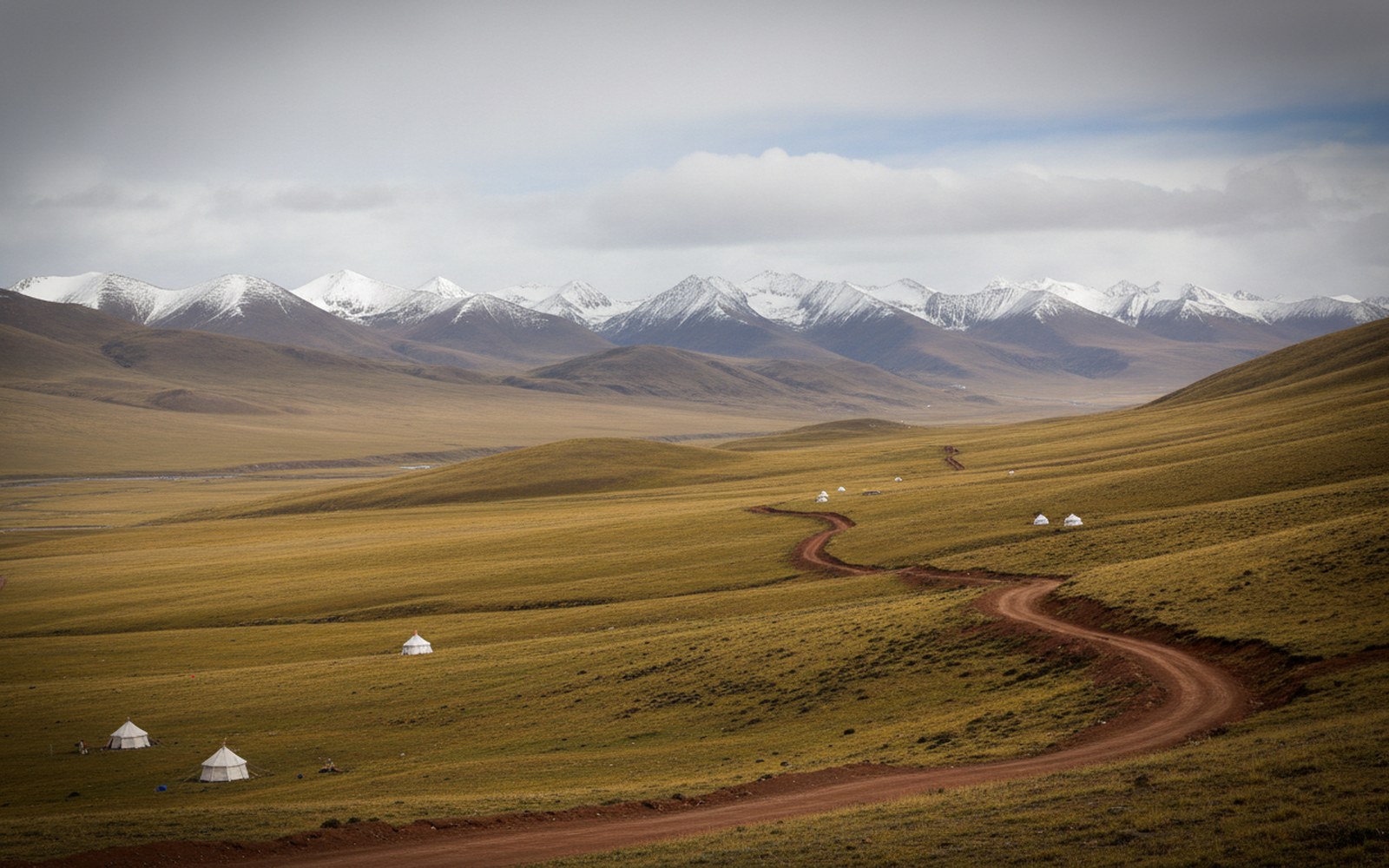
Nagqu
High-altitude gateway to Northern Tibet and a vital acclimatization stop on the Qinghai-Tibet road trip.
nagqu at a Glance
Everything you need to know before you go.
Where to Stay
Choose the neighborhood that fits your style.
Nagqu Town
Nagqu Town is the administrative and commercial heart of Nagqu, offering essential services, government offices, and a central market. It provides convenient access to local restaurants serving Tibetan staples like tsampa and butter tea, as well as basic shops and transport links. Ideal for first-time visitors seeking practicality and proximity to the city's core amenities.
Central convenienceNorthern Tibet Plateau Surroundings
Surrounding Nagqu Town, the Northern Tibet Plateau offers vast grasslands, nomadic settlements, and high-altitude landscapes. This area is perfect for experiencing traditional nomadic culture, with opportunities to see yaks and tented camps. Accommodations are sparse, often basic guesthouses, but the raw natural beauty and sense of remoteness attract adventurous travelers. Best for those seeking solitude and authentic highland experiences.
Adventure baseNagqu Town
Nagqu Town is the administrative and commercial heart of Nagqu, offering essential services, government offices, and a central market. It provides convenient access to local restaurants serving Tibetan staples like tsampa and butter tea, as well as basic shops and transport links. Ideal for first-time visitors seeking practicality and proximity to the city's core amenities.
Central convenienceNorthern Tibet Plateau Surroundings
Surrounding Nagqu Town, the Northern Tibet Plateau offers vast grasslands, nomadic settlements, and high-altitude landscapes. This area is perfect for experiencing traditional nomadic culture, with opportunities to see yaks and tented camps. Accommodations are sparse, often basic guesthouses, but the raw natural beauty and sense of remoteness attract adventurous travelers. Best for those seeking solitude and authentic highland experiences.
Adventure basenagqu Highlights
The city's essential experiences.
A high-altitude town on the Tibetan Plateau, serving as a gateway to the region. Its vast grasslands and clear skies make it a perfect spot for acclimatization and photography.
The highest mountain pass on the Qinghai-Tibet Highway, offering breathtaking views of the snow-capped Tanggula Mountains. A must-stop for travelers seeking a true high-altitude experience.
The source of the mighty Yangtze River, flowing gently through the vast plateau. This serene spot is both geographically significant and visually stunning, ideal for quiet reflection.
One of the largest saltwater lakes in the world, known for its crystal-clear turquoise waters and dramatic mountain backdrop. A sacred site for Tibetan Buddhists, perfect for a peaceful visit.
The source of the mighty Yangtze River, flowing gently through the vast plateau. This serene spot is both geographically significant and visually stunning, ideal for quiet reflection.
A designated rest area along the highway, offering panoramic views of the plateau. A great place to stretch your legs and capture the vast, unspoiled landscape.
A popular spot for photographers, with endless grasslands and dramatic skies. Whether at sunrise or sunset, the changing light creates stunning photo opportunities.
One of the largest saltwater lakes in the world, known for its crystal-clear turquoise waters and dramatic mountain backdrop. A sacred site for Tibetan Buddhists, perfect for a peaceful visit.
The highest mountain pass on the Qinghai-Tibet Highway, offering breathtaking views of the snow-capped Tanggula Mountains. A must-stop for travelers seeking a true high-altitude experience.
Best Time to Visit
Each season offers something different.
Spring
Cold and dry, with strong winds. Temperatures remain below freezing at night. Pack warm layers and be prepared for sudden weather changes.
Summer
Mildest and wettest season, with daytime highs around 15°C. Ideal for outdoor activities, but rain gear is essential. Nights are cool.
Autumn
Clear skies and crisp air, but temperatures drop quickly. Beautiful golden grasslands. Perfect for photography, but bring heavy winter clothing.
Winter
Extremely cold and dry, with temperatures often below -20°C. Blizzards possible. Only recommended for experienced travelers with proper gear.
Suggested Itineraries
Plans for every schedule.
Classic 2-Day
Day 1: Nagqu (4,500m), High-Altitude Rest Stop, Photography Base. Day 2: Namtso Lake.
Highland Explorer 3-Day
Day 1: Nagqu (4,500m), High-Altitude Rest Stop. Day 2: Namtso Lake, Photography Base. Day 3: Tanggula Pass (5,231m), Tuotuo River (Yangtze Source).
Ultimate Plateau 4-Day
Day 1: Nagqu (4,500m), High-Altitude Rest Stop. Day 2: Namtso Lake, Photography Base. Day 3: Tanggula Pass (5,231m). Day 4: Tuotuo River (Yangtze Source).
Local Tips
Insider knowledge for a smoother trip.
Altitude sickness is a real risk. Spend a few days in Lhasa or lower altitudes before heading to Nagqu.
Foreign travelers need a Tibet Travel Permit and possibly a Military Permit for Nagqu. Arrange through a tour agency.
Even in summer, temperatures can drop below freezing at night. Bring thermal underwear, a down jacket, and a hat.
UV rays are intense at high altitude. Use high-SPF sunscreen, sunglasses, and a wide-brimmed hat.
The air is very dry. Drink plenty of water and avoid alcohol to help prevent altitude sickness.
Nagqu is home to Tibetan nomads. Always ask permission before photographing people or religious sites.
FAQs About nagqu
Quick answers to common questions.
Ready to Explore nagqu?
Let MagicTrip build the perfect nagqu itinerary — tailored to your interests, pace, and budget.