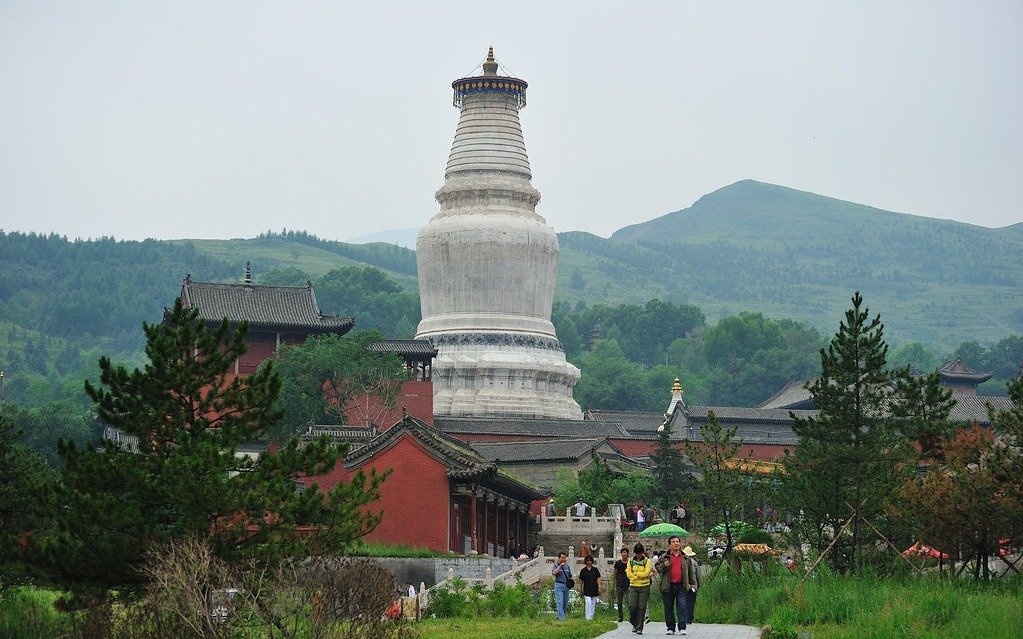
Mount Wutai
Embark on a Spiritual Journey Across the Sacred Peaks of Mount Wutai
mount wutai at a Glance
Everything you need to know before you go.
Mount Wutai, a UNESCO World Heritage site, is a breathtaking sanctuary of Buddhist culture and natural beauty in North China. Known for its five majestic terraces, this pilgrimage site offers a unique blend of spiritual enlightenment and awe-inspiring alpine scenery. Whether you're a devout Buddhist or an adventure seeker, the mountain's ancient temples and serene landscapes promise an unforgettable experience.
Where to Stay
Choose the neighborhood that fits your style.
Monastery Guesthouses
Stay overnight in simple yet tranquil monastery lodgings, offering a unique opportunity to immerse yourself in the spiritual ambiance of Mount Wutai. These accommodations provide basic amenities and a chance to connect with the local monastic community.
Best for Cultural Immersion and Spiritual SeekersScenic Temple Lodgings
Experience the serenity of temple lodgings nestled amidst the stunning landscapes of Mount Wutai. These accommodations often offer breathtaking views and a peaceful atmosphere, perfect for those seeking both comfort and a connection to the area's rich Buddhist heritage.
Best for Nature Lovers and Peace Seekersmount wutai Highlights
The city's essential experiences, grouped by what you love most.
Starting from Hongmenyan (Red Gate Rock), hike 3.4 km with an elevation gain of 278 m to reach 2,796 m above sea level, where a spectacular sunrise awaits.
A 10 km hike with a 500 m elevation gain takes you to 3,058 m, the summit known as the "Roof of North China." The scenery along the way is magnificent—bring your own snacks and water.
A 3.5 km hike with a 257 m elevation gain leads to 2,452 m. Famous for its sea of clouds and wildflowers, it's a paradise for photography enthusiasts.
The foremost of the Yellow (Tibetan Buddhist) temples, it crowns the highest point of Lingjiu Peak and overlooks the surrounding monasteries. Said to symbolize the dwelling place of Bodhisattvas, it boasts grand architecture and sweeping views.
The oldest and largest temple complex on Wutai Mountain, first built during the Eastern Han dynasty, it features an exquisite Bronze Hall and the Amitabha Hall.
Famous for its iconic white stupa, the temple rewards those who climb its winding path with panoramic views over the entire town of Taihuai.
After descending 3 km from the North Peak, climb another 1 km up to 2,773 m to take in the last of Wutai Mountain's five terraces.
Follow a gentle 4.5 km downhill trail, passing the iconic stone lion rock formations along the way.
Spend the night at the temple guesthouse, visit the grand main hall with its golden Buddha statues, and soak in the serene Buddhist atmosphere.
Best Time to Visit
Each season offers a different side of the city.
Spring · Mar–May
Mild weather and blooming landscapes — comfortable for exploring.
Summer · Jun–Aug
Warm days; highland areas stay cool while lowland cities get hot and humid.
Autumn · Sep–Nov
The best season in most of China — crisp air, clear skies, and golden light.
Winter · Dec–Feb
Cold in the north, mild in the south. Fewer crowds and lower prices outside holidays.
Suggested Itineraries
Three carefully-paced plans for your trip.
3-Day Ultimate Buddhist Pilgrimage
Embark on the ultimate Buddhist pilgrimage hike across Mount Wutai’s five sacred terraces. This 3-day trek combines breathtaking alpine scenery with profound spiritual ambiance, as you follow in the footsteps of countless devotees. Stay overnight in simple monastery lodgings and experience the tranquility of mountain temples. A physically demanding but deeply rewarding journey for adventure-minded travelers and cultural seekers.
2-Day Grand Circuit of the Five Terraces
Embark on the sacred Grand Circuit of the Five Terraces at Mount Wutai, a revered Buddhist pilgrimage and thrilling high-altitude hike. Traverse sweeping alpine meadows, visit ancient temples enshrining Manjushri Bodhisattva, and summit North China’s highest peak at 3,061 meters. With well-marked trails, affordable temple lodgings, and the chance to spot rare blue foxes, this 2-day counterclockwise trek is perfect for fit hikers seeking spiritual and natural wonders.
Local Tips
Insider knowledge for a smoother trip.
Wutai Mountain is the only sacred Buddhist mountain in China where Han and Tibetan Buddhism coexist—where "blue" Han temples and "yellow" Tibetan temples stand side by side. It takes its name from its five flat-topped peaks, which resemble earthen terraces. It is both a Buddhist holy land and a paradise for nature lovers.
The best time to visit Wutai Mountain is from May to October, when the weather is mild and ideal for hiking. Winter (December to February) is cold, but the snow-covered landscape has a charm all its own.
Wutai Mountain's famous sights include Pusa Ding, Tayuan Temple, Xiantong Temple, Wanghai Peak (East Peak), and Yedou Peak (North Peak). Each offers its own unique blend of Buddhist culture and natural beauty.
Recommended hiking routes take in the East, North, Central, West, and South Peaks. Along the way, you'll enjoy magnificent mountain scenery and ancient temples while experiencing the profound depth of Buddhist culture.
Wutai Mountain offers a wide range of accommodation, from simple temple guest rooms to comfortable hotels. Booking in advance is recommended, especially during peak travel season.
FAQs About mount wutai
Quick answers to common questions.
Ready to Explore mount wutai?
Let MagicTrip build the perfect mount wutai itinerary — tailored to your interests, pace, and budget.