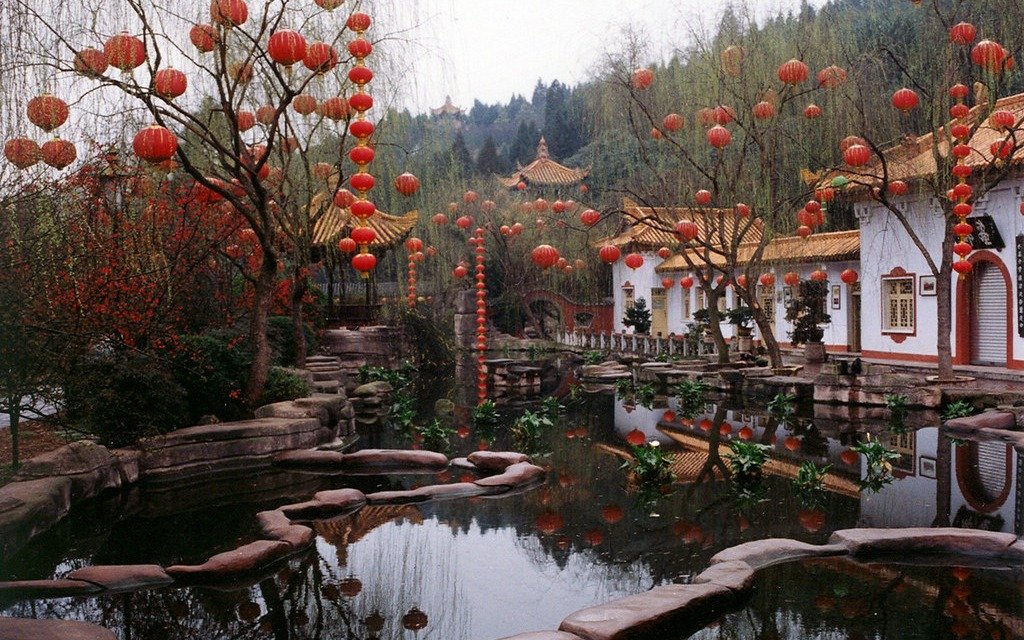
Mianyang
Sichuan's poignant history, Qiang culture, and karst wonders—all in one journey.
mianyang at a Glance
Everything you need to know before you go.
Where to Stay
Choose the neighborhood that fits your style.
Mianyang City Center
Stay in the heart of Mianyang for easy access to top-rated hotels like Fu Lin Metropolis Hotel, just 200 meters from downtown, and Ziyun Hotel near the high-speed rail station. Explore local dining and shopping around Wanda Plaza, with convenient transport links. Ideal for first-time visitors and business travelers seeking central convenience.
Best accessLuofu Mountain Hot Spring Resort Area
Located about 14 km from the city center, this area is home to Chanyi Xianhai Bieyuan, a private hot spring homestay on Huanhu Road South. Surrounded by scenic mountain views, it offers a tranquil retreat with hot spring facilities. Perfect for relaxation and nature lovers looking to unwind away from the urban bustle.
Relaxation retreatJiangyou High-Speed Rail District
Situated around 34-36 km from Mianyang center, this area features several hotels near Jiangyou High-Speed Rail Station, including Jiangyou International Grand Hotel and Bojing Baden Hotel. With easy rail access and local amenities, it suits travelers catching trains or exploring Jiangyou's attractions.
Transit hubBeichuan Qiang Cultural Area
About 31 km from downtown, this area centers on Xinbeichuan Hotel near the Baqiacha Qiang Culture Walking Street. Immerse in Qiang ethnic heritage, local crafts, and cuisine. Ideal for cultural enthusiasts and those seeking a unique experience in a rebuilt town with rich history.
Cultural immersionmianyang Highlights
The city's essential experiences.
Nestled among ancient cypresses, this temple complex honors Wenchang, the God of Literature. Its 23 buildings date from the Jin Dynasty, and the Bai Zhang Tower was once compared to Yueyang Tower.
A Ming Dynasty architectural gem modeled after the Forbidden City, featuring six unique treasures: a rotating sutra cabinet, a thousand-armed Guanyin, and intricate dougong brackets. It is one of China's best-preserved Ming wooden structures.
A historic Buddhist temple on a scenic hillside, known for its exquisite carvings and serene courtyards. It houses numerous lifelike arhat statues and offers a peaceful retreat with cultural activities.
Originally built in the Tang Dynasty, this reconstructed tower stands 99 meters tall, making it the tallest ancient-style building in China. It has inspired 154 poems by famous poets like Li Bai and Du Fu.
A pavilion dedicated to the Han Dynasty scholar Yang Xiong, featuring a 23-meter-tall structure and exhibits of the 'Five Treasures of Mianyang,' including a giant bronze horse and a money tree.
An ancient town dating back to the Warring States period, with well-preserved Ming Dynasty buildings, guild halls, and theaters. Its unique covered streets and banyan trees create a charming atmosphere.
Known as the 'First Mountain of Mianzhou,' this scenic area features classical gardens and the 46-meter Fule Tower. From the top, enjoy panoramic views of the city and explore attractions like the Mianzhou Stele Forest.
A scenic area with lush greenery and hot springs renowned for their medical benefits. Stay overnight to experience the therapeutic waters and explore the natural beauty of this 'Little Western Heaven.'
One of China's earliest panda reserves, this pristine forest is home to giant pandas, golden monkeys, and takins. Enjoy cool summers and vibrant autumn foliage in this biodiversity hotspot.
A trio of peaks with sheer cliffs and ancient temples, once visited by Li Bai. The mountain offers breathtaking views and a legendary history of immortal ascension.
The largest karst cave in northwestern Sichuan, featuring stunning stalactites and underground rivers. Surrounded by lush mountains, it blends natural beauty with Buddhist culture.
A 4A scenic area at 1400-2000 meters altitude, known for its medicinal herbs and the 20-meter-tall Medicine Buddha statue. It is China's first mountain resort themed around traditional Chinese medicine.
Best Time to Visit
Each season offers something different.
Spring
Mild and pleasant with moderate rainfall. Ideal for outdoor sightseeing and enjoying blooming flowers.
Summer
Warm and humid with occasional rain. Pack an umbrella and stay hydrated while exploring.
Autumn
Cool and dry with clear skies. Perfect for hiking and visiting historical sites.
Winter
Cold but not harsh, with occasional frost. Dress warmly and enjoy fewer crowds.
Suggested Itineraries
Plans for every schedule.
Classic 2-Day
Day 1: Yaowang Valley, Xunlong Mountain. Day 2: Beichuan Earthquake Ruins & Memorial Museum, Beichuan New Town & Qiang Folklore Museum.
Nature & Culture 3-Day
Day 1: Jiuhuang Mountain & Ape King Cave, Xiaozhaizi Valley. Day 2: Beichuan Earthquake Ruins & Memorial Museum, Beichuan New Town & Qiang Folklore Museum, Qiang Cultural Interaction. Day 3: Jina Qiang Village, Baima Tibetan Village.
Relaxation & Heritage 4-Day
Day 1: Yaowang Valley, Xunlong Mountain. Day 2: Luofu Mountain Hot Spring, Flower City Fruit Township. Day 3: Beichuan Earthquake Ruins & Memorial Museum, Beichuan New Town & Qiang Folklore Museum. Day 4: Jina Qiang Village, Baima Tibetan Village.
Local Tips
Insider knowledge for a smoother trip.
Mianyang is a safe and peaceful city with friendly locals, so you can explore with confidence.
Daily expenses average around 500 RMB, lower than Chengdu, making it budget-friendly.
Locals speak Sichuan dialect but can communicate in Mandarin; don't hesitate to ask for help.
When visiting Beichuan earthquake memorials, maintain a solemn attitude and avoid littering or graffiti.
ATMs are widely available in the city center; major banks like ICBC and ABC are easy to find.
Free Wi-Fi is common in hotels, and internet cafes are plentiful for travelers.
FAQs About mianyang
Quick answers to common questions.
Ready to Explore mianyang?
Let MagicTrip build the perfect mianyang itinerary — tailored to your interests, pace, and budget.