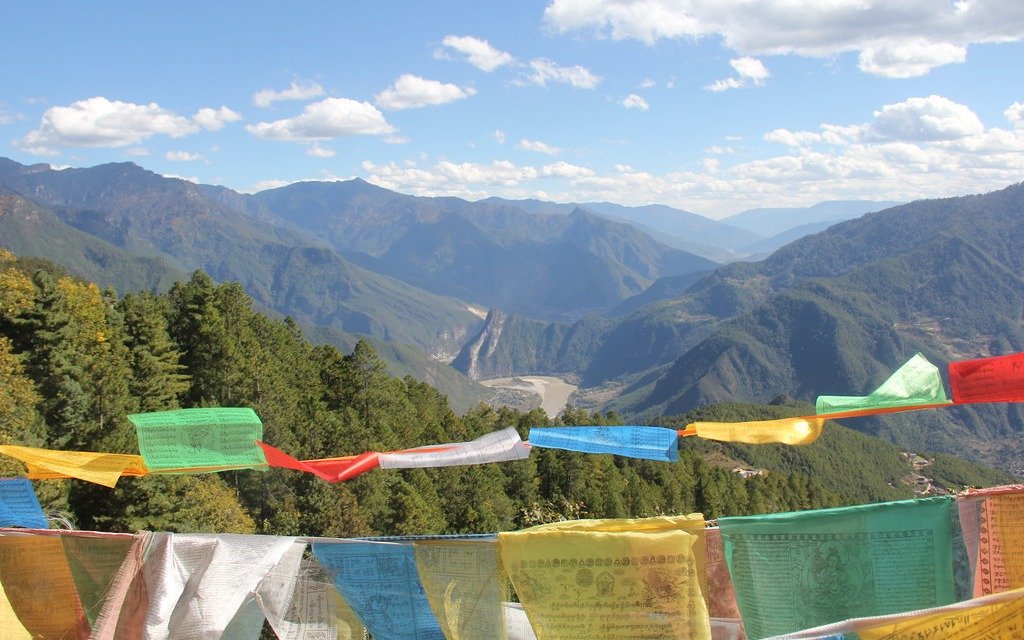
Markam
Gateway to Tibet on the G318, between red canyons and the Lancang River.
markam at a Glance
Everything you need to know before you go.
Where to Stay
Choose the neighborhood that fits your style.
Markam Town
The main hub of Markam County, offering basic hotels, local eateries, and essential services. It's a convenient base for exploring the surrounding highland scenery and experiencing Tibetan culture, with easy access to public transport along the G318 highway.
Convenient baseYanjing Salt Fields area
Near the ancient salt terraces along the Lancang River, this area provides guesthouses with views of the salt fields and nearby hot springs. It's ideal for those interested in traditional salt-making heritage and dramatic river valley landscapes, though amenities are limited.
Cultural immersionRumei Township
A quieter, rural area south of Markam Town, known for its pastoral landscapes and traditional farming villages. Accommodations are simple homestays, perfect for travelers seeking an authentic local experience and peaceful surroundings away from the main road.
Rural escapeGongguo Bridge area
Located at the junction of the G318 and G214 highways, this spot offers basic lodging and fuel stops for road trippers. It's a practical overnight stop with quick access to both routes, though dining and entertainment options are minimal.
Road trip stopmarkam Highlights
The city's essential experiences.
At 5130m, this is one of the highest points on the Sichuan-Tibet route. Acclimatize slowly and enjoy panoramic views of the surrounding peaks.
A scenic drive through high-altitude terrain, offering dramatic mountain vistas and a sense of remote wilderness. Perfect for photography.
A stunning canyon where the Lancang River carves a W-shaped path through the mountains. Best viewed from viewpoints along the road.
Vivid red soil formations create a surreal, otherworldly landscape. A must-see for geology enthusiasts and photographers.
This bridge marks the official entry into Tibet. Stop for photos and take in the momentous occasion of crossing the river.
Ancient salt terraces along the river, still in use today. Learn about traditional salt-making methods and enjoy the unique landscape.
A bustling town at the crossroads of several trade routes. Explore local markets, sample Tibetan cuisine, and experience the vibrant culture.
A scenic drive that follows the Jinsha River, offering beautiful river views and mountain scenery. The bridge crossing is a highlight.
Best Time to Visit
Each season offers something different.
Spring
Cool and dry, with occasional winds. Ideal for cultural exploration, but pack warm layers.
Summer
Mild and rainy, with lush landscapes. Perfect for trekking, but be prepared for sudden showers.
Autumn
Crisp and clear, with golden hues. Best time for photography and outdoor activities.
Winter
Cold and dry, with heavy snowfall possible. Roads may be icy; travel with caution.
Suggested Itineraries
Plans for every schedule.
Classic 2-Day
Day 1: Crossing the Jinsha River Bridge into Tibet, Batang to Markam via Jinsha River Bridge, Markam Red Earth Landscape. Day 2: Dongda Mountain Pass (5130m), Drive to Jueba Mountain Pass, Lancang River W-shaped Grand Canyon, Yanjing Salt Fields, Markam Town.
Scenic 3-Day
Day 1: Crossing the Jinsha River Bridge into Tibet, Batang to Markam via Jinsha River Bridge, Markam Red Earth Landscape. Day 2: Dongda Mountain Pass (5130m), Drive to Jueba Mountain Pass, Lancang River W-shaped Grand Canyon. Day 3: Yanjing Salt Fields, Markam Town.
In-Depth 4-Day
Day 1: Crossing the Jinsha River Bridge into Tibet, Batang to Markam via Jinsha River Bridge. Day 2: Markam Red Earth Landscape, Dongda Mountain Pass (5130m). Day 3: Drive to Jueba Mountain Pass, Lancang River W-shaped Grand Canyon. Day 4: Yanjing Salt Fields, Markam Town.
Local Tips
Insider knowledge for a smoother trip.
High altitude (4317m) may cause altitude sickness; ascend gradually and stay hydrated.
Foreign travelers may need special permits; check with local authorities in advance.
Mountain roads can be treacherous; hire experienced drivers and check weather before travel.
Respect local Tibetan customs and religious sites; ask before photographing people.
Temperature swings are large; bring warm clothing even in summer.
Try yak butter tea and tsampa, but be cautious if you have a sensitive stomach.
FAQs About markam
Quick answers to common questions.
Ready to Explore markam?
Let MagicTrip build the perfect markam itinerary — tailored to your interests, pace, and budget.