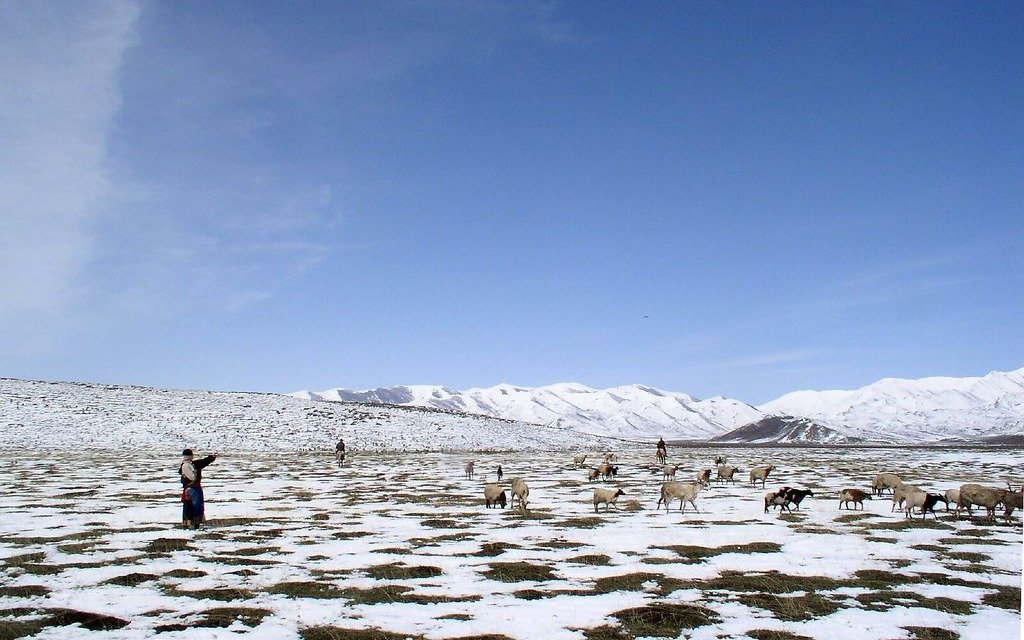
Maqu
Witness the Yellow River's first majestic bend amid vast Tibetan grasslands
maqu at a Glance
Everything you need to know before you go.
Where to Stay
Choose the neighborhood that fits your style.
Maqu Town & First Bend Area
Maqu Town serves as the administrative and commercial heart, offering basic hotels, local eateries, and transport links. The nearby First Bend of the Yellow River presents a scenic viewpoint with walking paths and picnic spots. Ideal for first-time visitors seeking convenience and a glimpse of the river's grandeur.
Best accessGrasslands Around Maqu
Surrounding Maqu, vast grasslands provide a serene escape into nomadic culture. Visitors can find simple guesthouses or tent stays, with opportunities for horseback riding and observing traditional herding life. The open landscapes are perfect for photography and experiencing the region's natural beauty.
Scenic retreatYellow River Valley Corridor
Stretching along the river, this corridor features wetlands and birdwatching points, with a few eco-lodges for nature enthusiasts. Walking or cycling paths connect key overlooks, while local stalls offer yak butter tea and tsampa. A peaceful choice for those wanting to stay close to water and wildlife.
Nature-focusedMaqu County Borderlands
On the county's edges, this area offers a more remote experience with sparse settlements and panoramic plateau views. Accommodations are basic, but the isolation rewards travelers with starry skies and a profound sense of solitude. Suitable for adventurous souls seeking off-the-beaten-path exploration.
Off-gridmaqu Highlights
The city's essential experiences.
Maqu's First Bend is a 433-km meander where the Yellow River loops around the county, forming five 180-degree turns. Summer brings wildfloflowers across the beach and slopes, perfect for photographers.
A key crossing over the Yellow River in Maqu, offering panoramic views of the river's bend. It's a great spot to appreciate the river's flow and the surrounding grassland.
Vast wetlands in Maqu, formed by slow-moving river branches and marshes. These wetlands are a haven for wildlife and a vital part of the Yellow River's ecosystem, with lush vegetation and abundant water.
A vast, scenic grassland in the Yellow River's upper reaches, known for its lush pastures and diverse wildlife. Ideal for experiencing the nomadic culture and enjoying the open landscape.
A beautiful grassland area in Maqu, offering stunning views of the surrounding hills and river. Perfect for a peaceful retreat and observing local herders with their livestock.
Experience the traditional nomadic lifestyle of the Tibetan herders in Maqu. Visit a local family, learn about their customs, and enjoy authentic hospitality in the grassland.
A picturesque drive from Xiahe to Maqu, passing through grasslands and valleys. Along the way, enjoy breathtaking views of the Tibetan plateau and opportunities to spot wildlife.
This route takes you from the stunning Zhagana rock formations to the vast Maqu grassland. The journey offers diverse landscapes, from cliffs to open plains, and is a photographer's dream.
Travel from Maqu to Hezuo, passing through rolling grasslands and traditional Tibetan villages. The drive is scenic, with plenty of chances to stop and admire the natural beauty.
A natural spring in the Maqu area, known for its clear, cold water. It's a refreshing stop for travelers and a sacred site for locals, surrounded by scenic grassland.
A serene lake in the Gahai-Zecha National Nature Reserve, home to many migratory birds. The lake's tranquil waters and surrounding wetlands make it a peaceful spot for birdwatching.
Enjoy a traditional Tibetan dinner in Maqu, featuring local specialties like yak meat and butter tea. It's a great way to end a day of exploring the grassland and river scenery.
Best Time to Visit
Each season offers something different.
Spring
Cool and windy, with occasional snow. Temperatures gradually rise, but nights remain cold. Pack layers and be prepared for variable weather.
Summer
Mild and pleasant, with daytime highs around 20°C. This is the peak tourist season, ideal for outdoor activities. Rain is possible, so bring a light jacket.
Autumn
Crisp and clear, with golden grasslands. Temperatures drop quickly, especially at night. Early autumn is best for photography, but late autumn can be chilly.
Winter
Severely cold and dry, with temperatures often below -10°C. Snowfall is common, and many facilities may close. Only visit if you are well-prepared for extreme cold.
Suggested Itineraries
Plans for every schedule.
Classic 2-Day
Day 1: First Bend of the Yellow River, Maqu Yellow River Bridge, Yellow River Wetlands. Day 2: Qusong Grassland, Nomad Family Visit, Maqu Grassland.
Nature & Culture 3-Day
Day 1: First Bend of the Yellow River, Maqu Yellow River Bridge, Yellow River Wetlands. Day 2: Qusong Grassland, Nomad Family Visit, Maqu Grassland. Day 3: Dashui Spring, Gahai Lake, Dinner in Maqu.
Scenic Drives 4-Day
Day 1: Xiahe to Maqu Scenic Route, First Bend of the Yellow River. Day 2: Zhagana to Maqu Drive, Maqu Yellow River Bridge, Yellow River Wetlands. Day 3: Maqu to Hezuo Drive, Qusong Grassland, Nomad Family Visit. Day 4: Maqu Grassland, Dashui Spring, Gahai Lake, Dinner in Maqu.
Local Tips
Insider knowledge for a smoother trip.
At 3,500m, take it easy to avoid altitude sickness. Drink water and avoid alcohol.
UV is strong at high altitude. Wear sunscreen, sunglasses, and a hat.
Temperature swings are large. Layering helps you adapt to changing conditions.
Maqu is a Tibetan area. Be respectful at monasteries and avoid pointing at religious objects.
Public transport is limited. Consider hiring a car or joining a tour for flexibility.
Accommodation fills quickly in July and August. Reserve in advance.
FAQs About maqu
Quick answers to common questions.
Ready to Explore maqu?
Let MagicTrip build the perfect maqu itinerary — tailored to your interests, pace, and budget.