Luqu & Maqu
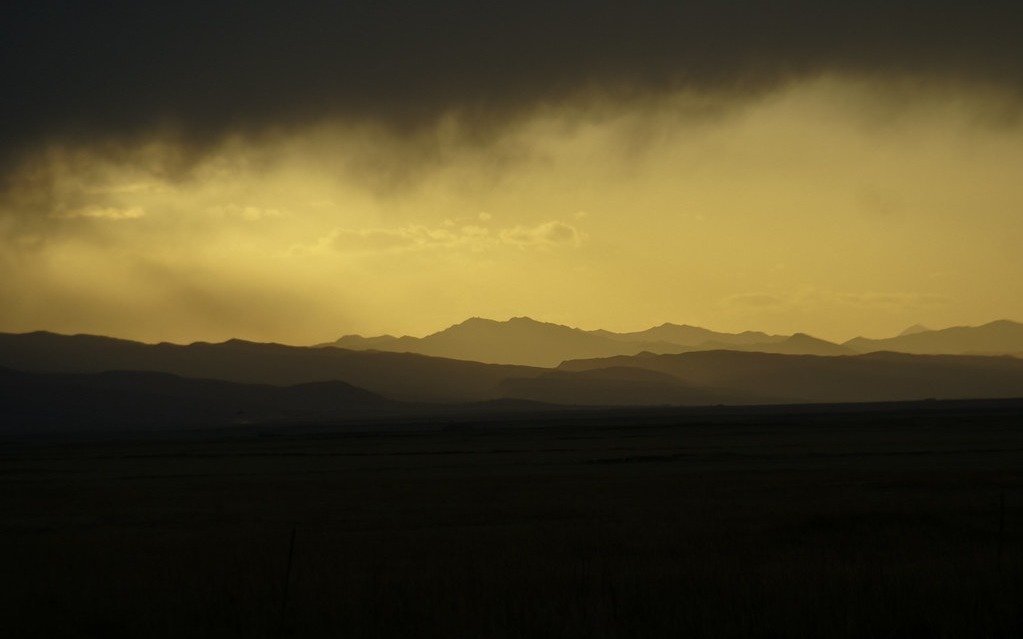
Sacred monasteries, stone forests, and sweeping grasslands beside the Yellow River's first bend in Gannan.
luqu & maqu at a Glance
Everything you need to know before you go.
Where to Stay
Choose the neighborhood that fits your style.
Luqu County Seat
The administrative and commercial heart of Luqu, offering basic hotels, local eateries, and markets. It's the main hub for buses to surrounding attractions, making it convenient for first-time visitors seeking easy access to services and transport links.
Best accessGahai Lake Area
Located near the scenic Gahai Lake, this area provides simple guesthouses and a chance to wake up to wetland views. Ideal for nature lovers and birdwatchers, with easy reach to the lake's walking trails and observation points, though dining options are limited.
Nature escapeLangmusi Border Zone
Situated at the Gansu-Sichuan border, this area blends Tibetan culture with stunning grasslands. Accommodations range from budget hostels to mid-range hotels, with restaurants serving local Tibetan dishes. It's a base for exploring nearby monasteries and hiking trails.
Cultural hubRural Grassland Homestays
Scattered across the vast grasslands surrounding Luqu, these family-run homestays offer an authentic nomadic experience. Guests enjoy hearty local meals and horseback riding, with starlit skies at night. Best for those seeking tranquility and immersion in pastoral life, though amenities are basic.
Authentic stayluqu & maqu Highlights
The city's essential experiences.
A serene highland lake surrounded by lush meadows and rolling hills. Perfect for a peaceful stroll or a picnic while soaking in the crisp mountain air.
A vast wetland and bird sanctuary, home to numerous migratory species. Bring binoculars to spot rare birds and enjoy the tranquil, untouched scenery.
Towering limestone pillars shaped by centuries of erosion create a dramatic, otherworldly landscape. Hike the trails to discover hidden caves and panoramic viewpoints.
A historic Tibetan Buddhist monastery complex straddling the border of Gansu and Sichuan. Explore its prayer halls, golden roofs, and vibrant murals, and witness monks in daily rituals.
An ancient temple known for its exquisite architecture and serene atmosphere. Join the locals in lighting butter lamps and spinning prayer wheels for a cultural immersion.
A breathtaking geological park featuring sheer cliffs, alpine forests, and cascading waterfalls. Ideal for photography enthusiasts and nature lovers seeking dramatic landscapes.
A lush, remote valley with pristine rivers and dense vegetation. Trek through the wilderness to experience unspoiled beauty and encounter local wildlife.
A savory, warming drink made from tea, butter, and salt. A staple in local culture, it's perfect for rejuvenating after a day of exploring the highlands.
Roasted barley flour mixed with butter tea, a traditional Tibetan staple. Try it at a local eatery for an authentic taste of nomadic life.
Best Time to Visit
Each season offers something different.
Spring
Cool and dry, with occasional winds. Temperatures gradually rise, but nights remain cold. Pack layers and a windbreaker.
Summer
Mild and pleasant, with lush grasslands and frequent afternoon showers. Ideal for outdoor activities; bring rain gear and sunscreen.
Autumn
Crisp air and golden grasslands, but temperatures drop quickly. Perfect for photography; bring warm clothing.
Winter
Cold and dry, with heavy snowfall possible. Many facilities close; only visit if prepared for extreme cold and limited services.
Suggested Itineraries
Plans for every schedule.
Classic 2-Day
Day 1: Luqu County Grassland, Langmu Temple. Day 2: Zhagana (Zha'gala) Stone Forest, Gahai Lake.
Nature & Culture 3-Day
Day 1: Luqu County Grassland, Gahai Lake. Day 2: Langmu Temple, Zhagana (Zha'gala) Stone Forest. Day 3: Xicang (Xicang) Monastery, Luqu County Grassland.
Deep Exploration 4-Day
Day 1: Luqu County Grassland, Gahai Lake. Day 2: Langmu Temple, Xicang (Xicang) Monastery. Day 3: Zhagana (Zha'gala) Stone Forest, Luqu County Grassland. Day 4: Gahai Lake, Langmu Temple.
Local Tips
Insider knowledge for a smoother trip.
At 3,100m, take it slow to avoid altitude sickness; hydrate well.
When visiting monasteries, follow rules and avoid pointing at statues.
Even in summer, evenings can be chilly; bring a warm jacket.
Public transport is limited; consider hiring a car or joining a tour.
ATMs may be scarce; carry enough cash for small purchases.
Help preserve the grasslands by not littering and staying on paths.
FAQs About luqu & maqu
Quick answers to common questions.
Ready to Explore luqu & maqu?
Let MagicTrip build the perfect luqu & maqu itinerary — tailored to your interests, pace, and budget.