Longyan
Hakka culture erupts in fire, dragons, and ancient parades across the mountains of western Fujian.
longyan at a Glance
Everything you need to know before you go.
Where to Stay
Choose the neighborhood that fits your style.
Liancheng County
Home to two five-star resorts, Liancheng Qing Shui Tian Yi Hot Spring Resort and Longyan Guanzhi Junlan Resort Hotel, offering top-tier comfort and relaxation. Ideal for travelers seeking luxury amenities and spa experiences in a scenic setting.
Luxury retreatChuxi Tulou Cluster
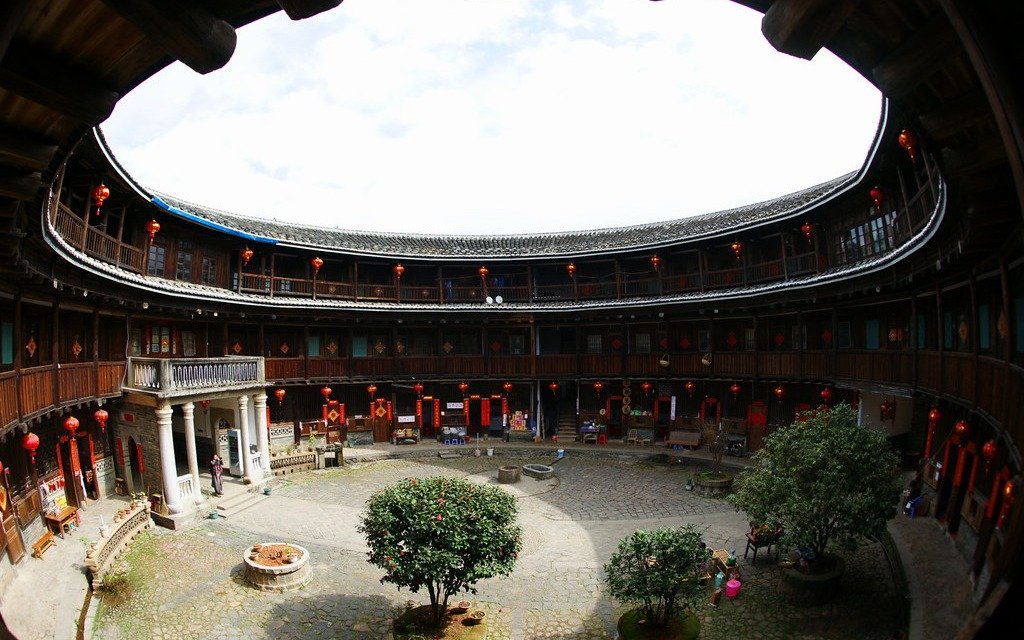
Experience authentic tulou living at Yuqinglou Inn, a quiet and pure environment within the earthen buildings. Enjoy clean rooms, local farm cuisine (30-40 yuan per person), and serene views of greenery and streams. Perfect for cultural immersion.
Cultural immersionTaxia Village
A tranquil riverside village with several guesthouses like Tingquan Villa, Weiquanlou, and Tulou Renjia Inn. Enjoy peaceful mountain views, natural swimming pools, tea ceremonies, and local dishes. Great for relaxation and exploring tulou architecture.
Scenic tranquilityYongding Tulou Area
Stay in the heart of the tulou clusters at Tulou Agen Hotel in Hongkeng Village or Tulou Hot Spring Hotel in Xiayang Town. Enjoy Hakka cuisine, guided tours by local experts, and hot spring baths. Convenient for visiting Zhenchenglou and other iconic tulou.
Authentic experiencelongyan Highlights
The city's essential experiences.
An 800-year-old Hakka village with 30 grand houses, 21 ancestral halls, and 6 academies. Its 'Nine Halls, Eighteen Patios' architecture is a masterpiece. Allow ample time to explore the intricate carvings and ancient streets.
This 800-year-old complex features Yuan Dynasty walls, Ming ancestral halls, and Qing residences. Once a key port and courier station, it retains an authentic, untouched atmosphere. Don't miss the unique Shengdi Temple honoring both Guan Yu and Confucius.
A well-preserved cluster of Ming and Qing dwellings, featuring ornate carvings, couplets, and stone sculptures. This architectural gem offers a glimpse into Hakka life and is a testament to China's rich cultural heritage.
A pristine cluster of earthen buildings nestled in the mountains. Each building's name contains 'Qing' symbolizing prosperity. The iconic Jiqing Lou is a must-see, showcasing traditional Hakka architecture and history.
Known as the 'Prince of Tulou', this 1912 structure is designed according to the Bagua. It features a hall, two wells, three gates, and eight units, embodying profound cultural symbolism. A masterpiece of Hakka architecture.
Home to the 'King of Tulou' Eryi Lou, with its unique Western-style paintings and 15 clocks on the lintel. Nearby Nanyang Lou is a museum with superior carvings, while Dongyang Lou is a comfortable square tulou. Buses run every 40 minutes from Hua'an.
Known as the birthplace of Fujian Tulou, this site features three distinct structures: the oval Qiyun Lou, the ruined Rixin Lou, and the unique Shengping Lou with its granite exterior. Open 8:30-17:30, tickets 48 yuan.
A compact Danxia landscape with a 2-hour tour. Famous for the phallic 'Life Root' and 'Life Gate' rock formations, plus cultural relics like Lin Zexu's calligraphy. Combine with a boat ride on Shimen Lake for a refreshing experience.
Nestled in Meihuashan Nature Reserve, this village is surrounded by rare trees and clear streams. It's the source of the Jiulong River and offers well-preserved ancient houses. Enjoy local cuisine at the village chief's restaurant (call ahead).
A famous Taoist mountain in Changting, offering spiritual retreat and scenic views. A peaceful spot to explore religious culture and enjoy nature.
Located in a historic printing town, this museum displays tools for printing, binding, and transport. Visitors can try printing a souvenir (2-10 yuan). Open 8:00-12:00 and 14:00-17:00, tickets 20 yuan.
Housed in the Qing-era Longtan Lou, this museum features 15 exhibition rooms on tulou construction, culture, and local customs. Ideal for first-time visitors to Nanjing Tulou. Tickets 20 yuan, open 8:00-17:30.
Originally a Tang Dynasty city gate, this pavilion was expanded in the Ming Dynasty. Named after the top scholars in imperial exams, it faces the old examination hall. Free to view from outside, as the upper floor is closed.
Best Time to Visit
Each season offers something different.
Spring
Mild and humid, with occasional rain. Ideal for visiting tulou and ancient towns, but pack rain gear.
Summer
Hot and rainy, with thunderstorms from May to August. Watch for landslides on mountain roads; bring rain gear and sturdy shoes.
Autumn
Cool and dry, with clear skies. Perfect for outdoor activities and photography.
Winter
Cold and damp, especially in the mountains. Fewer crowds, but bring warm clothing and be cautious of icy roads.
Suggested Itineraries
Plans for every schedule.
Classic 2-Day
Day 1: Zhixi Flower Lantern Parade, Luofang Ancient Story Land Parade, Village temple fairs. Day 2: Gutian Big Dragon Parade, Dragon Burning Ceremony at Gutian, Firecracker displays and night markets.
Cultural 3-Day
Day 1: Zhixi Flower Lantern Parade, Luofang Ancient Story Land Parade. Day 2: Luofang Ancient Story Water Parade, Village temple fairs, Dragon and lion dances. Day 3: Gutian Big Dragon Parade, Dragon Burning Ceremony at Gutian, Firecracker displays and night markets.
Festival 4-Day
Day 1: Zhixi Flower Lantern Parade, Luofang Ancient Story Land Parade. Day 2: Luofang Ancient Story Water Parade, Village temple fairs, Dragon and lion dances. Day 3: City Dragon Parade in Longyan, Firecracker displays and night markets. Day 4: Gutian Big Dragon Parade, Dragon Burning Ceremony at Gutian.
Local Tips
Insider knowledge for a smoother trip.
Mountain roads are slippery after rain; drive slowly and watch for landslides, especially May-August.
Bring hiking shoes and rain gear for the often wet and uneven terrain.
Use free guide maps and audio guides at Hongkeng and Gaobei visitor centers (open 8:00-17:30).
Visit Meiyutang in Gutan to see traditional Lianshi paper making; call ahead to ensure craftsmen are present.
At the Nanjing Tulou visitor center, buy postcards with tulou postmarks (2 yuan each) from the postal service.
Save local emergency numbers: tourist complaint 28921895, rescue 6888120, and scenic area first aid 7776007.
FAQs About longyan
Quick answers to common questions.
Ready to Explore longyan?
Let MagicTrip build the perfect longyan itinerary — tailored to your interests, pace, and budget.