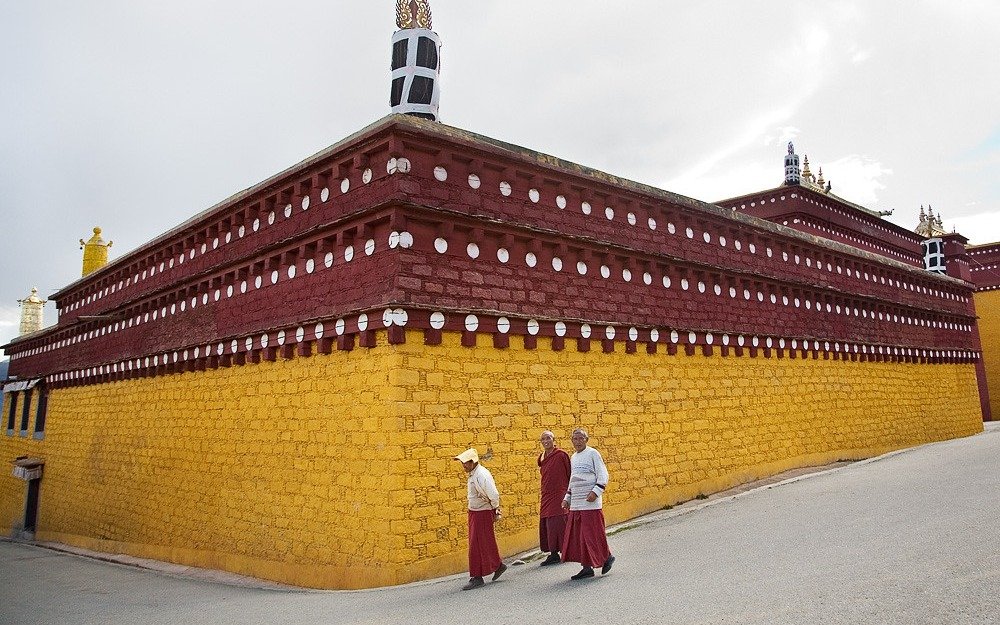
Litang
The high-altitude spiritual heart of the Tibetan world on the G318
litang at a Glance
Everything you need to know before you go.
Where to Stay
Choose the neighborhood that fits your style.
Litang Town & Monastery Area
Stay in the heart of Litang, near the famous Changqing Chunri Monastery. This area offers easy access to local markets, traditional Tibetan teahouses, and cultural landmarks. Ideal for first-time visitors seeking immersion in daily monastic life and convenient transport links.
Cultural coreMaoya Grassland & Haizi Mountain
Experience the vast, high-altitude plains and glacial lakes of Haizi Mountain. This area is perfect for nature lovers and photographers, with opportunities for hiking, horse riding, and observing nomadic herders. Accommodations are basic but offer stunning views and a true sense of wilderness.
Nature escapeLitang Old Town
Wander through narrow lanes lined with white-washed houses and prayer wheels. This historic quarter is packed with cozy guesthouses, artisan shops selling thangka paintings and silverware, and family-run restaurants serving yak meat dishes. Best for those wanting an authentic, laid-back atmosphere.
Historic charmHighway 318 Corridor
Strategically located along the famous Sichuan-Tibet Highway, this area is a hub for overland travelers. Expect budget hostels, bike repair shops, and eateries catering to adventurers. Convenient for those continuing to Tibet or Yunnan, with easy access to fuel stations and travel agencies.
Traveler hublitang Highlights
The city's essential experiences.
The main peak of the Shaluli Range, Genie Mountain rises to 6204 meters, its snow-capped summit revered as sacred. The rugged terrain and cliffs hide the legendary spot where the white conch was extracted, a site of deep spiritual significance.
Spanning 500 square kilometers, this area features the majestic Genie Mountain, primeval forests, waterfalls, alpine lakes, and hot springs. Wildlife like wild sheep and pheasants roam freely, making it a paradise for nature lovers and photographers.
At 4700 meters, this pass is a must-pass route for trekkers heading to Genie Mountain. It offers panoramic views of the peak and unique rock formations, with glacial lakes dotting the landscape. Best visited with a local guide due to its remote location.
Known as the 'Heart of Genie,' this glacial lake is hidden in a rugged valley, accessible only by climbing steep cliffs. Its pristine beauty and untouched nature reward adventurous travelers with one of the most stunning sights in western Sichuan.
A beautiful forest wetland at 3800 meters, where meltwater from the mountains spreads into colorful sandbars. The serene landscape, with its scattered islets and lush vegetation, is perfect for a peaceful stroll and birdwatching.
Also known as Litang Monastery, this is the largest Gelugpa temple in southern Kham. Founded in 1580 by the Third Dalai Lama, its tiered architecture clings to the hillside, offering panoramic views. Free entry, a 20-minute walk from town.
A famous Kagyu monastery in the Kham region, revered for housing a white conch shell taken from a rock, considered the 'heart' of Genie Mountain. Locals believe that a pilgrimage to Lhasa must begin with a visit here.
Home to the 33-meter White Stupa surrounded by 119 smaller ones, this park was built to commemorate a victory by King Songtsen Gampo. It houses relics and a statue of a crane, inspired by the Sixth Dalai Lama's love poem. Entry fee: 10 yuan.
This vast grassland gives Litang its name. In summer, it's a sea of green with wildflowers and grazing yaks; in autumn, golden hues; in winter, snow-covered plains. Accessible along the Sichuan-Tibet Highway, about 30 km west of town.
One of the five most revered mountains in the region, Zhaga stands at 4135 meters. Its unique feature is the contrast between dark rock and green forest, with natural rock formations resembling Buddhist mantras and a cave with stalactites.
An untouched paradise combining glaciers, peaks, forests, and grasslands. Located in Bomi Township, it's a haven for photographers and adventurers, with diverse wildlife and stunning landscapes. A hidden gem waiting to be explored.
Best Time to Visit
Each season offers something different.
Spring
Cool and dry, with occasional wind. Best for acclimatizing to altitude, but pack warm layers.
Summer
Mild and rainy, with lush grasslands. Ideal for outdoor activities, but be prepared for sudden showers.
Autumn
Clear skies and crisp air, with golden grasslands. Perfect for photography and trekking.
Winter
Cold and dry, with heavy snow possible. Roads may be icy; only experienced drivers should venture.
Suggested Itineraries
Plans for every schedule.
Classic 2-Day
Day 1: Genie Mountain, Genie Scenic Area, Tiejiang Mountain Pass, Xiaozha Lake. Day 2: Maoya Grassland, Zhaga Sacred Mountain, White Tower Park.
Nature & Culture 3-Day
Day 1: Genie Mountain, Genie Scenic Area, Tiejiang Mountain Pass. Day 2: Xiaozha Lake, Hupi Dam, Maoya Grassland. Day 3: Changqingchun Kelesi Monastery, Lenggu Monastery, White Tower Park.
Deep Exploration 4-Day
Day 1: Genie Mountain, Genie Scenic Area, Tiejiang Mountain Pass. Day 2: Xiaozha Lake, Hupi Dam, Maoya Grassland. Day 3: Zhaga Sacred Mountain, Gemu Nature Reserve. Day 4: Changqingchun Kelesi Monastery, Lenggu Monastery, White Tower Park.
Local Tips
Insider knowledge for a smoother trip.
Take it slow, drink water, and carry medication for altitude sickness.
Only Agricultural Bank and Rural Credit ATMs exist; bring enough cash.
Squeeze air out of bottles before opening to avoid spillage due to pressure.
Roads are rough; use a 4WD and drive carefully, especially after rain.
Familiarize with Tibetan Buddhism to enrich your visit.
Keep valuables like passports and cameras with you at all times.
FAQs About litang
Quick answers to common questions.
Ready to Explore litang?
Let MagicTrip build the perfect litang itinerary — tailored to your interests, pace, and budget.