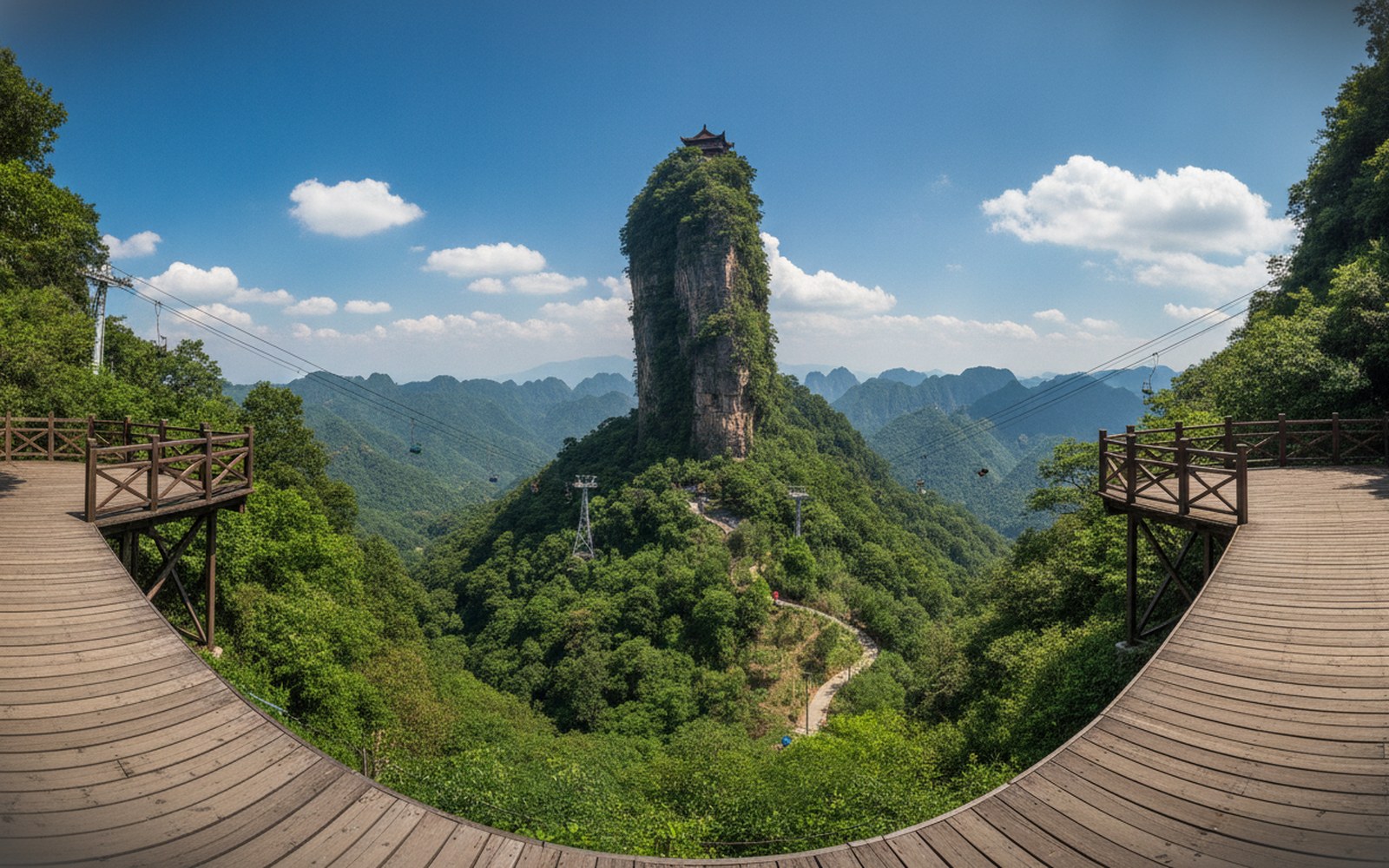
Lishui
Ethereal rock formations, ancient temples, and tranquil villages define this off-the-beaten-path Zhejiang gem.
lishui at a Glance
Everything you need to know before you go.
Where to Stay
Choose the neighborhood that fits your style.
Lishui City Center
Stay in the heart of Lishui for easy access to top-rated five-star hotels like Wyndham Grand and Oriental Wenting. The area offers a central location, just 1 km from downtown, with convenient transport and a range of dining and shopping options. Ideal for business travelers and those seeking urban convenience.
Urban convenienceJinyun County / Xiandu Scenic Area
Based in Jinyun, you're near the stunning Xiandu Scenic Area. Choose from luxury stays like Jinyun Baoting Hotel or international brands like New Century Grand. The area features scenic beauty, cultural sites, and easy access to nature, perfect for travelers wanting to explore the region's highlights.
Scenic gatewayJingning She Autonomous County
Experience the unique She ethnic culture in Jingning, home to five-star hotels like Tianyuan Mingyue and Shexiang Hongbin. This area offers cultural immersion, local cuisine, and a peaceful environment, ideal for those interested in minority cultures and authentic experiences.
Cultural immersionSuichang County
Suichang offers a tranquil retreat with five-star hotels like Kairui New Century Grand and Tanggong Radisson Plaza. Enjoy beautiful natural landscapes, historical sites, and a relaxed pace. Perfect for nature lovers and those seeking a quiet escape from city life.
Nature retreatlishui Highlights
The city's essential experiences.
A national first-class photography base 50 km from Suichang County, featuring the Nanjian Rock Service Center, Ziyun Rural Tourism Area, Longmen Mountain Sports Area, and Yaochi Alpine Wetland Park, all linked by a riverside landscape belt.
Known as the 'Ancestor of All Mountains,' its main peak Wulin Mountain rises to 1856.7 meters, the second highest in Zhejiang. High mountains and abundant fog offer stunning views of seas of clouds and sunrises.
Home to Huangmaojian, the highest peak in Jiangsu and Zhejiang at 1,929 meters. The area features plateau lakes, alpine meadows, seas of clouds, and rime, with six major scenic zones open to visitors.
Qingyuan County, with its crisscrossing streams and high mountains, preserves over 90 ancient covered bridges. Historically 'deep, remote, and obstructed,' these bridges are protected by locals and offer a glimpse into ancient engineering.
Also known as Xiyang Bridge, this covered bridge was first built in the Ming Wanli period and rebuilt in the Qing Qianlong period. Originally submerged by a reservoir, it was relocated to its current site, showcasing traditional wooden arch construction.
With a history of 1,500 years, Tongji Weir is Zhejiang's oldest large-scale water conservancy project. It preserves 18 stone inscriptions from various dynasties, including a 1093 memorial, offering a deep dive into ancient hydraulic engineering.
A six-sided, seven-story brick-and-wood pagoda with a slight tilt, located in Songyang County. Its eaves and carvings reflect Tang Dynasty style, and it's a popular spot for leisure and photography.
A village with a high She ethnic population, featuring a She wedding custom performance. Founded in the late Tang Dynasty, its existing buildings date from the Ming and Qing dynasties, with ancient streets to explore.
Famous for its covered bridges, including Shuangmen Bridge, the earliest existing wooden arch covered bridge in China with written records. The village also has Putian Bridge and the newly built Wenchang Bridge.
Located in Liucun Village, 25 km from Songyang county seat, this village is dominated by Qing Dynasty buildings. Fifteen well-preserved courtyards showcase pure ancient folk house styles, with a legend of a rice-producing cave giving it its name.
A provincial historical protection area in Jinyun County, founded in 933 AD by the Zhu brothers from Henan. The village layout from the Yuan Dynasty and Ming-Qing buildings form a clan-style ancient residence complex.
A scenic area praised for 'the beauty of Guilin, the wonder of Huangshan, and the peril of Huashan.' It includes four major zones: Xiandu, Huanglong, Yanmen, and Dayang, with pastoral scenery and unique peaks.
Features the 'Ten-mile Flower Sea' of ancient rhododendron simiarum, a spectacular sight rarely seen worldwide. Also home to bright-leaved beech forests and Zhejiang red camellia forests, offering a pristine natural experience.
Zhejiang's only national first-batch mine park, combining a gold production line with mysterious mine tunnels. It preserves mining relics from the Song, Ming, and Qing dynasties, leaving many unsolved puzzles and legends.
Best Time to Visit
Each season offers something different.
Spring
Mild and pleasant, with blooming flowers. Ideal for outdoor activities and exploring ancient villages.
Summer
Hot and humid with occasional rain. Pack light clothing and stay hydrated; enjoy mountain retreats.
Autumn
Cool and crisp, with clear skies. Perfect for hiking and photography, especially in the countryside.
Winter
Cold and damp, with occasional frost. Bundle up and enjoy fewer crowds at scenic spots.
Suggested Itineraries
Plans for every schedule.
Classic 2-Day
Day 1: Dinghu Peak, Yellow Emperor Temple, Lunch: Hundred Mushroom Banquet. Day 2: Heyang Ancient Folk Residences, Dufeng Academy and Furong Gorge, Lishui Specialty Shopping.
Nature & Culture 3-Day
Day 1: Dinghu Peak, Yellow Emperor Temple, Lunch: Hundred Mushroom Banquet. Day 2: Zhutan Mountain, Xian Shui Cave, Zhao Hou Shrine. Day 3: Heyang Ancient Folk Residences, Dufeng Academy and Furong Gorge, Lishui Specialty Shopping.
Comprehensive 4-Day
Day 1: Dinghu Peak, Yellow Emperor Temple, Lunch: Hundred Mushroom Banquet. Day 2: Zhutan Mountain, Xian Shui Cave, Zhao Hou Shrine. Day 3: Ni Weng Cave and Mouse Steals Oil Rock, Dufeng Academy and Furong Gorge. Day 4: Heyang Ancient Folk Residences, Lishui Specialty Shopping.
Local Tips
Insider knowledge for a smoother trip.
Lishui is generally safe, but keep an eye on your belongings in crowded places like train stations.
Expect to spend 200-300 yuan per day; meals cost around 50 yuan and hotels around 200 yuan.
Follow local customs: queue politely, stand on the right on escalators, and avoid smoking indoors.
ATMs are widely available in urban areas and county towns, so cash withdrawal is convenient.
Use local tourist information centers in Lishui, Yunhe, and Songyang for travel assistance.
Post offices are open Mon-Sat, typically 8:30-17:00, for mailing needs.
FAQs About lishui
Quick answers to common questions.
Ready to Explore lishui?
Let MagicTrip build the perfect lishui itinerary — tailored to your interests, pace, and budget.